The relentless march of tourism, while economically beneficial, is leaving indelible scars on the world's most cherished art and cultural heritage sites.
From the crumbling stones of ancient monuments to the vanishing charm of historic cities, the sheer volume of visitors is accelerating degradation and threatening the very essence of these irreplaceable treasures. It's time to confront the ethical responsibility of travelers and implement sustainable solutions to safeguard our shared heritage for future generations.

The Cracks in the Colosseum: When Loving Art Hurts It
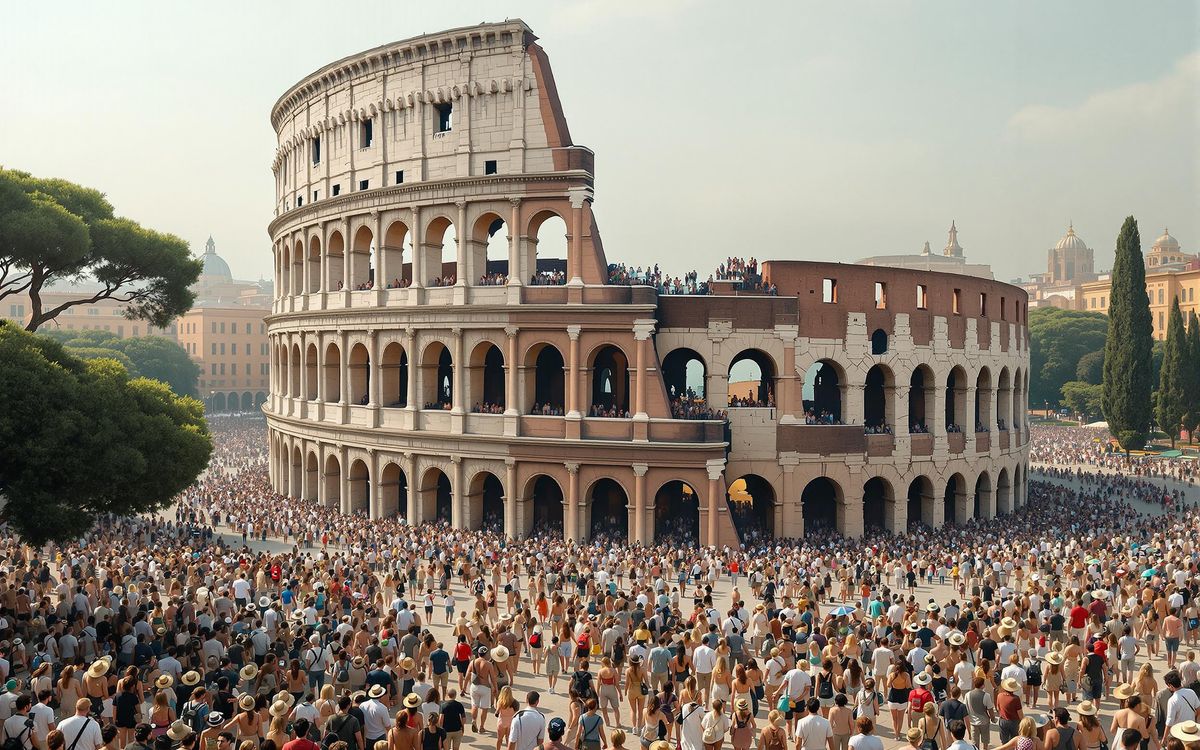
The Colosseum in Rome, an iconic symbol of ancient Roman power and architectural prowess, now faces a formidable foe: overtourism. The relentless foot traffic of millions of annual visitors is causing significant physical damage to the structure. The constant vibrations and pressure erode the ancient stones, while pollution from the city's bustling streets further accelerates the decay. The throngs of people create a cacophony of noise, disrupting the contemplative atmosphere that should accompany such a historical site. One can almost feel the collective weight of history groaning under the strain.
The visible wear and tear is undeniable. Stones are worn smooth, graffiti mars ancient surfaces, and the sheer volume of people detracts from the experience of connecting with the past. The surrounding infrastructure struggles to cope, with overcrowded public transportation and overflowing waste receptacles adding to the sense of degradation. To combat this, limiting visitor numbers through timed entries is essential. Investing tourism revenue in restoration projects can help repair the damage already inflicted. Implementing an eco-tax, similar to those in place in other parts of Europe, could provide a dedicated funding stream for these efforts. These funds could then be channeled towards sustainability projects aimed at preserving the Colosseum and other Roman landmarks.

Venice's Vanishing Charm: A Lagoon City Drowning in Tourists
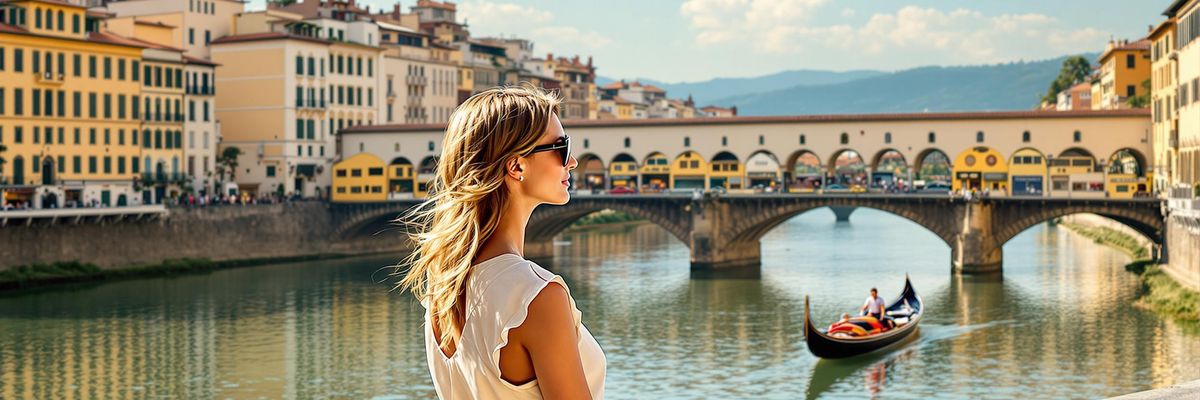
Venice, a city of ethereal beauty and intricate canals, is slowly being suffocated by overtourism. The surge in visitor numbers has led to a dramatic displacement of local residents, as rising rents and property prices make it impossible for them to afford to live in their ancestral homes. The once-vibrant neighborhoods are transforming into tourist-centric zones, with souvenir shops and fast-food outlets replacing traditional businesses and artisans. The visual impact of massive cruise ships looming over the city is jarring, disrupting the delicate balance of the lagoon ecosystem.
The sounds of constant chatter and rolling suitcases fill the narrow streets, drowning out the gentle lapping of water against the ancient buildings. The smell of the canals, once a subtle and natural aroma, is now often overpowered by the stench of fast food and diesel fumes. The authentic Venetian culture is fading, replaced by a commodified version catering to mass tourism. To preserve what remains, promoting sustainable tourism is crucial. Encouraging visitors to explore the lesser-known islands in the lagoon, such as Murano and Burano, can help distribute the tourist load. Supporting local businesses and artisans ensures that the economic benefits of tourism remain within the community. Regulations being introduced in cities like Florence, Amsterdam and Barcelona to combat overtourism, such as limiting short-term rentals and restricting tour group sizes, could serve as models for Venice.

Machu Picchu's Mountain of People: Balancing Wonder and Ruin
Machu Picchu, the lost city of the Incas nestled high in the Andes Mountains of Peru, faces a precarious future. The sheer number of visitors is causing significant erosion of the site, threatening the stability of the ancient structures. Waste management is a constant challenge, with litter and pollution impacting the surrounding ecosystem. The sensory experience of the high altitude, while initially breathtaking, is often marred by the overwhelming presence of crowds. The panoramic views, once a source of awe and inspiration, are now frequently obstructed by throngs of tourists jockeying for the perfect photo.
The feel of the ancient stones, worn smooth by millions of feet, is a tangible reminder of the site's vulnerability. Stricter regulations on visitor numbers are essential to protect Machu Picchu. The use of virtual reality (VR) tours could offer an alternative for those unable to physically visit the site, reducing the overall impact on the ruins. Implementing sustainable tourism practices that benefit local communities ensures that they have a vested interest in preserving this cultural treasure. The surge in international tourism and the increase in global tourist arrivals necessitate a coordinated global effort to manage these fragile sites responsibly.

Kyoto's Kimono Crisis: Cultural Authenticity Lost in Translation
Kyoto, Japan, a city steeped in tradition and renowned for its serene temples and geisha culture, is grappling with the challenges of overtourism. The commodification of geisha culture has led to a distorted and often disrespectful portrayal of these highly skilled artists. Traditional neighborhoods are overcrowded, with tour groups disrupting the peaceful atmosphere and straining local resources. The visual spectacle of tourists in rented kimonos, often engaging in superficial and performative cultural experiences, detracts from the authenticity of the city.
The sounds of tour groups and the constant clicking of cameras fill the air, disrupting the tranquility of the temples and gardens. The taste of mass-produced souvenirs, readily available in tourist shops, replaces the unique and carefully crafted artisanal products that once defined Kyoto's cultural landscape. Travelers should engage with local culture respectfully, seeking out authentic experiences and supporting local artisans. Exploring less-visited temples and gardens can offer a more intimate and meaningful connection with Kyoto's rich heritage. Preserving heritage and local attractiveness requires a collaborative effort between tourists, local communities, and government agencies.

Barcelona's Barrio Exodus: When Tourists Become the Landlords
Barcelona, Spain, a city celebrated for its vibrant culture and architectural marvels, is facing a social crisis fueled by overtourism. The displacement of residents from historic neighborhoods is a growing concern, as the rise of short-term rentals drives up rent and property prices. The sense of community is eroding as long-term residents are replaced by transient tourists, leading to a loss of local identity. The visual transformation of neighborhoods, with traditional shops giving way to tourist-oriented businesses, is a stark reminder of the changing landscape.
The sounds of late-night parties and boisterous tourists disrupt the peace of residential areas, creating tension between visitors and locals. The feeling of alienation experienced by long-term residents is palpable, as they struggle to maintain their way of life in the face of relentless tourism pressure. Regulating short-term rentals is crucial to protect affordable housing and preserve community identity. Investing in affordable housing initiatives can help ensure that local residents are not priced out of their own neighborhoods. Promoting community-led tourism initiatives empowers residents to shape the future of their city and ensure that tourism benefits everyone, not just a select few.
Overtourism is not merely a logistical challenge; it is an ethical one. It demands a fundamental shift in how we approach travel, prioritizing respect for local cultures, environmental sustainability, and the preservation of our shared heritage. By embracing responsible tourism practices, we can ensure that future generations have the opportunity to experience the wonders of the world without destroying them in the process.