In a world obsessed with speed and efficiency, the art of slow travel offers a refreshing alternativeu2014a chance to savor the journey, connect deeply with surroundings, and prioritize well-being over a whirlwind of checklist destinations. It's about transforming travel from a race against the clock into a mindful exploration of self and the world.
Unveiling the Essence of Slow Travel: More Than Just a Trip
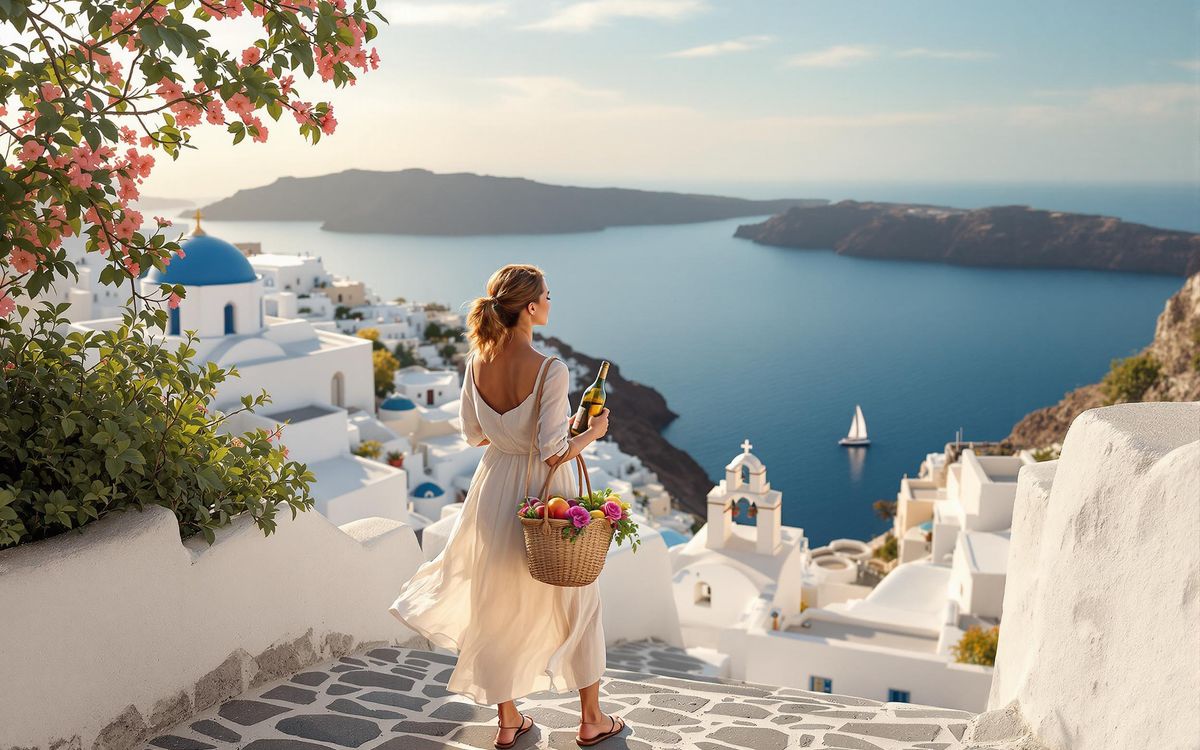
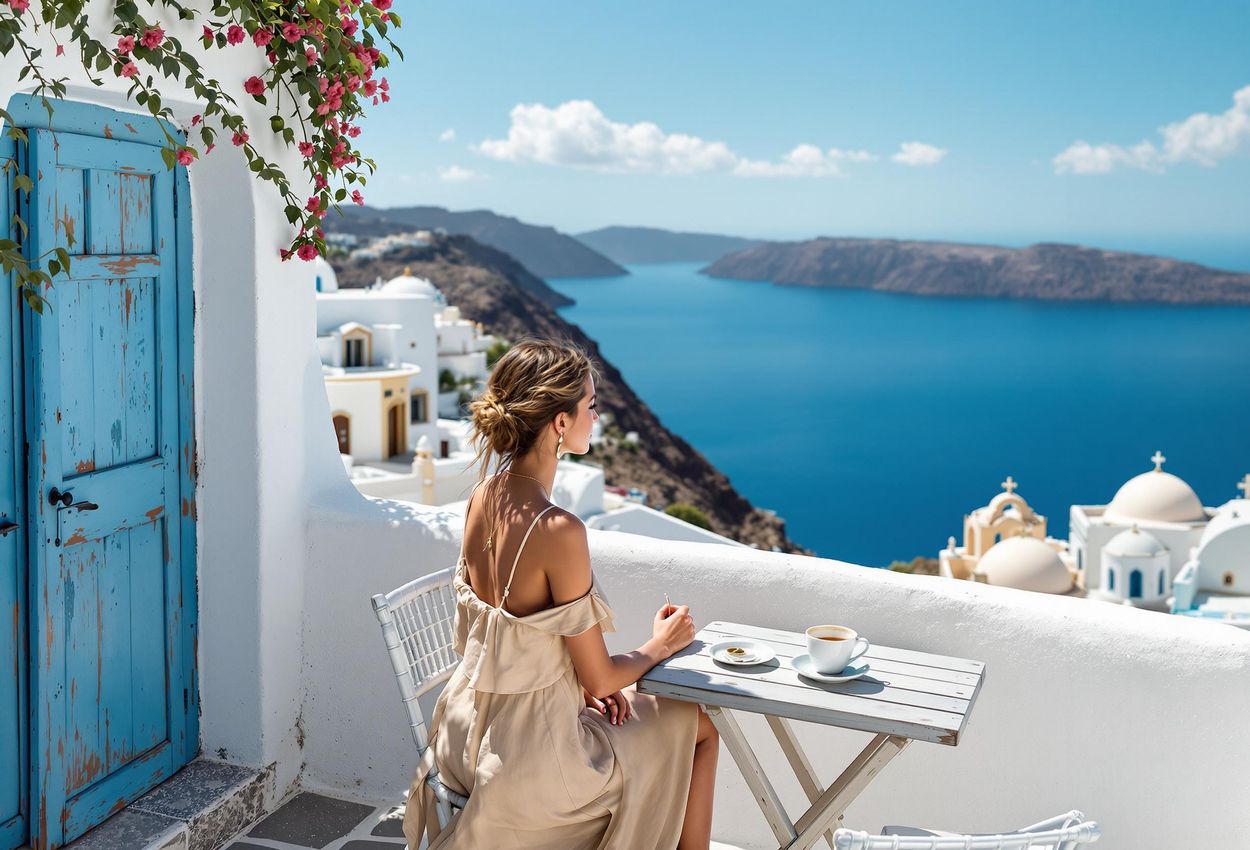
Slow travel is a conscious choice to immerse oneself in the present moment, fostering a deeper connection with the places visited and the people encountered. It stands in stark contrast to conventional tourism, where itineraries are packed with must-see attractions, and the focus is on quantity over quality. Instead of rushing from one landmark to another, slow travelers prioritize mindful exploration, cultural immersion, and personal well-being. Imagine yourself not just seeing the iconic blue domes of Santorini, Greece, but staying in a family-run guesthouse, learning a few Greek phrases, and sharing stories with the locals over a glass of Assyrtiko wine. Or perhaps wandering through a bustling local market, savoring the aroma of fresh spices and the viant colors of local produce, rather than simply snapping a photo and moving on. This approach allows you to truly experience the essence of a place, fostering a deeper appreciation for its unique character and culture.
The benefits of slow travel extend far beyond simply seeing the sights. By slowing down, travelers can reduce stress, enhance mindfulness, and cultivate a greater sense of presence. Disconnecting from technology, even for a few hours each day, allows for a more profound connection with the surroundings, fostering a sense of awe and wonder. It's about trading the constant distractions of social media for the simple pleasures of observing the world around you, listening to the sounds of nature, and engaging in meaningful conversations with fellow travelers and locals alike. In doing so, you open yourself up to unexpected discoveries, serendipitous encounters, and a richer, more fulfilling travel experience.
Crafting Your Slow Travel Itinerary: Intention and Flexibility
Planning a slow travel itinerary requires a different mindset than planning a conventional trip. It's about setting intentions, emacing flexibility, and prioritizing connection over ticking off a list of attractions. Begin by choosing destinations that resonate with your values and interests, places that offer opportunities for cultural immersion, natural beauty, and personal growth. Consider destinations like Kyoto, Japan, with its serene temples, traditional gardens, and rich cultural heritage, or Ubud, Bali, known for its lush rice paddies, spiritual retreats, and viant arts scene. These locations provide a rich tapestry of experiences that unfold beautifully when explored at a relaxed pace.
Once you've chosen your destination, take the time to research local traditions, events, and hidden gems that might not be featured in mainstream guidebooks. Look for opportunities to participate in local festivals, attend cultural performances, or take a cooking class to learn about regional cuisine. Incorporate unstructured time into your itinerary, allowing for spontaneous exploration and serendipitous encounters. Instead of rigidly adhering to a schedule, be open to detours, unexpected invitations, and the possibility of changing your plans based on local recommendations. Transportation also plays a crucial role in the slow travel experience. Opt for trains, buses, or bicycles instead of planes or rental cars to further immerse yourself in the journey. For example, instead of flying directly from Paris to Rome, consider taking a scenic train route through the Swiss Alps, stopping along the way to explore charming villages and eathtaking landscapes. This approach not only reduces your environmental impact but also allows you to savor the journey and connect with the world around you in a more meaningful way.
Finding Wellness on the Road: Mindfulness and Self-Reflection
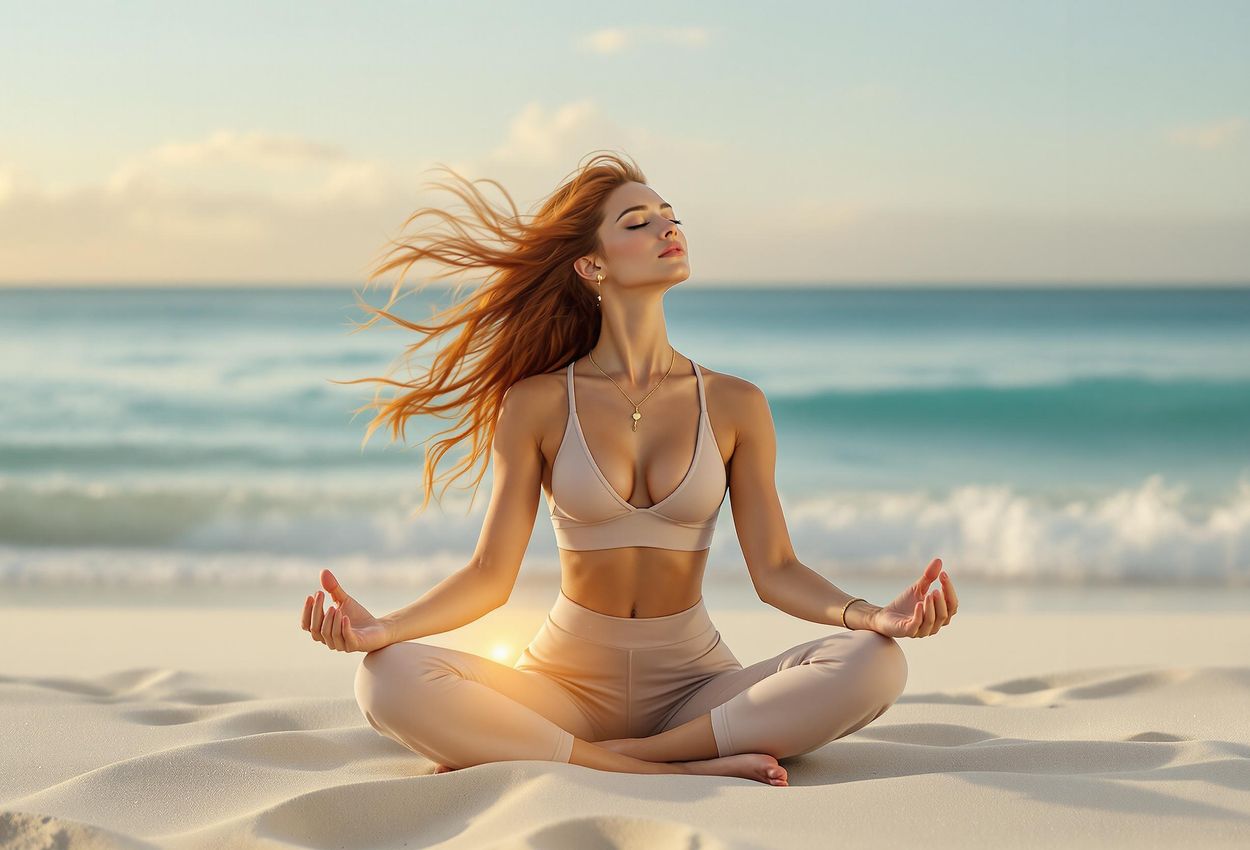
The connection between slow travel and mental and emotional well-being is profound. By slowing down the pace of travel, individuals create space for increased mindfulness, self-reflection, and stress reduction. The constant stimulation and demands of modern life often leave little room for introspection, but slow travel provides an opportunity to disconnect from the noise and reconnect with oneself. Incorporate activities like meditation, yoga, or journaling into your travel routine to further enhance the wellness benefits. Find a quiet spot in a park, on a beach, or in your hotel room to practice mindfulness, focusing on your eath and observing your thoughts and feelings without judgment. Write in a journal to record your experiences, reflect on your emotions, and gain insights into your personal growth.
Consider seeking out wellness retreats or destinations known for their healing properties. The Blue Lagoon in Iceland, with its geothermal waters and mineral-rich mud, offers a rejuvenating experience for both body and mind. Or, for a more profound experience, consider a silent retreat in the Phobjikha Valley, Bhutan, where you can immerse yourself in meditation and contemplation, surrounded by the serene beauty of the Himalayas. Engaging with unfamiliar cultures also challenges personal growth, fostering gratitude and new perspectives. Stepping outside of your comfort zone and experiencing different ways of life can oaden your horizons, challenge your assumptions, and cultivate a greater sense of empathy and compassion. It's about recognizing the interconnectedness of all things and appreciating the diversity of human experience.

Emacing Local Culture: Connections and Community
One of the most rewarding aspects of slow travel is the opportunity to connect with local communities and cultures in a meaningful way. Instead of remaining isolated in tourist bubbles, slow travelers actively seek out interactions with the people who call a place home. This can involve learning basic phrases in the local language, participating in cultural events, and supporting local businesses. Even a simple gesture like greeting someone in their native tongue can open doors to unexpected conversations and deeper connections. Attending a local festival or cultural performance provides a glimpse into the traditions, values, and beliefs of a community, fostering a greater understanding and appreciation for their way of life.
Immersive cultural experiences, such as taking a cooking class in Tuscany, Italy, or volunteering at a community project in Southeast Asia, offer even more profound opportunities for connection. Learning to prepare traditional dishes alongside local chefs provides insights into the culinary heritage of a region, while also fostering a sense of camaraderie and shared experience. Volunteering at a community project allows you to give back to the places you visit, while also learning about the challenges and opportunities faced by local communities. These interactions foster deeper understanding, empathy, and meaningful connections with people from different backgrounds, enriching the travel experience in countless ways.
Savoring the Sensory Experience: Food, Nature, and Art
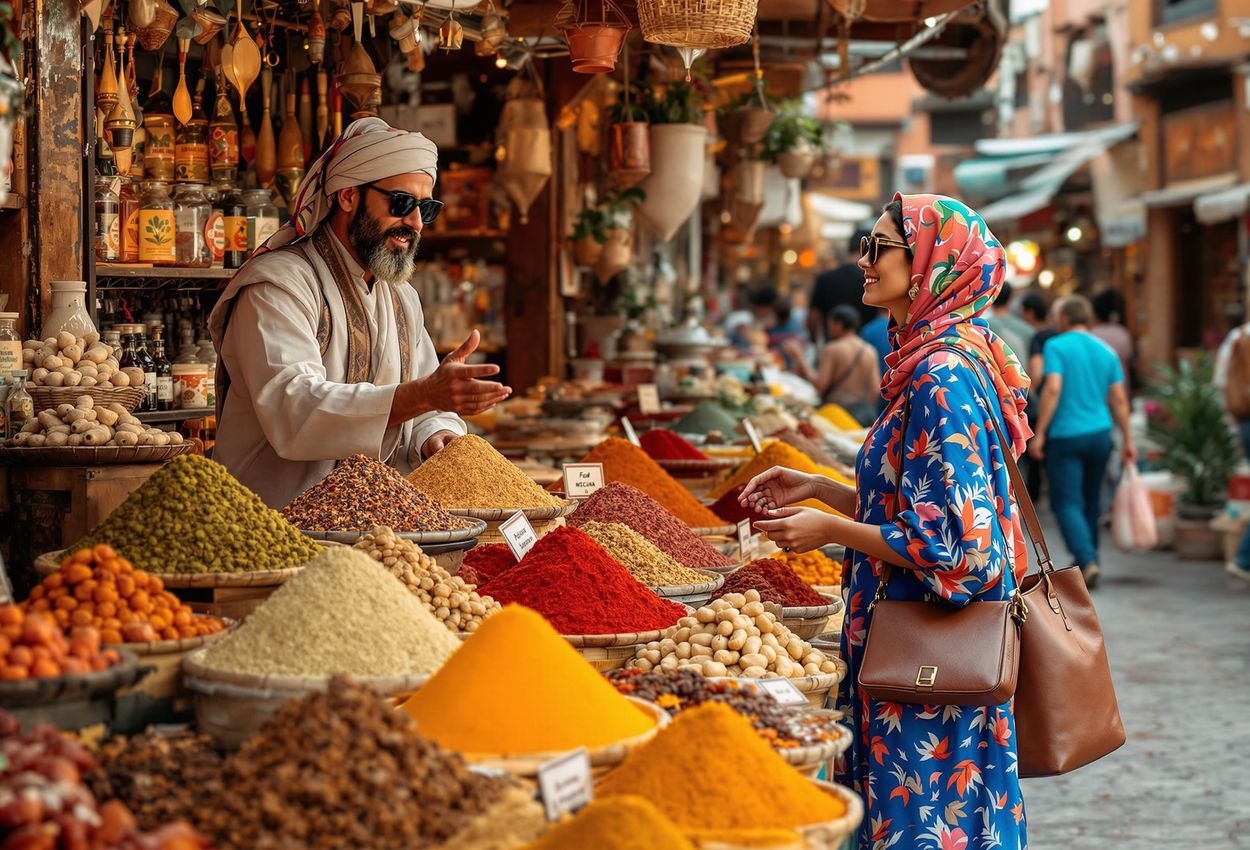
Slow travel is an invitation to engage all five senses, to fully immerse oneself in the sights, sounds, smells, tastes, and textures of a place. It's about savoring local cuisine, exploring natural landscapes, and appreciating art and architecture with a sense of mindfulness and wonder. Imagine yourself wandering through a spice market in Marrakech, Morocco, the air thick with the aroma of exotic spices, the viant colors of saffron, cumin, and turmeric filling your vision. Or perhaps hiking through a redwood forest in California, the towering trees casting long shadows, the air filled with the scent of pine and damp earth. These sensory-rich experiences awaken the senses, enhance mindfulness, and foster a deeper connection with the surrounding environment.
Appreciating art and architecture can also be a deeply sensory experience. Visiting a museum in Florence, Italy, and admiring Renaissance masterpieces allows you to connect with the artistic heritage of a region, while also appreciating the skill and craftsmanship of the artists who created these works of art. Exploring ancient ruins or historical sites can transport you back in time, allowing you to imagine what life was like in a different era. By engaging the senses, slow travelers cultivate a greater sense of presence, appreciation, and connection with the world around them.
Transformative Encounters: Stories from the Road
The transformative power of slow travel is perhaps best illustrated through the stories of those who have emaced this approach and experienced profound personal growth. These stories often involve overcoming challenges, forming meaningful connections, and gaining new perspectives on life. Take the story of Maria, for example, who booked a one-way ticket to Peru after experiencing a painful eakup and job loss. Seeking solace and a new sense of self, she immersed herself in local communities, volunteering at a women's cooperative in the Sacred Valley and hiking in the Andes Mountains. Through these experiences, she not only healed from her emotional wounds but also discovered a newfound sense of purpose and connection.
Or consider the story of David, a corporate executive who felt burnt out and disconnected from his life. He decided to take a sabbatical and embark on a pilgrimage along the Camino de Santiago in Spain. Walking hundreds of miles across the countryside, he had time to reflect on his values, priorities, and life goals. Along the way, he met fellow pilgrims from all walks of life, sharing stories, experiences, and moments of camaraderie. By the time he reached Santiago de Compostela, he had undergone a profound transformation, returning home with a renewed sense of purpose and a commitment to living a more authentic and meaningful life. These stories demonstrate the potential of slow travel to heal, inspire, and transform lives.
Sustainable Slow Travel: Respecting People and Planet
Sustainable travel practices are not only essential for protecting the environment and supporting local communities but also for enhancing the wellness experience. By choosing eco-friendly accommodations, supporting local economies, and minimizing their environmental impact, slow travelers contribute to the well-being of both themselves and the destinations they visit. This can involve staying in locally owned guesthouses or eco-lodges, eating at restaurants that source their ingredients from local farms, and purchasing souvenirs from artisans who use sustainable materials and traditional techniques.
Consider supporting sustainable travel initiatives, such as carbon-offsetting programs or community-based tourism projects. Carbon-offsetting programs allow you to compensate for the carbon emissions generated by your flights or other travel activities by investing in projects that reduce greenhouse gas emissions. Community-based tourism projects empower local communities to benefit from tourism while also protecting their cultural heritage and natural resources. By making conscious choices about how you travel, you can minimize your environmental impact, support local communities, and enhance your own sense of well-being, knowing that you are contributing to a more sustainable and equitable world.
Luxury in Leisure: Elevating Slow Travel Experiences
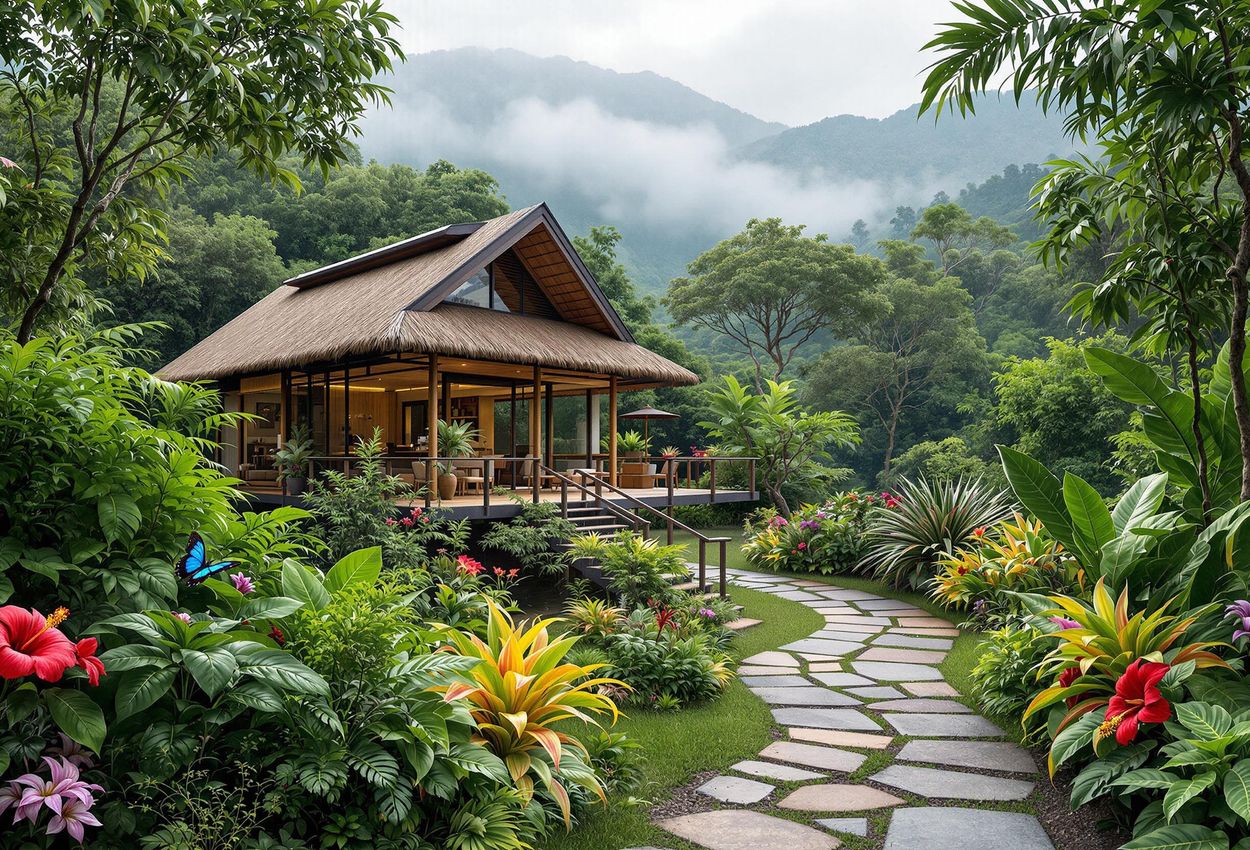
Luxury and slow travel may seem like contradictory concepts, but they can be seamlessly integrated to create truly transformative experiences. Luxury in slow travel is not about accumulating material possessions or indulging in ostentatious displays of wealth; rather, it's about savoring the journey, indulging in unique and personalized experiences, and prioritizing comfort, convenience, and exclusivity. This can involve opting for boutique hotels, private villas, or small-group tours that offer personalized attention and unique opportunities for cultural immersion.
Consider indulging in luxurious slow travel activities, such as a private wine tasting in Napa Valley, California, a hot air balloon ride over the Serengeti in Tanzania, or a wellness retreat in the Maldives. These experiences offer unparalleled opportunities to connect with nature, culture, and oneself in a relaxed and luxurious setting. The key is to prioritize quality over quantity, focusing on experiences that are meaningful, authentic, and aligned with your values. By combining luxury with slow travel principles, you can create a truly unforgettable and transformative journey.
The Digital Detox: Unplugging for Enhanced Connection
In today's hyper-connected world, one of the biggest challenges of slow travel is disconnecting from technology. The constant barrage of emails, notifications, and social media updates can be a major distraction, preventing you from fully immersing yourself in the present moment. Setting boundaries on device usage, creating tech-free zones, and engaging in activities that promote presence and mindfulness are essential for enhancing connection with oneself, others, and the surrounding environment. This can involve turning off notifications, deleting social media apps, or designating specific times of day for checking emails.
Consider using apps that limit screen time or block distracting websites. However, it's important to consider whether technology is making things too predictable, removing the element of chance. The point is to be more mindful of your technology use and to create space for more meaningful interactions with the world around you. Engage in activities that promote presence and mindfulness, such as meditation, yoga, or simply taking a walk in nature. By disconnecting from technology, you can reconnect with yourself, your surroundings, and the people you are traveling with, fostering a deeper sense of presence, gratitude, and well-being.
Integrating Slow Travel into Daily Life: A Lasting Transformation
The principles of slow travel are not just applicable to vacations; they can also be integrated into everyday life to promote well-being, gratitude, and personal growth. Cultivating mindfulness, emacing simplicity, and prioritizing meaningful connections in your daily routines can have a profound impact on your overall quality of life. This can involve taking a few minutes each day to meditate, practice yoga, or simply focus on your eath. It can also involve decluttering your home, simplifying your schedule, and prioritizing activities that ing you joy and fulfillment.
Consider incorporating small changes into your daily routine that can have a big impact, such as taking a walk in nature, cooking a meal from scratch, or spending quality time with loved ones. An icy lake plunge might become a daily cold shower, aroma yoga could transform into a daily dab of essential oil. These small acts of self-care can help you to reduce stress, enhance mindfulness, and cultivate a greater sense of connection with yourself and the world around you. Slow travel is not just a vacation style; it's a way of life that promotes well-being, gratitude, and personal growth. By emacing the principles of slow travel, you can transform your life into a journey of mindful exploration, meaningful connection, and lasting transformation.