In a world increasingly dominated by screens and urban sprawl, the ancient practice of forest bathing, or Shinrin-Yoku, offers a serene escape and a scientifically-backed pathway to enhanced well-being. This isn't merely a walk in the woods; it's a mindful immersion in nature that awakens the senses and rejuvenates the spirit. Prepare to embark on a journey that will transform your relationship with the natural world and unlock the profound benefits it holds for your health and happiness.
Unveiling Shinrin-Yoku: The Ancient Art of Forest Bathing
The term Shinrin-Yoku translates literally to u201cforest bathu201d in Japanese, but its essence is far more profound than a simple translation suggests. Born in Japan during the 1980s, this practice emerged as a proactive response to the nationu2019s escalating stress levels and rapid urbanization. The Japanese government, recognizing the urgent need for accessible wellness solutions, began to promote Shinrin-Yoku as a national health program, encouraging citizens to reconnect with the natural world. It was a conscious effort to counteract the detrimental effects of modern life by turning to the therapeutic power of forests.
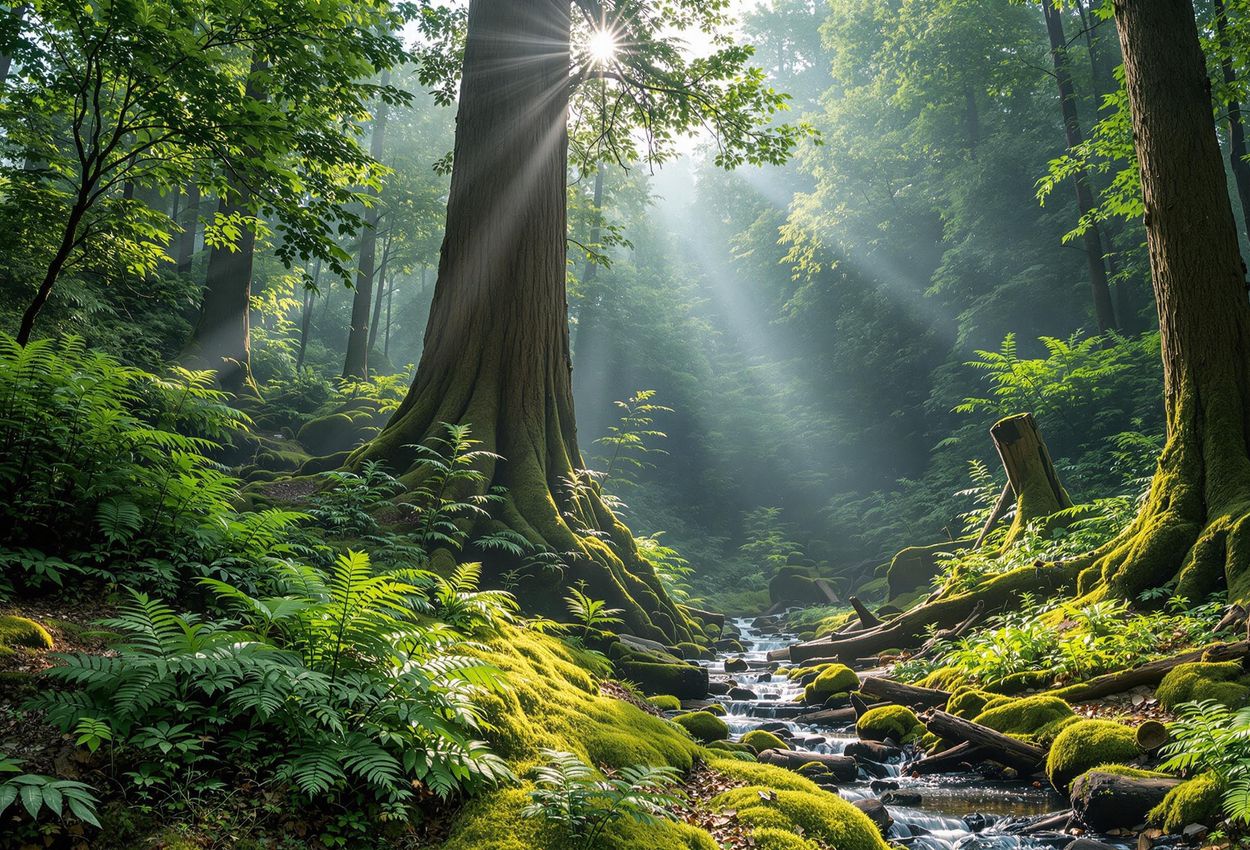
Shinrin-Yoku is not about rigorous hiking or strenuous exercise; itu2019s about slowing down, being present, and immersing oneself fully in the sensory experience of the forest. It's an invitation to engage all five sensesu2014sight, sound, smell, touch, and even tasteu2014in a symphony of natural stimuli. Imagine the dappled sunlight filtering through the canopy, painting the forest floor with shifting patterns of light and shadow. Listen to the gentle rustling of leaves in the eeze, the melodic chirping of birds, and the soothing murmur of a nearby stream. Inhale the earthy aroma of damp soil, the crisp scent of pine needles, and the sweet fragrance of wildflowers. Feel the rough texture of tree bark beneath your fingertips, the cool dampness of moss, and the soft yieldingness of the forest floor beneath your feet. Perhaps even taste the pure, clean air, a stark contrast to the polluted atmosphere of urban environments. This holistic sensory engagement is the heart of Shinrin-Yoku.
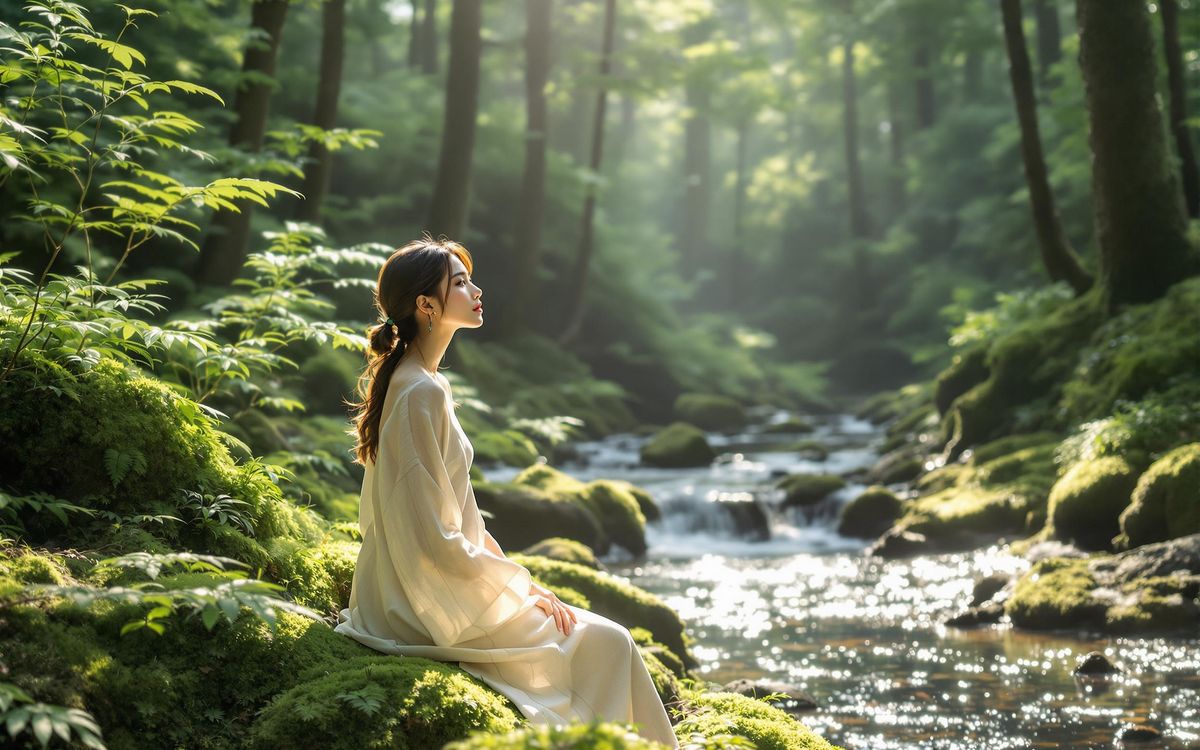
In essence, forest bathing is a form of ecotherapy, a therapeutic practice that recognizes the intrinsic connection between human well-being and the health of the natural world. Itu2019s a conscious effort to step away from the digital distractions and mental clutter of modern life and to rediscover the restorative power of nature. By slowing down and becoming more present in the moment, practitioners can cultivate a deeper sense of connection with the environment and unlock a profound sense of peace and tranquility. 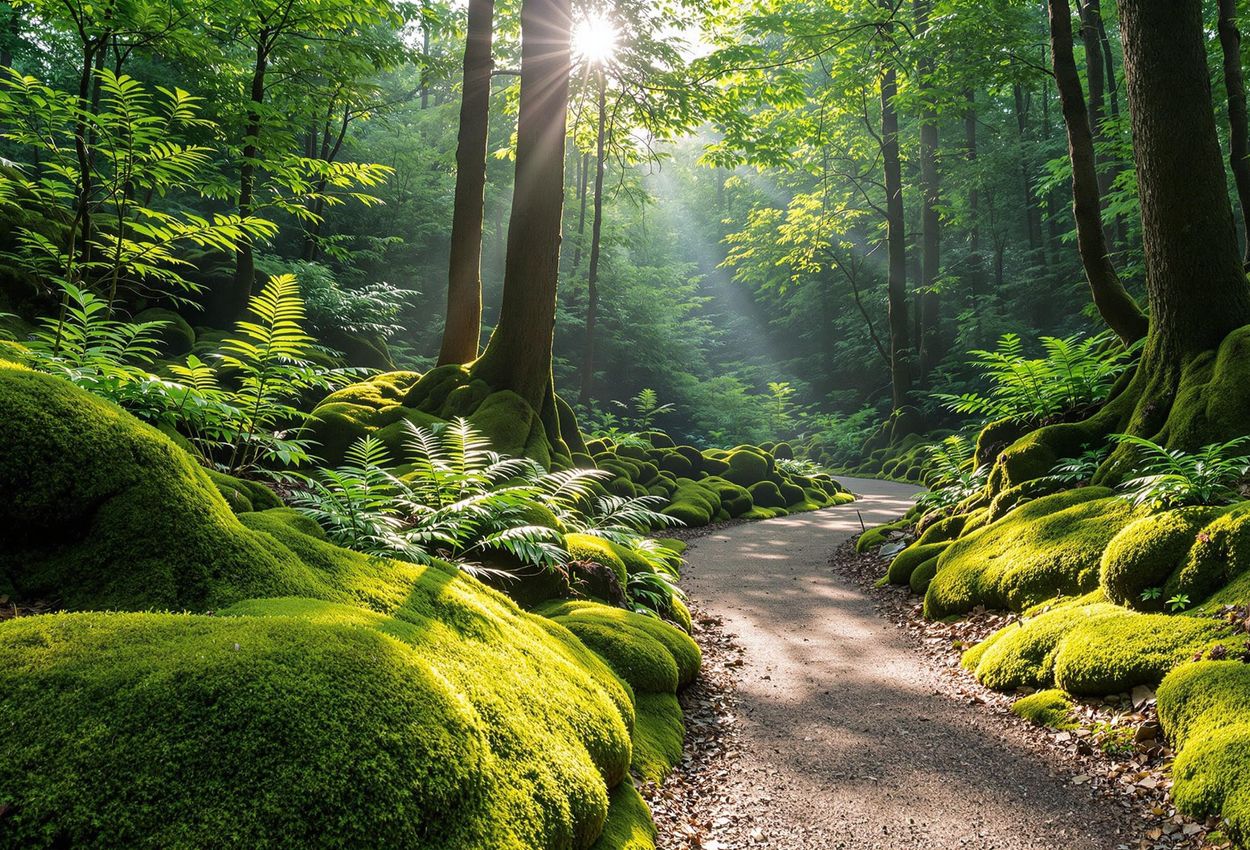
The Science Behind the Serenity: Proven Health Benefits
While the intuitive appeal of forest bathing is undeniable, its benefits are far from anecdotal. A growing body of scientific evidence supports the profound impact of Shinrin-Yoku on both physical and mental health. Researchers around the world have conducted rigorous studies to investigate the mechanisms by which forest environments promote well-being, revealing a complex interplay of physiological and psychological factors.
One of the most well-documented effects of forest bathing is a significant reduction in cortisol levels, the hormone associated with stress. Studies have shown that spending time in forests can lower cortisol concentrations in saliva and blood, indicating a decrease in the bodyu2019s stress response. This reduction in stress hormones is often accompanied by a decrease in blood pressure and heart rate, further demonstrating the calming effect of forest environments. The Center for Environment, Health, and Field Sciences at Chiba University, Japan, has been at the forefront of this research, conducting numerous studies on the physiological effects of forest bathing.
Furthermore, research has revealed that forest bathing can boost immune function through an increase in the activity of natural killer (NK) cells. NK cells are a type of white blood cell that plays a crucial role in the immune systemu2019s ability to fight off infections and cancer cells. Studies have shown that exposure to forest environments can increase both the number and activity of NK cells, enhancing the bodyu2019s natural defenses. Dr. Qing Li, a leading researcher in the field of forest medicine, has extensively studied the role of phytoncides, antimicrobial compounds released by trees, in enhancing immune responses. Phytoncides, such as alpha-pinene and limonene, are inhaled during forest bathing and have been shown to have a variety of beneficial effects on the immune system.
In addition to reducing stress and boosting immunity, forest bathing has also been linked to improvements in mood, attention, and overall psychological well-being. Studies have shown that spending time in forests can reduce symptoms of anxiety and depression, improve cognitive performance, and increase feelings of happiness and vitality. The combination of fresh air, natural light, and sensory stimulation provided by forest environments can have a profound impact on the ain, promoting relaxation, focus, and creativity. 
Your First Steps into the Woods: A Practical Guide to Forest Bathing
Embarking on your first forest bathing experience is simple, yet requires a shift in mindset and intention. It's about disconnecting from the demands of daily life and reconnecting with the natural world in a mindful and deliberate way. Here's a practical guide to help you get started:
Begin by turning off your electronic devices. The constant notifications, emails, and social media updates can be a major source of distraction and stress. By disconnecting from technology, you can fully immerse yourself in the present moment and focus on the sensory experience of the forest.
Slow down your pace. Resist the urge to rush through the woods. Instead, stroll leisurely, allowing yourself to be guided by your curiosity and intuition. Pay attention to the details around youu2014the patterns of light and shadow, the textures of bark and leaves, the sounds of birds and insects.
Engage your senses. Take deep eaths and inhale the fresh, clean air. Listen to the sounds of the forest, both near and far. Touch the leaves, the bark, the soil. Observe the colors, the shapes, the patterns. Allow yourself to be fully present in your body and in your surroundings.
Try eathing exercises. Deep, mindful eathing can help to calm the nervous system and promote relaxation. Experiment with different eathing techniques, such as diaphragmatic eathing or alternate nostril eathing, to find what works best for you.
Practice mindful observation. Instead of simply looking at the forest, try to truly see it. Notice the subtle details that you might normally overlooku2014the way the light filters through the leaves, the intricate patterns on a butterflyu2019s wing, the tiny mushrooms growing on a fallen log.
Explore and connect. Allow yourself to wander off the beaten path, to explore hidden corners and discover new wonders. Touch a tree, feel the earth beneath your feet, listen to the wind in the trees. Make a conscious effort to connect with the environment on a physical and emotional level.
Aim for at least two hours per week. Research suggests that spending at least two hours per week in nature can have significant benefits for your health and well-being. Whether you choose to spend that time in a forest, a park, or your own backyard, make it a regular part of your routine. 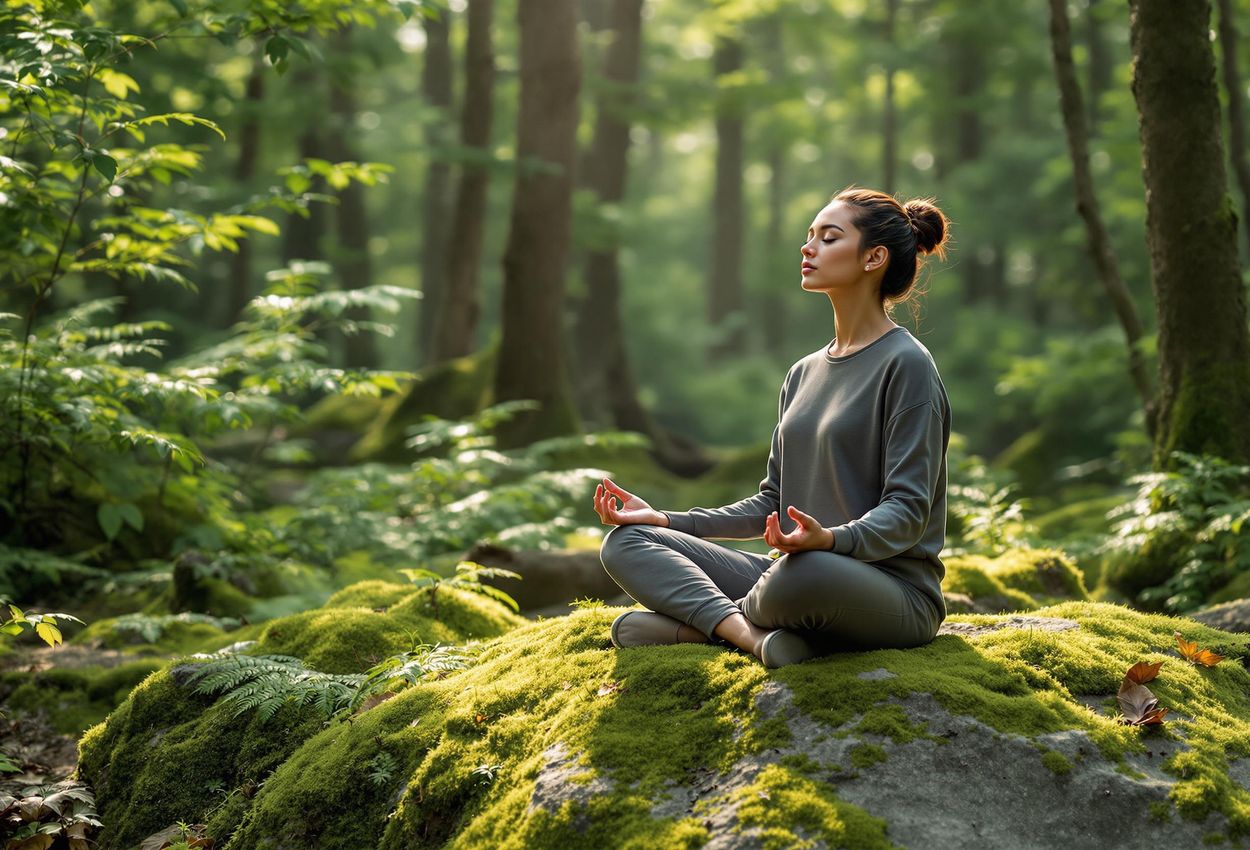
Enchanting Escapes: Top Destinations for Forest Bathing Around the Globe
The beauty of forest bathing lies in its accessibility; it can be practiced in virtually any natural environment. However, certain destinations offer particularly enchanting and immersive experiences. Here are a few of the top spots for forest bathing around the globe:
Akasawa Natural Recreational Forest, Japan: Considered the birthplace of Shinrin-Yoku, this forest boasts guided therapy trails designed to enhance the healing effects of nature. The ancient cedar trees and pristine mountain streams create a truly serene and restorative environment.
Waipoua Forest, New Zealand: Home to some of the worldu2019s largest and oldest kauri trees, this forest offers a unique opportunity to connect with ancient wisdom and natural power. Mu0101ori-guided tours provide insights into the cultural significance of the forest and its healing properties.
Redwood National and State Parks, USA: Walking among the towering redwoods is an awe-inspiring experience that can profoundly impact your sense of scale and perspective. The sheer size and age of these trees evoke a sense of timelessness and connection to the natural world.
Cardrona Forest, Scotland: This lesser-known gem offers a unique blend of rugged beauty and tranquility. The diverse landscape, with its rolling hills, dense forests, and sparkling lochs, provides a rich and varied sensory experience.
Atlantic Forest near São Paulo, azil: This lush rainforest is home to an incredible diversity of plant and animal life, offering a viant and immersive sensory experience. The sounds of exotic birds, the scent of tropical flowers, and the sight of colorful butterflies create a truly unforgettable forest bathing experience.
These are just a few examples of the many incredible destinations around the world that are perfect for forest bathing. Whether you choose to explore a remote wilderness or a local park, the key is to find a place where you can connect with nature and immerse yourself in its healing emace. 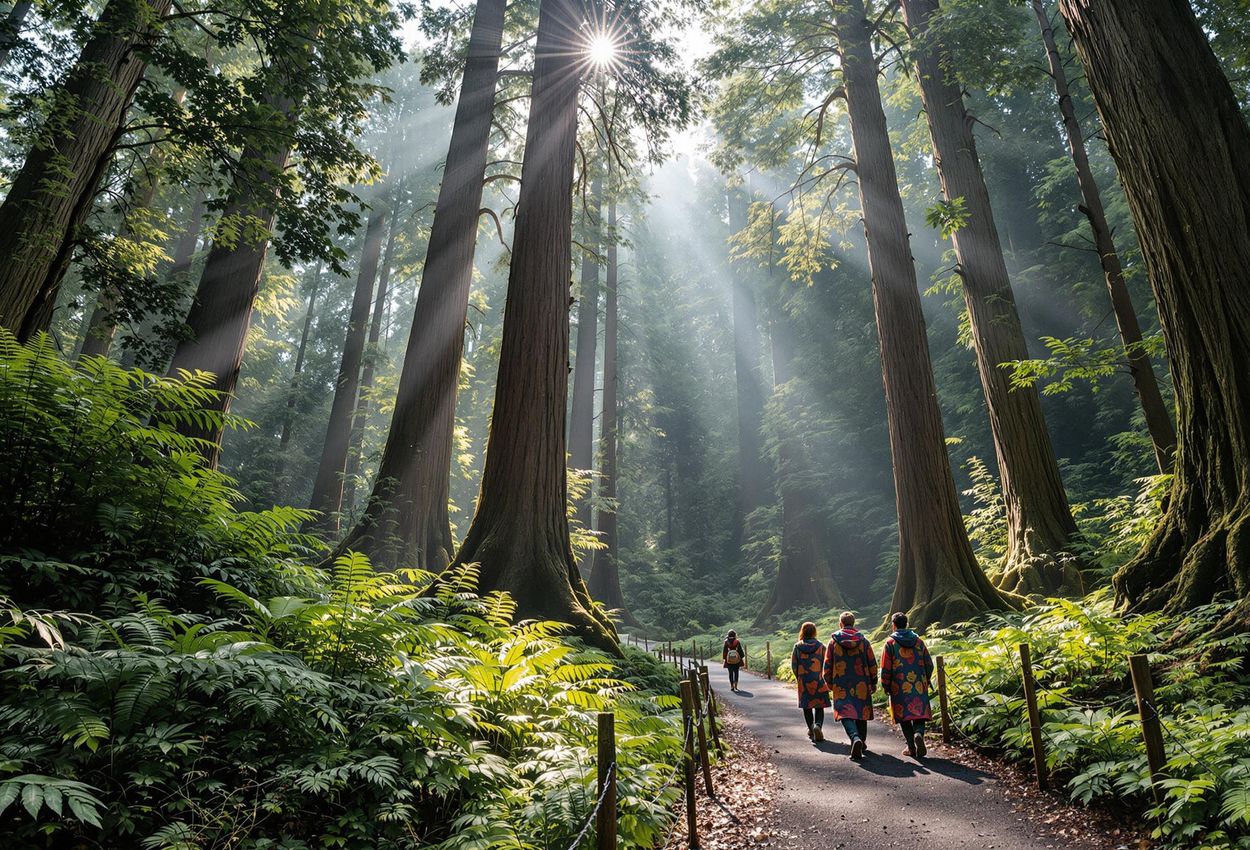
From ICU to Inner Peace: Personal Stories of Transformation
The transformative power of forest bathing is perhaps best illustrated through the personal stories of individuals who have experienced its profound benefits. These are tales of healing, resilience, and renewed connection with the natural world.
Ruth, a veteran who served in Afghanistan, struggled with severe PTSD after returning home. The sounds of traffic, the crowds of people, and the constant sense of alertness triggered flashbacks and anxiety attacks. Traditional therapy provided some relief, but it wasnu2019t until she discovered forest bathing that she began to truly heal. Woodland walks in Essex, England allowed her to reconnect with the present moment, to find solace in the quiet beauty of the forest. The scent of the trees, the sound of the birds, and the feel of the earth beneath her feet helped to ground her and to calm her racing mind. Over time, Ruthu2019s PTSD symptoms diminished, and she rediscovered a sense of peace and joy in her life.
Marianne Tan, a busy executive in Singapore, found herself feeling increasingly disconnected from nature and from herself. The demands of her job left her feeling stressed, exhausted, and emotionally depleted. On a whim, she decided to try forest bathing in the Singapore Botanic Gardens. To her surprise, the experience was deeply restorative. The lush greenery, the fragrant flowers, and the gentle eeze helped her to relax and to reconnect with her senses. She began to make forest bathing a regular part of her routine, and over time, she noticed a significant improvement in her mood, energy levels, and overall well-being.
These are just two examples of the many individuals who have experienced the healing power of forest bathing. Whether you are struggling with PTSD, anxiety, depression, or simply feeling disconnected from nature, forest bathing offers a simple yet profound way to reconnect with your inner self and to rediscover the joy of being alive. 
Forest Bathing with Children: Nurturing a Lifelong Connection with Nature
Introducing children to the practice of forest bathing can have profound and lasting benefits for their physical, mental, and emotional well-being. Research has shown that spending time in nature can reduce symptoms of depression, anger, and fatigue in children with mental health issues. Furthermore, it can foster a lifelong appreciation for the natural world and inspire a sense of environmental stewardship.
Engaging children in forest bathing requires a different approach than with adults. The key is to make it fun, interactive, and age-appropriate. Here are a few tips for engaging children in forest bathing:
Play sensory games. Encourage children to use their senses to explore the forest. Ask them to find the softest leaf, the roughest bark, the smelliest flower. Play u201cI Spyu201d with natural objects, such as birds, insects, and trees.
Go on a nature scavenger hunt. Create a list of natural items for children to find, such as a feather, a pinecone, a smooth stone, a colorful leaf. This will encourage them to explore the forest and to pay attention to the details around them.
Build a fairy house. Use natural materials, such as twigs, leaves, and moss, to build a tiny house for fairies or other mythical creatures. This will encourage children to use their imagination and to connect with the forest on a creative level.
Tell stories. Share stories about the forest, its creatures, and its history. This will help children to develop a deeper understanding and appreciation for the natural world.
Most importantly, remember to be patient and flexible. Children have different attention spans and interests than adults. Allow them to explore the forest at their own pace and to engage in activities that they enjoy. 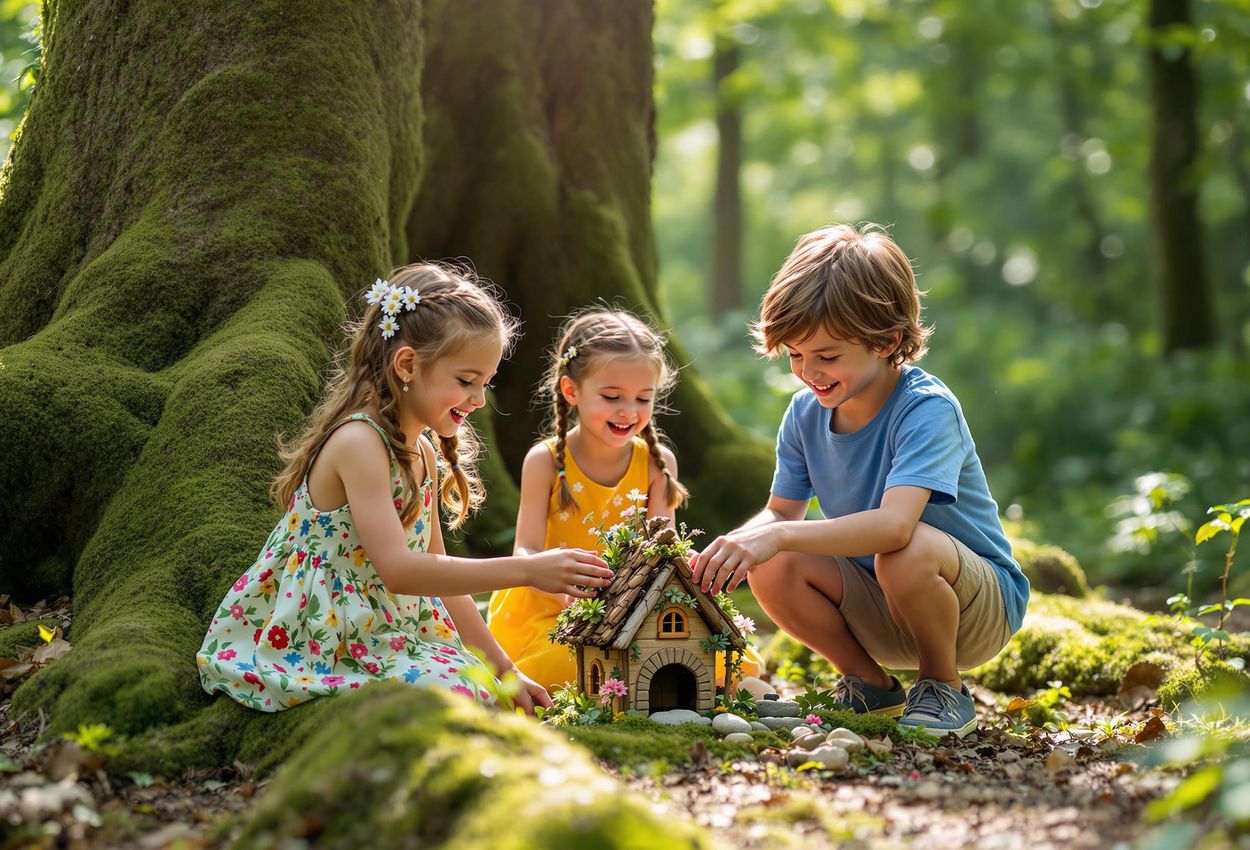
Urban Oasis: Finding Forest Bathing in the City
While the idea of forest bathing may conjure images of pristine wilderness, the practice can be adapted and enjoyed even in the heart of the city. Urban parks, green spaces, and even tree-lined streets can offer opportunities to connect with nature and experience the benefits of Shinrin-Yoku.
Research has shown that urban forest bathing can have similar benefits to forest bathing in more natural environments, including reduced anxiety and improved social connectedness. Even a short walk in a city park can help to lower stress levels, boost mood, and improve cognitive function.
The key to urban forest bathing is to be mindful of natureu2019s details, even in the midst of the cityu2019s hustle and bustle. Pay attention to the trees, the flowers, the birds, and the insects that share your urban environment. Take a moment to appreciate the beauty and resilience of nature, even in the most unexpected places.
Here are a few tips for practicing urban forest bathing:
Visit a city park or botanical garden. These spaces are specifically designed to showcase the beauty and diversity of nature. Take a stroll through the gardens, sit beneath a tree, or simply observe the natural world around you.
Find a green space near your home or office. Even a small patch of grass or a tree-lined street can offer a respite from the stresses of urban life. Take a few minutes each day to connect with nature in your local environment.
Create a habit of connecting with nature regularly. Whether itu2019s a daily walk in the park, a weekly visit to a botanical garden, or simply tending to a few indoor plants, make a conscious effort to incorporate nature into your daily routine. 
Beyond the Trees: Cultivating Mindfulness in Everyday Life
The principles of forest bathing extend far beyond the boundaries of the forest. By incorporating mindfulness and sensory awareness into our daily routines, we can cultivate a deeper connection with nature and experience the benefits of Shinrin-Yoku in all aspects of our lives.
Here are a few simple practices for cultivating mindfulness in everyday life:
Practice mindful eathing. Take a few moments each day to focus on your eath. Notice the sensation of the air entering and leaving your body. This simple practice can help to calm your mind and to ing you into the present moment.
Appreciate natural light. Open your curtains or blinds and let the sunlight stream into your home or office. Notice the way the light changes throughout the day. Natural light can have a positive impact on your mood and energy levels.
Connect with nature through indoor plants. ing a few plants into your home or office. Tend to them regularly, watering them, pruning them, and observing their growth. Indoor plants can help to purify the air and to create a more calming and inviting environment.
Take a mindful walk. Pay attention to your surroundings as you walk. Notice the sights, the sounds, the smells, and the textures. Allow yourself to be fully present in your body and in your environment.
By incorporating these simple practices into your daily routine, you can cultivate a deeper connection with nature and experience the benefits of Shinrin-Yoku in all aspects of your life. 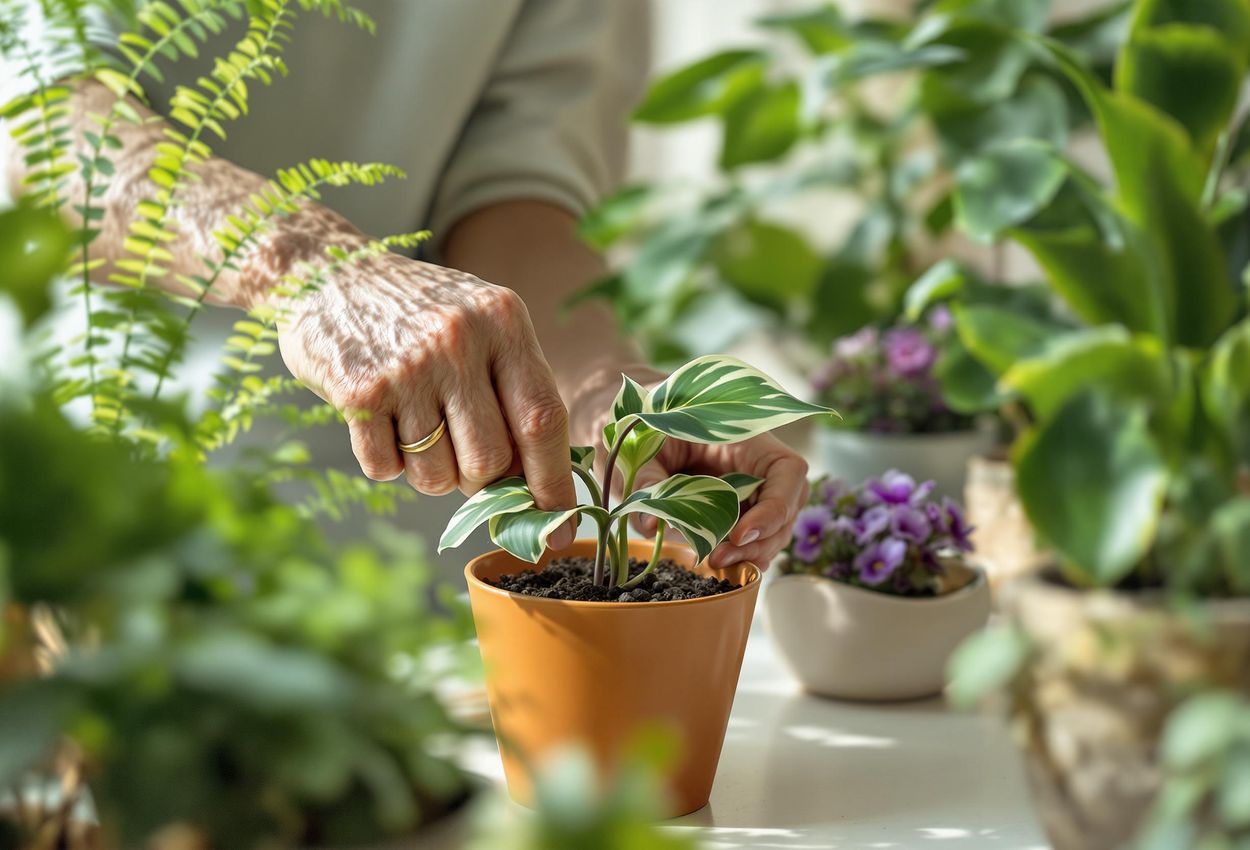
The Social Prescription: Forest Bathing as a Community Wellness Tool
Forest bathing has emerged as a powerful community wellness tool, offering an accessible and low-cost way to address health inequalities and promote social inclusion. The simplicity and inherent benefits of connecting with nature make it an ideal intervention for diverse populations, fostering both individual and collective well-being.
Forest bathing groups are becoming increasingly popular, providing structured opportunities for people to experience the benefits of Shinrin-Yoku together. These groups are often led by trained guides who facilitate mindful exploration and sensory engagement, creating a supportive and inclusive environment for participants.
Social prescriptions, which are non-medical interventions prescribed by healthcare professionals, are increasingly incorporating forest bathing as a way to address a range of health issues, from anxiety and depression to social isolation and chronic pain. By connecting individuals with nature-based activities, social prescriptions can complement traditional medical treatments and promote holistic well-being.
Community-managed woodlands and green spaces play a vital role in providing accessible locations for forest bathing. These spaces offer a safe and welcoming environment for people to connect with nature, fostering a sense of community ownership and environmental stewardship.
Guided forest bathing experiences can be particularly beneficial for individuals who are new to the practice or who may feel intimidated by the idea of exploring nature on their own. These experiences provide a structured and supportive environment for participants to learn about the principles of Shinrin-Yoku and to develop their own personal connection with nature. 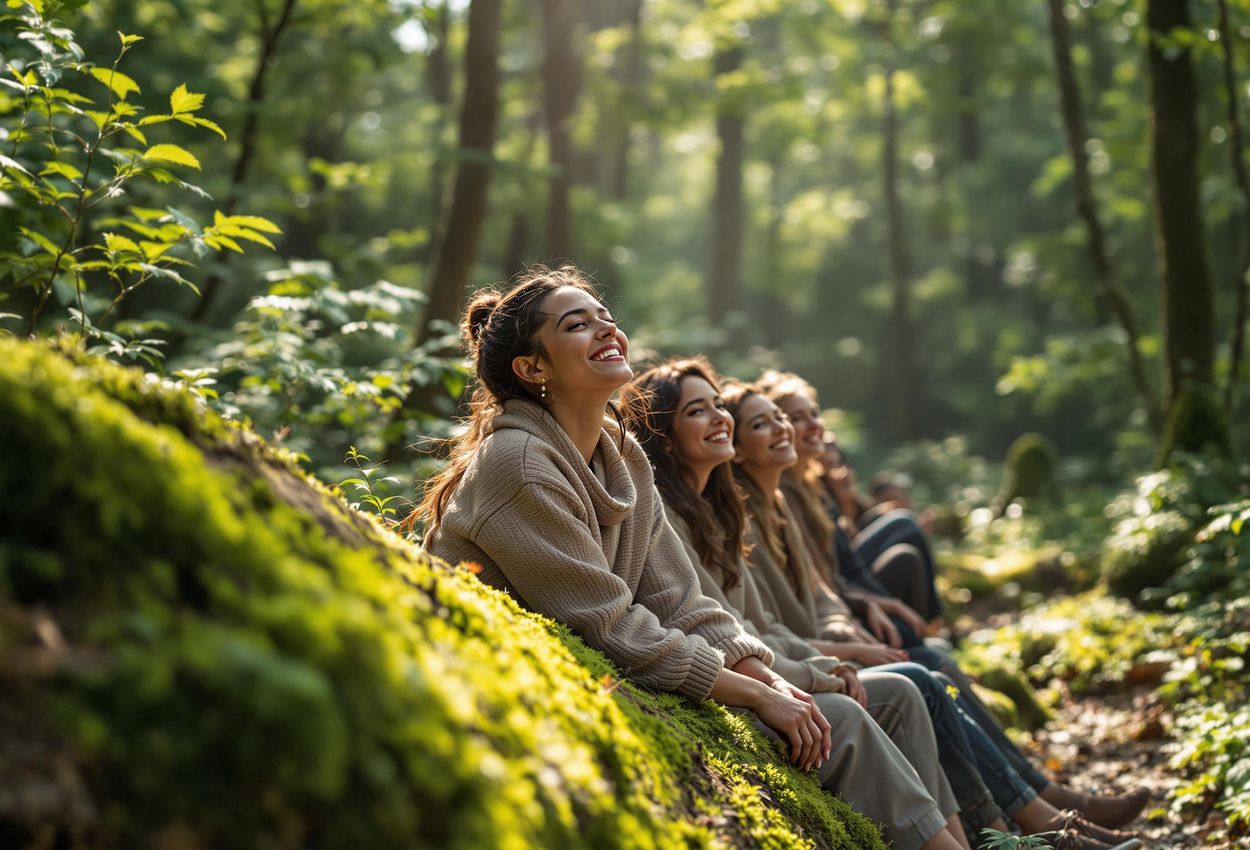
A Sustainable Future: Protecting Our Forests for Generations to Come
The practice of forest bathing is intrinsically linked to the importance of forest conservation and sustainability. By recognizing the profound benefits that forests provide for our health and well-being, we are more likely to support efforts to protect and preserve these precious ecosystems for future generations.
Supporting organizations that protect forests is a crucial step in ensuring a sustainable future. These organizations work to conserve forests, restore degraded ecosystems, and promote responsible forest management practices.
Responsible tourism plays a vital role in supporting forest conservation. By choosing eco-friendly accommodations, participating in sustainable tourism activities, and respecting local cultures and environments, we can minimize our impact on forests and contribute to their long-term preservation.
Individual actions can also make a significant difference. Reducing consumption, recycling, and advocating for environmental policies are all ways to contribute to a healthier future for our forests and the planet as a whole.
By emacing the principles of sustainability and supporting efforts to protect our forests, we can ensure that future generations will have the opportunity to experience the healing power of nature and to benefit from the profound connection between human well-being and the health of the natural world.