In the quest for optimal mental well-being, an unlikely hero emerges: your gut. The gut-ain connection, once a fringe theory, is now a central focus in the world of wellness, revealing the profound impact of your diet on your mental state. From mood regulation to cognitive function, the health of your gut microbiome plays a pivotal role in shaping your overall mental health. This intricate relationship, often referred to as the gut-ain axis, is a two-way street, with each influencing the other in a complex dance of biochemistry and neurobiology. Let's delve into the fascinating world of the gut-ain connection and discover how you can harness the power of your diet to cultivate a happier, healthier mind.
Unlocking the Gut-ain Mystery: A Two-Way Street to Well-being
The gut-ain axis represents the bidirectional communication network between the digestive system and the ain. This intricate system involves a complex interplay of neural, hormonal, and immunological pathways, allowing the gut and ain to constantly exchange information. The enteric nervous system (ENS), often dubbed the 'second ain,' is a network of neurons lining the gastrointestinal tract, capable of operating independently of the central nervous system. This allows the gut to perform many functions, including digestion and immune response, without direct input from the ain. However, the ENS also communicates extensively with the ain, influencing mood, behavior, and cognitive function.
Consider the common experience of 'butterflies in your stomach' when nervous or anxious. This is a prime example of the gut-ain connection in action. Stress and anxiety can trigger changes in gut motility and secretion, leading to those familiar sensations. Conversely, gut inflammation or imbalance can send signals to the ain, contributing to feelings of anxiety or depression. The vagus nerve, the longest cranial nerve in the body, plays a crucial role in this communication, transmitting signals between the gut and the ainstem. This direct line of communication allows for rapid and efficient exchange of information, influencing everything from appetite and digestion to mood and stress response.
The gut-ain axis isn't just about reacting to stress; it's also involved in regulating fundamental aspects of mental health. Neurotransmitters, the chemical messengers that transmit signals between nerve cells in the ain, are also produced in the gut. In fact, a significant portion of the body's serotonin, a key neurotransmitter involved in mood regulation, is synthesized in the gut by specialized enterochromaffin cells. This highlights the profound impact of gut health on the production and availability of neurotransmitters essential for mental well-being. Understanding this two-way street is the first step in leveraging the gut-ain connection for improved mental health.

The Microbiome's Mood-Boosting Magic: Serotonin and Beyond
The gut microbiome, the vast community of microorganisms residing in your digestive tract, is a key player in the gut-ain axis. This complex ecosystem, comprising trillions of bacteria, fungi, viruses, and other microbes, plays a vital role in digestion, immunity, and even mental health. The gut microbiome influences the production of neurotransmitters, including serotonin, dopamine, and GABA, which are essential for mood regulation, cognitive function, and overall mental well-being. A balanced and diverse gut microbiome can contribute to improved mood, reduced anxiety, and enhanced cognitive performance.
Specific bacteria within the gut microbiome have been linked to positive effects on mental health. For example, Faecalibacterium prausnitzii, a common gut bacterium, is known for its anti-inflammatory properties. By reducing inflammation in the gut, Faecalibacterium can indirectly impact ain health and mood. Similarly, Coprococcus species have been associated with increased production of dopamine, a neurotransmitter involved in pleasure, motivation, and reward. These are just a few examples of the many ways in which the gut microbiome can influence neurotransmitter production and, consequently, mental health.
Conversely, dysbiosis, an imbalance in the gut microbiome, can have detrimental effects on mental health. Dysbiosis can lead to increased inflammation, reduced neurotransmitter production, and impaired gut barrier function, all of which can negatively impact the ain. Studies have shown that individuals with psychiatric disorders, such as depression and anxiety, often have altered gut microbiome compositions compared to healthy controls. This highlights the importance of maintaining a balanced gut microbiome for optimal mental health. Nurturing your gut microbiome through diet and lifestyle interventions can be a powerful strategy for improving mood, cognitive function, and overall mental well-being.
Inflammation's Impact: How Gut Imbalance Fuels Mental Distress
Inflammation, a natural immune response to injury or infection, can have far-reaching effects on the body, including the ain. Gut dysbiosis, characterized by an imbalance in the gut microbiome, can trigger chronic inflammation, which has been increasingly linked to mental health issues such as anxiety and depression. When the gut microbiome is out of balance, harmful bacteria can proliferate, leading to increased production of inflammatory compounds. These compounds can then enter the bloodstream and travel to the ain, where they can disrupt neuronal function and contribute to mental distress.
The concept of 'leaky gut,' also known as increased intestinal permeability, plays a significant role in this process. In a healthy gut, the intestinal lining acts as a barrier, preventing harmful substances from entering the bloodstream. However, in cases of gut dysbiosis, the intestinal lining can become compromised, allowing bacteria, toxins, and undigested food particles to leak into the bloodstream. This triggers an immune response, leading to systemic inflammation that can negatively impact the ain.
Specific inflammatory markers, such as cytokines and C-reactive protein (CRP), have been implicated in the development of mental health disorders. Elevated levels of these inflammatory markers have been found in individuals with depression, anxiety, and other psychiatric conditions. Pro-inflammatory diets, high in processed foods, sugar, and unhealthy fats, can exacerbate gut dysbiosis and inflammation, further increasing the risk of mental health problems. Conversely, anti-inflammatory diets, rich in fruits, vegetables, and fiber, can help restore gut balance, reduce inflammation, and support mental well-being. Addressing gut inflammation through dietary and lifestyle interventions is a crucial step in promoting mental health and resilience.
The Fiber Factor: Feeding Your Gut for a Happier Mind
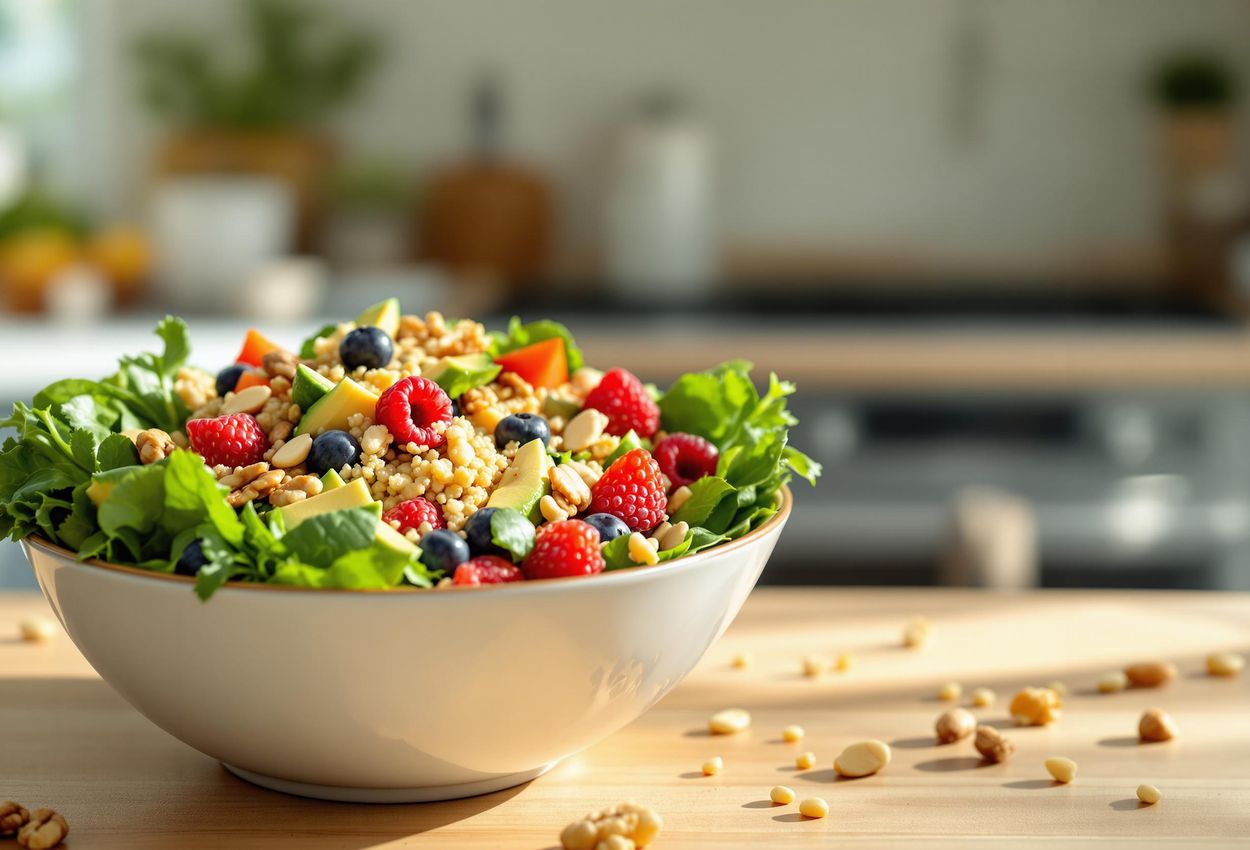
Dietary fiber, often overlooked, is a cornerstone of a healthy gut microbiome and, consequently, a happier mind. Fiber, found in abundance in fruits, vegetables, whole grains, and legumes, is indigestible by the human body but serves as a vital food source for beneficial gut bacteria. When you consume fiber-rich foods, you're essentially nourishing the 'good guys' in your gut, promoting their growth and activity. This, in turn, leads to a more balanced and diverse gut microbiome, which is essential for mental well-being.
One of the key benefits of fiber consumption is the production of short-chain fatty acids (SCFAs) by gut bacteria. SCFAs, such as butyrate, acetate, and propionate, are produced when gut bacteria ferment dietary fiber. These SCFAs have numerous beneficial effects on the body, including reducing inflammation, improving gut barrier function, and supporting ain health. Butyrate, in particular, is a major energy source for colon cells and has been shown to have anti-inflammatory and neuroprotective properties. By promoting the production of SCFAs, dietary fiber can indirectly support ain health and mood regulation.
Incorporating high-fiber foods into your diet is a simple yet powerful way to improve your gut health and mental well-being. Some excellent sources of fiber include oats, beans, lentils, berries, apples, occoli, and spinach. Aim for a variety of fiber-rich foods to nourish a diverse range of gut bacteria. Remember, the more you feed your gut with fiber, the happier your mind will be.
Fermented Foods: Cultivating a Calm and Balanced Gut
Fermented foods, a culinary tradition spanning centuries, offer a delicious and effective way to introduce beneficial bacteria to your gut. These foods, such as yogurt, kefir, sauerkraut, kimchi, and kombucha, undergo a fermentation process in which microorganisms, primarily bacteria and yeast, convert carbohydrates into other compounds, resulting in unique flavors and textures. More importantly, fermented foods are rich in probiotics, live microorganisms that can confer health benefits when consumed in adequate amounts.
The probiotics in fermented foods can help increase serotonin production, reduce chronic inflammation, and regulate mood and anxiety levels. Specific strains of bacteria, such as Lactobacillus rhamnosus, L. helveticus, and L. plantarum, have been shown to have particularly beneficial effects on mental health. These strains can influence neurotransmitter production, reduce inflammation, and improve gut barrier function, all of which can positively impact the ain. For example, studies have shown that L. rhamnosus can reduce anxiety and improve mood in both animals and humans.
Incorporating fermented foods into your diet is a simple and enjoyable way to cultivate a calm and balanced gut. Start with small amounts and gradually increase your intake to avoid digestive discomfort. Choose unsweetened varieties of yogurt and kefir to minimize added sugar. Look for sauerkraut and kimchi that are naturally fermented and free of artificial preservatives. Experiment with different fermented foods to find your favorites and enjoy the diverse flavors and health benefits they offer.

Prebiotics Power: Nourishing the Good Guys in Your Gut
While probiotics introduce beneficial bacteria to the gut, prebiotics provide the fuel that these bacteria need to thrive. Prebiotics are non-digestible food components that selectively stimulate the growth and activity of beneficial gut bacteria. They act as a fertilizer for the 'good guys' in your gut, helping them to flourish and outcompete harmful bacteria. By nourishing beneficial bacteria, prebiotics can help maintain a balanced gut microbiome, promoting mental well-being.
Prebiotic-rich foods are abundant in a variety of fruits, vegetables, and whole grains. Some excellent sources of prebiotics include onions, garlic, leeks, asparagus, bananas, and apples (especially the skin). These foods contain compounds like inulin and fructooligosaccharides (FOS), which are readily fermented by beneficial gut bacteria. Incorporating these foods into your diet can help maintain the balance between beneficial and harmful gut bacteria, promoting mental health and resilience.
Prebiotics not only nourish beneficial bacteria but also contribute to the production of SCFAs, which, as previously discussed, have numerous beneficial effects on the body, including reducing inflammation and supporting ain health. By promoting the growth of SCFA-producing bacteria, prebiotics can indirectly support ain function and mood regulation. Aim to include a variety of prebiotic-rich foods in your daily diet to nourish your gut microbiome and reap the mental health benefits.
Omega-3s and Mental Fortitude: Building a Resilient ain
Omega-3 fatty acids, essential nutrients that the body cannot produce on its own, play a crucial role in supporting the gut-ain axis and reducing the risk of mood disorders. These healthy fats, found in abundance in fatty fish, flaxseeds, and walnuts, have been shown to have numerous benefits for ain health, including reducing inflammation, improving neuronal function, and supporting neurotransmitter production. By fortifying the gut-ain axis, omega-3s can help build a resilient ain and promote mental well-being.
Omega-3s can directly influence the gut microbiome by promoting the growth of beneficial bacteria and reducing the abundance of harmful bacteria. This can lead to a more balanced gut microbiome, which, as we've discussed, is essential for mental health. Additionally, omega-3s have potent anti-inflammatory properties, which can help reduce gut inflammation and improve gut barrier function. By reducing inflammation in the gut, omega-3s can indirectly protect the ain from the harmful effects of inflammation.
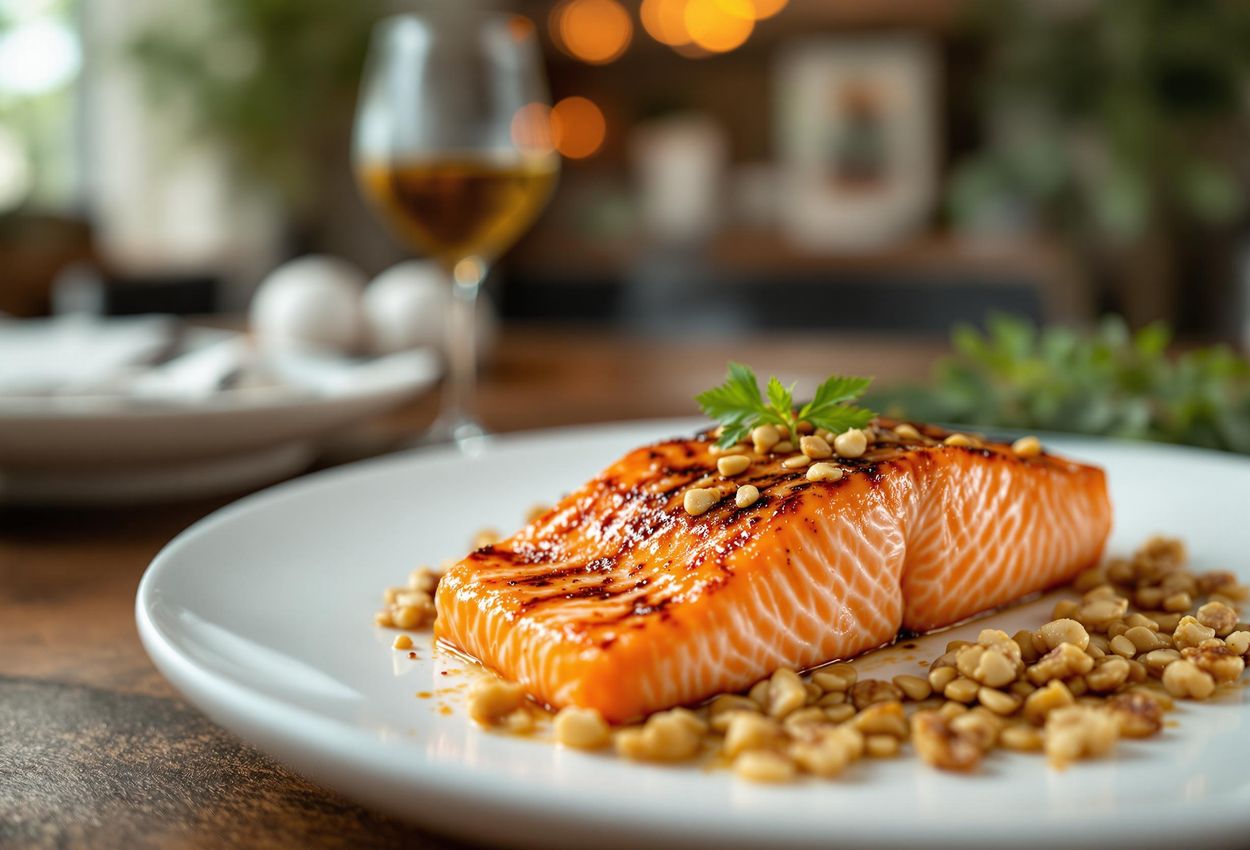
Incorporating omega-3-rich foods into your diet is a simple and effective way to support your gut-ain axis and promote mental fortitude. Aim to consume fatty fish, such as salmon, mackerel, and sardines, at least twice a week. Include flaxseeds, chia seeds, and walnuts in your daily diet. Consider taking an omega-3 supplement if you're not getting enough from your diet. By prioritizing omega-3s, you can help build a resilient ain and protect yourself from mood disorders.
The Colorful Plate: Phytonutrients for a Happy and Healthy Gut
A varied and colorful diet, rich in fruits and vegetables, is not only visually appealing but also essential for a happy and healthy gut. The viant hues of fruits and vegetables are due to phytonutrients, natural compounds that have numerous health benefits, including supporting gut health and boosting the immune system. These phytonutrients act as antioxidants, protecting the body from damage caused by free radicals. They also have anti-inflammatory properties, which can help reduce gut inflammation and promote a balanced gut microbiome.
Different colors of fruits and vegetables contain different types of phytonutrients. For example, red fruits and vegetables, such as tomatoes and berries, are rich in lycopene and anthocyanins, which have antioxidant and anti-inflammatory properties. Orange and yellow fruits and vegetables, such as carrots and sweet potatoes, are rich in beta-carotene, which is converted to vitamin A in the body and supports immune function. Green fruits and vegetables, such as spinach and occoli, are rich in chlorophyll and other phytonutrients that promote detoxification and gut health. By incorporating a variety of colorful fruits and vegetables into your diet, you can ensure that you're getting a wide range of phytonutrients to support your gut and overall health.
Aim to 'eat the rainbow' every day by including fruits and vegetables of different colors in your meals. This will not only provide you with a wide range of phytonutrients but also ensure that you're getting a variety of vitamins, minerals, and fiber, all of which are essential for gut health and mental well-being. Emace the colorful plate and nourish your gut for a happier and healthier you.
Beyond Diet: Lifestyle Factors for a Thriving Gut-ain Connection
While diet is a cornerstone of gut health and mental well-being, lifestyle factors also play a significant role in shaping the gut-ain connection. Exercise, sleep, stress management, and spending time in nature can all positively impact gut health, stress levels, mental health, and overall quality of life. Incorporating these lifestyle factors into your daily routine can help create a thriving gut-ain connection and promote optimal mental well-being.
Regular exercise has been shown to increase the diversity of the gut microbiome, reduce inflammation, and improve mood. Aim for at least 30 minutes of moderate-intensity exercise most days of the week. Prioritizing sleep is also crucial for gut health and mental well-being. Lack of sleep can disrupt the gut microbiome, increase inflammation, and impair cognitive function. Aim for 7-8 hours of quality sleep each night. Effective stress management techniques, such as meditation, yoga, and deep eathing exercises, can help reduce stress levels and protect the gut from the harmful effects of stress. Spending time in nature has been shown to reduce stress, improve mood, and boost the immune system. Aim to spend at least 30 minutes outdoors each day.
By addressing these lifestyle factors in addition to diet, you can create a holistic approach to nurturing your gut-ain connection and promoting optimal mental well-being. Remember, a healthy gut is not just about what you eat; it's also about how you live. Emace a balanced and mindful lifestyle to cultivate a thriving gut-ain connection and a happier, healthier you.