Kyoto, a city steeped in history and tradition, offers a sanctuary for those seeking tranquility and spiritual awakening. From its meticulously designed Zen gardens to its ancient temples and serene bamboo forests, Kyoto invites you on a journey of self-discovery and inner peace.
Finding Your Inner Peace at Ryoan-ji's Rock Garden
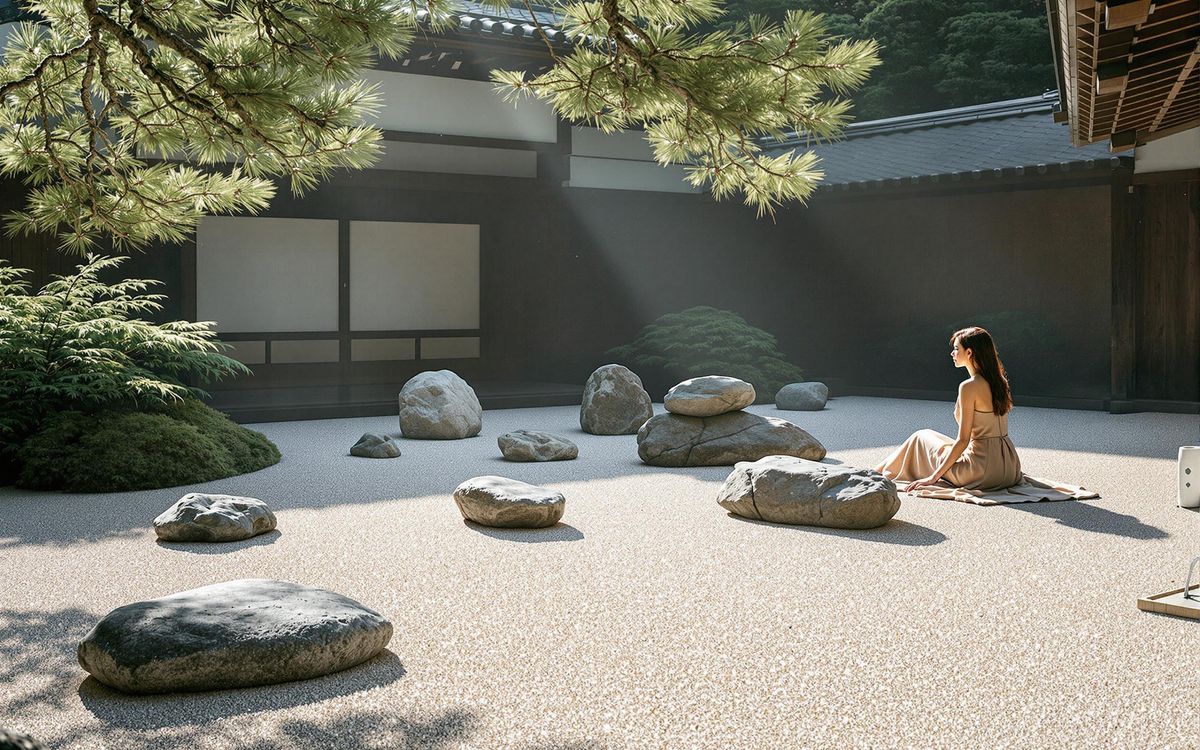
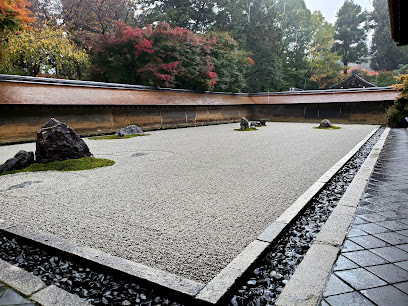
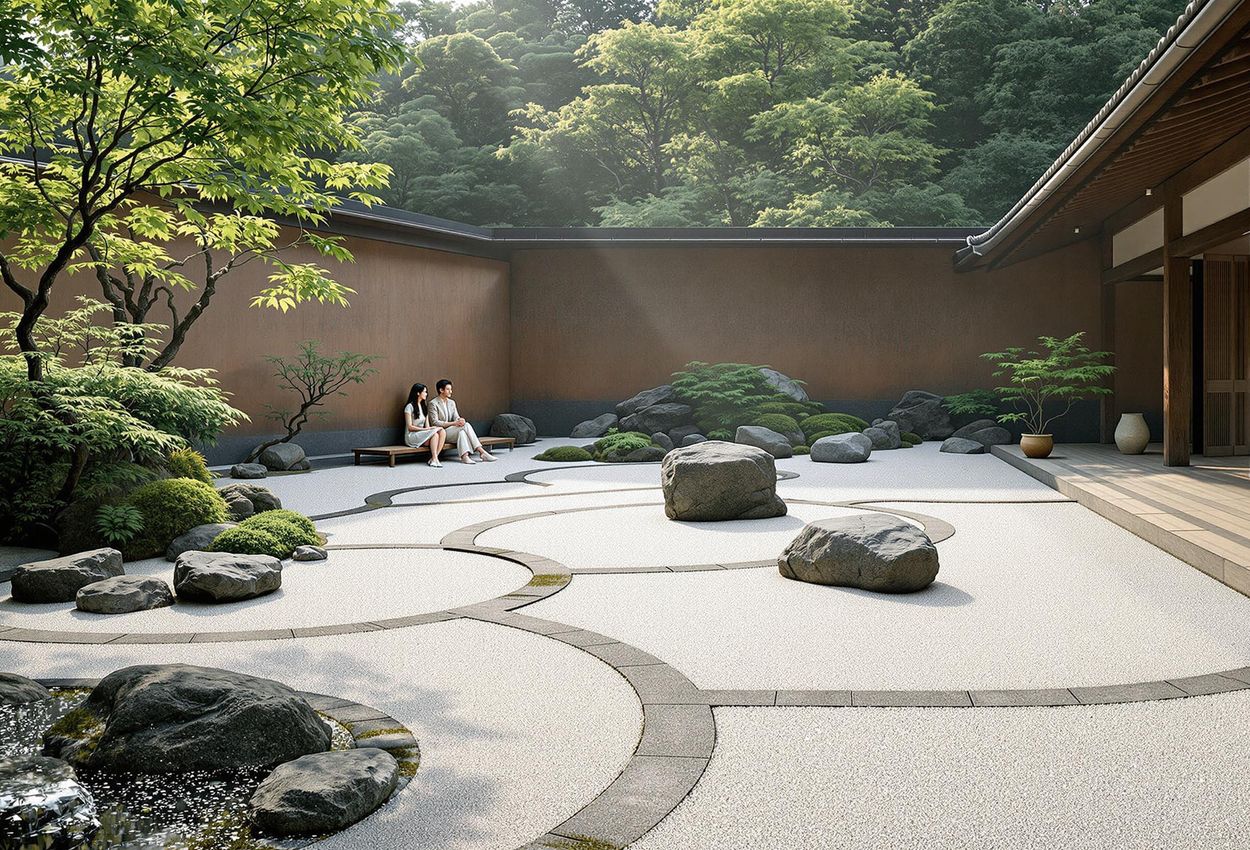
The early morning light in Kyoto filters through the ancient pines surrounding Ryoan-ji Temple, casting long shadows across the meticulously raked gravel of its famed Zen garden. Arriving before the throngs of tourists is essential; the quiet solitude allows for a deeper contemplation of the gardenu2019s enigmatic design. Fifteen rocks, of varying sizes and shapes, are arranged in five groups on a sea of white gravel, enclosed by low earthen walls. The walls, aged and weathered, add to the sense of timelessness. The challenge, and perhaps the point, is that from any single vantage point, it's impossible to see all fifteen rocks at once, sparking endless debate and interpretation. Is it an island archipelago? A tiger carrying cubs across a stream? Or simply an abstract representation of the universe?
The air is crisp, carrying the scent of damp earth and the faint aroma of incense from the nearby temple buildings. The only sound is the gentle chirping of birds and the soft rustling of leaves. Temple etiquette dictates a quiet reverence; voices are hushed, movements deliberate. Visitors sit on the wooden veranda, some with eyes closed, others gazing intently at the rocks, each lost in their own thoughts. The garden's influence extends far beyond the temple walls; its minimalist aesthetic has inspired countless artists, designers, and architects around the world. Designated a UNESCO World Heritage site, Ryoan-ji's Rock Garden is a testament to the power of simplicity and the enduring human quest for meaning. It is a place where one can truly disconnect from the world and connect with oneself, finding a moment of peace in the heart of Kyoto.
A Luxurious Retreat at Tawaraya Ryokan
Stepping into Tawaraya Ryokan is like stepping back in time, albeit a time of unparalleled luxury and refined elegance. This venerable inn, with its centuries-old history, is renowned as one of the finest ryokans in Japan, a sanctuary where impeccable service and traditional aesthetics converge. The entrance, a discreet doorway on a quiet Kyoto street, opens into a world of hushed tranquility.
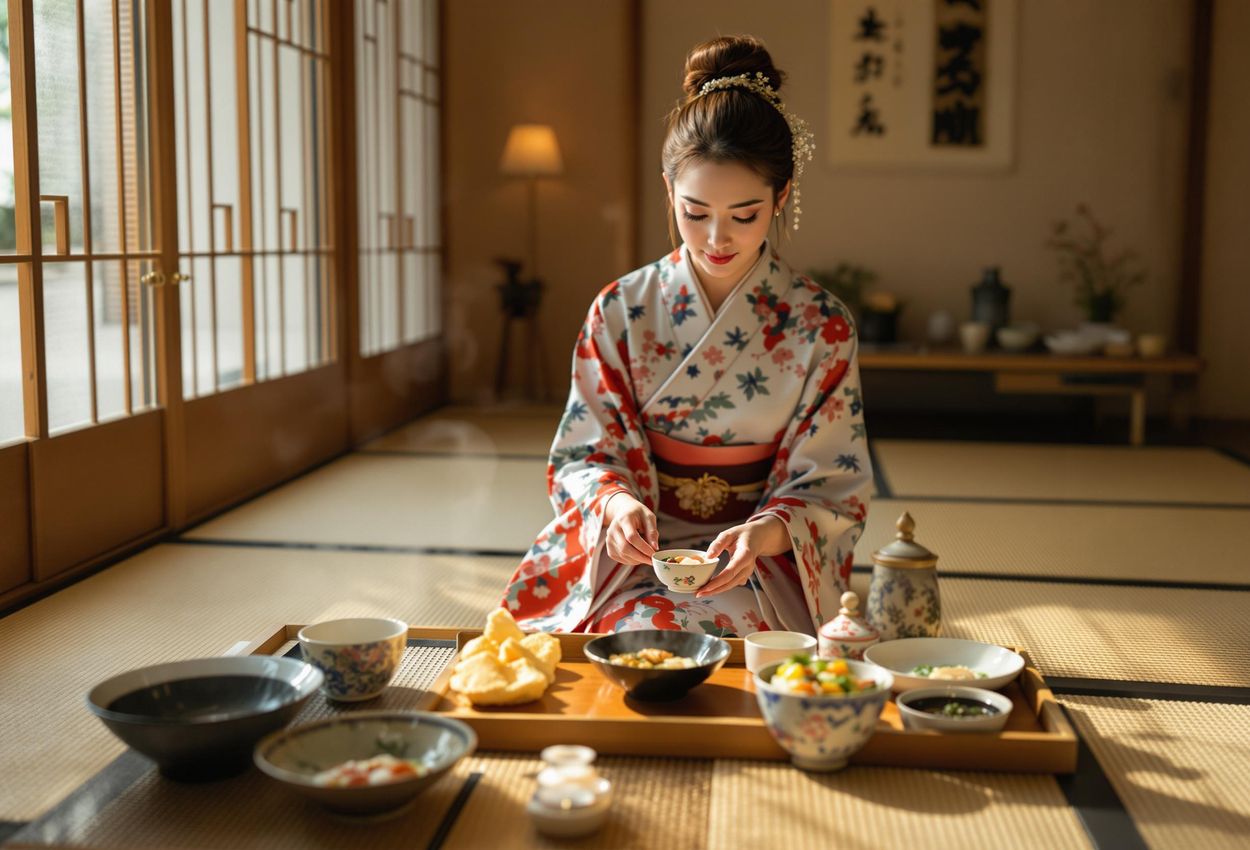
The tatami-mat rooms are exquisitely appointed, each detail carefully considered, from the delicate floral arrangements to the calligraphy scrolls adorning the walls. A Nakai (Room Maid), clad in a graceful kimono, glides silently into the room, bearing an exquisite kaiseki dinner. Each dish is a work of art, a symphony of flavors and textures, meticulously prepared with seasonal ingredients. The gardens, visible through shoji screens, are miniature landscapes of moss-covered stones, sculpted trees, and trickling water features, designed to soothe the soul. After dinner, the Nakai prepares the futon on the tatami floor, ensuring a restful night's sleep. Guests are provided with a yukata, a light cotton kimono, to wear around the ryokan, adding to the sense of relaxation and immersion in Japanese culture.
The commitment to preserving traditional arts and crafts is evident throughout the property, with local artisans' work showcased in every room. From the hand-painted screens to the meticulously crafted ceramics, each object tells a story of Kyoto's rich cultural heritage. A stay at Tawaraya Ryokan is more than just a luxurious escape; it's an immersion into the heart of Japanese hospitality and a celeation of timeless beauty. It's a place where the past and present seamlessly blend, creating an unforgettable experience.
Whispers of Wisdom at Kennin-ji Temple
Nestled near the viant Gion district, Kennin-ji Temple, Kyoto's oldest Zen temple, offers a serene escape from the city's bustle. Founded in 1202, the temple exudes an aura of timeless wisdom, inviting visitors to contemplate the deeper meaning of existence. The air is thick with the scent of incense, and the only sounds are the gentle rustling of leaves and the distant chanting of monks.
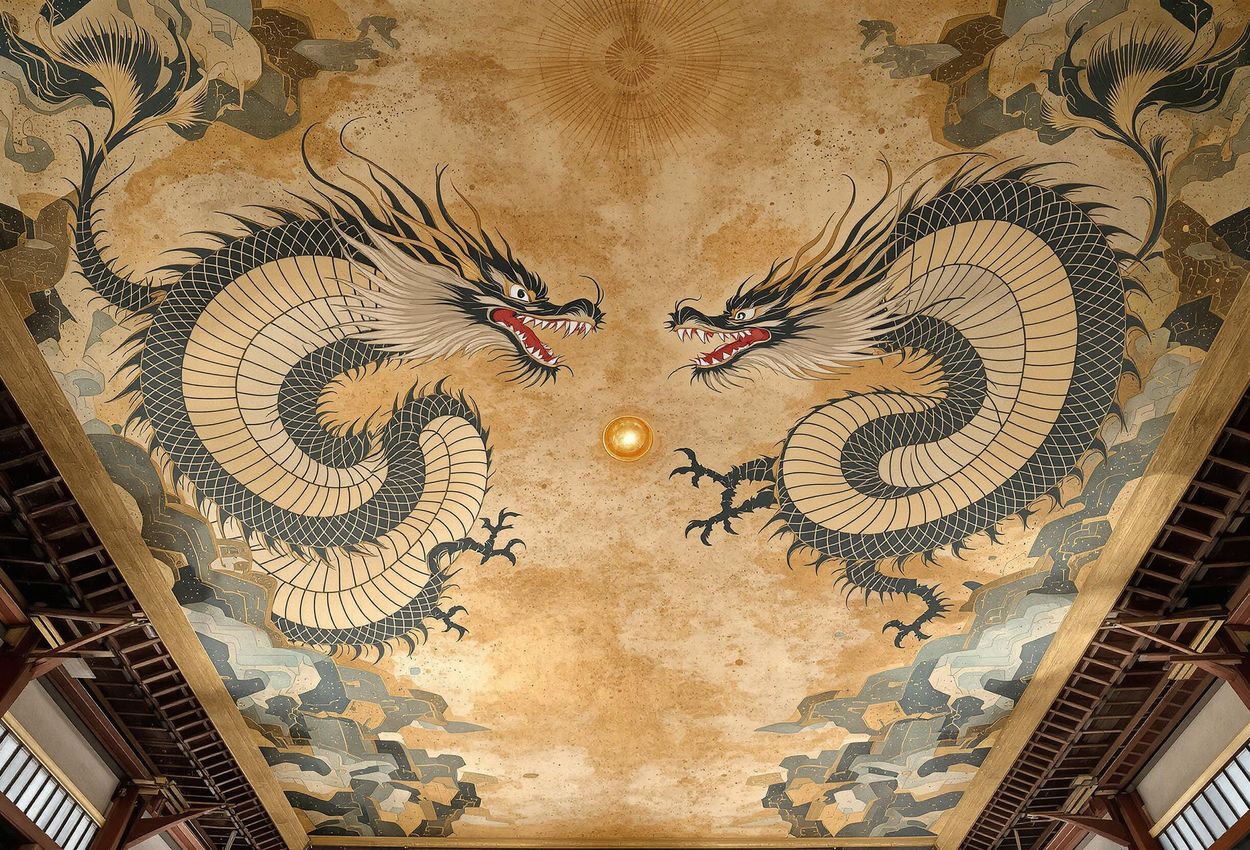
The temple grounds encompass several stunning Zen gardens, including Daiou-en and Cho-on Garden, each featuring meticulously raked gravel patterns that evoke a sense of calm and order. The highlight of Kennin-ji, however, is the eathtaking ceiling painting of twin dragons, a masterpiece of contemporary art that dominates the main hall. The dragons, painted with bold strokes and viant colors, seem to watch over the temple, their presence both powerful and protective.
When visiting a Zen temple, it's customary to make a small offering and bow respectfully before the altar. The act of offering is a symbol of gratitude and a way to show respect for the teachings of Zen Buddhism. For a truly unique experience, seek out the little-known tea ceremony offered at Kennin-ji. This intimate ceremony provides a rare opportunity to experience Zen practices firsthand, guided by a knowledgeable tea master. Kennin-ji Temple is more than just a historical site; it's a living testament to the enduring power of Zen Buddhism and a place where one can find a moment of peace and enlightenment in the heart of Kyoto.
The Art of Tea: A Ceremony at Camellia Tea House
The soft glow of paper lanterns illuminates the entrance to Camellia Tea House, beckoning visitors into a world of refined elegance and ancient tradition. Here, the art of the tea ceremony, known as Chanoyu, is elevated to a spiritual practice, a dance of precise movements and profound meaning.
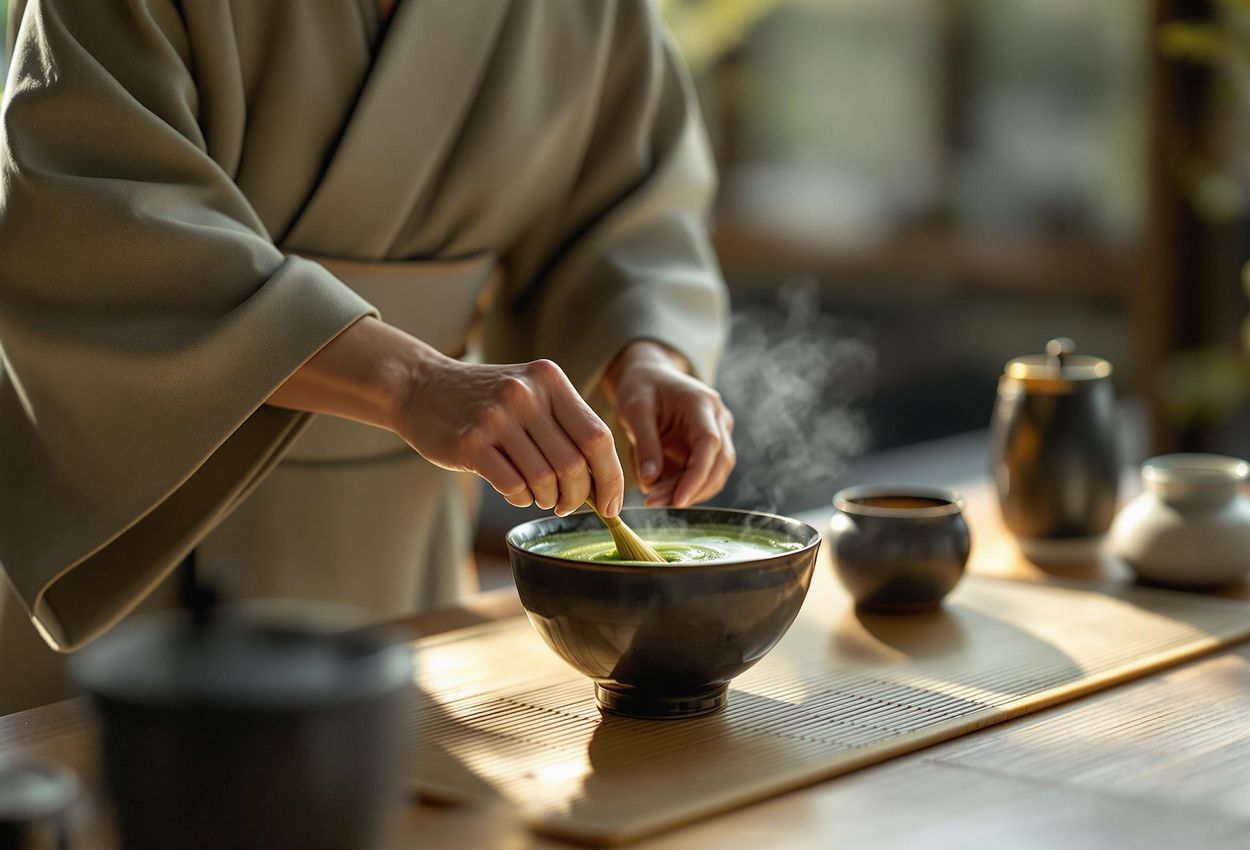
The tea master, with graceful gestures, prepares the matcha, a viant green powder whisked into hot water to create a frothy, emerald beverage. Every movement is deliberate, every gesture imbued with intention. The tea bowl is carefully chosen, its shape and texture enhancing the experience. Guests are offered traditional Japanese sweets, known as Wagashi, to cleanse the palate before the tea. The sweets, often shaped like flowers or leaves, are a visual delight, their delicate flavors complementing the slightly bitter taste of the matcha.
The tea ceremony is rooted in the principles of harmony, respect, purity, and tranquility, values that are central to Japanese culture. Sen no Rikyu, a 16th-century tea master, played a pivotal role in shaping the tea ceremony into its present form, emphasizing simplicity and mindfulness. At Camellia Tea House, visitors have the opportunity to not only witness the tea ceremony but also to participate, learning to make matcha themselves. For those seeking a truly immersive experience, kimono rental is available, allowing you to stroll down the historical town, fully emacing the spirit of Kyoto. Whether you choose a formal or casual tea ceremony, the experience is sure to leave you with a deeper appreciation for the art of tea and the beauty of Japanese culture.
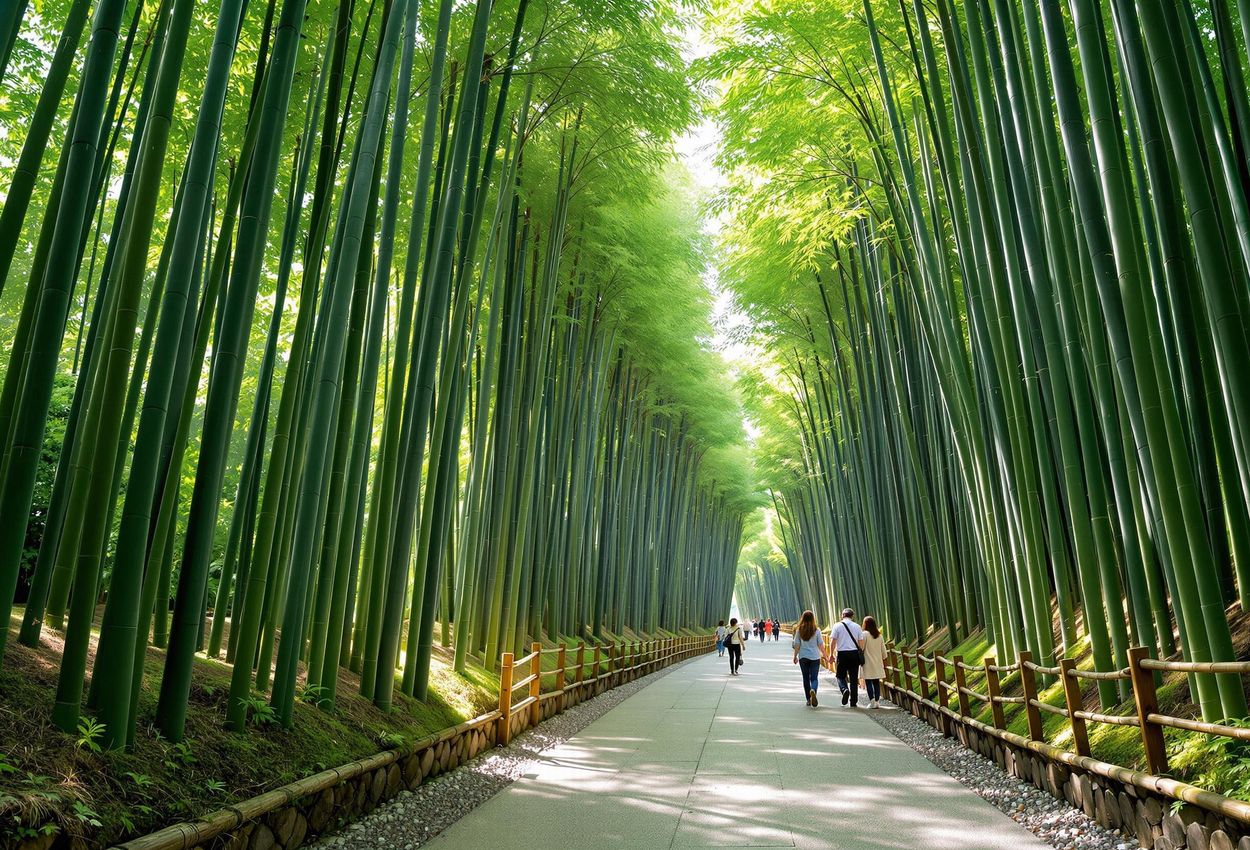
Strolling Through the Bamboo Forest of Arashiyama
The Arashiyama Bamboo Grove is an otherworldly experience, a symphony of sights and sounds that transports you to another realm. Towering bamboo stalks, reaching towards the sky, create a cathedral-like space, their green leaves rustling in the eeze, creating a soothing melody. Sunlight filters through the dense canopy, casting dappled shadows on the path below.
The air is cool and damp, carrying the scent of earth and bamboo. Walking through the grove is a sensory experience, a chance to connect with nature and find a moment of peace. Bamboo holds a special place in Japanese culture, symbolizing strength, resilience, and flexibility. Nearby, the Gio-ji Temple and Adashino Nembutsu-ji Temple offer further opportunities for exploration and contemplation. To explore the area sustainably, consider renting bicycles, a perfect way to navigate the winding paths and discover hidden corners.
While the Arashiyama Bamboo Grove is a popular destination, those seeking a more secluded experience can venture to the lesser-known bamboo groves of Kodai-ji. These hidden gems offer a crowd-free alternative, allowing you to immerse yourself in the tranquility of the bamboo forest without the distractions of other tourists. Whether you choose the iconic Arashiyama or the secluded Kodai-ji, a stroll through a bamboo grove is an essential Kyoto experience, a chance to connect with nature and find a moment of serenity.
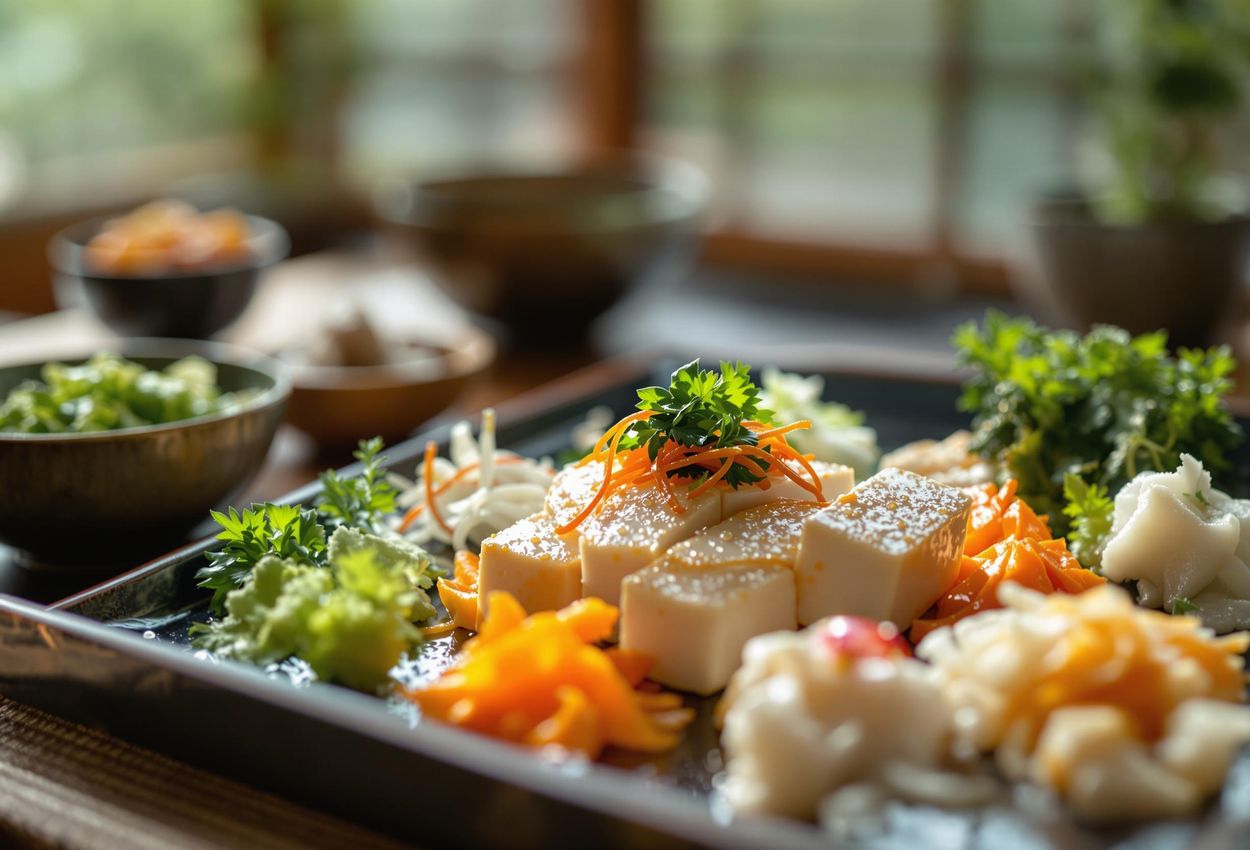
Vegetarian Delights: Discovering Kyoto's Vegan Shojin Ryori
Embark on a culinary journey into the heart of Zen Buddhism with Shojin Ryori, Kyoto's traditional vegetarian cuisine. This refined cuisine, developed by Buddhist monks, emphasizes the use of seasonal ingredients and simple yet elegant preparation techniques.
For an authentic Shojin Ryori experience, consider dining at Shigetsu, located within the serene Tenryu-ji Temple, or Tousuiro in Gion. A typical Shojin Ryori meal includes a variety of dishes, such as tofu, yuba (tofu skin), seasonal vegetables, and seaweed, each prepared with meticulous care. The flavors are subtle and nuanced, allowing the natural taste of the ingredients to shine through. The presentation is equally important, with each dish arranged artfully on delicate ceramics.
Shojin Ryori is more than just a meal; it's a reflection of Zen Buddhist principles, emphasizing mindfulness, simplicity, and respect for nature. The use of seasonal ingredients reflects the connection to the natural world, while the simple preparation techniques highlight the importance of appreciating the inherent qualities of each ingredient. For a more casual experience, visit Cafe Waka at Otera House, which offers delicious Buddhist set lunches. Whether you choose a formal Shojin Ryori meal or a casual Buddhist lunch, the experience is sure to nourish both body and soul, providing a deeper understanding of Kyoto's culinary and spiritual heritage.
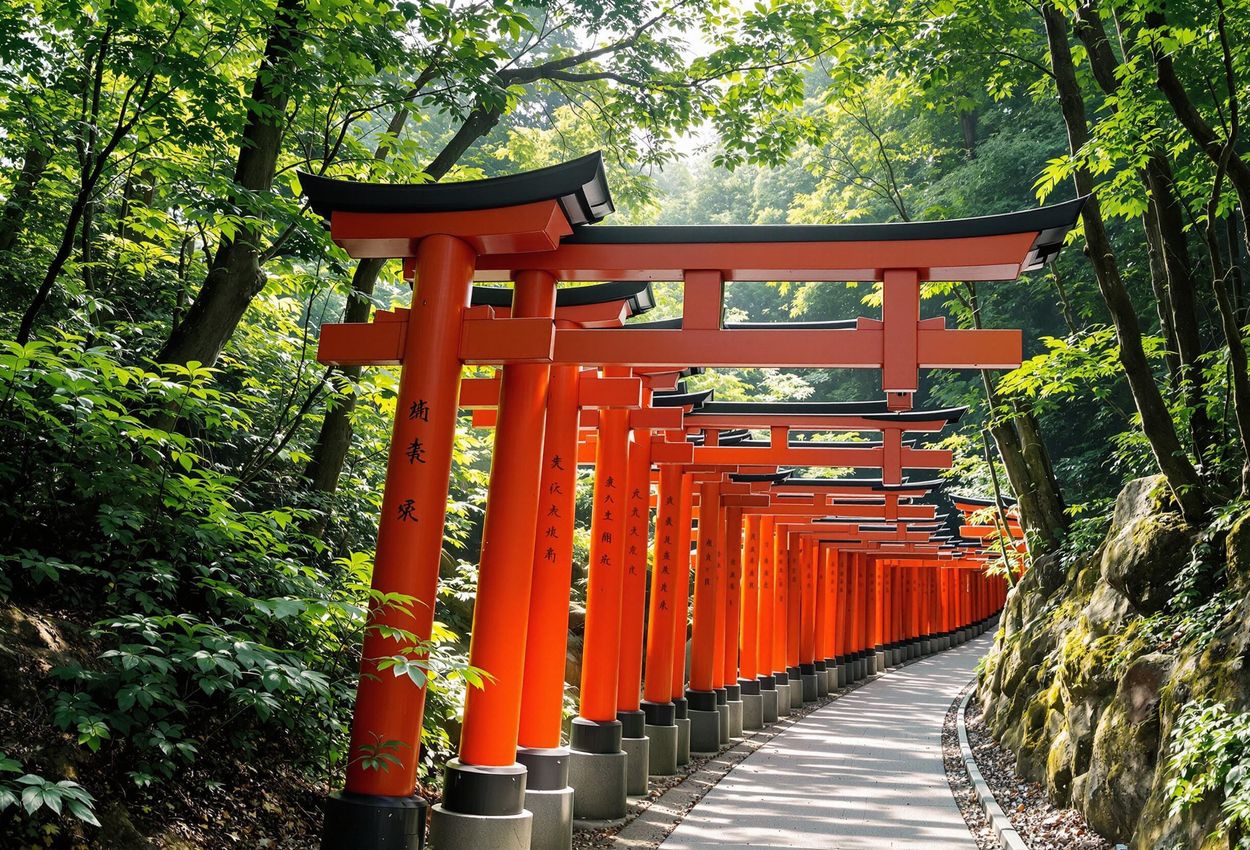
A Spiritual Journey to Fushimi Inari Shrine
The vermilion torii gates of Fushimi Inari Shrine wind their way up the mountainside, creating a mesmerizing tunnel that leads to a spiritual realm. This iconic shrine, dedicated to Inari, the god of rice and prosperity, is one of Kyoto's most recognizable landmarks.
Hiking through the thousands of torii gates is a transformative experience, the viant color contrasting with the lush green forest, creating a visual spectacle. The spiritual atmosphere is palpable, with the scent of incense and the sound of chanting filling the air. As you ascend the mountain, panoramic views of Kyoto unfold, offering a eathtaking reward for your efforts.
When approaching a torii gate, it's customary to avoid walking directly through the center, as this is reserved for the gods. Instead, step to the side and pass through with respect. For a more secluded experience, venture into the lesser-known bamboo groves that surround Fushimi Inari Shrine. These hidden gems offer a tranquil escape from the crowds, allowing you to connect with nature and find a moment of peace. Whether you're seeking spiritual enlightenment or simply a visual feast, a journey to Fushimi Inari Shrine is an unforgettable Kyoto experience.
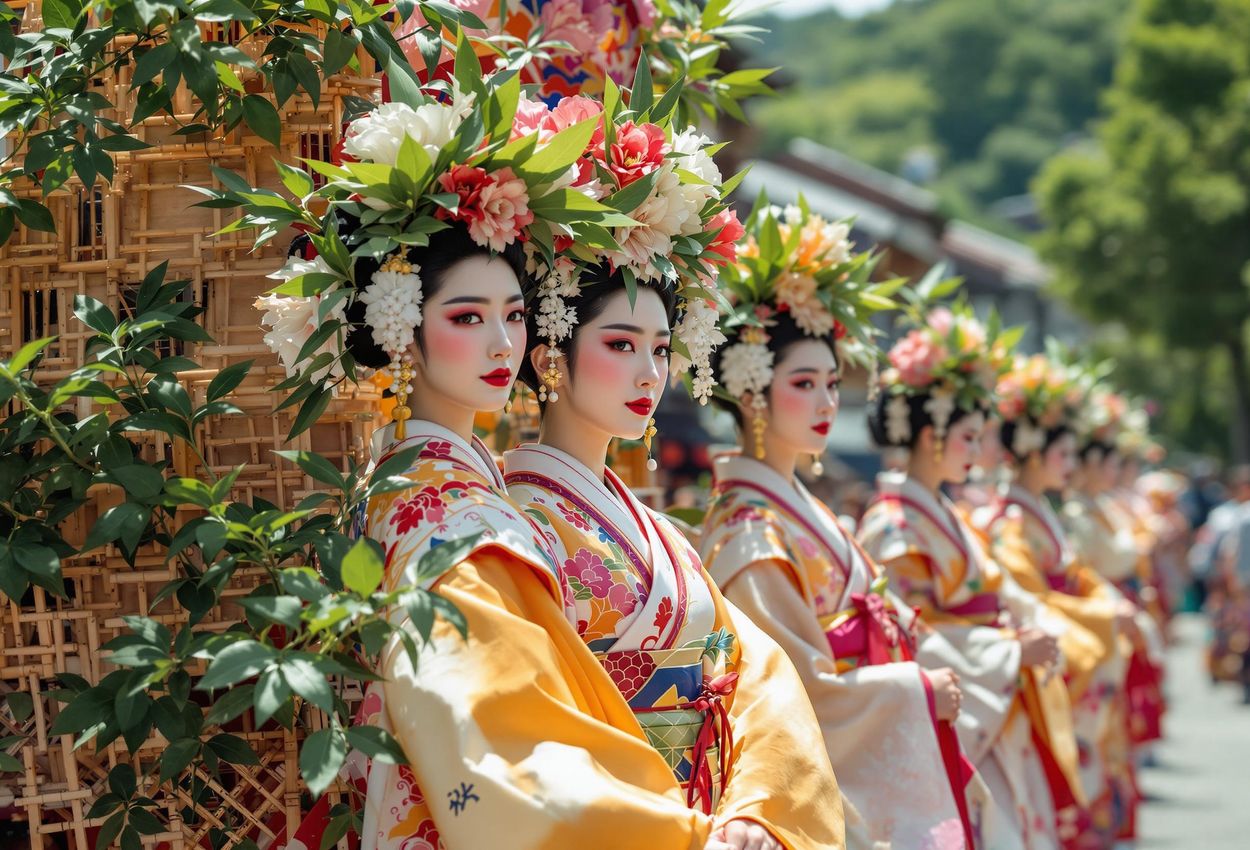
Kyoto's Festivals: A Calendar of Cultural Celeations
Festivals, or Matsuri, are an integral part of Kyoto's cultural landscape, offering a viant glimpse into the city's rich history and traditions. Throughout the year, Kyoto comes alive with colorful processions, elaborate floats, and lively performances, each festival celeating a unique aspect of Japanese culture.
The Aoi Matsuri, held on May 15th, is a grand procession that recreates the splendor of the Heian era, with participants dressed in traditional costumes and adorned with hollyhock leaves. The Gion Matsuri, held throughout July, is one of Japan's largest and most elaborate festivals, featuring towering floats that are paraded through the streets. The Imamiya Yasurai Festival is another notable event. To fully immerse yourself in Kyoto's festival culture, be sure to check the festival calendar and plan your trip accordingly. Each festival offers a unique and unforgettable experience, providing a deeper understanding of Kyoto's cultural heritage.
For a truly unique and intense experience, consider attending the lesser-known Kurama Fire Festival, held on October 22nd. This fiery spectacle involves villagers carrying torches through the streets, creating a mesmerizing display of light and energy. Whether you choose a grand procession or a fiery spectacle, Kyoto's festivals are sure to leave you with a lasting impression, providing a viant glimpse into the heart of Japanese culture.
Crafting Your Own Zen: Traditional Workshops in Kyoto
Immerse yourself in Kyoto's rich artistic heritage by participating in a traditional craft workshop. From pottery to kimono dyeing to woodblock printing, Kyoto offers a wide range of workshops that allow you to create your own masterpiece, learning from skilled artisans.
The Kyoto Handicraft Center is a great place to start, offering a variety of workshops and demonstrations. Learn the art of pottery, shaping clay on a spinning wheel and creating your own unique vessel. Discover the secrets of kimono dyeing, using traditional techniques to create viant patterns on silk. Or try your hand at woodblock printing, carving intricate designs and creating beautiful prints. Each workshop provides a hands-on experience, allowing you to connect with Japanese craftsmanship and take home a unique souvenir.
For a truly unique experience, consider a lesser-known workshop, such as making a miniature umella. These delicate creations are a testament to Japanese artistry, requiring precision and skill. Whether you're a seasoned artist or a complete beginner, Kyoto's craft workshops offer a rewarding and enriching experience, allowing you to connect with the city's artistic heritage and create your own Zen-inspired masterpiece.

Sustainable Kyoto: Emacing Ethical and Eco-Friendly Travel
As you explore the ancient temples and serene gardens of Kyoto, it's important to consider the impact of your travels and emace sustainable tourism practices. By respecting local customs and traditions, supporting local businesses, and minimizing your environmental impact, you can help preserve Kyoto's cultural heritage for future generations.
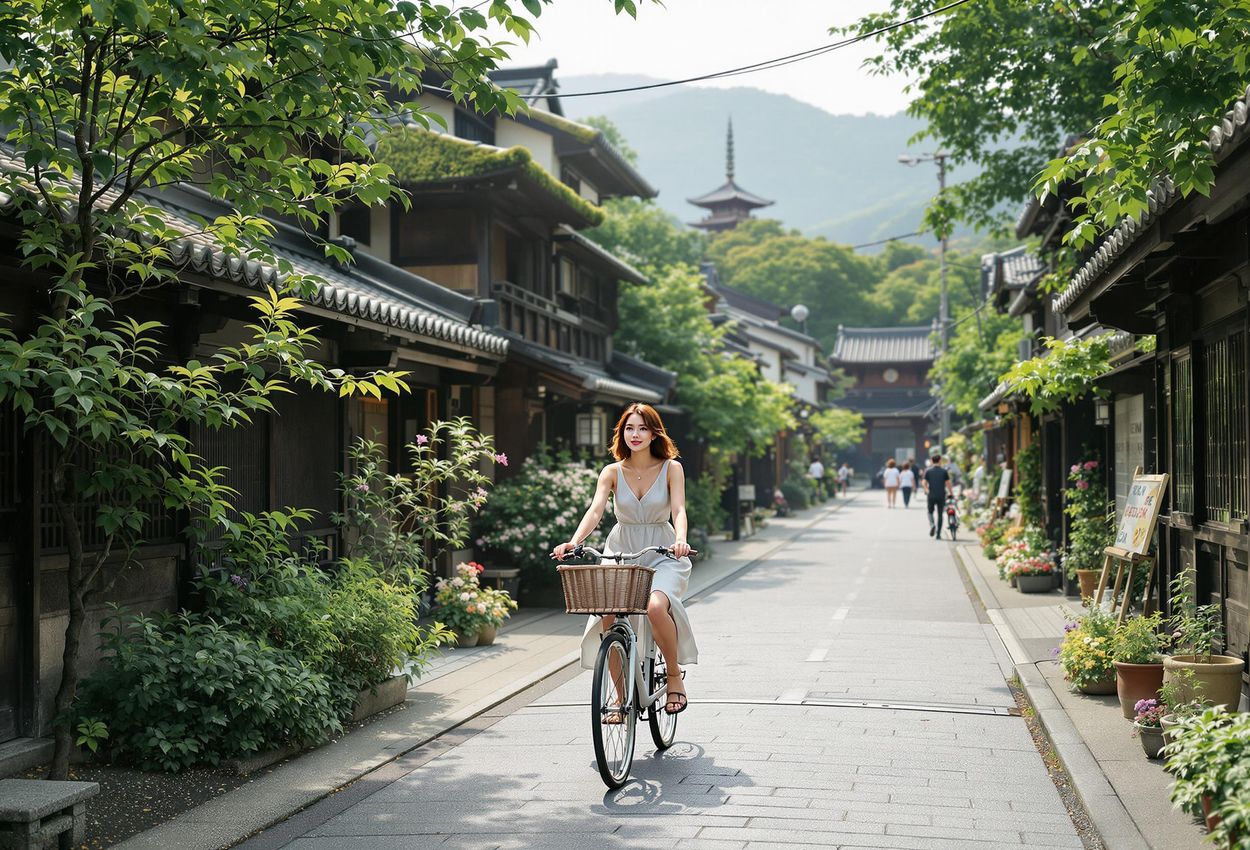
Utilize Kyoto's efficient public transportation system, including buses and trains, to reduce your carbon footprint. Rent bicycles to explore the city at a leisurely pace, discovering hidden gems and immersing yourself in the local atmosphere. Stay in locally owned guesthouses, supporting the local economy and experiencing authentic Japanese hospitality. Before your trip, familiarize yourself with Kyoto's Code of Conduct for Sustainable Tourism, a set of guidelines designed to promote responsible travel.
Learning basic Japanese phrases can greatly enhance your interactions with locals, showing respect for their culture and facilitating communication. Support initiatives like LINK KYOTO and GOOD NATURE STATION, which promote conscious tourism and sustainable practices. By emacing ethical and eco-friendly travel practices, you can ensure that your journey to Kyoto is not only enriching but also sustainable, contributing to the preservation of this ancient city for years to come.