The pursuit of wellness has exploded in recent years, transforming from a niche interest into a mainstream obsession. As consumers increasingly prioritize their health and well-being, the wellness industry has responded with a dizzying array of products, services, and practitioners. But with this proliferation comes a crucial question: how can consumers be sure theyu2019re getting reliable, effective, and safe wellness solutions? Enter the world of wellness certifications, a rapidly evolving landscape designed to provide quality assurance and build trust in a burgeoning market.
The Rise of Wellness Certifications: Why Now?
The modern wellness movement is a force to be reckoned with. From personalized nutrition plans and mindfulness apps to boutique fitness studios and holistic health retreats, the options for enhancing well-being seem endless. Fueling this growth is a global consumer base increasingly aware of the importance of preventative health and lifestyle choices. According to recent market research, the wellness industry is now a multi-trillion dollar market, with consumer spending on wellness products and services reaching unprecedented levels. This surge in demand has created a marketplace ripe with opportunity, but also one fraught with potential for misinformation and questionable practices.
Consumers are actively seeking ways to improve their health and well-being, but they're also becoming more discerning, explains Dr. Anya Sharma, a leading wellness industry analyst. They want evidence-based solutions and assurance that the products and services they're investing in are legitimate and effective. This is where certifications come in. They provide a much-needed layer of validation and trust. The need for standardization and quality assurance has never been more apparent. As the wellness industry matures, certifications are playing a critical role in shaping its future, guiding consumers toward reliable options and holding practitioners and businesses accountable.
The rise of wellness certifications reflects a oader trend towards transparency and accountability across various industries. Consumers are no longer content to simply accept marketing claims at face value; they demand proof and validation. In the wellness sector, where emotions and personal beliefs often play a significant role, the need for objective standards is particularly acute. Certifications offer a tangible way to differentiate credible providers from those who may be making unsubstantiated promises. They act as a beacon, guiding consumers through the often-murky waters of the wellness marketplace.

Decoding the Criteria: What Makes a Wellness Certification Credible?
Not all wellness certifications are created equal. With a growing number of programs vying for recognition, it's crucial to understand the key criteria that define a credible and trustworthy certification. Accreditation by recognized bodies is a paramount factor. Organizations like ANSI (American National Standards Institute) and NCCA (National Commission for Certifying Agencies) provide oversight and validation for certification programs, ensuring they meet rigorous standards for development, administration, and ongoing maintenance. A certification that has earned accreditation from a reputable body has undergone a thorough review process and demonstrated its commitment to quality and integrity.
Evidence-based standards are another hallmark of a credible wellness certification. The criteria used to assess competence and grant certification should be grounded in scientific research and best practices. This ensures that certified professionals possess the knowledge and skills necessary to deliver effective and safe wellness services. Transparent processes are also essential. A reputable certification program will have clearly defined eligibility requirements, application procedures, examination protocols, and recertification policies. This transparency allows candidates and the public to understand the certification process and hold the program accountable.
Independent audits provide an additional layer of assurance. A credible certification program will undergo periodic audits by independent third parties to verify that it is adhering to its stated standards and procedures. These audits help to identify areas for improvement and ensure that the program remains aligned with best practices. Rigorous evaluation processes are the cornerstone of any credible certification program, emphasizes Maria Rodriguez, an accreditation expert. Accreditation bodies play a vital role in ensuring that certification programs meet these standards, providing assurance to both professionals and consumers.
Spotlight on Emerging Certifications: A Deep Dive
The wellness certification landscape is constantly evolving, with new programs emerging to address specific needs and gaps in the market. One noteworthy example is the Certified Corporate Wellness Specialist (CCWS) certification, designed for professionals who develop and implement wellness programs in corporate settings. The CCWS certification focuses on equipping professionals with the knowledge and skills to design effective workplace wellness initiatives that improve employee health, boost productivity, and reduce healthcare costs. The certification process involves completing a comprehensive training program, passing an examination, and demonstrating practical experience in the field.
The WELL Building Standard is another emerging certification that is gaining significant traction. Unlike certifications that focus on individual professionals, the WELL Building Standard assesses and certifies buildings and interior spaces based on their impact on human health and well-being. The standard evaluates factors such as air and water quality, lighting, acoustics, and access to healthy food and fitness opportunities. Buildings that achieve WELL certification demonstrate a commitment to creating environments that promote the health and well-being of their occupants. Fitwel is similar to the WELL Building Standard, providing a framework for optimizing buildings to support occupant health. Fitwel focuses on strategies that address a oad range of health behaviors and outcomes, including physical activity, healthy eating, and mental well-being.
Our mission is to create a healthier world by transforming buildings into spaces that promote human health and well-being, says Rachel Lee, Director of the WELL Building Institute. We believe that buildings can be powerful tools for improving people's lives, and the WELL Building Standard provides a roadmap for achieving that vision. These emerging certifications reflect a growing recognition of the interconnectedness between our environment, our lifestyles, and our overall well-being. They represent a shift towards a more holistic and integrated approach to wellness, one that considers the multiple factors that influence our health and happiness.

For the Wellness Professional: How Certifications Enhance Career Prospects
In today's competitive job market, wellness certifications can provide a significant edge for wellness professionals. They serve as a validation of expertise, demonstrating to employers and clients that a professional has met established standards of competence. This increased credibility can lead to enhanced career prospects, including promotions, new job opportunities, and higher earning potential. Certifications also provide wellness professionals with access to a network of peers and mentors, creating opportunities for collaboration and professional development.
Earning my certification was a game-changer for my career, says Mark Thompson, a certified personal trainer. It gave me the confidence to pursue new opportunities and the credibility to attract more clients. I've also been able to increase my rates, reflecting the value of my expertise. Data suggests that certified wellness professionals often earn significantly more than their non-certified counterparts. A recent survey found that certified personal trainers earn an average of 20% more per hour than non-certified trainers. Similarly, certified health coaches earn an average of 15% more per year than non-certified coaches.
Beyond the financial benefits, certifications can also provide wellness professionals with a sense of personal accomplishment and professional pride. They represent a commitment to excellence and a dedication to providing the highest quality of service to clients. In a field that is constantly evolving, certifications offer a structured way to stay up-to-date on the latest research and best practices. They ensure that wellness professionals have the knowledge and skills necessary to meet the changing needs of their clients and the demands of the industry.
Building Consumer Confidence: Certifications as a Seal of Approval
For consumers navigating the vast and often confusing world of wellness products and services, certifications can serve as a valuable seal of approval. They provide assurance that a product or service has met certain standards of quality and safety, helping consumers make informed choices and avoid potentially harmful or ineffective options. Certifications can also help to build trust in the wellness industry as a whole, fostering a sense of confidence and transparency.
Consumer surveys consistently show that certifications play a significant role in purchasing decisions. A recent study found that 70% of consumers are more likely to purchase a product or service if it has been certified by a reputable organization. Consumers view certifications as a sign that a company is committed to quality and accountability, and that the product or service has been independently verified. I always look for certifications when I'm buying supplements or choosing a wellness practitioner, says Sarah Miller, a health-conscious consumer. It gives me peace of mind knowing that someone has vetted the product or service and that it meets certain standards.
Consumers can verify the validity of certifications by checking the certification provider's website or contacting the organization directly. Reputable certification providers will have a public directory of certified professionals and products, allowing consumers to easily confirm that a certification is legitimate. By taking the time to verify certifications, consumers can protect themselves from fraudulent or misleading claims and ensure that they are investing in safe and effective wellness solutions.
The Business Advantage: How Certifications Benefit Wellness Companies
Wellness certifications offer a range of benefits for businesses operating in the wellness industry. They can enhance customer loyalty, differentiate a company from its competitors, improve and reputation, and reduce the risk of liability. By investing in certifications, wellness companies can demonstrate their commitment to quality and safety, building trust with consumers and creating a competitive advantage. Certifications can also help companies attract and retain top talent, as employees are often drawn to organizations that prioritize professional development and excellence.
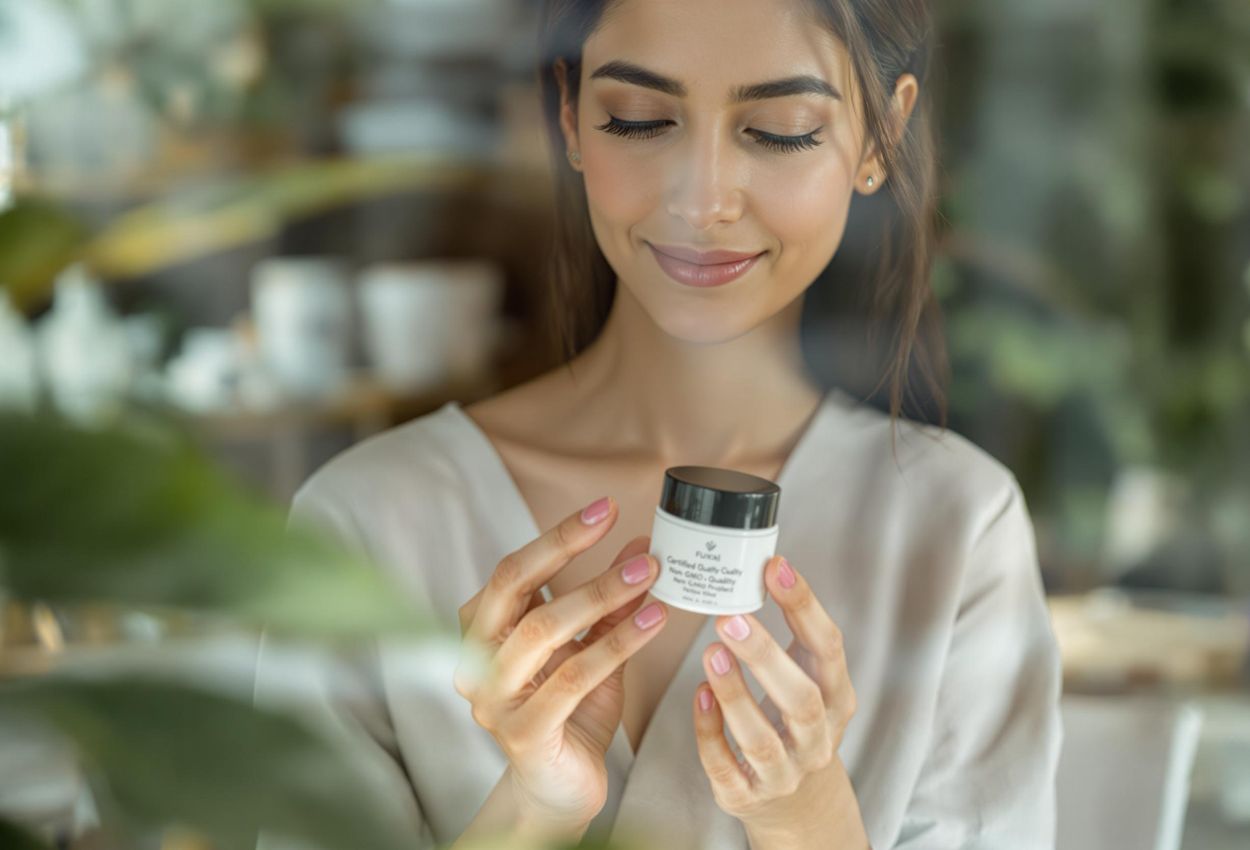
Case studies abound of companies that have successfully leveraged certifications to grow their business. For example, a chain of yoga studios saw a significant increase in membership after requiring all of its instructors to become certified. The certification requirement not only improved the quality of instruction but also enhanced the studio's reputation and attracted more students. Similarly, a manufacturer of organic skincare products saw a boost in sales after obtaining certification from a reputable organic certifying body. The certification provided consumers with assurance that the products were truly organic and free from harmful chemicals.
Investing in certifications has been a key factor in our success, says David Chen, owner of a wellness center. It's helped us to attract more clients, build a stronger and, and create a more positive work environment for our employees. We see certifications as an investment in our future. The return on investment (ROI) of certifications can be significant, as they can lead to increased revenue, reduced costs, and improved employee morale. By strategically incorporating certifications into their business model, wellness companies can position themselves for long-term growth and success.
Challenges and Criticisms: Addressing the Skeptics
Despite their many benefits, wellness certifications are not without their challenges and criticisms. One common concern is the cost of certification, which can be a barrier for some individuals and businesses. The fees associated with training, examinations, and ongoing maintenance can be substantial, particularly for smaller organizations or those operating on tight budgets. Another criticism is the potential for certification washing, where companies or individuals obtain certifications simply to enhance their marketing efforts without genuinely committing to quality and ethical practices. This can undermine the credibility of certifications and erode consumer trust.
The lack of standardization across different certification programs is another challenge. With a multitude of certifying bodies, each with its own standards and requirements, it can be difficult for consumers to compare certifications and determine which ones are truly meaningful. This lack of standardization can also create confusion for wellness professionals who are seeking to obtain certifications, as they may be unsure which programs are most respected and valued in the industry. We need to be vigilant about ensuring that certifications are not simply a marketing ploy, says Lisa Nguyen, a consumer advocate. Consumers need to be able to trust that certifications represent a genuine commitment to quality and ethical practices.
To overcome these challenges, it's essential to promote transparency, accountability, and standardization within the wellness certification industry. Certification providers should clearly disclose their fees, eligibility requirements, and examination protocols. They should also undergo regular audits to ensure that they are adhering to their stated standards. Industry organizations and regulatory bodies can play a role in promoting standardization by developing common guidelines and best practices for wellness certifications. By addressing these challenges, we can strengthen the credibility and effectiveness of wellness certifications and ensure that they continue to serve as a valuable tool for consumers and businesses alike.

The Future of Wellness Certifications: Trends and Predictions
The future of wellness certifications is likely to be shaped by several key trends, including increased specialization, the integration of technology, and the growing emphasis on personalized wellness. As the wellness industry continues to evolve, we can expect to see the emergence of more specialized certifications that focus on specific areas of expertise, such as mindfulness-based stress reduction, integrative nutrition, and functional fitness. These specialized certifications will allow wellness professionals to deepen their knowledge and skills in niche areas, providing consumers with access to highly qualified experts.
Technology is also poised to play a significant role in the future of wellness certifications. Online training programs, virtual examinations, and digital credentialing systems are already becoming more prevalent, making certifications more accessible and convenient for wellness professionals. Wearable devices and other digital health tools could also be integrated into certification programs, allowing for continuous monitoring of skills and competencies. The future of wellness is personalized and technology-driven, says Dr. James Wilson, a futurist and thought leader in the wellness industry. Certifications will need to adapt to this changing landscape by incorporating new technologies and focusing on personalized approaches to wellness.
The growing emphasis on personalized wellness will also influence the future of certifications. As consumers increasingly seek customized wellness solutions that are tailored to their individual needs and preferences, certifications will need to incorporate assessments of cultural competency and personalized approaches to care. This will require wellness professionals to develop strong communication skills, empathy, and the ability to work effectively with diverse populations. By emacing these trends, wellness certifications can continue to play a vital role in promoting quality, trust, and innovation in the wellness industry, helping consumers to achieve their health and well-being goals.