In a world increasingly aware of its impact on the environment, the call for responsible tourism has never been louder. For wildlife enthusiasts, this means seeking out experiences that not only offer unforgettable encounters but also actively contribute to the conservation of the animals and their habitats. From the African savanna to the depths of the ocean, here are seven exceptional wildlife encounters that prioritize ethical practices and support vital conservation efforts.
Gentle Giants of Amboseli
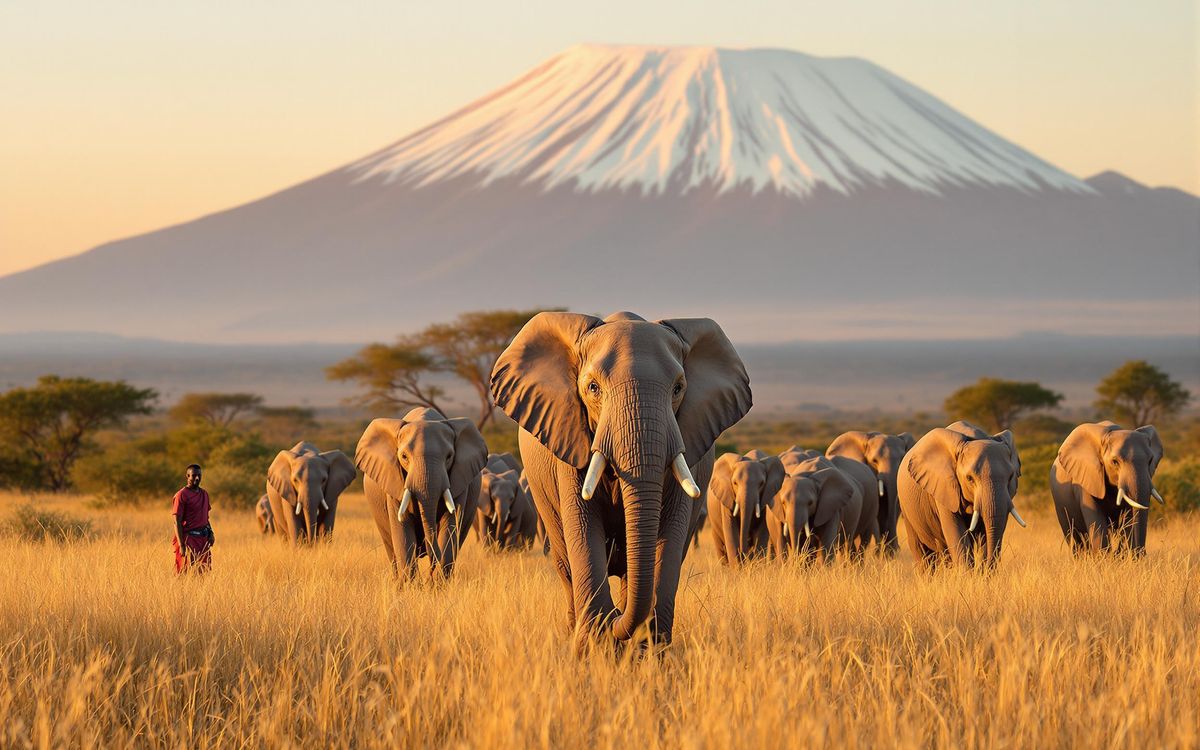
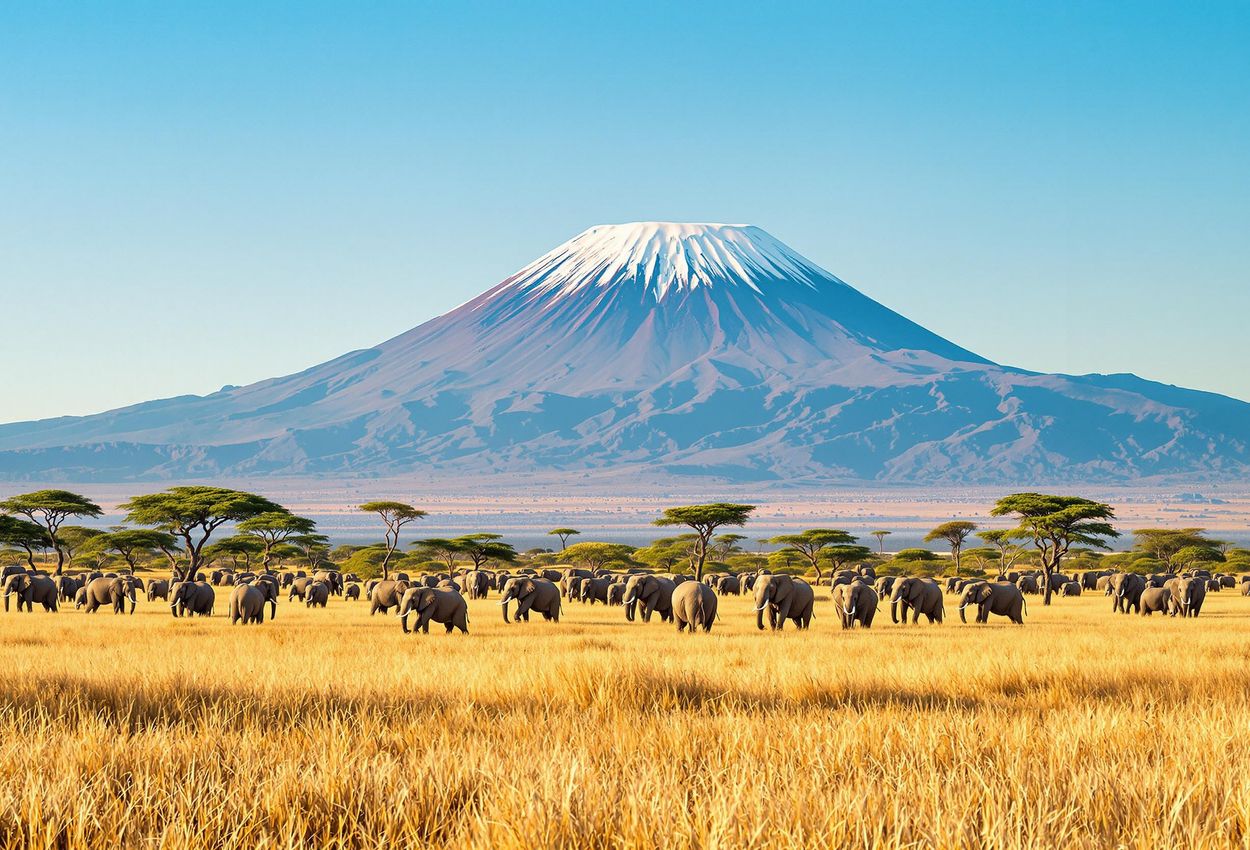
Imagine witnessing the majestic grace of elephants against the backdrop of Mount Kilimanjaro, its snow-capped peak piercing the clear African sky. In Amboseli National Park, Kenya, this dream becomes a reality. But the true beauty of this experience lies not just in the visual spectacle, but in the knowledge that your presence is contributing to the well-being of these gentle giants.
Ethical elephant encounters in Amboseli prioritize responsible viewing practices. This means maintaining a safe distance, respecting their natural behavior, and avoiding any actions that could cause stress or disturbance. Observe these magnificent creatures as they roam freely, their wrinkled skin reflecting the golden light of the African sun. Witness the intricate social structures of elephant herds, the matriarch leading her family with wisdom and grace.
The David Sheldrick Wildlife Trust plays a crucial role in rescuing and rehabilitating orphaned elephants in Kenya. Tourism directly supports these efforts, providing funding for rescue operations, veterinary care, and the long-term rehabilitation of these vulnerable animals. By choosing tour operators that support the DSWT, you are actively contributing to their vital work.
The park's landscape is dominated by vast open plains, acacia woodlands, and shimmering salt pans. The elephants thrive in this environment, their presence shaping the ecosystem and supporting a diverse range of other wildlife. Conservation efforts are crucial in protecting their habitat from encroaching human development and ensuring the long-term survival of these iconic animals.
Hidden Gem: For a truly immersive experience, seek out a lesser-known Maasai cultural experience that promotes coexistence with wildlife. These communities offer unique insights into their traditional way of life, demonstrating how they have lived in harmony with nature for centuries. Learn about their customs, their knowledge of the land, and their commitment to protecting the wildlife that shares their home.
Galapagos' Playful Sea Lions
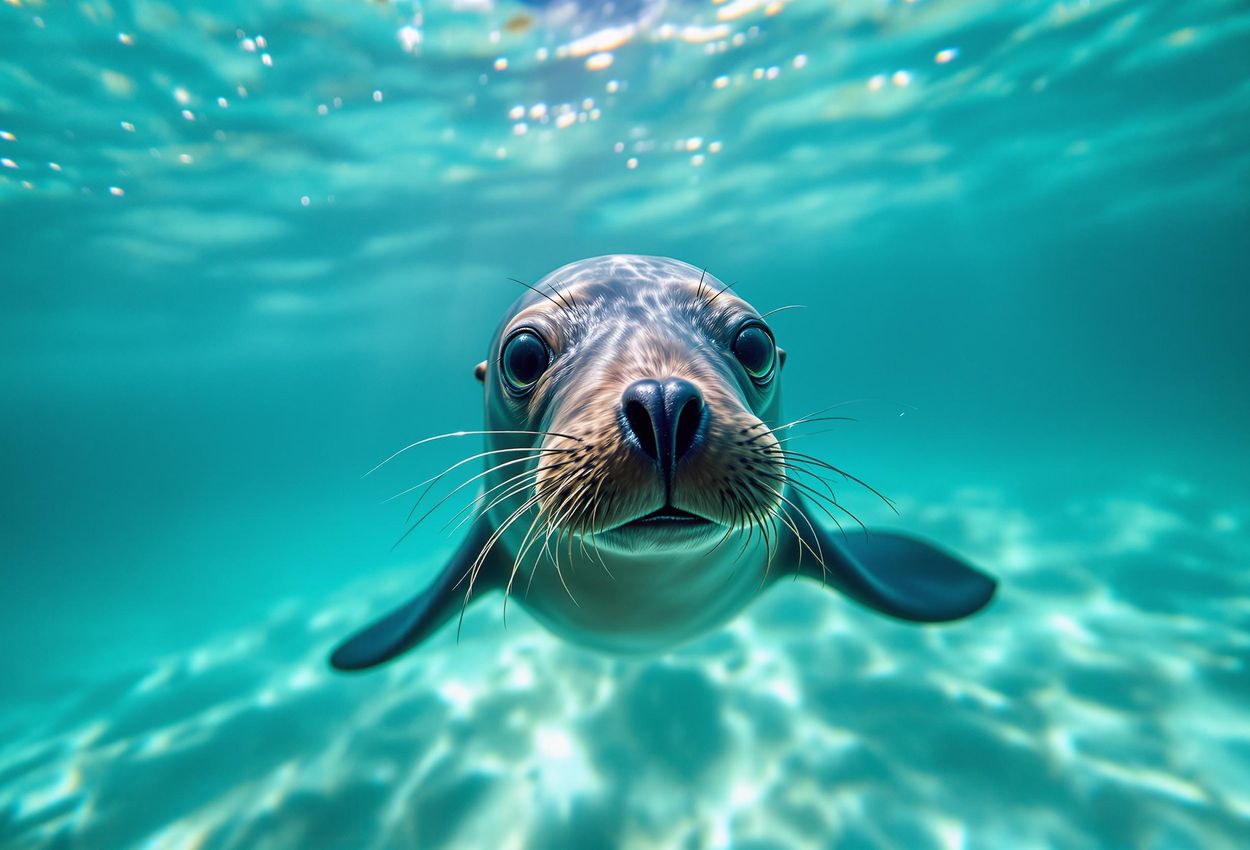
The Galapagos Islands, Ecuador, are a living laboratory of evolution, a place where unique species have adapted to thrive in isolation. Among the most endearing of these creatures are the Galapagos sea lions, known for their playful nature and charming antics. Swimming with these inquisitive animals is an unforgettable experience, but it's crucial to do so responsibly.
Choose tour operators committed to sustainable practices, ensuring that your interaction with the sea lions is respectful and non-intrusive. These operators adhere to the Galapagos National Park's regulations for wildlife interaction, maintaining a safe distance and avoiding any attempts to feed or touch the animals. The sea lions are naturally curious and will often approach swimmers on their own terms, creating a truly magical encounter.
Galapagos sea lions are unique in their characteristics, distinct from their mainland counterparts. They are smaller in size, with a more streamlined body shape adapted for swimming. Their playful nature is evident in their constant interactions with each other, their barking calls echoing along the shoreline. They play a vital role in the local ecosystem, feeding on fish and crustaceans and serving as prey for sharks and orcas.
The Galapagos National Park is committed to protecting the islands' unique biodiversity, implementing strict regulations to minimize human impact. These regulations ensure that tourism is sustainable and that the islands' fragile ecosystems are preserved for future generations. By supporting responsible tour operators, you are contributing to the long-term conservation of this natural wonderland.
Hidden Gem: Discover a secluded beach where you can observe marine iguanas and blue-footed boobies alongside the sea lions. These unique creatures add to the islands' incredible biodiversity, offering a glimpse into the wonders of evolution. Watch as the marine iguanas bask in the sun, their dark bodies blending with the volcanic rocks. Observe the blue-footed boobies performing their comical mating dance, their ight blue feet a striking contrast against the sandy shore.
Sri Lanka's Turtle Sanctuaries
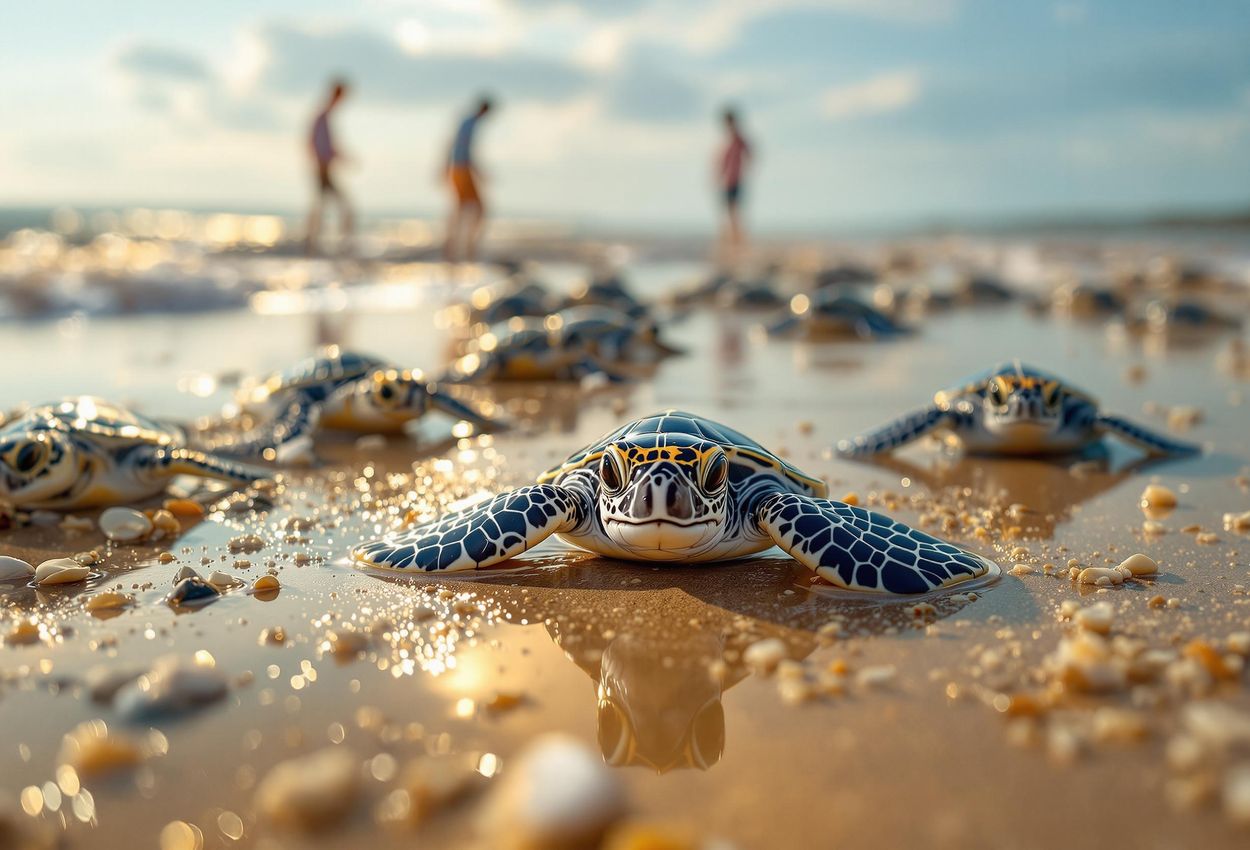
Kosgoda, Sri Lanka, is a haven for sea turtles, a place where dedicated conservationists are working tirelessly to protect these endangered creatures. Ethical turtle conservation efforts are crucial in safeguarding turtle eggs from poachers and predators, ensuring that hatchlings safely reach the ocean. Witnessing this process is a humbling experience, a reminder of the fragility of life and the importance of conservation.
Local conservation centers play a vital role in protecting turtle eggs, collecting them from beaches where they are vulnerable and incubating them in safe hatcheries. Once the eggs hatch, the tiny turtles are carefully released into the ocean, where they face numerous challenges in their quest to survive. These centers also conduct research and educate local communities about the importance of turtle conservation.
Sri Lanka is home to several species of turtles, including the green turtle, hawksbill turtle, leatherback turtle, loggerhead turtle, and olive ridley turtle. These turtles face numerous threats, including habitat loss, pollution, and entanglement in fishing gear. Conservation efforts are essential in mitigating these threats and ensuring the long-term survival of these magnificent creatures.
Responsible tourism is paramount when visiting turtle sanctuaries. Choose sanctuaries that prioritize turtle welfare, avoiding those that allow handling of turtles or disturb their natural nesting behavior. Support sanctuaries that are actively involved in conservation efforts and that contribute to the well-being of local communities. Your visit can make a positive impact, helping to protect these endangered creatures for future generations.
Hidden Gem: Explore a local village where you can learn about traditional fishing practices that coexist with turtle conservation. These communities have a deep understanding of the marine environment and are committed to protecting turtles and their habitats. Learn about their sustainable fishing methods and their efforts to minimize their impact on the ecosystem.
Norway's Whale Watching Wonders
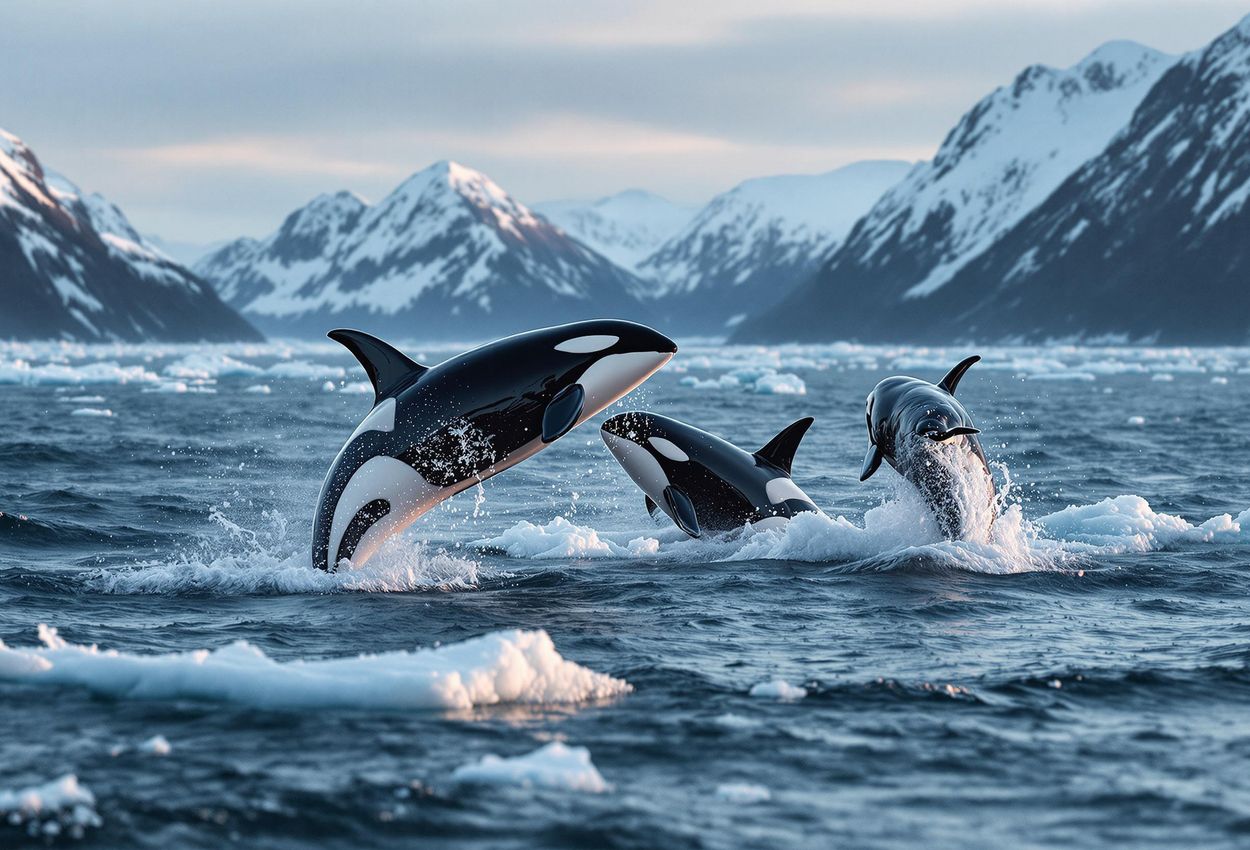
The icy waters of Norway are home to a diverse array of marine life, including orcas and humpback whales. Embarking on a responsible whale watching tour in Norway offers the chance to witness these magnificent creatures in their natural habitat, while supporting conservation efforts that protect their fragile ecosystem.
Choose tour operators that adhere to strict guidelines for approaching whales, minimizing disturbance to their natural behavior. These guidelines typically involve maintaining a safe distance, avoiding sudden movements or loud noises, and limiting the amount of time spent observing the whales. Responsible tour operators also educate passengers about whale biology, behavior, and conservation.
The marine ecosystem of the Norwegian fjords is rich in nutrients, attracting whales that come to feed on herring and other small fish. Witnessing these whales feeding is an awe-inspiring spectacle, a testament to the abundance of life in the ocean. Research efforts are ongoing to study these marine mammals, track their movements, and understand their role in the ecosystem.
Conservation efforts are crucial in protecting whales from threats such as entanglement in fishing gear, ship strikes, and climate change. By supporting responsible whale watching tours, you are contributing to these efforts, helping to ensure that these magnificent creatures thrive in Norwegian waters for generations to come.
Hidden Gem: Discover a local seafood restaurant that sources its ingredients sustainably and supports marine conservation. These restaurants are committed to serving fresh, locally caught seafood while minimizing their impact on the marine environment. Enjoy a delicious meal while knowing that you are supporting sustainable fishing practices and marine conservation efforts.
Borneo's Orangutan Rehabilitation
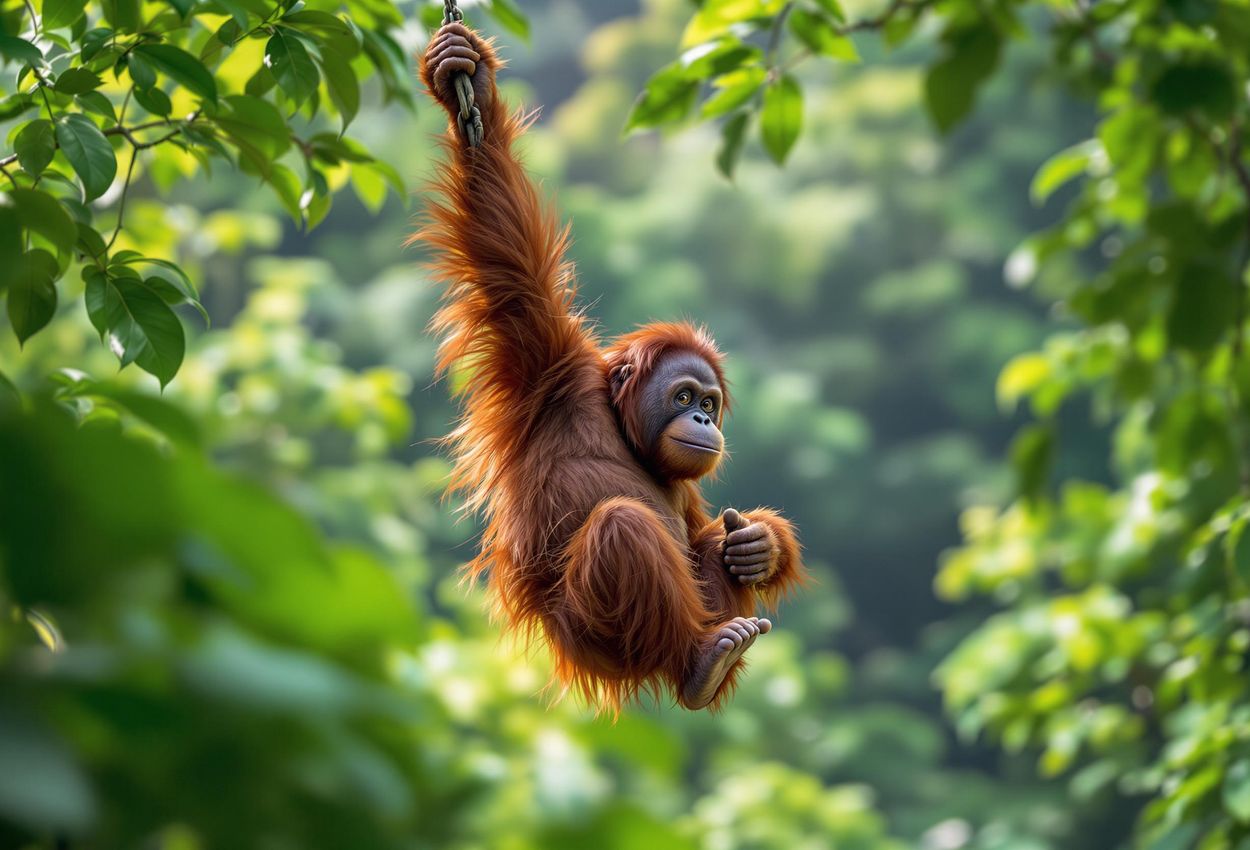
The lush rainforests of Borneo, Malaysia, are home to orangutans, intelligent and charismatic primates that are facing increasing threats from deforestation and habitat loss. Visiting an orangutan rehabilitation center, such as the Sepilok Orangutan Rehabilitation Centre, offers the chance to witness the incredible work being done to rescue, rehabilitate, and release orphaned orangutans back into the wild.
The rehabilitation process involves providing orphaned orangutans with the care and support they need to develop the skills necessary to survive in the wild. This includes teaching them how to find food, build nests, and interact with other orangutans. The ultimate goal is to release these orangutans back into their natural habitat, where they can thrive as independent individuals.
Responsible tourism is essential when visiting orangutan rehabilitation centers. Choose centers that prioritize orangutan welfare, avoiding those that offer direct interaction with the animals. Direct interaction can be stressful for orangutans and can increase their risk of contracting diseases. Support centers that are actively involved in conservation efforts and that contribute to the well-being of local communities.
The threats to orangutan habitats from deforestation and palm oil plantations are significant. By supporting sustainable tourism practices and advocating for responsible land management, you can help to protect orangutan habitats and ensure the long-term survival of these incredible primates.
Hidden Gem: Seek out a community-based ecotourism project that supports rainforest conservation and provides alternative livelihoods for local communities. These projects empower local communities to protect their forests and to benefit from sustainable tourism activities. Learn about their efforts to combat deforestation, promote sustainable agriculture, and conserve biodiversity.
Botswana's Okavango Delta by Mokoro
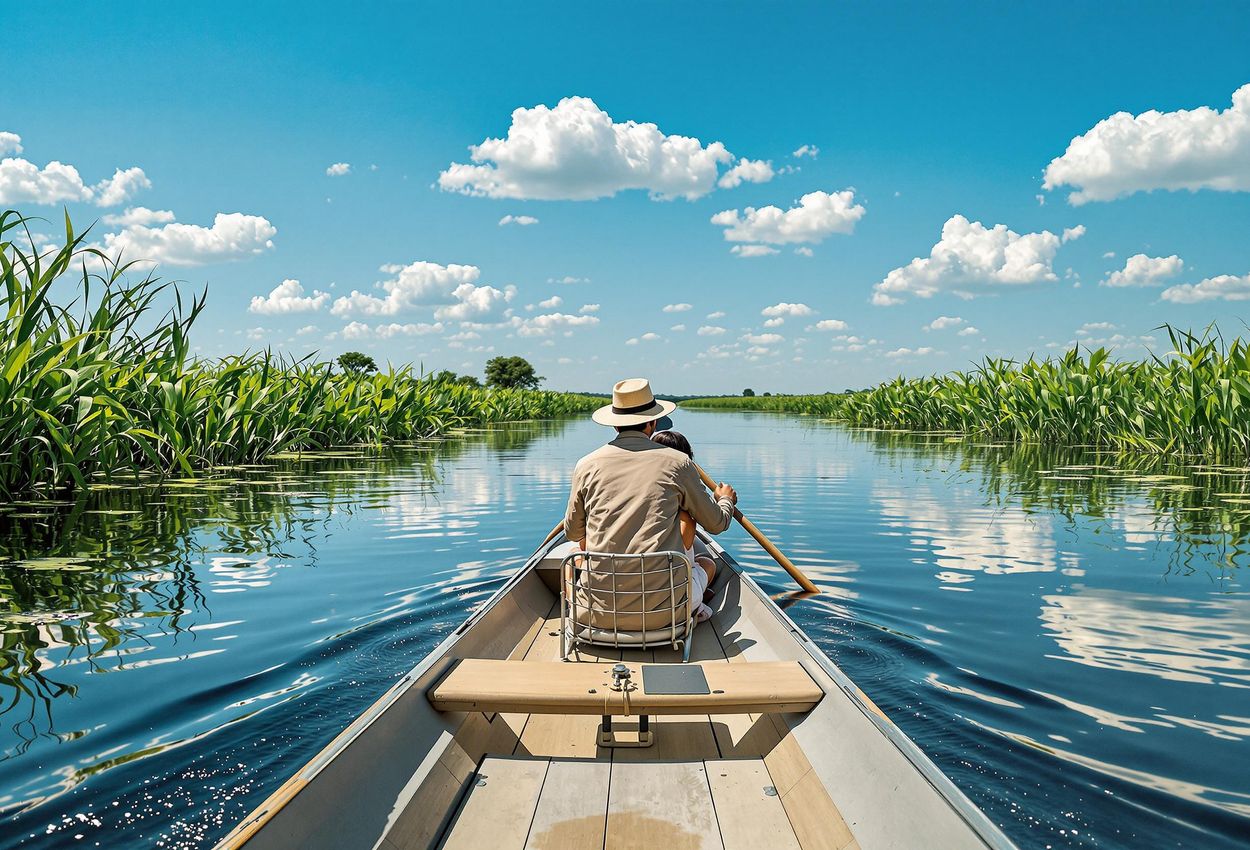
The Okavango Delta, Botswana, is a unique inland river system, a vast network of waterways and islands that teems with wildlife. Exploring the delta by mokoro, a traditional canoe, offers a tranquil and immersive wildlife viewing experience with minimal environmental impact.
The mokoro glides silently through the shallow waters, allowing you to observe wildlife up close without disturbing their natural behavior. You may encounter elephants wading through the water, lions stalking their prey on the banks, and a myriad of bird species flitting through the reeds. The tranquility of the delta is oken only by the sounds of nature, creating a truly magical experience.
Choosing local guides who are knowledgeable about the ecosystem and respect wildlife is essential. These guides can provide valuable insights into the delta's ecology, helping you to understand the intricate relationships between plants, animals, and the environment. They can also ensure that your mokoro trip is conducted in a safe and responsible manner.
The diverse wildlife of the Okavango Delta is a testament to the importance of conservation efforts. By supporting sustainable tourism practices and protecting the delta's fragile ecosystem, you can help to ensure that this natural wonder remains a haven for wildlife for generations to come.
Hidden Gem: Discover a remote island camp that operates on solar power and promotes sustainable tourism practices. These camps are committed to minimizing their environmental impact and to supporting local communities. Enjoy a comfortable and eco-friendly stay while immersing yourself in the beauty of the Okavango Delta.
Costa Rica's Sloth Sanctuary
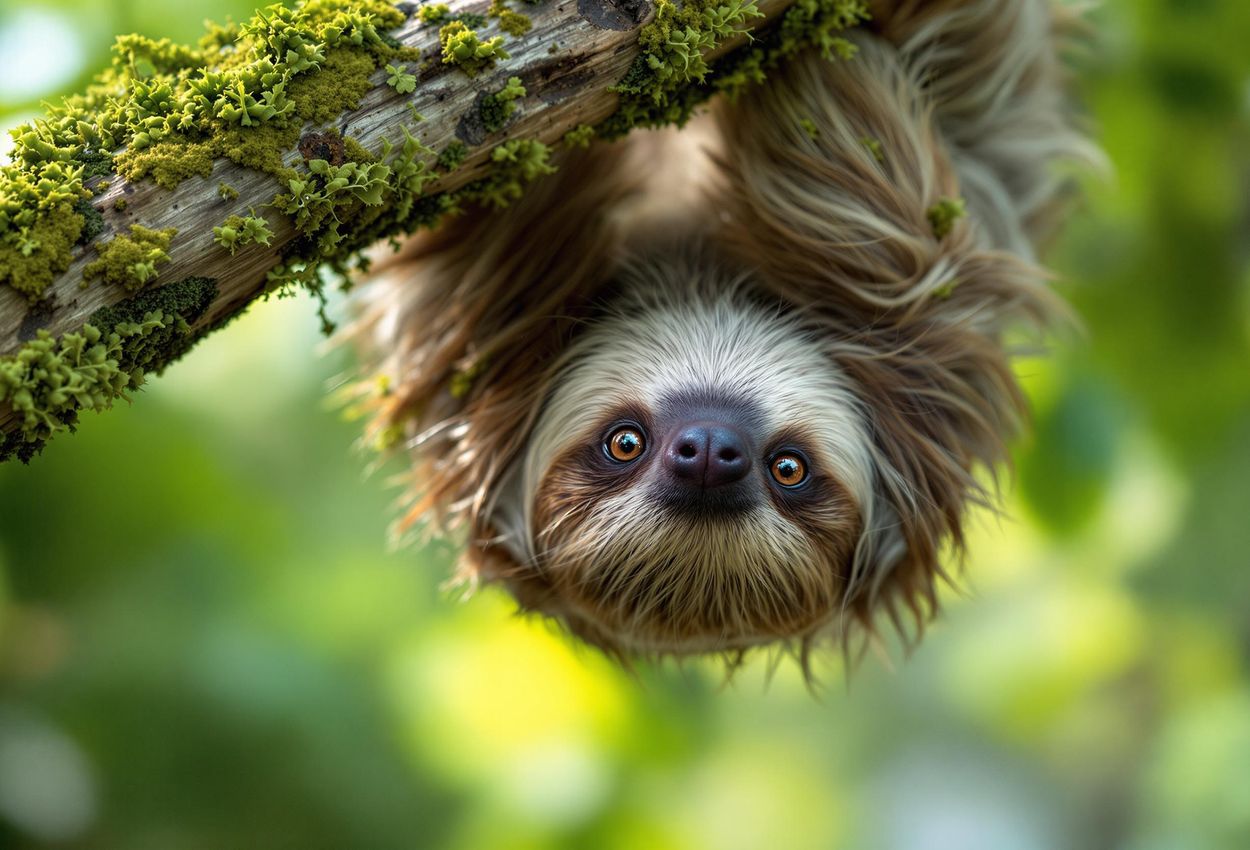
Costa Rica is renowned for its biodiversity, and among its most endearing inhabitants are sloths, slow-moving creatures that spend their lives hanging from trees. Visiting a reputable sloth sanctuary in Costa Rica, such as the Sloth Sanctuary of Costa Rica, offers the chance to learn about these fascinating animals and to support efforts to rescue, rehabilitate, and release injured or orphaned sloths.
The sanctuary provides sloths with the care and support they need to recover from injuries or to develop the skills necessary to survive in the wild. This includes providing them with nutritious food, medical care, and a safe and stimulating environment. The ultimate goal is to release these sloths back into their natural habitat, where they can thrive as independent individuals.
Responsible tourism is paramount when visiting sloth sanctuaries. Choose sanctuaries that prioritize sloth welfare, avoiding those that allow handling of the animals. Handling sloths can be stressful for them and can increase their risk of contracting diseases. Support sanctuaries that are actively involved in conservation efforts and that contribute to the well-being of local communities.
The threats to sloth habitats from deforestation and development are significant. By supporting sustainable tourism practices and advocating for responsible land management, you can help to protect sloth habitats and ensure the long-term survival of these gentle creatures.
Hidden Gem: Explore a local chocolate plantation that promotes sustainable farming practices and protects rainforest habitats for sloths and other wildlife. These plantations are committed to growing cacao in an environmentally friendly manner, minimizing their impact on the rainforest ecosystem. Learn about the process of making chocolate from bean to bar and enjoy a delicious treat while supporting sustainable agriculture and rainforest conservation.
As we become more aware of our impact on the planet, choosing responsible wildlife encounters is more important than ever. These seven experiences offer the chance to witness incredible animals in their natural habitats while supporting vital conservation efforts. By prioritizing ethical practices and respecting animal welfare, we can ensure that these magnificent creatures thrive for generations to come.