Embarking on an adventure requires more than just a spirit of wanderlust; it demands the right gear. From the unpredictable terrains of the Andes to the serene landscapes of Yosemite, your equipment is your lifeline. This isn't just about packing; it's about investing in reliability, ensuring comfort, and preparing for the unexpected. Letu2019s dive into the essentials that will make your next adventure not only possible but unforgettable.
Shelter From the Storm: Choosing the Perfect Tent
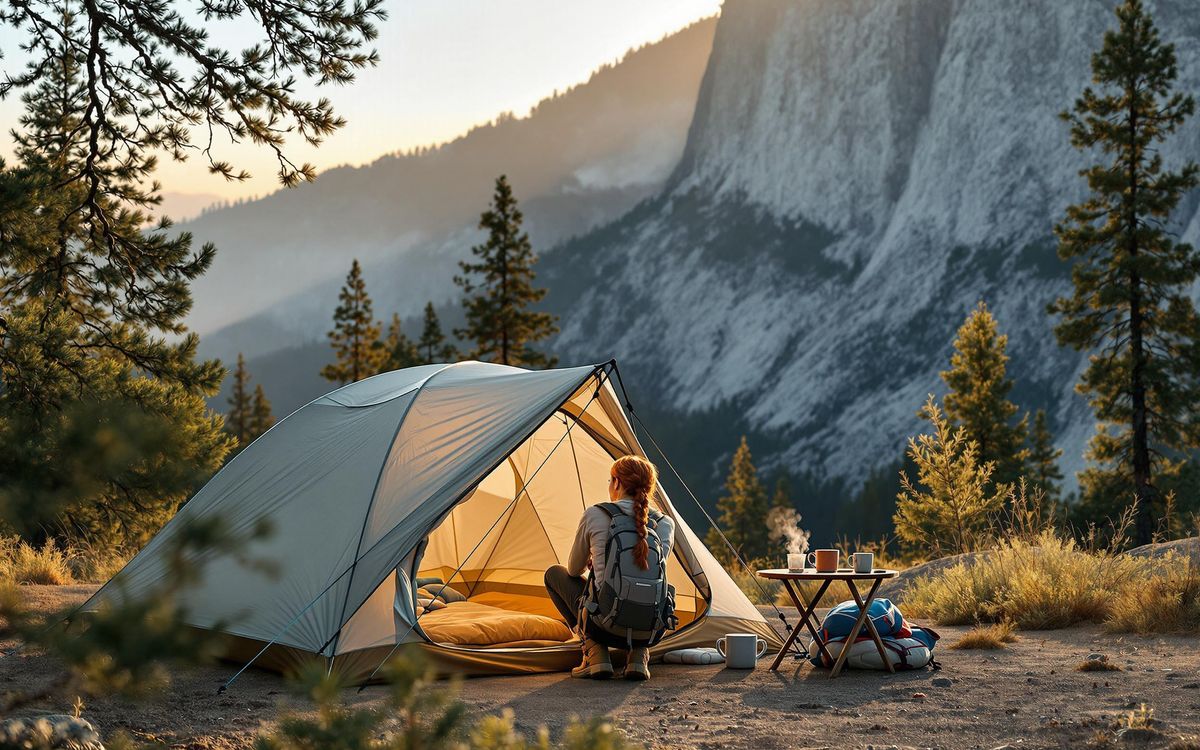
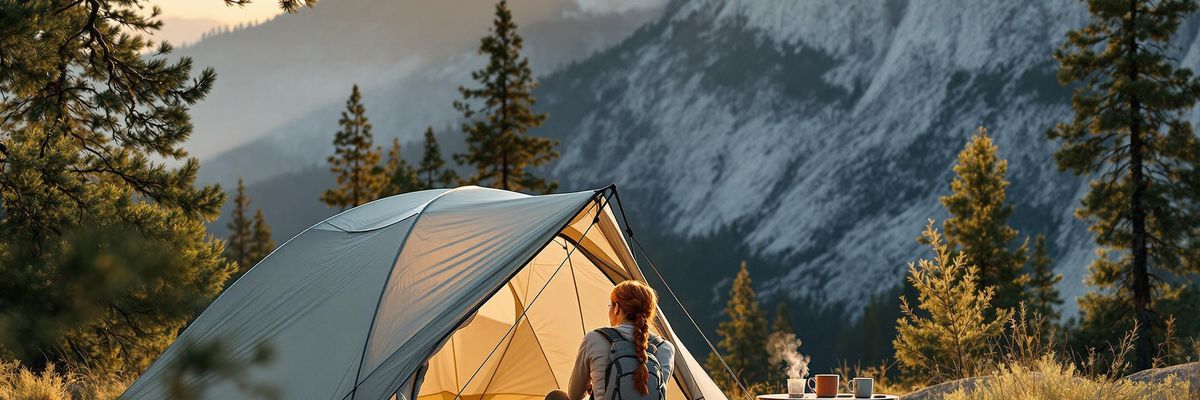
A tent is more than just a shelter; it's your sanctuary in the wild. The importance of a reliable tent cannot be overstated, especially when facing the raw power of nature. Imagine setting up camp amidst the granite peaks of Yosemite National Park, the wind howling, and the temperature dropping. A dependable tent stands between you and the elements. Key features to consider include waterproofness, durability, and weight. Waterproofness is crucial; look for tents with a high hydrostatic head rating (the ability to withstand water pressure). Durability often comes down to materials. Dyneema® Composite Faics, for example, are renowned for their exceptional strength-to-weight ratio, making them ideal for lightweight yet robust tents. Weight is another critical factor, particularly if you're backpacking. Every ounce counts when you're carrying your shelter on your back for miles.
Different tent styles cater to different needs. Freestanding tents are easy to set up and can be moved around your campsite before staking them down, offering flexibility. Trekking pole tents, on the other hand, utilize your trekking poles for support, saving weight but requiring more skill to pitch correctly. For those seeking comfort and space, consider the Kuiu Mountain Star 2 Person Tent, known for its generous interior and robust construction. If lightweight backpacking is your priority, the Nemo Hornet Osmo Ultralight Backpacking Tent offers an excellent balance of weight, space, and weather protection. Remember to consider the size of your group and the conditions you expect to encounter. A solo traveler might opt for a minimalist one-person tent, while a group of four will need a larger, more spacious shelter.

Beyond the tent itself, consider investing in a footprint or groundsheet. This simple addition can significantly extend the life of your tent floor by protecting it from aasion, moisture, and sharp objects. It's a small investment that can save you from costly repairs or replacements down the line. When selecting a tent, think about ventilation as well. Condensation can build up inside your tent, especially in humid conditions, so look for models with good airflow to minimize moisture buildup. Setting up your tent properly is also crucial. Always choose a flat, clear site, and ensure your tent is securely staked down to withstand wind and rain.
Hidden Gem: Extend the life of your tent by using a footprint or groundsheet. This simple barrier protects the tent floor from aasion and moisture, significantly prolonging its lifespan.
Sleeping Soundly: Selecting the Right Sleeping Bag and Pad
After a long day of hiking, climbing, or exploring, a good night's sleep is essential for recovery and rejuvenation. Selecting the right sleeping bag and pad is crucial for ensuring comfort and warmth, especially in challenging environments. Imagine waking up refreshed after a cold night in the Andes Mountains, ready to tackle another day of adventure. This is only possible with the right sleep system.
Temperature ratings are a key consideration when choosing a sleeping bag. These ratings indicate the lowest temperature at which the bag is designed to keep you warm. It's important to choose a bag that's appropriate for the conditions you expect to encounter. Insulation type is another important factor. Down sleeping bags offer excellent warmth-to-weight ratio and are highly compressible, making them ideal for backpacking. However, they lose their insulating properties when wet. Synthetic sleeping bags, on the other hand, retain their warmth even when damp, making them a better choice for wet or humid environments. When selecting a sleeping bag, consider your body type and sleeping style. Some people prefer a snug mummy-style bag for maximum warmth, while others prefer a more spacious rectangular bag for greater freedom of movement.
For a sleeping bag known for its warmth-to-weight ratio and comfort, consider the Nemo Coda Genderless Endless Promise Down Mummy Sleeping Bag. This bag is designed to provide exceptional warmth and comfort in a lightweight package. Sleeping pads are just as important as sleeping bags. They provide insulation from the cold ground and cushioning for a more comfortable sleep. R-value is a measure of a sleeping pad's insulation. The higher the R-value, the more insulation the pad provides. Different types of sleeping pads are available, including air pads, foam pads, and self-inflating pads. Air pads are lightweight and packable but can be prone to punctures. Foam pads are durable and affordable but are less comfortable and packable. Self-inflating pads offer a good balance of comfort, insulation, and packability.
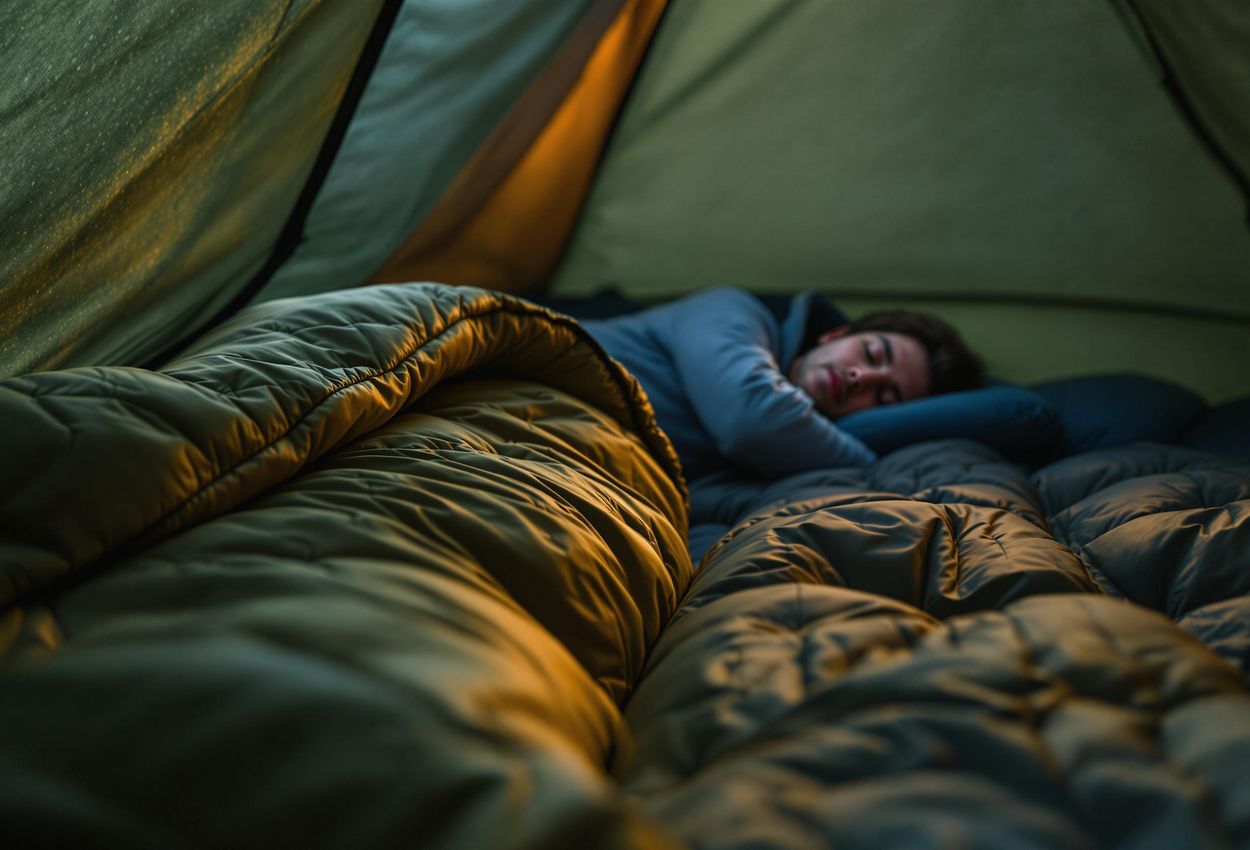
Consider using a closed-cell foam pad underneath your inflatable pad for added insulation and puncture protection. This combination provides an extra layer of warmth and helps to prevent punctures from sharp objects on the ground. When choosing a sleeping pad, think about the type of terrain you'll be sleeping on. If you're camping on rocky or uneven ground, you'll want a thicker, more durable pad. If you're backpacking and weight is a concern, you can opt for a lighter, more minimalist pad.
Hidden Gem: Boost your sleeping system's warmth and puncture resistance by adding a closed-cell foam pad beneath your inflatable pad. This simple addition provides extra insulation and protection against sharp objects.
On Your Feet: Finding the Ideal Hiking Boots or Shoes
Your feet are your foundation on any adventure, and proper footwear is essential for comfort, performance, and injury prevention. Imagine traversing a rocky trail in the Scottish Highlands, the wind whipping around you, and the terrain challenging. Without the right footwear, your adventure can quickly turn into a painful ordeal. Finding the ideal hiking boots or shoes is a crucial step in preparing for any outdoor excursion.
When choosing hiking boots or shoes, consider factors like ankle support, traction, and waterproofness. Ankle support is important for stability, especially on uneven terrain. High-cut boots provide the most ankle support, while low-cut shoes offer greater freedom of movement. Traction is crucial for grip on slippery or loose surfaces. Look for boots and shoes with aggressive lug patterns on the soles. Waterproofness is essential for keeping your feet dry in wet conditions. Boots and shoes with waterproof memanes, such as Gore-Tex, provide excellent protection from the elements. Consider the type of terrain you'll be encountering. If you'll be hiking on rocky, rugged trails, you'll want a pair of boots with sturdy soles and ample ankle support. If you'll be trail running on softer surfaces, you can opt for lighter, more flexible shoes.
For rugged conditions, the Salomon X Ultra 4 GTX hiking boots are a popular choice, known for their durability, support, and waterproofness. These boots are designed to provide excellent stability and protection on challenging terrain. For trail running, the Topo Athletic MTN Racer shoes offer a lightweight and responsive feel, allowing you to move quickly and efficiently over the trails. These shoes are designed to provide a comfortable and natural running experience. eaking in new boots before a long trip is essential to avoid blisters. Wear your boots around the house for a few hours each day, gradually increasing the amount of time you wear them. Use thick socks and apply moleskin to any areas that are prone to rubbing.
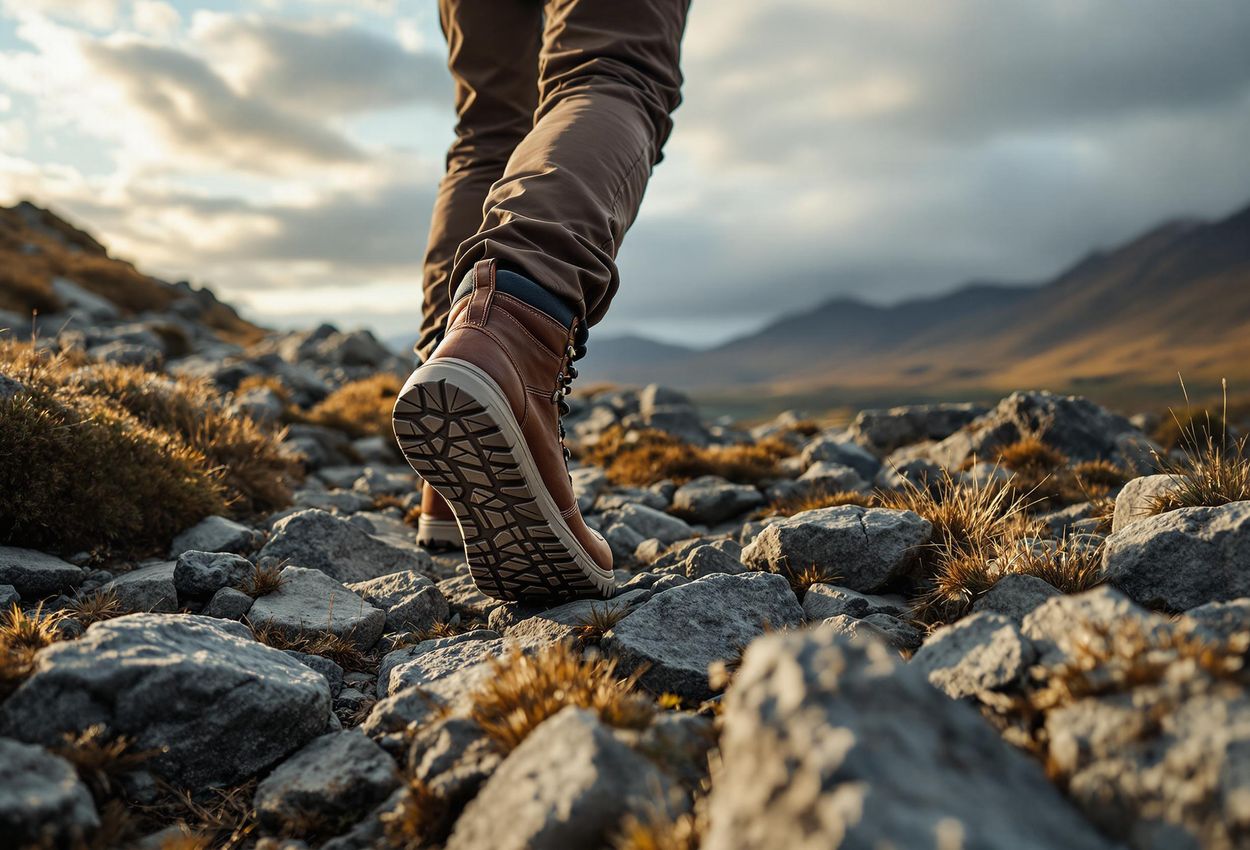
Properly eaking in new boots before a long trip is essential to avoid blisters. Wear your boots around the house for a few hours each day, gradually increasing the amount of time you wear them. Use thick socks and apply moleskin to any areas that are prone to rubbing. Pay attention to the fit of your boots or shoes. They should be snug but not too tight, with enough room for your toes to move freely. Make sure to try on boots and shoes with the socks you plan to wear on your adventures.
Hidden Gem: Prevent blisters on long trips by properly eaking in new boots. Wear them incrementally with thick socks before your adventure, and use moleskin on potential hotspots.
Dress the Part: Layering Clothing for All Conditions
The layering system is a fundamental concept in outdoor clothing, allowing you to adapt to changing weather conditions and activity levels. Imagine staying warm and dry during a sudden downpour in Patagonia, thanks to your carefully chosen layers. This is the power of the layering system. By wearing multiple layers of clothing, you can easily add or remove layers to regulate your body temperature and stay comfortable in a wide range of conditions.
The layering system typically consists of three layers: a base layer, a mid-layer, and an outer layer. The base layer is designed to wick moisture away from your skin, keeping you dry and comfortable. Look for base layers made from moisture-wicking materials like merino wool or synthetic faics. The mid-layer provides insulation, trapping warm air close to your body. Fleece jackets and down sweaters are popular choices for mid-layers. The outer layer provides protection from the elements, such as wind and rain. Waterproof and windproof jackets are essential for staying dry and comfortable in inclement weather. Consider the climate and activities you'll be encountering. If you're hiking in a cold, wet environment, you'll want a waterproof and windproof outer layer, an insulating mid-layer, and a moisture-wicking base layer. If you're trail running in a warmer climate, you might only need a moisture-wicking base layer and a lightweight windeaker.
ands like Arc'teryx and Patagonia are renowned for their quality and performance in outdoor clothing. Arc'teryx offers a wide range of high-performance outerwear, while Patagonia is known for its commitment to sustainability and its versatile layering pieces. Merino wool is a great option for base layers due to its odor-resistant properties. This makes it ideal for long trips where you may not have the opportunity to wash your clothes frequently. When choosing layers, consider the fit and mobility. You should be able to move freely and comfortably in your clothing without feeling restricted. Make sure to try on layers together to ensure they fit well and work together effectively.
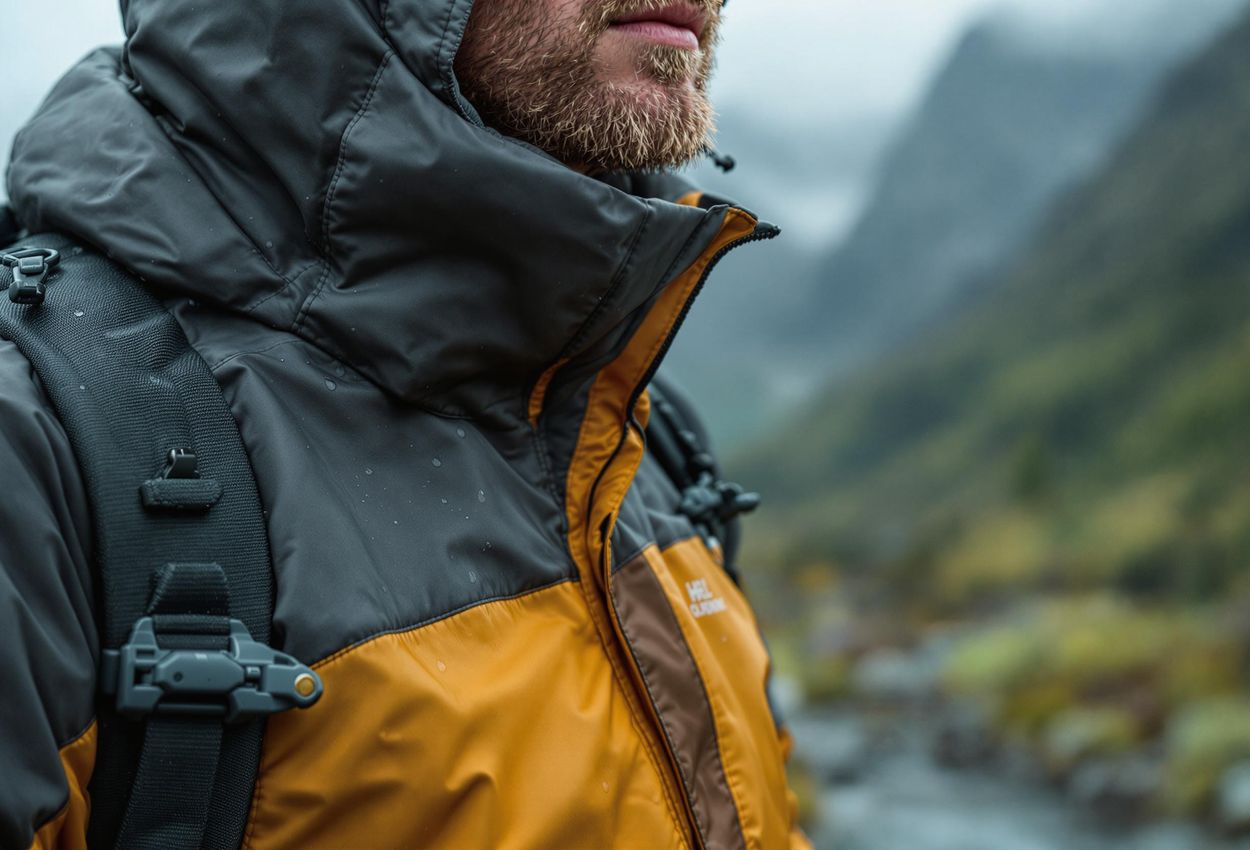
Using merino wool for its odor-resistant properties on long trips is a game-changer. This natural fiber stays fresh for days, reducing the need for frequent washing and saving space in your pack. Pay attention to the eathability of your layers. You want clothing that allows moisture vapor to escape, preventing you from getting sweaty and clammy. Look for features like pit zips and eathable memanes in your outer layers.
Hidden Gem: Pack merino wool base layers for extended trips. Their natural odor resistance keeps you fresh, minimizing laundry needs and saving valuable pack space.
Pack It In: Choosing the Perfect Backpack
Your backpack is your mobile home, carrying everything you need for your adventure. Choosing the perfect backpack is crucial for comfort, organization, and efficiency. Imagine carrying essential gear through the Inca Trail to Machu Picchu, your pack feeling like an extension of your body. This is the ideal scenario when you've chosen the right backpack.
When selecting a backpack, consider factors like capacity, fit, and suspension system. Capacity refers to the volume of the backpack, measured in liters. Choose a capacity that's appropriate for the length of your trip and the amount of gear you need to carry. Fit is crucial for comfort and preventing injuries. A properly fitted backpack will distribute the weight evenly across your hips and shoulders. The suspension system is the framework of the backpack, providing support and stability. Look for backpacks with adjustable suspension systems that allow you to customize the fit to your body. Consider the features and organization of the backpack. Look for features like multiple compartments, external pockets, and attachment points for trekking poles and other gear.
ands like Osprey and Hyperlite Mountain Gear are known for their durability, comfort, and organization features. Osprey backpacks are renowned for their comfortable suspension systems and thoughtful designs, while Hyperlite Mountain Gear backpacks are known for their lightweight and durable construction. Using packing cubes or stuff sacks to organize gear within your backpack is a great way to keep everything tidy and accessible. This also helps to compress your gear, saving space and preventing items from shifting around during your hike. When packing your backpack, distribute the weight evenly, placing heavier items closer to your back and lighter items towards the front. This will help to maintain your balance and prevent back pain.

Using packing cubes or stuff sacks to organize gear within your backpack is a simple yet effective way to maximize space and keep your belongings easily accessible. Consider the type of adventures you'll be undertaking. If you're going on a multi-day backpacking trip, you'll need a larger backpack with a robust suspension system. If you're going on a day hike, you can opt for a smaller, more lightweight pack.
Hidden Gem: Utilize packing cubes or stuff sacks to organize your backpack. This keeps gear accessible, maximizes space, and prevents shifting during your trek.
Equipping yourself with the right adventure gear is an investment in your safety, comfort, and overall experience. By carefully considering your needs, researching your options, and choosing quality products, you can ensure that your next adventure is not only possible but truly unforgettable. From the shelter that protects you from the storm to the boots that carry you across challenging terrains, every piece of gear plays a vital role in your journey. So, pack wisely, prepare thoroughly, and emace the adventure that awaits.