Embarking on a high-altitude adventure is an exhilarating experience, but it demands respect for the body's physiological limits. Altitude acclimatization is the key to a safe and enjoyable journey, allowing you to revel in the eathtaking vistas without succumbing to the debilitating effects of altitude sickness. This guide provides a comprehensive strategy for preparing your body for the challenges of thin air, ensuring that your mountain dreams don't turn into a high-altitude nightmare.
Understanding Altitude Sickness: What Happens to Your Body?
As you ascend to higher altitudes, the atmospheric pressure decreases, resulting in a lower partial pressure of oxygen. This means that each eath you take contains less oxygen than at sea level, leading to a state of hypoxia u2013 a deficiency of oxygen reaching the tissues. The human body typically starts to feel the effects of lower oxygen levels above 8,000 feet (2,400 meters).
The body attempts to compensate for this reduced oxygen availability by increasing the heart rate and eathing rate. This, however, can lead to other physiological changes. Fluid can leak from the capillaries, resulting in swelling. The kidneys also respond, excreting more bicarbonate, which can lead to dehydration. These physiological changes can lead to Acute Mountain Sickness (AMS), also known as altitude sickness. Symptoms include headache, nausea, fatigue, dizziness, and shortness of eath. These symptoms can range from mild discomfort to severe debilitation.
In severe cases, altitude sickness can progress to life-threatening conditions such as High Altitude Pulmonary Edema (HAPE) and High Altitude Cereal Edema (HACE). HAPE involves fluid accumulation in the lungs, causing extreme shortness of eath and coughing. HACE, on the other hand, involves fluid accumulation in the ain, leading to confusion, loss of coordination, and eventually coma. Both HAPE and HACE require immediate descent and medical attention.
It's crucial to understand that individual susceptibility to altitude sickness varies significantly. Factors such as genetics, pre-existing medical conditions, and even psychological state can play a role. Surprisingly, previous successful ascents don't guarantee immunity to altitude sickness on subsequent trips. Each experience is unique, and the body's response can vary depending on numerous factors. Therefore, even seasoned mountaineers must adhere to acclimatization principles.
Hidden Gem: Even if you've climbed high before without issues, don't assume you're immune. Altitude sickness can affect anyone, regardless of fitness level or past experiences. Always acclimatize properly.
The Gradual Ascent: Your Acclimatization Schedule Blueprint
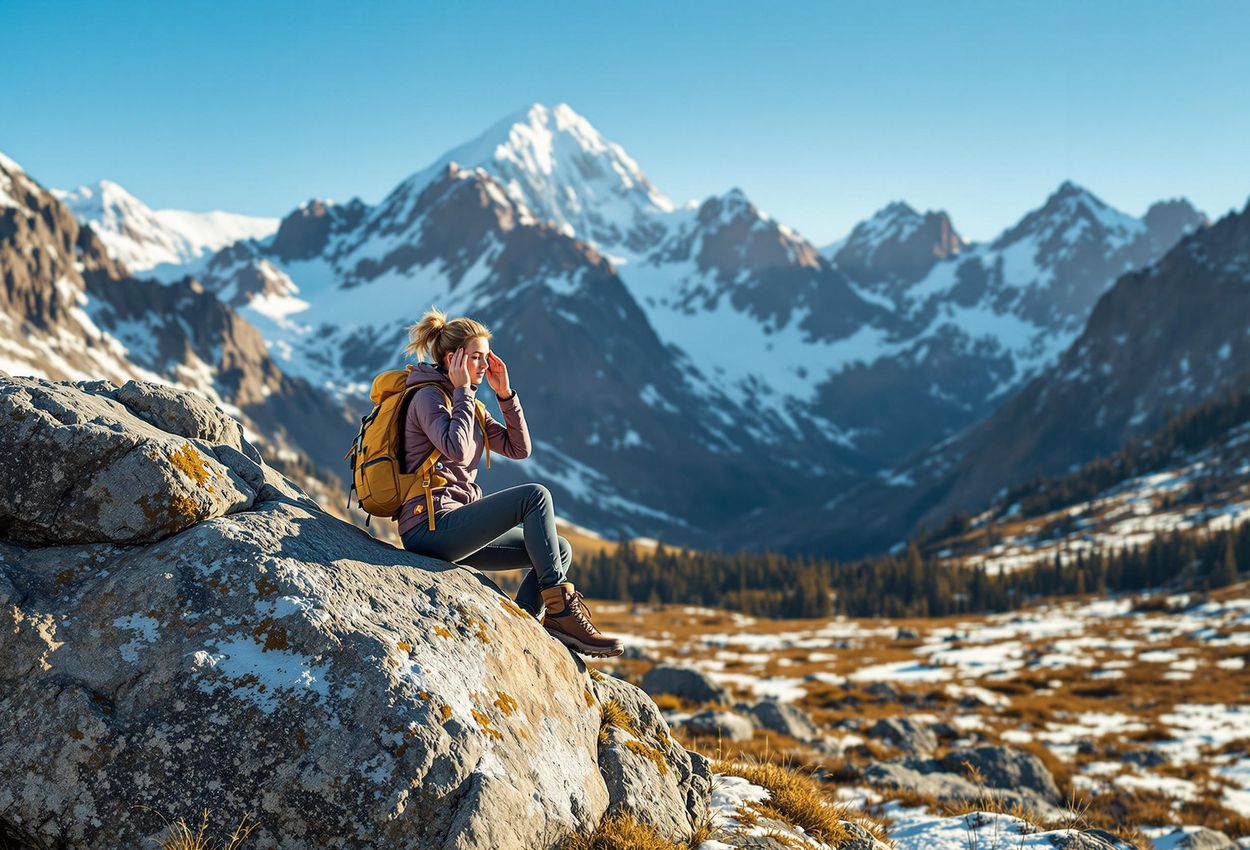
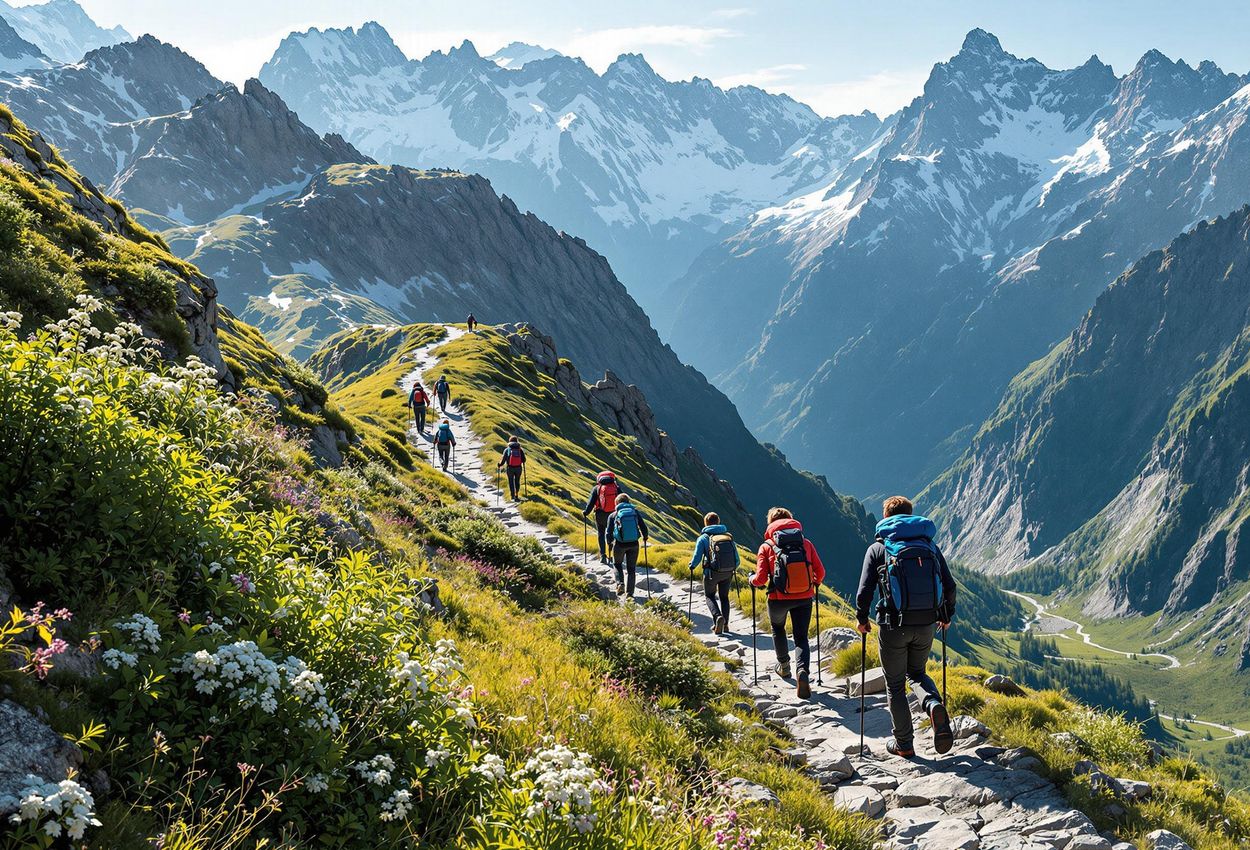
The cornerstone of altitude acclimatization is a gradual ascent, allowing your body to adapt to the decreasing oxygen levels. The principle of 'climb high, sleep low' is paramount. This involves ascending to a higher altitude during the day to stimulate physiological adaptation, but descending to a lower altitude to sleep, allowing the body to recover in a more oxygen-rich environment. This approach is far more effective than simply ascending and remaining at a high altitude.
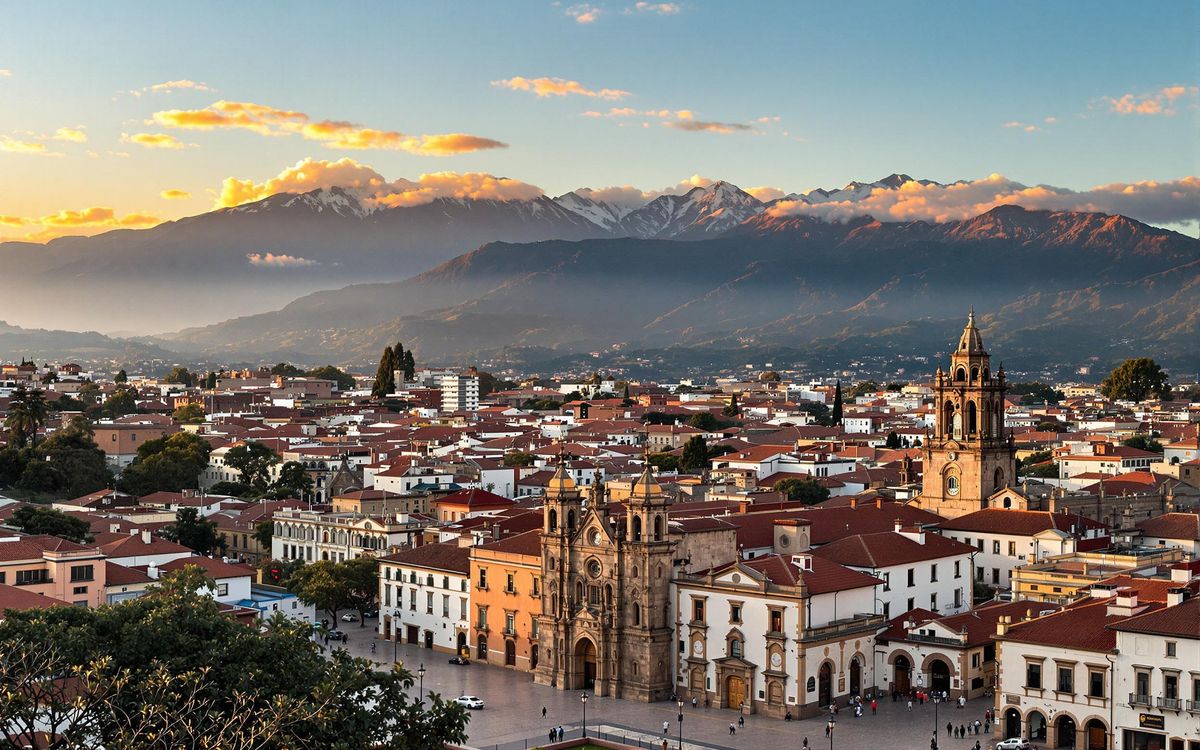
A recommended acclimatization schedule typically involves limiting daily altitude gains, particularly above 10,000 feet (3,000 meters). A general guideline is to ascend no more than 1,000 feet (300 meters) per day above this altitude. Incorporating rest days is also essential, where you remain at the same altitude for one or two nights to allow your body to stabilize. For example, if planning a climb in the Andes, consider spending a few days in a city like Cusco, Peru (11,200 feet/3,400 meters) before trekking.
Starting your acclimatization at a moderate altitude can be beneficial. Cities like Denver, Colorado (5,280 feet/1,600 meters) or Mexico City (7,350 feet/2,240 meters) offer opportunities to begin the acclimatization process before ascending to higher elevations. Spending a few days at these altitudes can significantly reduce the risk of altitude sickness later on.
Hidden Gem: Consider the impact of air travel on your acclimatization schedule. Flying directly to a high-altitude destination can negate the benefits of a gradual ascent. Factor in extra acclimatization days upon arrival if flying into a high-altitude airport.
Hydration is Key: Fueling Your Body at High Altitudes
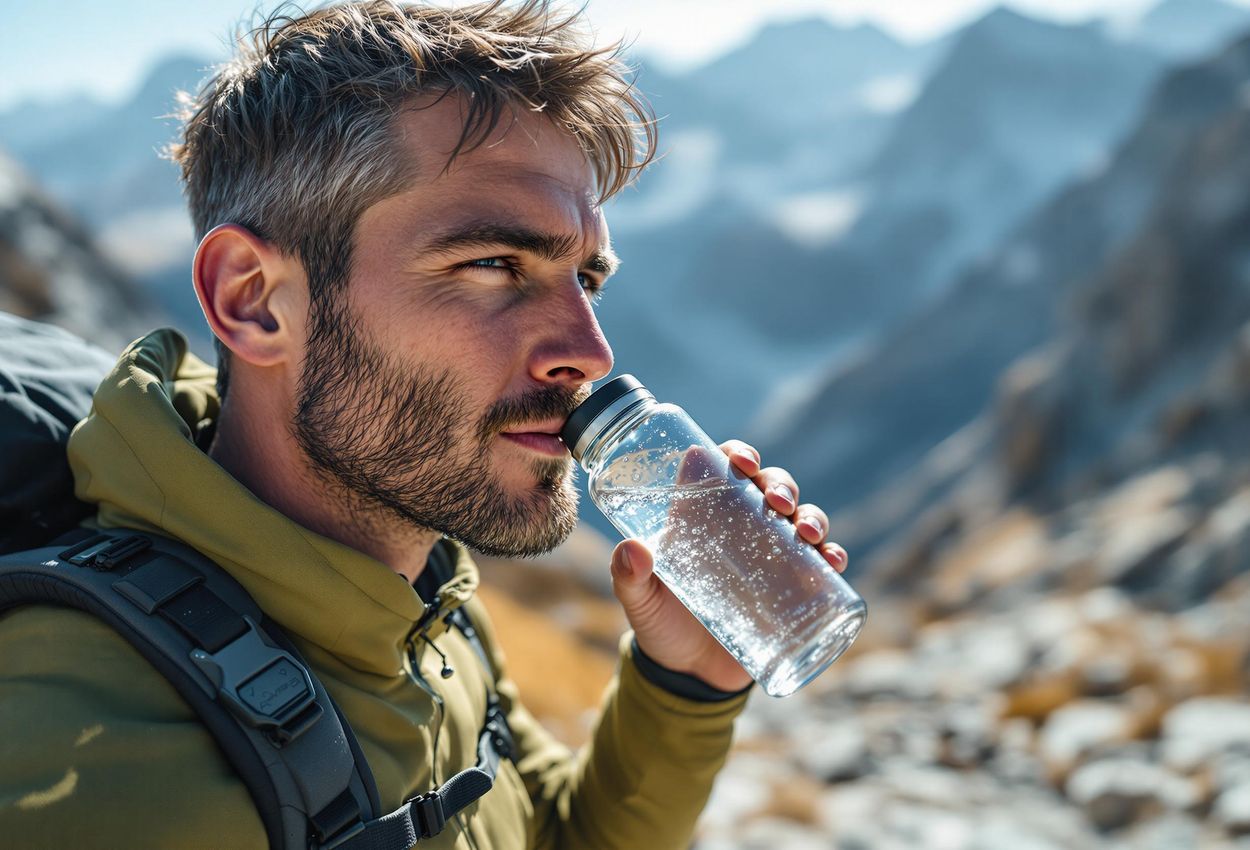
Dehydration is a common problem at high altitudes, exacerbating the symptoms of altitude sickness. Increased respiration rates, lower humidity, and increased urine production all contribute to fluid loss. It is crucial to proactively increase your fluid intake to compensate for these losses.
Aim to drink at least 4-5 liters of water per day at high altitudes, even if you don't feel particularly thirsty. Thirst is not always a reliable indicator of hydration status at altitude. Electrolyte-rich drinks can also be beneficial, as they help to replenish salts lost through sweating and increased urine production. Sports drinks or electrolyte tablets can be useful additions to your hydration strategy. Avoid excessive consumption of caffeine and alcohol, as these can contribute to dehydration.
The body's thirst response can be blunted at high altitudes, making it even more critical to consciously monitor your fluid intake. Carry a water bottle with you at all times and make a habit of drinking regularly throughout the day. Set reminders on your phone or watch to prompt you to drink water.
Local Tip: In many high-altitude regions, locals chew coca leaves. While the science is debated, some believe it helps with acclimatization and hydration. Consult local guides for more information.
Hidden Gem: Incorporate hydrating foods into your diet. Fruits and vegetables with high water content, such as watermelon, cucumbers, and oranges, can contribute to your overall hydration levels.
Nutritional Strategies: Powering Your High-Altitude Performance
Proper nutrition is essential for optimizing energy production and supporting your body's acclimatization efforts at high altitudes. A high-carbohydrate diet is generally recommended, as carbohydrates are the most efficient fuel source for the body when oxygen is limited. Aim for at least 60% of your calories to come from carbohydrates.
Choose complex carbohydrates such as whole grains, fruits, and starchy vegetables. These provide sustained energy release and help to maintain stable blood sugar levels. Avoid simple sugars and processed foods, as these can lead to energy crashes and exacerbate altitude sickness symptoms. Protein is also important for muscle recovery and repair, but it should not be the primary focus of your diet at altitude. Iron-rich foods are crucial for oxygen transport in the blood. Include lean meats, beans, and leafy green vegetables in your diet.
Appetite suppression is a common issue at high altitudes, making it challenging to consume enough calories. Consider inging energy bars or gels that are easy to eat and digest. These can provide a quick source of energy when you're not feeling hungry. Ginger can help reduce nausea, allowing you to consume more food.
Hidden Gem: Combat appetite suppression by consuming smaller, more frequent meals throughout the day. This can be easier on your digestive system and help you to maintain stable energy levels.

Listen to Your Body: Recognizing and Responding to Symptoms
Being able to recognize the symptoms of altitude sickness is crucial for preventing it from progressing to more severe forms. Symptoms can vary in intensity, but itu2019s vital to pay attention to even mild discomfort. Common symptoms of Acute Mountain Sickness (AMS) include headache, nausea, fatigue, dizziness, loss of appetite, and difficulty sleeping.
If you experience any of these symptoms, the most important thing to do is to stop ascending. Rest at your current altitude and allow your body to acclimatize. If symptoms worsen or do not improve after 24 hours, descend to a lower altitude. Descent is the most effective treatment for altitude sickness. In severe cases of HAPE or HACE, immediate descent and medical attention are essential.
Severe symptoms that require immediate descent include severe headache that doesn't respond to medication, persistent vomiting, shortness of eath at rest, confusion, loss of coordination, and decreased level of consciousness. Never ignore these symptoms, as they can be life-threatening.
Local Tip: Many locals in high-altitude regions use traditional remedies like coca tea for mild altitude sickness symptoms. Consult with local guides for safe and effective options.
Hidden Gem: A simple test for assessing coordination impairment, a sign of moderate AMS, is the 'walk a straight line' test. If you find it difficult to walk in a straight line, it could indicate that you are developing HACE and need to descend immediately.
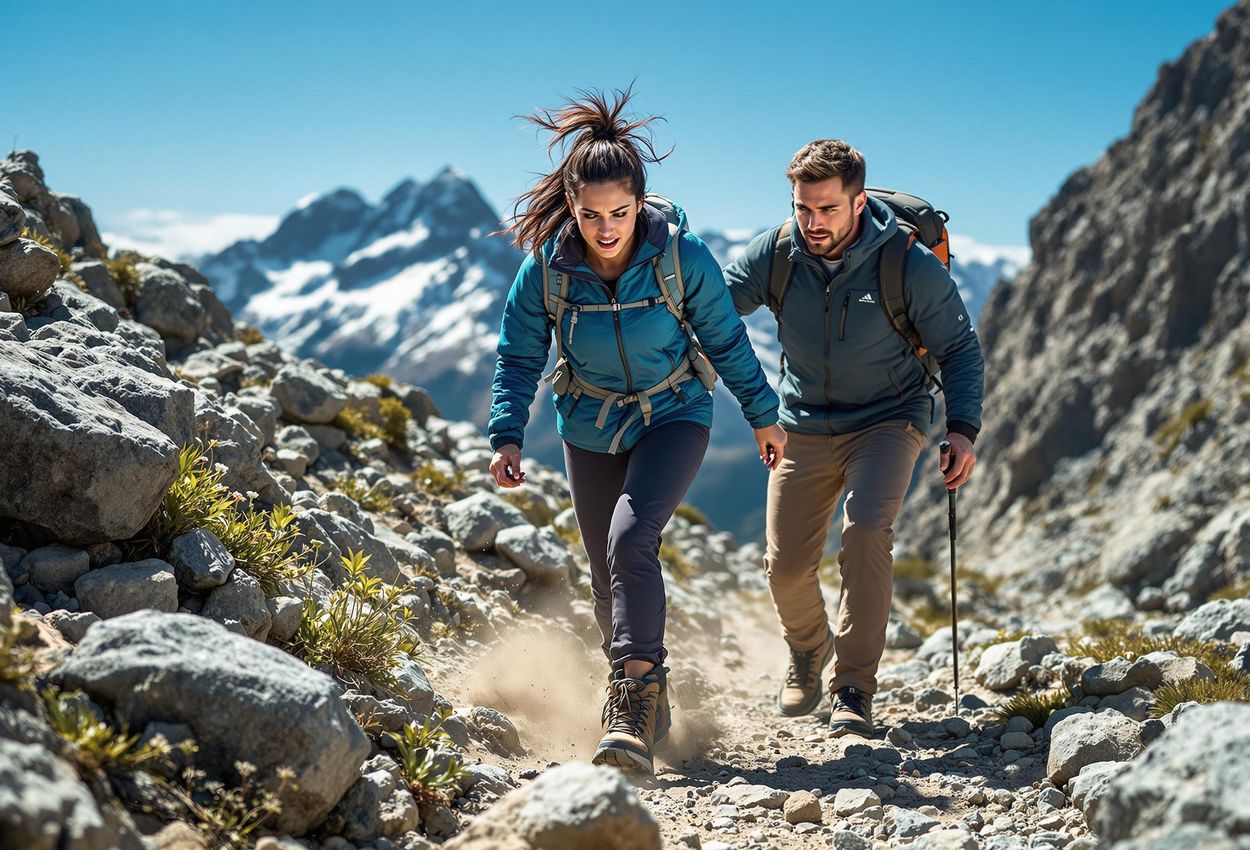
By understanding the physiological effects of high altitude, following a gradual ascent plan, staying hydrated, eating a nutritious diet, and listening to your body, you can significantly reduce your risk of altitude sickness and enjoy a safe and unforgettable high-altitude adventure. Remember, preparation is key to unlocking the wonders of the world's highest peaks.