Planning Your Pilgrimage: Visas, Permits, and Sustainable Fees
Bhutan, the Land of the Thunder Dragon, beckons with its pristine landscapes, viant culture, and the iconic Tiger's Nest Monastery. But before you set foot on this enchanting kingdom, meticulous planning is essential. Navigating the visa process, securing permits, and understanding the Sustainable Development Fee (SDF) are crucial first steps for a seamless and responsible journey.
Obtaining a Bhutanese visa requires pre-arrangement through a licensed Bhutanese tour operator or directly via the Department of Immigration's online portal. This process ensures that your visit contributes positively to the country's sustainable tourism initiatives. As part of the visa application, you'll need to provide a digital copy of your passport, which must be valid for at least six months beyond your intended stay, and a recent passport-sized photograph. Keep in mind that visa processing can take time, so it's advisable to start the application well in advance of your travel dates. Indian, Bangladeshi, and Maldivian passport holders are exceptions, enjoying visa-free entry but still requiring permits for certain areas.
A cornerstone of Bhutan's sustainable tourism policy is the Sustainable Development Fee (SDF), currently set at $100 USD per day per person. This fee might seem substantial, but it's an investment in Bhutan's future. The SDF directly funds vital initiatives such as free healthcare, education, infrastructure upgrades, and environmental conservation projects. By paying the SDF, you're not just visiting Bhutan; you're actively contributing to its well-being and preserving its unique cultural and natural heritage for generations to come. This fee covers accommodation, meals, transportation within Bhutan, and the services of a licensed guide, ensuring a hassle-free and enriching experience.
Pre-arranging your visa and permits is paramount, especially if you're arriving at Paro International Airport, Bhutan's only international airport. Without the necessary documentation, you risk significant delays or even denial of entry. The process may seem daunting, but licensed tour operators are well-versed in navigating the requirements and can provide invaluable assistance. They can handle everything from visa applications to crafting personalized itineraries that align with your interests and preferences, allowing you to focus on the anticipation of your Bhutanese adventure. This advanced planning is not just a formality; it's the key to unlocking the wonders of Bhutan and ensuring a responsible and sustainable travel experience.
Respectful Steps: Cultural Etiquette on the Trail
Bhutan's allure lies not only in its stunning landscapes but also in its deeply ingrained cultural values. As you embark on your trek to Tiger's Nest Monastery, it's crucial to be mindful of local customs and etiquette. Demonstrating respect for Bhutanese traditions will enrich your experience and foster positive interactions with the local communities you encounter along the way.
Modesty in dress is paramount, particularly when visiting religious sites like monasteries and temples. Ensure your clothing covers your shoulders and knees as a sign of reverence. Before entering any temple or traditional Bhutanese home, it's customary to remove your shoes. This act symbolizes humility and respect for the sacred space. Emace the traditional Bhutanese greeting, 'Kuzuzangpo,' a warm expression of goodwill that will be greatly appreciated by locals.
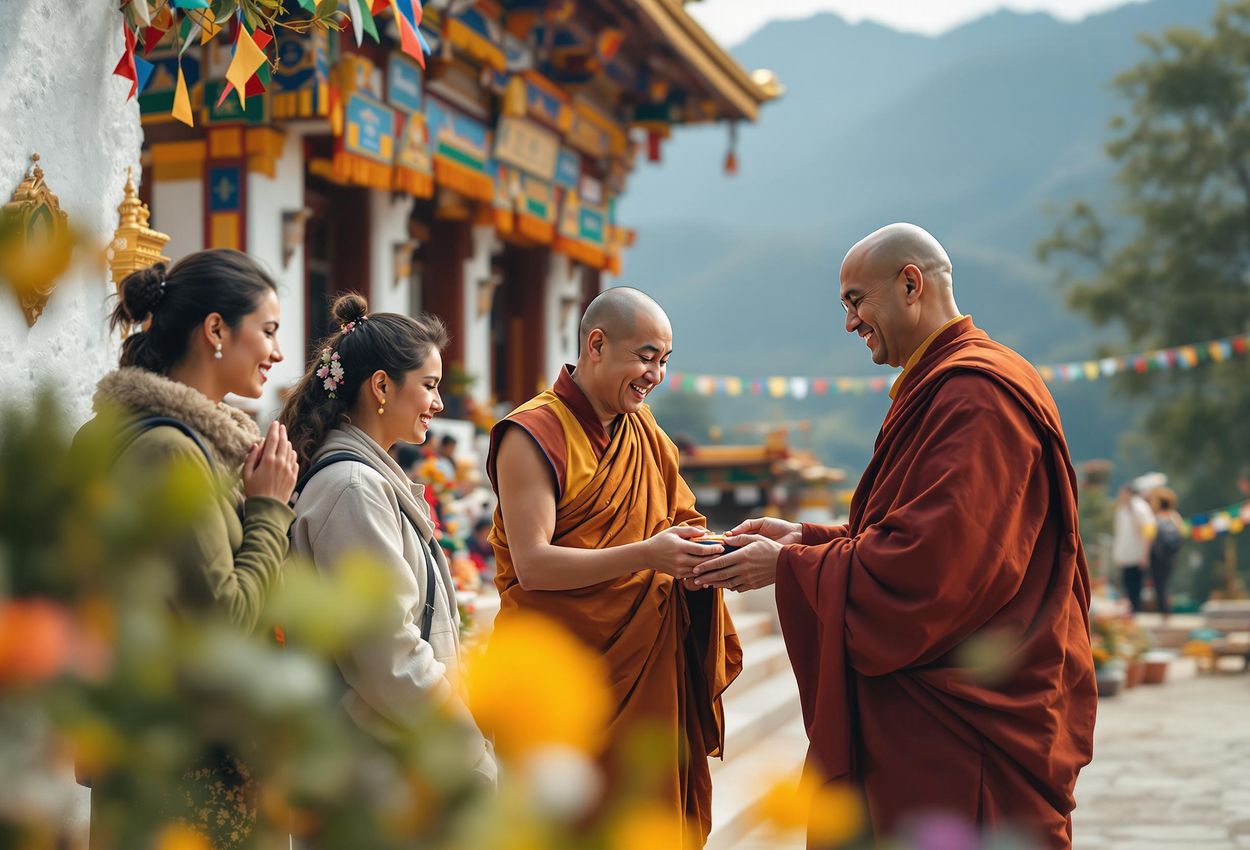
Interacting with monks and members of the local community requires sensitivity and respect. Avoid loud conversations or disruptive behavior, especially in monasteries and sacred areas. Inside monasteries, always walk clockwise around religious objects, such as prayer wheels and stupas. Refrain from taking photographs unless explicitly permitted, as the flash can damage delicate artwork and disturb the serene atmosphere. Maintaining silence in prayer halls and meditation spaces is a sign of respect for those engaged in spiritual practice.
Be mindful of your body language. Avoid pointing your feet at religious objects, monks, or other people, as this is considered disrespectful in Bhutanese culture. When offering gifts to monasteries or individuals, present them with both hands as a gesture of sincerity. Appropriate offerings for monasteries may include donations of money, food, or incense. Above all, remember to show respect for Bhutanese royalty, clergy, and authorities. Their leadership and guidance are deeply revered in Bhutanese society.
By adhering to these cultural etiquette guidelines, you'll not only avoid unintentional offense but also demonstrate your appreciation for Bhutan's unique heritage. Your respectful behavior will be warmly received by the Bhutanese people, opening doors to deeper cultural understanding and creating lasting memories of your journey. Remember, you are a guest in their land, and your actions reflect on all visitors. Emace the opportunity to learn from their traditions and contribute to the preservation of their cultural identity.
Ascending to Enlightenment: The Trek to Tiger's Nest
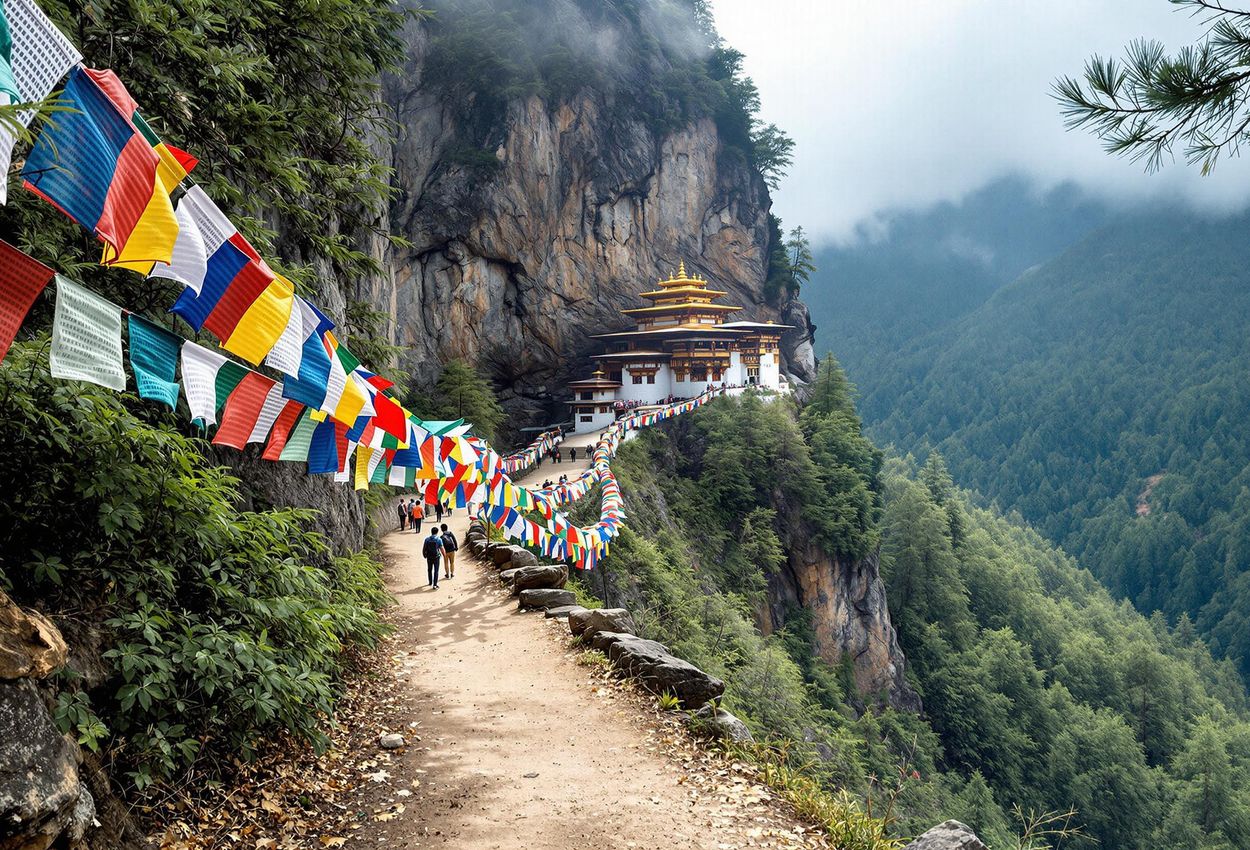
The trek to Tiger's Nest Monastery, or Paro Taktsang, is more than just a hike; it's a pilgrimage, a journey of both physical and spiritual elevation. The trail, winding through lush pine forests and viant rhododendron groves, presents a rewarding challenge that culminates in eathtaking views and a profound sense of accomplishment.
The adventure begins near Paro, where the trail gradually ascends, offering glimpses of the valley below. The initial stretch is relatively gentle, allowing you to acclimatize to the altitude and soak in the natural beauty. As you venture deeper into the forest, the path becomes steeper, demanding more effort. For those who prefer a less strenuous option, horses are available to carry you part of the way, though the final ascent must be made on foot.
Prayer flags flutter in the eeze, adding viant splashes of color to the landscape and carrying prayers to the heavens. Strategic viewpoints along the way provide stunning panoramic vistas of the Paro Valley, a tapestry of emerald fields and traditional Bhutanese architecture. About halfway up the trail, a cafeteria offers a welcome respite, serving refreshments and light meals. Take a moment to recharge and savor the views before tackling the final, most challenging section.
The final ascent involves navigating 120 steps carved into the cliff face, a thrilling climb that tests your resolve. As you ascend, the monastery looms ever closer, its golden roofs glinting in the sunlight. Finally, you reach the entrance, stepping into a world of tranquility and spiritual energy. From the monastery's vantage point, the views are simply unparalleled. The entire Paro Valley stretches before you, framed by the majestic peaks of the Himalayas. It's a moment of pure awe and inspiration.
Inside the monastery, you have the option to offer butter lamps, a traditional practice symbolizing enlightenment and dispelling darkness. The flickering flames create a serene ambiance, enhancing the spiritual atmosphere. The trek to Tiger's Nest is not merely about reaching a destination; it's about the journey itself, the challenges overcome, and the profound connection with nature and spirituality that you experience along the way. It's an unforgettable adventure that will leave you feeling invigorated, inspired, and deeply connected to the heart of Bhutan.
Whispers of the Past: Legends and Spiritual Significance
Tiger's Nest Monastery is shrouded in legends and steeped in spiritual significance, its very existence intertwined with the rich tapestry of Bhutanese Buddhism. The most prominent legend revolves around Guru Rinpoche, also known as Padmasambhava, the revered figure who ought Buddhism to Bhutan in the 8th century.
According to the legend, Guru Rinpoche flew to the site of the monastery on the back of a tigress, believed to be a manifestation of his consort, Yeshe Tsogyal. He then meditated in a cave for three years, three months, three weeks, three days, and three hours, subduing evil spirits and paving the way for the establishment of Buddhism in the region. This cave, now a sacred site within the monastery complex, is said to possess immense spiritual power.
The monastery itself was constructed in 1692 by Gyalse Tenzin Rabgye, a prominent Buddhist leader, to honor Guru Rinpoche's miraculous arrival and meditation. The location was chosen specifically for its spiritual significance, believed to be a place where the veil between the physical and spiritual realms is thin. Over the centuries, Tiger's Nest has become a revered pilgrimage site for Buddhists from all over the world, seeking blessings and a deeper connection with their faith.
Visiting Tiger's Nest is believed to cleanse the soul, purify negative karma, and ing one closer to enlightenment. The act of trekking to the monastery, with its physical challenges and spiritual atmosphere, is seen as a form of purification. The prayers and mantras chanted by monks within the monastery's walls resonate with a powerful energy, creating a sense of peace and tranquility. Many visitors report feeling a profound sense of spiritual awakening and clarity after visiting Tiger's Nest.
The legends and spiritual significance of Tiger's Nest Monastery are palpable, adding another layer of depth to the already eathtaking experience. As you explore the complex, take a moment to reflect on the stories and beliefs that have shaped this sacred place. Allow yourself to be immersed in the spiritual energy and emace the opportunity for personal reflection and growth. Tiger's Nest is not just a monument; it's a living testament to the power of faith and the enduring legacy of Guru Rinpoche.
Architectural Marvel: Exploring the Monastery Complex
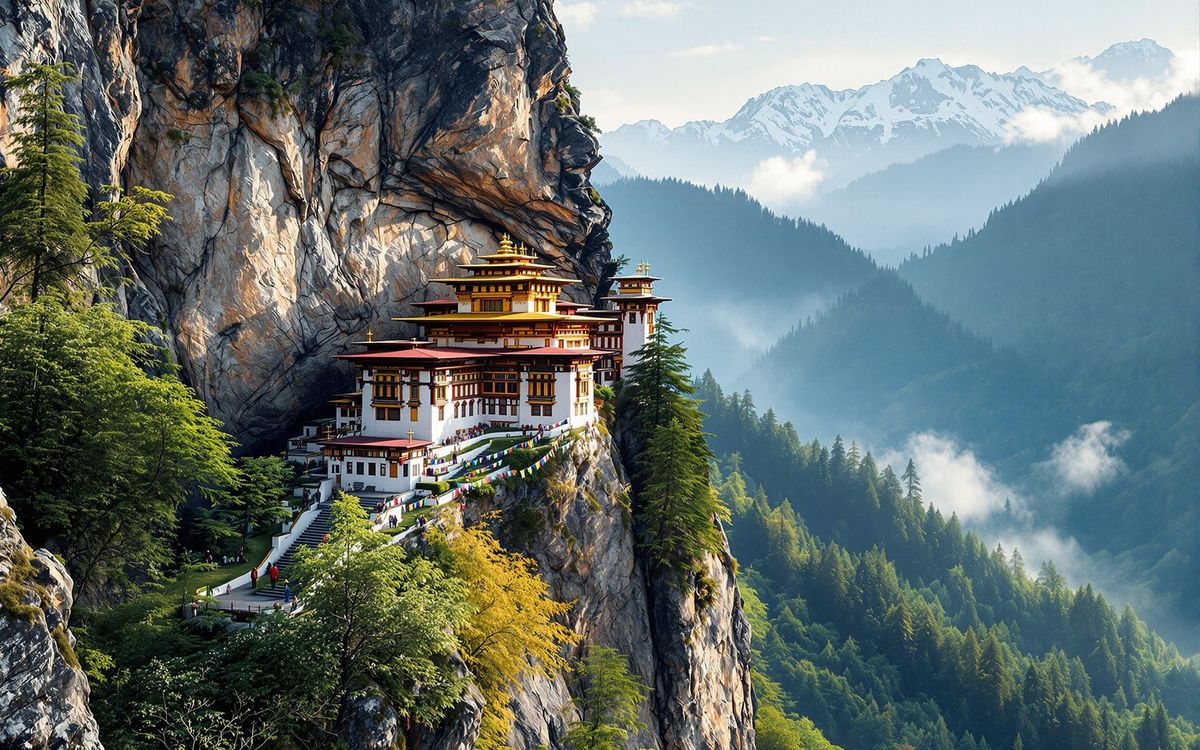
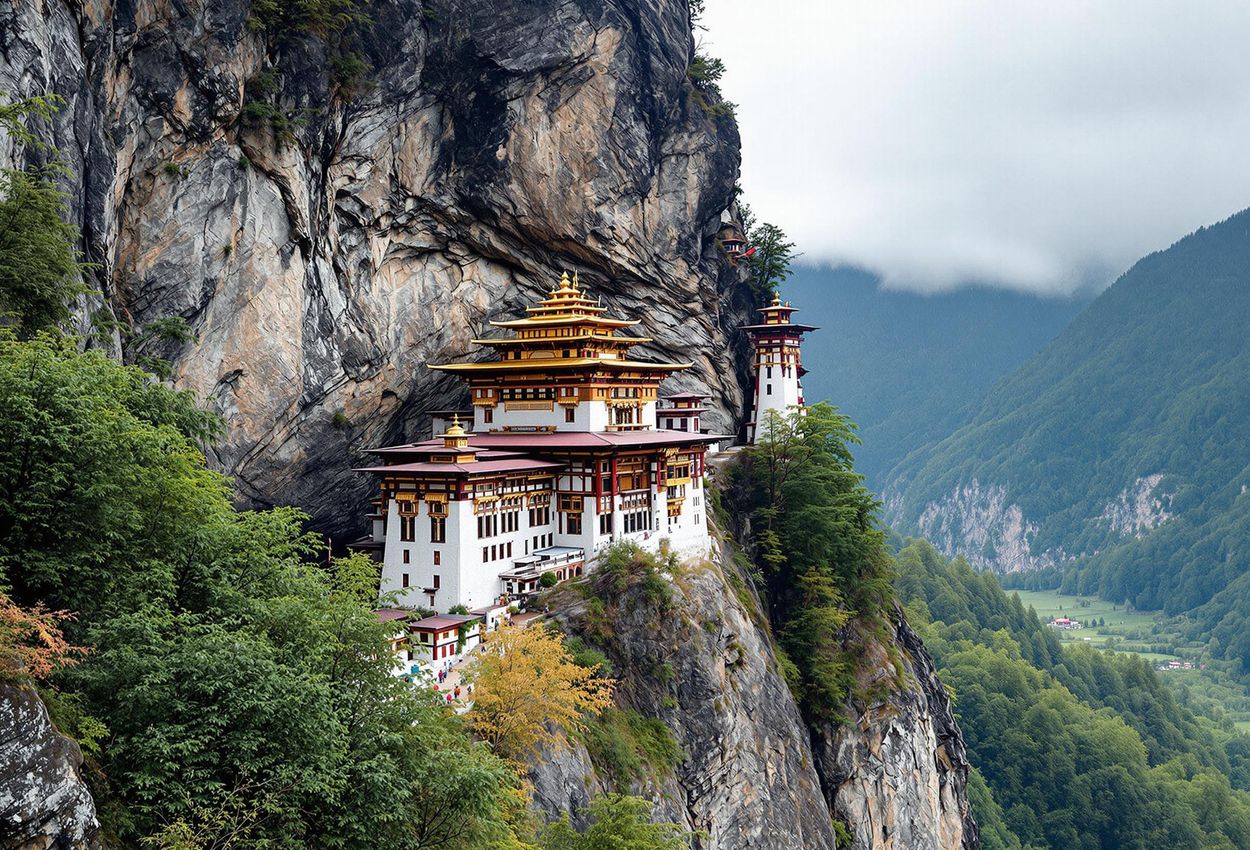
Tiger's Nest Monastery is an architectural marvel, a testament to human ingenuity and devotion. Perched precariously on a cliff face over 900 meters above the Paro Valley, the complex seems to defy gravity, blending seamlessly with its dramatic surroundings. The monastery is built on multiple levels, connected by a series of staircases and pathways carved into the rock.
The complex comprises four primary temples, each with its own unique character and purpose. These temples are interconnected, creating a labyrinthine network of chambers and corridors. The architecture is distinctly Bhutanese, characterized by whitewashed walls, sloping roofs, and intricate wooden carvings. The use of local materials, such as stone and timber, further enhances the monastery's connection to its natural environment.
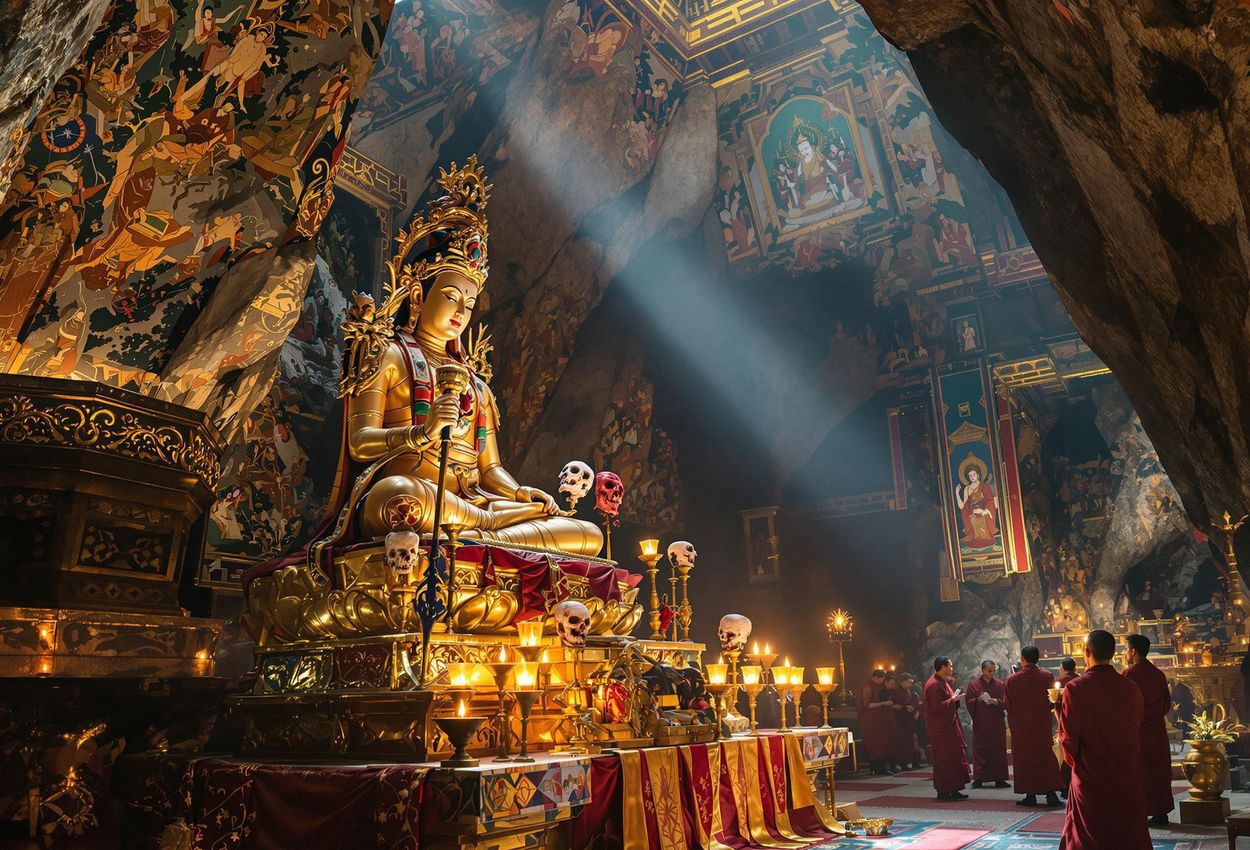
Inside the temples, you'll discover a treasure trove of Bhutanese art and religious artifacts. Intricate murals adorn the walls, depicting scenes from Buddhist mythology and the lives of important religious figures. Statues of Buddhist deities, crafted from precious metals and adorned with jewels, stand as focal points of devotion. Sacred relics, including ancient scriptures and ritual objects, are carefully preserved within the temples, adding to their spiritual significance.
The main temple houses a magnificent statue of Guru Rinpoche, the central figure in the monastery's history. The statue is surrounded by stunning paintings that illustrate key events in Guru Rinpoche's life and the spread of Buddhism in Bhutan. The Guru Rinpoche cave, where he is said to have meditated, is located beneath the main temple and is considered one of the holiest sites within the complex. The atmosphere within the monastery is serene and contemplative. The scent of incense fills the air, mingling with the sounds of monks chanting prayers. The flickering light of butter lamps casts long shadows, creating an ambiance of mystery and reverence.
Exploring the monastery complex is an immersive experience that engages all the senses. From the intricate details of the architecture to the viant colors of the artwork and the soothing sounds of prayer, every aspect of Tiger's Nest contributes to its unique and unforgettable atmosphere. Take your time to wander through the temples, absorb the spiritual energy, and appreciate the architectural illiance of this remarkable monument.
Sustainable Stays: Eco-Friendly Lodges in Paro
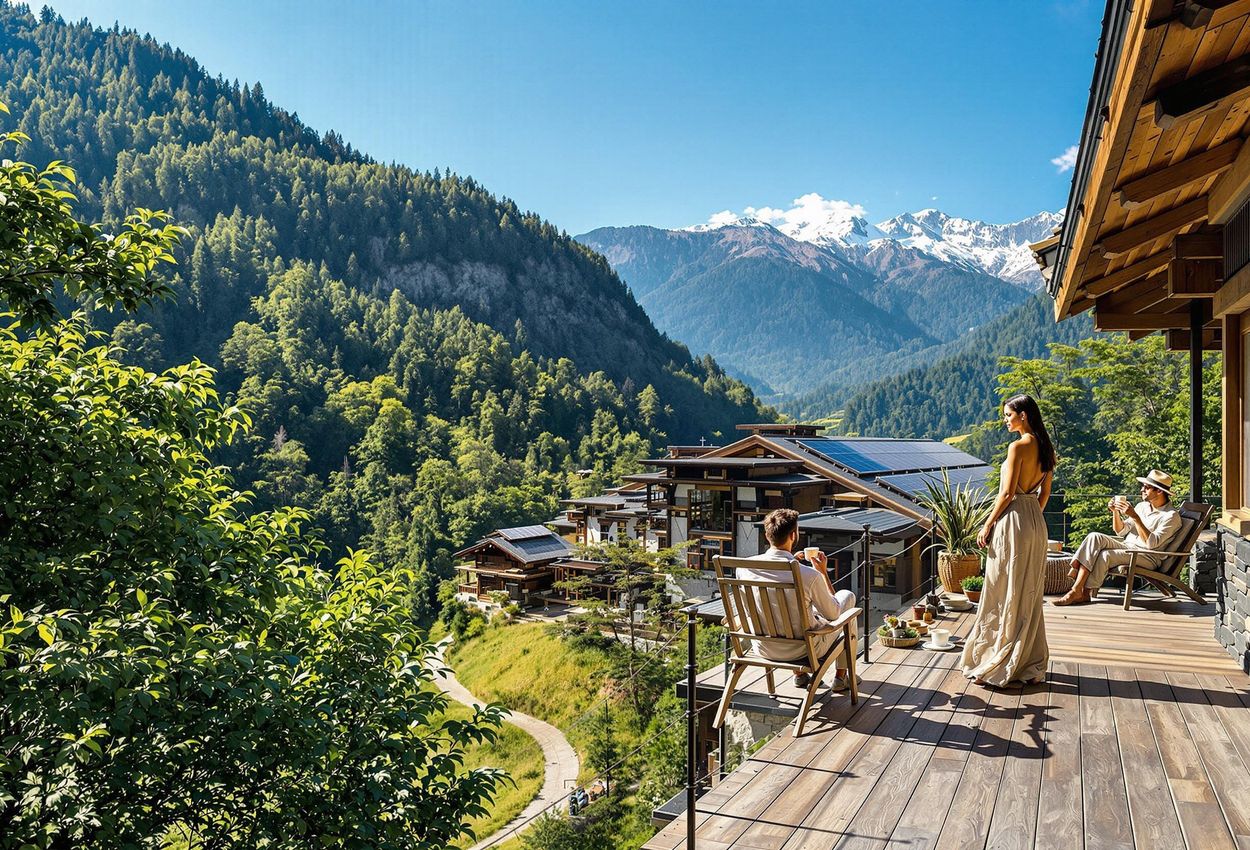
After a day of trekking and exploring, retreating to a sustainable and luxurious lodge in Paro is the perfect way to unwind and rejuvenate. Bhutan is committed to eco-tourism, and several exceptional accommodations in the Paro Valley exemplify this commitment. These lodges not only offer exceptional comfort and service but also prioritize environmental sustainability and support local communities.
Six Senses Paro is renowned for its architectural illiance, wellness focus, and unwavering commitment to sustainability. The lodge's design incorporates traditional Bhutanese elements while minimizing its environmental impact. Sustainable practices include renewable energy sources, efficient waste management systems, and the use of locally sourced materials. The lodge also supports local farmers and artisans, contributing to the economic well-being of the community.
Amankora Paro Lodge offers an equally exceptional experience, combining luxurious accommodations with a strong emphasis on environmental responsibility. The lodge's architecture is inspired by traditional Bhutanese farmhouses, blending seamlessly with the surrounding landscape. Amankora is committed to reducing its carbon footprint through energy conservation, water management, and waste reduction initiatives. The lodge also works closely with local communities to promote sustainable tourism practices and support cultural preservation.
Zhiwa Ling Hotel stands out for its unique blend of traditional Bhutanese architecture and modern amenities. The hotel is powered by solar energy, reducing its reliance on fossil fuels. Zhiwa Ling also implements comprehensive waste management programs and sources its food locally whenever possible. The hotel's commitment to sustainability extends to its staff, who are trained in environmentally responsible practices.
Choosing eco-friendly accommodations like Six Senses Paro, Amankora Paro Lodge, and Zhiwa Ling Hotel is a responsible way to travel in Bhutan. By supporting these lodges, you're not only enjoying a luxurious and comfortable stay but also contributing to the preservation of Bhutan's natural environment and cultural heritage. Your choice makes a difference, helping to ensure that Bhutan remains a sustainable and enchanting destination for generations to come.
Beyond the Nest: Exploring Paro Valleyu2019s Hidden Gems
While Tiger's Nest Monastery is undoubtedly the crown jewel of the Paro Valley, the region offers a wealth of other cultural and natural treasures waiting to be discovered. From ancient temples to historic fortresses and viant local markets, Paro Valley is a microcosm of Bhutanese culture and history.
The National Museum of Bhutan, housed in a historic watchtower, showcases a fascinating collection of Bhutanese art, artifacts, and textiles. The museum provides valuable insights into Bhutanese history, culture, and religious traditions. Kyichu Lhakhang, one of the oldest temples in Bhutan, is another must-see destination. Legend has it that the temple was built in the 7th century to pin down the left foot of a giant demoness who was preventing the spread of Buddhism.
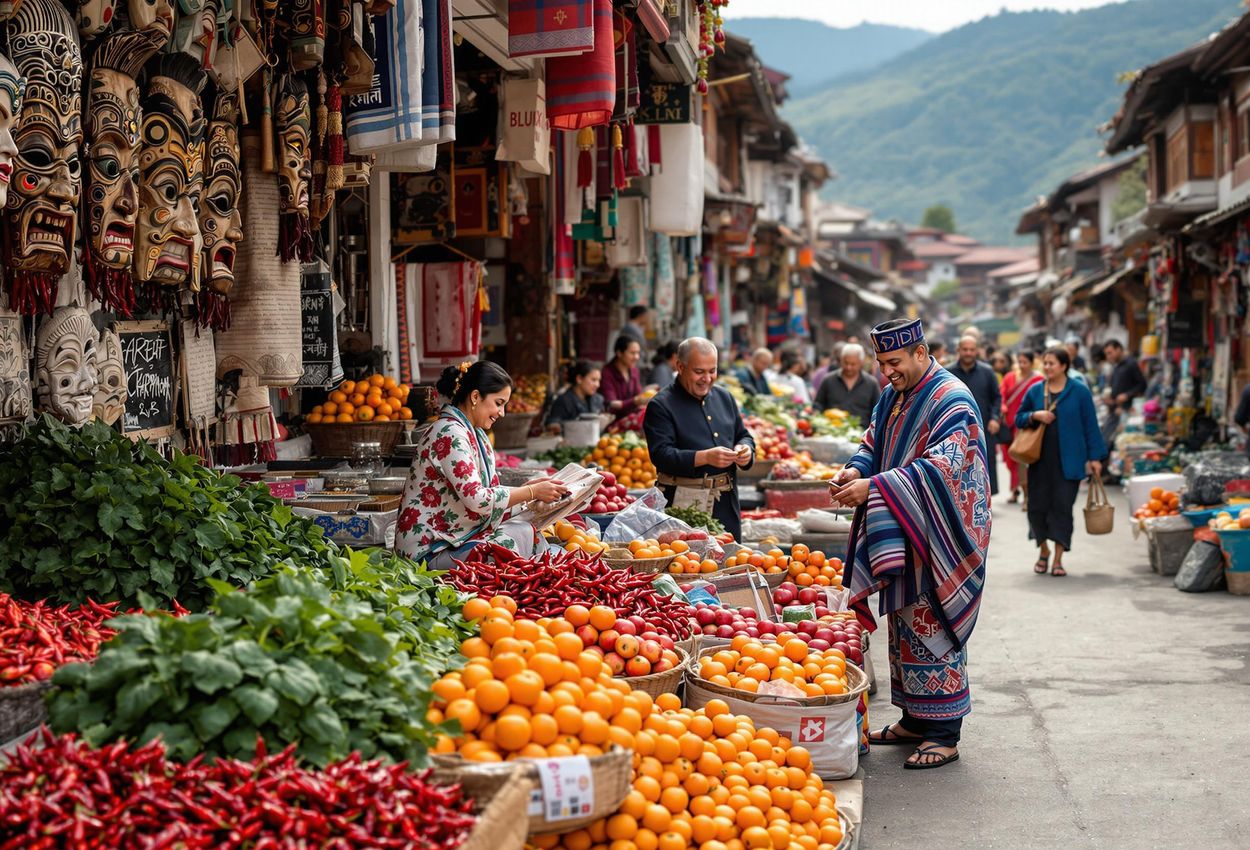
Drukgyel Dzong, a historic fortress, stands as a testament to Bhutan's military prowess. Although largely in ruins, the fortress offers stunning views of the surrounding valley and provides a glimpse into Bhutan's past. Visiting local markets is a great way to immerse yourself in the daily life of the Bhutanese people. You'll find a variety of local produce, handicrafts, and traditional clothing. Interacting with artisans and learning about their crafts is a rewarding cultural experience. You can witness traditional weaving, painting, and woodcarving techniques passed down through generations.
Experiencing traditional Bhutanese cuisine is an essential part of any visit to Paro Valley. Sample local delicacies such as ema datshi (chili cheese stew), momos (dumplings), and phaksha paa (pork with radishes). The town of Paro itself is a charming destination, with its traditional architecture, local shops, and friendly atmosphere. Take a stroll through the town, owse the shops, and soak in the local ambiance.
Exploring beyond Tiger's Nest Monastery will enrich your understanding of Bhutanese culture and history. From ancient temples to bustling markets and stunning natural landscapes, Paro Valley offers a diverse range of experiences that will leave you with lasting memories of your Bhutanese adventure.
Wellness and Wonder: Immersing in Bhutanese Healing Traditions
Bhutan's emphasis on Gross National Happiness extends beyond material wealth to encompass the well-being of its citizens and visitors alike. Traveling in Bhutan offers a unique opportunity to immerse yourself in Bhutanese healing traditions and experience a profound sense of wellness and spiritual rejuvenation. The country's serene environment, coupled with its rich cultural heritage, creates an ideal setting for personal reflection and transformation.
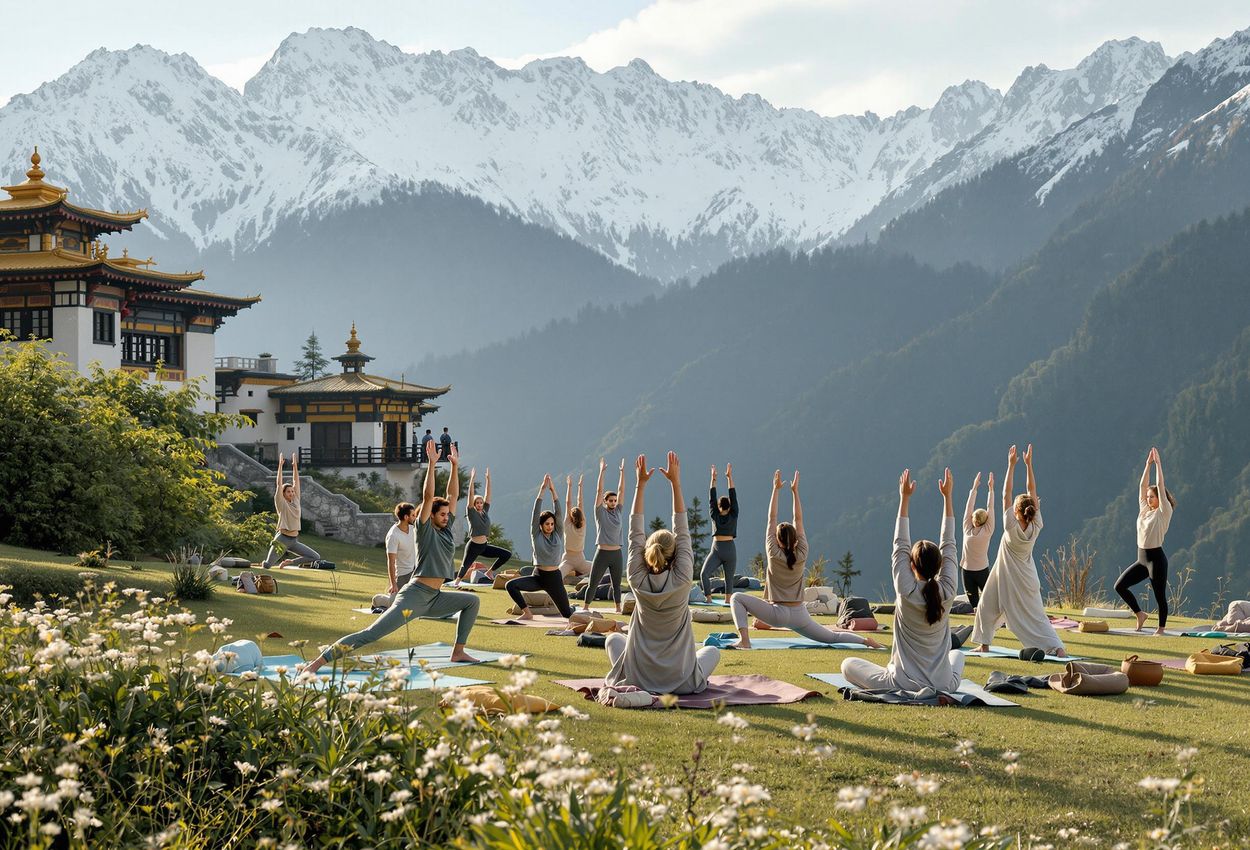
Meditation and yoga are integral parts of Bhutanese culture, and opportunities for practice abound. Many hotels and resorts offer meditation and yoga classes, guided by experienced instructors. You can also find secluded spots in nature to practice on your own, surrounded by the tranquility of the Bhutanese landscape. Traditional Bhutanese healing therapies are also available, offering a holistic approach to well-being. These therapies may include herbal remedies, acupuncture, and traditional massage techniques.
Luxury wellness retreats like Bhutan Spirit Sanctuary offer a comprehensive approach to well-being. These retreats provide spacious rooms, organic cuisine, and a range of Bhutanese healing therapies. The connection between Bhutanese culture and nature is deeply ingrained, emphasizing the importance of mindfulness and spiritual well-being. The Bhutanese believe that nature possesses healing powers and that spending time in nature can promote physical and mental health.
The serene environment of Bhutan provides an opportunity to disconnect from the stresses of modern life and reconnect with oneself. The absence of traffic jams, billboards, and other distractions allows you to focus on the present moment and appreciate the simple things in life. The opportunity to disconnect from technology and immerse yourself in nature can be incredibly restorative. You can spend your days hiking in the mountains, visiting ancient temples, or simply relaxing in a peaceful setting. Engaging with the local culture and interacting with the friendly Bhutanese people can also be a source of joy and inspiration.
Traveling in Bhutan is an opportunity to prioritize your well-being and experience a profound sense of peace and rejuvenation. By immersing yourself in Bhutanese healing traditions and connecting with nature, you can return home feeling refreshed, revitalized, and inspired.