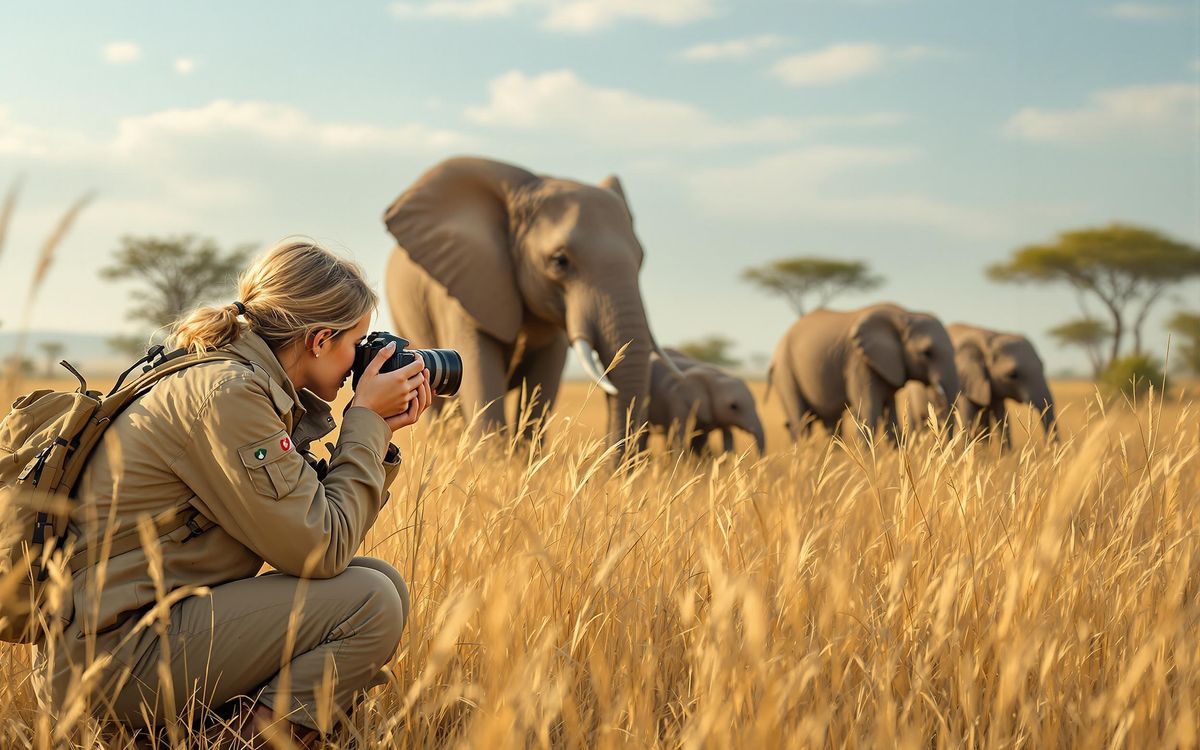
The allure of witnessing majestic creatures in their natural habitats draws millions of tourists each year, fueling a multi-billion dollar wildlife tourism industry. But behind the eathtaking safaris and enchanting encounters lies a complex web of ethical considerations. Is wildlife tourism a force for conservation, or does it prioritize entertainment at the expense of animal welfare and the environment?
Understanding Wildlife Tourism's Allure and Impact
Wildlife tourism encompasses a oad range of activities, from observing gorillas in the rainforests of Rwanda to whale watching in the waters off Iceland. The appeal is undeniable: a chance to connect with nature on a profound level, to witness the untamed beauty of the animal kingdom. Safaris in Tanzania, with their sweeping landscapes and iconic wildlife, offer a classic example, while birdwatching in Costa Rica attracts enthusiasts eager to spot rare and exotic species in their natural environment. People are motivated by a desire for unique experiences, an escape from the ordinary, and a genuine connection with the natural world. This desire, however, must be tempered with a deep understanding of the potential impacts u2013 both positive and negative u2013 of our presence.
The impacts of wildlife tourism are multifaceted. On one hand, it can generate significant revenue for conservation efforts. Entrance fees, permits, and tourism-related spending can be channeled directly into protecting habitats, funding anti-poaching patrols, and supporting research initiatives. In some cases, tourism provides a crucial economic incentive for local communities to protect wildlife rather than exploit it. However, the industry also carries considerable risks. Habitat disturbance is a major concern. The construction of hotels, roads, and other infrastructure can fragment ecosystems and disrupt animal migration patterns. Increased human presence can also stress animals, altering their behavior, eeding patterns, and feeding habits. The spread of diseases is another serious threat, as tourists can inadvertently introduce pathogens to which local wildlife has no immunity. The Galapagos Islands, a fragile ecosystem renowned for its unique biodiversity, exemplify this delicate balance. While tourism provides vital income for the local economy and conservation efforts, it has also been linked to habitat degradation and stress on species like the land iguanas, whose nesting sites can be disturbed by visitors.

Animal Welfare: The Frontline of Ethical Concerns
At the heart of ethical wildlife tourism lies the issue of animal welfare. Unfortunately, many popular tourist activities involve practices that inflict physical and psychological harm on animals. Elephant riding in Thailand, for example, often involves utal training methods to eak the animals' spirits and force them to obey commands. Similarly, tiger petting in certain Asian countries supports a cruel industry where tigers are kept in cramped, unsanitary conditions and drugged to make them docile for tourists. These activities prioritize entertainment over the well-being of the animals, reducing them to mere props for photo opportunities.
It is crucial to recognize that any interaction where animals are encouraged to 'perform' is likely to be unethical. This includes dolphin shows, circus acts featuring wild animals, and even seemingly harmless activities like feeding wild monkeys. These interactions can disrupt natural behaviors, create dependence on humans, and expose animals to stress and potential injury. The alternative is to observe animals from a safe distance in their natural habitats, allowing them to behave as they would without human interference. Reputable sanctuaries that prioritize animal well-being offer another ethical option. These sanctuaries focus on rescuing and rehabilitating animals, providing them with a safe and enriching environment where they can live out their lives in peace. Look for sanctuaries that do not allow eeding, buying, or selling of animals, and that prioritize the animals' needs above all else.
Conservation's Tightrope Walk: Funding vs. Disturbance
Wildlife tourism walks a tightrope between generating funds for conservation and causing disturbance to fragile ecosystems. The revenue generated can be a lifeline for conservation projects, providing essential funding for anti-poaching patrols, habitat restoration, and scientific research. In Kenya, for instance, tourism revenue helps support anti-poaching units that protect endangered species like elephants and rhinos from illegal hunting. Similarly, in Borneo, tourism dollars contribute to habitat restoration projects aimed at rehabilitating degraded rainforest and protecting orangutan populations.
However, the potential for disturbance is ever-present. Habitat degradation, disruption of eeding patterns, and stress caused by human presence can all undermine conservation efforts. The construction of tourist facilities, such as hotels and roads, can fragment habitats and disrupt animal migration routes. Increased noise and light pollution can also interfere with animal behavior. To minimize disturbance, it is essential to implement sustainable tourism practices. This includes limiting visitor numbers to prevent overcrowding, establishing buffer zones around sensitive areas to minimize human impact, and implementing strict codes of conduct for tourists to ensure they behave responsibly during wildlife encounters. For example, in certain areas of the Amazon rainforest, visitor numbers are strictly controlled, and tourists are required to follow specific guidelines to minimize their impact on the environment.

Empowering Communities: A Cornerstone of Sustainable Tourism
The involvement of local communities is a critical component of ethical wildlife tourism. When tourism provides economic opportunities for local people, it creates a strong incentive to protect wildlife and their habitats. This can be achieved through employment in tourism-related businesses, revenue sharing agreements that ensure communities benefit directly from tourism revenue, and support for local businesses that provide goods and services to tourists. The Sarai at Toria eco-lodge in India offers a compelling example of community-based tourism. The lodge is owned and operated by local villagers, who receive a significant share of the profits. This has not only improved their livelihoods but also fostered a strong sense of stewardship for the surrounding forest and its wildlife.
It is also essential to respect local cultures and traditions, ensuring that tourism does not lead to exploitation or displacement. This means engaging with communities in a culturally sensitive manner, respecting their customs and beliefs, and avoiding activities that could undermine their way of life. In some cases, tourism can even help to preserve local cultures by providing a platform for showcasing traditional crafts, music, and dance. However, it is crucial to ensure that this is done in a way that is authentic and respectful, rather than turning local cultures into mere tourist attractions.
The Captivity Question: Sanctuaries vs. Exploitation
Wildlife tourism involving captive animals raises particularly complex ethical questions. While some facilities claim to be sanctuaries that rescue and rehabilitate animals, many others are simply exploitative businesses that prioritize profit over welfare. It is crucial to be able to differentiate between these two types of facilities.
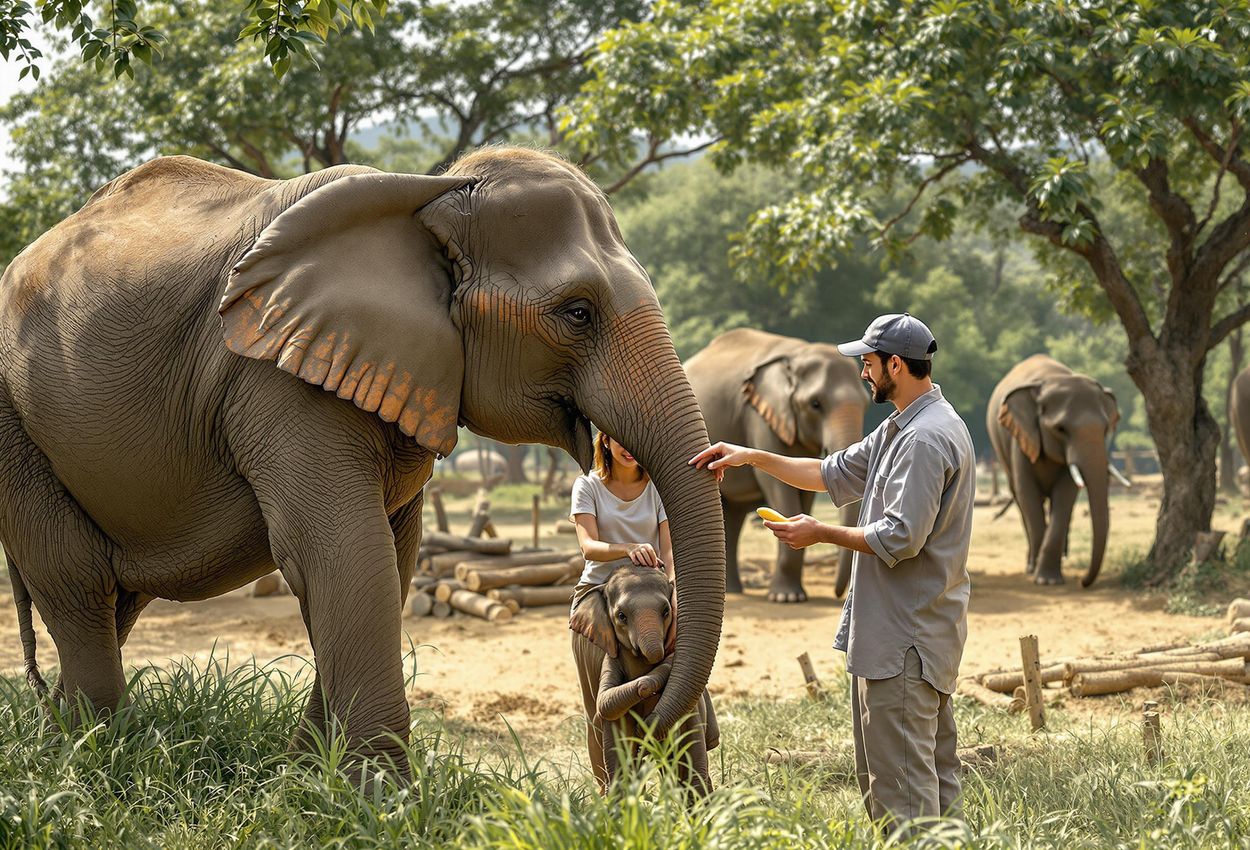
Genuine sanctuaries typically have large enclosures that provide animals with ample space to roam and engage in natural behaviors. They also have qualified staff who provide animals with proper veterinary care and enrichment. Furthermore, reputable sanctuaries are transparent about their operations and finances, and they actively contribute to conservation efforts. On the other hand, exploitative facilities often keep animals in cramped, unsanitary conditions, and they may engage in practices that are harmful to the animals' health and well-being. They may also offer direct contact with captive animals, such as cub petting or dolphin swims, which can be stressful and dangerous for both the animals and the tourists. It is important to avoid attractions that offer direct contact with captive animals, as these activities often support unethical practices. Instead, support genuine sanctuaries that prioritize animal welfare and conservation.
Responsible Tourist's Toolkit: Making Ethical Choices
As a tourist, you have the power to make ethical choices that support responsible wildlife tourism. The first step is to do your research before you travel. Check the credentials of tour operators, inquire about their animal welfare policies, and investigate their contributions to conservation efforts. Look for operators that are certified by reputable organizations and that have a proven track record of responsible tourism practices.
During your wildlife encounters, be sure to maintain a safe distance from animals, avoid feeding them, and respect local regulations. Feeding wild animals can disrupt their natural foraging behaviors, create dependence on humans, and expose them to diseases. It is also important to be mindful of your impact on the environment. Avoid littering, stay on designated trails, and minimize your use of resources like water and energy. Finally, support local communities by purchasing locally produced goods and services. This helps to ensure that tourism benefits local people and provides them with an incentive to protect wildlife and their habitats. By following these simple guidelines, you can help to ensure that your wildlife tourism experiences are both enjoyable and ethical.
Ultimately, the future of wildlife tourism depends on our collective commitment to ethical and sustainable practices. By prioritizing animal welfare, supporting conservation efforts, and empowering local communities, we can ensure that wildlife tourism becomes a force for good, contributing to the long-term survival of both animals and the ecosystems they inhabit.