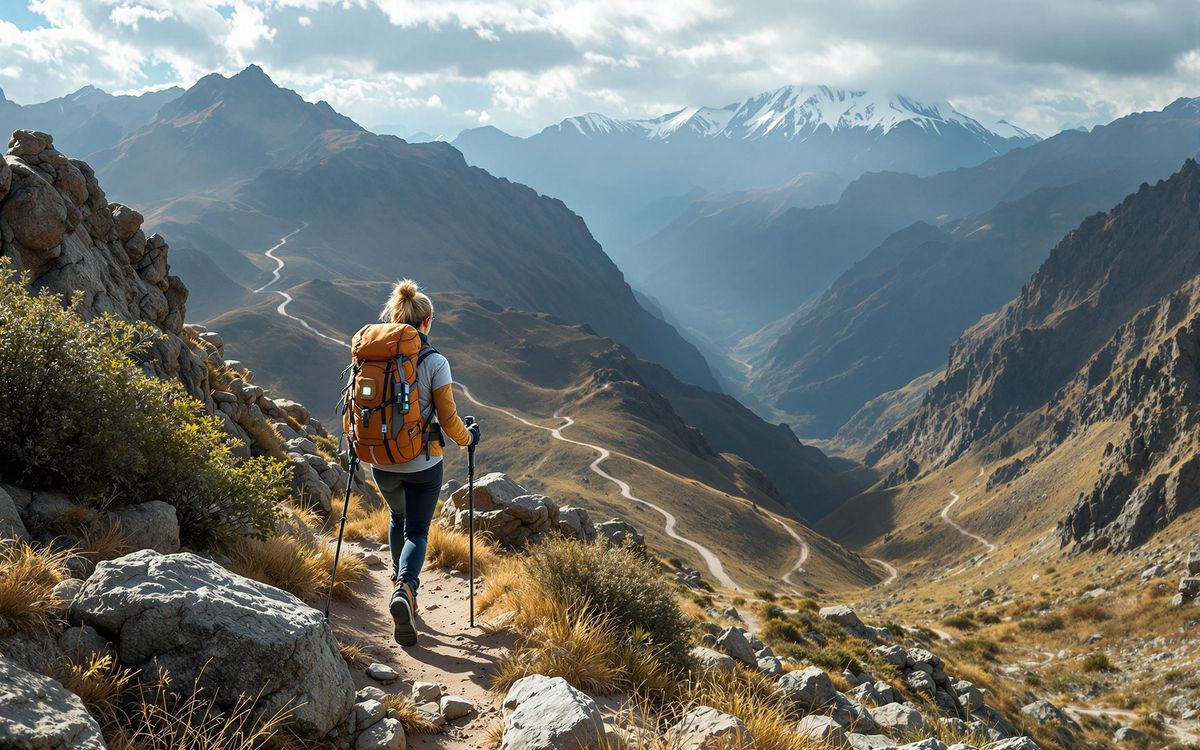
The allure of the untamed, the call of the wild u2013 adventure travel has always beckoned those seeking to push boundaries and discover the unknown. But what happens when the spirit of exploration meets the relentless march of technology? From GPS navigation to satellite communication, technology is reshaping how we explore the world, offering unprecedented levels of safety, connectivity, and personalization. But with these advancements come complex ethical considerations, raising questions about our impact on the environment, local cultures, and even our own sense of self. Join us as we delve into the future of adventure, examining the innovations that are transforming the industry and the critical questions they raise.
Charting New Courses: GPS and Navigation Evolution
The journey from paper maps to digital interfaces has revolutionized navigation in adventure travel. Once, explorers meticulously charted their courses with compass and sextant; today, sophisticated GPS technology offers real-time tracking and unparalleled accuracy. This evolution has opened up previously inaccessible regions, allowing adventurers to venture deeper into the unknown with a greater sense of security. Devices like the Garmin inReach provide satellite communication capabilities, enabling users to send messages and trigger SOS alerts from virtually anywhere on the planet. Smartphone apps like Gaia GPS and MotionX GPS have further democratized access to advanced navigation tools, putting powerful mapping capabilities in the hands of everyday adventurers.
u201cThe shift has been seismic,u201d says Amelia Stone, a cartographer at National Geographic Maps. u201cWeu2019ve gone from painstakingly creating paper maps that could take months to produce, to offering dynamic, digital maps that are constantly updated with new information.u201d Stone emphasizes the importance of open-source platforms like OpenStreetMap, which allows users to contribute to and edit map data, ensuring that trail information is as up-to-date as possible. This is particularly valuable in remote regions where official mapping data may be lacking or outdated. Imagine trekking through the Andes Mountains, relying on community-sourced trail information to navigate treacherous terrain. Or picture yourself traversing the icy landscapes of the Arctic, using satellite imagery to identify safe passage routes across shifting glaciers. 
However, this reliance on technology is not without its risks. Over-dependence on GPS can erode traditional navigation skills, leaving adventurers vulnerable in situations where technology fails. Batteries can die, signals can be lost, and devices can malfunction, particularly in harsh environments. Itu2019s crucial to maintain a balance between technological aids and fundamental map-reading and compass skills. As Stone notes, u201cTechnology should augment our abilities, not replace them. The best adventurers are those who can seamlessly blend digital tools with traditional techniques.u201d
Local Tip: Before embarking on any adventure, download offline maps of your destination. This will allow you to access critical navigation information even without an internet connection.
Staying Connected: Communication Tech in the Wild
In the vast expanse of the wilderness, communication technology serves as a lifeline, connecting adventurers to the outside world and providing access to critical assistance in times of need. Satellite phones, personal locator beacons (PLBs), and emergency communication apps have become indispensable tools for those venturing into remote and isolated environments. These technologies facilitate real-time communication, allowing adventurers to stay in touch with loved ones, coordinate logistics, and, most importantly, summon help in emergencies.
Consider the story of Sarah Johnson, a solo hiker who found herself stranded in the Himalayas after a sudden avalanche. With no cell service, she activated her PLB, which transmitted her location to a global network of search and rescue organizations. Within hours, a helicopter arrived to airlift her to safety. u201cWithout that beacon, I wouldnu2019t be here today,u201d Johnson recounts. u201cIt was my only way to reach out for help.u201d Beyond emergency situations, communication technology can also enhance the overall adventure experience. Satellite phones allow researchers to collect and transmit real-time data from remote field sites, enabling scientists to monitor environmental changes and study wildlife populations. Hikers can use messaging apps to share their experiences with friends and family, inging them along on their virtual journey. 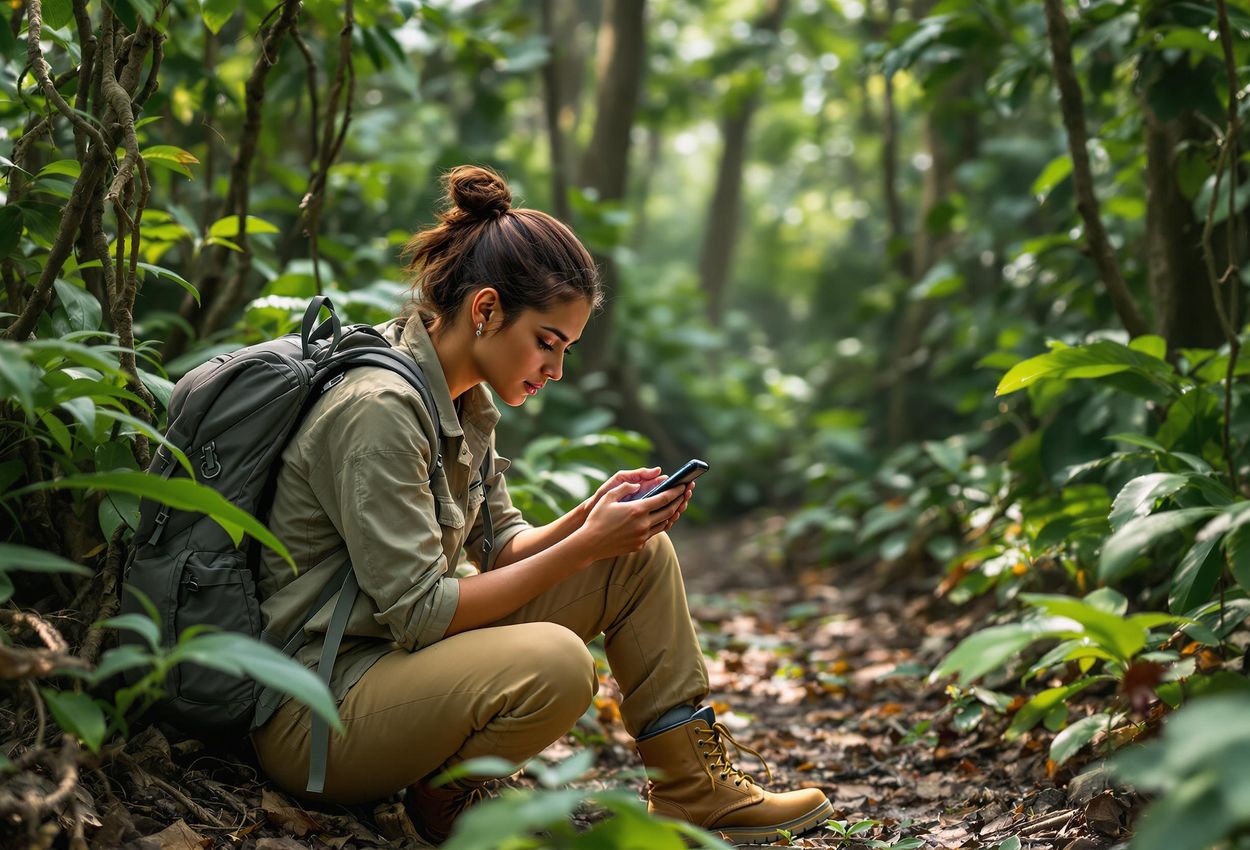
But perhaps one of the most intriguing developments in communication technology is the emergence of mesh networks. These decentralized networks allow users to create local communication hubs in remote communities, providing access to internet and phone services where traditional infrastructure is lacking. Imagine a remote village in the Amazon rainforest, connected to the world through a community-run mesh network, enabling residents to access education, healthcare, and economic opportunities. However, Dr. Emily Carter, a psychologist specializing in the impact of technology on human behavior, cautions against the potential downsides of constant connectivity. u201cWhile staying connected can provide a sense of security and reduce anxiety, it can also detract from the wilderness experience,u201d she explains. u201cThe constant influx of information and notifications can disrupt our ability to fully immerse ourselves in the natural environment and appreciate the solitude and tranquility of the wilderness.u201d
Hidden Gem: Explore the use of goTenna Mesh devices to create off-grid communication networks with other travelers in areas without cellular service. These devices use radio waves to transmit text messages and GPS locations, allowing you to stay connected even when you're out of range.
Safety First: Tech That Protects
Adventure travel inherently involves risk, but technology is playing an increasingly important role in mitigating those risks and enhancing the safety of adventurers. From lighter, stronger materials in gear to advanced protective equipment and monitoring devices, technology is providing a safety net for those pushing the limits of exploration. In activities like diving, technology has revolutionized safety protocols. Dive computers monitor depth, time, and air pressure, providing divers with real-time information to prevent decompression sickness and other hazards. Reeather technology recycles exhaled air, extending dive times and reducing the risk of running out of oxygen. Similarly, in climbing, advancements in gear and protective equipment have significantly reduced the risk of falls and injuries. Lighter, stronger ropes and harnesses provide greater security, while innovations like self-belaying devices offer added protection for solo climbers.
Avalanche beacons have become standard equipment for backcountry skiers and snowboarders, allowing rescuers to quickly locate buried victims in the event of an avalanche. Wearable tech, such as smartwatches and fitness trackers, can monitor heart rate, movement, and other vital signs, providing valuable data for assessing physical condition and detecting potential health problems. Moreover, the integration of artificial intelligence (AI) in predictive safety analytics is opening up new possibilities for risk management. AI algorithms can analyze vast amounts of data, such as weather patterns, terrain maps, and historical avalanche data, to forecast potential hazards and provide early warnings to adventurers. Imagine embarking on a trek in the Swiss Alps, receiving real-time alerts about impending weather changes or avalanche risks based on AI-powered forecasts. 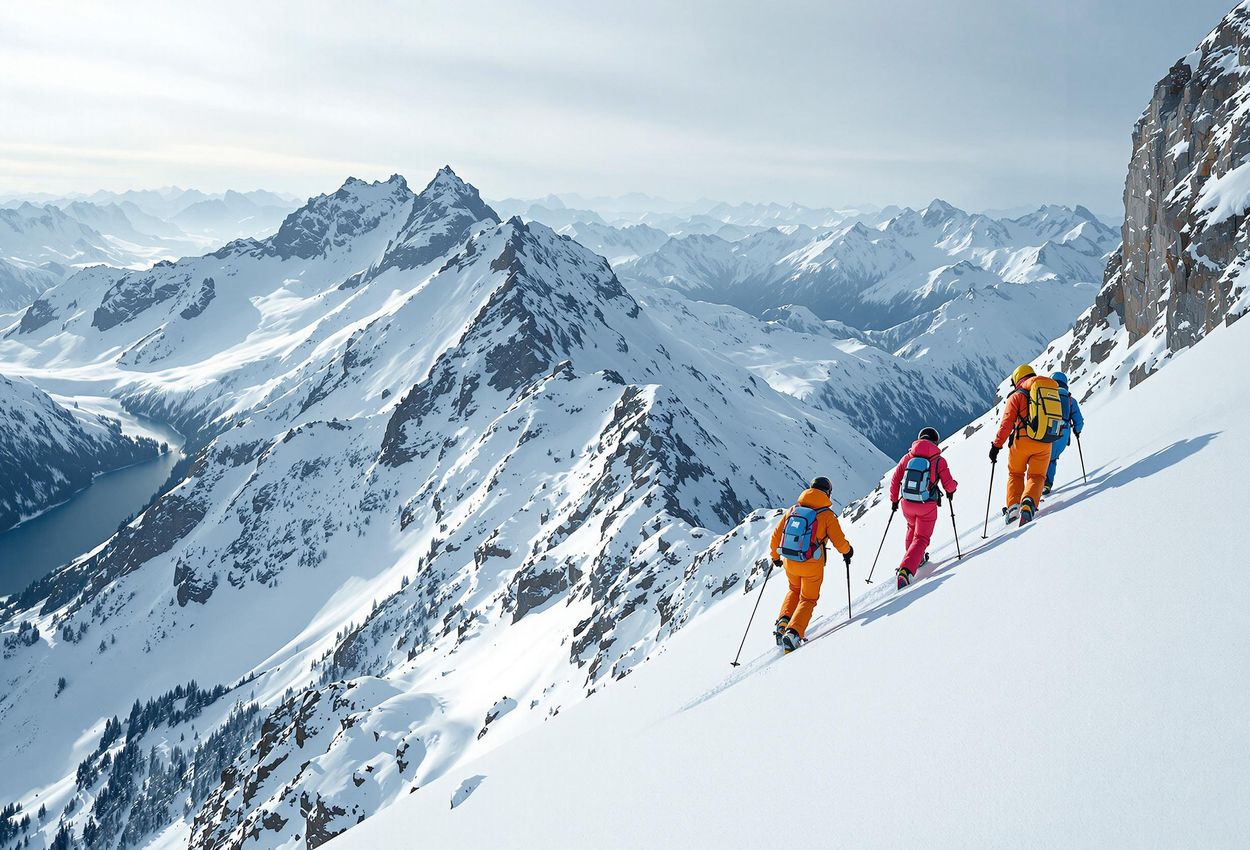
According to Mark Olsen, a wilderness first responder with Rocky Mountain Rescue Group, technology has had a profound impact on rescue operations. u201cThe ability to quickly locate and communicate with injured or stranded adventurers has dramatically improved our response times and success rates,u201d he says. u201cTechnology has also enabled us to provide more effective medical care in the field, such as remote diagnostics and telemedicine.u201d However, Olsen cautions against over-reliance on technology for safety. u201cTechnology is a tool, not a substitute for skill and expertise,u201d he emphasizes. u201cItu2019s crucial to have a solid understanding of wilderness survival techniques and to be prepared to handle unexpected situations, even if technology fails.u201d
Ethical Boundaries: Tech's Double-Edged Sword
While technology offers numerous benefits for adventure travel, it also raises complex ethical considerations that must be carefully addressed. The potential for technology to disrupt natural environments, impact wildlife, and intrude on local cultures is a growing concern. Drones, for example, can be used to capture stunning aerial footage of remote landscapes, but they can also disturb wildlife, disrupt fragile ecosystems, and invade the privacy of local communities. GPS tracking and remote monitoring technologies raise questions about data privacy and surveillance, particularly in the context of indigenous communities and protected areas. The allure of capturing the perfect Instagram shot can lead to reckless behavior, such as approaching wildlife too closely or venturing off-trail in fragile environments. 
Furthermore, the carbon footprint associated with manufacturing, powering, and disposing of electronic devices is a significant environmental concern. As adventurers, we have a responsibility to minimize our impact on the planet and to ensure that our activities are sustainable. One promising solution is the use of blockchain technology to ensure transparent and ethical carbon offsetting. Blockchain can be used to track carbon credits and verify that they are being used to support legitimate environmental projects. According to Dr. Anya Sharma, an environmental ethicist at the University of California, Berkeley, balancing technological advancements with responsible tourism requires a multi-faceted approach. u201cWe need to prioritize informed consent, data justice, and ethical consumption when using technology in remote environments,u201d she says. u201cWe also need to be mindful of the potential for technology to exacerbate existing inequalities in access to adventure travel.u201d
Local Tip: Before visiting a remote community, research their customs and traditions and ask for permission before taking photos or using electronic devices. Be mindful of your impact on the environment and dispose of electronic waste responsibly.
The AI Revolution: Personalizing the Great Outdoors
Artificial intelligence (AI) is poised to revolutionize adventure travel, shaping personalized experiences that cater to individual preferences and fitness levels. AI-powered travel planning tools can analyze vast amounts of data, such as user reviews, weather patterns, and terrain maps, to create customized itineraries that optimize for safety, enjoyment, and sustainability. Virtual tour guides can provide personalized recommendations based on visitor interests, offering insights into local history, culture, and ecology. Adaptive learning systems can tailor educational content to individual learning styles, enhancing the educational value of adventure travel. Imagine exploring the ancient ruins of Machu Picchu, with an AI-powered tour guide providing personalized insights into the history and significance of each site, based on your specific interests and knowledge level. Or picture yourself embarking on a cycling tour of Tuscany, with an AI-powered app adjusting the route and difficulty level based on your fitness level and performance data. 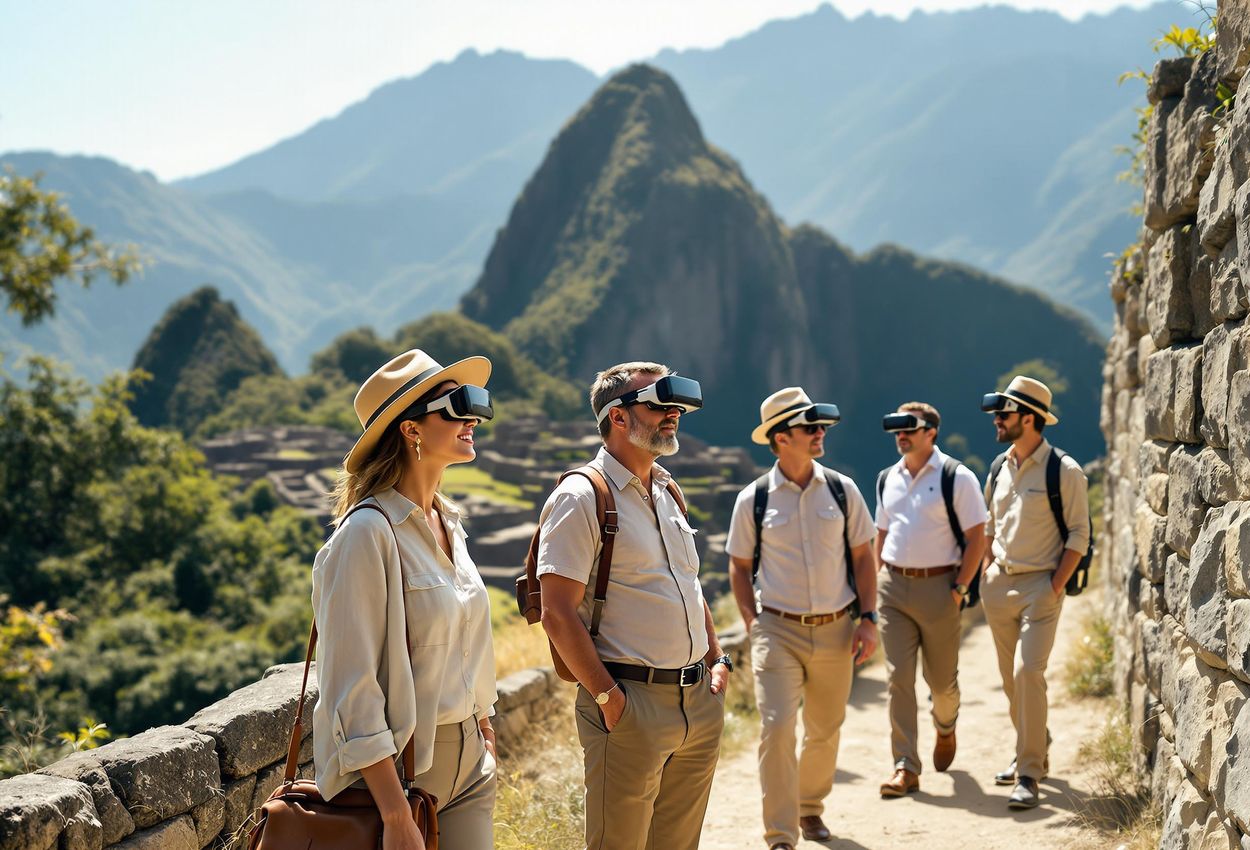
AI-driven chatbots can provide real-time customer service and support in remote locations, answering questions, providing assistance, and even offering emotional support. However, Dr. Kenji Tanaka, a travel AI developer at Google Travel, cautions against the potential pitfalls of AI-driven personalization. u201cWe need to be mindful of the potential for algorithmic bias and the need for human oversight,u201d he says. u201cAI algorithms are only as good as the data they are trained on, and if that data reflects existing biases, the algorithms will perpetuate those biases.u201d Tanaka emphasizes the importance of creating algorithms that promote sustainable tourism, such as recommending eco-friendly accommodations and activities, and that respect local cultures and traditions. As we emace the AI revolution in adventure travel, itu2019s crucial to ensure that technology serves to enhance, rather than diminish, the human experience and to promote responsible and sustainable tourism practices.
Hidden Gem: Use AI-powered translation apps to communicate with locals in remote areas, eaking down language barriers and fostering meaningful cultural exchange.