The Arctic calls to the adventurous soul, promising a landscape of stark beauty and unparalleled challenges. For those seeking an adrenaline rush unlike any other, ice climbing amidst the frozen grandeur of the north offers an experience that is both physically demanding and profoundly rewarding.
Gearing Up for Glacial Glory
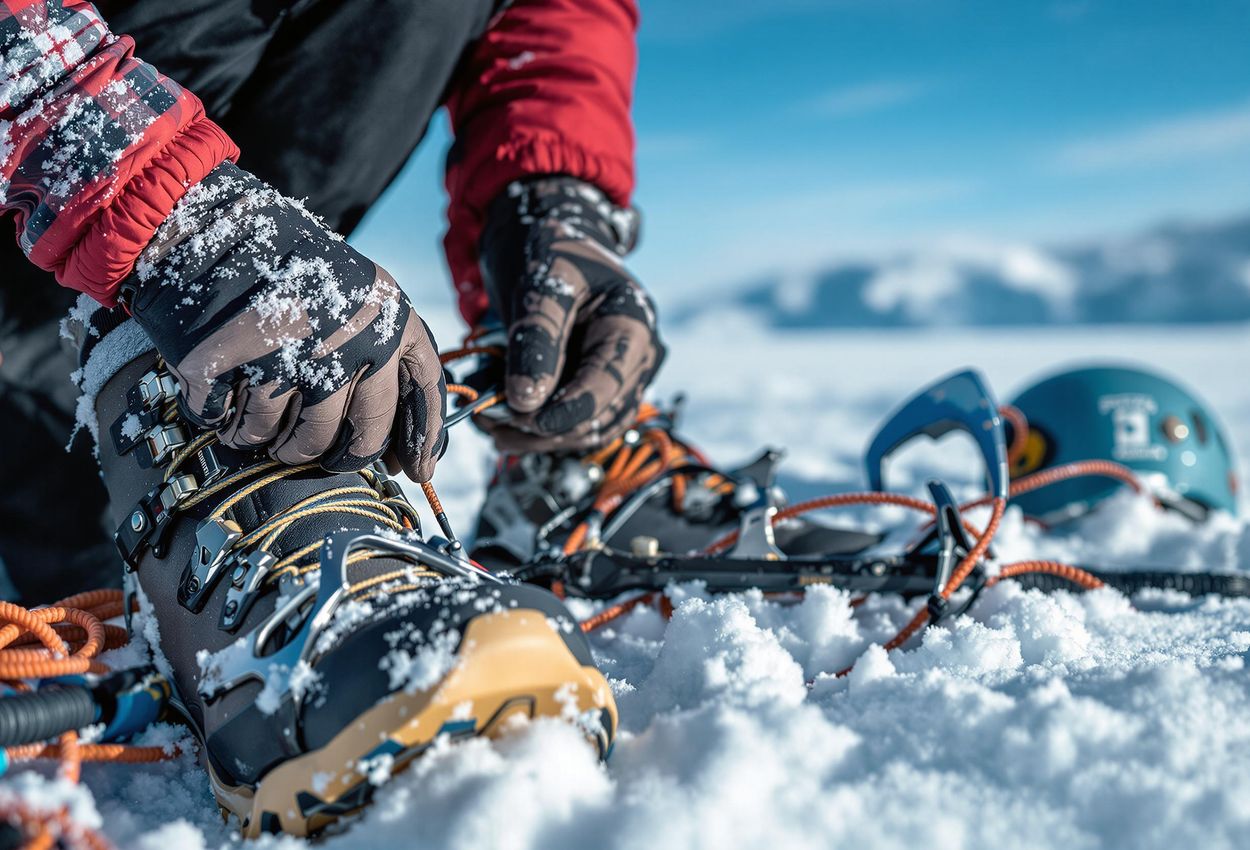
Venturing into the Arctic for ice climbing demands meticulous preparation, starting with the right gear. Compromises simply aren't an option when facing sub-zero temperatures and unforgiving conditions. The foundation of your equipment begins with your feet. Insulated mountaineering boots, such as the La Sportiva Nepal Evo GTX, are essential. These boots provide the necessary warmth, support, and rigidity to attach crampons securely. Speaking of crampons, models like the Grivel G14 offer excellent grip and stability on steep ice, thanks to their aggressive front points and adjustable design. These steel claws become an extension of your feet, biting into the ice with each calculated step.
Your hands are your primary point of contact with the ice, making ice axes indispensable. The Petzl Nomic or Black Diamond Fusion Ice Axe are popular choices among experienced climbers. Their ergonomic designs and balanced swing allow for efficient and precise placements. A reliable climbing harness, such as the Petzl Aquila, ensures your safety while ascending. Its comfortable fit and multiple gear loops provide ample space for carrying ice screws and other essential equipment. Don't forget a helmet like the Petzl Meteor, crucial for protecting your head from falling ice and potential impacts.
Belaying, or securing your climbing partner, requires a dependable belay device. The Black Diamond ATC Guide offers versatility for both belaying and rappelling. And finally, to safeguard against falls, ice screws are paramount. The Black Diamond Express Ice Screws are known for their ease of placement and holding power in various ice conditions.
Beyond the hardware, a crucial aspect of Arctic ice climbing is the layering system for your clothing. The goal is to trap heat while allowing moisture to escape, preventing both overheating and chilling. Start with a moisture-wicking base layer made of merino wool or synthetic materials. These faics draw sweat away from your skin, keeping you dry and comfortable. Next, add an insulated mid-layer, such as a fleece jacket or down sweater. These layers provide warmth by trapping air. Finally, top it off with a waterproof and windproof outer layer, typically made of Gore-Tex. This shell protects you from the elements, shielding you from wind, snow, and rain.
Extremities require special attention. Invest in multiple pairs of insulated gloves, allowing you to switch out wet or sweaty pairs. Warm socks, preferably wool or synthetic blends, are essential for keeping your feet warm inside your mountaineering boots. A balaclava or face mask is critical for protecting your face and neck from the biting wind and frostbite. Local Tip: For an extra layer of warmth, slip hand warmers inside your gloves. And, for quick eaks on the ice, a small thermos of hot tea can work wonders in boosting morale and body temperature. This thoughtful addition will keep you moving toward the peak. All of this can be purchased in Abisko, Swedish Lapland.
Arctic Ice Techniques: Mastering the Frozen Face
Mastering specific ice climbing techniques is paramount for navigating the challenging Arctic terrain. Unlike rock climbing, ice climbing requires a different approach to movement, balance, and tool placement. On lower-angle ice, the 'French technique,' also known as 'pied à plat,' is often employed. This technique involves keeping your heels down and your feet flat on the ice, maximizing contact and stability. It's a more relaxed and energy-efficient method for traversing gentler slopes.
As the ice steepens, the 'German technique,' or front-pointing, becomes necessary. This technique involves using the front points of your crampons to kick steps into the ice, creating small platforms for your feet. It requires more energy and precision but allows you to climb vertical or overhanging sections. Mastering the art of controlled kicks is crucial for efficient and secure progress.
Your ice axes are extensions of your arms, and learning to use them effectively is essential. The 'daggering' technique involves holding the axe overhead and plunging the pick into the ice, creating a secure anchor point. The 'matching' technique involves inging your other hand up to the same axe, allowing you to move one foot at a time. These techniques require practice and coordination to master.
Placing ice screws for protection is a critical skill for any ice climber. Choose a solid section of ice, free from cracks or weaknesses. Start the screw by hand, then use the hanger to crank it into the ice until it's fully seated. Clip your rope into the screw with a carabiner and quickdraw, providing a secure anchor in case of a fall. Creating V-threads for rappelling involves drilling two intersecting holes in the ice, forming a 'V' shape. Thread a rope through the holes and use it to descend safely. Assessing ice quality is an ongoing process. Look for signs of weakness, such as cracks, bubbles, or discoloration. Avoid climbing on ice that appears thin or unstable. Controlled movements are key to efficient ice climbing. Avoid jerky or sudden motions, which can dislodge your tools or crampons. Instead, move smoothly and deliberately, maintaining balance and minimizing energy expenditure. Efficient tool placements are essential for conserving energy and preventing fatigue. Aim for solid, secure placements with each swing, avoiding unnecessary movements or adjustments. Maintaining balance is crucial for stability and control. Keep your weight centered over your feet and avoid leaning too far in any direction. Hidden Gem: Before tackling larger routes, practice these techniques on smaller ice formations in Abisko Canyon to build confidence and refine your skills.

Svalbard's Frozen Waterfalls: An Ice Climber's Paradise
Svalbard, a Norwegian archipelago in the Arctic Ocean, stands as a premier destination for ice climbers seeking unparalleled beauty and challenging routes. The raw, untamed landscape, combined with its accessibility, makes it an ideal location for both seasoned professionals and adventurous beginners.
One of the most popular climbing spots in Svalbard is the area around Longyearbyen, the world's northernmost settlement. The glaciers here offer a variety of ice formations, from gentle slopes to steep, overhanging walls. Each location possesses its unique characteristics, shaped by the relentless forces of wind and ice. Climbing in Svalbard is a feast for the senses. The contrast of the blue ice against the dark rock creates a visually stunning panorama. The vastness of the Arctic landscape stretches out before you, a humbling reminder of the power of nature. And, if you're lucky, you might even witness the ethereal dance of the Northern Lights, painting the sky with viant colors.
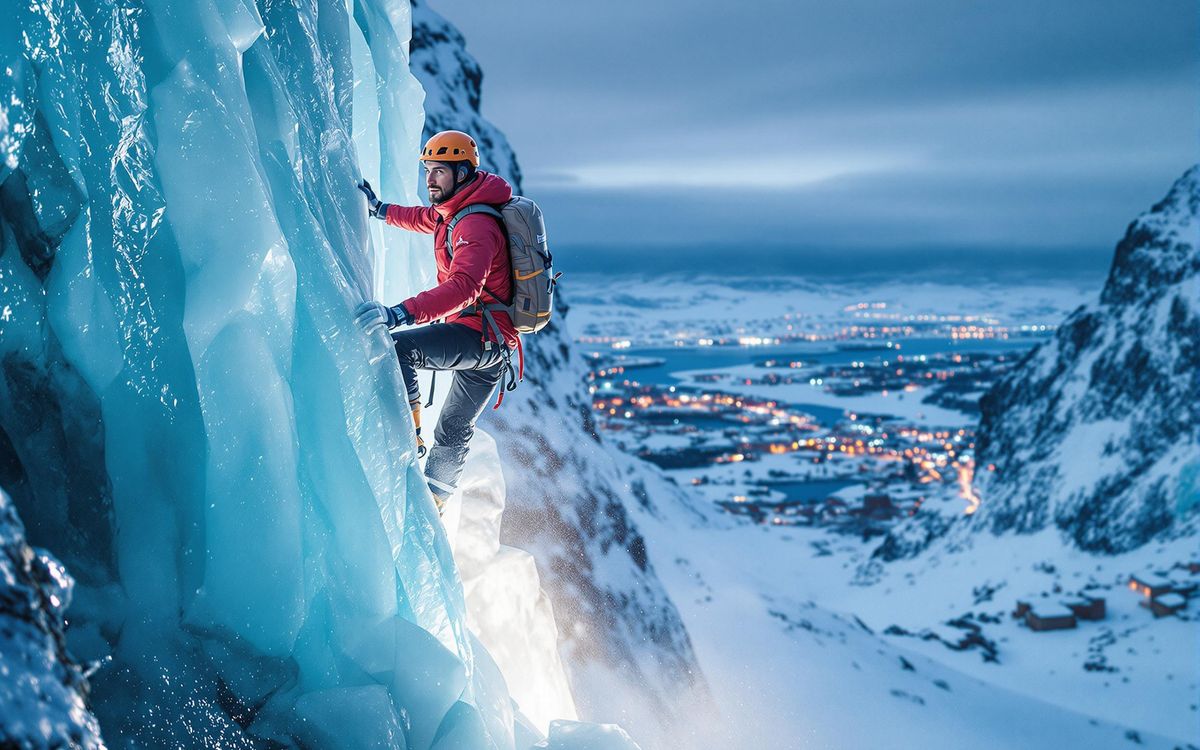
Imagine ascending a frozen waterfall, the crisp Arctic air filling your lungs as you swing your ice axe into the crystalline surface. The silence is oken only by the rhythmic thud of your tools and the crunch of your crampons. Above you, the sky is a canvas of deep blues and purples, occasionally illuminated by the shimmering green curtains of the aurora borealis. Below, the town of Longyearbyen appears as a cluster of tiny lights, a testament to human resilience in the face of extreme conditions.
Consider exploring Longyeareen near Longyearbyen and the remote Tempelfjorden, each offering distinct challenges and rewards for ice climbers of all skill levels. Hidden Gem: For a complete Arctic adventure, combine ice climbing with other activities like snowmobiling or dog sledding. These excursions provide a unique perspective on the landscape and allow you to experience the thrill of traversing the frozen wilderness.

Greenland's Glacier Challenge: Scaling Icebergs and Walls
Greenland, the world's largest island, presents another remarkable arena for Arctic ice climbing, offering a landscape of immense glaciers, towering icebergs, and remote, untouched wilderness. The scale of Greenland's ice formations is simply eathtaking, providing a sense of awe and wonder that is hard to find elsewhere.
The Stauning Alps, located in Northeast Greenland National Park, are a popular destination for experienced climbers. These jagged peaks offer challenging routes and stunning views of the surrounding glaciers. Areas near Tasiilaq, a small town on the east coast, provide access to a variety of ice climbing opportunities, including glacier walls and frozen waterfalls. Climbing icebergs in Greenland is an unforgettable experience. These massive chunks of ice, calved from glaciers, drift in the ocean, creating a surreal and dynamic landscape. However, climbing icebergs also presents unique challenges. The ice is often unstable, and the potential for collapse is always present. It's crucial to assess the ice carefully and climb with caution.
While scaling these icy giants, keep an eye out for local wildlife. Whales and seals are common sights in the waters surrounding Greenland, adding an extra layer of excitement to your climbing adventure. Before embarking on an ice climbing expedition in Greenland, it's essential to research and obtain the necessary permits. Many areas are protected, and regulations are in place to minimize environmental impact. Guided tours are highly recommended, especially for those unfamiliar with the area. Local guides possess invaluable knowledge of the terrain, weather patterns, and potential hazards.
Hidden Gem: While in Greenland, take the opportunity to visit local Greenlandic communities and learn about Inuit culture. Their traditional way of life is deeply intertwined with the Arctic environment, and their knowledge and respect for the land are truly inspiring. Consider visiting Tasermiut Fjord in South Greenland.

Environmental Echoes: Climbing Responsibly in a Fragile Land
The allure of Arctic ice climbing comes with a responsibility to protect the delicate environment that makes it possible. The Arctic is particularly vulnerable to climate change, and the impact of human activities, including tourism, must be carefully considered. Glacier melt is a significant concern in the Arctic. Rising temperatures are causing glaciers to shrink at an alarming rate, threatening the stability of ice formations and the delicate ecosystems that depend on them. Iceeakers, used to navigate through frozen waters, can also have a detrimental effect on the environment. The noise and disturbance can disrupt marine life, and the physical impact can damage fragile ice formations.
Adhering to Leave No Trace principles is crucial for minimizing your environmental impact. Pack out all gear and waste, leaving no trace of your presence. Avoid disturbing wildlife, respecting their habitat and behavior. Stay on established trails and avoid trampling vegetation. Support local businesses and communities that are committed to sustainable tourism. Many organizations are dedicated to Arctic conservation and responsible tourism. By supporting these organizations, you can contribute to the preservation of this fragile environment. Consider donating to their cause, volunteering your time, or simply spreading awareness about their work.
Before embarking on your ice climbing adventure, familiarize yourself with local regulations and guidelines. Respect the rules and customs of the communities you visit. Be mindful of your water usage, conserving this precious resource. Avoid using single-use plastics, opting for reusable alternatives. Reduce your carbon footprint by choosing sustainable transportation options and minimizing your energy consumption. Hidden Gem: Participate in citizen science projects to monitor glacier health or collect data on Arctic wildlife. This hands-on experience allows you to contribute directly to scientific research and gain a deeper understanding of the Arctic environment. A great place to learn more is at Union Glacier.
Safety First: Navigating Arctic Hazards
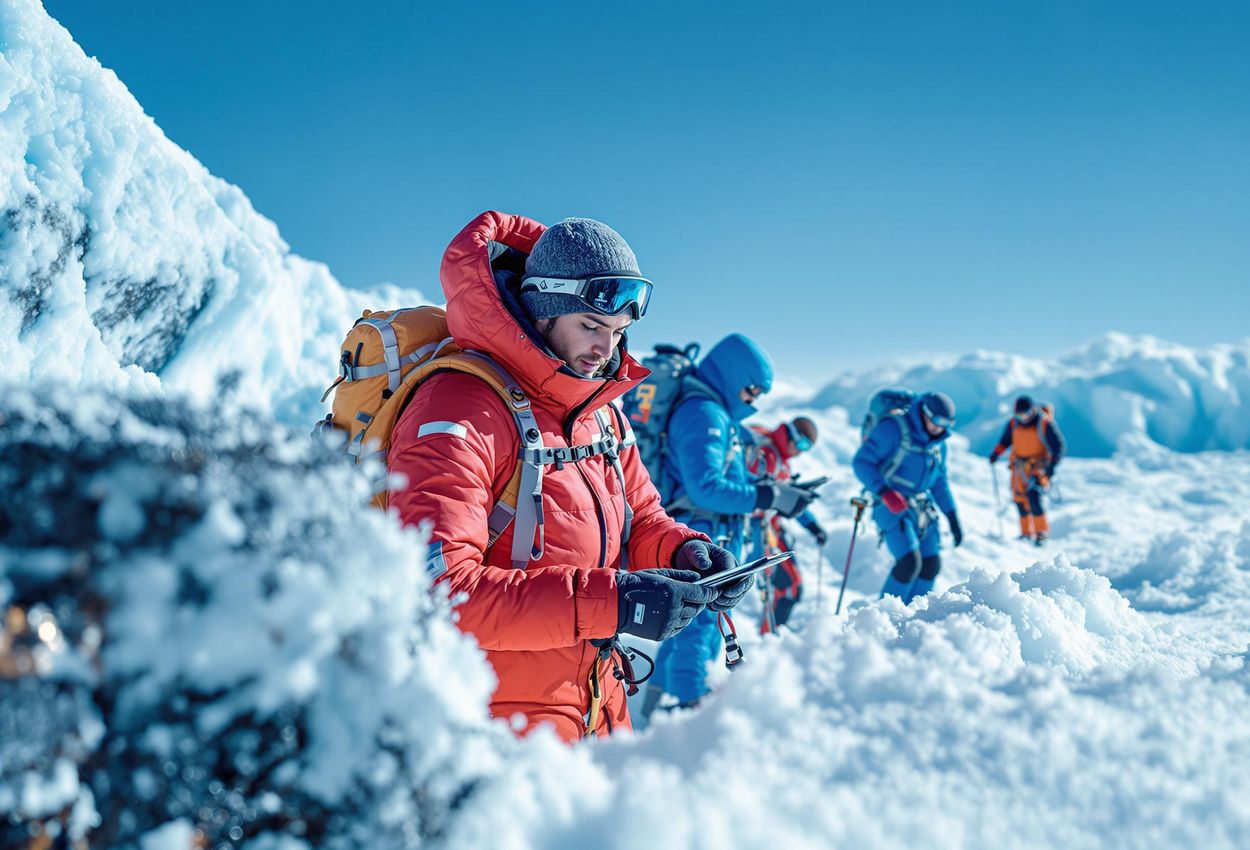
Ice climbing in the Arctic presents a unique set of hazards that demand careful preparation and unwavering attention to safety. The remote location, extreme weather conditions, and inherent risks of climbing require a proactive approach to risk management. Avalanche awareness is crucial, especially when climbing near snow-covered slopes. Learn to recognize the signs of avalanche danger, such as recent snowfall, wind loading, and unstable snowpack. Carry avalanche safety gear, including a transceiver, shovel, and probe, and know how to use them effectively. Crevasse rescue techniques are essential for navigating glaciated terrain. Crevasses are deep cracks in the ice that can be hidden beneath snow idges. Learn how to rope up properly, travel safely on glaciers, and perform crevasse rescue techniques in case someone falls in.
Cold weather survival skills are paramount for coping with the harsh Arctic environment. Learn how to build a snow shelter, start a fire in cold conditions, and treat hypothermia and frostbite. Climbing with experienced guides is highly recommended, especially for those new to Arctic ice climbing. Local guides possess invaluable knowledge of the terrain, weather patterns, and potential hazards. They can provide expert instruction, assess risks, and ensure your safety. Before heading out, always check the weather forecast and be prepared for sudden changes. Arctic weather can be unpredictable, and conditions can deteriorate rapidly. Carry emergency communication devices, such as a satellite phone or personal locator beacon (PLB), to summon help in case of an emergency. Ensure that your devices are fully charged and that you know how to use them.
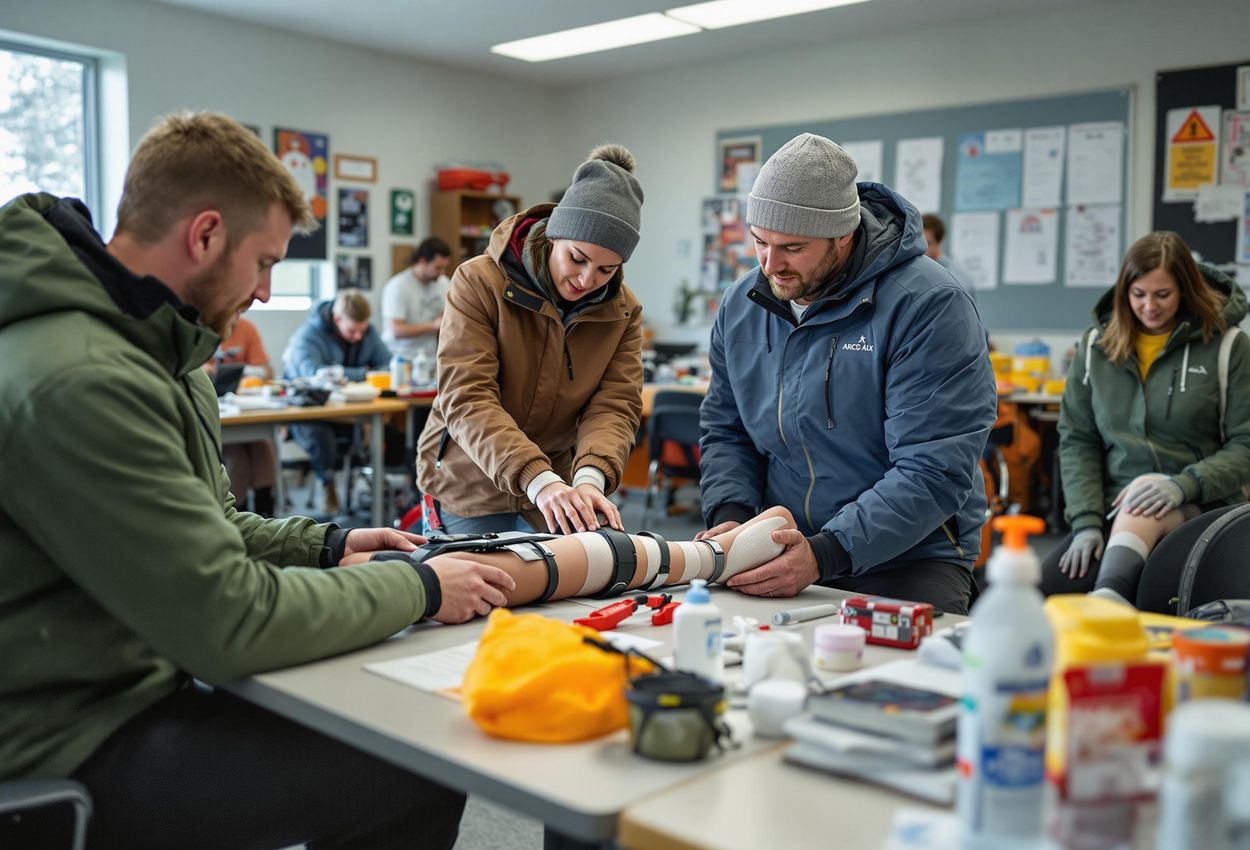
Hypothermia, a dangerous drop in body temperature, is a significant risk in the Arctic. Recognize the symptoms, such as shivering, confusion, and slurred speech. Dress in layers, stay dry, and consume warm food and drinks to prevent hypothermia. Frostbite, the freezing of body tissues, is another serious concern. Protect exposed skin with warm clothing, and be aware of the signs of frostbite, such as numbness, tingling, and white or grayish skin. Seek medical attention immediately if you suspect frostbite. Hidden Gem: Consider taking a wilderness first aid course to prepare for potential medical emergencies in remote Arctic locations. This training will equip you with the skills and knowledge to handle a variety of situations, from minor injuries to life-threatening illnesses. A great place to take this course is in Haines, AK.
By emacing the challenges and respecting the environment, ice climbers can forge unforgettable memories amidst the Arctic's frozen majesty. With proper preparation, a spirit of adventure, and a commitment to safety, the rewards are immeasurable. The Arctic awaits, promising an experience that will stay with you long after the ice has melted.