Whispers of the Namib: Sossusvlei's Timeless Dunes
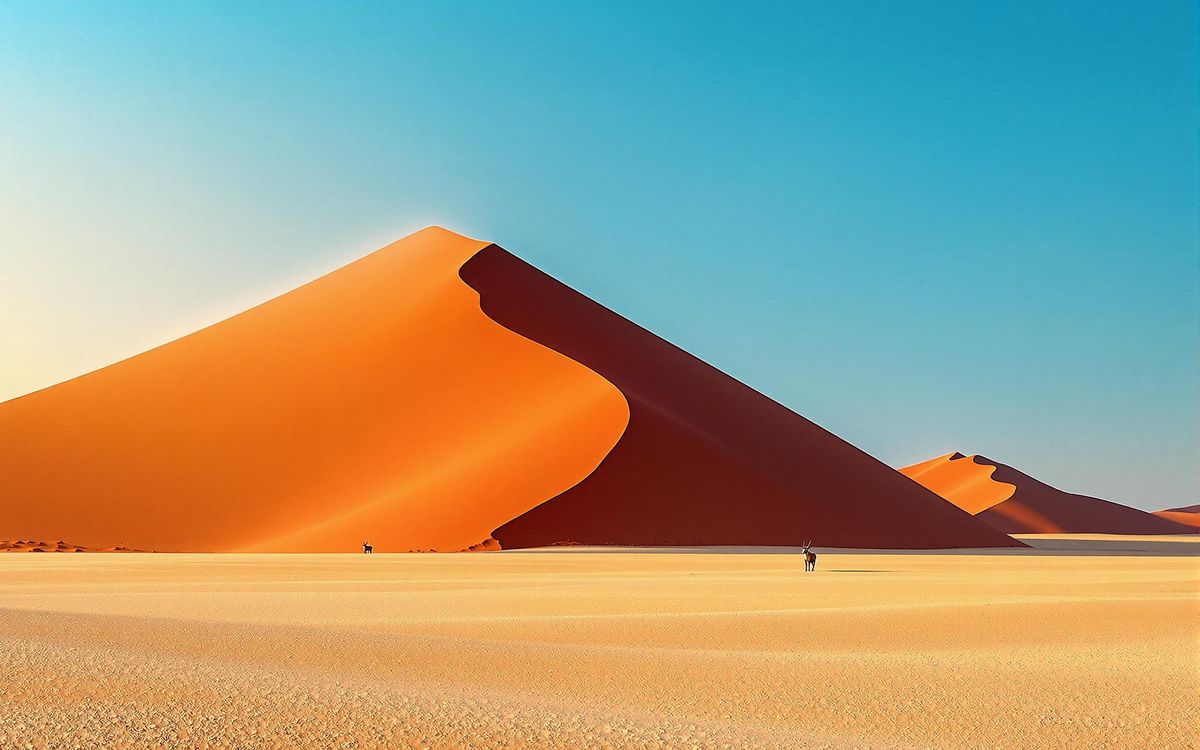
The silence is profound, oken only by the whisper of the wind sculpting the towering dunes of Sossusvlei. Here, in the heart of the Namib Desert, time seems to stand still, the ancient landscape a canvas of red and white under an endless blue sky.
Sossusvlei, meaning dead-end marsh, is a mesmerizing landscape of towering red dunes encircling stark white salt pans. Some of these dunes, like Big Daddy, soar to over 300 meters, their crimson peaks piercing the sky. The sand, originating from the Orange River far to the south, has been carried by wind and ocean currents over millennia, eventually deposited here, where the relentless wind continues to shape and mold them into their iconic forms. The geological history is palpable, a story etched in every grain of sand.
Imagine the cool, fine sand sifting between your toes as you climb Dune 45, one of the most photographed dunes in the world. The sun, a fiery orb on the horizon, paints the landscape in hues of orange and gold. The air is crisp and clean, carrying the faint scent of dry earth. As you reach the summit, a panorama of undulating dunes unfolds before you, a sea of sand frozen in time.
Nearby lies Deadvlei, a ghostly white clay pan dotted with the skeletal remains of ancient camel thorn trees. These trees, estimated to be over 900 years old, died centuries ago when the Tsauchab River flooded, preventing them from reaching the water table. Now, their blackened forms stand in stark contrast to the white pan and the red dunes, creating an eerie and unforgettable scene. The silence here is absolute, amplifying the sense of timelessness.
Local Tip: Arrive at Sossusvlei before sunrise to witness the dunes come alive with color as the first rays of light touch their crests. The early morning light offers the best photographic opportunities and cooler temperatures for climbing.
Hidden Gem: Keep an eye out for the 'sailing of the sand' phenomenon. Millions of tiny ants construct anthills that, from a distance, appear to be sailing across the desert plains. This mesmerizing sight showcases the incredible resilience of life in this extreme environment. 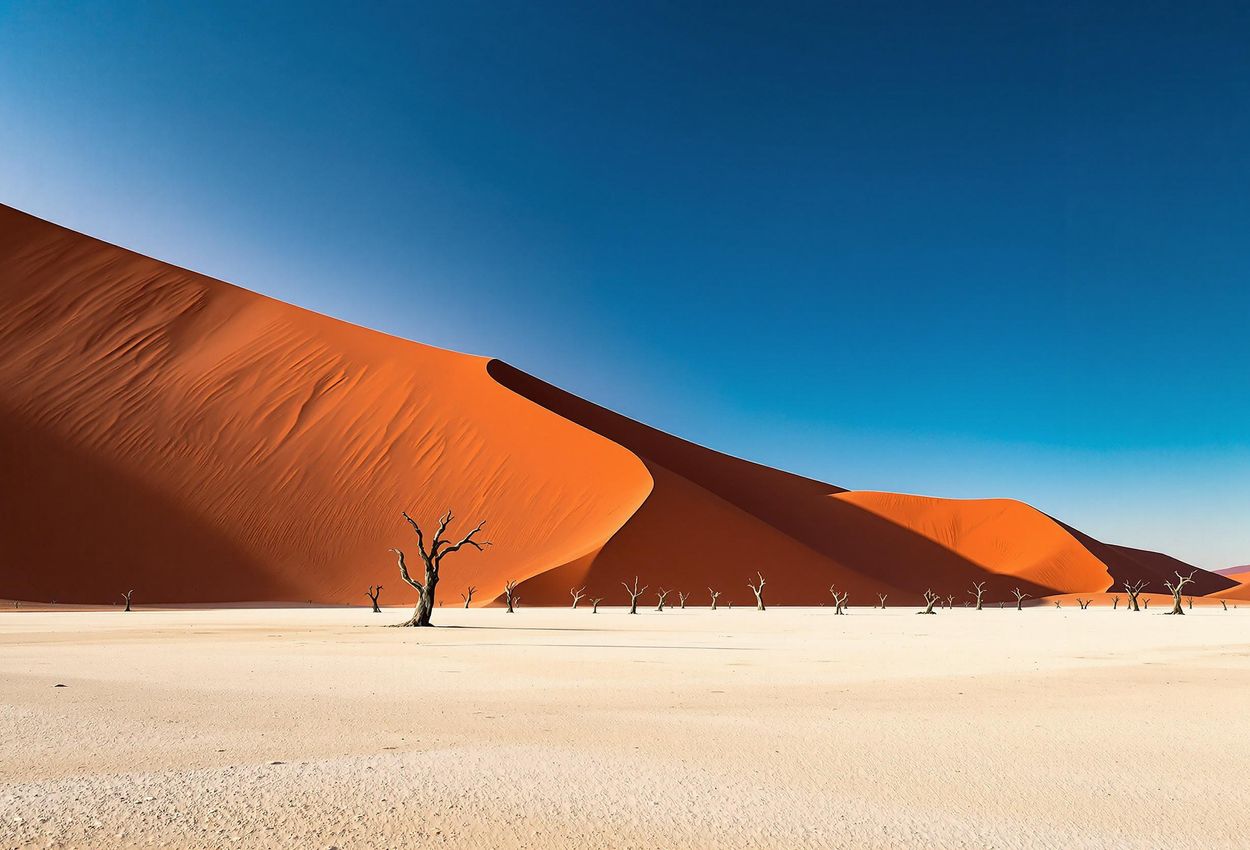
Hoanib River Valley: Where Desert Elephants Roam
In the seemingly barren landscape of the Hoanib River Valley, a miracle of adaptation unfolds. Here, desert-adapted elephants roam, their survival a testament to nature's ingenuity.
These are not your average savanna elephants. Over generations, the elephants of the Hoanib have evolved to thrive in the arid conditions of the Namib Desert. They travel vast distances, sometimes up to 70 kilometers a day, in search of water and food. Their physical characteristics reflect their harsh environment: they tend to be leaner than their savanna counterparts, with longer legs that allow them to cover more ground efficiently. Their feet are also wider, providing better traction on the sandy terrain.
The Hoanib River, though often dry on the surface, holds a vital source of subterranean water that these elephants rely on. They use their trunks and feet to dig for water in the riverbed, creating temporary oases that benefit other wildlife as well. Keep an eye out for desert lions, giraffes, and gemsbok, all of whom share this challenging environment.
The Hoanib Skeleton Coast Camp plays a crucial role in the conservation of these remarkable animals. The camp supports research and monitoring efforts, working closely with local communities to promote coexistence between humans and wildlife. Staying at the camp provides an opportunity to witness these elephants in their natural habitat while contributing to their protection.
Local Tip: The best time to spot desert elephants is during the dry season (May to October) when they congregate around the few remaining water sources. A knowledgeable guide is essential for tracking these elusive creatures and learning about their unique adaptations.
Hidden Gem: Desert lions have adapted their hunting techniques to survive the extreme heat. They derive most of their liquid from their prey, often ambushing animals near water sources. Their ability to survive in this harsh environment is a remarkable example of adaptation. 
Damaraland's Ancient Art: Twyfelfontein's Rock Engravings
Journey back in time at Twyfelfontein, a UNESCO World Heritage Site in Damaraland, where ancient rock engravings tell stories of a bygone era. This rugged landscape holds secrets etched in stone, waiting to be discovered.
Twyfelfontein, meaning doubtful spring, is home to one of the largest concentrations of rock engravings in Africa. These engravings, created by ancient hunter-gatherers and Khoikhoi herders over thousands of years, depict a variety of animals, including elephants, rhinos, giraffes, and lions, as well as abstract symbols and human figures. The engravings provide valuable insights into the beliefs, rituals, and daily lives of these early inhabitants.
The geology of Damaraland is as fascinating as its art. The landscape is characterized by rugged, rocky mountains, dramatic valleys, and unique rock formations. The region is also home to a variety of desert-adapted plants and animals, including the welwitschia mirabilis, a bizarre plant that can live for over a thousand years.
As you explore Twyfelfontein, keep an eye out for desert-adapted wildlife. The area is home to a variety of species, including the Hartmann's mountain zea, the klipspringer, and the elusive desert rhino. A guided tour is highly recommended to fully appreciate the significance of the rock engravings and the surrounding landscape.
Local Tip: Visit Twyfelfontein early in the morning or late in the afternoon to avoid the midday heat and to see the engravings in the best light. A hat, sunscreen, and plenty of water are essential.
Hidden Gem: Community-based tourism projects in Damaraland empower local communities by providing them with ownership and management roles in tourism ventures. These projects not only generate income for the communities but also promote sustainable tourism practices that protect the environment and preserve cultural heritage. 
Skeleton Coast: Shipwrecks and Seal Colonies
The Skeleton Coast is a place of eerie beauty, where the desert meets the ocean in a dramatic collision of sand and sea. This desolate coastline is known for its shipwrecks, seal colonies, and harsh weather conditions, creating an atmosphere of both wonder and foreboding.
The name Skeleton Coast is derived from the countless shipwrecks that litter the coastline, victims of the treacherous currents, dense fogs, and strong winds that prevail in the area. The wrecks serve as a stark reminder of the power of nature and the dangers of the sea. The coastline is also known for its dense fog, created when the cold Benguela Current meets the warm air of the desert, often reducing visibility to near zero.
Despite its harsh conditions, the Skeleton Coast is home to a surprising abundance of wildlife. The Cape Cross Seal Reserve is home to one of the largest colonies of Cape fur seals in the world, with a population of over 100,000 individuals. The sight and sound of these seals is overwhelming, a cacophony of barking and playful splashing.
The geological features of the Skeleton Coast are equally striking. Towering sand dunes meet the Atlantic Ocean, creating a surreal landscape of shifting sands and crashing waves. The coastline is also dotted with canyons, salt pans, and rocky outcrops, providing a diverse range of habitats for wildlife.
Local Tip: The Skeleton Coast is best explored with a guided tour, as access is restricted to certain areas. A flight over the coastline offers a unique perspective on the shipwrecks and seal colonies.
Hidden Gem: The gemsbok (oryx) has a unique adaptation that helps it survive in the extreme heat of the Skeleton Coast. Its fur can change color from dark to light grey to adapt to the heat of the day and the cold of the night, helping it regulate its body temperature. 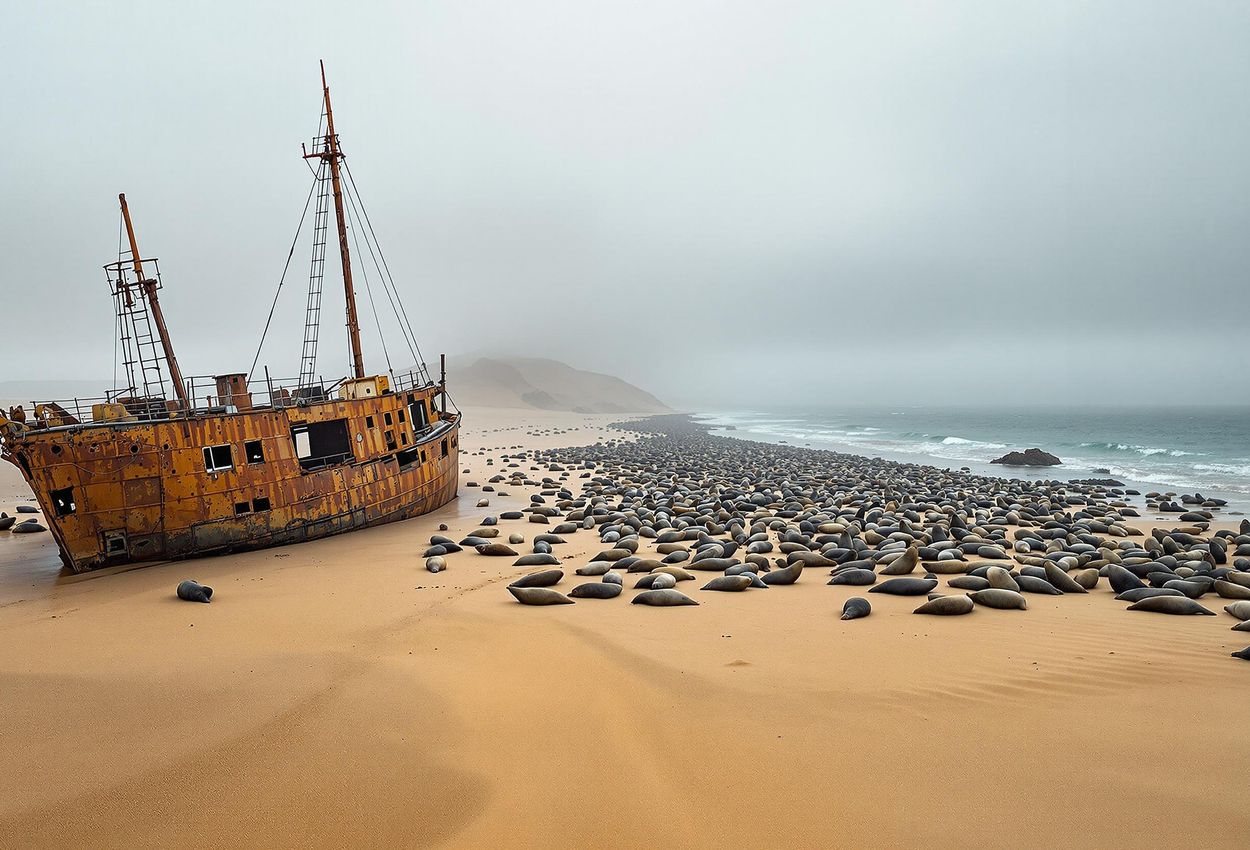
Kaokoland's Nomads: A Glimpse into Himba Culture
Venture into Kaokoland, a remote and rugged region of Namibia, and encounter the Himba people, a semi-nomadic tribe known for their distinctive red ochre body paint and traditional way of life. Their culture is a viant tapestry woven from ancient customs and a deep connection to the land.
The Himba are pastoralists, their lives revolving around cattle herding. They live in small, scattered settlements, moving with their herds in search of grazing land. Their traditional homes are constructed from mud, sticks, and thatch, providing shelter from the harsh desert climate.
The Himba are renowned for their distinctive appearance. They adorn their bodies with otjize, a mixture of red ochre pigment and butterfat, which protects their skin from the sun and insects. The otjize also symbolizes fertility and beauty. Their hair is styled in elaborate aids, often adorned with beads and other ornaments.
Sustainable tourism initiatives are playing an increasingly important role in supporting Himba communities. These initiatives provide income-generating opportunities for the communities while promoting cultural preservation and environmental protection. Visiting a Himba village offers a unique opportunity to learn about their culture and way of life, while contributing to their economic well-being.
Local Tip: When visiting a Himba village, it is important to be respectful of their customs and traditions. Ask permission before taking photographs and offer a small gift, such as sugar or tobacco.
Hidden Gem: The traditional Owambo homesteads in northern Namibia are built with local materials and designed according to ancient principles. These homesteads provide ventilation and security while fostering a sense of community. They are a testament to the ingenuity and resourcefulness of the Owambo people. 
Namiand Nature Reserve: A Sanctuary of Silence
Escape to the Namiand Nature Reserve, a vast and pristine wilderness dedicated to protecting the Namib Desert's unique ecology and wildlife. Here, silence reigns supreme, and the stars shine with unparalleled illiance.
The Namiand Nature Reserve is one of the largest private nature reserves in southern Africa, encompassing over 200,000 hectares of desert landscape. The reserve is committed to minimal interference, allowing the natural ecosystem to thrive. Constant monitoring and research efforts ensure that the reserve's biodiversity is protected.
The Namiand has been designated as Africa's First Wilderness Quiet Park, recognizing its exceptional natural soundscape. Here, the only sounds are those of nature: the whisper of the wind, the call of a bird, the rustling of leaves. The silence is profound and restorative, offering a rare opportunity to connect with nature on a deep level.
The reserve is home to a variety of wildlife, including the oryx, springbok, bat-eared fox, and the elusive leopard. These animals roam freely across the vast landscape, their survival dependent on the delicate balance of the desert ecosystem.
Local Tip: The Namiand is a stargazing paradise. The clear, dark skies offer unparalleled views of the Milky Way and other celestial wonders. A guided night drive is a must for astronomy enthusiasts.
Hidden Gem: The Namiand Conservation Foundation funds special projects that promote sustainable resource management in the reserve. These projects include water conservation, renewable energy, and community development initiatives. 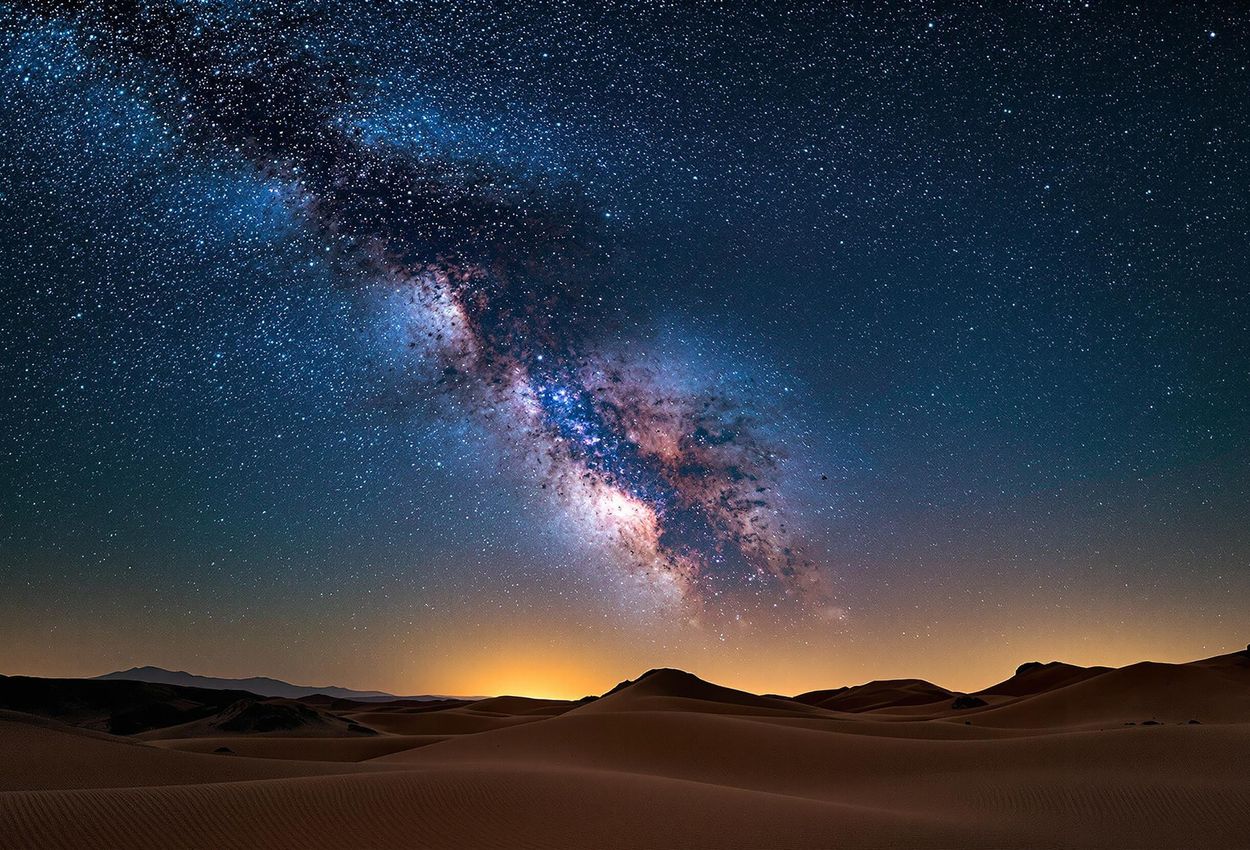
Solitaire: An Oasis of Time and Cheetah Conservation
Discover Solitaire, a tiny oasis near the Namib-Naukluft National Park, where time seems to slow down. This quirky town is a welcome respite from the vastness of the desert, offering a glimpse into a simpler way of life.
Solitaire is known for its quirky atmosphere, with its abandoned cars, vintage petrol pumps, and the famous McGregor's Bakery. The bakery is a must-visit, serving up delicious apple pie and other treats that are a welcome indulgence after a long day in the desert.
The area around Solitaire is also home to cheetah conservation efforts. The conflict between ranchers and wildlife is a major challenge in Namibia, and the cheetah is often a victim of this conflict. The cheetah conservation sanctuary works to protect cheetahs and other predators by educating ranchers about non-lethal methods of predator control.
The sanctuary also rescues and rehabilitates injured cheetahs, releasing them back into the wild whenever possible. Visiting the sanctuary provides an opportunity to learn about cheetah conservation and to support their efforts to protect these magnificent animals.
Local Tip: Stop at McGregor's Bakery in Solitaire for a slice of their famous apple pie. It's the perfect treat to enjoy while watching the sunset over the desert landscape.
Hidden Gem: The sanctuary plans to microchip predators to help ranchers relocate livestock and prevent predators from being shot. This innovative approach aims to reduce conflict between humans and wildlife while protecting endangered species. 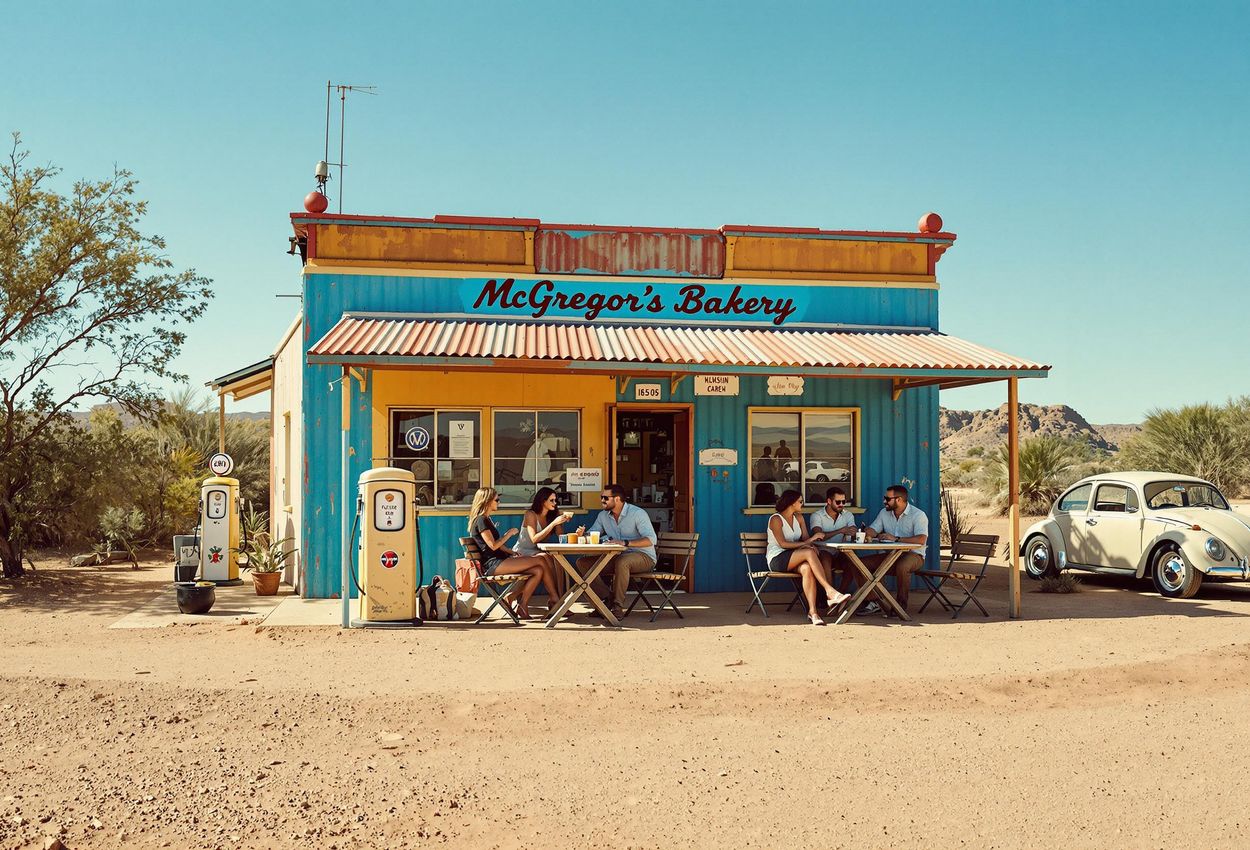
Living Desert Tour: Unveiling the Small Wonders
Embark on a Living Desert Tour and discover the hidden wonders of the Namib Desert. This unique experience focuses on the small desert wildlife and their incredible adaptations to survive in this harsh environment.
The Living Desert Tour is led by knowledgeable guides who are passionate about the desert ecosystem. They educate visitors about the importance of preservation and responsible tourism, emphasizing the fragility of this unique environment.
During the tour, you will have the opportunity to see a variety of desert animals, including chameleons, geckos, spiders, and scorpions. These animals have developed remarkable adaptations to survive in the extreme heat and aridity of the desert. For example, the sidewinder snake moves across the sand in a unique sideways motion, minimizing its contact with the hot surface.
The tour also highlights the importance of responsible tourism. The fragile desert environment is easily damaged by human activity, and it is essential to minimize our impact. Staying on designated tracks, avoiding littering, and respecting wildlife are all crucial for preserving the desert ecosystem for future generations.
Local Tip: Wear comfortable shoes, a hat, and sunscreen on the Living Desert Tour. ing plenty of water to stay hydrated in the desert heat.
Hidden Gem: Disturbing pictures of tire tracks crisscrossing the desert serve as a reminder of the importance of responsible tourism to prevent damage to the fragile environment. Support tour operators who are committed to sustainable practices and minimize their impact on the desert ecosystem.