Stepping into a new culture is like opening a book to a world yet unread. The rustling pages hold stories, traditions, and unspoken rules that shape the very faic of a society. But how do we, as travelers, ensure weu2019re reading with respect and understanding, rather than inadvertently tearing the pages?
Unlocking the World: Why Cultural Sensitivity Matters
Cultural sensitivity is more than just good manners; itu2019s the key to unlocking truly immersive and meaningful travel experiences. Itu2019s the ability to understand and appreciate the nuances of a culture different from your own, recognizing that your own customs are not necessarily universal. Itu2019s about approaching new environments with humility, curiosity, and a genuine desire to connect with the people who call that place home. Being culturally sensitive means being aware of the potential for misunderstandings and actively working to idge those gaps.
The benefits are manifold. Firstly, it enriches your own understanding of the world. By stepping outside your comfort zone and engaging with different perspectives, you oaden your horizons and challenge your own assumptions. You begin to see the world through a new lens, appreciating the diversity of human experience in all its viant forms. Secondly, cultural sensitivity fosters positive interactions with local communities. When you demonstrate respect for local customs, you build trust and rapport, opening doors to authentic connections and unforgettable moments. Locals are more likely to welcome you into their lives, share their stories, and offer insights that you wouldnu2019t otherwise gain. These interactions transform travel from a superficial sightseeing tour into a deeply personal journey of discovery.
Furthermore, cultural sensitivity is intrinsically linked to the concept of responsible tourism. Responsible tourism is about minimizing the negative impacts of travel on the environment and local communities, while maximizing the positive ones. This includes respecting local cultures, supporting local economies, and promoting sustainable practices. By being culturally sensitive, you contribute to the preservation of local traditions and the well-being of the communities you visit. You become a traveler who leaves a positive footprint, rather than one who inadvertently causes harm. For example, in some indigenous communities, certain rituals are sacred and not meant for public display. A culturally sensitive traveler would respect these boundaries, understanding that their desire to witness something unique shouldnu2019t come at the expense of the community's cultural integrity.
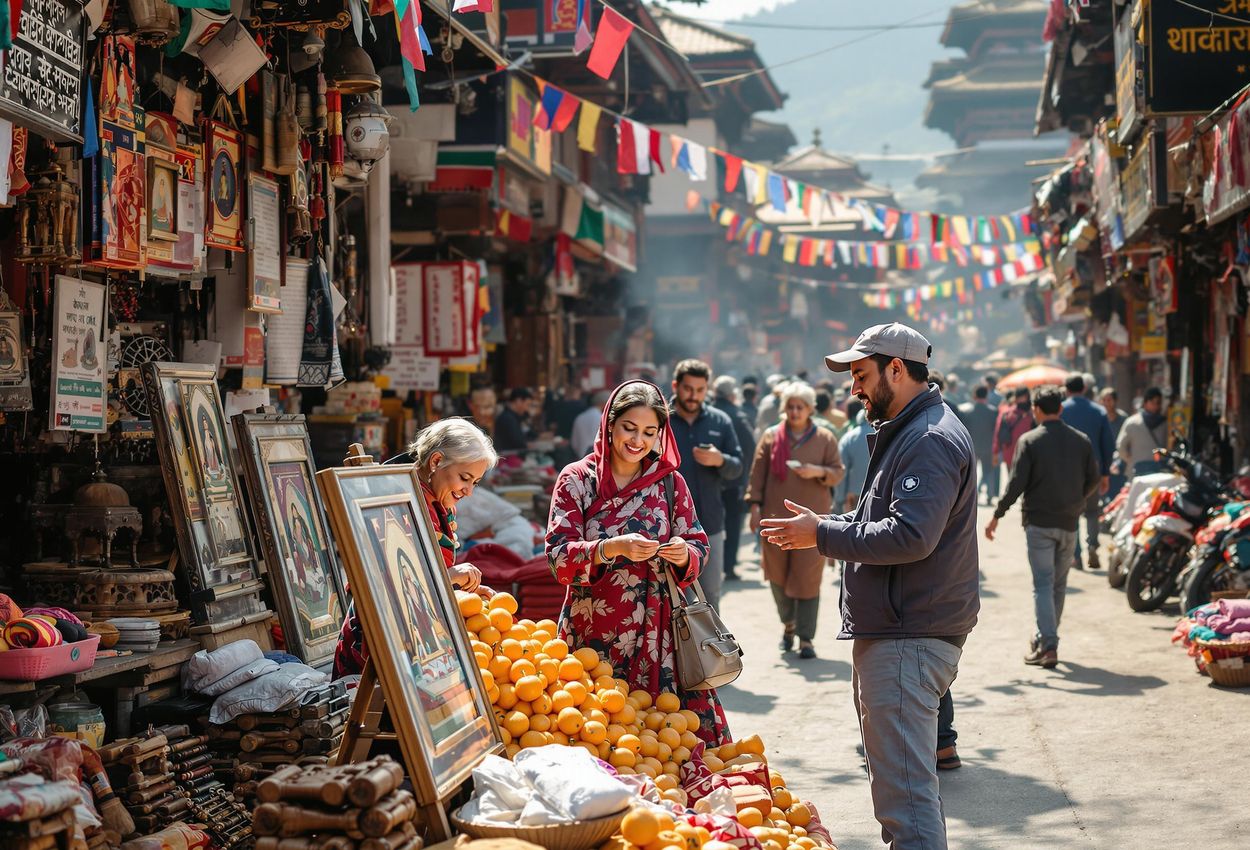
Ignoring cultural norms can lead to awkward situations, or worse, offense. Imagine visiting a country where bargaining is customary, and you insist on paying the marked price, potentially insulting the vendor. Or consider a situation where a seemingly innocent gesture, like using your left hand to offer a gift, is considered impolite. These are just a few examples of how a lack of cultural awareness can hinder your travel experience and create negative impressions. By emacing cultural sensitivity, we transform from mere tourists into respectful guests, enriching our own journeys and contributing to a more interconnected and understanding world. Itu2019s about traveling with an open heart and an open mind, ready to learn, adapt, and appreciate the beauty of cultural diversity.
Decoding the Destination: Pre-Trip Research Essentials
The journey to cultural immersion begins long before you pack your bags. Thorough pre-trip research is paramount to understanding the cultural landscape of your destination and ensuring a respectful and enriching experience. This isnu2019t just about reading up on the major tourist attractions; itu2019s about delving into the local customs, traditions, social etiquette, and potential cultural taboos that may shape your interactions.
A wealth of resources is available to help you prepare. Start with reliable guidebooks, such as those published by Lonely Planet or Rough Guides. These offer comprehensive overviews of the destinationu2019s culture, history, and social norms. Supplement this with travel blogs and online forums, where you can find firsthand accounts from other travelers who have visited the destination. Look for blogs that focus on cultural immersion and responsible tourism, as these often provide valuable insights into local customs and etiquette. Official tourism websites are also a great source of information, providing details on cultural events, festivals, and local traditions. Look for sections on etiquette or cultural dos and don'ts.
When researching, pay particular attention to specific cultural norms that may differ from your own. Dress codes are a common area of potential misunderstanding. In some cultures, modest clothing is expected, especially when visiting religious sites. Research appropriate attire for different situations, such as visiting a temple, attending a social gathering, or simply walking around town. Greetings also vary widely across cultures. In some countries, a handshake is customary, while in others, a bow or a slight nod is more appropriate. Learn the proper way to greet people in your destination, and be mindful of personal space and physical contact.
Dining etiquette is another crucial aspect to research. Table manners, eating utensils, and even the way you hold your hands can all convey different meanings in different cultures. For example, in some Asian countries, itu2019s considered impolite to stick your chopsticks upright in a bowl of rice, as this resembles a funeral ritual. Gift-giving customs are also important to understand. In some cultures, gifts are expected, while in others, they may be seen as a form of ibery. Research appropriate gifts to give and the proper way to present them. For example, in some East Asian countries, it's customary to present a gift with both hands as a sign of respect. Understanding these nuances can help you avoid unintentional offense and demonstrate your respect for local customs. By investing time in pre-trip research, you equip yourself with the knowledge and awareness necessary to navigate cultural differences with grace and sensitivity, transforming your travel experience into a truly enriching and rewarding journey.
Lost in Translation No More: Mastering Basic Phrases
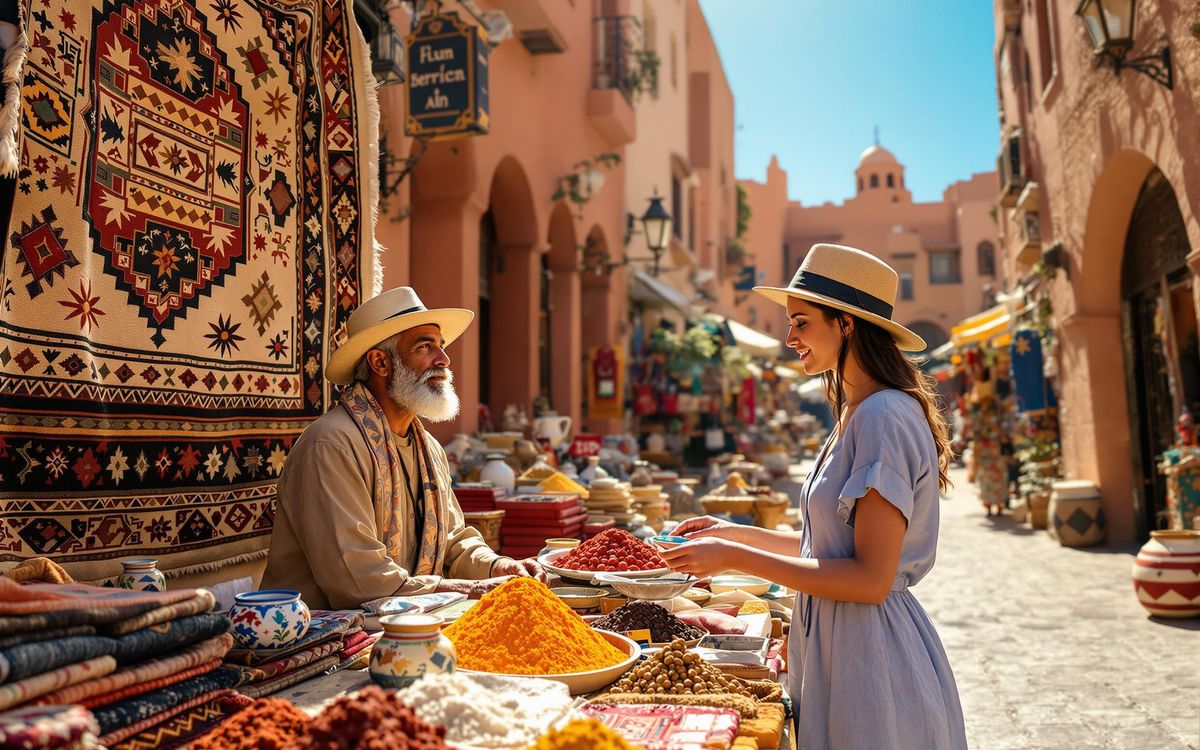
Imagine arriving in a bustling marketplace in Marrakech, the air thick with the aroma of spices and the viant colors of textiles swirling around you. You want to ask a vendor about the price of a beautiful rug, but you don't speak Arabic. This is where the power of basic phrases comes into play. Learning even a few essential phrases in the local language can make a world of difference in navigating unfamiliar situations and connecting with local communities.
Itu2019s not about achieving fluency; itu2019s about demonstrating a willingness to engage with the local culture and showing respect for the people you encounter. Locals often appreciate the effort, even if your pronunciation isnu2019t perfect. It can eak down barriers, foster goodwill, and open doors to authentic interactions that you might otherwise miss. Knowing how to say u201chello,u201d u201cthank you,u201d u201cplease,u201d and u201cexcuse meu201d can go a long way in creating positive impressions and building rapport.
Hereu2019s a list of essential phrases for travelers to consider learning:
- Greetings: u201cHello,u201d u201cGood morning,u201d u201cGood eveningu201d
- Expressions of gratitude: u201cThank you,u201d u201cYouu2019re welcomeu201d
- Requests for assistance: u201cExcuse me,u201d u201cCan you help me?u201d u201cWhere isu2026?u201d
- Basic transactions: u201cHow much does it cost?u201d u201cI would likeu2026u201d
- Emergency phrases: u201cHelp!u201d u201cI need a doctor,u201d u201cI am lostu201d
There are numerous resources available to help you learn these phrases. Language learning apps like Duolingo, Babbel, and Memrise offer interactive lessons and pronunciation guides. Online dictionaries, such as Google Translate or WordReference, can provide quick translations and audio pronunciations. Consider purchasing a phrasebook specific to your destination. These often include cultural tips and etiquette guidelines in addition to essential phrases. Don't be afraid to practice speaking the language, even if you make mistakes. Locals are usually patient and understanding, and theyu2019ll appreciate your effort to communicate in their language.
A few years ago, while traveling through rural Vietnam, I found myself lost and unable to communicate with the locals. I pulled out my phrasebook and, with a combination of oken Vietnamese and gestures, managed to ask for directions. A woman smiled and, using only Vietnamese, guided me back to the main road. Without those few basic phrases, I would have been completely stranded. This experience underscored the transformative power of language in idging cultural divides and creating meaningful connections. It transformed a potentially stressful situation into a heartwarming encounter, reminding me that even a small effort to learn the local language can have a profound impact on your travel experience.

Mind Your Body: Understanding Non-Verbal Communication
Words are only part of the communication equation. Non-verbal cues, such as gestures, body language, and facial expressions, play a significant role in how we interact with others. However, these cues can vary dramatically across cultures, leading to potential misunderstandings and misinterpretations. What might be considered polite or acceptable in one culture could be offensive or confusing in another. Therefore, understanding non-verbal communication is crucial for navigating cultural differences with sensitivity and avoiding unintentional faux pas.
For example, eye contact is often considered a sign of attentiveness and honesty in Western cultures. However, in some Asian and African cultures, direct eye contact may be seen as disrespectful or challenging, especially when interacting with someone of higher status. Similarly, personal space varies widely across cultures. People from Latin American and Mediterranean cultures tend to stand closer to each other during conversations than people from North American or Northern European cultures. Invading someoneu2019s personal space can make them feel uncomfortable or threatened.
Gestures, in particular, can be a minefield of potential misunderstandings. The u201cthumbs-upu201d gesture, which is commonly used in Western cultures to indicate approval or agreement, is considered offensive in Iran. Pointing with a finger is considered rude in many cultures, including those in Asia and Africa. Instead, itu2019s more polite to use an open hand to indicate direction or location. Even a seemingly innocent gesture like crossing your legs can be problematic. In some Middle Eastern cultures, showing the sole of your foot is considered highly disrespectful.
The key to navigating these non-verbal nuances is observation and adaptation. Pay attention to how locals interact with each other. Observe their gestures, body language, and facial expressions. Notice how they use eye contact, personal space, and physical touch. Try to mirror their behavior, but do so subtly and respectfully. Avoid making assumptions based on your own cultural norms. If youu2019re unsure about something, itu2019s always best to err on the side of caution and avoid any gestures or behaviors that might be considered offensive. A genuine smile and a respectful demeanor can often idge communication gaps and create positive impressions. By becoming more aware of non-verbal communication, you can enhance your cultural sensitivity, build stronger connections with local communities, and avoid unintentional misunderstandings that could hinder your travel experience.

When in Rome... Or Not: Navigating Dining Etiquette
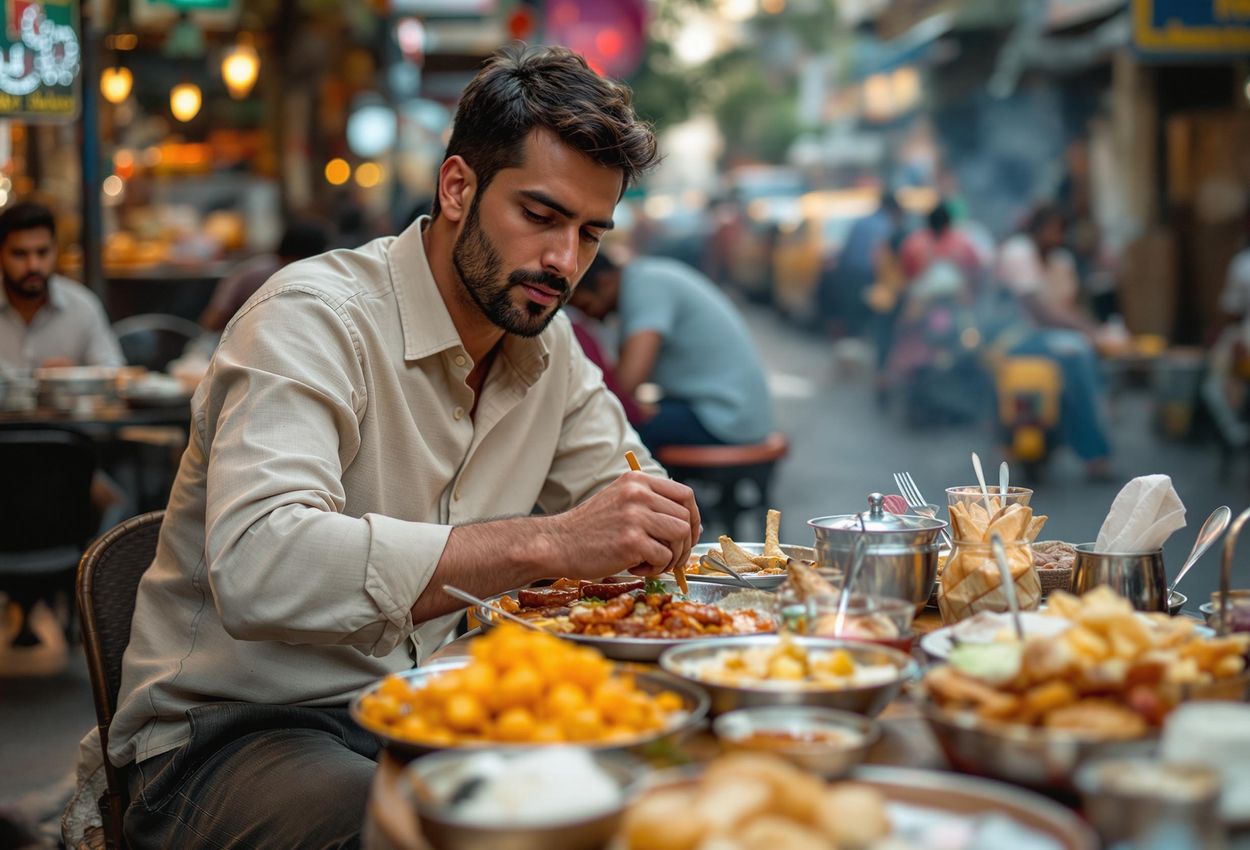
Dining is more than just sustenance; itu2019s a cultural ritual, a social experience, and a window into the values and traditions of a society. Dining etiquette varies widely across cultures, and understanding these nuances is essential for showing respect and avoiding unintentional offense. From the way you hold your utensils to the way you express your satisfaction, dining customs can reveal a great deal about a cultureu2019s identity. Imagine sitting down to a meal in Japan and unknowingly committing a series of dining faux pas, such as sticking your chopsticks upright in your rice bowl or passing food directly from one set of chopsticks to another. These actions, while seemingly innocuous, can be deeply offensive to your hosts.
One of the most significant differences in dining etiquette is the use of utensils. In Western cultures, knives, forks, and spoons are the standard tools for eating. However, in many Asian countries, chopsticks are the primary eating utensils. Using chopsticks correctly requires practice and skill, and there are specific rules to follow. For example, itu2019s considered impolite to tap your chopsticks on the table or to use them to spear food. In some parts of Africa and the Middle East, itu2019s customary to eat with your hands. However, only the right hand is used for eating, as the left hand is considered unclean. Before eating with your hands, itu2019s important to wash them thoroughly and to only use the tips of your fingers to ing food to your mouth.
Tipping practices also vary widely around the world. In some countries, such as the United States and Canada, tipping is customary and expected, with servers relying on tips to supplement their income. However, in other countries, such as Japan and South Korea, tipping is not customary and may even be considered offensive. In these countries, service is typically included in the price of the meal, and attempting to leave a tip may be interpreted as an insult. Itu2019s important to research tipping practices in your destination to avoid any awkward or uncomfortable situations.
In some Asian countries, itu2019s considered polite to finish all the food on your plate, as leaving food behind may be interpreted as a sign that you didnu2019t enjoy the meal or that your host didnu2019t provide enough food. However, in other cultures, itu2019s acceptable to leave a small amount of food on your plate to indicate that youu2019re full. By understanding these nuances, you can navigate dining situations with confidence and grace, demonstrating your respect for local customs and ensuring a positive and memorable culinary experience. Remember, dining is not just about the food; itu2019s about the shared experience and the connections we make with others. Approaching dining with cultural sensitivity allows us to savor not only the flavors of a destination but also the richness of its traditions.