Patagonia, a land of towering granite peaks, shimmering glacial lakes, and windswept steppes, beckons adventurers with its raw, untamed beauty. Whether you're a seasoned trekker, a passionate paddler, or a luxury-seeking nature lover, Patagonia offers an unforgettable experience. This guide unveils the region's best hiking trails, kayaking routes, and glamping destinations, providing you with the essential information to plan your dream Patagonian adventure.
Navigating Patagonia: Your Journey Begins
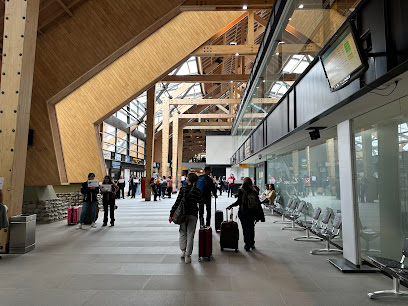
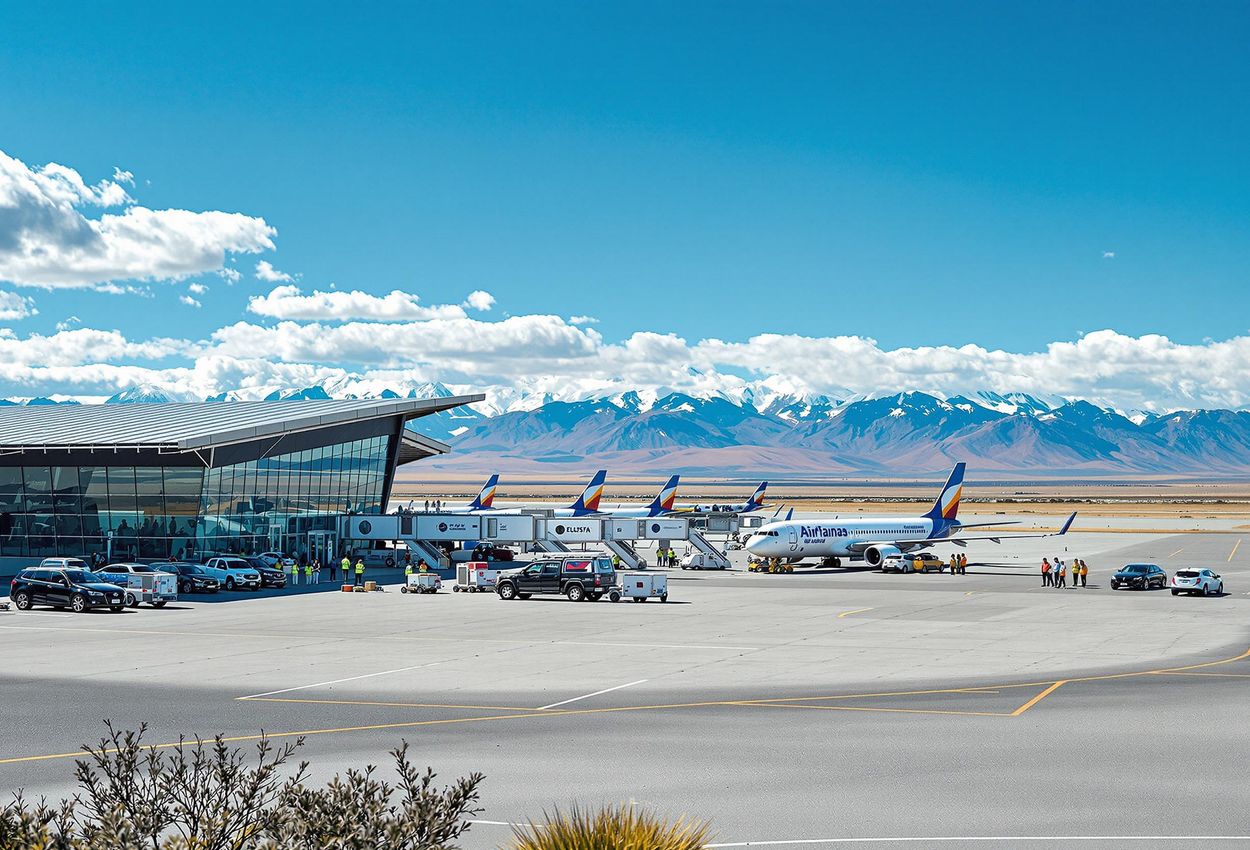
Reaching Patagonia is an adventure in itself. Most international travelers arrive by air, landing at one of the key airports serving the region. In Argentina, El Calafate (FTE), the gateway to the Perito Moreno Glacier and El Chalté, and Ushuaia (USH), the southernmost city in the world and a launching point for Antarctic cruises, are popular choices. On the Chilean side, Punta Arenas (PUQ) is the main hub, offering access to Torres del Paine National Park and other Patagonian wonders. Consider flights with airlines like LATAM, Aerolíneas Argentinas, and Sky Airline, which offer connections from major South American cities such as Buenos Aires and Santiago.
Once you've landed, bus services provide a reliable and affordable way to connect major towns and cities. Companies like Bus Sur and Andesmar operate routes throughout Patagonia, offering varying levels of comfort and service. However, be prepared for long journeys, as distances are vast. Within Patagonia, transportation options include rental cars, which offer the flexibility to explore at your own pace. Keep in mind that many roads, especially those leading to remote areas, are unpaved gravel roads. If you opt for a rental car, a 4x4 vehicle is recommended, and proficiency in driving manual transmission vehicles is often necessary. Exercise caution on gravel roads, as they can be challenging, especially in windy conditions. Ferries are also an essential part of the Patagonian transportation network, connecting islands and fjords. Navimag ferries, for example, offer scenic routes between Puerto Montt and Puerto Natales, providing a unique perspective on the region's stunning coastline.
Planning ahead is crucial for a successful Patagonian adventure. Book flights and accommodations well in advance, especially if you're traveling during the peak season (December to Feuary), when demand is high. Many popular hotels and campsites fill up months in advance, so don't delay making your reservations. It's also wise to carry sufficient cash, as ATMs can be scarce, especially in smaller towns and remote areas. Credit cards are accepted in some establishments, but cash is often preferred, particularly for smaller transactions and local services.
Trekking to Fitz Roy: El Chalté's Iconic Hikes
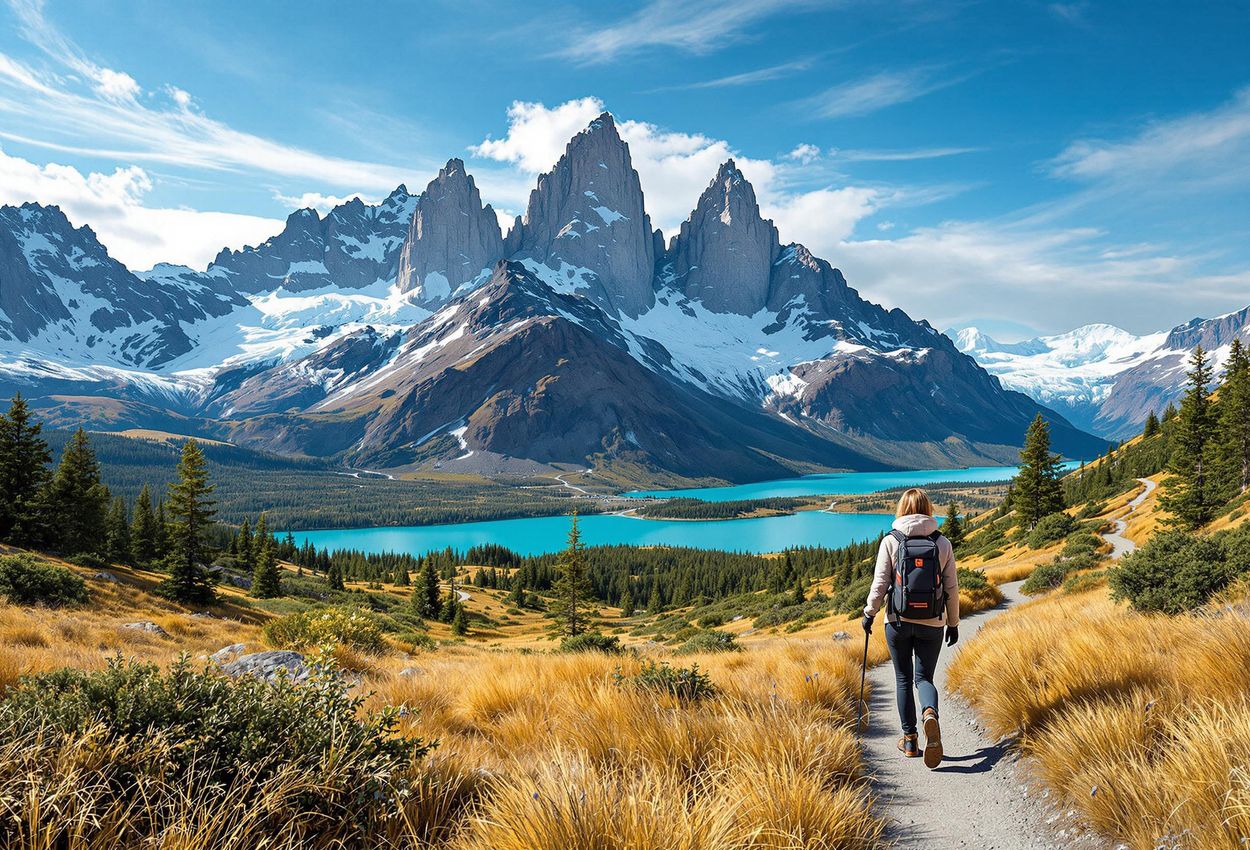
El Chalté, nestled at the foot of the majestic Fitz Roy massif, is rightfully known as the 'Hiking Capital' of Argentina. This charming village serves as the starting point for numerous trails, ranging from easy day hikes to challenging multi-day treks. The most iconic hike is undoubtedly the Laguna de los Tres trail, which leads to a eathtaking viewpoint directly facing the iconic Fitz Roy Mountain. As of October 2024, a new entry fee has been implemented for this trail, so be sure to check the latest regulations before you go.
The Laguna de los Tres trail offers several access gates, including Los Cóndores, Base Fitz Roy, and Río Eléctrico. The most popular route begins near the visitor center in El Chalté and climbs steadily through forests and across rocky terrain. The final ascent to the Laguna de los Tres is steep and challenging, but the reward is well worth the effort. As you crest the ridge, the awe-inspiring sight of Fitz Roy, with its jagged peaks and glaciers, will leave you speechless. The turquoise waters of the Laguna de los Tres add to the scene's ethereal beauty.
For those seeking a longer adventure, camping options are available along the Laguna de los Tres trail. Campamento Poincenot and Campamento Capri are two popular campsites, offering basic facilities such as toilets and water sources. However, it's essential to be self-sufficient, as there are no stores or services available at the campsites. ing your own tent, sleeping bag, cooking equipment, and food. Be prepared for unpredictable weather, as conditions in the mountains can change rapidly. Even on a sunny day, strong winds and sudden showers are possible. Pack layers of clothing, including waterproof and windproof gear, to stay comfortable and protected.
Before embarking on any hike in El Chalté, it's advisable to register at the ranger station. The rangers can provide you with the latest information on trail conditions, weather forecasts, and safety regulations. They can also offer valuable advice on choosing the right trail for your fitness level and experience. Remember to leave no trace behind. Pack out all your trash, stay on marked trails, and respect the natural environment. By following these simple guidelines, you can help preserve the beauty of El Chalté for future generations.
Torres del Paine's W Trek: A Hiker's Paradise
The W Trek in Torres del Paine National Park, Chile, is a world-renowned hiking experience that attracts adventurers from across the globe. This iconic trek takes you through the heart of the park, showcasing its most stunning landscapes, including towering granite peaks, turquoise lakes, and ancient glaciers. Unlike some other popular treks, there are no official permits required for the W Trek itself. However, it's crucial to understand that there are capacity limitations on lodging within the park, and reservations are essential, especially during peak season.
The W Trek typically takes four to five days to complete, covering a distance of approximately 80 kilometers. The route is shaped like a 'W,' with each leg exploring a different valley within the park. One of the highlights is the Grey Glacier, a massive ice formation that calves into the icy waters of Grey Lake. You can hike to viewpoints overlooking the glacier or take a boat trip to get a closer look. Another must-see is the French Valley, a U-shaped valley surrounded by towering granite walls and hanging glaciers. The hike to the French Valley viewpoint is challenging but rewarding, offering panoramic views of the park's dramatic scenery. And, of course, the iconic towers themselves are the grand finale of the W Trek. The hike to the base of the towers is strenuous, involving a steep climb over rocky terrain, but the sight of these majestic granite spires piercing the sky is an unforgettable experience.
Accommodation options along the W Trek range from refugios (mountain huts) to campsites and even glamping sites. Refugio Grey, Refugio Paine Grande, and EcoCamp Patagonia are popular choices, offering comfortable beds, hot meals, and stunning views. For a more private experience, consider booking one of the Cuernos Cabins, which offer cozy accommodations with en-suite bathrooms and stunning views of the surrounding landscape. If you prefer camping, several campsites are available along the W Trek, but reservations are required.
The weather in Torres del Paine can be unpredictable, with strong winds and sudden changes in temperature. Be prepared for all types of conditions by packing layers of clothing, including waterproof and windproof gear. Sturdy hiking boots are essential, as the terrain can be rocky and uneven. Before embarking on the W Trek, it's advisable to undergo some pre-trip training to prepare your body for the long distances and challenging terrain. Focus on building your cardiovascular fitness and strengthening your leg muscles. Practice hiking with a weighted backpack to simulate the conditions you'll encounter on the trail. And don't forget to eak in your hiking boots to avoid blisters.
Local Tip: To avoid the crowds, consider hiking the W Trek during the shoulder seasons (October-November or March-April). The weather may be slightly cooler, but you'll have more solitude and enjoy lower prices.
Kayaking the Glacial Waters: Perito Moreno and Beyond
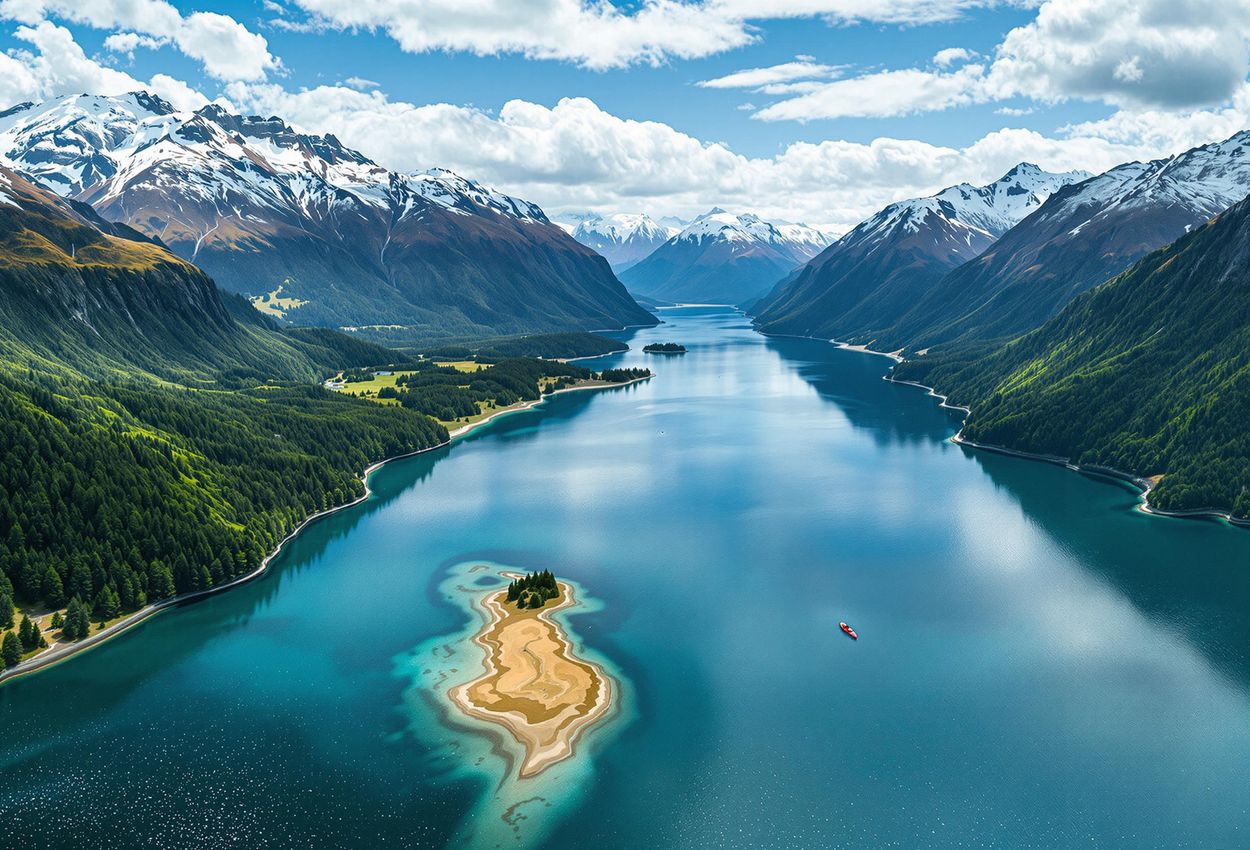
Kayaking in Patagonia offers a unique and unforgettable way to experience the region's stunning glacial landscapes. Imagine paddling through turquoise waters, surrounded by towering ice formations, and getting up close to some of the world's most magnificent glaciers. One of the most popular kayaking destinations is the Perito Moreno Glacier in Argentina. Several tour operators offer kayaking excursions that allow you to paddle along the face of the glacier, marveling at its immense size and the thunderous sound of ice calving into the lake. The turquoise waters of Lago Argentino provide a stunning backdrop for this unforgettable experience.
Beyond Perito Moreno, Patagonia offers a wealth of other kayaking opportunities. In Torres del Paine National Park, you can kayak on Grey Lake, paddling past towering icebergs and getting a unique perspective on the Grey Glacier. The Cochrane River, located in the Aysé region of Chile, is another popular kayaking destination, offering pristine waters and stunning mountain scenery. And in Tierra del Fuego, you can kayak on the Beagle Channel, exploring remote islands and spotting abundant marine life.
Kayaking in Patagonia is not only about the stunning scenery but also about the opportunity to encounter wildlife. As you paddle through the icy waters, keep an eye out for penguins, cormorants, seals, and even whales. The Beagle Channel, in particular, is known for its abundant marine life, offering a chance to see these amazing creatures up close. Whether you're an experienced kayaker or a beginner, Patagonia has something to offer. Several tour operators provide guided kayaking trips, with all the necessary equipment and instruction. They can tailor the experience to your skill level and ensure your safety on the water.
Hidden Gem: For a truly unique kayaking experience, consider paddling to the Upsala Glacier. This remote glacier is located in a secluded arm of Lago Argentino and is only accessible by boat or kayak. The journey to the glacier is an adventure in itself, taking you through narrow channels and past towering icebergs. The sight of the Upsala Glacier, with its immense size and pristine beauty, is a reward well worth the effort.
Hidden Gems: Kayaking the Marble Caves
Nestled on the shores of General Carrera Lake (also known as Lake Buenos Aires), the Marble Caves are a geological marvel that must be seen to be believed. These stunning formations have been carved by the relentless action of the lake's turquoise waters over thousands of years, creating a network of caves, tunnels, and columns of pure marble. The opportunity to kayak through these caves is an experience that is both surreal and awe-inspiring.
Reaching the Marble Caves requires a journey to Puerto Río Tranquilo, a small town located on the western shore of General Carrera Lake. From there, you can hire a boat or kayak to take you to the caves. The boat trip is a scenic adventure in itself, offering stunning views of the lake and the surrounding mountains. As you approach the caves, you'll be mesmerized by the swirling patterns and viant colors of the marble.
Kayaking inside the Marble Caves is an unforgettable experience. The crystal-clear waters of the lake allow you to see the intricate details of the marble formations, while the sunlight filtering through the caves creates a magical atmosphere. As you paddle through the caves, you'll be surrounded by smooth, polished walls of marble, reflecting the turquoise waters in a kaleidoscope of colors. The caves vary in size and shape, some narrow and intimate, others vast and cathedral-like.
The Marble Caves are a delicate ecosystem, and it's important to treat them with respect. Avoid touching the marble formations, as the oils from your skin can damage them. Stay on designated kayaking routes and follow the instructions of your guide. By following these simple guidelines, you can help preserve the beauty of the Marble Caves for future generations.
Local Tip: The colors of the Marble Caves are most viant on sunny days when the sunlight reflects off the water. Try to plan your visit for a day with clear skies to experience the caves at their best.

Glamping Under the Stars: Luxurious Nature Retreats
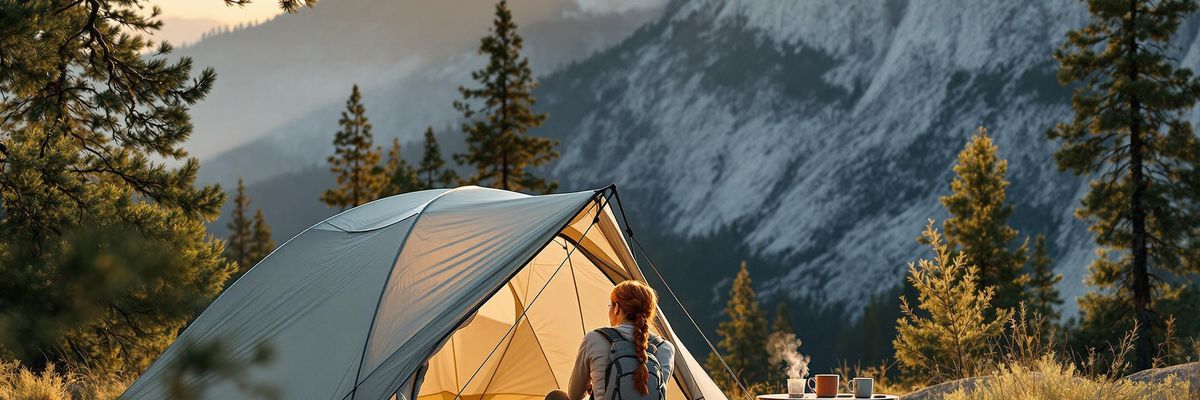
For those who crave a connection with nature without sacrificing comfort and luxury, glamping in Patagonia is the perfect option. Several eco-retreats throughout the region offer unique accommodations that blend seamlessly with the surrounding landscape, allowing you to immerse yourself in the beauty of Patagonia while enjoying all the amenities of a high-end hotel. EcoCamp Patagonia in Torres del Paine National Park is a pioneering glamping destination, offering sustainable accommodations in geodesic domes. These cozy domes are equipped with comfortable beds, private bathrooms, and stunning views of the surrounding mountains. Patagonia Camp, located near Lake Toro, offers luxurious yurts with private hot tubs and gourmet dining experiences.
Glamping in Patagonia is not just about the luxurious accommodations; it's also about the opportunity to connect with nature. Many glamping sites offer activities such as trekking, kayaking, horseback riding, and wildlife viewing. At night, you can stargaze under the clear Patagonian skies, marveling at the illiance of the Milky Way. The remote location of many glamping sites ensures minimal light pollution, allowing you to see the stars with unparalleled clarity.
Other notable glamping sites in Patagonia include Bóreas Ecoluxury Glamping, located near El Calafate, and Chalten Camp, located in El Chalté. Each site offers a unique experience, with its own set of amenities and activities. Whether you're looking for a romantic getaway, a family adventure, or a solo retreat, glamping in Patagonia offers an unforgettable way to experience the region's natural beauty.
Hidden Gem: For a truly unique glamping experience, consider staying at a working estancia (ranch) in Patagonia. Some estancias offer luxurious accommodations in traditional Patagonian farmhouses, allowing you to experience the gaucho culture firsthand. You can participate in activities such as horseback riding, sheep shearing, and traditional cooking classes.
Local Tip: Be sure to pack warm clothing, even if you're traveling during the summer months. The weather in Patagonia can be unpredictable, and temperatures can drop significantly at night. A warm jacket, hat, and gloves are essential for staying comfortable while glamping under the stars.
Aysé's Waterways: Kayaking Through Untouched Patagonia
The Aysé region in Chile is a hidden gem for kayakers, offering a vast network of pristine waterways and untouched wilderness. This sparsely populated region is characterized by its rugged coastline, deep fjords, and towering mountains, providing endless opportunities for exploration and adventure. Sea kayaking is particularly popular in Aysé, allowing you to paddle along the coast, exploring hidden coves and remote islands.
The Marble Caves, mentioned earlier, are located in the Aysé region and are a must-see for any kayaker visiting the area. The Baker River, Chile's largest river by volume, is another popular kayaking destination, offering challenging rapids and stunning scenery. Several tour operators offer guided kayaking expeditions on the Baker River, with all the necessary equipment and instruction.
Kayaking in Aysé is not for the faint of heart. The weather can be unpredictable, and the waters can be challenging. However, the rewards are well worth the effort. As you paddle through the pristine waterways, you'll be surrounded by untouched wilderness, with towering mountains, ancient forests, and abundant wildlife. You may encounter dolphins, seals, whales, and a variety of seabirds.
Hidden Gem: For a truly remote kayaking experience, consider exploring the fjords of the Aysé region. These deep, narrow inlets are carved by glaciers and offer stunning scenery and abundant wildlife. Several tour operators offer multi-day kayaking expeditions to the fjords, with camping on remote beaches and exploring hidden coves.
Estancia Glamping: Gaucho Culture and Luxury
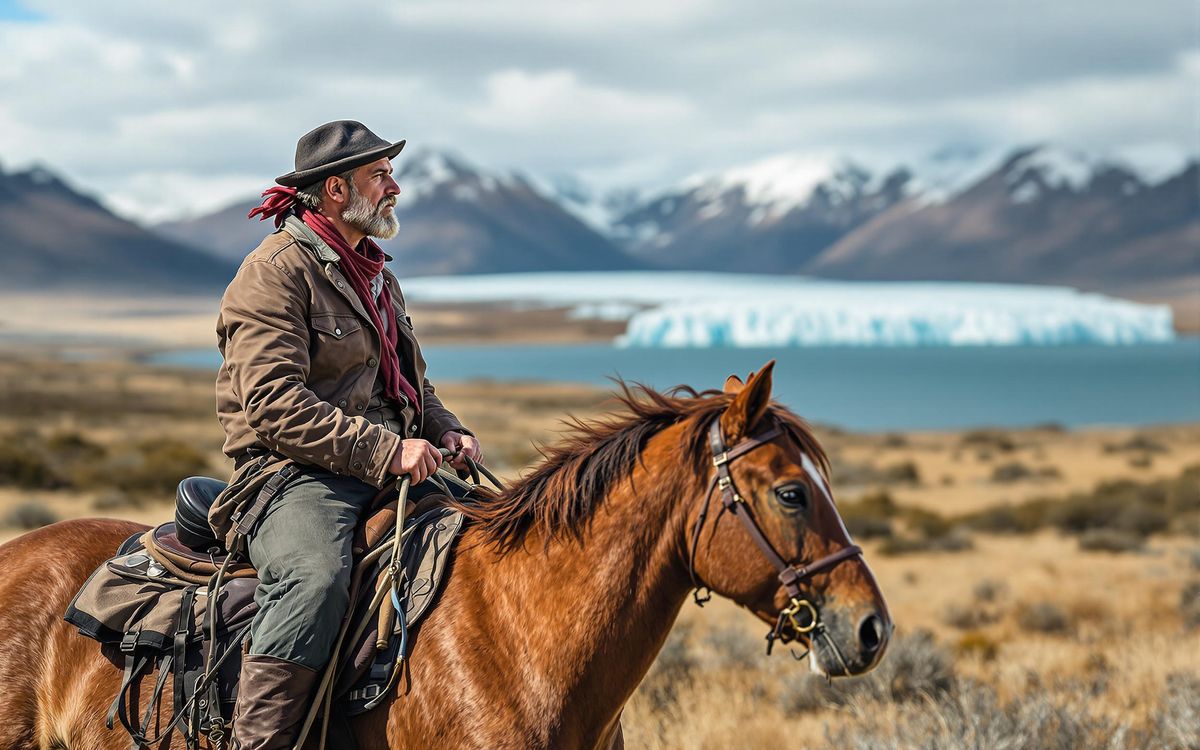
Combine the allure of Patagonian glamping with the rich traditions of gaucho culture by staying at an estancia that offers luxurious camping experiences. Moreno Camp, nestled within Estancia Cerro Moreno, provides just such an opportunity. Located in a scenic area, this glamping site boasts incredible views of the Perito Moreno Glacier and the Magallanes Peninsula.
Guests at Moreno Camp can immerse themselves in the daily life of a traditional Patagonian ranch. Participate in gaucho activities like horseback riding, sheep shearing, and cattle herding. Learn about the history and culture of the gauchos, the iconic cowboys of Argentina, and their deep connection to the land.
The cuisine at Moreno Camp is another highlight, featuring locally sourced ingredients and traditional Patagonian dishes. Savor the flavors of grilled lamb, empanadas, and other regional specialties, prepared with care and served in a cozy dining setting.
Hidden Gem: Take a horseback riding excursion to a remote viewpoint overlooking the Perito Moreno Glacier. The views are especially stunning at sunset, when the glacier is bathed in golden light. This is a truly unforgettable way to experience the beauty of Patagonia.
Local Tip: Be sure to ing comfortable clothing and sturdy shoes for participating in gaucho activities. A wide-immed hat and sunscreen are also essential for protecting yourself from the sun.
Tierra del Fuego: Kayaking at the World's End
Tierra del Fuego, the archipelago at the southernmost tip of South America, offers a unique and challenging kayaking experience. Paddling through the Beagle Channel, you'll be surrounded by stunning scenery, including snow-capped mountains, ancient forests, and pristine waters. The Beagle Channel is also home to abundant marine life, including penguins, seals, whales, and dolphins.
Several tour operators offer guided kayaking trips on the Beagle Channel, with all the necessary equipment and instruction. These trips typically include visits to nearby islands, where you can observe wildlife and learn about the region's history. You can also combine kayaking with hiking in the surrounding area, exploring the rugged terrain and enjoying panoramic views.
Kayaking in Tierra del Fuego is not for the faint of heart. The weather can be unpredictable, and the waters can be challenging. However, the rewards are well worth the effort. As you paddle through the Beagle Channel, you'll feel a sense of accomplishment and awe at the beauty and remoteness of this unique destination.
Hidden Gem: Take a kayaking trip to a remote penguin colony. Several islands in the Beagle Channel are home to large colonies of Magellanic penguins. Kayaking to these islands allows you to observe the penguins in their natural habitat, without disturbing them.
Local Tip: Be sure to pack warm clothing, including waterproof and windproof gear. The weather in Tierra del Fuego can be cold and wet, even during the summer months. A hat, gloves, and scarf are also essential for staying comfortable.

Planning Your Patagonia Trip: Permits, Weather, and Gear
Planning a trip to Patagonia requires careful consideration of several factors, including permits, weather conditions, and essential gear. While there are no permits required for entry into Patagonia itself, some national parks and reserves may require permits for trekking and camping. Be sure to check the specific requirements for the areas you plan to visit and book your permits in advance, especially during peak season.
The weather in Patagonia is notoriously unpredictable, with strong winds, sudden changes in temperature, and frequent rainfall. Be prepared for all types of conditions by packing layers of clothing, including waterproof and windproof gear. Sturdy hiking boots are essential, as the terrain can be rocky and uneven. Sunscreen, sunglasses, and a hat are also important for protecting yourself from the sun, even on cloudy days.
Booking accommodations and tours in advance is highly recommended, especially if you're traveling during peak season (December to Feuary). Many popular hotels and campsites fill up months in advance, so don't delay making your reservations. It's also wise to carry sufficient cash, as ATMs can be scarce, especially in smaller towns and remote areas. Credit cards are accepted in some establishments, but cash is often preferred, particularly for smaller transactions and local services.
Hidden Gem: Consider traveling to Patagonia during the shoulder seasons (October-November or March-April). The weather may be slightly cooler, but you'll have fewer crowds and lower prices. You'll also have a better chance of spotting wildlife, as many animals are more active during these times of year.
Local Tip: Learn a few basic Spanish phrases before you go. While English is spoken in some tourist areas, knowing some Spanish will help you communicate with locals and enhance your overall experience.