The Inca Trail. Just the name evokes a sense of adventure, a whisper of ancient civilizations, and the promise of eathtaking landscapes. This legendary path, winding its way through the Andes Mountains to the lost city of Machu Picchu, is more than just a hike; it's a pilgrimage into the heart of Inca history and culture.
Unveiling the Inca Trail: A Journey Through Time
The Inca Trail is not merely a hiking route; it's a meticulously engineered pathway etched into the very faic of the Andes. As part of the Qhapaq Ñan, the extensive Inca road system that once spanned thousands of kilometers, the trail served as a vital artery for the Inca Empire. Imagine couriers racing across these stones, carrying messages between distant cities, armies marching to secure the empire's borders, and religious processions making their way to sacred sites. The trail hummed with the pulse of a civilization that valued order, precision, and a deep connection to the land.
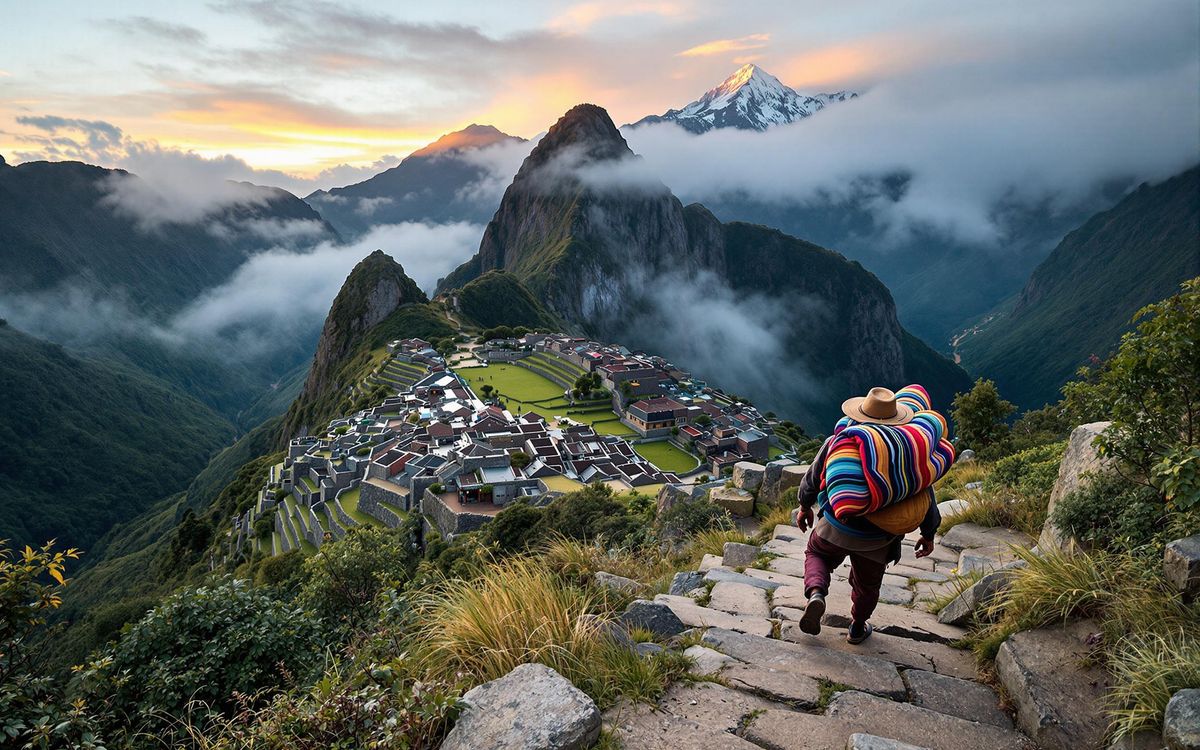
The trail's purpose was multifaceted, encompassing religious, political, and economic functions. It facilitated the movement of goods, the administration of the empire, and the performance of sacred rituals. Machu Picchu itself, shrouded in mist and perched high above the Urubamba River, holds immense cultural significance. Believed to have been a royal estate or a sacred ceremonial site, its intricate stonework and strategic location speak volumes about the Inca's architectural prowess and spiritual beliefs.
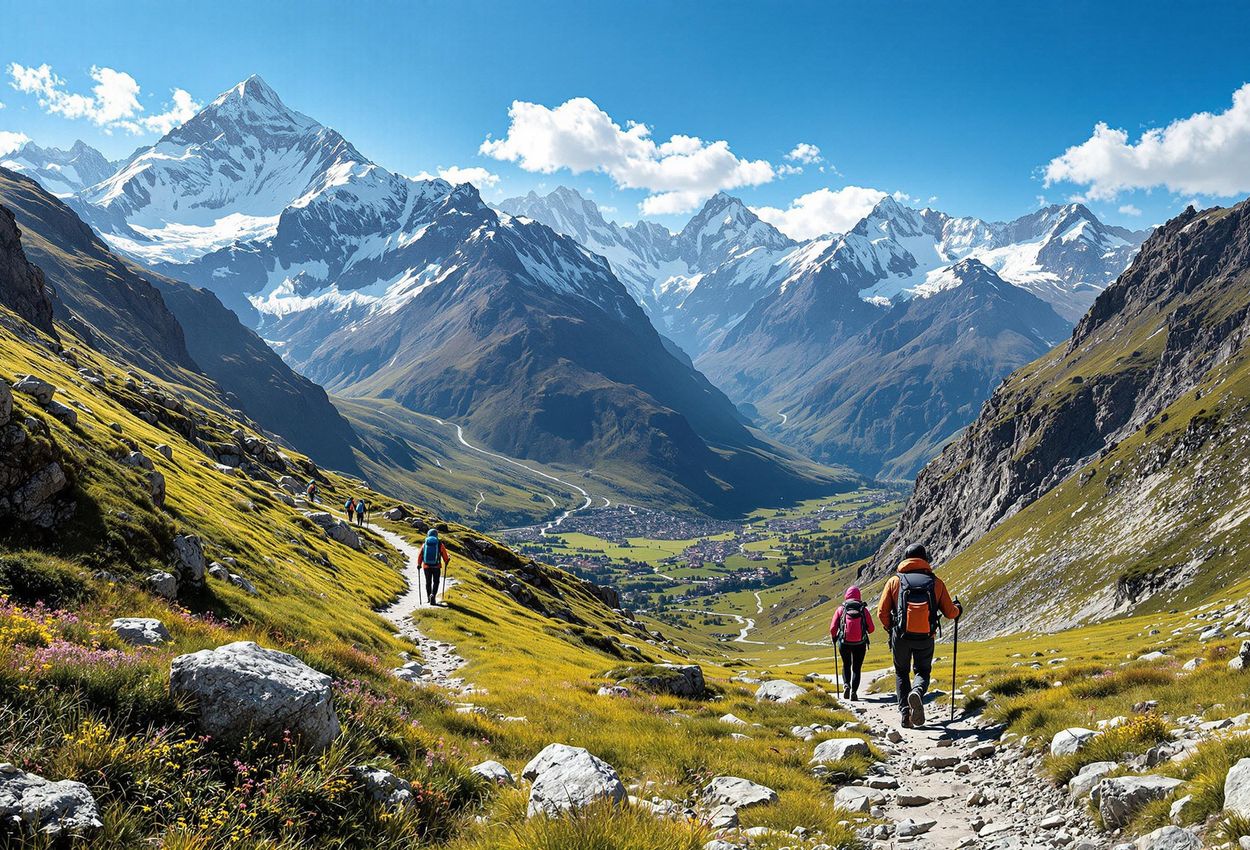
As you traverse the trail, you'll be enveloped in a sensory tapestry of the Andean landscapes. The crisp mountain air fills your lungs, carrying the scent of eucalyptus and damp earth. Towering peaks pierce the sky, their snow-capped summits gleaming in the sunlight. Lush cloud forests teem with life, their viant green foliage contrasting against the stark gray of the ancient stones. The rush of the river echoes through the valleys, a constant reminder of the powerful forces that shaped this land.
And then there are the ruins. Scattered along the trail, these remnants of Inca ingenuity offer glimpses into a bygone era. Walls of perfectly fitted stones, temples dedicated to the sun and the moon, and terraces carved into the mountainside stand as testaments to the Inca's mastery of engineering and agriculture. Each stone whispers stories of emperors and priests, farmers and artisans, who once walked these paths and shaped this land.
Hikers can expect a challenging yet rewarding journey, a physical and spiritual immersion into the heart of the Inca world. From the bustling city of Cusco to the awe-inspiring citadel of Machu Picchu, every step is a revelation, every vista a masterpiece. Prepare to be humbled by the grandeur of the Andes, inspired by the ingenuity of the Inca, and transformed by the sheer beauty of this ancient trail.
Navigating Permit Regulations: Your Ticket to Adventure
Securing an Inca Trail permit is akin to obtaining a golden ticket u2013 a coveted pass to an unforgettable adventure. However, the path to acquiring this ticket requires careful planning and diligent execution. The Peruvian government strictly regulates access to the trail to preserve its delicate ecosystem and protect its archaeological treasures. Only 500 permits are issued per day, a figure that includes not only tourists but also guides, porters, and cooks. This means that only around 200 permits are available for travelers eager to experience this iconic trek.
Given the limited availability, booking well in advance is not merely recommended; it's essential. For those planning to hike during the peak season (May to September), securing a permit at least six months ahead of time is crucial. Permits are typically released in October of the previous year, so mark your calendars and be prepared to act swiftly. The most popular dates, particularly those coinciding with holidays and festivals, sell out within days, if not hours.
Independent hiking on the Inca Trail is strictly prohibited. To obtain a permit, you must book through an authorized tour operator. Numerous reputable companies specialize in Inca Trail treks, each offering varying levels of service and itineraries. Some popular and well-regarded operators include Alpaca Expeditions, TreXperience, G Adventures, and Action Peru Treks. Research your options carefully, read reviews, and choose a company that aligns with your preferences and budget.
When booking your trek, be prepared to provide essential documentation, including your full name, passport number, nationality, and date of birth. It's imperative to ensure that the information you provide matches your passport exactly, as any discrepancies can lead to permit rejection. Keep in mind that Inca Trail permits are non-refundable and non-transferable. Once issued, they cannot be canceled or transferred to another person. Therefore, it's crucial to finalize your travel plans and confirm your availability before booking.
The permit system is designed to protect the trail and ensure a sustainable tourism experience. By limiting the number of hikers and requiring the use of authorized tour operators, the Peruvian government aims to minimize environmental impact, preserve archaeological sites, and support local communities. While the permit process may seem daunting, it's a necessary step in preserving this remarkable cultural and natural treasure for generations to come. So, plan ahead, book early, and prepare to embark on the adventure of a lifetime.
Cultural Immersion: Respecting Inca Heritage
Hiking the Inca Trail is not just a physical challenge; it's an opportunity for profound cultural immersion. As you traverse this ancient pathway, you're walking in the footsteps of the Inca, connecting with a civilization that revered the natural world and possessed a deep understanding of its rhythms. To fully appreciate this experience, it's essential to approach the trail with respect and a willingness to learn about Inca culture and traditions.
The Inca Trail was more than just a road; it was a pilgrimage route, a sacred pathway connecting communities and facilitating spiritual journeys. As you hike, consider the significance of the sites you encounter, the temples and shrines where the Inca worshipped their gods. Take time to reflect on the ingenuity and resilience of this civilization, their ability to build and thrive in such a challenging environment.
Your guides are invaluable resources for understanding Inca history and worldview. Engage with them, ask questions, and listen attentively to their stories. They can provide insights into Inca beliefs, customs, and social structures, enriching your understanding of the trail's cultural significance. They can explain the importance of the sun god Inti, the earth mother Pachamama, and the various deities that shaped Inca life.
Preserving archaeological sites is paramount. Avoid touching or climbing on Inca constructions, as even the slightest contact can cause damage over time. Stay on designated trails and avoid disturbing the surrounding vegetation. Remember that you are a guest in this sacred space, and it's your responsibility to minimize your impact.
Responsible tourism practices are crucial for protecting the Inca Trail's cultural and natural heritage. Leave no trace behind. Pack out all your trash, dispose of waste properly, and avoid using single-use plastics. Support local communities by purchasing locally made crafts and souvenirs, and by patronizing local restaurants and businesses.
One specific cultural detail to be aware of is the significance of coca leaves in Andean culture. Coca leaves have been used for centuries by indigenous communities for medicinal, religious, and social purposes. Chewing coca leaves can help alleviate altitude sickness and provide a boost of energy. Your guides may offer you coca leaves during the trek, and it's considered polite to accept. However, be mindful of local customs and avoid consuming coca leaves in excessive amounts or outside of appropriate contexts. Emace the opportunity to learn, to connect, and to leave a positive impact on the communities and landscapes you encounter.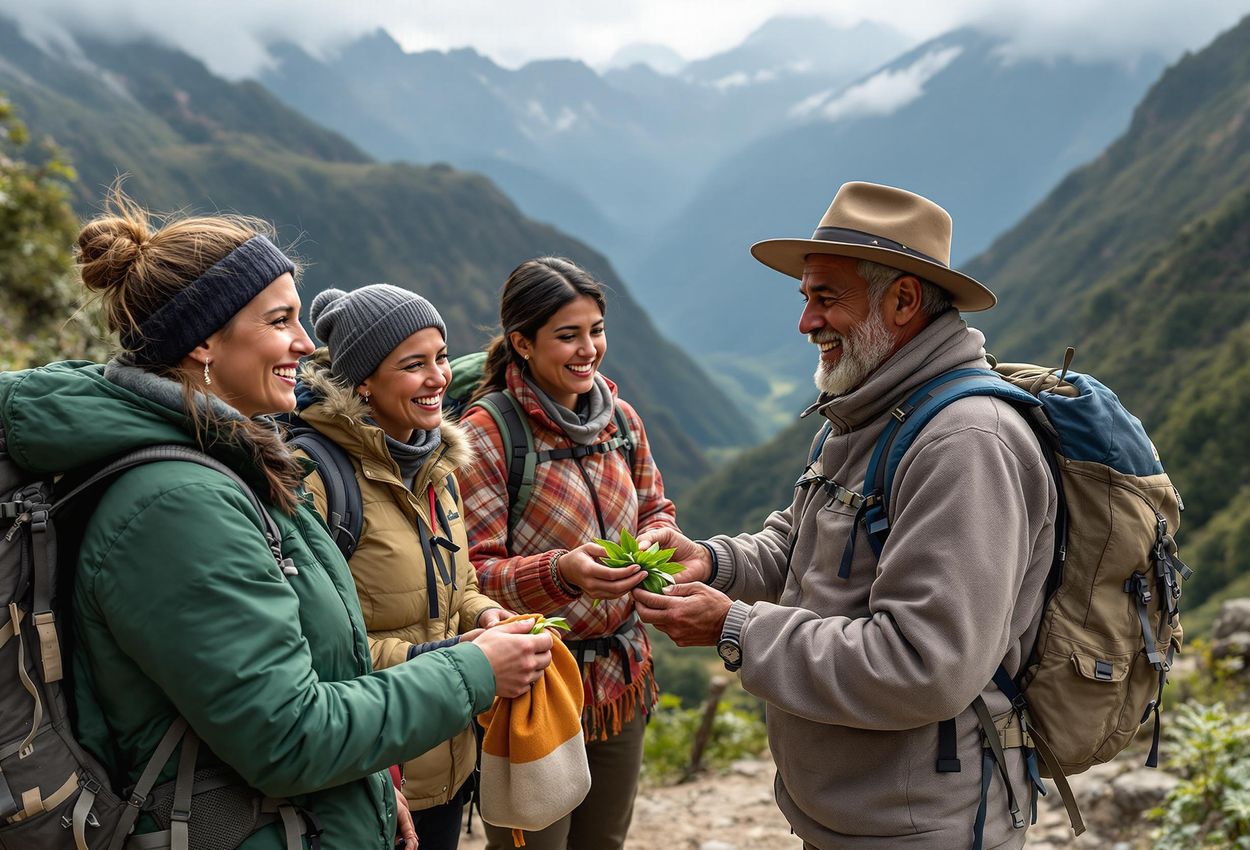
Acclimatization Strategies: Preparing Your Body for the Altitude
Hiking the Inca Trail is a strenuous activity, made even more challenging by the high altitude. The trail reaches elevations of over 4,200 meters (13,800 feet), where the air is thin and oxygen levels are significantly lower than at sea level. Proper acclimatization is essential for preventing altitude sickness and ensuring a safe and enjoyable trek.
The city of Cusco, the gateway to the Inca Trail, sits at an elevation of 3,400 meters (11,200 feet). Spending at least two to three days in Cusco prior to starting the trek is highly recommended. This allows your body to gradually adjust to the lower oxygen levels and reduce the risk of altitude sickness.
During your acclimatization period, engage in light exercise, such as walking around the city and exploring its historical sites. Avoid strenuous activities that can put excessive strain on your body. Drink plenty of water to stay hydrated, and avoid alcohol and smoking, as these can exacerbate the symptoms of altitude sickness.
Altitude sickness can manifest in various ways, including headache, nausea, dizziness, fatigue, and shortness of eath. If you experience any of these symptoms, it's important to rest and avoid further exertion. Inform your guide immediately, as they are trained to recognize and treat altitude sickness. In severe cases, medical attention may be necessary.
Consult your doctor about altitude sickness medication, such as Diamox (acetazolamide). This medication can help your body acclimatize to the altitude more quickly and reduce the severity of symptoms. However, it's important to discuss the potential side effects with your doctor before taking any medication. Remember, prevention is always better than cure. By taking the time to acclimatize properly, you can significantly reduce your risk of altitude sickness and enjoy a safer and more rewarding Inca Trail experience.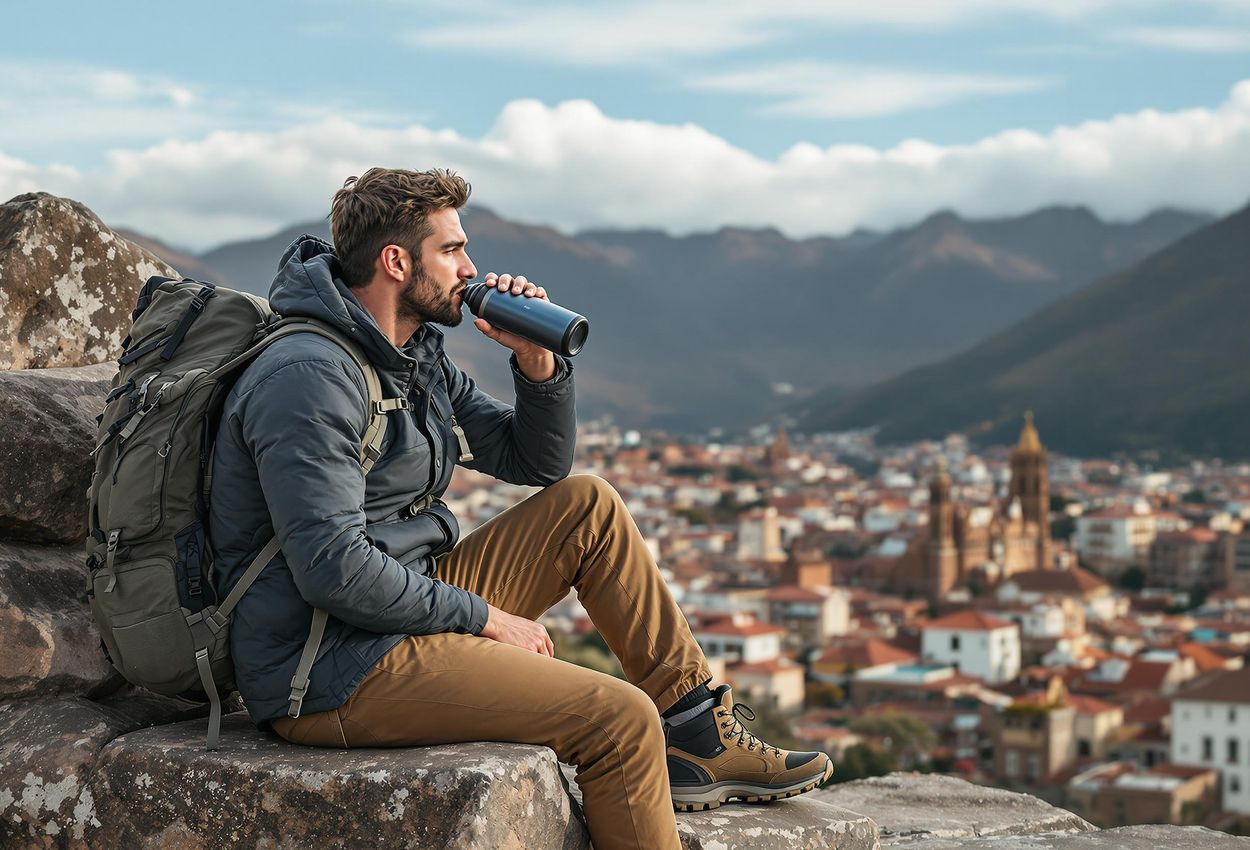
Responsible Tourism: Minimizing Your Impact on the Inca Trail
The Inca Trail is a fragile ecosystem, home to a diverse array of flora and fauna. As visitors, it's our responsibility to minimize our impact on the environment and ensure that this natural treasure is preserved for future generations. Responsible tourism practices are essential for protecting the trail's ecological integrity and supporting local communities.
Protecting flora and fauna is paramount. Avoid picking flowers, disturbing plants, or feeding animals. Stay on designated trails and avoid trampling on vegetation. Be mindful of your surroundings and avoid disturbing wildlife habitats. Remember that you are a guest in their home, and it's your responsibility to respect their space.
Littering is strictly prohibited. Pack out all your trash, including food wrappers, plastic bottles, and cigarette butts. Use designated waste disposal facilities whenever possible. If none are available, carry your trash with you until you reach a suitable disposal point. Consider using refillable water bottles and water purification tablets to reduce plastic waste. Plastic water bottles are a significant source of pollution on the Inca Trail, and by using refillable bottles, you can help minimize this impact.
Promote the use of biodegradable soap and toiletries. Conventional soaps and shampoos can contain harmful chemicals that can pollute water sources and harm aquatic life. Biodegradable alternatives are readily available and can significantly reduce your environmental impact. Support local communities through purchasing local products and services. By buying souvenirs and crafts from local artisans, you can help support their livelihoods and preserve their cultural heritage.
Ethical treatment of porters is crucial. Ensure that the tour operator you choose adheres to fair labor practices, including paying porters fair wages and providing them with adequate food and shelter. Be mindful of weight limits and avoid overloading porters with excessive baggage. The standard weight limit for porters is around 14 kg (30 lbs), and it's important to respect this limit to prevent injuries and ensure their well-being. Overtourism is a growing concern on the Inca Trail. To mitigate its impact, consider traveling during the shoulder season (April-May or September-October), when the trail is less crowded. Choose tour operators that prioritize sustainable practices and support local communities. By making conscious choices about how you travel, you can help ensure that the Inca Trail remains a viant and sustainable destination for generations to come.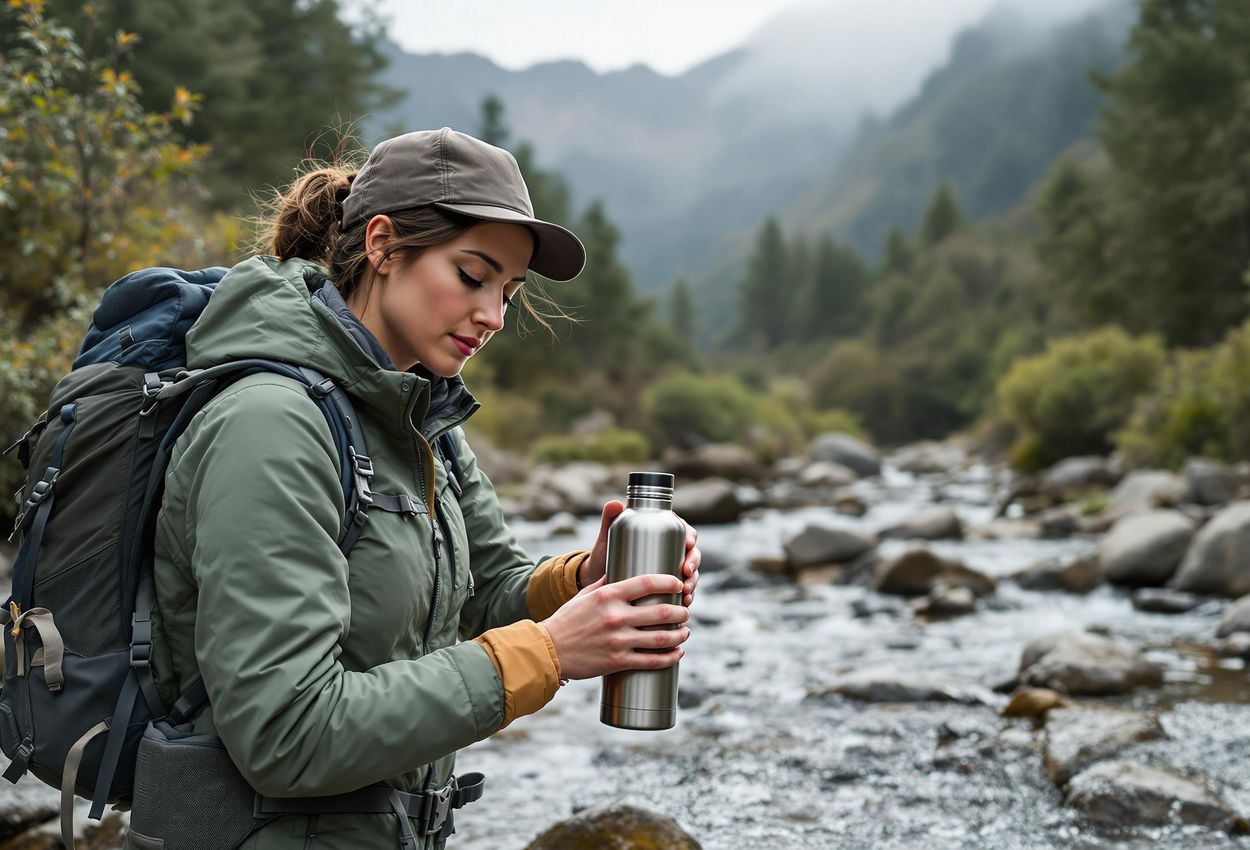
Packing Essentials: Gear Up for a Transformative Hike
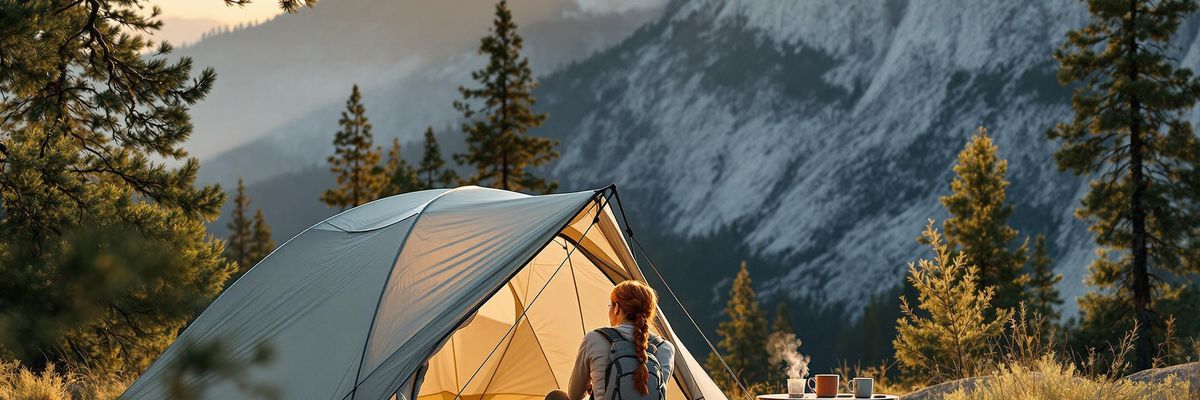
Proper packing is essential for a comfortable and successful Inca Trail trek. The weather in the Andes can be unpredictable, and you'll encounter a variety of terrain, from steep mountain passes to lush cloud forests. Having the right gear will help you stay warm, dry, and comfortable throughout the journey.
A passport is, of course, an absolute necessity. Ensure that your passport is valid for at least six months beyond your travel dates. High-quality hiking boots are a must. Choose boots that are well-oken in and provide good ankle support. Layered clothing is key. Pack moisture-wicking base layers, a fleece jacket, and a waterproof jacket to adapt to changing weather conditions. A warm sleeping bag is essential for comfortable nights in the mountains. Choose a sleeping bag that is rated for temperatures as low as 0°C (32°F).
Trekking poles can help reduce strain on your knees and improve balance on uneven terrain. A headlamp is essential for navigating campsites at night. Sunscreen and insect repellent are crucial for protecting your skin from the sun and insects. A first-aid kit should include essentials such as bandages, antiseptic wipes, pain relievers, and diarrhea medication. Your tour operator will typically provide a duffel bag for porters to carry your belongings. The weight limit for the duffel bag is around 7 kg (15 lbs). Use this space wisely and pack only essential items. Snacks for energy are important for maintaining your energy levels throughout the trek. Pack energy bars, trail mix, dried fruits, and other lightweight snacks.
Optional items include a camera for capturing the stunning scenery, binoculars for wildlife viewing, and swimwear for enjoying the hot springs in Aguas Calientes after the trek. Remember to pack light and only ing what you truly need. The less weight you carry, the more enjoyable your trek will be. By packing strategically, you can ensure that you're well-prepared for the challenges and rewards of the Inca Trail.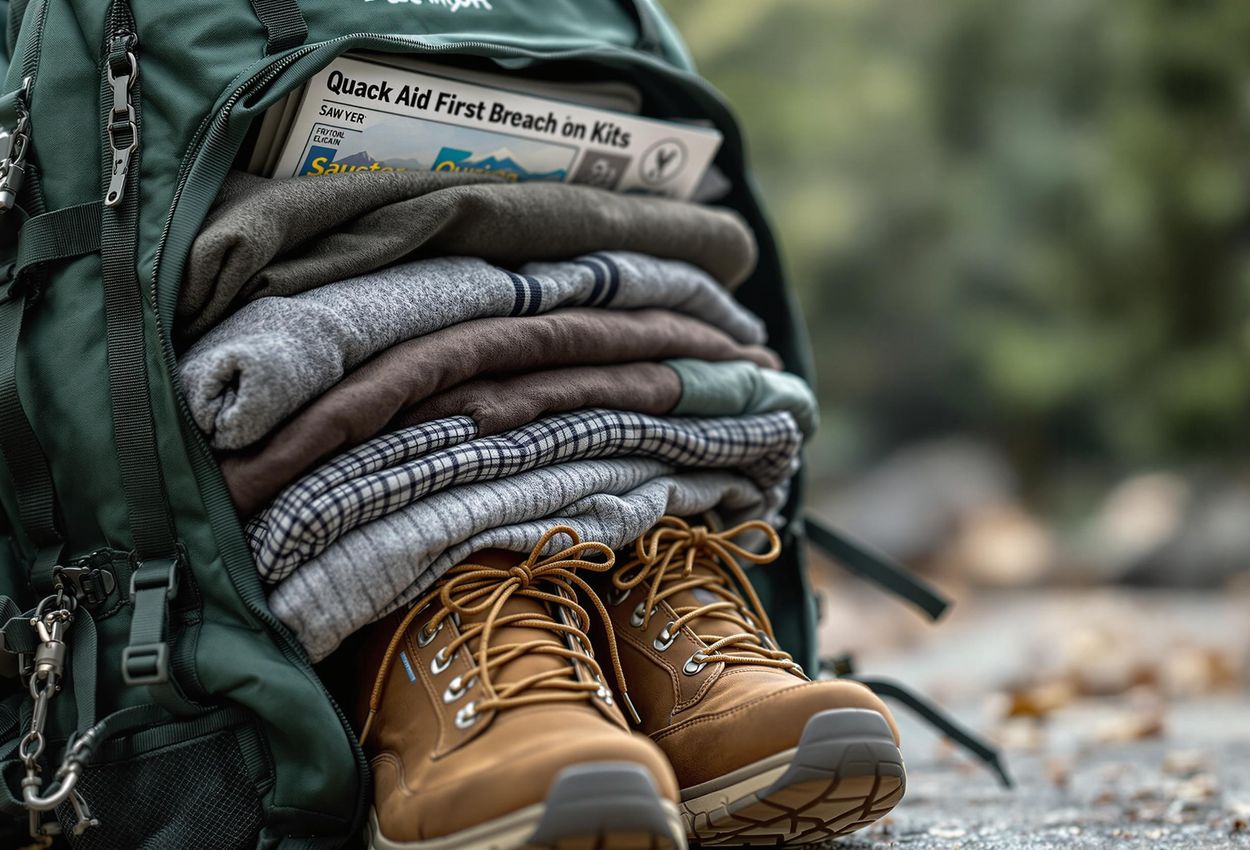
Trekking the Trail: A Day-by-Day Glimpse
The 4-day Inca Trail trek is a journey of physical and spiritual transformation. Each day ings new challenges, eathtaking vistas, and encounters with ancient history. Here's a ief overview of what to expect on each day of the trek.
Day 1: The first day involves a gradual ascent through agricultural lands and cloud forests. The scenery is lush and green, and you'll have opportunities to spot a variety of birds and other wildlife. The hike is relatively easy, but the altitude can still be challenging. Take your time, pace yourself, and drink plenty of water.
Day 2: The second day is the most challenging, as you'll be crossing Dead Woman's Pass (4,215 meters/13,828 feet), the highest point on the trek. The ascent is steep and strenuous, but the views from the top are well worth the effort. The air is thin and the weather can be unpredictable, so be prepared for cold temperatures and strong winds. Take frequent eaks and listen to your body.
Day 3: The third day involves a descent through scenic valleys, passing Inca ruins like Wiñay Wayna. The scenery is stunning, with panoramic views of the surrounding mountains. The descent can be challenging on your knees, so trekking poles are highly recommended. Explore the ruins of Wiñay Wayna, a fascinating Inca site with intricate stonework and terraced gardens.
Day 4: The fourth day is the culmination of your journey, as you arrive at Machu Picchu through the Sun Gate (Inti Punku) at dawn. As you emerge from the trail, you'll be greeted by the eathtaking sight of the lost city, shrouded in mist and bathed in the golden light of the rising sun. Spend the day exploring Machu Picchu, marveling at its architectural wonders and learning about its fascinating history. The physical demands of the trek are considerable, and it's important to pace yourself and listen to your body. Take frequent eaks, stay hydrated, and don't be afraid to ask your guide for assistance. The Inca Trail is a challenging but ultimately rewarding experience, a journey that will stay with you long after you've left the Andes.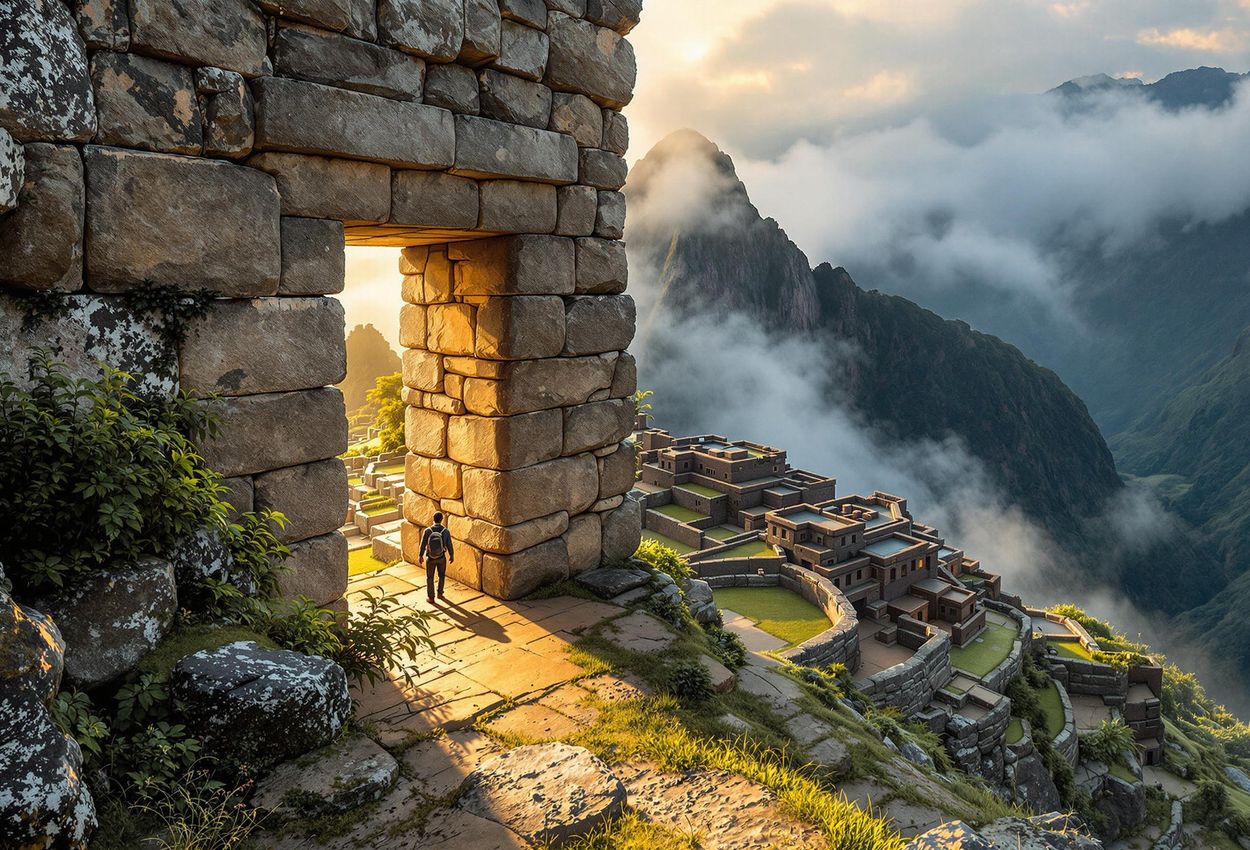
Beyond the Classic Trail: Alternative Routes to Machu Picchu
While the Inca Trail is the most famous and iconic route to Machu Picchu, it's not the only option. For those unable to secure permits or seeking a different kind of adventure, several alternative treks offer equally stunning scenery and cultural immersion.
The Salkantay Trek is a popular alternative that offers eathtaking mountain views. This trek takes you through diverse landscapes, from snow-capped peaks to lush cloud forests. The Lares Trek offers a more cultural experience, allowing you to interact with local communities and learn about their traditions. This trek takes you through remote villages and offers opportunities to experience traditional Andean culture. The Inca Quarry Trail is a less-known option that offers a unique perspective on Inca history. This trek takes you through archaeological sites and offers insights into the Inca's construction techniques.
These alternative treks do not require permits, making them a more accessible option for those who haven't booked well in advance. They also offer a different perspective on the region's beauty and history, allowing you to explore less-traveled paths and discover hidden gems. Whether you choose the classic Inca Trail or one of its alternative routes, a trek to Machu Picchu is an unforgettable experience, a journey that will challenge your body, inspire your soul, and leave you with a deep appreciation for the wonders of the Andean world.