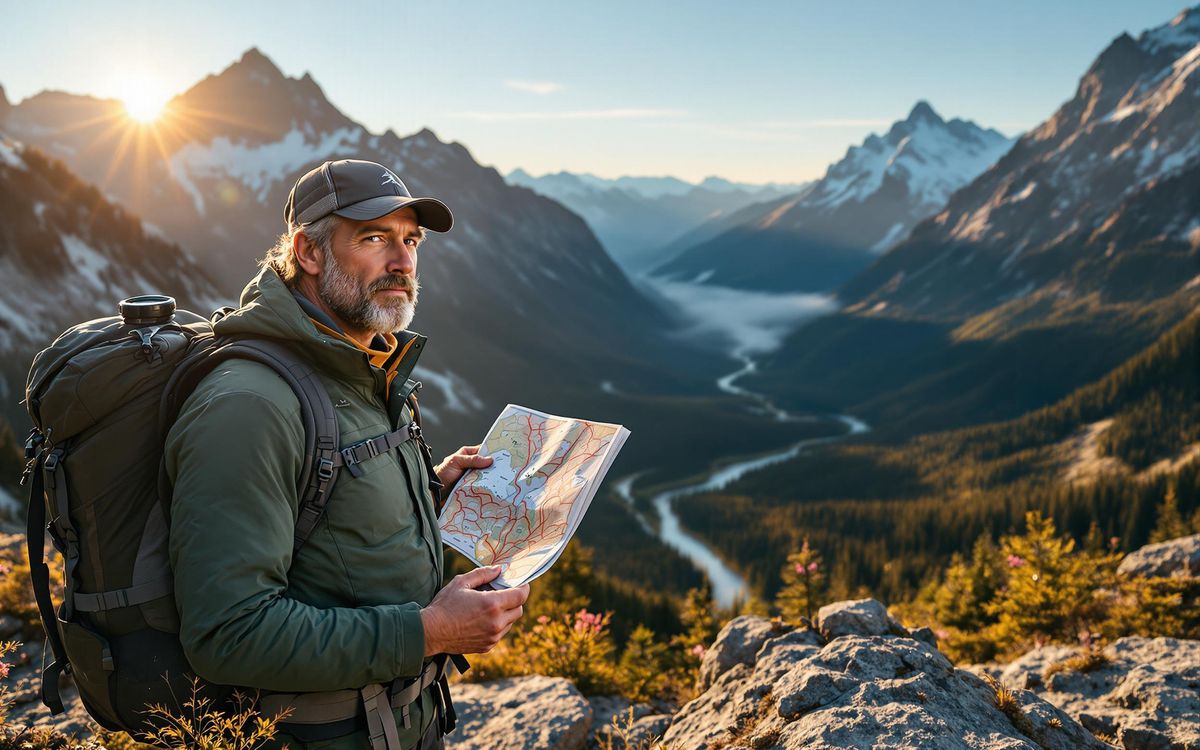
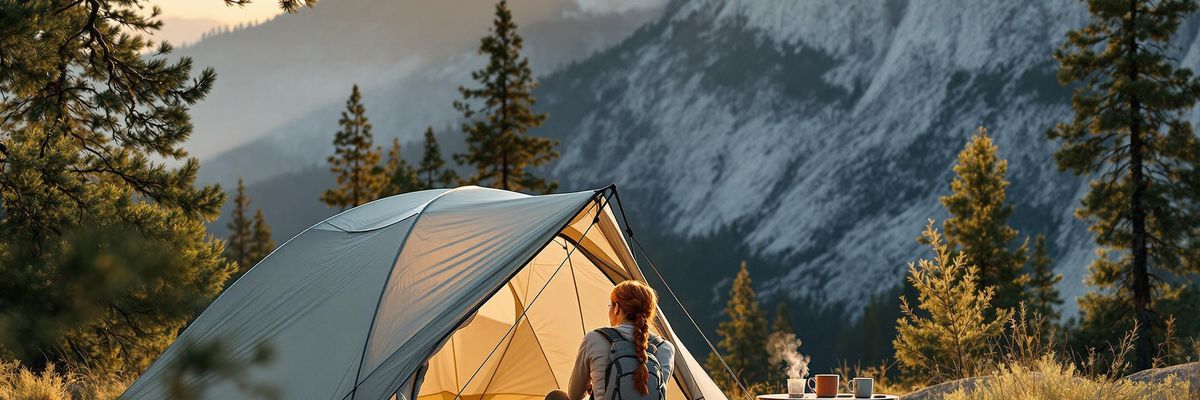
Venture into the wilderness with confidence, armed with essential survival skills that could mean the difference between a challenging experience and a life-threatening situation. From mastering navigation to building shelters, starting fires, and administering first aid, being prepared is paramount. This guide, crafted with insights from survival experts and seasoned wilderness guides, will equip you with the knowledge to stay safe and thrive in the face of the unexpected.
Before embarking on any wilderness adventure, thorough preparation is key. This includes researching your destination, understanding potential hazards, packing appropriate gear, and informing someone of your itinerary and expected return time. Remember, survival skills are not just for extreme situations; they are valuable tools for any outdoor enthusiast.
Mastering Wilderness Navigation: Finding Your Way Back
The ability to navigate effectively is arguably the most crucial survival skill. Getting lost can quickly turn a manageable situation into a dire one. Therefore, understanding how to use maps, compasses, and natural landmarks is essential.
Map Reading: Start with familiarizing yourself with topographic maps. These maps depict the terrain's elevation, allowing you to identify hills, valleys, and slopes. Learn to interpret contour lines, which connect points of equal elevation. The closer the lines, the steeper the terrain. Practice identifying landmarks on the map and relating them to your surroundings. A thorough understanding of map symbols and scales is also crucial.
Compass Use: A compass is your most reliable tool for maintaining direction. Learn how to orient your map using a compass, aligning it with true north. Understand how to take a bearing, which involves sighting a distant object and determining its direction in degrees. When traveling, regularly check your bearing to ensure you are staying on course. Be aware of declination, the difference between true north and magnetic north, and adjust your compass accordingly.
Natural Navigation: Even without a map and compass, you can use natural landmarks for orientation. The sun rises in the east and sets in the west, providing a general sense of direction. During the day, you can use the shadow of a stick to determine north and south. At night, the North Star (Polaris) can be located by following the Big Dipper's pointer stars. Mountain ranges and waterways often have predictable patterns that can be used for navigation. For instance, rivers typically flow downhill.
Staying Aware: Pay close attention to your surroundings. Notice unique rock formations, distinctive trees, and changes in vegetation. Regularly look back to see what the terrain will look like on your return journey. Leave subtle markers, such as small piles of rocks or oken twigs, to help you retrace your steps. Before venturing into unfamiliar territory, take a moment to memorize the landscape.
GPS and Satellite Communicators: While GPS devices and satellite communicators can be valuable tools, they should not be relied upon as your sole means of navigation. Batteries can die, devices can malfunction, and satellite signals can be blocked by dense foliage or mountainous terrain. Treat these devices as supplementary tools and always maintain proficiency in traditional navigation skills. A satellite communicator is invaluable for emergencies, allowing you to send SOS messages and communicate with rescuers.
Inform Someone: Before heading into the wilderness, always inform someone of your planned route, expected return time, and emergency contact information. This person can alert authorities if you fail to return as scheduled.
Local Tip: Download offline maps of the area you plan to explore. Apps like Gaia GPS or AllTrails allow you to download detailed topographic maps that can be accessed even without a cell signal.
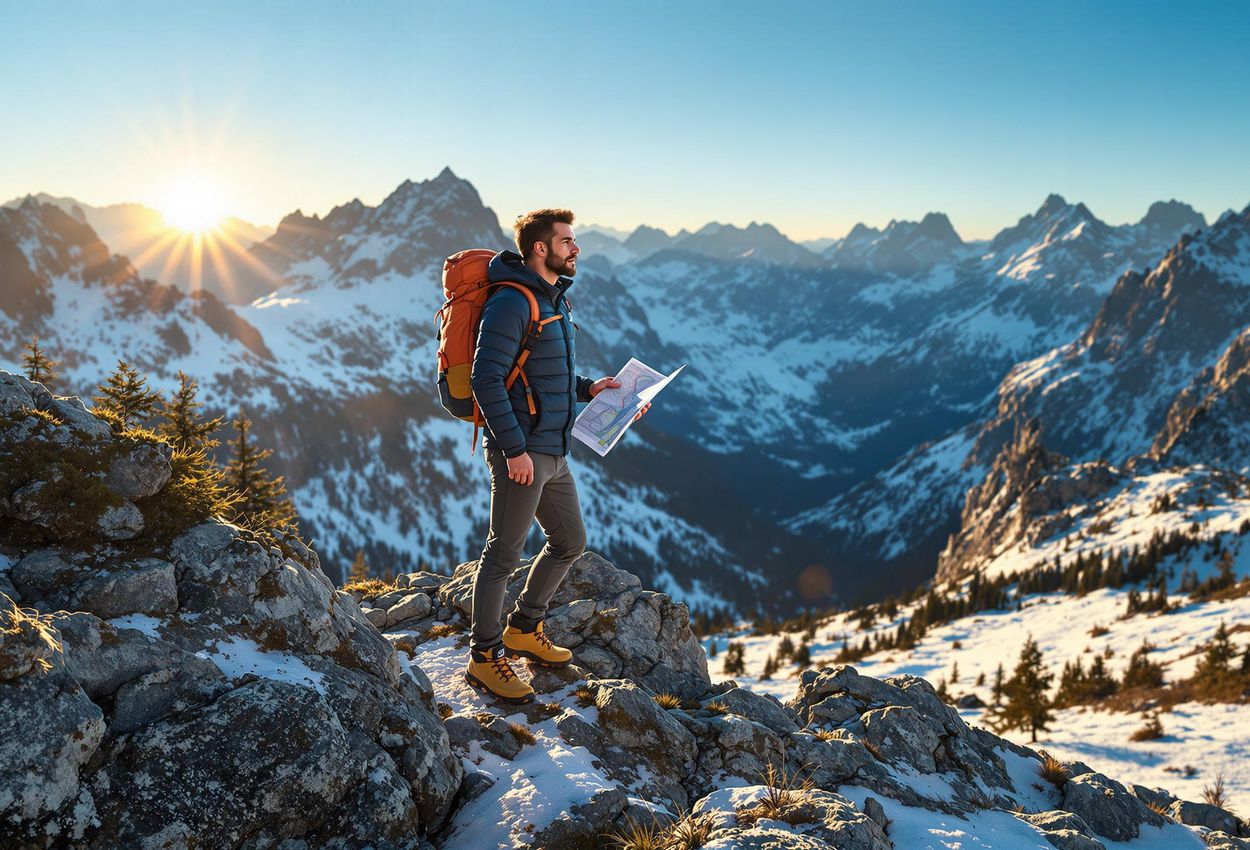
ImageDescription: A lone hiker stands on a rocky outcrop, map and compass in hand, overlooking a vast mountainous landscape at sunrise. The hiker is dressed in appropriate hiking gear and appears focused on navigating. The sun is low on the horizon, casting long shadows and highlighting the terrain's details. The image should convey a sense of preparedness, self-reliance, and the beauty of the wilderness.
StyleInstructions: Landscape, Serene. The photo should be taken with a wide-angle lens to capture the vastness of the landscape and the hiker's small presence within it. The lighting should be soft and golden, emphasizing the early morning atmosphere. The focus should be sharp on the hiker, map, and compass, as well as the surrounding terrain. Date Taken: 2025-03-15.
Wilderness First Aid: Treating Injuries and Ailments
Accidents and illnesses can happen even on the most carefully planned wilderness trips. Knowing how to administer first aid can significantly improve the outcome of a medical emergency.
Initial Patient Assessment: The first step in any medical emergency is to assess the patient's condition. Follow the ABCs: Airway, eathing, Circulation. Ensure the patient has a clear airway, is eathing adequately, and has a pulse. Check for any life-threatening bleeding and control it immediately with direct pressure.
Wound Care: Clean wounds thoroughly with water and soap or an antiseptic solution. Remove any deis. Apply a sterile dressing and bandage. Monitor for signs of infection, such as redness, swelling, pus, or fever. Change dressings regularly.
Fractures and Sprains: Immobilize fractures and sprains using splints made from natural materials, such as anches or bark. Use bandages or tape to secure the splint. Elevate the injured limb to reduce swelling.
Burns: Cool burns immediately with cold water for at least 20 minutes. Cover the burn with a sterile dressing. Do not apply ointments or creams. Seek medical attention for severe burns.
Bites and Stings: Remove stingers carefully. Clean the area with soap and water. Apply a cold compress to reduce swelling and pain. Monitor for signs of allergic reaction, such as difficulty eathing, hives, or swelling of the face and throat. Administer epinephrine (EpiPen) if available and seek immediate medical attention.
Heat-Related Illnesses: Heat exhaustion is characterized by fatigue, headache, nausea, and dizziness. Move the patient to a cool place, give them fluids, and loosen their clothing. Heat stroke is a life-threatening condition characterized by high body temperature, confusion, and seizures. Cool the patient rapidly with cold water and seek immediate medical attention.
Hypothermia: Hypothermia occurs when the body loses heat faster than it can produce it. Symptoms include shivering, confusion, and slurred speech. Warm the patient gradually with dry clothing, blankets, and warm drinks. Seek medical attention for severe hypothermia.
Altitude Sickness: Altitude sickness can occur at high elevations due to reduced oxygen levels. Symptoms include headache, nausea, and fatigue. Descend to a lower altitude and rest. Drink plenty of fluids. Seek medical attention if symptoms worsen.
Improvised First Aid: In a wilderness setting, you may need to improvise first aid supplies using natural materials. Plantain leaves can be used as a poultice to soothe insect bites and minor wounds. Honey can be used as an antiseptic. Tree sap can be used to seal small cuts.
First Aid Kit: Always carry a well-stocked first aid kit that includes bandages, antiseptic wipes, pain relievers, antihistamines, tweezers, and any personal medications. Know how to use each item in your kit.
CPR: Knowing basic CPR can be life-saving in a medical emergency. Take a CPR course before venturing into the wilderness.
Hidden Gem: Research local edible and medicinal plants. Knowing how to identify and use these plants can provide additional first aid options in a survival situation. However, be absolutely certain of your identification before consuming any wild plant.

ImageDescription: A close-up shot of a well-organized wilderness first aid kit laid out on a flat rock in a forest setting. The kit includes various bandages, antiseptic wipes, pain relievers, and other essential medical supplies. A hand is reaching into the kit to select an item. The image should convey a sense of preparedness and the importance of carrying a comprehensive first aid kit.
StyleInstructions: Macro, Lifestyle. The photo should be taken with a macro lens to capture the details of the first aid supplies. The lighting should be natural and diffused, creating a soft and inviting atmosphere. The focus should be sharp on the first aid kit and the hand reaching into it. Date Taken: 2025-03-10.
Shelter Building: Protection from the Elements
Exposure to the elements can quickly lead to hypothermia or heat stroke. Building a shelter is essential for protecting yourself from wind, rain, sun, and extreme temperatures.
Natural Shelters: Look for natural shelters such as caves, rock overhangs, or dense thickets of trees. These shelters can provide immediate protection from the elements. However, be cautious of potential hazards such as falling rocks or wild animals.
Lean-tos: A lean-to is a simple shelter made by leaning anches against a sturdy support, such as a tree or a rock. Cover the anches with leaves, grass, or pine boughs to create a waterproof barrier. Face the lean-to away from the prevailing wind.
Deis Huts: A deis hut is a more substantial shelter made by creating a frame of anches and then covering it with a thick layer of leaves, grass, and other deis. The deis provides insulation and protection from the elements. A well-built deis hut can maintain a surprisingly warm temperature even in cold weather.
Snow Caves: In snowy environments, a snow cave can provide excellent insulation. Dig a cave into a snowdrift, ensuring that the entrance is lower than the sleeping area to trap warm air. Ventilate the cave to prevent carbon monoxide poisoning.
Location, Location, Location: Choose a suitable location for your shelter, considering factors such as protection from wind, rain, and sun. Avoid building your shelter in a low-lying area that could flood. Choose a site that is close to resources such as water and firewood.
Insulation: Insulation is key to staying warm in a shelter. Use natural materials such as leaves, grass, and pine boughs to create a thick layer of insulation between you and the ground and around the walls of your shelter. The more insulation, the warmer you will be.
Waterproofing: Waterproof your shelter by layering leaves, bark, or plastic sheeting over the frame. Overlap the layers to prevent water from seeping through. Angle the roof of the shelter to allow water to run off easily.
Minimizing Heat Loss: Minimize heat loss by creating a small entrance to your shelter. Stuff the entrance with leaves or grass to block drafts. Huddle together with other members of your group to share body heat.
Local Tip: Practice building shelters in your backyard or local park before venturing into the wilderness. This will give you valuable experience and allow you to refine your techniques.
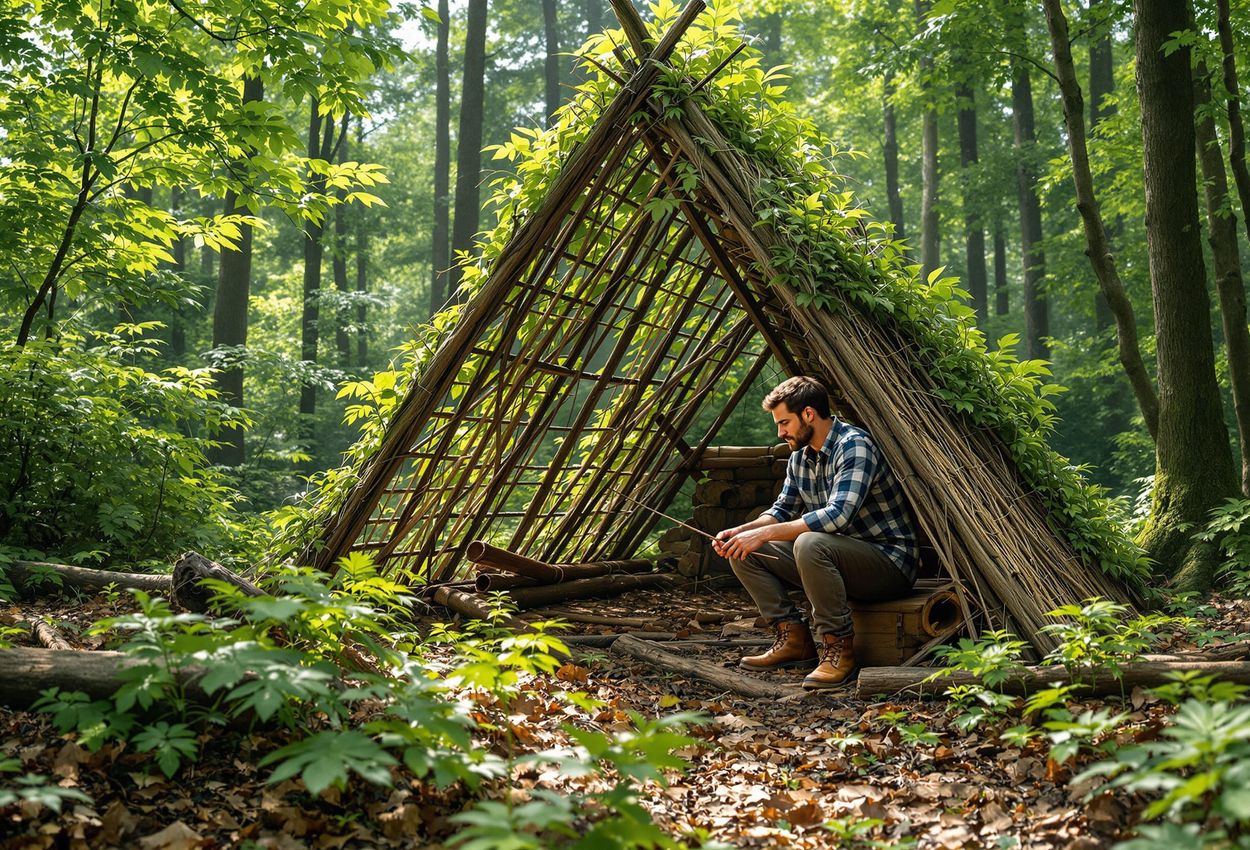
ImageDescription: A person is shown constructing a lean-to shelter in a forest. They are using anches and leaves to create a sturdy structure. The forest is lush and green, with dappled sunlight filtering through the trees. The image should convey a sense of resourcefulness and the importance of shelter building in a survival situation.
StyleInstructions: Action, Nature. The photo should be taken with a medium telephoto lens to capture the person's actions and the details of the shelter. The lighting should be natural and slightly diffused, creating a sense of depth and atmosphere. The focus should be sharp on the person and the shelter. Date Taken: 2025-03-12.
Fire Starting: Warmth, Cooking, and Signaling
Fire is an essential survival tool, providing warmth, light, a means to cook food, purify water, and signal for help.
Fire-Starting Methods: There are several methods for starting a fire in the wilderness. The most common methods include using matches, lighters, flint and steel, and friction fire.
Matches and Lighters: Carry waterproof matches or a lighter in a waterproof container. Practice using these tools before venturing into the wilderness.
Flint and Steel: Flint and steel can be used to create sparks that ignite tinder. Practice using this method before relying on it in a survival situation.
Friction Fire: Friction fire involves creating friction between two pieces of wood to generate heat. This method requires practice and patience. Common friction fire methods include the bow drill, hand drill, and fire plow.
Tinder, Kindling, and Fuel: To start a fire, you need tinder, kindling, and fuel. Tinder is easily combustible material that catches a spark. Examples of tinder include dry grass, leaves, birch bark, and cotton balls soaked in petroleum jelly. Kindling is small twigs and anches that ignite from the tinder. Fuel is larger pieces of wood that sustain the fire.
Fire Safety: Clear a ten-foot area around your fire of any flammable materials. Keep a bucket of water or sand nearby to extinguish the fire. Never leave a fire unattended. Before leaving your campsite, make sure the fire is completely extinguished.
Building a Fire: Build a fire by creating a small tinder nest. Ignite the tinder with a spark or flame. Add kindling gradually, building up the fire. Once the fire is burning steadily, add fuel.
Fire in Different Weather Conditions: In wet conditions, find dry tinder and kindling under logs or rocks. Build a platform of rocks or logs to keep the fire off the ground. In windy conditions, build a windeak to protect the fire from being blown out.
Maintaining a Fire: Maintain a fire by adding fuel regularly. Arrange the fuel to allow for good airflow. Protect the fire from the elements.
Using Fire: Use fire for warmth by building a fire near your shelter. Use fire for cooking by placing food on a grill or roasting it over the flames. Use fire for water purification by boiling water for at least one minute. Use fire for signaling by building a large signal fire that can be seen from a distance.
Multiple Fire-Starting Methods: Carry multiple fire-starting methods in case one fails. Protect your fire from the elements by building a fire shelter or digging a fire pit.
Hidden Gem: Char cloth is an excellent fire starter that can be made by burning cotton faic in a sealed container. Char cloth catches a spark easily and burns slowly.
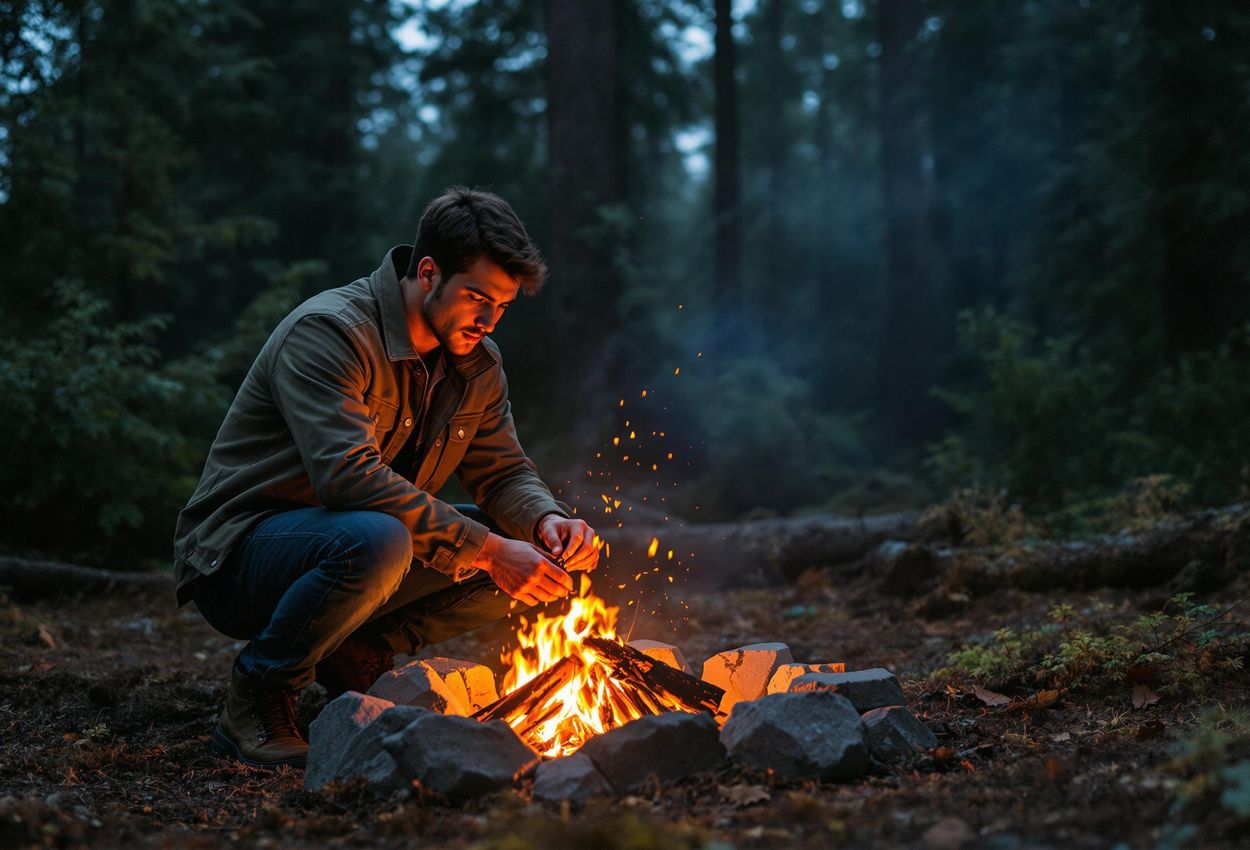
ImageDescription: A person is kneeling by a small campfire in a forest at dusk, carefully adding kindling to the flames. The fire is providing warmth and light, and the surrounding trees are silhouetted against the evening sky. The image should convey a sense of comfort and security, and the importance of fire in a survival situation.
StyleInstructions: Candid, Nature. The photo should be taken with a medium lens to capture the person's actions and the surrounding environment. The lighting should be low and warm, emphasizing the fire's glow and the darkness of the forest. The focus should be sharp on the fire and the person's hands. Date Taken: 2025-03-14.
Staying Calm Under Pressure: The Mental Game of Survival
In a survival situation, your mental state is just as important as your physical skills. Staying calm and maintaining a positive attitude can significantly increase your chances of survival.
Psychological Effects: Stress, fear, and isolation can have a significant impact on your mental state. These emotions can impair your judgment, reduce your ability to think clearly, and lead to panic. It is important to recognize these emotions and take steps to manage them.
Stress Management Techniques: Practice deep eathing exercises to calm your nerves. Focus on your eath and slow your heart rate. Engage in mindfulness by paying attention to the present moment and avoiding dwelling on the past or future. Use positive self-talk to boost your confidence and remind yourself of your strengths.
Focus on Immediate Needs: Avoid dwelling on hypothetical outcomes or worst-case scenarios. Focus on your immediate needs, such as finding water, building a shelter, and starting a fire. eaking down the situation into smaller, manageable tasks can make it less overwhelming.
Building Confidence and Resilience: Build confidence and resilience by training and preparing for potential survival situations. Practice your survival skills regularly. Learn from your mistakes. Surround yourself with supportive people who can encourage you.
Positive Mental Attitude: Maintain a positive mental attitude by focusing on the things you can control. Celeate small victories. Remember that you are capable of overcoming challenges. Believe in yourself.
Local Tip: Create a mental checklist of essential survival tasks. This checklist can help you stay focused and organized in a stressful situation.
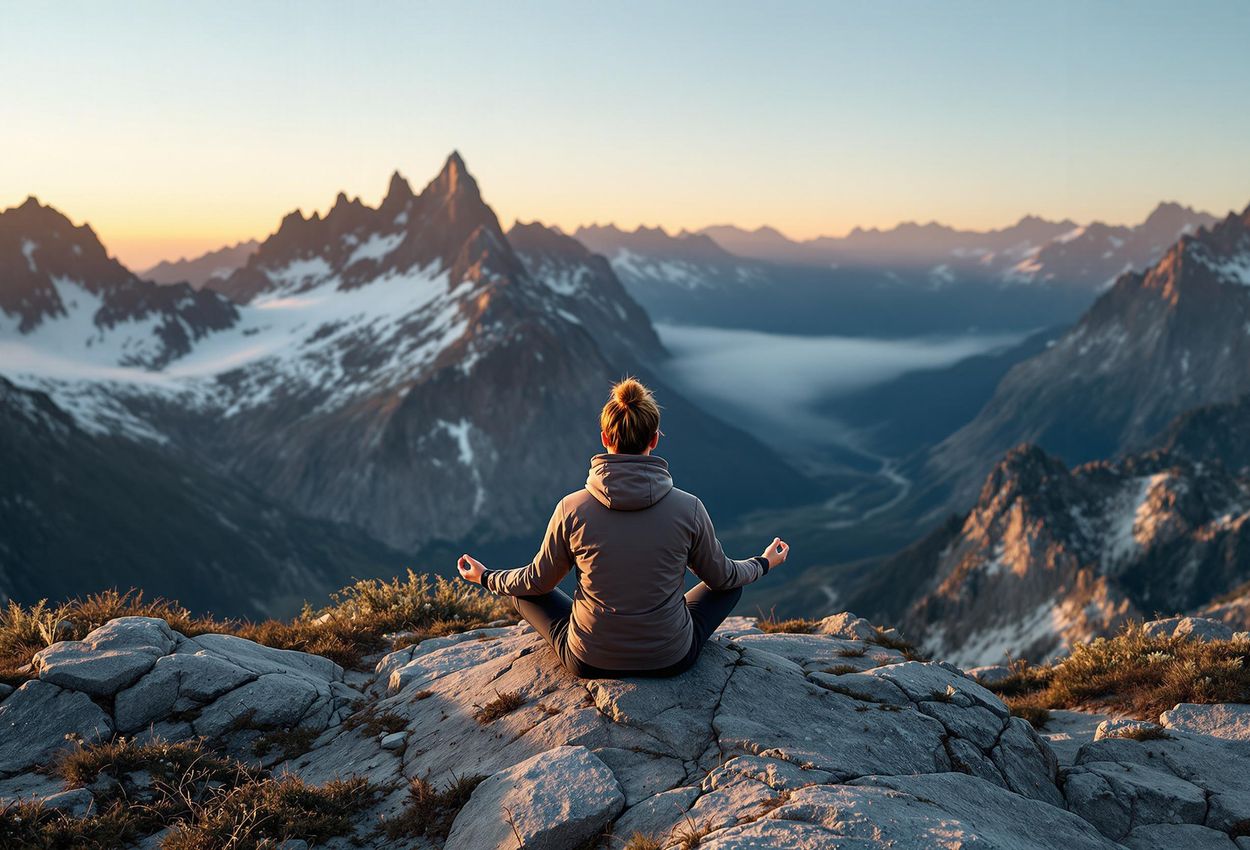
ImageDescription: A person is sitting cross-legged on a mountaintop, meditating at sunrise. They are surrounded by a stunning landscape of mountains and valleys. The image should convey a sense of peace, tranquility, and the importance of mental fortitude in a survival situation.
StyleInstructions: Serene, Landscape. The photo should be taken with a wide-angle lens to capture the vastness of the landscape and the person's small presence within it. The lighting should be soft and golden, emphasizing the early morning atmosphere. The focus should be sharp on the person and the surrounding landscape. Date Taken: 2025-03-16.
By mastering these essential survival skills and cultivating a resilient mindset, you can confidently explore the wilderness, knowing that you are prepared to face whatever challenges may come your way. Remember, survival is not just about physical skills; it is also about mental fortitude and a unwavering belief in your ability to overcome adversity.