In an era defined by environmental consciousness, the call for sustainable travel resonates more profoundly than ever. It's no longer enough to simply visit a destination; we must strive to leave it better than we found it. This ethos is at the heart of sustainable adventure, a travel philosophy that combines the pursuit of exhilarating experiences with a deep commitment to environmental preservation and the well-being of local communities.
Defining Sustainable Adventure: More Than Just Eco-Tourism
Sustainable adventure travel transcends the boundaries of traditional tourism and even basic eco-tourism. It's a holistic approach that encompasses environmental preservation, support for local communities, and responsible resource management. While traditional tourism often prioritizes convenience and cost, and eco-tourism focuses primarily on minimizing environmental impact, sustainable adventure seeks a deeper, more integrated approach. It's about actively contributing to the well-being of the planet and its people, not just avoiding harm.
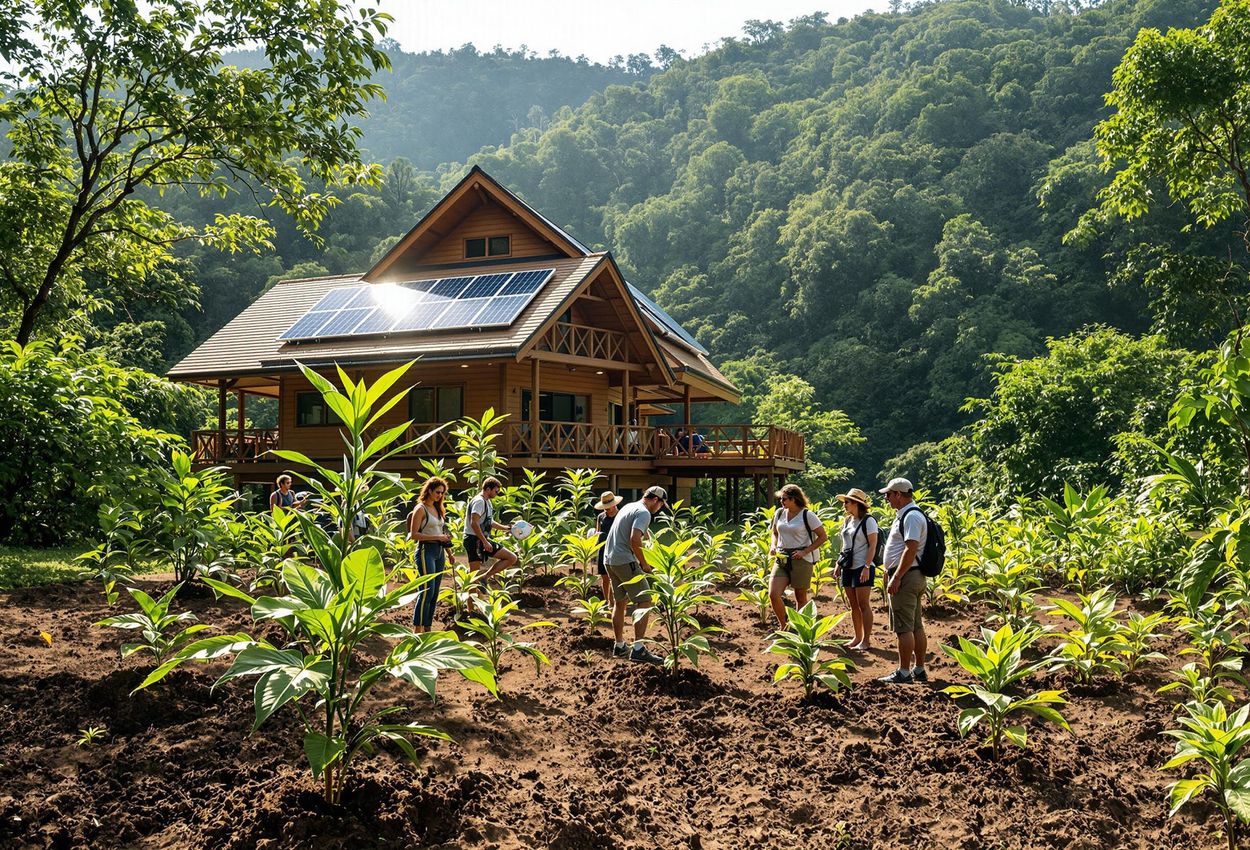
Consider, for example, the community-run eco-lodges nestled within the lush rainforests of Costa Rica. These aren't simply hotels built in a scenic location; they are enterprises owned and operated by local communities, providing employment, generating income, and fostering a sense of stewardship over the surrounding environment. Guests participate in activities like reforestation projects, wildlife monitoring, and cultural exchanges, gaining a deeper understanding of the local ecosystem and its challenges. The revenue generated directly supports conservation efforts and community development projects, creating a virtuous cycle of sustainability.
Similarly, in the majestic Swiss Alps, innovative initiatives are balancing the allure of tourism with the imperative of environmental conservation. Cable cars and ski lifts are powered by renewable energy, waste management systems are meticulously designed to minimize pollution, and hiking trails are carefully maintained to prevent erosion. Furthermore, many hotels have implemented strict water and energy conservation programs, and local farmers are encouraged to adopt sustainable agricultural practices. These efforts demonstrate a commitment to preserving the pristine beauty of the Alps for future generations, while still allowing visitors to experience its wonders.
Choosing Destinations Committed to Preservation
The first step towards sustainable adventure is selecting destinations that have demonstrably prioritized sustainability. These are places where environmental protection is not an afterthought, but a core value woven into the faic of their tourism policies and practices. Several countries and regions around the world are leading the way in this regard, offering travelers a chance to explore stunning landscapes while minimizing their impact.
Bhutan, for example, has famously adopted a 'High Value, Low Impact' tourism policy. This approach limits the number of visitors and requires them to pay a daily fee, which is used to fund conservation efforts, education, and healthcare. This policy ensures that tourism benefits the country without overwhelming its natural resources or cultural heritage. Visitors are treated to eathtaking views of the Himalayas, ancient monasteries perched on cliffsides, and viant festivals that showcase the country's unique traditions, all while knowing that their visit is contributing to the well-being of the nation.
Palau, a small island nation in the Pacific Ocean, has taken an even bolder step by requiring all visitors to sign an environmental protection pledge upon arrival. This pledge, stamped directly into their passports, commits them to acting responsibly and respecting the country's natural environment. Palau is renowned for its pristine coral reefs, diverse marine life, and stunning rock islands. By requiring visitors to commit to environmental protection, Palau is ensuring that its natural treasures are preserved for future generations.
Slovenia, a small country nestled in the heart of Europe, has earned numerous accolades for its sustainable tourism strategy. The country has invested heavily in renewable energy, waste reduction programs, and conservation efforts. It also promotes sustainable transportation options, such as cycling and hiking, and encourages visitors to explore its diverse landscapes, from the Julian Alps to the Adriatic coast, in a responsible manner. In Ljubljana, the capital, you'll find car-free zones and a strong emphasis on green spaces.
The National Park of Reunion Island, a UNESCO World Heritage Site in the Indian Ocean, is another excellent example of a destination committed to avoiding mass tourism. The park is home to dramatic volcanic landscapes, lush rainforests, and stunning waterfalls. It has implemented strict regulations to protect its natural resources and promote sustainable tourism practices. Visitors can hike through the park's diverse ecosystems, marvel at its unique flora and fauna, and learn about the island's rich cultural heritage, all while minimizing their impact on the environment.

Gear Up Responsibly: Sustainable Equipment Choices
Sustainable adventure extends beyond choosing the right destination; it also involves making conscious choices about the gear we use. The equipment we select can have a significant impact on the environment, from the materials used in its production to the waste generated when it's discarded. By opting for eco-friendly gear, we can reduce our footprint and support companies that are committed to sustainability.
When shopping for adventure gear, look for ands that prioritize recycled materials, promote fair labor practices, and offer durable, long-lasting products. Many companies are now using recycled plastic bottles, organic cotton, and other sustainable materials in their products. Some also partner with organizations that promote ethical manufacturing and worker empowerment. Choosing these ands sends a message that sustainability matters and encourages other companies to follow suit.
Before buying new gear, consider whether you can repair your existing equipment or purchase it second-hand. Repairing a torn backpack or patching a leaky tent not only saves money but also reduces waste. Many outdoor retailers offer repair services, and there are numerous online resources that provide instructions and tips for fixing your own gear. Alternatively, consider renting equipment or buying it from a used gear store. This is a great way to save money and reduce the demand for new products.
Specific items to consider include reusable water bottles, solar chargers, biodegradable toiletries, and sustainable luggage. A reusable water bottle eliminates the need for single-use plastic bottles, which contribute to pollution and landfill waste. A solar charger allows you to power your electronic devices without relying on electricity from the grid. Biodegradable toiletries, such as shampoo, soap, and sunscreen, minimize the impact on the environment when they're washed away. Sustainable luggage, made from recycled materials and designed to last, reduces the need for frequent replacements.

Minimizing Your Footprint: Transportation and Activities
Transportation is a major contributor to the carbon footprint of adventure travel. Flights, in particular, can have a significant impact on the environment. By making conscious choices about how we travel, we can reduce our carbon emissions and promote more sustainable transportation options.
Whenever possible, opt for trains, buses, or hyid vehicles over flights. Trains and buses are generally more fuel-efficient than airplanes, and hyid vehicles produce fewer emissions than gasoline-powered cars. If flying is necessary, choose direct routes and economy class. Direct flights consume less fuel than connecting flights, and economy class passengers occupy less space, reducing the overall weight of the aircraft.
Once you reach your destination, consider engaging in human-powered activities like hiking, cycling, and kayaking. These activities not only provide a great workout but also allow you to experience the environment in a more intimate and sustainable way. Many destinations have well-developed hiking trails, cycling paths, and kayaking routes that offer stunning views and opportunities for exploration.
Destinations with well-developed public transportation systems or cycling infrastructure are ideal for sustainable adventure. Cities like Amsterdam and Copenhagen, for example, have extensive networks of bike lanes and public transportation options, making it easy to get around without relying on cars. Other cities are investing in similar infrastructure to promote sustainable transportation and reduce traffic congestion.
The Byron Bay Sustainable Streets Program in Australia is a great example of a community-level initiative that promotes sustainability. The program encourages residents to adopt sustainable transportation practices, such as cycling, walking, and using public transportation. It also provides resources and support for residents who want to reduce their carbon footprint and live more sustainably.

Supporting Local Communities: Authentic and Ethical Experiences
Sustainable adventure is not just about protecting the environment; it's also about supporting local communities. By engaging with local cultures in a respectful and beneficial way, we can contribute to their economic well-being and preserve their unique traditions. This involves making conscious choices about where we stay, where we eat, and where we shop.
Opt for locally-owned accommodations, family-run restaurants, and goods from local artisans. Staying in locally-owned guesthouses or homestays provides income directly to the community, rather than to large corporations. Eating at family-run restaurants allows you to sample authentic local cuisine and support local businesses. Purchasing goods from local artisans helps preserve traditional crafts and provides income for local families.
Community-based tourism initiatives, such as the Il Ngwesi Community Trust in Kenya, are excellent examples of how tourism can benefit local communities. The trust operates an eco-lodge that is owned and managed by the local Maasai community. The revenue generated from the lodge is used to fund education, healthcare, and conservation projects. Visitors to the lodge have the opportunity to learn about Maasai culture, participate in traditional ceremonies, and support the community's efforts to protect its natural resources.
Before traveling to a new destination, take the time to learn about local customs and etiquette. This will help you avoid unintentionally offending local people and ensure that your interactions are respectful and positive. Learning a few basic phrases in the local language can also go a long way in showing respect for the local culture.