Before you book another bucket-list escape, imagine a different kind of journey: one where your mornings begin with birdsong over terraced rice paddies, your days are guided by local storytellers and artisans, and your footprint on the land and culture is so light it feels more like a blessing than a burden.Staying Where the Land Still Speaks: Choosing Eco‑Friendly Stays
In the green folds of Ubud, where mist rises from the jungle like incense and gamelan music drifts through the palms, the choice of where you sleep is as consequential as any temple you visit. The walls that shelter you, the water that fills your shower, the electricity that cools your room or charges your phone all draw from finite resources. In popular cultural destinations from Bali to the Sacred Valley of Peru, sustainable stays have become quiet sanctuaries where the land still has a voice, and travelers are invited to listen rather than to dominate.
Walk down a narrow lane off Jalan Bisma in Ubud and you might find a small cluster of cottages with bamboo roofs and lush gardens, built not to shout for attention but to disappear into the rice fields. A place like Bisma Cottages Ubud keeps things intentionally simple: refillable glass water bottles instead of plastic, linen changed less frequently to save precious water, gardens mulched with compost instead of chemical fertilizers. The buildings are low and open, woven from local timber and tile, allowing breeze and birdsong to replace the constant hum of air‑conditioning. Here, sustainability is not a buzzword to print on a brochure but a daily practice that shapes how guests bathe, sleep, and even throw away their tea bags.
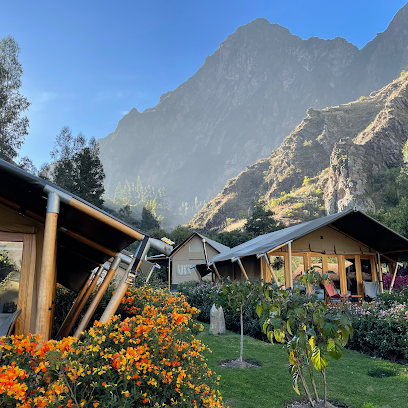
Across the world, in Ollantaytambo in Peru’s Sacred Valley, eco‑lodges like Las Qolqas Eco Lodge sit cradled between Andean peaks, their canvas suites raised lightly above the earth amid medicinal plants and native flowers. Solar panels glint on rooftops, greywater flows quietly into treatment systems before nourishing gardens, and kitchen waste returns to the soil as compost. At dawn, as clouds snag on the ridges and hummingbirds circle the flowers, you feel the logic of building with rather than against the landscape: structures follow natural contours, pathways avoid ancient terraces, and lighting remains gentle, so the night sky still shimmers with Andean constellations.

Choosing lodgings like these begins long before you wheel your suitcase into a lobby. It starts with a discerning eye as you scroll through booking sites and hotel websites. Look for hard details, not vague promises: independent certifications or audits, clear explanations of energy sources, water treatment, and waste systems. Does the property use renewable energy, at least in part, or actively work toward it with solar integration and energy‑efficient systems. Are there concrete measures to reduce water consumption, such as low‑flow fixtures, linen and towel reuse programs, and greywater recycling. Do they explicitly state that single‑use plastics have been phased out and replaced with refill stations and reusable bottles. Vague green language without specifics is a warning sign; quantifiable commitments are a good omen.
Truly sustainable stays are just as concerned with cultural and social impact as with carbon and kilowatts. In Ubud, some eco‑forward hotels run organic gardens that supply their restaurants and host workshops where guests learn to make eco‑enzymes or natural cleaners from kitchen scraps. In the Sacred Valley, lodges may partner with Quechua weaving cooperatives, invite local musicians to perform traditional Andean music, or contribute a percentage of earnings to reforestation and heritage preservation. When a hotel describes its relationship with nearby communities, read closely: are locals in leadership roles. Are artisans paid fairly and credited by name. Are tours and experiences co‑created with residents or merely staged for visitor entertainment.
A helpful test is to ask yourself whether the property would still make sense if tourism vanished for a season. A hotel that has invested in regenerative farming, community education, and cultural programming anchored in local needs is likely contributing to long‑term resilience rather than extraction. When you check in, notice who welcomes you: are the staff members from the region, speaking their own languages alongside the global lingua franca. Are they empowered to tell their own stories of place, from the spiritual meaning of daily offerings in Bali to the agricultural rhythms behind the stone terraces of the Andes.
Hidden among Ubud’s rice paddies, guesthouses like Bisma Cottages Ubud also quietly champion local artisans. You may find hand‑woven baskets crafted in nearby villages, batik textiles dyed with plant‑based pigments, or ceramic refillable amenity bottles thrown by a potter whose workshop you can visit. When each object in your room has a traceable human origin rather than a factory barcode, your stay becomes a living gallery of the region’s creativity. Ask at reception whether you can meet the makers or visit their studios; often, these small encounters yield more meaningful memories than any checklist of major sights.
For travelers unsure how to begin evaluating options, think in three layers: environmental, cultural, and economic. Environmentally, prioritize renewable energy, efficient building design, and comprehensive waste and water systems. Culturally, seek places that protect rather than appropriate local traditions, where rituals, crafts, and performances are presented in context, ideally curated or led by community elders or cultural organizations. Economically, choose accommodations that transparently employ local staff in decision‑making positions, source food and materials close to home, and invest profits back into community initiatives. When all three are present, your stay becomes not just a comfortable night’s sleep, but a quiet act of solidarity.
There is a final, more intimate choice: the kind of space you want your presence to occupy. Large resorts can be sustainable in impressive ways, but small community‑run homestays often offer the most direct line between your payment and local livelihoods. In a Quechua family home near Ollantaytambo, you may sleep under a heavy hand‑woven blanket, wake to the smell of woodsmoke and fresh bread, and follow your host to market as they buy ingredients for the communal stew you will later share. In such places, your role shifts from guest to temporary participant, and the line between cultural tourism and cultural exchange begins to blur in the most generous way.
Hidden gem: seek out independently owned guesthouses that publish a clear code of ethics, list their artisan partners by name, and cap their number of rooms to protect the character of the neighborhood. They may not appear first in search rankings, but a little extra research uncovers stays where each night’s revenue echoes through the community for months after you have left.
Eating, Shopping, and Exploring with Intention: Supporting Local Businesses Ethically
The heart of sustainable cultural tourism beats loudest in its markets and side streets. It is there, between the sizzling planchas of a tlayuda stand in Oaxaca and the fragrant steam of a bowl of phở in Hanoi, that your choices can either reinforce extractive systems or nourish local economies. Every plate you order, every hand‑embroidered textile you purchase, and every guide you hire becomes a small vote for the kind of world you wish to travel through.
In Oaxaca de Juárez, the city’s historic markets are vibrant theaters of color and scent. At Mercado Benito Juárez, smoke from chilies toasting on griddles mingles with the sweet perfume of seasonal fruit and the deep, earthy aroma of freshly ground cacao. Choosing to eat here rather than at a global fast‑food chain is more than an aesthetic preference; it directs your spending toward cooks who have inherited recipes through generations, who buy their ingredients directly from nearby farmers, and who operate within a web of familial and community relationships. When you sit at a plastic stool and order a tlayuda piled with beans, cheese, and braised meat or mushrooms, you are sustaining an entire network of small producers.
In Hanoi’s Old Quarter, the same logic plays out on a different stage. A bowl of steaming phở ladled from a pot that has simmered since dawn, a plate of fresh herb‑laden bún chả, or a cup of slow‑dripped cà phê sữa đá served in a narrow cafe that has stood since the mid‑twentieth century all sustain family‑run businesses that anchor neighborhoods against the tide of homogenized global brands. Sitting shoulder‑to‑shoulder with local workers on metal stools, you become part of an everyday ritual rather than an isolated spectator looking in from the outside.

Identifying businesses that truly benefit the community requires looking past glossy storefronts and tourist‑tailored menus. Seek out eateries and cafes that are busy with local patrons, that post their sourcing proudly, and that offer seasonal dishes shaped by local agriculture rather than a generic international spread. Look for mentions of fair trade coffee, chocolate, or mezcal; ask staff where their beans or cacao come from and how they are processed. In Oaxaca, some cafes work directly with smallholder farmers in the surrounding Sierra Norte, paying above‑market prices for shade‑grown coffee and highlighting the names of villages on their menus. In Hanoi, specialty coffee shops might showcase Arabica from the Central Highlands or robusta processed using low‑impact methods, inviting you to taste nuances while supporting more sustainable farming.
Shopping ethically in artisan‑rich destinations is both rewarding and complex. Markets and boutiques brim with textiles, ceramics, wood carvings, silver jewelry, and leather goods, each piece whispering of hours of labor. To avoid turning culture into mere décor, slow down before you buy. Ask who made the item, how long it took, and where the artisan lives. Fair trade cooperatives and collectives often provide detailed stories of their members, ensure transparent pricing, and pay artisans fairly and consistently. In Oaxaca, visit workshops in weaving towns like Teotitlán del Valle where families dye wool with cochineal and indigo, explaining their techniques and allowing you to see how much skill and time every rug requires. In Hanoi, look for shops that work directly with ethnic minority artisans from the northern highlands, turning traditional motifs into contemporary pieces without stripping them of meaning.
As vegan and low‑impact lifestyles grow more common, many destinations now offer plant‑forward options that dovetail beautifully with local food traditions. In Oaxaca, bean‑rich dishes, roasted vegetables, and complex moles made without animal products sit comfortably within the culinary canon. In Hanoi, centuries of Buddhist influence have yielded a wealth of chay (vegetarian) restaurants, where tofu, mushrooms, and greens mingle in fragrant broths and stir‑fries. Choosing these options, at least part of the time, lowers the environmental cost of your meals while honoring existing cultural practices rather than importing foreign trends.
Responsible shopping also means learning to navigate the dance of negotiation with respect. In many markets, from Oaxaca’s craft stalls to Hanoi’s fabric alleys, haggling is expected, but it should never be a sport of dominance. Begin by greeting the vendor warmly and showing genuine interest in their work. When you ask the price and feel it is high, offer a counteramount that reflects appreciation for the labor involved rather than a desire for the lowest possible deal. A useful guideline is to aim for a price where both you and the artisan can smile comfortably; if your counteroffer makes you feel as though you are taking advantage, it is too low. If the vendor declines, accept gracefully and thank them; walking away without drama preserves dignity on both sides.
One unique tip that often shifts the dynamic entirely is to focus your bargaining energy less on price and more on value. Instead of pressing for a steep discount, ask whether the seller can include a small additional item, customize a piece with your preferred color, or explain the symbolism behind a pattern. This turns the interaction into an exchange of stories rather than a zero‑sum battle. When you purchase from a stall where the artisan is present, consider paying the asking price if it seems fair; these are usually the people least buffered against the economic volatility of tourism and most deeply rooted in the culture you have come to experience.
Tour operators and guides are another critical link in ethical support. In cities like Oaxaca and Hanoi, large international companies may advertise slick experiences, but smaller locally owned outfits often provide more nuanced, community‑centered tours. Look for guides who are licensed where required, speak openly about how they share revenue with communities visited, and limit group sizes to reduce disruption. In Oaxaca, for example, choose mezcal tours that visit small palenques with clear agreements on compensation and consent for visitors, rather than bus tours that treat villages as backdrops. In Hanoi, favor walking tours led by residents of the neighborhoods you traverse, who can point out family shrines, community houses, and everyday rituals that rarely appear on glossy itineraries.
Finally, remember that your curiosity is a form of currency. Ask where your money goes, how staff are trained and paid, and whether the business is involved in local social or environmental initiatives. When a cafe displays handmade ceramics from a local studio, follow the trail, visit the workshop, and buy directly there as well. When a restaurant lists the name of the cooperative that supplies its chocolate or spices, take note and seek them out. Sustainable cultural tourism thrives on these small loops of attention and care; every closed loop is a thread tying you more gently into the fabric of the place.
Entering with Humility: Respecting Local Customs & Traditions
Long before your plane lands in Kyoto or your train pulls into Jaipur, the journey toward cultural respect begins in the quiet of your preparation. To travel sustainably is to recognize that every historic street, shrine, and market you step into is not a stage set for your experience but a living, breathing home to others. Etiquette, dress, and behavior are not arbitrary constraints; they are languages through which you communicate either humility or entitlement.
In Kyoto, where wooden machiya houses lean gracefully along narrow lanes and temple bells punctuate the day, much of the city’s spirit lies in small acts of consideration. On the subway, you lower your voice and silence your phone; at shrines, you follow the gentle choreography of purification and prayer. Before approaching a shrine, locals usually pause to wash their hands at a stone basin, ladling water first over the left hand, then the right, and finally rinsing the handle so it is clean for the next person. At many temples, photography is either forbidden or expected to be discreet; flashes disrupt both the serene atmosphere and the spiritual focus of those who have come to pray. Asking a monk or attendant before raising your camera, or refraining altogether, communicates that you understand sacredness cannot always be captured.
Dress, too, carries meaning. In both Kyoto and Jaipur, covering shoulders and knees when visiting temples, mosques, or palaces is not merely about modesty but about aligning with local norms that predate tourism by centuries. Lightweight trousers or long skirts, breathable shirts with sleeves, and a scarf that can double as a head covering in more conservative spaces are usually sufficient. In Jaipur’s shimmering palaces and bazaars, bright colors are welcomed, but overly revealing clothing may draw unwanted attention or discomfort. Blending in visually is a form of respect; it allows you to participate in daily life as a guest rather than a spectacle.

One of the most common missteps among visitors in culturally rich places is treating people as scenery. In Kyoto’s Gion district, for example, geiko and maiko apprentice entertainers have often been followed and photographed without consent, leading to community pushback and restrictions. Similarly, in Jaipur’s old city, children and women in traditional attire may be stopped mid‑errand for unsolicited photos. A more ethical approach is simple: ask permission with an open gesture and a warm smile, and be ready to accept a no. When consent is given, take a moment afterward to show the image and exchange a few words, even if only through gestures. If money is requested for a posed photo, decide in advance whether you are comfortable participating in that transaction; if not, decline politely and look instead for candid scenes of architecture, markets, and landscapes that do not center on individuals.
Respecting customs also means recognizing the invisible boundaries of sacred sites. In Kyoto, wooden walkways and tatami rooms may require you to remove your shoes; stepping onto tatami with outdoor footwear is considered deeply disrespectful. In Jaipur, some shrines strictly separate spaces by gender or require head coverings for all visitors. When in doubt, follow the lead of local worshippers rather than other tourists. If an area is cordoned off or marked with signs, resist the temptation to cross for a better photograph. Sustainability is as much about preserving cultural dignity as it is about protecting physical structures.
Language, even in small phrases, can build bridges. Learning how to say basic greetings and thanks in Japanese or Hindi shows effort and opens doors to more meaningful exchanges. In Kyoto, a soft greeting upon entering a shop and a small bow when leaving communicate appreciation. In Jaipur, a warm namaste with hands pressed together signals respect and often elicits smiles and conversation. These gestures do not require fluency; they require willingness to be the one who adapts.
One of the most rewarding aspects of sustainable cultural tourism is taking part in local ceremonies and festivals in ways that uplift rather than intrude. In Kyoto, many temples and shrines welcome visitors to seasonal festivals that celebrate cherry blossoms, autumn leaves, or New Year rituals. Participating respectfully might mean purchasing a small votive tablet, writing a wish with care, and hanging it alongside those of local families. It might involve sitting quietly on the edges of a tea ceremony demonstration, observing the slow, deliberate movements and the silence between them without needing to document every gesture on your phone. Asking a temple volunteer or attendant how visitors are encouraged to participate can clarify what is appropriate.
In Jaipur, festivals like Diwali or Holi transform the city into a blaze of light and color. While travelers are often invited to join celebrations, it is important to remember that these are not themed parties but deeply rooted religious and cultural observances. If you are invited to a family’s home for Diwali, remove your shoes at the door, dress modestly, and bring a small, thoughtful gift such as sweets or flowers. During Holi, seek out community‑organized events rather than chaotic street gatherings; choose natural, plant‑based colors to avoid harming skin or the environment, and respect anyone who indicates they do not wish to be smeared with powder. Asking your host or guide about the meaning of each ritual transforms the experience from spectacle to shared understanding.
Finally, sustainable respect extends beyond specific customs to the pace and tone you bring. In places that receive heavy tourist traffic, residents may feel worn thin by constant demands, noise, and disregard. By lowering your voice in residential lanes, keeping to designated paths in heritage sites, and patronizing small family‑owned businesses instead of only the most Instagram‑famous spots, you help rebalance an often lopsided relationship. Cultural sustainability thrives where visitors see themselves as temporary stewards, tasked with leaving behind not only intact architecture but also unfrayed patience and pride.
Travel, at its most powerful, is an apprenticeship in humility. In Kyoto and Jaipur, as in countless other cultural centers, you are continually invited to step back, to observe, to ask, and to adapt. Accepting that invitation graciously may be the most meaningful act of sustainability you can offer.
Moving Gently Through Fragile Landscapes: Minimizing Environmental Impact Actively
A sustainable cultural journey does not end at the hotel threshold or the market stall. It extends to the roads and trails that carry you between villages, across highland passes, and along lakes and coasts that have shaped local stories for centuries. In places like the Swiss Alps and the Scottish Highlands, where human history is etched into the land as deeply as any carved inscription, how you move matters as much as where you go.
High above Interlaken, cable cars and cogwheel trains climb through meadows embroidered with wildflowers to villages that seem suspended between earth and sky. Here, choosing public transportation over private cars is not just an environmental choice but a cultural one. Mountain railways and buses are lifelines for residents who rely on them for school, work, and social connection, and they are often powered by electricity sourced from hydropower or other low‑emission systems. Planning your journey around timetables instead of taxis may require a little more forethought, but it drastically cuts your per‑capita emissions and allows you to travel as locals do, sharing carriages with hikers, farmers, and schoolchildren rather than viewing the landscape through the sealed bubble of a private vehicle.

In the Scottish Highlands, narrow single‑track roads wind through moorland and along sea lochs where crofts and ruins tell stories of resilience and loss. While rental cars may seem convenient in remote areas, buses and community‑run shuttles increasingly link villages, particularly along popular routes like the West Highland Way and around Loch Ness. When you do need to drive, consider sharing vehicles with other travelers, choosing fuel‑efficient or electric models where available, and sticking to established roads and parking areas to protect fragile peatlands and heather. Walking and cycling, when safe and practical, shift your experience entirely: distances become more tangible, wildlife more visible, and the slow rhythm of the land more audible beneath your footsteps.
Your environmental impact, however, begins long before you board a mountain train or shoulder a daypack. How you pack exerts a quiet but significant influence on fuel consumption across countless flights and transfers. Traveling with a single carry‑on or small checked bag rather than multiple suitcases reduces weight and thus emissions, but it also encourages a more mindful relationship with consumption. A compact, carefully chosen wardrobe built around breathable layers and multifunctional pieces serves both city streets and rural tracks, while reusable essentials such as a water bottle with filtration capability, a compact shopping bag, and a set of lightweight utensils and containers drastically cut your reliance on disposable plastics.
Reusable systems are particularly powerful in regions where waste management infrastructure is strained by visitor numbers. In alpine villages, streams and lakes that once provided drinking water can become vulnerable to contamination from discarded bottles and packaging. In Highland glens, winds can carry plastic bags and wrappers into grazing lands or out to sea. Filling your bottle at hotel refill stations, public fountains where safe, or with filtered water not only keeps single‑use plastics out of these ecosystems but also signals demand for refill infrastructure that benefits residents as much as tourists.
Even the most carefully planned overland itinerary, however, often begins or ends with a flight. Rather than pretending otherwise, sustainable travelers acknowledge this impact and address it transparently. When choosing airlines, prioritize those that publish clear emissions data, invest in more efficient aircraft, and support sustainable aviation fuel initiatives. Fly economy instead of premium cabins, which take up more space and increase your share of emissions. Opt for non‑stop routes where possible, as takeoffs and landings are fuel‑intensive. Then, look to carbon offset or contribution programs that support verifiable projects, ideally those rooted in the regions you visit, such as reforestation, renewable energy, or community‑led conservation initiatives.
On the ground, many destinations host local organizations that knit climate action with cultural preservation. In alpine regions, volunteer programs invite participants to help maintain historic footpaths, rebuild traditional dry‑stone walls, or plant native trees that stabilize slopes and sequester carbon. In the Highlands, community groups work to restore peat bogs, which store enormous amounts of carbon and regulate water flow. Joining a day’s work party or donating to such projects transforms your environmental concern into tangible contribution and connects you with residents who are deeply invested in the future of the landscape.
Hidden among the brochures and glossy posters at visitor centers, you may find mention of smaller, community‑driven initiatives that rarely reach international headlines. In one alpine valley, a local association might organize annual planting days where families, farmers, and visitors plant saplings along old avalanche paths, combining hazard mitigation with forest restoration. In a Highland village, a school project might grow into a community orchard that revives heritage apple varieties and offers free fruit to residents and hikers alike. Choosing to support these localized efforts, whether by joining for a morning, making a small donation, or simply spreading the word, nourishes a vision of tourism that amplifies rather than overshadows local agency.
As you move through these landscapes, small choices accumulate quietly. Staying on designated trails protects vulnerable alpine flora whose growing season is heartbreakingly short. Carrying a small bag to pack out your trash—and if you are willing, a few stray pieces left by others—keeps picnic sites and viewpoints pristine for those who come after you. Turning off lights and heating when you leave your room, even in places where energy seems abundant, honors the fact that every kilowatt draws from shared resources. Each habit is minor on its own, but together they signal a shift from a tourist mindset of entitlement to a traveler mindset of reciprocity.
Perhaps the most powerful act of environmental sustainability, however, is to question your own speed. Cultural depth and ecological lightness often go hand in hand with slower travel. Spending a week in one Alpine valley instead of racing across four, or lingering in a single Highland community long enough to learn people’s names and walking routes beyond the famous viewpoints, reduces the transportation emissions of your trip while deepening your understanding. In the evenings, as you sit in a village inn listening to stories of past winters and lost seasons, you may realize that the real luxury was never in ticking off sights but in being welcomed, however briefly, into the ongoing story of a place.
Planning a sustainable cultural tourism trip, then, is less about perfection than about orientation. You will still board planes, take photos, and occasionally stumble in etiquette. But by choosing eco‑conscious stays that give more than they take, by directing your spending to businesses that anchor communities, by entering customs and ceremonies with humility, and by moving through landscapes at a gentler pace, you weave yourself into a more balanced relationship with the world. Long after your tan fades and your souvenirs gather dust, what remains are the relationships you nurtured and the places you left just a little bit better than you found them.