Ready to trade your travel guide for a chef's knife? Forget the typical tourist traps and immerse yourself in the heart of a culture through its cuisine. From rolling pasta in Tuscany to mastering mole in Oaxaca, these seven unique cooking classes offer a hands-on experience you won't soon forget. Get ready to tantalize your taste buds and create memories that will last a lifetime.
Rolling Pasta Like Nonna in Florence, Italy
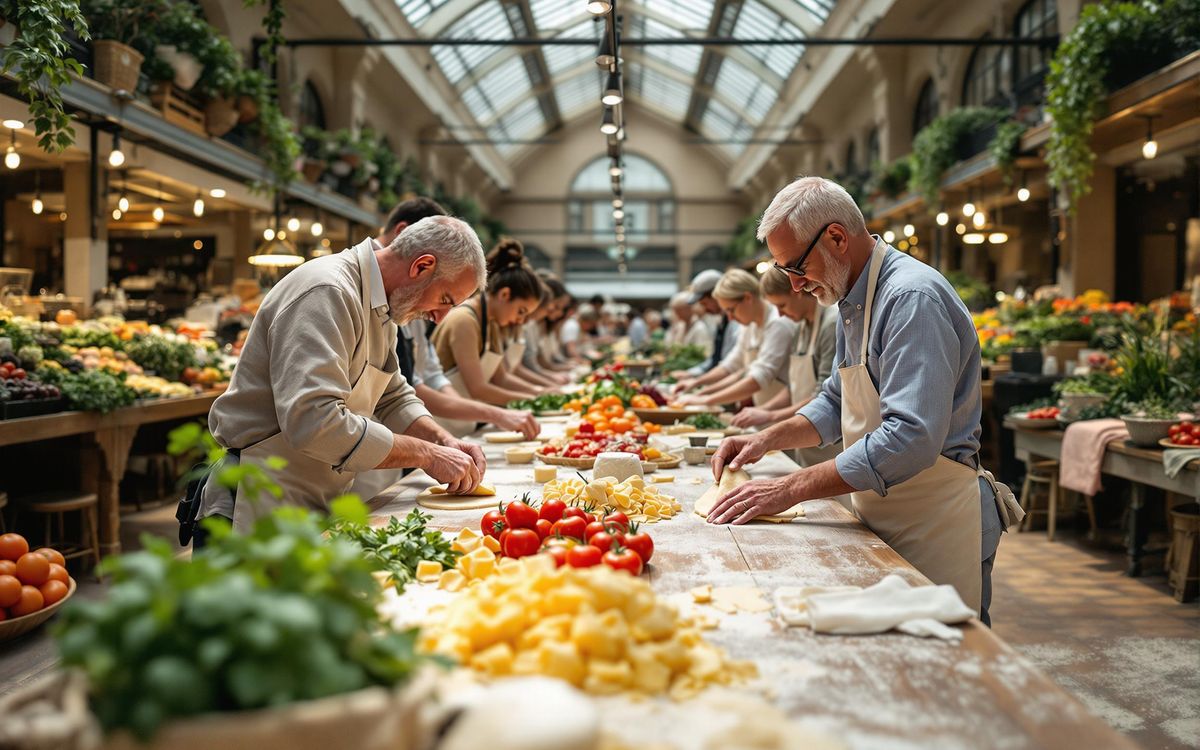
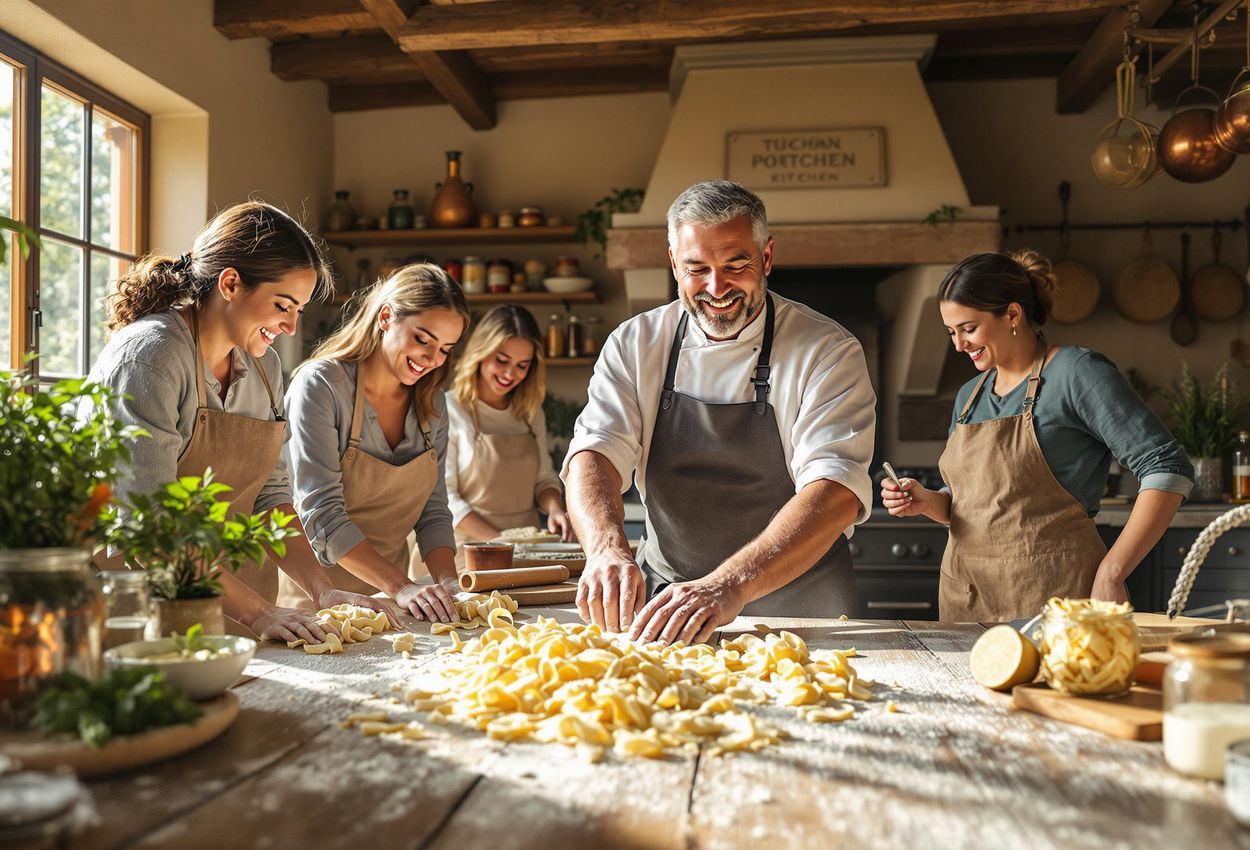
Imagine yourself in a sun-drenched kitchen in Florence, the aroma of fresh basil and simmering tomato sauce filling the air. This isn't just a cooking class; it's a journey into the heart of Italian culinary tradition. At InTavola or Chef Vary Cooking School, you'll learn the art of pasta making from scratch, guided by passionate instructors who share their family secrets. The experience begins with a visit to the viant Central Market, a feast for the senses. Here, you'll hand-pick the freshest ingredients, from ripe tomatoes to fragrant Tuscan herbs, the very essence of Italian cooking. Back in the kitchen, the real magic begins. Under the watchful eye of your instructor, you'll learn to knead the dough to the perfect consistency, feeling the smooth texture beneath your fingertips. Then comes the satisfying task of rolling and shaping the pasta, transforming simple ingredients into culinary masterpieces.
The focus is on regional specialties like tagliatelle, with its delicate ribbons, or pici, a rustic, hand-rolled pasta unique to Tuscany. As you work, the aroma of the herbs intensifies, mingling with the sweet scent of the flour. Finally, the moment arrives to savor the fruits of your labor. The freshly made pasta is tossed with a classic sauce, perhaps a simple tomato and basil or a rich ragu. Each bite is an explosion of flavor, the perfect harmony of texture and taste. And what better way to complete the experience than with a glass of Chianti, the quintessential Tuscan wine? As you sip and savor, you'll feel a deep connection to the Italian culture, a sense of belonging that transcends the typical tourist experience. This is more than just a meal; it's a celeation of tradition, a testament to the power of simple ingredients, and a memory you'll cherish long after you've left Florence.
Hidden Gem: Seek out small, family-run olive oil producers in the Tuscan countryside. Their extra virgin olive oil, often infused with herbs like rosemary or thyme, will elevate your pasta dishes to new heights. Ask your cooking instructor for recommendations on where to find the best local olive oil; they'll be happy to share their insider knowledge.
Spice Souk Secrets in Marrakech, Morocco
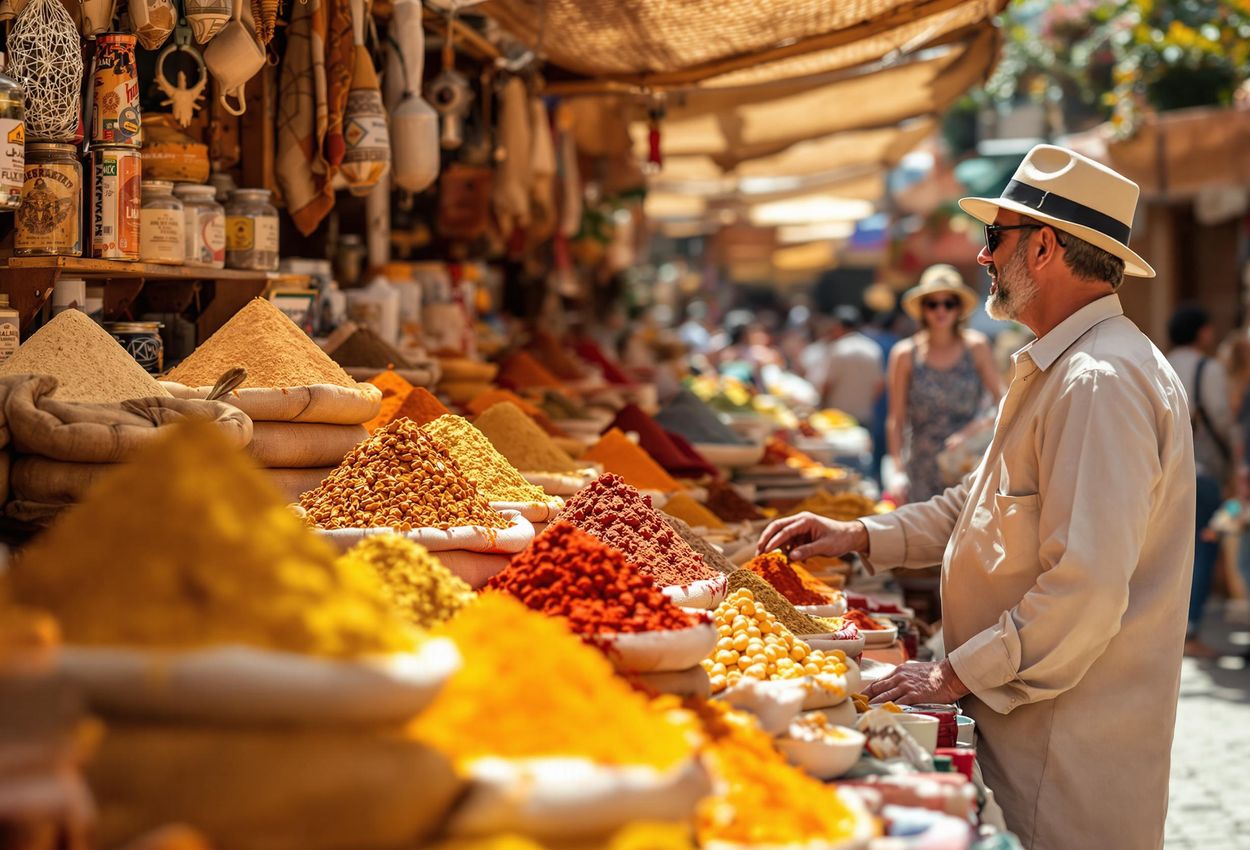
Step into a world of viant colors and exotic aromas in Marrakech, where the spice souks of the Medina beckon with their intoxicating allure. A cooking class at La Maison Arabe or Royal Mansour begins with a guided tour of these bustling markets, a sensory overload that will awaken your culinary senses. Saffron, cumin, ras el hanout u2013 the names alone evoke a sense of mystery and adventure. Heaps of spices in every color imaginable rise from the stalls, filling the air with their pungent fragrances. You'll learn to identify the different spices, understanding their unique properties and how they contribute to the complex flavors of Moroccan cuisine. The experience is not merely about buying ingredients; it's about connecting with the culture, understanding the traditions that have shaped Moroccan gastronomy for centuries.
Back in the kitchen, you'll learn to prepare a traditional tagine, the iconic dish of Morocco. This is where the magic truly happens. Under the guidance of skilled chefs, you'll learn the art of layering flavors, creating a symphony of tastes that dance on your palate. The tagine is cooked in a traditional clay pot, its conical lid trapping the aromas and infusing the ingredients with their essence. As the tagine simmers, the kitchen fills with the warm, inviting scents of spices, herbs, and slow-cooked meats. The sensory experience extends beyond taste and smell. You'll sip on sweet mint tea, the ubiquitous beverage of Morocco, its refreshing coolness a welcome contrast to the richness of the tagine. The sounds of Gnawa music, with its hypnotic rhythms, fill the air, creating a truly immersive atmosphere. This is more than just a cooking class; it's a cultural immersion, a journey into the heart of Moroccan tradition.
Hidden Gem: Argan oil, derived from the kernels of the argan tree, is a staple in Moroccan cuisine and beauty rituals. Discover its unique flavor profile u2013 nutty, slightly sweet u2013 and learn about its health benefits. Many cooking schools will also offer demonstrations on how argan oil is traditionally extracted, providing a fascinating glimpse into Moroccan culture.
Mastering Empanadas in Buenos Aires, Argentina
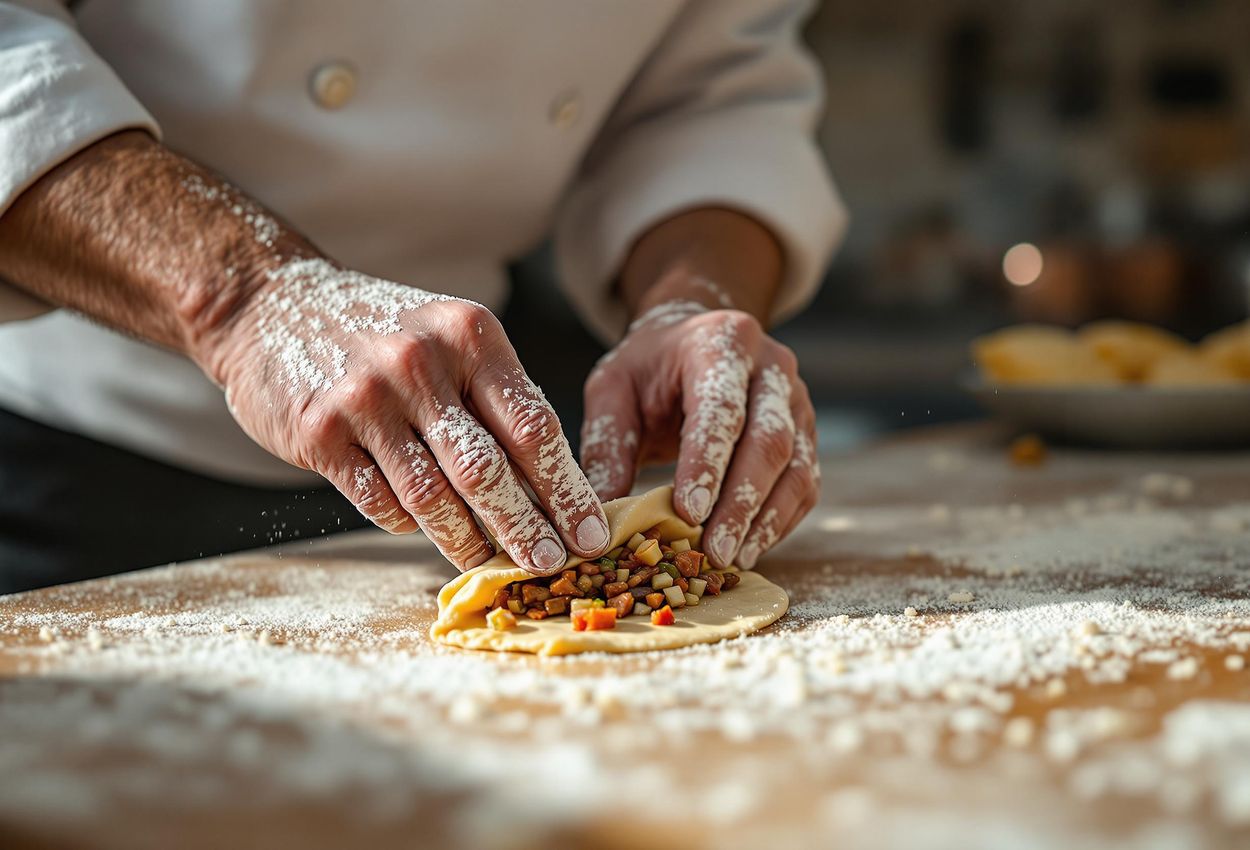
In the viant city of Buenos Aires, the aroma of sizzling empanadas and the sweet scent of dulce de leche fill the air. A cooking class at Criolla Cooking or with a private chef like Saul Gerson offers a hands-on experience in the art of making these iconic Argentine pastries. The journey begins with the dough, a simple mixture of flour, water, and fat, transformed into a pliable canvas for culinary creativity. You'll learn to knead the dough to the perfect consistency, feeling its smooth texture beneath your fingertips. Then comes the exciting part: preparing the fillings. From savory beef and chicken to vegetarian options bursting with flavor, the possibilities are endless. Each filling is a carefully crafted blend of ingredients, reflecting the diverse culinary influences of Argentina.
As you shape the empanadas, you'll learn the traditional techniques passed down through generations. Each fold and crimp is a testament to Argentine culinary heritage. The empanadas are then baked or fried to golden perfection, their savory aromas filling the kitchen. But the experience doesn't end there. You'll also learn to make alfajores, delicate sandwich cookies filled with dulce de leche, the beloved Argentine caramel. The sweet aroma of dulce de leche mingles with the savory scent of the empanadas, creating a tantalizing olfactory symphony. Finally, the moment arrives to savor your creations. The sizzling empanadas, with their crispy crust and flavorful fillings, are paired with a glass of Argentine wine, a perfect complement to the savory flavors. The alfajores, with their delicate sweetness, provide a delightful contrast. And no Argentine culinary experience is complete without mate, the traditional herbal tea, shared among friends and family. This is more than just a cooking class; it's a celeation of Argentine culture, a journey into the heart of its culinary traditions.
Hidden Gem: Chimichurri sauce, a viant blend of parsley, garlic, oregano, red wine vinegar, and olive oil, is the quintessential condiment in Argentina. Learn to make your own chimichurri sauce, experimenting with different herbs and spices to create your perfect blend. It's the perfect accompaniment to grilled meats, empanadas, and a variety of other Argentine dishes.
Thai Street Food Sensations in Bangkok, Thailand
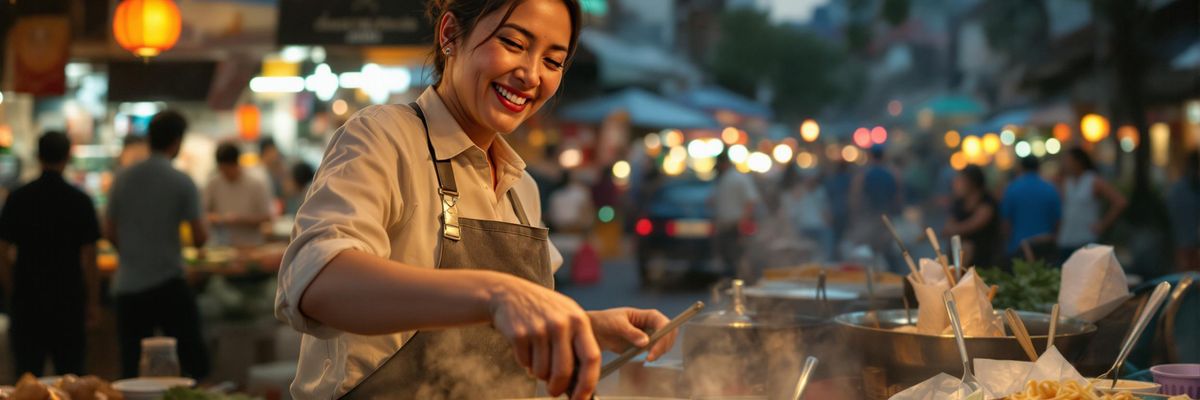
Immerse yourself in the viant chaos of Bangkok, where street food reigns supreme and culinary adventures await around every corner. A cooking class at House of Taste or Silom Thai Cooking School begins with a visit to a local wet market, a sensory explosion that will awaken your culinary senses. Lemongrass, galangal, chili peppers u2013 the ingredients of Thai cuisine are as viant as the city itself. You'll learn to identify the different ingredients, understanding their unique properties and how they contribute to the complex flavors of Thai cooking. The market is a symphony of sights, sounds, and smells, a testament to the culinary diversity of Thailand.
Back in the kitchen, you'll learn to prepare classic dishes like Pad Thai and Tom Yum soup, the cornerstones of Thai cuisine. Under the guidance of skilled chefs, you'll learn the art of balancing sweet, sour, salty, and spicy flavors, the hallmark of Thai cooking. Each dish is a carefully crafted blend of ingredients, reflecting the diverse regional influences of Thailand. As you cook, the aroma of street food fills the air, transporting you to the bustling streets of Bangkok. The sensory experience extends beyond taste and smell. The bustling market, with its cacophony of sounds, provides a viant backdrop to your culinary adventure. The taste of the dishes, a perfect harmony of flavors, will tantalize your taste buds. This is more than just a cooking class; it's a journey into the heart of Thai culture, a celeation of its culinary traditions.
Hidden Gem: Fish sauce, or nam pla, is the backbone of Thai cuisine. Learn how to choose the best quality fish sauce, looking for a clear, amber color and a pungent aroma. It's the secret ingredient that adds depth and complexity to many Thai dishes.

Unlocking Kaiseki Cuisine in Kyoto, Japan
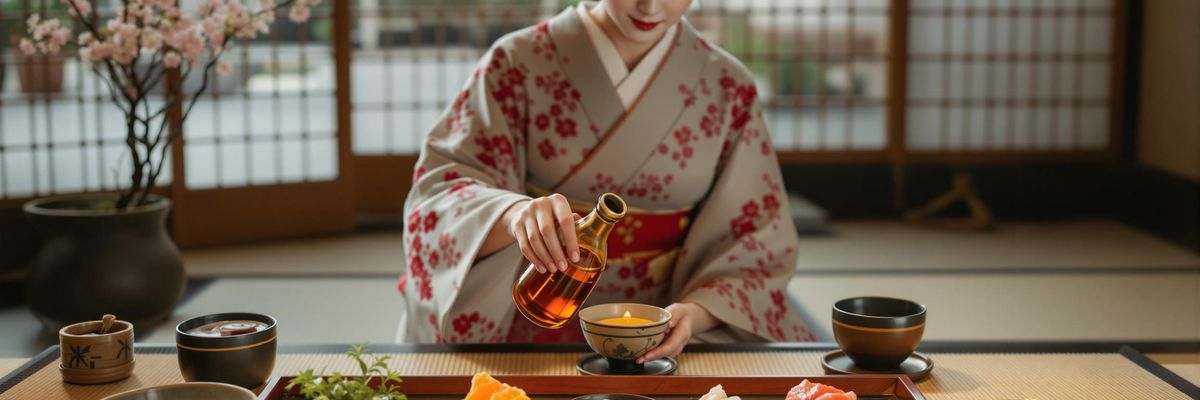
Step into a world of delicate flavors and artistic presentation in Kyoto, where Kaiseki cuisine reigns supreme. A cooking class at La Carriere Cooking School or Haru Cooking Class offers a glimpse into the intricate art of Japanese gastronomy. Unlike other cooking classes, this one hones in on the art of Kaiseki cuisine. The experience emphasizes the use of fresh, local ingredients and traditional techniques. You'll learn to prepare dishes like ramen and wagyu, each a testament to Japanese culinary precision. The sensory details are paramount: the delicate flavors, the artistic presentation, the serene atmosphere of a traditional Japanese kitchen. Every element is carefully considered, from the choice of ingredients to the placement of each garnish.
As you cook, you'll learn about the cultural significance of tea ceremony, an integral part of Japanese tradition. The serene atmosphere of the tea room, the delicate flavors of the tea, and the precise movements of the tea master all contribute to a sense of harmony and balance. The cooking class is not merely about learning to prepare dishes; it's about understanding the philosophy behind Japanese cuisine, the emphasis on simplicity, balance, and respect for nature. The experience is a journey into the heart of Japanese culture, a celeation of its culinary traditions.
Hidden Gem: Dashi, a clear oth made from kombu (kelp) and katsuobushi (dried bonito flakes), is the foundation of many Japanese dishes. Learn how to make your own dashi from scratch, experimenting with different types of kombu and katsuobushi to create your perfect blend. Miso paste, fermented soybean paste, is another essential ingredient in Japanese cuisine. Explore the different types of miso paste, from the mild white miso to the rich red miso, and learn how to use them in a variety of dishes.

Mole Magic in Oaxaca, Mexico
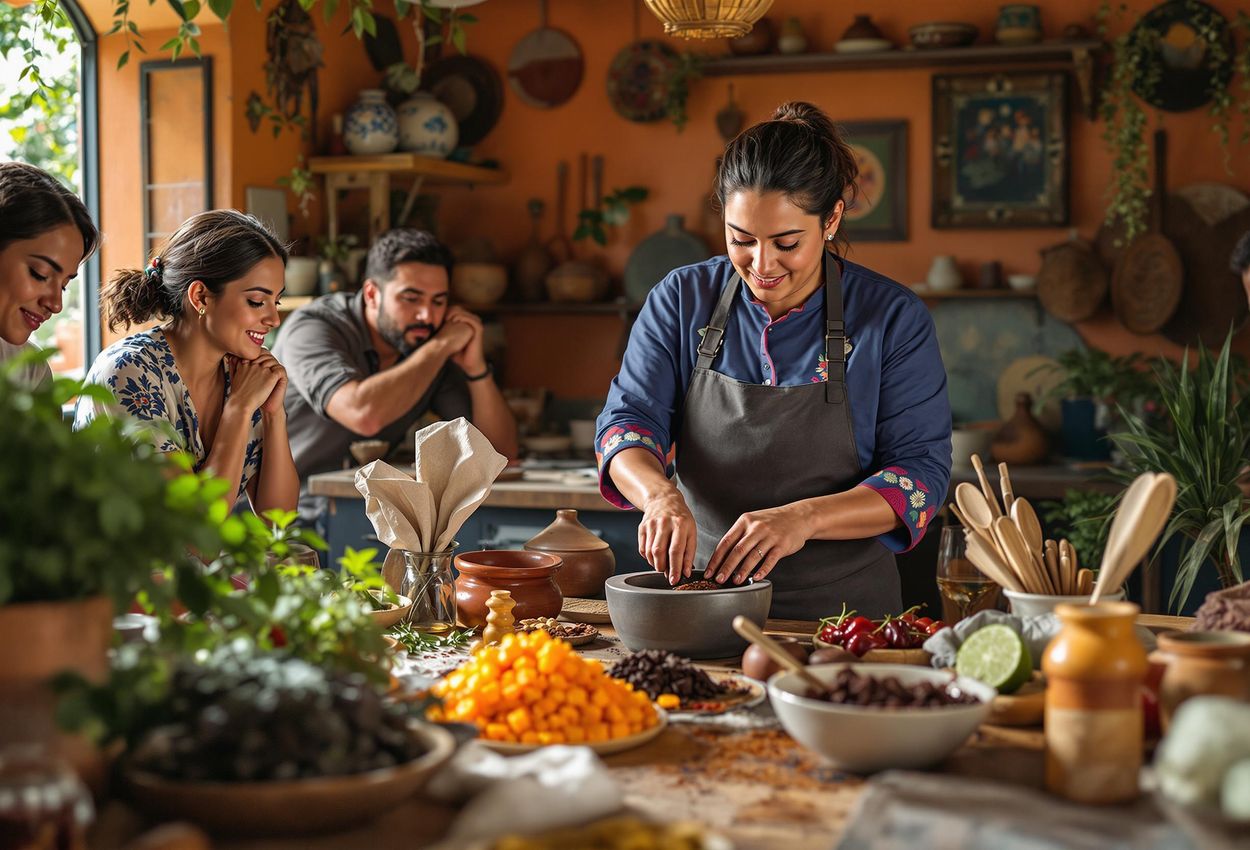
Journey to Oaxaca, a city renowned for its viant culture and its complex, flavorful cuisine. A cooking class at Que Rico Es Oaxaca or Alma de mi Tierra offers a hands-on experience in the art of making mole, the iconic sauce of Mexico. The experience begins with a visit to Abastos Market, a sensory explosion that will awaken your culinary senses. Chilies of every color and shape, spices from around the world, and a rainbow of fresh produce fill the stalls. You'll learn to identify the different ingredients, understanding their unique properties and how they contribute to the complex flavors of mole.
Back in the kitchen, you'll learn the ancient techniques of grinding spices, roasting chilies, and blending ingredients, transforming simple components into a culinary masterpiece. The process is long and laborious, but the results are well worth the effort. The rich aromas of the roasting chilies, the viant colors of the spices, and the anticipation of the final product create a truly immersive experience. Finally, the moment arrives to savor the finished mole, paired with traditional Oaxacan dishes. The taste is an explosion of flavors, a perfect balance of sweet, savory, and spicy. This is more than just a cooking class; it's a journey into the heart of Oaxacan culture, a celeation of its culinary traditions.
Hidden Gem: Chocolate plays a significant role in Oaxacan cuisine, particularly in mole. Discover the cultural significance of chocolate in Oaxaca, learning about its history and its use in both savory and sweet dishes. Many cooking schools will offer demonstrations on how chocolate is traditionally prepared, from roasting the cacao beans to grinding them into a smooth paste.
Exploring Vietnamese Flavors in Hoi An, Vietnam
Escape to the charming town of Hoi An, where ancient traditions blend seamlessly with modern life. A cooking class at Green Bamboo Cooking School or Hoi An Eco Cooking Class offers a hands-on experience in the art of Vietnamese cuisine. The adventure begins with a visit to a local market and a boat trip, providing a glimpse into the daily life of the Vietnamese people. You'll learn to identify the fresh herbs and spices that are essential to Vietnamese cooking, such as mint, cilantro, and star anise. The market is a viant tapestry of sights, sounds, and smells, a testament to the culinary diversity of Vietnam.
Back in the kitchen, you'll learn to prepare dishes like Pho and Cao Lau, each a unique expression of Vietnamese flavors. Under the guidance of skilled chefs, you'll learn the art of balancing textures and aromas, creating dishes that are both delicious and visually appealing. As you cook, the aroma of street food fills the air, transporting you to the bustling streets of Hoi An. The sensory experience extends beyond taste and smell. The bustling market, with its cacophony of sounds, provides a viant backdrop to your culinary adventure. The boat trip, with its stunning views of the Vietnamese countryside, adds another layer to the experience. This is more than just a cooking class; it's a journey into the heart of Vietnamese culture, a celeation of its culinary traditions.
Hidden Gem: Fish sauce is an indispensable ingredient in Vietnamese cuisine. Learn how to select the best quality fish sauce, looking for a clear, amber color and a pungent aroma. Rice paper, used to make spring rolls and other Vietnamese delicacies, is another essential ingredient. Discover the different types of rice paper, from the thin and delicate to the thick and chewy, and learn how to use them in a variety of dishes.