Imagine stepping into a world where the air is thick with the aroma of exotic spices, where ancient recipes are whispered from generation to generation, and where every meal is a celeation of culture and community. Welcome to Morocco, a land of culinary enchantment that promises an unforgettable gastronomic adventure.
From the bustling souks of Marrakech to the serene landscapes of the Atlas Mountains, Morocco's culinary tapestry is woven with threads of Berber, Arab, and French influences. Each region boasts its own unique specialties, reflecting the country's diverse landscapes and rich history. Prepare to embark on a culinary safari that will tantalize your taste buds and immerse you in the heart of Moroccan culture.
Marrakech Souks: A Sensory Explosion of Spices and Street Food
The heart of Marrakech beats within its labyrinthine souks, a sensory explosion of colors, sounds, and, most importantly, aromas. As you navigate the narrow alleyways, you'll be enveloped by the scent of exotic spices, the rhythmic clatter of metalworkers, and the viant chatter of merchants and shoppers. The souks are a microcosm of Moroccan life, a place where ancient traditions meet modern commerce.
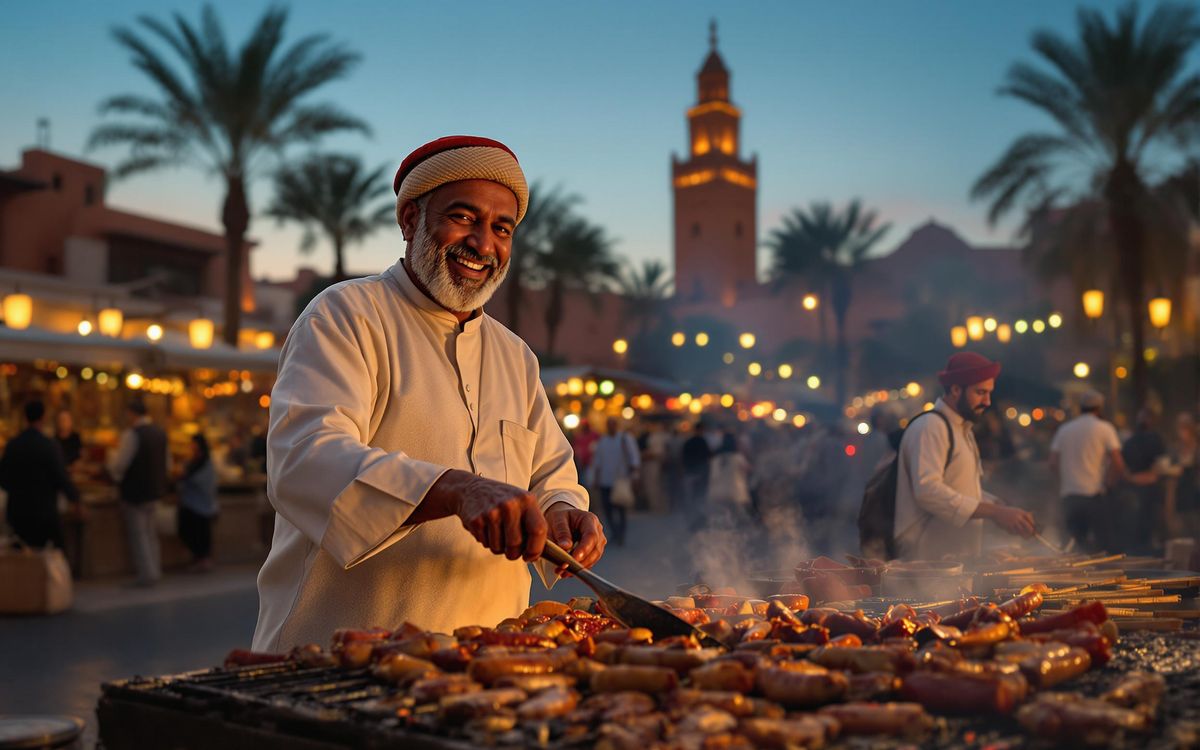
As dusk settles, the Jemaa el-Fna square transforms into a mesmerizing spectacle. Storytellers captivate audiences with ancient tales, musicians fill the air with enchanting melodies, and the tantalizing aroma of street food fills the air. Food stalls line the square, each offering a tempting array of Moroccan delicacies. From steaming tagines to sizzling grilled meats, the Jemaa el-Fna is a culinary playground for adventurous eaters.
The spice market is a must-visit for any culinary enthusiast. Mountains of cumin, saffron, ginger, and turmeric create a viant tapestry of colors and aromas. Merchants eagerly offer samples, sharing their knowledge of each spice's unique properties and uses. Be sure to haggle for the best prices and stock up on your favorite flavors to take home a piece of Morocco with you.
No visit to the Marrakech souks is complete without indulging in the local street food. Savor the rich flavors of a traditional tagine, a slow-cooked stew of meat and vegetables simmered in a conical earthenware pot. Warm up with a bowl of harira soup, a hearty tomato-based soup with lentils and chickpeas. Or, sample the succulent grilled meats, seasoned with aromatic spices and cooked over an open flame.
Hidden Gem: Tucked away in a quiet corner of the souk, you'll find a small stall selling traditional Berber tagines cooked in a clay pot over charcoal. These tagines are made with fresh, local ingredients and cooked using ancient techniques, resulting in a truly authentic and unforgettable culinary experience. The vendor, a wizened old Berber woman, learned the recipe from her grandmother and guards it jealously. Each tagine is infused with the smoky aroma of charcoal and the earthy flavors of the Berber countryside. 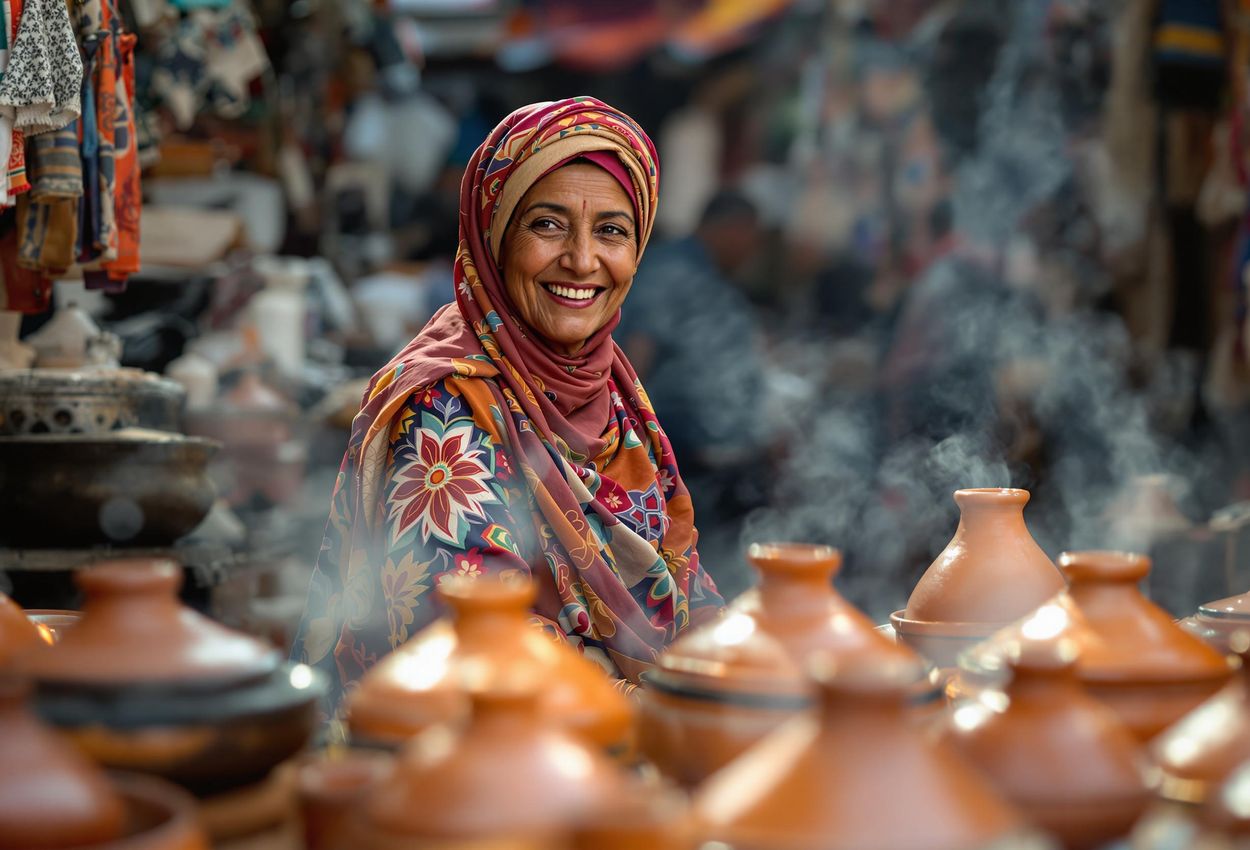
Tagine Tales: Unveiling the Secrets of Morocco's Signature Dish
The tagine is more than just a dish in Morocco; it's a symbol of hospitality, community, and culinary heritage. This slow-cooked stew, simmered in a distinctive earthenware pot, has been a staple of Moroccan cuisine for centuries. The tagine's conical lid traps steam, creating a moist and flavorful cooking environment that tenderizes meats and infuses vegetables with rich, aromatic spices.
The history of the tagine dates back to the Berber people, who roamed the deserts and mountains of North Africa. These nomadic tribes developed the tagine as a portable and versatile cooking method, using readily available ingredients like meat, vegetables, and spices. Over time, the tagine evolved into a sophisticated culinary art form, with countless regional variations and flavor combinations.
The traditional earthenware pot, also called a tagine, is a work of art in itself. Crafted from clay and often adorned with intricate designs, the tagine pot is a testament to Moroccan craftsmanship. The slow-cooking process allows the flavors to meld together, creating a harmonious blend of sweet, savory, and spicy notes.
Recipe: Classic Lamb Tagine with Prunes and Almonds
Ingredients:
- 1 kg lamb, cut into chunks
- 2 onions, chopped
- 4 cloves garlic, minced
- 1 tsp ginger
- 1 tsp cumin
- 1/2 tsp saffron threads
- 1 cinnamon stick
- 500g prunes, pitted
- 100g almonds, blanched and toasted
- 2 tbsp olive oil
- Salt and pepper to taste
- Fresh cilantro, chopped (for garnish)
Instructions:
- In a large tagine or pot, heat the olive oil over medium heat.
- Add the lamb and own on all sides.
- Add the onions and garlic and cook until softened.
- Stir in the ginger, cumin, saffron, and cinnamon.
- Add enough water to cover the lamb.
- ing to a boil, then reduce heat and simmer for 2 hours, or until the lamb is tender.
- Add the prunes and almonds and cook for another 30 minutes.
- Season with salt and pepper to taste.
- Garnish with fresh cilantro and serve hot with couscous or ead.
Regional variations of the tagine abound in Morocco. In the coastal city of Essaouira, you'll find seafood tagines featuring fresh catches of the day. In the northern regions, chicken tagines with lemon and olives are a popular choice. And in the southern oases, vegetable tagines are a celeation of the region's abundant produce.
Hidden Gem: Seek out a local artisan who crafts tagine pots using traditional methods passed down through generations. These artisans often use clay from specific regions, known for its unique properties and ability to withstand high temperatures. Watching them at work is a fascinating glimpse into a disappearing craft. You can find these artisans in small villages outside of major cities like Fez or Meknes. 
Couscous Chronicles: From Berber Origins to Friday Feasts
Couscous, a staple of Moroccan cuisine, is a testament to the country's Berber heritage. These tiny granules of semolina have been a staple food in North Africa for centuries, providing sustenance and nourishment to generations of Berber people. Couscous is more than just a food; it's a symbol of community, family, and tradition.
The origins of couscous can be traced back to the Berber tribes who roamed the deserts and mountains of North Africa. These nomadic people developed couscous as a portable and versatile food, using readily available ingredients like semolina and water. Over time, couscous evolved into a sophisticated culinary art form, with countless regional variations and preparation methods.
In Morocco, couscous is traditionally served on Fridays as part of a communal meal shared by family and friends. The preparation of couscous is a labor of love, often taking hours to complete. The semolina is steamed multiple times, ensuring a light and fluffy texture. The couscous is then served with a flavorful oth of vegetables and meat, creating a hearty and satisfying meal.
Recipe: Traditional Couscous with Vegetables and Meat
Ingredients:
- 1 kg couscous
- 1 kg meat (lamb, beef, or chicken), cut into chunks
- 2 onions, chopped
- 4 carrots, chopped
- 4 turnips, chopped
- 1/2 cabbage, chopped
- 2 zucchini, chopped
- 1 can chickpeas, drained
- 2 tbsp olive oil
- 1 tsp ginger
- 1 tsp cumin
- 1/2 tsp saffron threads
- Salt and pepper to taste
- Fresh cilantro, chopped (for garnish)
Instructions:
- In a large pot, heat the olive oil over medium heat.
- Add the meat and own on all sides.
- Add the onions and cook until softened.
- Stir in the ginger, cumin, and saffron.
- Add enough water to cover the meat.
- ing to a boil, then reduce heat and simmer for 1 hour.
- Add the carrots, turnips, and cabbage and cook for another 30 minutes.
- Add the zucchini and chickpeas and cook for another 15 minutes.
- Season with salt and pepper to taste.
- Prepare the couscous according to package instructions.
- Serve the couscous in a large bowl and top with the vegetables and meat.
- Garnish with fresh cilantro and serve hot.
Different types of couscous are available, each with its own unique texture and flavor. Pearl couscous, also known as Israeli couscous, is larger and rounder than traditional couscous. Whole wheat couscous is made with whole wheat flour, giving it a nuttier flavor and a coarser texture.
Hidden Gem: Seek out a Berber family in the Atlas Mountains who still prepares couscous by hand using ancient techniques. These families often use traditional stone mills to grind the semolina and steam the couscous in handmade earthenware pots. Sharing a meal with them is a truly authentic and unforgettable cultural experience. You may need to hire a local guide to find such a family. 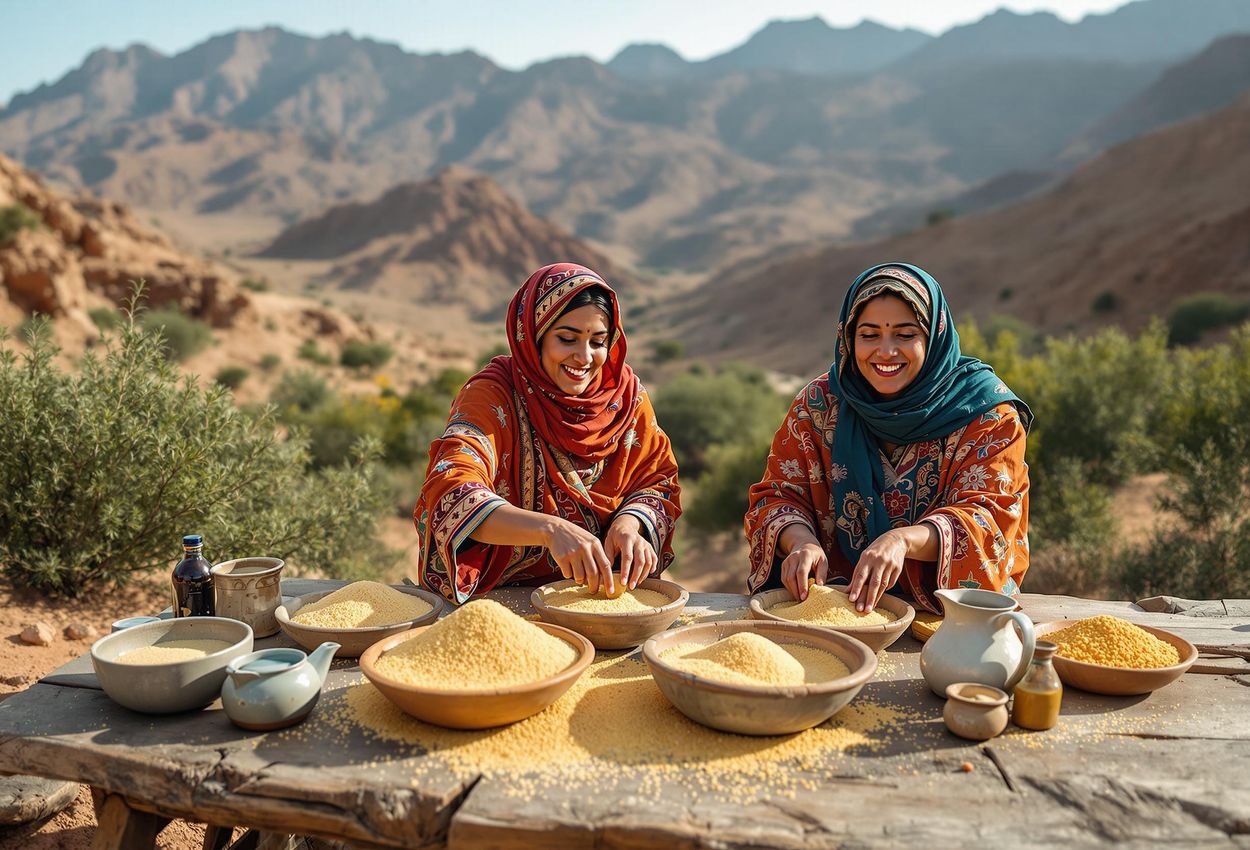
Pastilla Passion: A Sweet and Savory Symphony of Flavors
Pastilla, a savory and sweet pie with Andalusian origins, is a culinary masterpiece that embodies the complexity and sophistication of Moroccan cuisine. This flaky pastry, filled with shredded chicken or pigeon, eggs, and almonds, is a symphony of flavors and textures that will tantalize your taste buds.
The history of pastilla dates back to the Moorish rule of Spain, when Andalusian chefs ought their culinary traditions to Morocco. The dish evolved over time, incorporating local ingredients and flavors. Today, pastilla is a symbol of Moroccan culinary heritage, often served at weddings, celeations, and other special occasions.
The flaky pastry crust is made from a delicate dough called warka, which is similar to phyllo dough. The filling typically consists of shredded chicken or pigeon, eggs, almonds, and a blend of aromatic spices. The pie is then dusted with powdered sugar and cinnamon, creating a sweet and savory contrast that is both surprising and delightful.
Recipe: Chicken Pastilla
Ingredients:
- 1 kg chicken, cooked and shredded
- 6 eggs, beaten
- 1 cup almonds, blanched and toasted
- 1 onion, chopped
- 2 tbsp olive oil
- 1 tsp ginger
- 1 tsp cinnamon
- 1/2 tsp saffron threads
- 1/4 tsp cayenne pepper
- Salt and pepper to taste
- 1 package warka pastry
- Powdered sugar and cinnamon for dusting
Instructions:
- In a large pan, heat the olive oil over medium heat.
- Add the onion and cook until softened.
- Stir in the ginger, cinnamon, saffron, and cayenne pepper.
- Add the shredded chicken and cook for another 5 minutes.
- Add the beaten eggs and cook until set.
- Stir in the almonds.
- Preheat oven to 180°C (350°F).
- Line a baking dish with warka pastry.
- Fill with the chicken mixture.
- Top with another layer of warka pastry.
- Bake for 30-40 minutes, or until golden own.
- Dust with powdered sugar and cinnamon and serve hot.
Traditionally, pastilla was made with pigeon, but modern adaptations often use chicken. The key to a good pastilla is the balance of sweet and savory flavors, the flaky pastry crust, and the generous dusting of powdered sugar and cinnamon.
Hidden Gem: Discover a small bakery in Fez that specializes in pastilla, using a secret family recipe passed down for centuries. This bakery, often hidden away in the maze-like alleys of the medina, is a treasure trove of culinary delights. The pastilla is made fresh daily, using only the finest ingredients and time-honored techniques. The aroma alone is enough to make your mouth water. 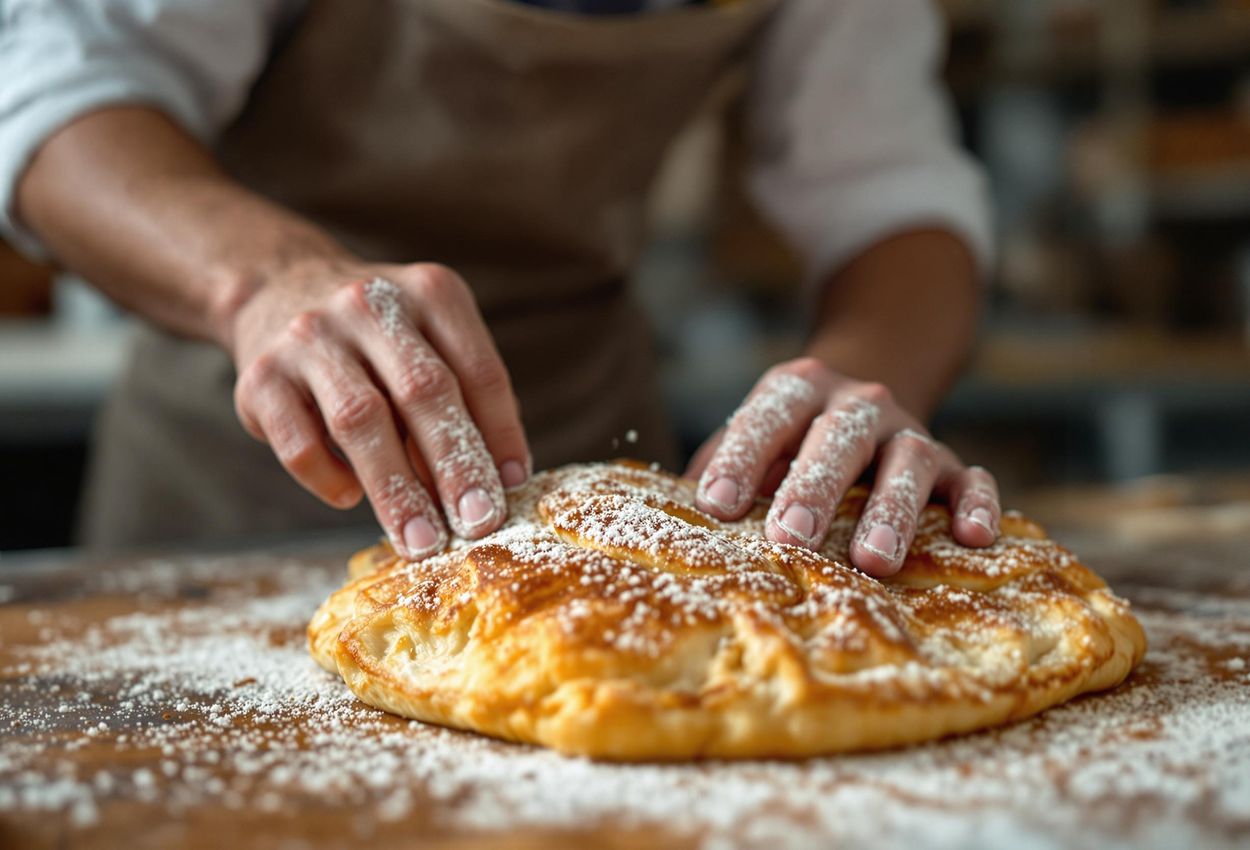
Berber ead Baking: A Journey to the Atlas Mountains
Venture into the Atlas Mountains to discover the art of Berber ead baking, a tradition that has been passed down through generations. In these remote villages, ead is more than just a food; it's a symbol of community, hospitality, and the simple life.
The traditional clay ovens, called Teket, are a focal point of Berber villages. These ovens, often built into the sides of hills or houses, are heated with wood or charcoal. The women of the village gather together to bake ead, sharing stories, laughter, and the warmth of the oven.
Berber ead is typically made with barley or semolina flour, water, and salt. The dough is kneaded by hand and then shaped into flateads. The flateads are then baked in the Teket until golden own and slightly crispy.
Recipe: Berber Flatead
Ingredients:
- 500g barley or semolina flour
- 300ml warm water
- 1 tsp salt
Instructions:
- In a large bowl, mix together the flour and salt.
- Gradually add the warm water, mixing until a dough forms.
- Knead the dough for 10-15 minutes, or until smooth and elastic.
- Cover the dough and let it rest for 30 minutes.
- Divide the dough into small balls.
- Roll out each ball into a thin flatead.
- Heat a griddle or frying pan over medium heat.
- Cook the flateads for 2-3 minutes per side, or until golden own.
- Serve warm.
The simple ingredients and rustic flavors of Berber flatead reflect the harsh but beautiful landscape of the Atlas Mountains. The ead is often served with tagine, couscous, or simply with olive oil and mint tea.
Hidden Gem: Visit a Berber village where women gather to bake ead together, sharing stories and preserving their cultural heritage. These gatherings are a celeation of community and a reminder of the importance of simple pleasures. The aroma of freshly baked ead fills the air, creating a warm and inviting atmosphere. You can arrange a visit through local guides in towns like Imlil or Aroumd. 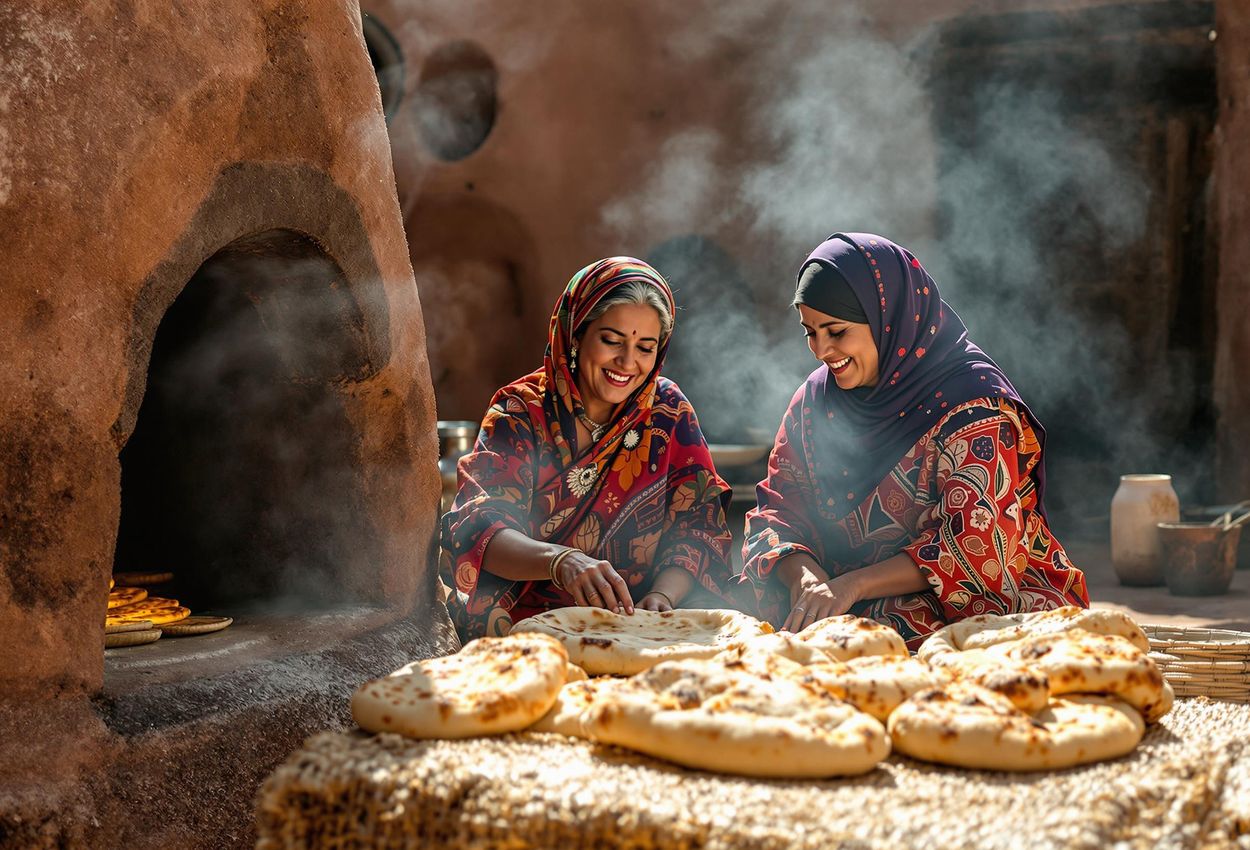
Mint Tea Magic: The Art of Moroccan Hospitality
Mint tea is more than just a beverage in Morocco; it's a symbol of hospitality, friendship, and cultural identity. This sweet and refreshing tea is offered to guests as a sign of welcome and is enjoyed throughout the day, from eakfast to late-night gatherings.
The tea-making ceremony is an elaborate ritual, often performed with great care and precision. The tea is typically made with green tea, fresh mint leaves, and sugar. The tea is ewed in a traditional teapot and poured into small glasses from a height, creating a frothy layer on top.
The pouring technique is an art form in itself. The tea is poured from a height to create a frothy top, which is considered a sign of good tea. The higher the pour, the more impressive the tea-making skills.
The sweet and refreshing flavor of mint tea is a perfect complement to the rich and savory dishes of Moroccan cuisine. The tea is often served with pastries, cookies, or other sweets.
Hidden Gem: Discover a tea house in the Marrakech Medina where the owner shares stories about the history and traditions of Moroccan tea. These tea houses, often hidden away in the maze-like alleys of the medina, are a haven of tranquility and cultural immersion. The owner, a knowledgeable and passionate tea enthusiast, will guide you through the intricacies of Moroccan tea culture, sharing stories and anecdotes that will ing the tradition to life. You can find these tea houses by asking locals for recommendations. 
Coastal Cuisine: Savoring Seafood in Essaouira
Journey to the coastal city of Essaouira to experience its unique seafood cuisine, a reflection of the city's maritime heritage and its location on the Atlantic coast. Here, the fresh catches of the day are grilled, fried, and simmered to perfection, creating a culinary experience that is both simple and sublime.
The local fishermen ing in their daily catches, which are displayed on ice in the city's bustling port. From sardines and sea bass to calamari and shrimp, the variety of seafood is impressive. The grilling techniques used by the local fishermen are simple but effective, allowing the natural flavors of the seafood to shine through.
Grilled sardines are a must-try in Essaouira. The sardines are marinated in a blend of herbs and spices and then grilled over an open flame until crispy and flavorful. Seafood tagine, a slow-cooked stew of seafood and vegetables, is another popular dish. And fried calamari, crispy and golden own, is a perfect snack to enjoy while strolling along the beach.
The influence of the Atlantic Ocean is evident in the flavors of Essaouira's cuisine. The seafood is incredibly fresh, and the dishes are often seasoned with sea salt and other maritime-inspired ingredients.
Hidden Gem: Seek out a small seafood restaurant on the beach where the owner serves a secret family recipe for grilled fish. These restaurants, often hidden away from the main tourist areas, are a treasure trove of culinary delights. The fish is grilled to perfection, using a secret blend of herbs and spices that has been passed down through generations. Ask local residents for recommendations to find these hidden gems. 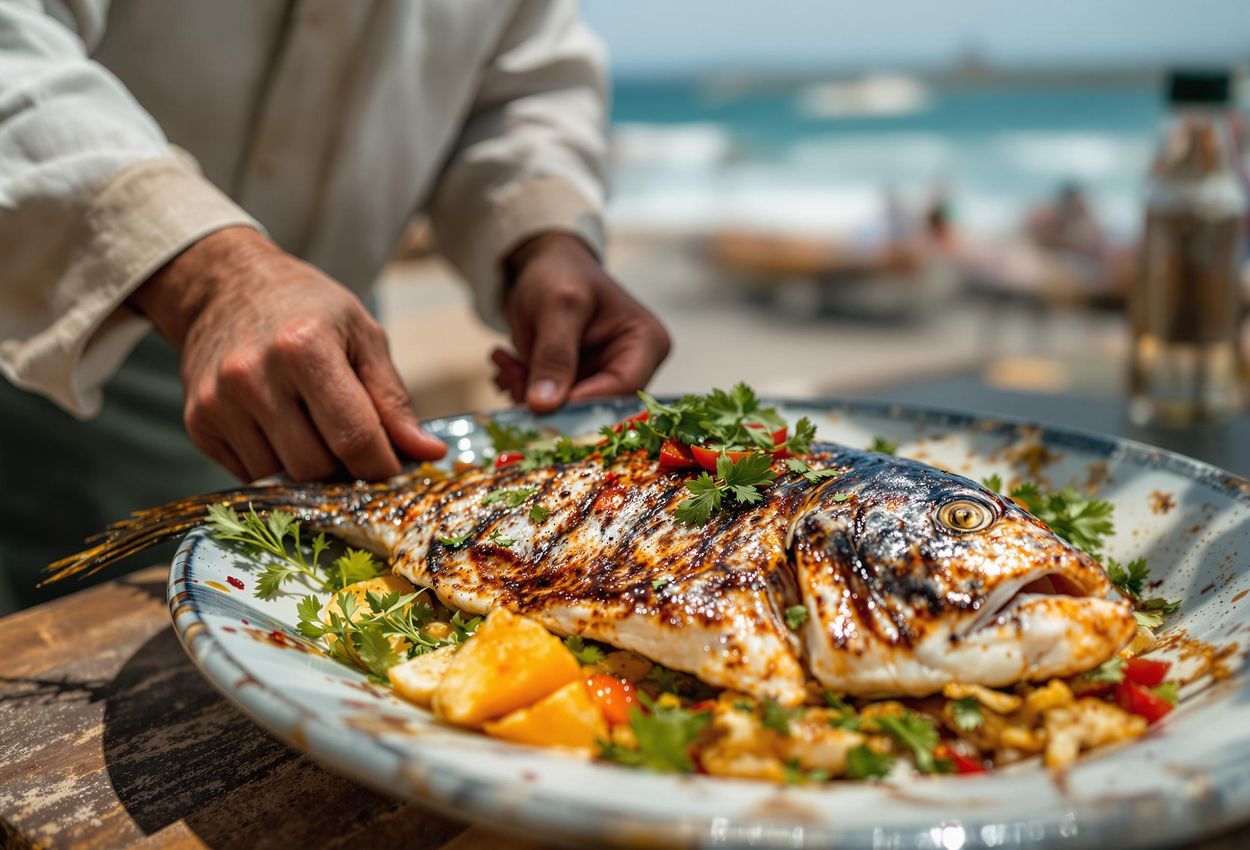
As your culinary safari through Morocco comes to an end, you'll carry with you a treasure trove of memories, flavors, and experiences. From the bustling souks of Marrakech to the serene landscapes of the Atlas Mountains, Morocco's culinary tapestry is woven with threads of tradition, innovation, and a deep love for food. So, pack your bags, prepare your palate, and embark on a gastronomic adventure that will tantalize your senses and leave you craving more.