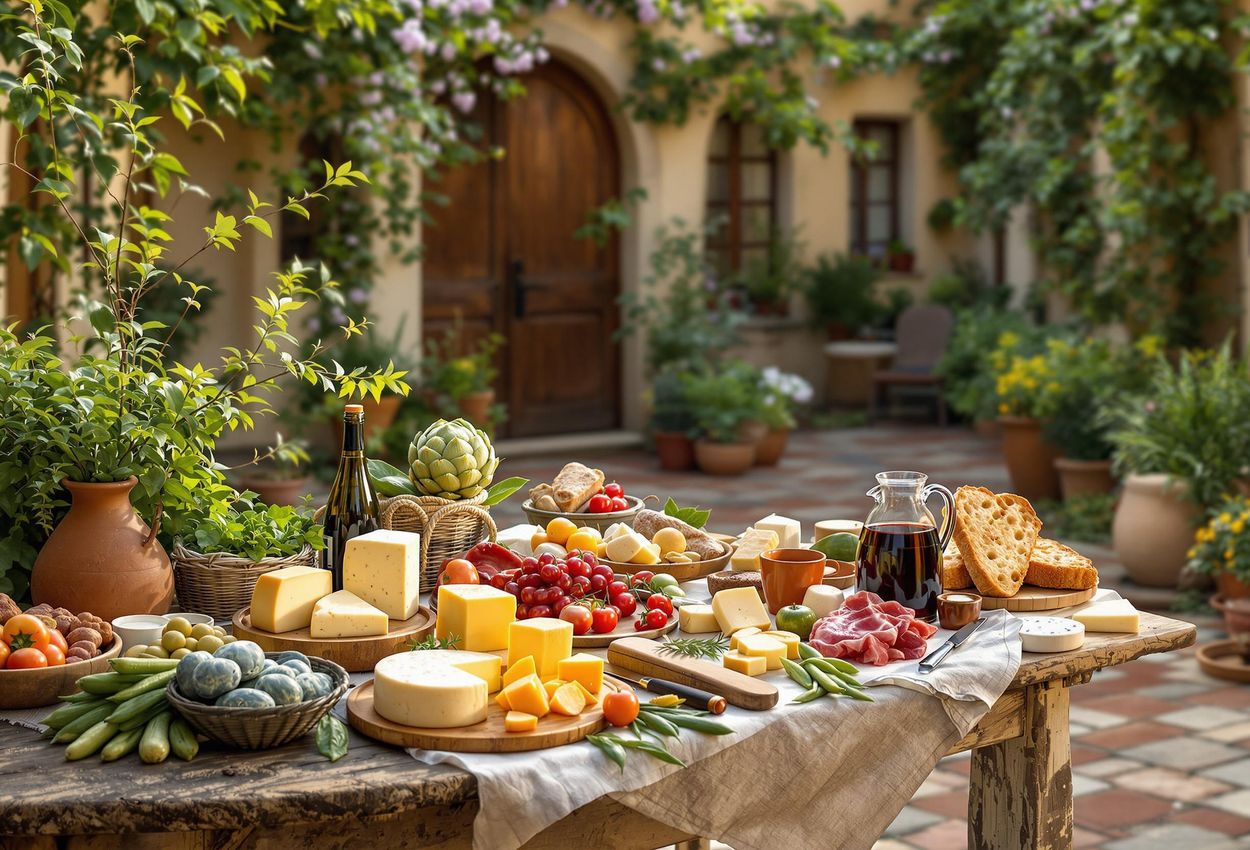
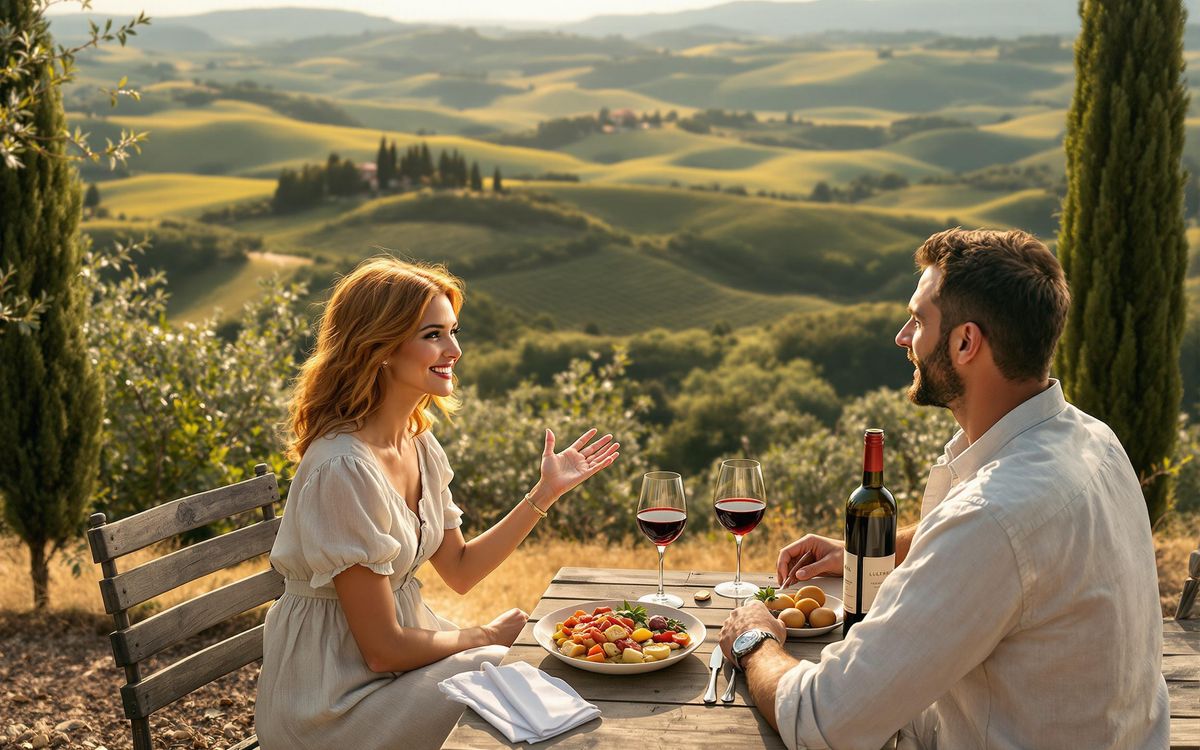
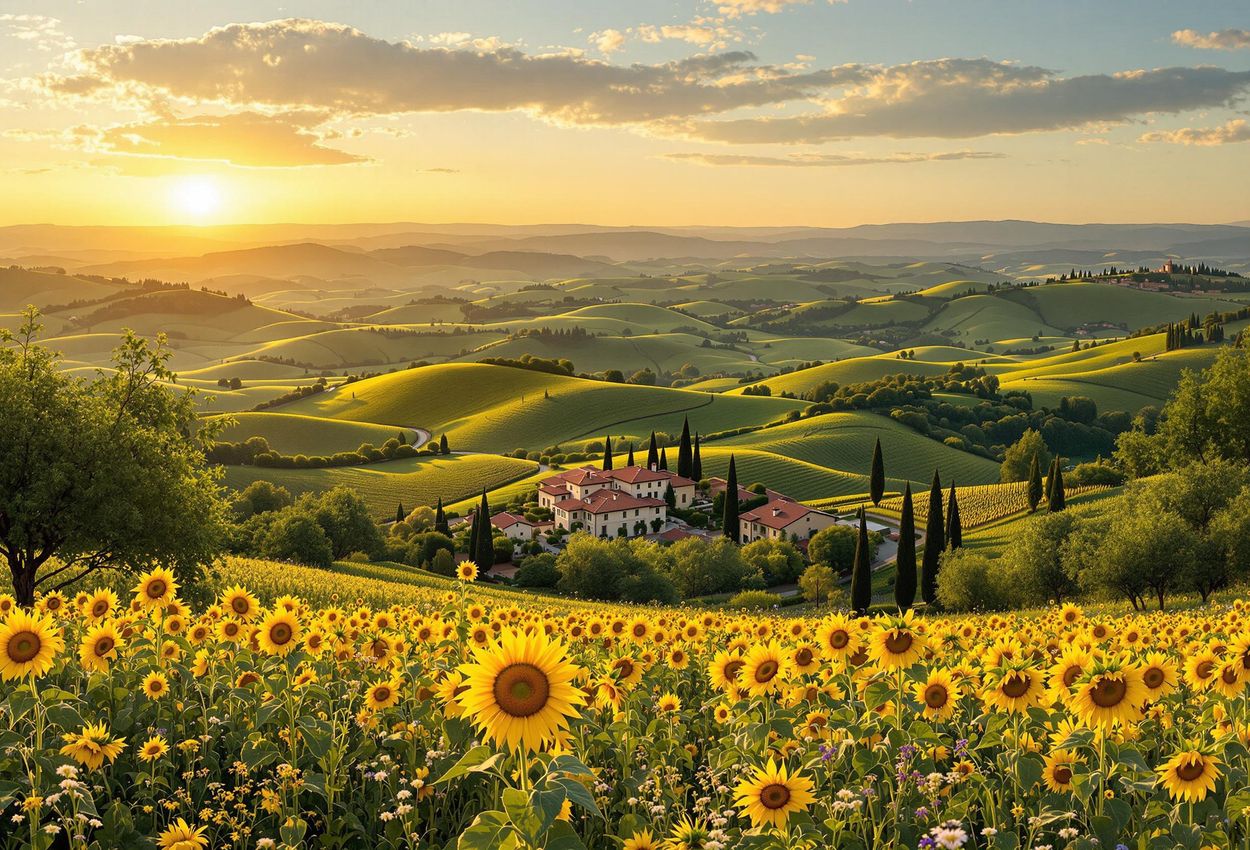
Imagine the rolling hills of Tuscany, bathed in the golden light of the Tuscan sun, where ancient traditions meet innovative practices to create a culinary landscape that is as sustainable as it is delicious. This is a journey for the senses, a deep dive into the heart of Italy's commitment to preserving its rich culinary heritage while protecting the environment. Join us as we explore the farms, vineyards, and restaurants that are leading the sustainable food movement in this eathtaking region.
Rolling Hills & Rooted Traditions: Discovering Tuscany's Sustainable Soul
The soul of Tuscany is inextricably linked to its land. From the cypress-lined roads of the Chianti region to the sun-kissed slopes of the Val d'Orcia and the wild coastal beauty of the Maremma, the landscape itself tells a story of agricultural heritage. Here, the concept of 'cucina povera,' the cuisine of the poor, isn't just a historical footnote; it's a living philosophy that informs the region's approach to sustainable gastronomy. This approach emphasizes using every part of an ingredient, minimizing waste, and celeating the simple, seasonal flavors of the land.
The importance of local, seasonal ingredients cannot be overstated. Tuscan cuisine is a celeation of what the earth provides at any given moment. Spring ings forth viant greens and artichokes, summer offers sun-ripened tomatoes and fragrant basil, autumn boasts earthy mushrooms and hearty beans, and winter provides comforting root vegetables and rich meats. Traditional recipes, passed down through generations, are designed to showcase these ingredients in their purest form, minimizing waste and maximizing flavor. Think ribollita, a hearty ead and vegetable soup that uses up leftover ingredients, or pappa al pomodoro, a thick tomato and ead soup that transforms simple ingredients into a culinary masterpiece. These dishes aren't just delicious; they're a testament to the resourcefulness and ingenuity of Tuscan cooks.
Hidden Gem: Venture off the beaten path to the small village of San Miniato, famous for its white truffle. Each November, the village hosts a sagra (food festival) dedicated to this prized ingredient. Here, you can witness firsthand the traditional methods of truffle hunting, sample truffle-infused delicacies, and immerse yourself in the viant atmosphere of a local celeation. The air is filled with the earthy aroma of truffles, the sounds of lively conversation, and the tastes of authentic Tuscan cuisine. It's an experience that will awaken your senses and connect you to the heart of Tuscany's culinary soul.
Meet the Maestros: Tuscan Farmers Championing Organic Innovation
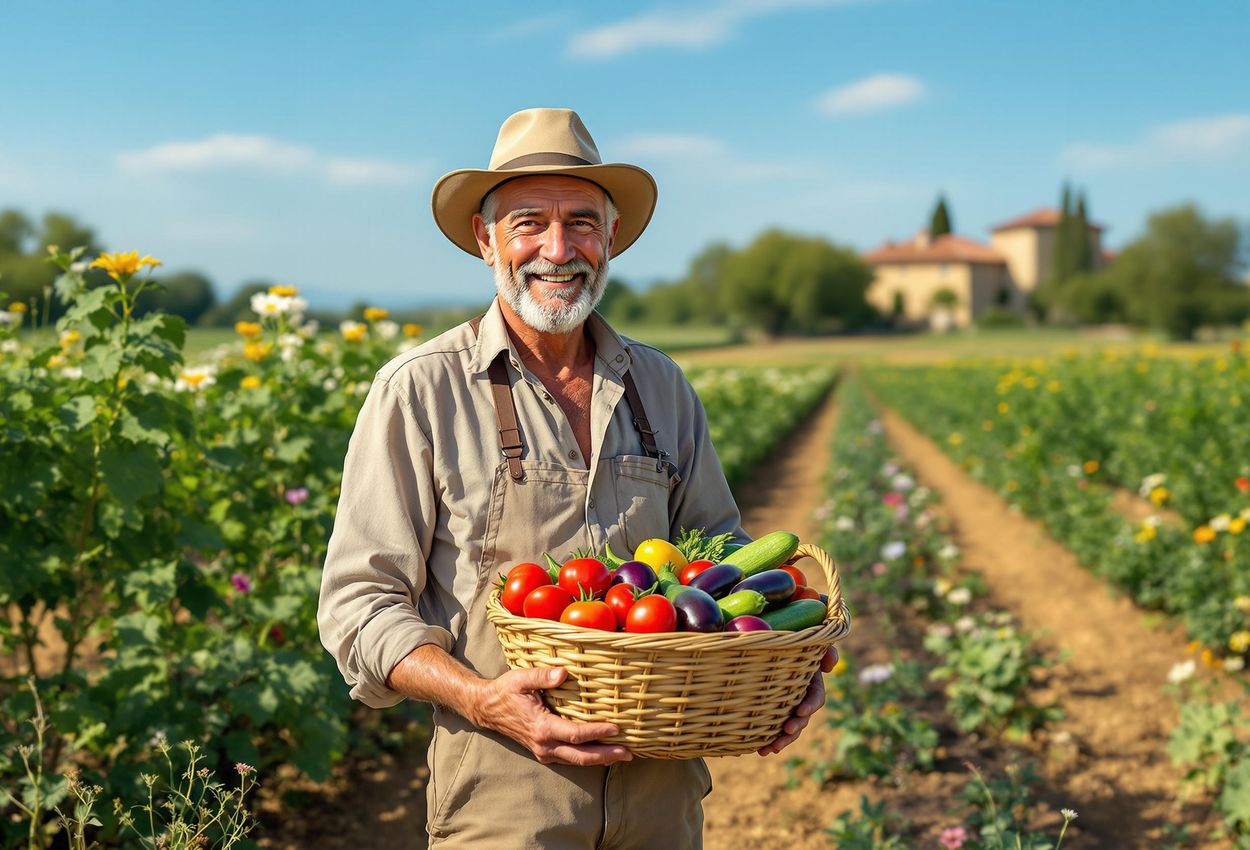
Tuscany's sustainable food movement is driven by passionate farmers who are committed to organic and biodynamic practices. These are the maestros of the land, the guardians of tradition, and the innovators of a more sustainable future. Visiting their farms is an immersive experience, a chance to connect with the earth and witness firsthand the care and dedication that goes into producing the region's finest ingredients.
One such farm is Agriturismo Sant'Egle in the Maremma, a bio-resort and organic farm that is a shining example of sustainable tourism. Here, owners Alessandro and Elisabetta are committed to environmental protection and hospitality. They use only organic methods, excluding synthetic chemicals and GMOs. The farm boasts a natural pool, powered by a photovoltaic system, and the buildings are constructed using green building techniques. Another notable farm is Fattoria di Maiano near Florence, a historic estate that produces organic olive oil, honey, and other artisanal products. The farm offers guided tours and workshops, allowing visitors to learn about their sustainable practices and sample their delicious products.
Visiting these farms is a sensory experience. The sights of the rolling hills, dotted with vineyards and olive groves, are eathtaking. The smells of the earth, the wildflowers, and the ripening fruit fill the air. The sounds of the birds singing, the bees buzzing, and the wind rustling through the trees create a symphony of nature. And, of course, the tastes of the fresh, organic produce are simply divine. Interviewing these farmers reveals their deep connection to the land and their unwavering commitment to sustainability. They speak of crop rotation, natural pest control, and water conservation with passion and pride. They are the true heroes of Tuscany's sustainable food movement.
Hidden Gem: Meet a farmer who is reviving an ancient grain or vegetable variety, preserving biodiversity and culinary heritage. Seek out Paolo Giachi, a farmer near Florence who cultivates the Grano Gentil Rosso, an ancient variety of wheat. He uses traditional farming methods to produce flour that is rich in flavor and nutrients. His efforts help to preserve biodiversity and ensure that future generations can enjoy the unique flavors of Tuscany's culinary heritage.
Vineyard Visions: Sustainable Winemaking in the Heart of Chianti Classico
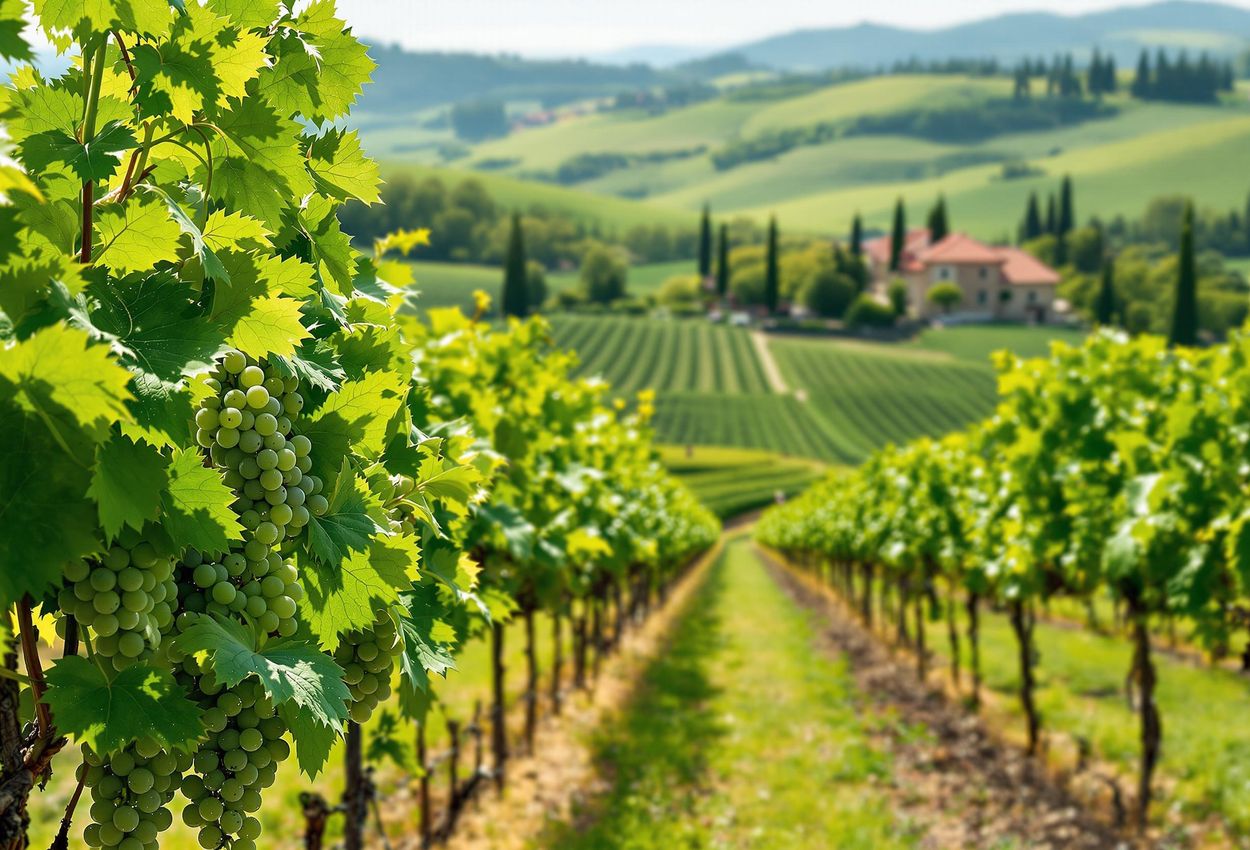
The Chianti Classico region, with its rolling hills and picturesque vineyards, is synonymous with Tuscan wine. But beyond the iconic label lies a growing movement towards sustainable winemaking, a commitment to producing exceptional wines while protecting the environment. Wineries are adopting organic and biodynamic practices, reducing their water usage, and implementing eco-friendly packaging to minimize their impact on the planet.
Fattoria di Querceto is a winery committed to organic practices, crafting their wines with respect for the land. This dedication ensures the health of the soil and vines, resulting in wines that truly reflect the terroir. Castello La Leccia emaces biodynamic principles, viewing the vineyard as a living ecosystem. They use natural preparations to enhance soil fertility and promote biodiversity, creating wines that are viant and full of character.
The winemaking process itself is undergoing a sustainable transformation. Natural fertilization, using compost and cover crops, is replacing synthetic fertilizers. Reduced water usage is achieved through efficient irrigation techniques and drought-resistant grape varieties. Eco-friendly packaging, using lightweight glass and recycled paper, is minimizing waste. Wine tours are increasingly emphasizing sustainability, educating visitors about the winery's commitment to environmental stewardship. These tours offer a behind-the-scenes look at the winemaking process, highlighting the sustainable techniques employed at every stage, from grape to bottle.
Hidden Gem: Discover a small, family-run winery that offers unique wine tasting experiences paired with locally sourced, organic food. Monte Bernardi, run by Michael Schmelzer, is a winery committed to biodynamic principles. It offers intimate wine tastings paired with delicious organic food grown in their garden. The experience is a celeation of the senses, a chance to savor the flavors of Chianti Classico while connecting with the land and the people who make it so special.
From Orchard to Oil: Unveiling Tuscany's Liquid Gold Sustainably
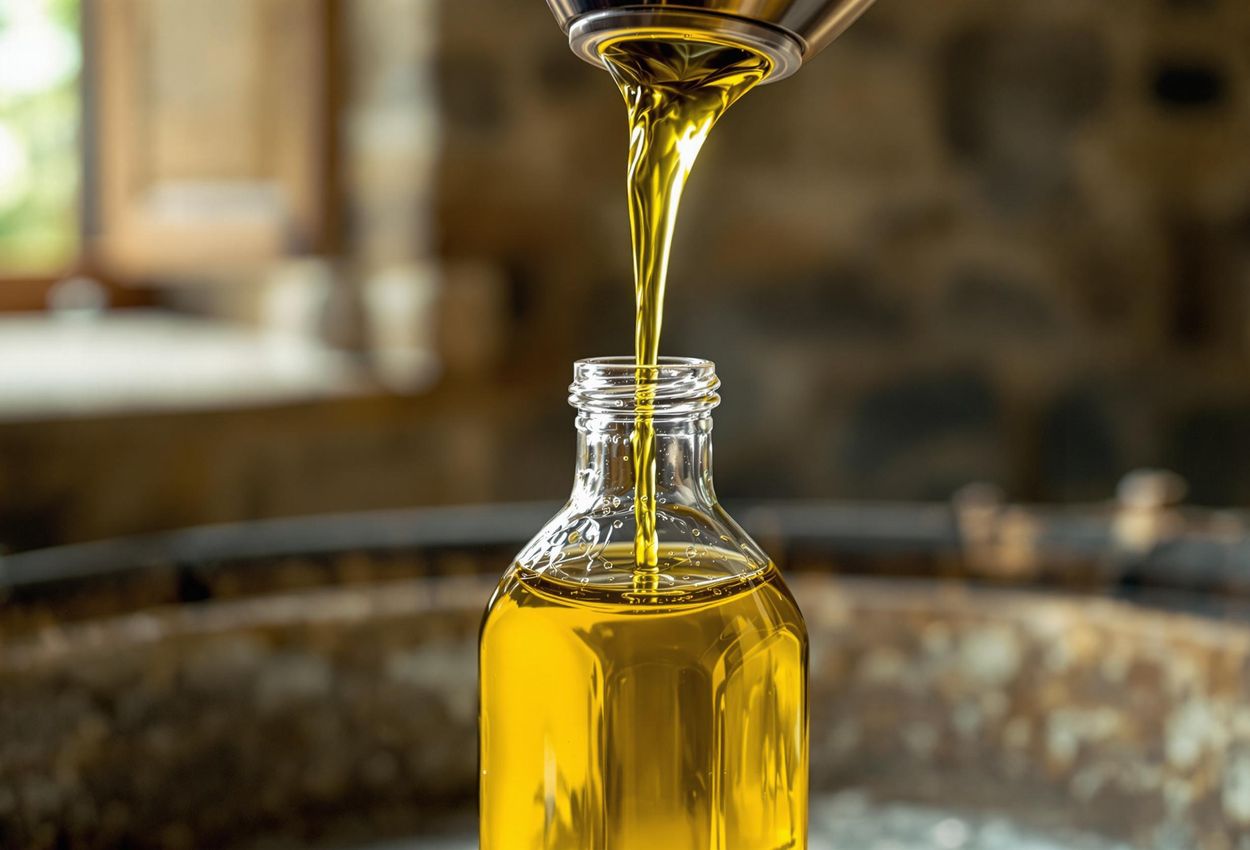
Tuscan extra virgin olive oil is renowned for its exceptional quality and flavor. But behind every bottle of liquid gold lies a story of sustainable practices, a commitment to producing this precious commodity while protecting the environment. Olive groves are emacing organic farming methods, traditional harvesting techniques, and innovative packaging solutions to minimize their impact on the planet.
Visiting an olive grove and mill that prioritize organic farming and traditional methods is a must for any food lover. Frantoio Franci in Montenero d'Orcia is a shining example of this commitment. They use organic farming methods, avoiding synthetic pesticides and fertilizers. The olives are harvested by hand, using traditional methods that minimize damage to the trees. The oil is extracted using a cold-pressing process, preserving its delicate flavors and aromas. This process ensures the highest quality oil while minimizing environmental impact.
The olive harvesting and pressing process is a labor of love, a testament to the dedication of Tuscan olive oil producers. Techniques like hand-harvesting and cold-pressing are prioritized to minimize environmental impact. Tuscan olive oil is characterized by its fruity aroma, its peppery flavor, and its smooth, velvety texture. It's a versatile ingredient that can be used in countless dishes, from salads and soups to pasta and grilled meats.
Hidden Gem: Seek out an olive oil producer who uses innovative, sustainable packaging or distribution methods. Pruneti is an olive oil producer that uses innovative, sustainable packaging. They use glass bottles, which are recyclable and reusable. They also offer a refill program, allowing customers to ing back their empty bottles for a refill. This reduces waste and promotes a circular economy.
Michelin Green Stars & Tuscan Tables: Where Sustainability Meets Culinary Excellence
The Michelin Guide has recognized the growing importance of sustainability in the culinary world by awarding Green Stars to restaurants that are committed to environmentally friendly practices. Tuscany is home to a number of these exceptional restaurants, where sustainability meets culinary excellence. These restaurants are not only serving delicious food; they are also leading the way in promoting a more sustainable food system.
Poggio Rosso at Borgo San Felice is a restaurant that has been awarded a Michelin Green Star for its commitment to sustainability. Chef Juan Quintero uses locally sourced, seasonal ingredients to create innovative Tuscan dishes. The restaurant also has a strong focus on waste reduction, composting food scraps and using reusable materials. Another notable restaurant is Villa Pignano Restaurant, which focuses on using organic produce from their own garden. These chefs are passionate about sustainable sourcing practices, menu design, and waste reduction efforts.
The dining experience at these restaurants is a celeation of the flavors of sustainable Tuscan cuisine. The dishes are beautifully presented, showcasing the fresh, seasonal ingredients in their purest form. The flavors are complex and nuanced, reflecting the terroir of the region. Each bite is a testament to the chef's commitment to sustainability and culinary excellence.
Hidden Gem: Find a restaurant that is actively involved in social agriculture, working with local communities or employing people with disabilities. Osteria Le Logge in Siena works with local organizations to source ingredients from farms that employ people with disabilities. This restaurant is not only serving delicious food; it is also making a positive impact on its community.

Agriturismo Adventures: Immersing Yourself in Sustainable Tuscan Hospitality
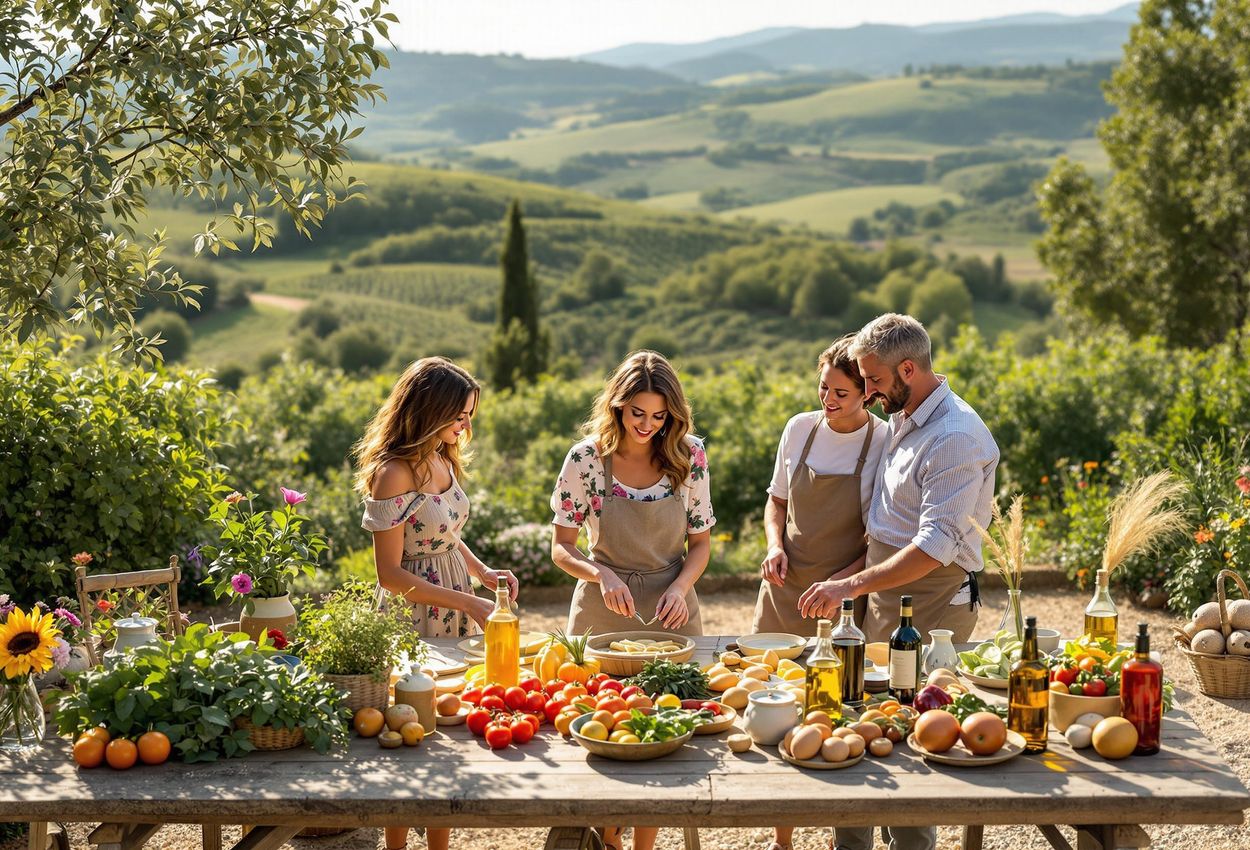
For a truly immersive experience, consider staying at an agriturismo in Tuscany that prioritizes sustainability. These farm stays offer a unique opportunity to connect with the land, learn about sustainable food practices, and enjoy the beauty of the Tuscan countryside. Many agriturismi offer cooking classes, farm tours, and wine tastings, allowing guests to fully immerse themselves in the region's culinary culture.
Villa Lena is an agriturismo that combines luxury with sustainability, offering cooking classes and farm tours. This allows guests to connect with sustainable food practices. The accommodations are stylish and comfortable, and the amenities include a swimming pool, a spa, and a restaurant serving delicious Tuscan cuisine. Another notable agriturismo is Agriturismo Mormoraia, which offers stunning views of San Gimignano. The agriturismo produces its own wine and olive oil, using sustainable farming methods. The accommodations are charming and rustic, and the activities include wine tastings, cooking classes, and hiking trails.
The activities offered at these agriturismi are designed to connect guests with sustainable food practices. Cooking classes teach guests how to prepare traditional Tuscan dishes using fresh, seasonal ingredients. Farm tours provide a behind-the-scenes look at the sustainable farming methods employed on the property. Wine tastings allow guests to sample the region's finest wines, learning about the winemaking process and the importance of terroir.
Hidden Gem: Seek out an agriturismo that offers unique, culturally immersive experiences, such as truffle hunting or learning traditional cheese-making techniques. Fattoria Poggio Alloro offers truffle hunting experiences in the fall. Guests can join a local truffle hunter and his dog to search for these prized fungi in the surrounding woods. After the hunt, guests can enjoy a truffle-themed meal, savoring the unique flavors of this Tuscan delicacy.
Flavors of the Forest: Exploring Tuscany's Wild Food Traditions Sustainably
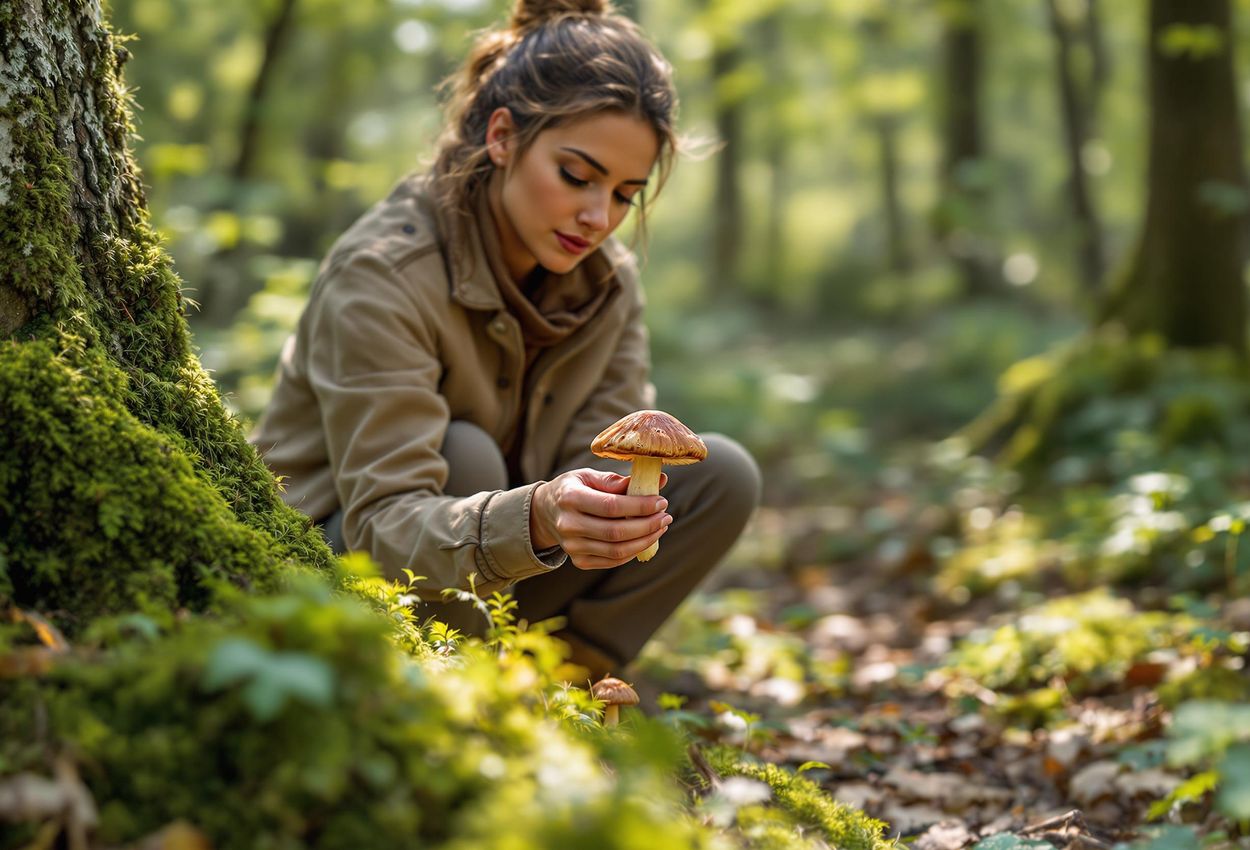
Tuscany's forests are a treasure trove of wild foods, from mushrooms and chestnuts to herbs and berries. For centuries, Tuscans have foraged for these delicacies, using them to supplement their diets and add unique flavors to their cuisine. Today, the tradition of foraging is experiencing a renaissance, as people seek to reconnect with nature and discover the flavors of the wild. But it's important to forage responsibly, respecting the environment and avoiding over-harvesting.
The types of wild foods that are commonly foraged in Tuscany vary depending on the season. In the spring, wild asparagus and dandelion greens are popular choices. In the summer, berries and herbs abound. In the autumn, mushrooms and chestnuts are the stars of the show. Foraging for these foods requires knowledge and skill, as some wild plants and mushrooms can be poisonous. It's always best to go with a local expert who can identify edible species and teach you about sustainable harvesting practices.
Interviewing a local expert on foraging reveals the importance of respecting the environment and avoiding over-harvesting. They emphasize the need to obtain permission before foraging on private land. They also stress the importance of leaving enough for the plants to regenerate and for the animals that depend on them for food.
Hidden Gem: Join a guided foraging tour in the Casentino Forests National Park. These tours are led by experienced guides who can teach you about sustainable foraging practices and help you identify edible plants and mushrooms. The tours are a great way to learn about the region's natural history and connect with the flavors of the wild.
Preserving the Past, Tasting the Future: Slow Food's Tuscan Renaissance
The Slow Food movement has played a vital role in preserving Tuscan culinary heritage and promoting sustainable food practices. This global organization, founded in Italy, is dedicated to protecting traditional foods, promoting biodiversity, and supporting small-scale producers. In Tuscany, Slow Food has launched a number of initiatives to safeguard the region's culinary traditions and promote a more sustainable food system.
Slow Food Presidia projects protect endangered foods or traditional farming methods. One such project is the Cinta Senese Presidia, which protects an ancient eed of pig that is native to Tuscany. The pigs are raised outdoors, using traditional farming methods, and their meat is used to produce a variety of artisanal products. By supporting these projects, Slow Food helps to preserve biodiversity and ensure that future generations can enjoy the unique flavors of Tuscan culinary heritage.
Interviewing a local Slow Food representative reveals the organization's work and its impact on the region's gastronomy. They highlight the importance of supporting small-scale producers, promoting local food systems, and educating consumers about sustainable food practices. They believe that by working together, we can create a food system that is both delicious and sustainable.
Hidden Gem: Seek out a small, local producer who is part of a Slow Food Presidia project, highlighting their unique product and their commitment to sustainability. Il Ceppo produces Fagiolo di Sorana, a bean that is grown in a small area near Pescia. The beans are known for their delicate flavor and creamy texture. The producer uses traditional farming methods and is committed to preserving the biodiversity of the region.