Traveling the world opens up a universe of culinary delights, but for those with dietary restrictions, the journey can sometimes feel more like a minefield than a feast. Whether you're gluten-free, vegan, allergic to nuts, or managing another specific dietary need, the key to a smooth and enjoyable trip lies in meticulous planning and proactive communication. This guide provides essential strategies to navigate the complexities of eating aoad, ensuring that your dietary needs are met with confidence and ease, allowing you to fully immerse yourself in the joys of travel.
Pre-Flight Prep Work: Research and Planning
The foundation of any successful trip with dietary restrictions is thorough research and planning. Before you even book your flights, dedicate time to investigating the culinary landscape of your chosen destination. Begin by identifying restaurants that cater to your specific needs. Many cities now boast a variety of establishments specializing in gluten-free, vegan, or allergy-friendly cuisine. Websites like HappyCow are invaluable for finding vegan and vegetarian options worldwide, offering user reviews and up-to-date information on restaurant offerings. General travel blogs and forums can also provide insights from fellow travelers with similar dietary requirements, sharing their experiences and recommendations.
Once you've identified potential dining spots, delve deeper into their menus and food preparation practices. Most restaurants now have online menus, often detailing ingredients and highlighting allergy information. Look for clear labeling and descriptions that indicate whether dishes are free from specific allergens or suitable for particular diets. Don't hesitate to contact restaurants directly via email or phone to inquire about their food allergy protocols and cross-contamination prevention measures. A proactive approach can save you from unpleasant surprises and ensure that your meal is prepared safely and according to your needs.
Accommodation is another crucial aspect of pre-trip planning. When booking hotels, apartments, or guesthouses, inquire about their ability to cater to your dietary needs. Some hotels offer dedicated allergy-free rooms or kitchens, while others may be able to prepare custom meals upon request. Contacting the hotel in advance to discuss your requirements is essential, allowing them to make necessary arrangements and provide you with peace of mind. Additionally, research the availability of grocery stores near your accommodation. Having access to a supermarket where you can purchase your own allergy-safe ingredients provides greater flexibility and control over your meals, especially if you plan to cook some of your own food.
Consider using online tools and apps designed to assist travelers with dietary restrictions. These resources can provide valuable information on local cuisine, restaurant recommendations, and translation assistance. Websites like Find Me Gluten Free are specifically tailored to those with celiac disease or gluten intolerance, offering user-generated reviews and ratings of gluten-free friendly establishments worldwide. By leveraging these resources and conducting thorough research, you can create a comprehensive plan that minimizes the risk of dietary mishaps and maximizes your enjoyment of the local culinary scene.

Decoding Menus: Essential Phrases and Translation Cards
Navigating a foreign menu can be a daunting task, especially when dietary restrictions are involved. While English is widely spoken in many tourist destinations, relying solely on it can be risky. Learning a few essential phrases in the local language is a valuable investment, allowing you to communicate your dietary needs directly and effectively. For example, in Italian, 'senza glutine' means 'without gluten,' while in Spanish, 'sin nueces' translates to 'without nuts.' Familiarize yourself with these key phrases and practice pronouncing them correctly. Even a basic understanding of the local language can make a significant difference in ensuring that your dietary requirements are understood and accommodated.
In addition to learning essential phrases, consider utilizing allergy translation cards. These cards, available in multiple languages, clearly state your dietary restrictions and allergies, making it easier for restaurant staff to understand your needs. Several organizations specialize in providing these cards, including Select Wisely, Equal Eats, and Allergy UK. These resources offer professionally translated cards that cover a wide range of dietary restrictions, from gluten intolerance to nut allergies. The cards typically include both the English translation and the local language equivalent, ensuring clear communication regardless of the language barrier.
When using translation cards, be sure to present them to the restaurant staff as soon as you are seated. Point to the specific dietary restrictions that apply to you and ask the server to confirm that the kitchen can accommodate your needs. Don't hesitate to ask clarifying questions about ingredients and preparation methods, even if you have to rely on gestures or a translation app. It's always better to be cautious and ensure that your meal is safe before you order. Carrying multiple copies of your translation cards is also a good idea, in case one gets lost or damaged. You can keep one in your wallet, one in your bag, and one with your travel companions, ensuring that you always have a readily available means of communication.
Furthermore, leverage technology to your advantage. Translation apps like Google Translate can be incredibly helpful in deciphering menu items and communicating with restaurant staff. Simply scan the menu with your phone's camera and the app will provide instant translations. You can also use the app to type out your dietary restrictions and have them translated into the local language. While translation apps are not always perfect, they can be a valuable tool in idging language barriers and ensuring that your dietary needs are understood. By combining essential phrases, translation cards, and technology, you can confidently navigate menus and communicate your dietary restrictions effectively, regardless of where you are in the world.

Snack Smart: Packing Your Own Allergy-Safe Provisions
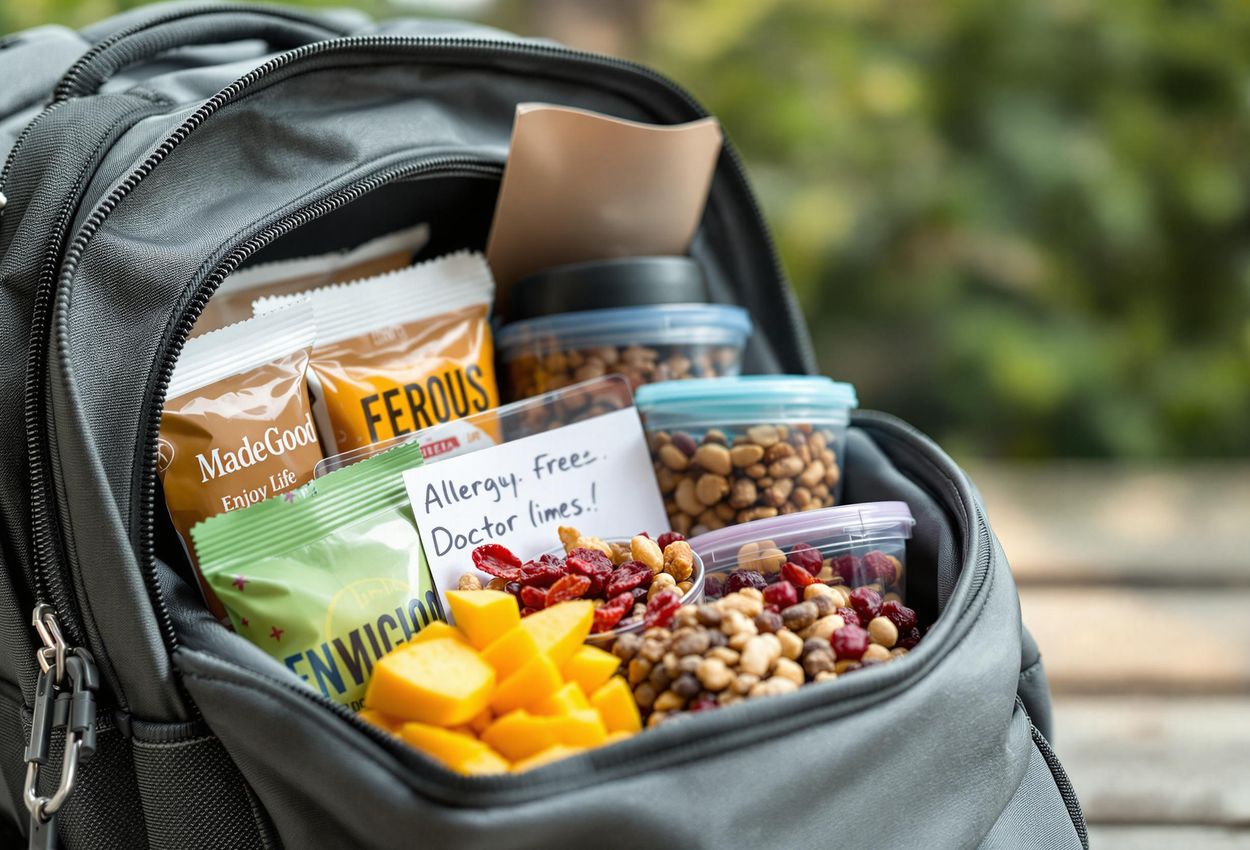
One of the most effective strategies for managing dietary restrictions while traveling is to pack your own allergy-safe provisions. This is especially crucial for long flights, train journeys, or excursions to remote areas where safe food options may be limited. Packing your own snacks not only ensures that you have access to food that meets your dietary needs but also helps to avoid hunger and potential allergic reactions. When selecting snacks, prioritize non-perishable items that are easy to transport and store. Protein bars, nuts, seeds, dried fruits, and vegetables are all excellent choices.
Consider ands that specialize in allergy-friendly or dietary-specific snacks. The Only Bean offers a variety of roasted edamame snacks that are gluten-free, vegan, and free from common allergens. GoMacro provides a range of macrobiotic protein bars that are vegan, gluten-free, and made with wholesome ingredients. These ands are readily available online and in many health food stores, making it easy to stock up on safe and nutritious snacks before your trip. When packing your snacks, be sure to store them in airtight containers to prevent them from getting crushed or contaminated. Consider using reusable silicone bags or containers, which are lightweight, durable, and easy to clean.
For individuals with severe allergies or medical conditions, it may be necessary to carry 'medical foods' through airport security. These are foods that are essential for maintaining your health and preventing adverse reactions. To avoid any issues, it's recommended to pack a doctor's note explaining your dietary restrictions and the need to carry these foods. The note should clearly state your allergies or medical condition, as well as a list of the specific foods that you need to carry. Present the note to the security personnel along with your snacks, and be prepared to answer any questions they may have. It's also a good idea to check the airport's website for specific guidelines on carrying medical foods through security.
In addition to packing snacks, consider inging your own refillable water bottle. Staying hydrated is essential for maintaining your health and energy levels while traveling, and having your own water bottle ensures that you always have access to safe and clean drinking water. Many airports and public spaces now have water refill stations, making it easy to stay hydrated without having to purchase bottled water. By packing your own allergy-safe provisions and staying hydrated, you can minimize the risk of dietary mishaps and ensure that you have a comfortable and enjoyable travel experience.
Dining Out: Communicating Needs and Avoiding Cross-Contamination
Dining out is an integral part of the travel experience, but for those with dietary restrictions, it can also be a source of anxiety. Communicating your needs effectively to restaurant staff is crucial for ensuring a safe and enjoyable meal. When making a reservation, inform the restaurant about your dietary restrictions and ask if they can accommodate your needs. Many restaurants now have online reservation systems that allow you to specify dietary requirements. If you're unable to make a reservation in advance, call the restaurant directly and speak to a manager or chef to discuss your needs.
When you arrive at the restaurant, reiterate your dietary restrictions to the server. Be specific about your allergies or intolerances, and explain what ingredients you need to avoid. Ask about the ingredients used in each dish and the preparation methods employed. Don't hesitate to ask clarifying questions, even if you have to repeat yourself. It's always better to be overly cautious than to risk consuming something that could trigger a reaction. Discuss the risk of cross-contamination with the server and inquire about the restaurant's protocols for preventing it. Cross-contamination occurs when allergens or restricted ingredients come into contact with otherwise safe foods. This can happen through shared cooking equipment, utensils, or surfaces. Ask the restaurant staff to use separate cutting boards, utensils, and cooking surfaces when preparing your meal. Request that your food be cooked in a clean pan or on a separate grill to avoid cross-contamination with other dishes.
Websites like OpenTable allow you to filter restaurants based on dietary restrictions, making it easier to find establishments that cater to your specific needs. Look for restaurants that have dedicated gluten-free, vegan, or allergy-friendly menus. These menus typically highlight dishes that are free from common allergens and suitable for specific diets. When ordering from these menus, still be sure to confirm with the server that the dishes are prepared according to your requirements and that cross-contamination is avoided. If you're unsure about a particular dish, ask the server to check with the chef. The chef is the best resource for determining whether a dish is safe for you to consume.
Finally, be patient and understanding with restaurant staff. They may not be fully aware of the complexities of dietary restrictions, and they may need time to consult with the chef or kitchen staff. Remember that they are trying their best to accommodate your needs, and a positive and respectful attitude will go a long way in ensuring a safe and enjoyable dining experience. By communicating your needs effectively, inquiring about cross-contamination protocols, and being patient and understanding, you can confidently dine out and savor the culinary delights of your destination, without compromising your health or well-being. It's about being an informed and proactive traveler, ensuring that your dietary needs are met with care and consideration, allowing you to fully emace the joys of exploring new cultures and cuisines.