Imagine a world where every dish is a masterpiece, and every meal is a story waiting to be told. This is the world of food photography, where culinary artistry meets the lens of a camera. From the humble beginnings of capturing simple still-life compositions to the viant, mouth-watering images that flood our social media feeds today, food photography has evolved into a powerful medium for evoking emotions, inspiring creativity, and shaping our perception of what we eat. Join us on a delectable journey as we explore the history, techniques, styles, and trends that define the art of food photography, and discover how to capture culinary delights that tantalize the senses and leave a lasting impression.
A Glimpse into the History of Food Photography
The story of food photography begins in the early 19th century, intertwined with the invention and development of photography itself. In 1827, **Nicéphore Niépce**, a French inventor, captured what is believed to be the first-ever food photograph: a still life of a table set for a meal. This groundeaking image, though rudimentary by today's standards, marked the dawn of a new era in culinary representation. Early food photography, like all photography of the time, was a laborious and painstaking process, requiring long exposure times and specialized equipment. The resulting images were often stark and unadorned, reflecting the limitations of the technology. 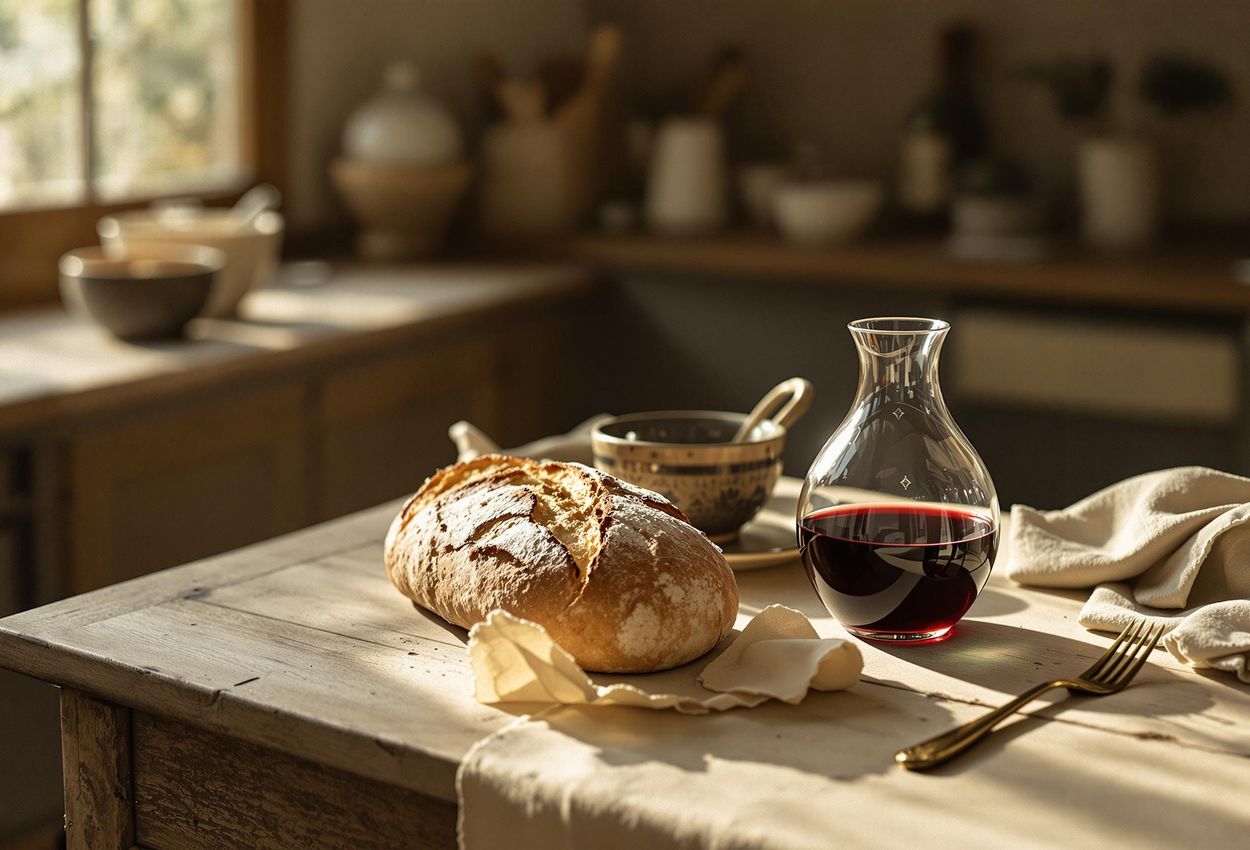
As photography evolved, so did food photography. Pioneers like **William Henry Fox Talbot**, with his calotype process, and later **Nickolas Muray**, with his pioneering work in color photography, pushed the boundaries of the medium and helped to establish food photography as a distinct genre. The shift from black and white to color photography was particularly transformative, as it allowed photographers to capture the viant hues and textures of food in all their glory. This ushered in a new era of realism and visual appeal, making food photography an increasingly powerful tool for advertising and marketing.
The rise of social media platforms like Instagram has democratized food photography, enabling amateur photographers to share their culinary experiences with a global audience. Today, anyone with a smartphone and a passion for food can become a food photographer, capturing and sharing images of their favorite dishes, culinary creations, and dining experiences. This has led to an explosion of creativity and diversity in food photography, with new styles, techniques, and trends emerging constantly. From meticulously styled studio shots to candid snapshots of street food, food photography has become an integral part of our visual culture, shaping our perceptions of food and inspiring culinary creativity around the world.
Mastering the Fundamentals: Essential Techniques for Stunning Food Photos
Creating stunning food photos requires a combination of technical skill, artistic vision, and attention to detail. While there's no one-size-fits-all approach, mastering the fundamentals of lighting, composition, and styling is essential for capturing culinary delights that truly tantalize the senses.
Lighting is paramount in food photography, as it can dramatically affect the mood, texture, and overall appeal of an image. Natural light is often the preferred choice, as it tends to be soft, diffused, and flattering. When shooting with natural light, try to position your subject near a window or open doorway, avoiding direct sunlight, which can create harsh shadows and overexposed highlights. If natural light is limited, consider using artificial lighting, such as a softbox or reflector, to create a more balanced and even illumination. Experiment with different lighting angles and intensities to find the most flattering and visually appealing effect. Side lighting, for example, can accentuate textures and create dramatic shadows, while backlighting can create a soft, ethereal glow. 
Composition is another crucial element in food photography, as it determines how the viewer's eye is drawn to the subject and how the overall image is perceived. The rule of thirds is a classic composition principle that involves dividing the frame into nine equal parts with two horizontal and two vertical lines. Placing key elements of the subject along these lines or at their intersections can create a more balanced and visually appealing composition. Other composition techniques to consider include leading lines, symmetry, and negative space. Leading lines can be used to guide the viewer's eye through the image, while symmetry can create a sense of order and balance. Negative space, or the empty space around the subject, can help to isolate the subject and create a sense of simplicity and elegance.
Food styling is the art of arranging food in an appealing and photogenic way. It involves carefully considering every detail, from the plating and garnishing to the propping and background. When styling food, aim for a balance between naturalness and perfection. Avoid making the food look too staged or artificial, but also ensure that it is presented in its best possible light. Pay attention to details such as the color, texture, and shape of the food, and use garnishes and props to add visual interest and create a sense of context. Experiment with different camera angles and perspectives to capture the essence of the dish. A close-up shot can highlight the textures and details, while a wide shot can capture the overall setting and ambiance.
Exploring Diverse Styles: From Rustic Charm to Modern Minimalism
Food photography is a diverse and ever-evolving field, with a wide range of styles and approaches to choose from. From rustic and vintage to modern and minimalist, each style evokes different emotions and complements various types of cuisine. Understanding the characteristics of different styles can help you to develop your unique aesthetic and create food photos that truly stand out.
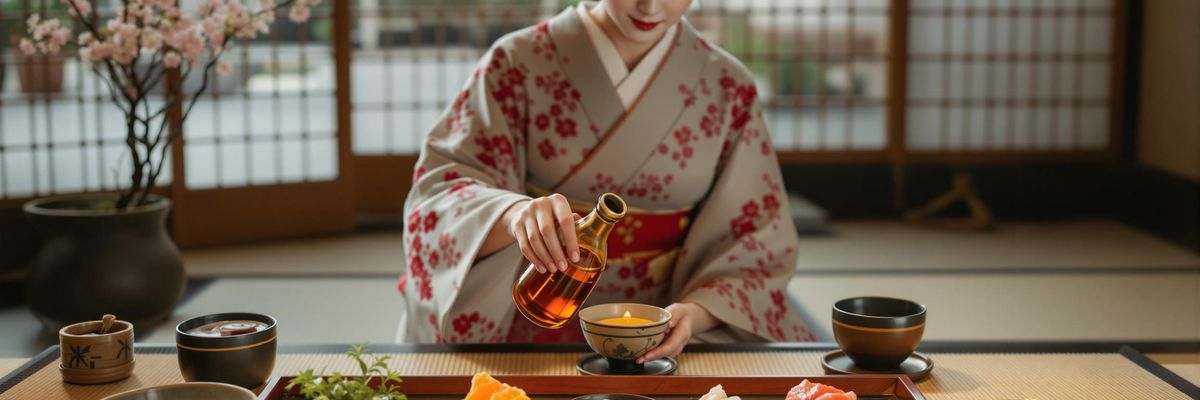
Rustic food photography is characterized by its natural, organic, and unpretentious aesthetic. It often features raw, unprocessed ingredients, imperfect plating, and earthy tones. Rustic food photos tend to evoke a sense of warmth, comfort, and nostalgia, making them well-suited for capturing traditional dishes, comfort food, and farmhouse-style cuisine. Vintage food photography, on the other hand, draws inspiration from the past, often featuring antique props, faded colors, and a sense of timeless elegance. Vintage food photos can transport viewers to another era, evoking a sense of history and tradition. 
In contrast, modern food photography tends to be clean, minimalist, and sophisticated. It often features simple compositions, bold colors, and a focus on the essential elements of the dish. Modern food photos tend to evoke a sense of freshness, innovation, and culinary artistry, making them well-suited for capturing contemporary cuisine, fine dining, and avant-garde creations. Minimalist food photography takes this approach to the extreme, stripping away all unnecessary elements and focusing solely on the subject. Minimalist food photos tend to be elegant, refined, and visually striking, emphasizing the beauty and simplicity of the ingredients.
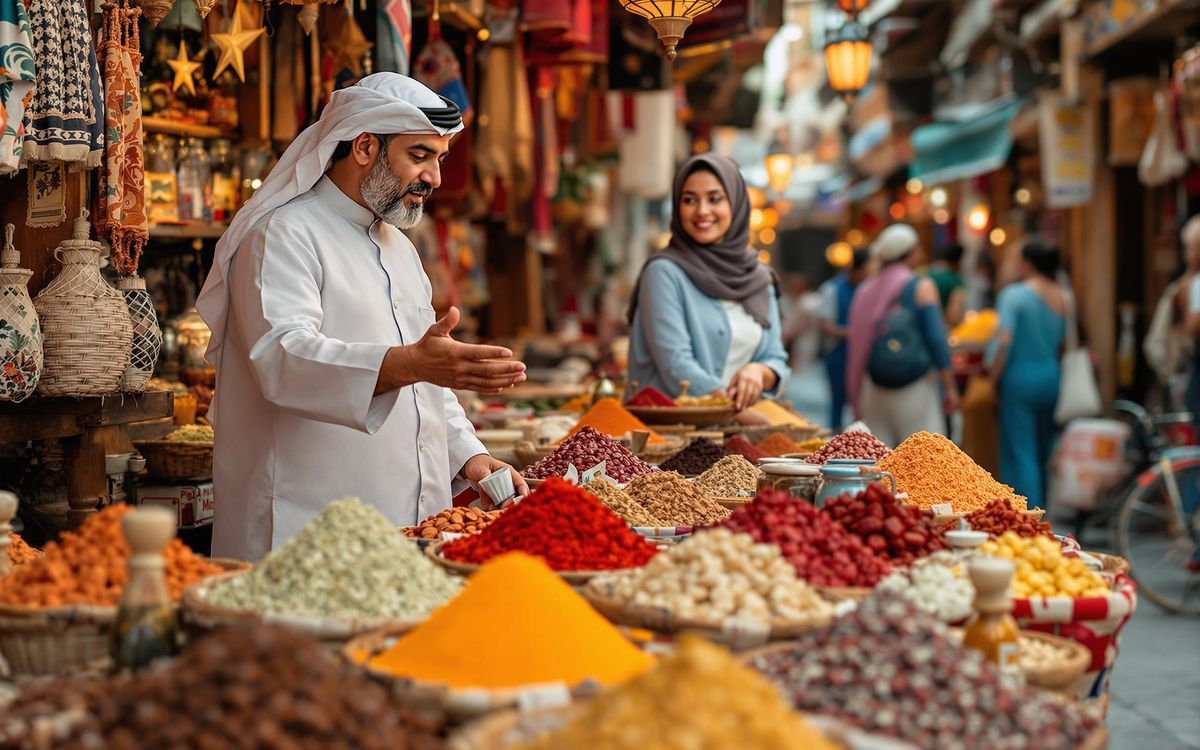
One growing trend in food photography is the demand for realism. In today's visually saturated world, audiences are increasingly drawn to images that feel authentic, relatable, and unposed. Imperfections, such as crumbs, drips, and uneven textures, can add an authentic touch to food photos, making them more appealing and engaging. This trend is particularly evident in social media, where users are more likely to connect with images that feel genuine and unscripted. In places like **Dubai**, there's a growing appreciation for bold colors, high contrast, and rustic backgrounds, reflecting the region's viant culinary scene and cultural heritage.
The Art of Storytelling: Evoking Emotions Through Food Photography
Beyond capturing the visual appeal of food, food photography has the power to tell stories, evoke emotions, and connect with viewers on a deeper level. By capturing the essence of a dish, its cultural significance, and the human elements involved in its creation and consumption, food photographers can create images that resonate with viewers and leave a lasting impression.
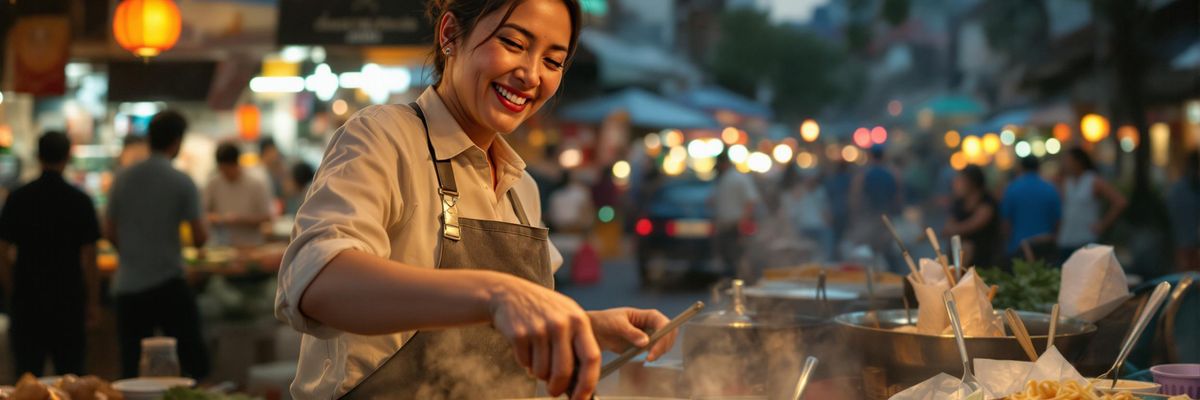
One way to evoke emotions through food photography is to incorporate human elements into the images. Hands, for example, can add a sense of intimacy and connection, showing the preparation, serving, or enjoyment of the food. Facial expressions can convey emotions such as joy, anticipation, or satisfaction, adding depth and personality to the photos. Including shots that show the crowd, the smells, or the refined affair can capture the whole experience, creating a more immersive and engaging narrative. 
Food photographers can also use their work to convey narratives and connect with viewers on an emotional level. Some photographers focus on capturing the stories behind the food, highlighting the traditions, cultures, and communities that shape culinary practices around the world. Others use their work to raise awareness about social issues, such as food waste, hunger, or sustainable agriculture. By using food photography as a tool for storytelling and advocacy, photographers can inspire change, promote understanding, and create a more just and equitable world.
The key to successful storytelling through food photography is to capture the essence of the dish and its cultural significance. This requires a deep understanding of the ingredients, techniques, and traditions that go into creating the food, as well as an appreciation for the cultural context in which it is consumed. By combining technical skill with artistic vision and a genuine passion for food, photographers can create images that not only look beautiful but also tell compelling stories and evoke powerful emotions.
Capturing Culinary Delights While Traveling: A Guide for Foodie Photographers
For travelers who are passionate about food photography, capturing culinary delights on the go can be a rewarding and enriching experience. However, shooting food in different environments, from bustling street markets to dimly lit restaurants, presents unique challenges that require adaptability, creativity, and a few essential skills.
Finding the best lighting conditions is crucial for travel food photography. In outdoor settings, such as street markets or food stalls, natural light is usually abundant, but it can also be harsh and unpredictable. Try to shoot during the golden hour, the period shortly after sunrise or before sunset, when the light is soft, warm, and flattering. If shooting in direct sunlight, use a diffuser or reflector to soften the light and reduce harsh shadows. In indoor settings, such as restaurants or cafes, lighting can be more challenging. Look for tables near windows or open doorways to maximize natural light. If natural light is limited, use the available artificial lighting to your advantage, but be mindful of color casts and harsh shadows. 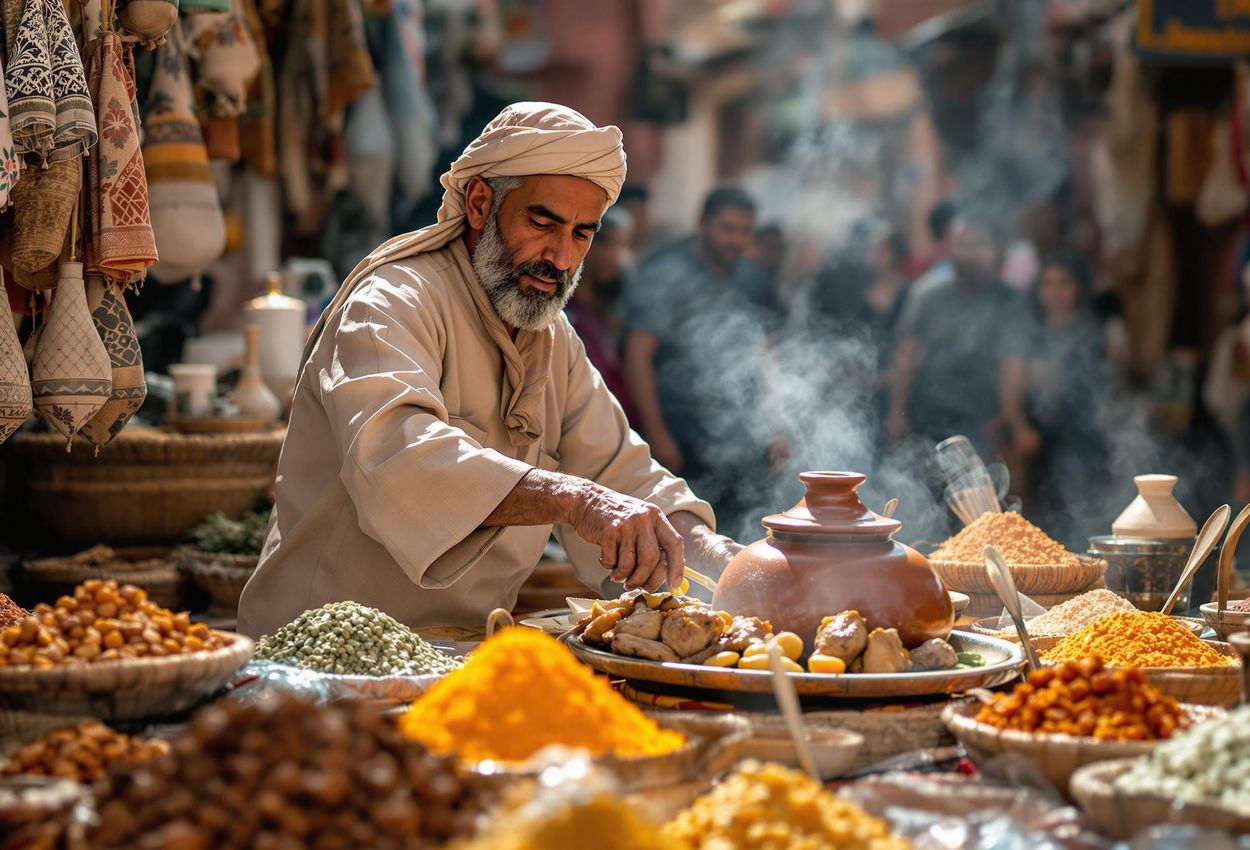
Composing shots that capture the essence of a place and its culinary culture is another key aspect of travel food photography. Consider incorporating local elements, such as traditional tableware, colorful backgrounds, or iconic landmarks, to add context and visual interest to your photos. Capture the atmosphere of the setting, whether it's the hustle and bustle of a street market or the cozy ambiance of a family-run restaurant. Don't be afraid to experiment with different angles and perspectives to find the most compelling composition. A wide shot can capture the overall scene, while a close-up shot can highlight the details of the dish.
When it comes to gear and accessories for travel food photography, portability and versatility are key. A lightweight camera with a versatile lens is a good starting point. A prime lens with a wide aperture (e.g., f/1.8 or f/2.8) can be useful for shooting in low-light conditions and creating shallow depth of field. A portable reflector or diffuser can help to control lighting in challenging environments. A smartphone with a good camera can also be a valuable tool, especially for capturing candid shots and sharing images on social media. Above all, emace spontaneity and capture unexpected moments of culinary delight. Travel food photography is about more than just taking pretty pictures; it's about capturing the stories, flavors, and experiences that make each destination unique.