In a world increasingly focused on holistic wellness, a new type of retreat is emerging, blending the art of cooking with the pursuit of personal well-being. Culinary retreats offer a unique opportunity to nourish both body and soul, providing participants with the skills, knowledge, and experiences to transform their relationship with food.
Escape to Flavor: Why Culinary Retreats are the New Wellness Frontier
The wellness industry is constantly evolving, and culinary retreats represent the cutting edge of this evolution. More than just cooking classes, these retreats offer a holistic approach to well-being, combining hands-on culinary experiences with mindful eating practices, cultural immersion, and personal growth activities. They represent a shift from traditional spa-focused wellness programs to experiences that actively engage participants in the creation and enjoyment of nourishing meals.
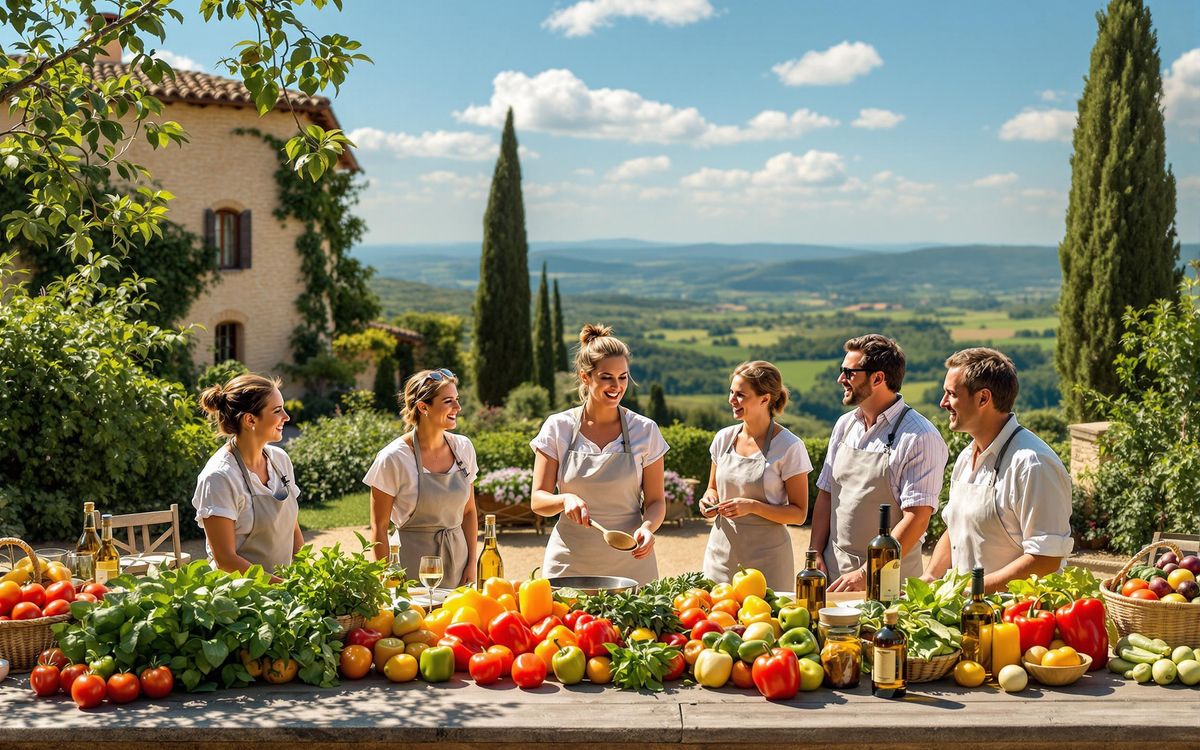
Imagine arriving at a luxurious culinary retreat nestled in the rolling hills of Tuscany, Italy. The air is thick with the scent of sun-baked earth and blooming lavender. As you step out of the car, the gentle hum of cicadas fills the air, punctuated by the distant clatter of pots and pans from the villau2019s kitchen. Inside, the aroma of simmering tomatoes, garlic, and fresh basil hangs heavy, promising a feast for the senses. Sunlight streams through the windows, illuminating rustic wooden tables laden with colorful vegetables and glistening bottles of olive oil. This is more than just a vacation; itu2019s an immersion into a world of flavor, tradition, and well-being.

Savor the Moment: Mindful Eating and the Culinary Arts
At the heart of every culinary retreat lies the practice of mindful eating. In our fast-paced modern lives, we often rush through meals, barely registering the taste, texture, or aroma of our food. Culinary retreats offer a sanctuary from this frenetic pace, encouraging participants to slow down, pay attention, and truly savor each bite. By actively engaging in the preparation of food, from selecting fresh ingredients to carefully plating each dish, participants develop a deeper appreciation for the nourishment they are receiving.
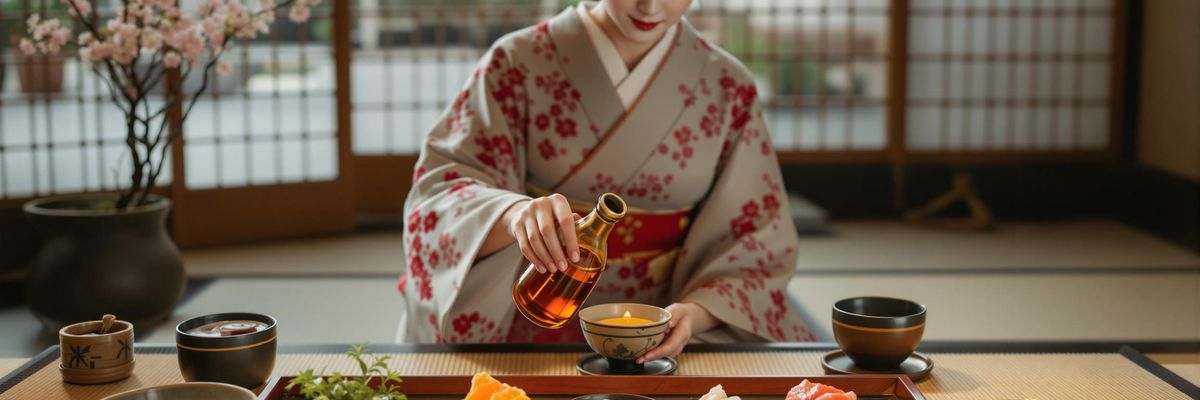
Consider a mindful eating exercise during a retreat in Kyoto, Japan. Guests are presented with a traditional Kaiseki meal, a multi-course culinary art form that emphasizes seasonal ingredients and meticulous presentation. Before taking the first bite, participants are guided to observe the colors, shapes, and textures of the dishes. They inhale the delicate aromas, noting the subtle nuances of each ingredient. As they slowly chew, they focus on the taste, the texture, and the sensation of the food in their mouths. This mindful approach transforms eating from a mindless act into a deeply enriching experience. The psychological benefits of culinary tourism are numerous, including stress reduction, enhanced creativity, and the creation of lasting memories.
From Farm to Fork: Connecting with Local Culture Through Cuisine
Culinary retreats offer a unique opportunity to connect with local culture through its most essential element: food. By visiting local farms, markets, and food producers, participants gain a deeper understanding of the traditions, values, and history that shape a regionu2019s culinary identity. This immersive approach fosters a sense of connection and belonging, transforming travelers from mere tourists into active participants in the local community.
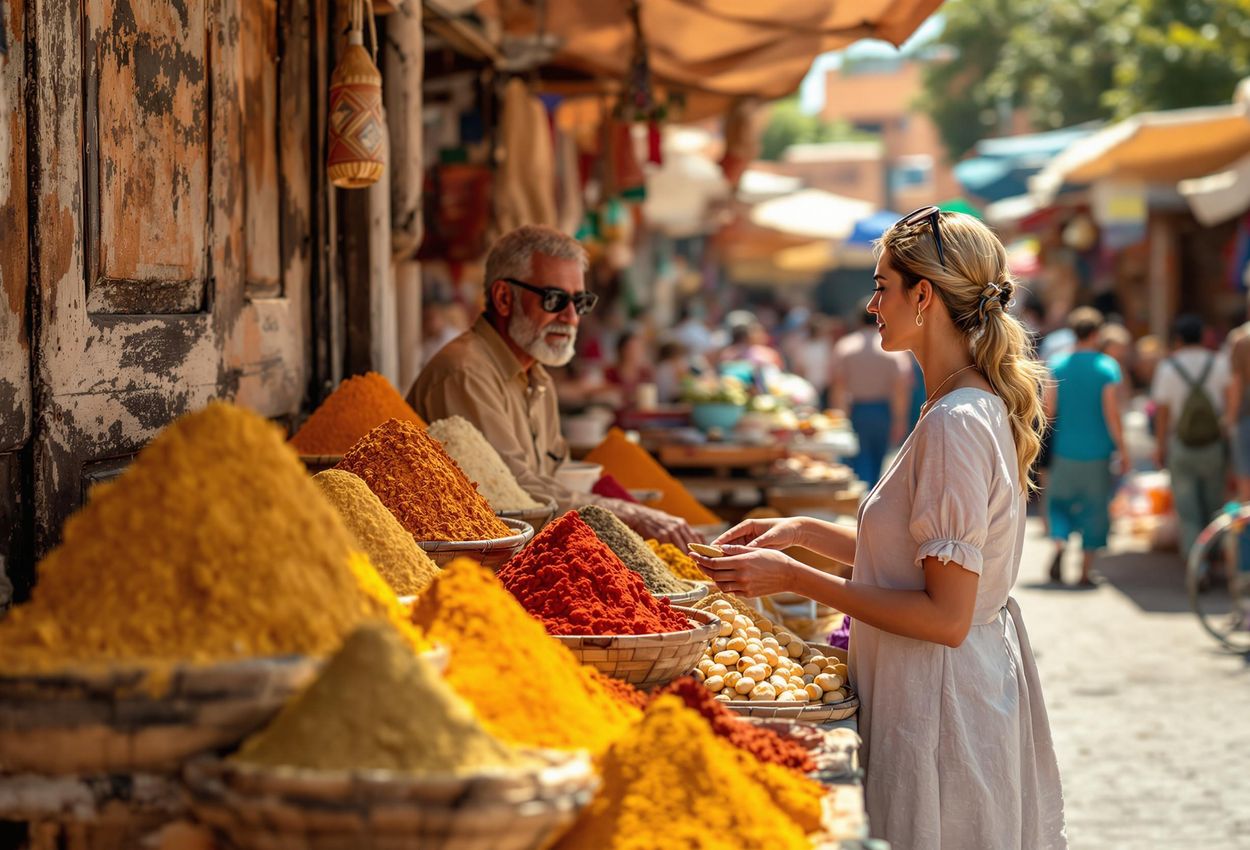
Imagine a visit to a viant farmer's market in Marrakech, Morocco. The air is thick with the scent of exotic spices u2013 saffron, cumin, and ginger u2013 mingling with the sweet fragrance of dates and oranges. Stalls overflow with colorful produce: plump tomatoes, viant peppers, and glistening eggplants. Local vendors, their faces etched with the wisdom of generations, proudly display their wares, offering samples and sharing stories about their farms and families. This is more than just a shopping trip; itu2019s a sensory explosion and a cultural immersion.
One unforgettable experience might involve learning to prepare a traditional tagine with a local family. Gathered around a steaming clay pot, participants learn the secrets of layering ingredients, balancing spices, and slow-cooking the dish to perfection. As they share stories and laughter, a cultural exchange unfolds, creating a bond that transcends language and background. These shared experiences are the heart of culinary tourism, fostering a deeper understanding and appreciation for the world around us.
Spice Up Your Life: The Transformative Power of Cooking Classes
Cooking classes are a cornerstone of culinary retreats, providing participants with the skills and knowledge to transform their cooking habits and enhance their culinary creativity. These classes are not just about learning recipes; they're about empowering individuals to take control of their health, explore new flavors, and develop a lifelong passion for cooking. From mastering basic techniques to exploring advanced culinary concepts, cooking classes offer something for everyone, regardless of their skill level.
In Provence, France, I spoke with Chef Isabelle, who leads cooking classes at a charming countryside retreat. u201cMy goal is to demystify French cuisine and show people how easy it is to create delicious, healthy meals using fresh, seasonal ingredients,u201d she explained. u201cWe focus on mastering classic dishes like ratatouille, bouillabaisse, and crème ûlée, but we also encourage participants to experiment with flavors and create their own unique variations.u201d
A hands-on cooking session might involve harvesting fresh herbs from the retreatu2019s garden, their fragrant oils releasing with each touch. As participants chop, stir, and simmer, the kitchen fills with the intoxicating aromas of rosemary, thyme, and lavender. Under Chef Isabelleu2019s guidance, they learn to balance flavors, adjust seasonings, and create dishes that are both visually appealing and incredibly delicious. The experience is not just educational; itu2019s deeply sensory, engaging all five senses and fostering a sense of accomplishment and joy.
Global Gastronomy: Exploring Successful Culinary Retreats Around the World
Culinary retreats are flourishing in diverse locations around the globe, each offering unique experiences that reflect the local culture and cuisine. From the sun-drenched hills of Tuscany to the bustling streets of Bangkok, thereu2019s a culinary retreat to suit every taste and interest.
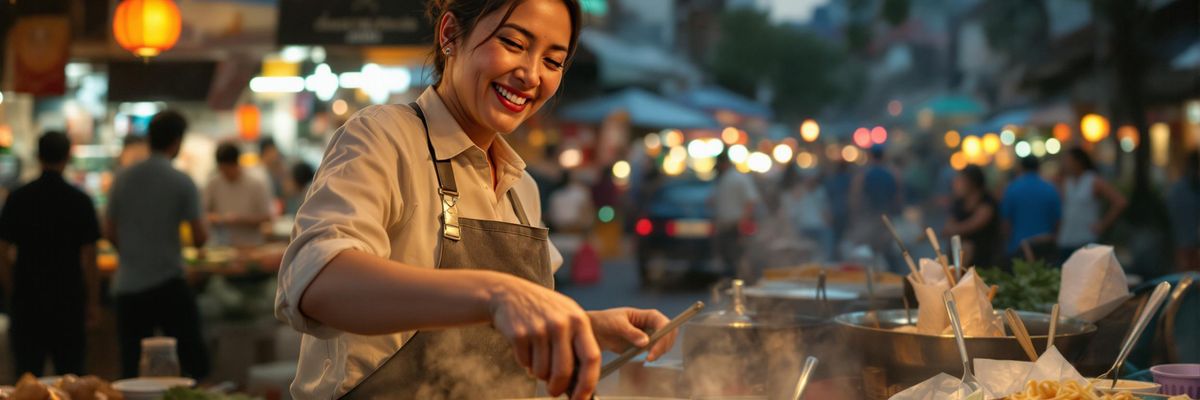
In Italy, truffle hunting expeditions are a popular activity, where guests learn to identify and unearth these prized delicacies alongside experienced truffle hunters and their canine companions. In Japan, retreats focus on the art of sushi making, teaching participants the delicate techniques of preparing rice, slicing fish, and creating visually stunning rolls. And in Thailand, culinary adventures explore the viant world of street food, guiding participants through bustling markets and hidden alleyways to discover the authentic flavors of Thai cuisine.
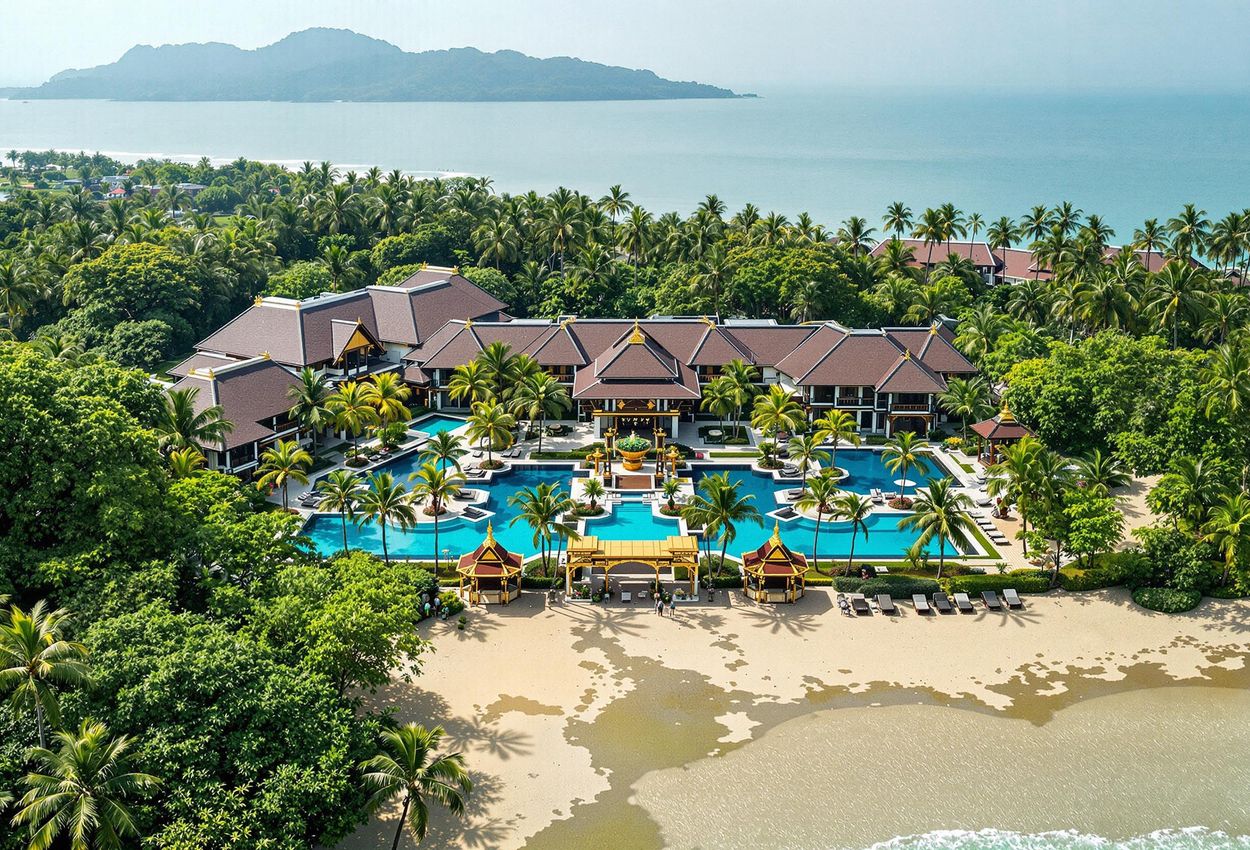
Chiva-Som in Thailand is renowned for its holistic approach to wellness, combining healthy cuisine with spa treatments, fitness activities, and mindfulness practices. Bliss & Stars in Cape Town, South Africa, offers plant-based cooking courses that focus on creating delicious and nutritious meals using locally sourced ingredients. These are just a few examples of the many exceptional culinary retreats around the world, each offering a unique pathway to health, well-being, and personal growth.
Nourishing the Soul: The Mental and Emotional Benefits of Culinary Retreats
Beyond the physical benefits of healthy eating and improved cooking skills, culinary retreats offer profound mental and emotional benefits. The act of creating and sharing food can be incredibly therapeutic, fostering a sense of connection, creativity, and self-discovery. Many participants report feeling more relaxed, confident, and inspired after attending a culinary retreat, experiencing lasting positive changes in their lives.
u201cI came to the retreat feeling stressed and overwhelmed,u201d shared Sarah, a participant at a retreat in Bali, Indonesia. u201cBut after a week of cooking, meditating, and connecting with nature, I feel like a completely different person. Iu2019ve rediscovered my passion for cooking, and Iu2019ve learned how to slow down and appreciate the simple things in life.u201d
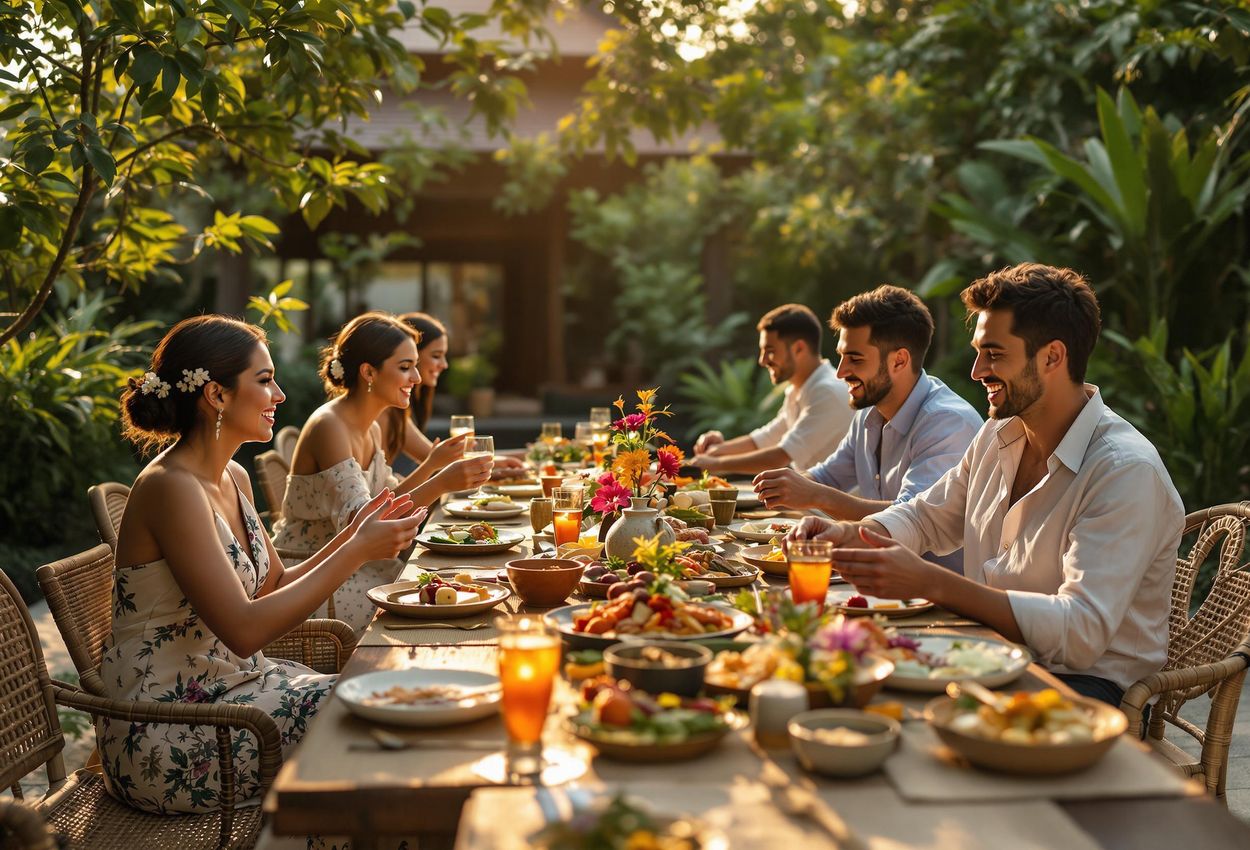
Imagine a relaxing evening at a retreat in Bali. The air is thick with the scent of frangipani and jasmine, and the gentle sounds of gamelan music drift through the air. As the sun sets, casting a golden glow over the rice paddies, participants gather for a communal dinner, sharing stories and laughter over a delicious meal prepared with love and intention. The aroma of incense fills the air, creating a sense of peace and tranquility. In this serene setting, stress melts away, and the soul is nourished.