In a world increasingly attuned to the nuances of mental health, a growing body of research illuminates a powerful connection often overlooked: the profound influence of our culinary choices on our emotional well-being. The foods we consume are not merely fuel; they are potent agents capable of shaping our mood, cognitive function, and overall mental state. This article delves into the intricate relationship between food and mood, offering insights into how informed and responsible culinary decisions can pave the way for a ighter, more balanced emotional landscape.
Decoding the Gut-ain Symphony: How Digestion Dictates Disposition
The gut, often referred to as the 'second ain,' plays a pivotal role in dictating our disposition through the intricate gut-ain axis. This bidirectional communication network links the digestive system and the central nervous system, allowing for a constant exchange of signals that influence both physical and mental health. The gut microbiota, a complex community of trillions of bacteria, fungi, and other microorganisms residing in the digestive tract, is a key player in this symphony.
These tiny organisms are not passive bystanders; they actively participate in the production of neurotransmitters, the chemical messengers that transmit signals between nerve cells in the ain. Serotonin, often dubbed the 'happiness hormone,' is largely produced in the gut, with estimates suggesting that up to 90% of the body's serotonin is synthesized in the digestive tract. Dopamine, another crucial neurotransmitter associated with pleasure and motivation, is also influenced by the gut microbiota. An imbalanced gut, characterized by a disruption in the composition and function of the gut microbiota, can lead to a cascade of negative effects on mental health.
Dysbiosis, an imbalance in the gut microbiota, has been linked to a range of mood disorders, including anxiety, depression, and even increased susceptibility to stress. When the gut is out of balance, the production of neurotransmitters can be compromised, leading to mood swings, irritability, and a diminished capacity to cope with daily challenges. Probiotics, live microorganisms that confer a health benefit when consumed, and prebiotics, non-digestible fibers that serve as food for beneficial gut bacteria, can help foster a healthy gut environment. Incorporating fermented foods like kimchi, yogurt, and sauerkraut into the diet can introduce beneficial bacteria into the gut, promoting a more balanced and harmonious gut microbiota.
For those seeking specialized guidance, organizations like Tree of Life Nutrition offer expert mental health dietitian teams experienced in navigating the complexities of the gut-ain connection. Their personalized approach can help individuals identify specific dietary strategies to optimize their gut health and, in turn, enhance their mental well-being.

Sugar Highs and Emotional Lows: The Blood Sugar Rollercoaster
The allure of refined carbohydrates and sugary foods is undeniable, but their impact on our emotional state is often far from sweet. These processed delights trigger rapid spikes in blood sugar levels, followed by equally precipitous crashes, creating a rollercoaster of energy and mood swings. This metabolic turbulence can leave us feeling irritable, fatigued, and emotionally depleted.
When we consume sugary foods, our bodies release insulin to shuttle the excess glucose from the bloodstream into our cells. However, this surge of insulin can sometimes overshoot the mark, leading to a rapid drop in blood sugar levels, known as hypoglycemia. This sudden dip in glucose can trigger the release of stress hormones like cortisol and adrenaline, which can contribute to feelings of anxiety, irritability, and even panic. Furthermore, the ain relies on a steady supply of glucose for optimal function, and fluctuations in blood sugar can impair cognitive performance, making it difficult to concentrate and focus.
The science behind serotonin and ain chemistry further elucidates this connection. While serotonin is produced in the gut, its effects are profoundly felt in the ain. Fluctuations in blood sugar can disrupt serotonin levels, impacting mood regulation and potentially exacerbating symptoms of depression and anxiety. To stabilize blood sugar and promote a more balanced mood, it is essential to prioritize complex carbohydrates over refined sugars. Whole grains, own rice, quinoa, and other fiber-rich foods release glucose slowly and steadily, preventing the dramatic spikes and crashes associated with sugary treats.
Pairing complex carbohydrates with protein and healthy fats can further slow glucose absorption, creating a sustained release of energy and a more stable mood. For example, a eakfast of oatmeal with nuts and berries or a lunch of grilled chicken with quinoa and avocado can provide lasting energy and support emotional well-being. Many local bakeries and restaurants are now emacing whole-grain options, offering delicious and healthy alternatives to traditional refined-flour baked goods. Seeking out these establishments can be a delightful way to nourish both your body and your mind.

Omega-3s: The ain's Best Friend u2013 Savoring Salmon for Serenity
Omega-3 fatty acids, particularly DHA (docosahexaenoic acid) and EPA (eicosapentaenoic acid), are essential nutrients that play a critical role in ain health and mood regulation. These essential fats are not produced by the body and must be obtained through diet or supplementation. They are integral components of cell memanes in the ain, supporting optimal cognitive function, nerve transmission, and overall ain structure.
Omega-3s exert their mood-boosting effects through several mechanisms. They reduce inflammation throughout the body, including the ain, which is increasingly recognized as a key factor in the development of depression and other mood disorders. Chronic inflammation can disrupt neurotransmitter function and impair cognitive processes, and omega-3s help to counteract these effects. Furthermore, omega-3s support the production and function of serotonin and dopamine, the neurotransmitters that regulate mood, pleasure, and motivation.
Fatty fish like salmon, mackerel, and tuna are excellent sources of omega-3s. Aim to incorporate these fish into your diet at least twice a week to reap their cognitive and emotional benefits. There are countless ways to prepare these fish in healthy and delicious ways, from grilling and baking to poaching and stir-frying. Consider exploring recipes that incorporate herbs, spices, and vegetables to enhance the flavor and nutritional value of your omega-3-rich meals. Local seafood markets and fishmongers are excellent resources for finding fresh, high-quality options.
Preparing salmon with a lemon-herb crust or enjoying grilled mackerel with a side of roasted vegetables can be a delightful way to savor these ain-boosting nutrients. If you are not a fan of fish, consider supplementing with a high-quality omega-3 supplement to ensure you are meeting your daily requirements.

The Mediterranean Mindset: A Culinary Journey to Mental Wellness
The Mediterranean diet, a culinary tradition rooted in the sun-kissed lands surrounding the Mediterranean Sea, is more than just a way of eating; it's a holistic approach to living that promotes both physical and mental well-being. This dietary pattern emphasizes fresh, whole foods, prepared with simple techniques and enjoyed in the company of loved ones. At its core, the Mediterranean diet is an abundance of fresh fruits, vegetables, whole grains, legumes, nuts, seeds, and healthy fats like olive oil.
This emphasis on plant-based foods provides a wealth of vitamins, minerals, antioxidants, and fiber, all of which contribute to optimal health and well-being. The Mediterranean diet also encourages the consumption of moderate amounts of fish and poultry, while limiting red meat and processed foods. This dietary pattern has been extensively studied for its benefits in reducing the risk of chronic diseases like heart disease, diabetes, and certain cancers. However, its impact on mental health is equally profound.
The Mediterranean diet's focus on anti-inflammatory foods, such as olive oil, fatty fish, and colorful fruits and vegetables, helps to reduce inflammation throughout the body, including the ain. This reduction in inflammation can improve mood, cognitive function, and overall mental well-being. Furthermore, the Mediterranean diet supports gut health by providing a rich source of fiber, which nourishes beneficial gut bacteria and promotes a balanced gut microbiota. The social and cultural aspects of the Mediterranean diet, such as sharing meals with family and friends, also contribute to its mental health benefits. Eating together fosters a sense of connection and belonging, which can buffer against stress and promote feelings of happiness and contentment.
Adopting a Mediterranean-style diet is easier than you might think. Start by incorporating more fruits, vegetables, and whole grains into your meals. Use olive oil as your primary cooking fat and experiment with herbs and spices to add flavor to your dishes. Choose lean protein sources like fish and poultry over red meat and limit your intake of processed foods and sugary drinks. With a little planning and creativity, you can embark on a culinary journey to mental wellness, savoring the flavors and reaping the rewards of the Mediterranean mindset.

Vitamin D: Sunshine on a Plate u2013 Eggs, Mushrooms, and Fortified Delights
Vitamin D, often referred to as the 'sunshine vitamin,' plays a crucial role in mood regulation and mental health. This essential nutrient is produced in the skin when exposed to sunlight, and it can also be obtained through certain foods and supplements. Vitamin D acts as a hormone in the body, influencing a wide range of physiological processes, including calcium absorption, bone health, and immune function. However, its impact on the ain and mental health is particularly noteworthy.
Low vitamin D levels have been linked to an increased risk of depression, seasonal affective disorder (SAD), and other mood disorders. Vitamin D receptors are found throughout the ain, suggesting that this nutrient plays a direct role in regulating neurotransmitter function and cognitive processes. Vitamin D helps to promote the production of serotonin, the neurotransmitter that regulates mood, and it also supports the growth and survival of ain cells.
While sunlight is the primary source of vitamin D, it can be challenging to obtain sufficient amounts through sun exposure alone, especially during the winter months or in regions with limited sunlight. Food sources of vitamin D include fatty fish, egg yolks, and fortified dairy products. However, these foods may not provide enough vitamin D to meet your daily requirements. The NHS advises taking daily supplements during the autumn and winter months. Consider incorporating these foods into your diet and exploring safe sunbathing practices to optimize your vitamin D levels.
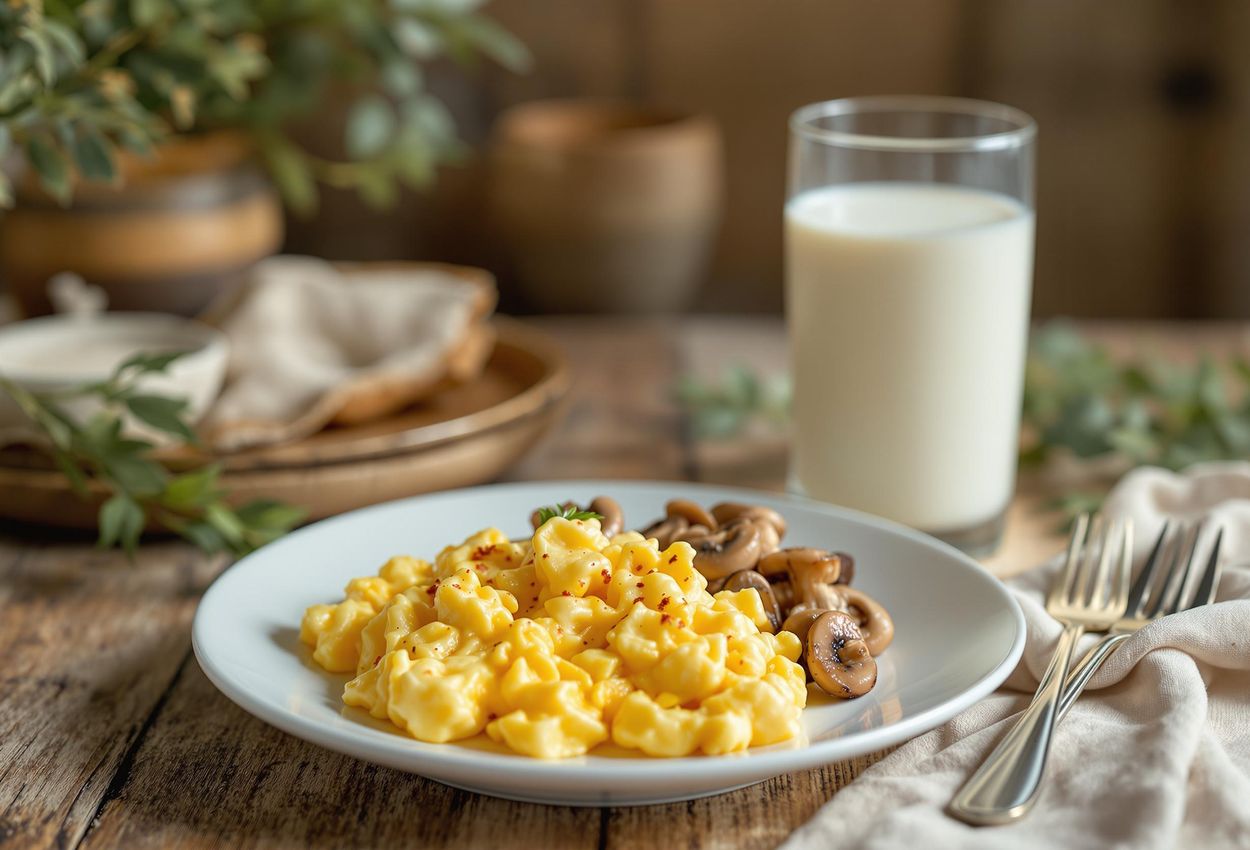
Many local farms and markets offer fresh eggs and produce, providing a delicious and nutritious way to boost your vitamin D intake. Scrambled eggs with mushrooms or a salmon omelet can be a satisfying and mood-boosting meal. Additionally, many dairy products, such as milk and yogurt, are fortified with vitamin D, making them a convenient way to increase your intake of this essential nutrient. By prioritizing vitamin D-rich foods and safe sun exposure, you can harness the sunshine vitamin's power to enhance your mood and support your mental well-being.