In a world saturated with culinary options, the ethics of food has emerged as a critical consideration. It's no longer enough to simply savor a meal; we must also examine the journey of that food from its origin to our plates. This exploration delves into the multifaceted aspects of ethical eating, encompassing animal welfare, fair trade, environmental sustainability, and the power of informed consumer choices.
Decoding Ethical Eating: More Than Just a Trend
Ethical eating transcends fleeting trends; it is a commitment to aligning our culinary choices with our values. At its core, ethical eating encompasses three fundamental principles: animal welfare, fair trade, and environmental sustainability. It's about recognizing that our food choices have far-reaching consequences, impacting not only our own health but also the well-being of animals, the livelihoods of farmers, and the health of the planet. The modern ethical food movement can trace its roots back to the mid-20th century, with the rise of organic farming and vegetarianism. Thinkers like Rachel Carson, with her seminal work 'Silent Spring,' awakened the public to the detrimental effects of pesticides and industrial agriculture. This initial spark ignited a oader awareness of the interconnectedness between food production and environmental health. Over the decades, the movement has evolved to encompass a wider range of concerns, including fair labor practices, food waste reduction, and the promotion of local food systems.
The nuances of ethical eating are considerable. What constitutes 'humane' treatment of animals? How do we balance the desire for affordable food with the need to pay farmers a fair wage? What is the most effective way to reduce the environmental impact of our diets? These are complex questions with no easy answers. Navigating the ethical food landscape requires critical thinking, a willingness to challenge conventional assumptions, and a commitment to continuous learning. To delve deeper into the philosophical underpinnings of ethical eating, we spoke with Dr. Anya Sharma, a renowned food ethicist. Ethical eating is fundamentally about recognizing the moral implications of our food choices, she explained. It's about acknowledging that animals are sentient beings deserving of respect, that farmers are entitled to fair compensation for their labor, and that the environment is a shared resource that we must protect. Dr. Sharma emphasized that ethical eating is not about adhering to a rigid set of rules but rather about cultivating a mindful and compassionate approach to food. It's about asking ourselves, 'What are the values that I want to embody through my food choices?' and then making decisions that align with those values.

The Real Cost of Your Plate: Unveiling Hidden Harms in Food Production
The seemingly low prices at the grocery store often mask the hidden harms embedded within conventional food production. The environmental impact of industrial agriculture is staggering, contributing significantly to deforestation, water pollution, and greenhouse gas emissions. Vast tracts of rainforest are cleared to make way for cattle ranches and soybean farms, leading to habitat loss and biodiversity decline. The overuse of fertilizers and pesticides contaminates waterways, harming aquatic life and posing risks to human health. The transportation of food over long distances generates significant carbon emissions, exacerbating climate change.
Animal welfare concerns in factory farming are equally troubling. Animals are often confined to cramped, unsanitary conditions, deprived of natural behaviors, and subjected to painful procedures without anesthesia. The routine use of antibiotics in animal feed contributes to the rise of antibiotic-resistant bacteria, posing a serious threat to public health. The social costs of cheap food are often overlooked. Farmworkers are frequently exploited, earning meager wages and working in hazardous conditions. Small-scale farmers are often displaced by large agricultural corporations, losing their land and livelihoods. The pursuit of efficiency and profit in the food industry often comes at the expense of human dignity and social justice. Consider the case of the San Joaquin Valley in California, a region heavily reliant on industrial agriculture. The intensive farming practices in the valley have led to severe water depletion, soil degradation, and air pollution. The local communities, many of whom are farmworkers, suffer from high rates of respiratory illness and other health problems. The San Joaquin Valley serves as a stark reminder of the environmental and social costs of unsustainable agricultural practices.

Animal Welfare: From Farm to Fork, A Moral Compass
The treatment of animals in food production is a central ethical concern. There exists a wide spectrum of animal welfare standards, ranging from the deplorable conditions of conventional factory farms to the compassionate practices of certified humane operations. Conventional factory farms often prioritize efficiency and profit over animal well-being. Animals are typically confined to overcrowded cages or pens, preventing them from engaging in natural behaviors such as nesting, foraging, and socializing. They may be subjected to painful mutilations, such as tail docking and beak trimming, without anesthesia. Slaughter methods are often inhumane, causing unnecessary suffering. The ethical implications of these farming systems are profound. Many argue that animals, as sentient beings capable of experiencing pain and suffering, have a right to be treated with respect and dignity. Others maintain that humans have a right to use animals for food, as long as they are treated humanely. The debate over animal welfare in food production is complex and multifaceted, reflecting deeply held values and beliefs.
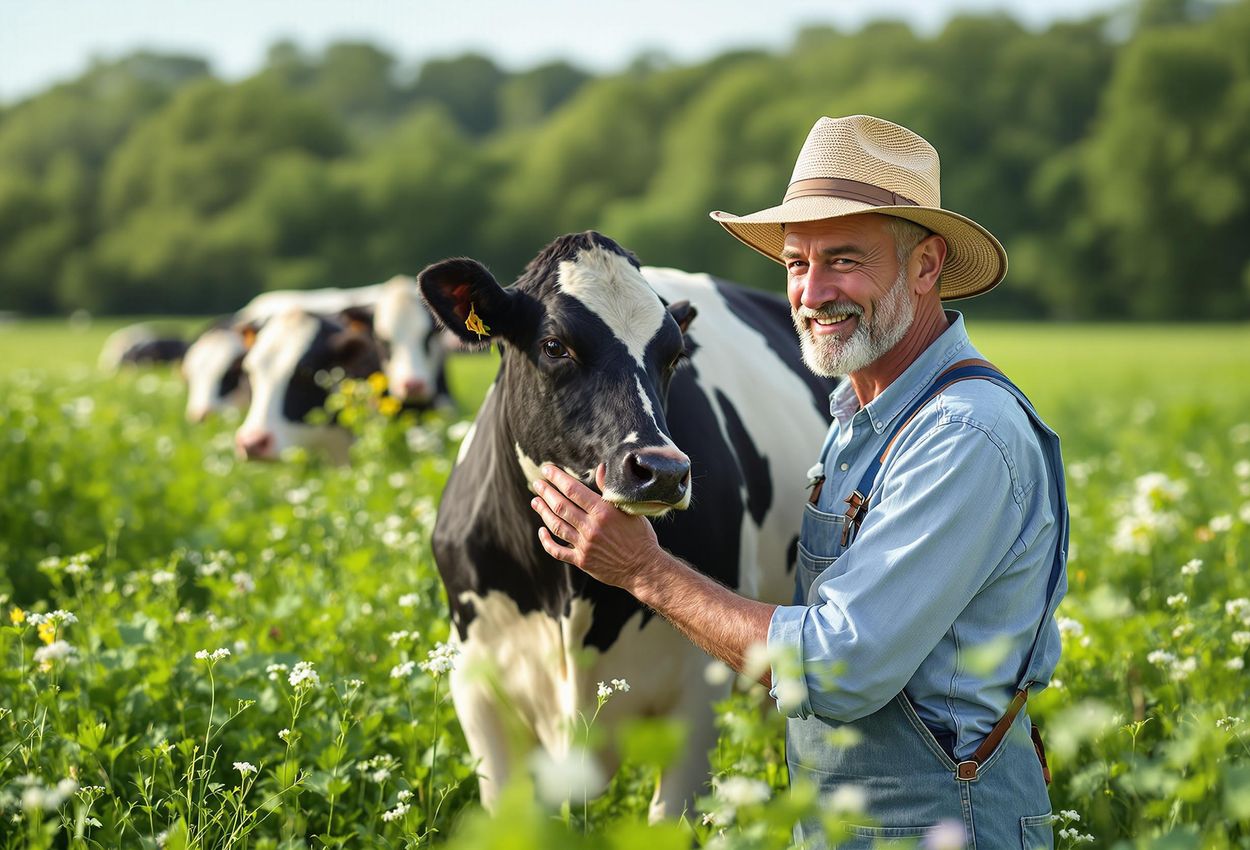
In contrast to factory farms, certified humane practices prioritize animal well-being. Animals are typically given access to outdoor space, provided with nutritious food, and allowed to engage in natural behaviors. Painful procedures are minimized or avoided altogether. Slaughter methods are designed to be as humane as possible. To gain a firsthand perspective on high animal welfare standards, we spoke with Sarah Miller, a farmer who raises pasture-raised chickens on her family farm in Vermont. We believe that animals deserve to live a good life, Sarah explained. That means providing them with plenty of space, fresh air, and sunshine. It also means treating them with respect and compassion at all stages of their lives. Sarah's chickens are free to roam and forage on pasture, supplementing their diet with organic feed. They are never given antibiotics or hormones. Sarah believes that her commitment to animal welfare not only benefits the chickens but also produces higher-quality meat. Common misconceptions about animal welfare in food production include the belief that humane meat is too expensive or that it's impossible to know how animals are treated on farms. While it's true that humane meat may be slightly more expensive than conventionally raised meat, the price reflects the higher costs of providing animals with better living conditions. It's also possible to learn more about animal welfare practices by visiting farms, reading labels carefully, and supporting organizations that promote humane farming.
Fair Trade: Savoring Justice, One Bite at a Time
Fair trade is a movement that seeks to ensure fair prices, safe working conditions, and community development for farmers and workers in developing countries. It's about creating a more equitable and sustainable global trading system, one that benefits both producers and consumers. The principles of fair trade are rooted in the belief that all people deserve to be treated with dignity and respect, regardless of their location or occupation. Fair trade aims to empower marginalized producers, giving them greater control over their livelihoods and enabling them to invest in their communities. Fair trade certification provides consumers with a guarantee that the products they are buying meet certain social and environmental standards. These standards typically include fair prices for producers, safe working conditions for workers, and environmentally sustainable farming practices.
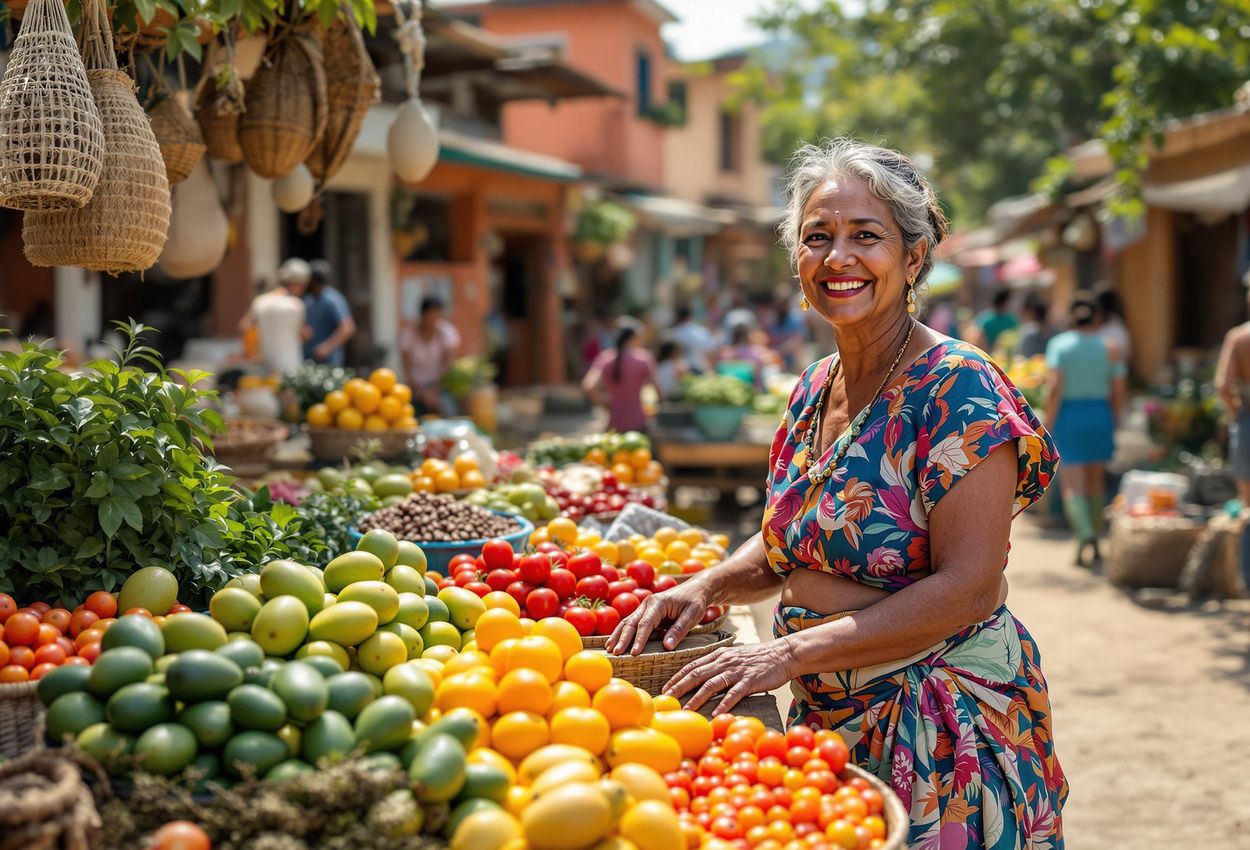
Examples of fair trade products abound, including coffee, chocolate, bananas, tea, and sugar. Consider the journey of a fair trade coffee bean from a smallholder farm in Ethiopia to a coffee shop in New York City. The farmer receives a fair price for his coffee beans, allowing him to support his family and invest in his farm. The workers on the farm are paid fair wages and work in safe conditions. The coffee is grown using environmentally sustainable practices, protecting the local ecosystem. When you purchase a cup of fair trade coffee, you are supporting these ethical practices and contributing to a more just and sustainable world. To understand the impact of fair trade on producers' lives, we spoke with Maria Rodriguez, a leader of a fair trade banana cooperative in Ecuador. Fair trade has transformed our community, Maria explained. Before fair trade, we were struggling to survive. Now, we are able to earn a decent living, send our children to school, and invest in our community's future. Maria's cooperative has used fair trade premiums to build a school, a health clinic, and a water purification system. The challenges and limitations of fair trade certification include the fact that it can be expensive for small-scale producers to obtain certification. There is also concern that some fair trade certifications are not as rigorous as others. Despite these challenges, fair trade remains a powerful tool for promoting social and economic justice in the global food system. Companies such as Divine Chocolate, Equal Exchange, and Green Mountain Coffee are great examples of businesses committed to Fairtrade principles.
Environmental Sustainability: Cultivating a Greener Future
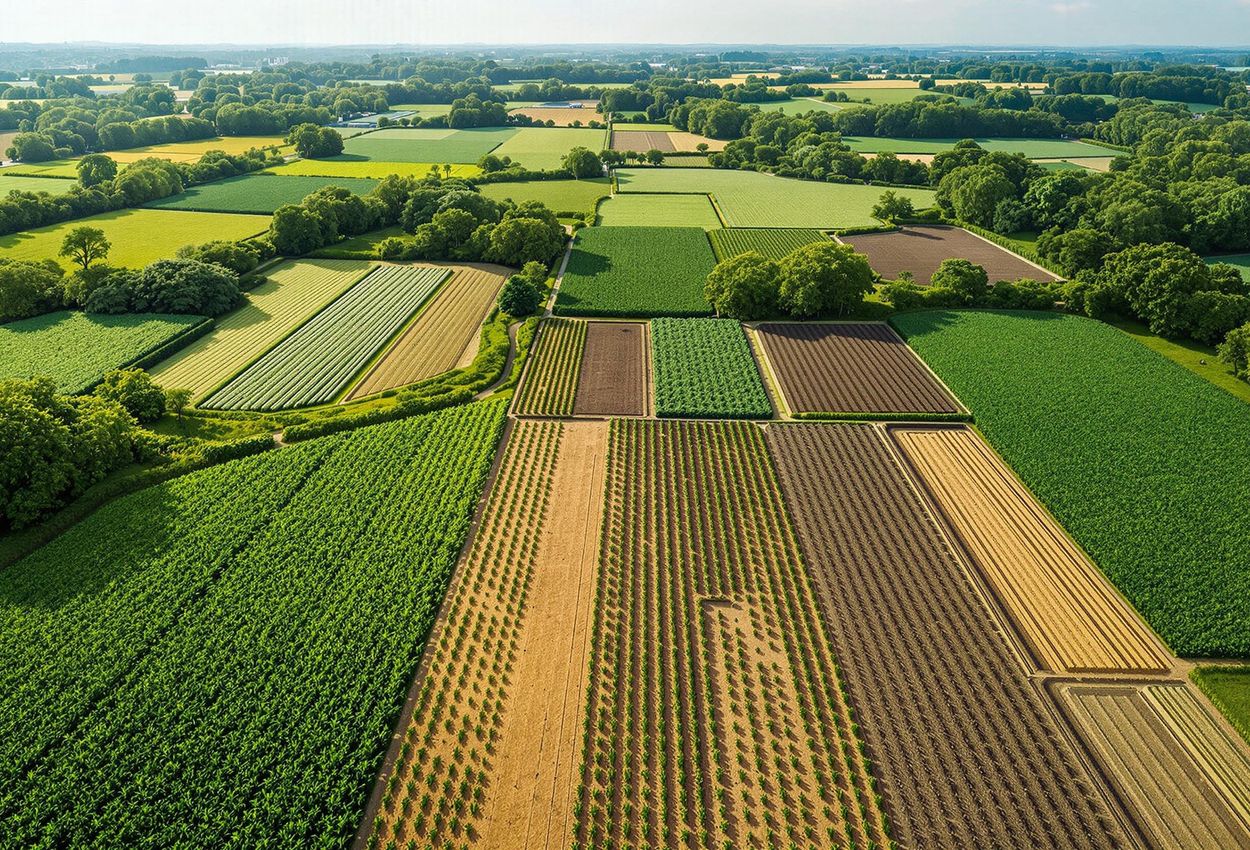
Environmental sustainability is an essential component of ethical eating. The way we produce and consume food has a profound impact on the health of the planet. Sustainable agriculture seeks to minimize environmental damage and promote biodiversity. It's about working with nature, rather than against it, to produce food in a way that is both environmentally sound and economically viable. Sustainable farming practices include crop rotation, cover cropping, no-till farming, and integrated pest management. Crop rotation involves planting different crops in the same field in a planned sequence, which helps to improve soil health, reduce pest and disease problems, and increase crop yields. Cover cropping involves planting a crop specifically to protect and improve the soil, rather than for harvest. No-till farming involves planting crops without plowing or tilling the soil, which helps to reduce soil erosion, conserve water, and improve soil health. Integrated pest management involves using a variety of techniques to control pests, such as biological control, crop rotation, and the use of pesticides only as a last resort.
Regenerative farming techniques take sustainability a step further, aiming to not only minimize environmental damage but also to actively restore and enhance ecosystems. Regenerative practices include composting, vermicomposting, and agroforestry. Composting involves decomposing organic matter, such as food scraps and yard waste, into a nutrient-rich soil amendment. Vermicomposting involves using worms to decompose organic matter, producing a high-quality compost. Agroforestry involves integrating trees and shrubs into agricultural systems, which helps to improve soil health, provide habitat for wildlife, and sequester carbon. Local food systems play a crucial role in reducing transportation emissions and supporting regional economies. When we buy food from local farmers, we are reducing the distance that our food travels, which reduces the amount of fuel burned and the greenhouse gas emissions released. We are also supporting local farmers and businesses, which helps to strengthen our regional economies. Consider the case of Singing Frogs Farm in Sebastopol, California, a farm that has implemented innovative sustainable practices. They focus on soil health, water conservation, and biodiversity. Through these practices, they have increased crop yields, reduced their reliance on external inputs, and created a thriving ecosystem on their farm.
The Power of the Plate: How Consumers Can Drive Change
Consumers wield immense power to drive change in the food system. By making informed and responsible culinary choices, we can support ethical food businesses, promote sustainable farming practices, and advocate for policy changes. Practical tips for ethical culinary choices include buying local, choosing organic, reducing meat consumption, and avoiding food waste. Buying local supports local farmers and businesses, reduces transportation emissions, and helps to preserve farmland. Choosing organic reduces exposure to harmful pesticides and supports farming practices that protect soil health and biodiversity. Reducing meat consumption lowers the demand for factory-farmed meat, which is associated with animal welfare concerns and environmental problems. Avoiding food waste conserves resources, reduces greenhouse gas emissions, and saves money.
Reading food labels carefully and understanding certifications can help us make more informed choices. Look for labels such as Certified Organic, Fair Trade Certified, and Certified Humane. These labels provide assurance that the products meet certain social and environmental standards. Supporting ethical food businesses is another way to drive change. Seek out restaurants, grocery stores, and farmers markets that prioritize ethical and sustainable practices. Advocate for policy changes that support ethical food production. Contact elected officials to express support for policies that promote animal welfare, fair trade, and environmental sustainability. Resources for ethical food shopping and advocacy include organizations such as the Environmental Working Group, the Fair World Project, and the Animal Welfare Institute. By taking action, we can create a more just and sustainable food system for all.