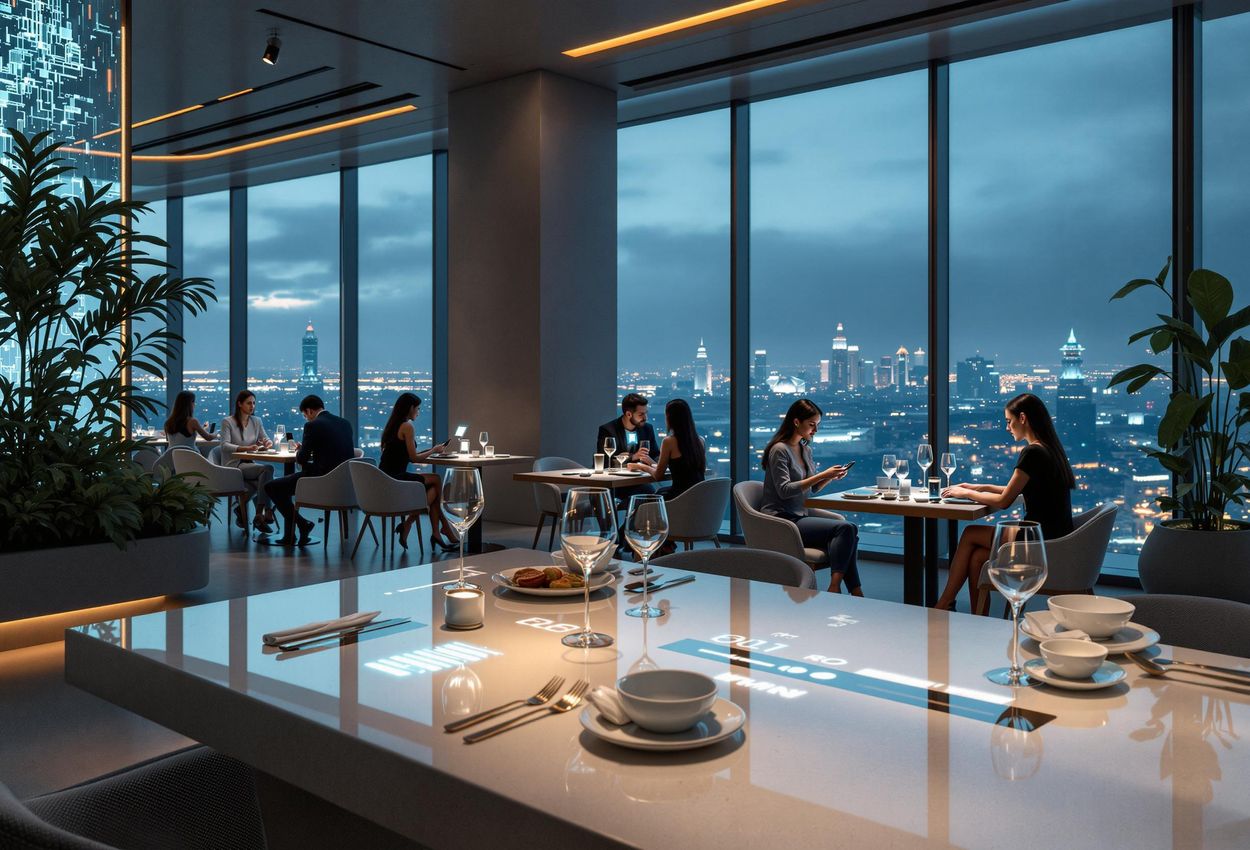
In today's digital age, the aroma of sizzling steak and the clinking of glasses are often accompanied by the tap-tap-tapping of smartphones. Social media has irrevocably transformed the restaurant industry, influencing everything from menu design to marketing strategies. This article delves into the multifaceted impact of these platforms, exploring how restaurants are navigating this ever-evolving landscape to attract and retain customers.
A Picture's Worth a Thousand Cravings: The Rise of Food Photography
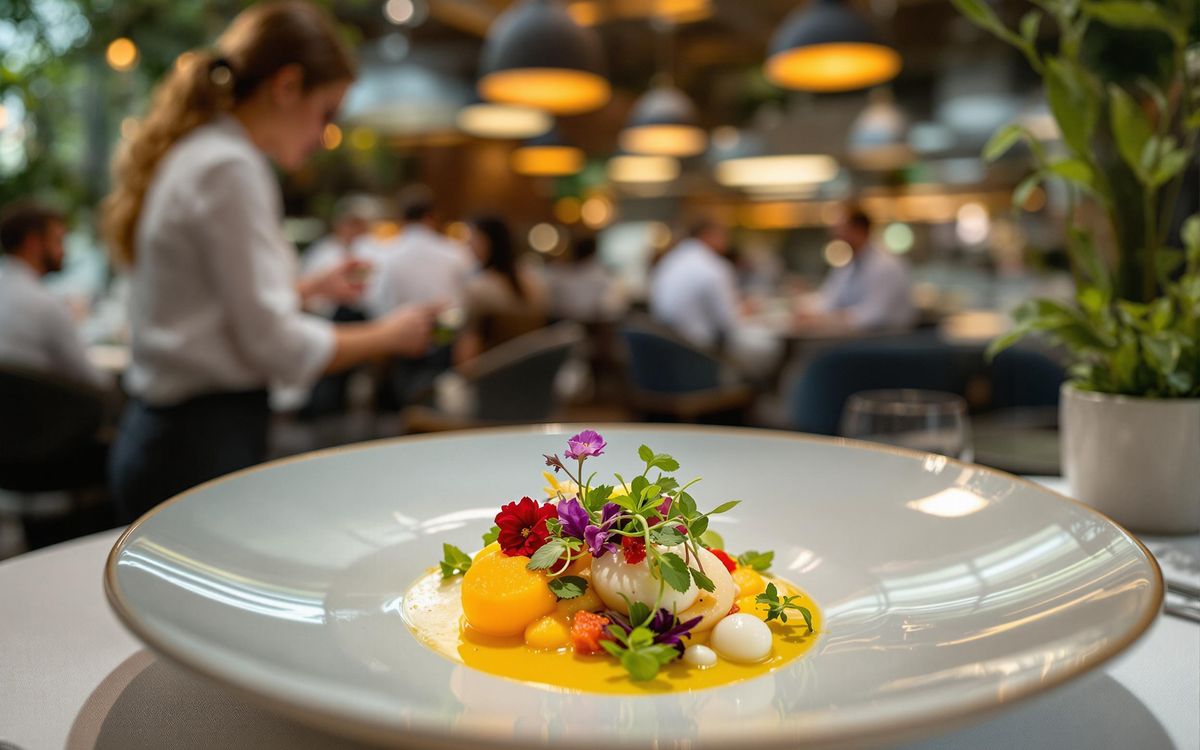
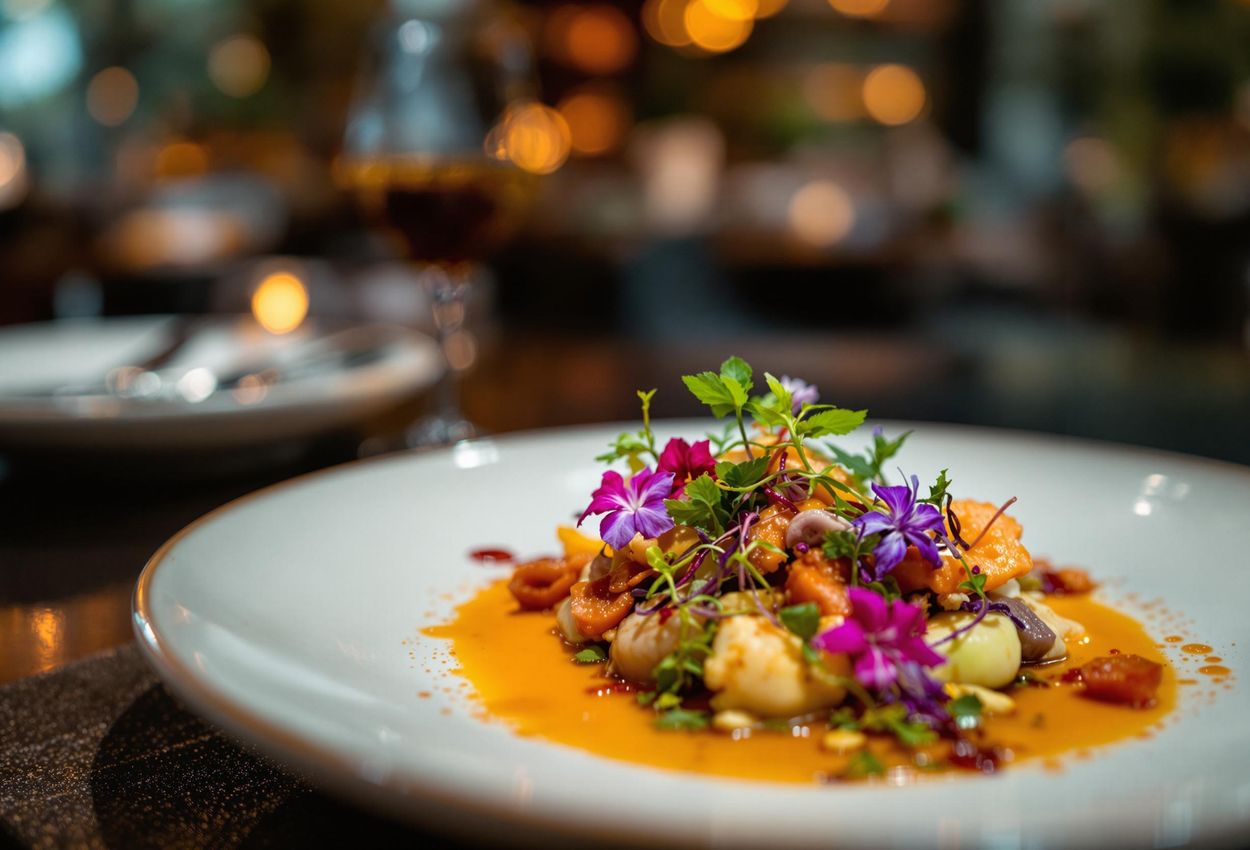
Platforms like Instagram and TikTok have revolutionized how we perceive and interact with food. The visual appeal of a dish has become as important as its taste, leading to the rise of u2018Instagrammableu2019 food. Restaurants are now meticulously crafting their dishes, not just for flavor, but also for aesthetics. Chefs are becoming artists, plating food with an eye for color, texture, and composition. The goal? To create a dish that's not only delicious but also worthy of a share.
Take, for example, El Celler de Can Roca in Girona, Spain, a restaurant renowned for its avant-garde cuisine and stunning presentation. Each dish is a work of art, carefully constructed to stimulate both the palate and the eye. The restaurant actively encourages diners to share their experiences on social media, knowing that a single, well-composed photo can reach thousands of potential customers. Similarly, Dominique Ansel Bakery in New York City gained viral fame with its Cronut, a croissant-doughnut hyid that became a social media sensation. The bakery capitalized on this trend by creating a series of visually stunning desserts, each designed to generate buzz and attract long lines of eager customers.
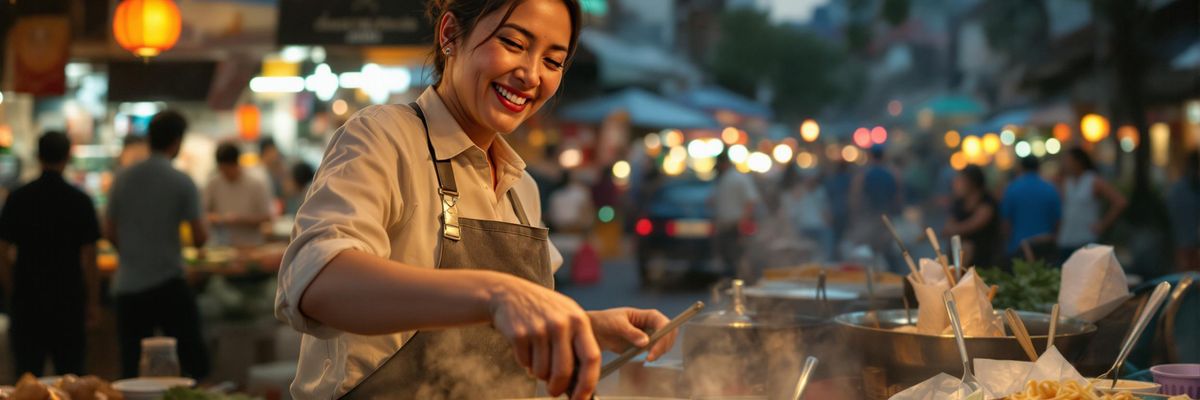
However, the trend is shifting towards authenticity. While perfectly styled food photography still has its place, there's a growing appreciation for imperfections and real moments. Food photographers and stylists are now emacing natural light, bold colors, and minimalist shots, showcasing the raw beauty of ingredients and the genuine emotions associated with dining. This shift reflects a desire for more relatable and trustworthy content, as consumers become increasingly skeptical of overly polished images. According to a 2024 survey by Food Photography Trends, 65% of consumers prefer food photos that look natural and unedited. Food bloggers are also increasingly focusing on unedited content to show the reality of the dining experience.
u201cPeople are tired of seeing overly staged and filtered food photos,u201d says renowned food photographer, Sarah Crawford. u201cThey want to see real food, real people, and real moments. Itu2019s about capturing the essence of the dining experience, not just creating a pretty picture.u201d
From Word of Mouth to Word of Mouse: The Power of Online Reviews
In the past, restaurant selection relied heavily on word-of-mouth recommendations. Today, online review platforms like Google Reviews, Yelp, and TripAdvisor have become the new word of mouth. These platforms provide a wealth of information, allowing diners to read reviews, view photos, and compare ratings before making a decision. The influence of online reviews is undeniable, with studies showing that a significant percentage of people check online reviews before dining. A recent study by ightLocal found that 88% of consumers trust online reviews as much as personal recommendations.
The impact of ratings on consumer behavior is profound. Restaurants with higher ratings tend to attract more customers, while those with lower ratings may struggle to stay afloat. A one-star increase in Yelp rating can lead to a 5-9% increase in revenue, according to a Harvard Business School study. This emphasizes the importance of managing one's online reputation. Building trust and customer loyalty is also key. Positive reviews can increase customer loyalty, as consumers are more likely to return to restaurants that have provided a positive experience.
For restaurants, managing their online reputation is crucial. This involves actively monitoring review platforms, responding to reviews (both positive and negative), and encouraging customer feedback. Responding to negative reviews is particularly important, as it shows customers that the restaurant cares about their experience and is willing to address their concerns. Restaurateur, Michael Chen notes, u201cWe always respond to reviews, good or bad. Itu2019s a chance to show weu2019re listening and that we care.u201d Offering a sincere apology and a solution can often turn a negative experience into a positive one. Furthermore, encouraging customer feedback can provide valuable insights into areas where the restaurant can improve.

Hashtags and Reservations: Social Media as a Marketing Menu
Social media has become an indispensable tool for restaurant marketing. From content creation to user-generated content, targeted advertising to influencer collaborations, restaurants are leveraging social media in a variety of ways to build and awareness, engage with customers, and drive revenue. A well-executed social media strategy can significantly boost a restaurant's visibility and attract new customers. According to the National Restaurant Association, 75% of restaurants use social media marketing.
Content creation is a key component of any successful social media strategy. Restaurants are creating visually appealing content that showcases their food, ambiance, and overall dining experience. This includes high-quality photos and videos, behind-the-scenes glimpses, and engaging stories that resonate with their target audience. User-generated content is another valuable asset. Encouraging customers to share their photos and experiences on social media can generate authentic and engaging content that reaches a wider audience. Many restaurants run contests or offer incentives to encourage user-generated content.
Targeted advertising allows restaurants to reach specific demographics and interests, ensuring that their message reaches the right people. Social media platforms offer a range of targeting options, allowing restaurants to focus their advertising efforts on potential customers who are most likely to be interested in their offerings. Influencer collaborations can also be highly effective. Partnering with food bloggers, social media personalities, and other influencers can help restaurants reach a wider audience and build credibility. A successful social media campaign can generate a significant return on investment. For example, a local pizzeria in Naples, Italy saw a 30% increase in sales after launching a social media campaign that featured mouth-watering photos of their pizzas and behind-the-scenes videos of their chefs at work.

The Algorithm is Always Hungry: Personalization and the Future of Dining
Artificial intelligence (AI) and data analytics are playing an increasingly important role in personalizing the dining experience. Restaurants are using data to tailor menu recommendations, promotions, and special offers to individual customer preferences. This level of personalization can enhance customer satisfaction and drive repeat business. AI-driven marketing tools and technologies are becoming more sophisticated, allowing restaurants to target customers with unprecedented precision. For example, some restaurants are using AI to analyze customer data and predict which dishes they are most likely to order, allowing them to tailor menu recommendations accordingly.
One example is the use of personalized digital menus. These menus use data about a customer's past orders, dietary restrictions, and preferences to suggest dishes that they are likely to enjoy. Some restaurants are even using facial recognition technology to identify customers and greet them by name, creating a more personalized and welcoming experience. However, the use of customer data raises ethical considerations. It is important for restaurants to be transparent about how they are using customer data and to ensure that they are complying with privacy regulations. Customers should have the right to access their data and to opt out of data collection if they choose. u201cTransparency is key,u201d says data privacy expert, Dr. Emily Carter. u201cCustomers need to know what data is being collected and how itu2019s being used.u201d
The future of dining is likely to be even more personalized, with AI playing an increasingly central role. As AI technology continues to evolve, restaurants will be able to offer even more tailored and seamless dining experiences. From personalized menu recommendations to automated ordering and payment systems, AI has the potential to revolutionize the way we eat. The key is to use these technologies responsibly and ethically, ensuring that customer privacy is protected and that the dining experience remains enjoyable and authentic. The integration of technology is a double-edged sword, but if used wisely, it can elevate the dining experience to new heights.