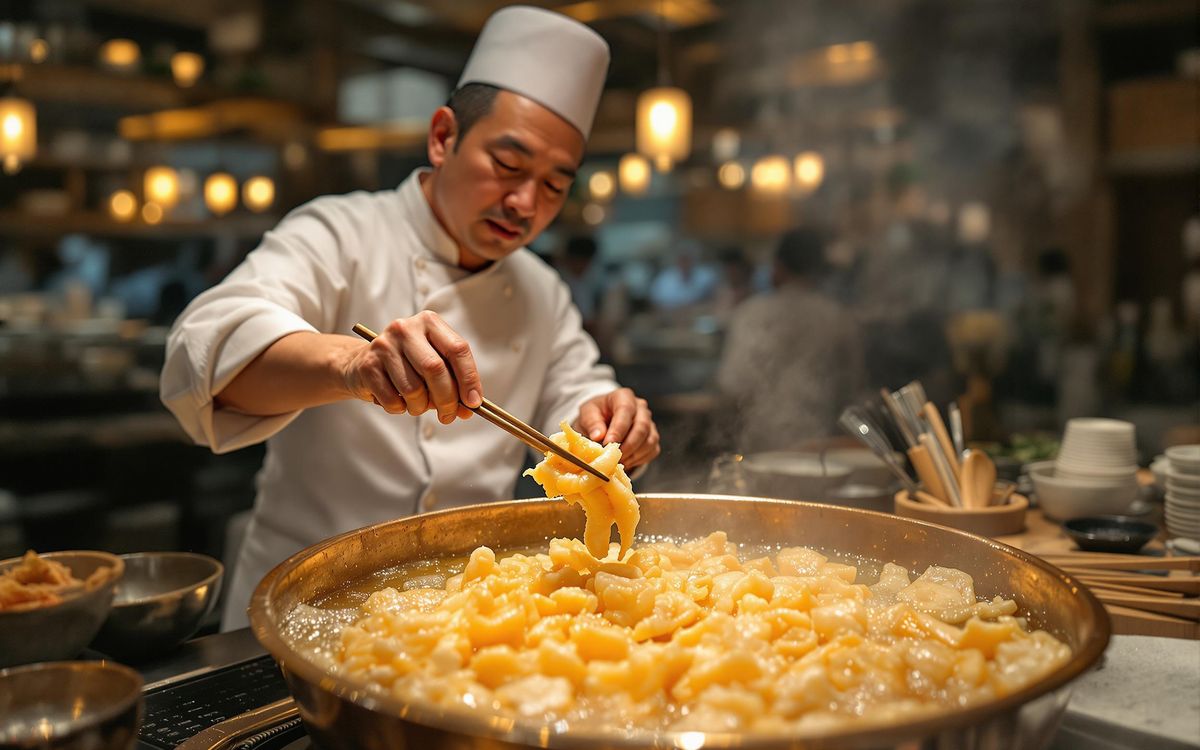
Taste, that seemingly simple sensation, is in reality a complex interplay of sensory inputs, memories, emotions, cultural imprints, and even the bustling activity of our gut microbiome. Beyond the mere detection of sweet, sour, salty, bitter, and umami, lies a vast landscape of psychological and neurological processes that shape our individual food preferences and eating habits.
Unlocking the Sensory Symphony: How Sight, Sound, and Touch Orchestrate Flavor
The adage u201cwe eat with our eyes firstu201d holds more than a grain of truth. Visual appeal plays a pivotal role in setting our expectations and influencing our perception of flavor. Consider the meticulous plating at Le Bernardin in New York City, where each dish is a carefully constructed work of art, with viant colors and balanced compositions designed to stimulate the appetite even before the first bite. The gleam of fresh seafood, the viant green of herbs, and the strategic placement of sauces all contribute to an anticipation of culinary delight. 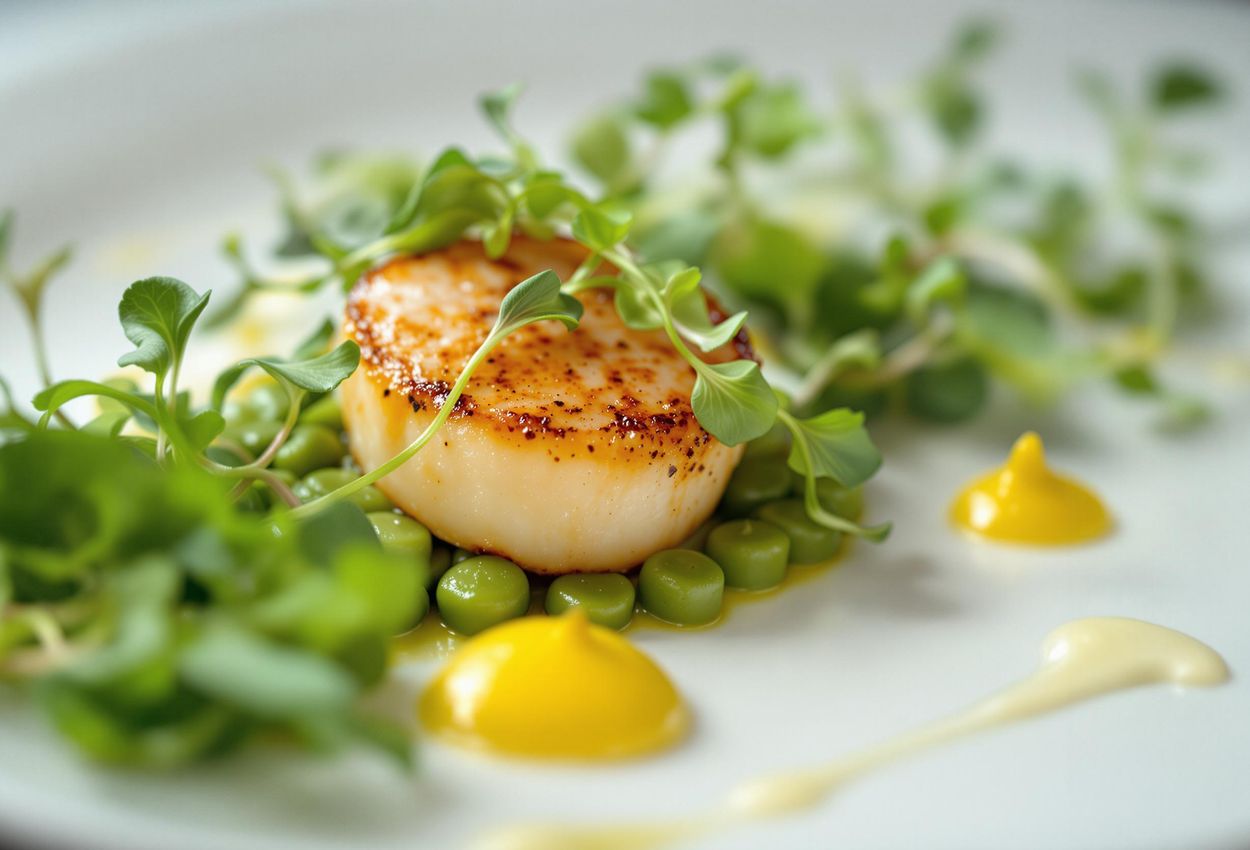
But sight is only one instrument in this sensory orchestra. Auditory cues, often overlooked, also play a significant role. The satisfying crunch of a perfectly fried tempura at Tempura Kondo in Tokyo isn't just a textural experience; it's an auditory signal that tells us the food is fresh, crisp, and expertly prepared. This sound, transmitted to the ain, enhances our overall enjoyment of the dish. Similarly, the gentle sizzle of a steak hitting a hot pan or the pop of champagne bubbles can heighten our anticipation and pleasure.
Tactile sensations, too, are crucial. The creamy, melt-in-your-mouth texture of a Pierre Hermé Ispahan macaron in Paris is as essential to its appeal as its delicate rose and raspberry flavors. The coolness of ice cream, the warmth of freshly baked ead, the smooth silkiness of a chocolate ganache u2013 these tactile experiences contribute significantly to our overall perception of taste. Chefs are increasingly aware of the importance of texture and are experimenting with different techniques to create unique and memorable mouthfeels.
Sensory science research has further illuminated the intricate connections between our senses and our perception of flavor. Studies have shown that even subtle changes in lighting or background music can alter our taste preferences. Chefs are leveraging these insights to create immersive dining experiences that engage all the senses, transforming a simple meal into a multi-sensory performance.
The Nostalgia Nook: How Memory Lane Shapes Your Plate
Food is more than just sustenance; it's a powerful trigger for memories and emotions. The connection between memory and taste is deeply ingrained in our ains, with specific foods capable of transporting us back to cherished moments in our past. Marcel Proust famously captured this phenomenon in his novel u201cIn Search of Lost Time,u201d where the simple act of eating a madeleine dipped in tea evoked a flood of childhood memories. This u201cProustian momentu201d highlights the potent ability of food to unlock long-forgotten experiences. 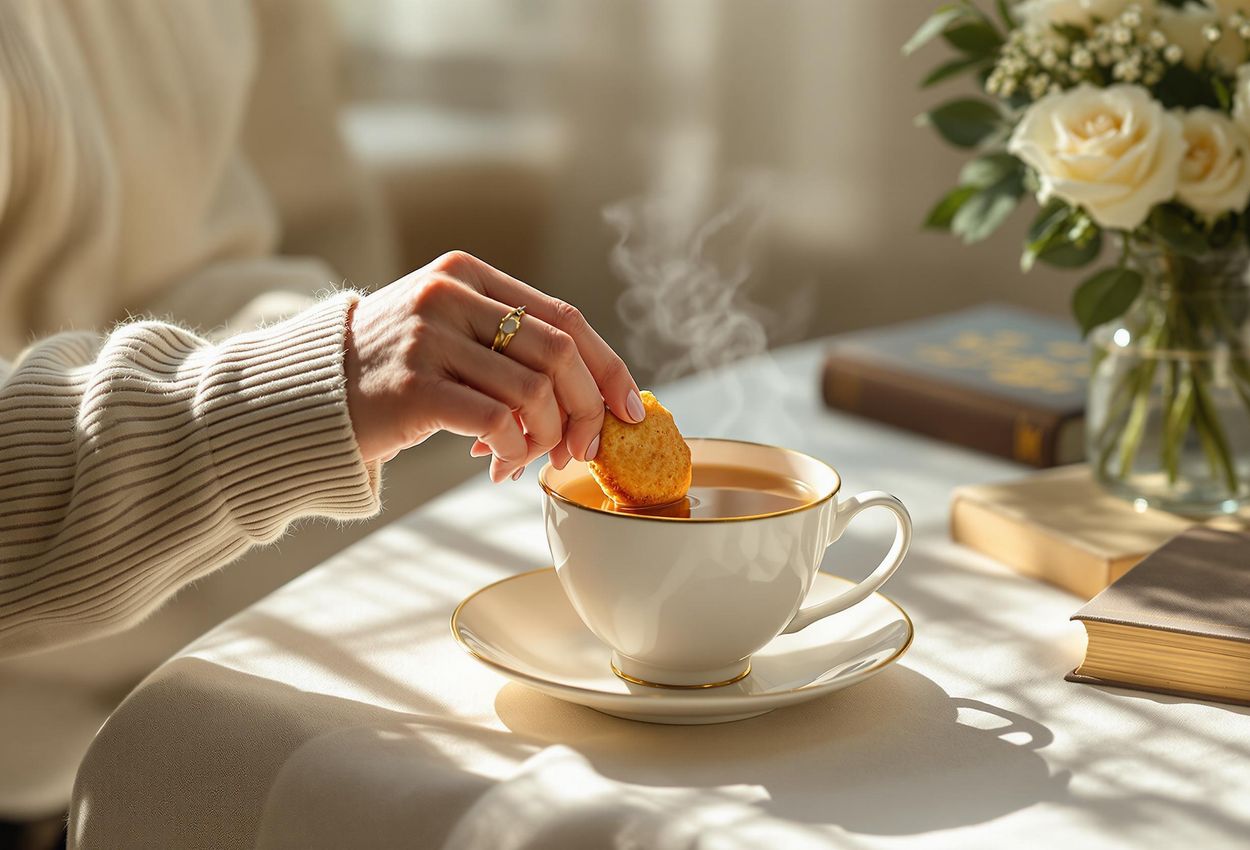
Our flavor memories, formed early in life, play a significant role in shaping our food preferences and aversions. A positive experience with a particular dish can create a lifelong fondness, while a negative experience can lead to a lasting aversion. These memories are not always consciously recalled, but they exert a subtle influence on our food choices, guiding us towards familiar flavors and away from those associated with unpleasant experiences.
The concept of u201ccomfort foodsu201d is rooted in this connection between memory and taste. These are the dishes that evoke feelings of warmth, security, and nostalgia, often associated with childhood or happy occasions. Macaroni and cheese, chicken soup, mashed potatoes u2013 these foods provide not only physical nourishment but also emotional comfort, reminding us of simpler times and cherished relationships.
Consider the story of Maria, who grew up in Buenos Aires. For her, the smell of empanadas baking in the oven instantly transports her back to her grandmother's kitchen, filled with the warmth of family and the aroma of spices. Even now, living thousands of miles away, she seeks out empanadas whenever she needs a taste of home and a reminder of her roots. The neuroscience of memory and taste reveals that the amygdala, the ain region responsible for processing emotions, is closely linked to the hippocampus, which is involved in memory formation. This close connection explains why food can be such a powerful trigger for emotional recall.
Recipe for Nostalgia: Grandma's Apple Pie
- Ingredients: Pie crust, apples, cinnamon, sugar, butter
- Instructions: Combine ingredients, bake until golden own. The aroma alone is enough to evoke memories of cozy kitchens and holiday gatherings.
Emotional Eatery: Decoding How Feelings Influence Food Choices
Our emotions exert a powerful influence on our food choices, often overriding our rational intentions. Mood, stress, and emotional well-being can all impact our dietary habits, leading us to crave certain foods or avoid others. This phenomenon, known as emotional eating, is a common coping mechanism for dealing with difficult feelings. When we're feeling stressed, anxious, or sad, we may turn to food for comfort, seeking temporary relief from our negative emotions. 
Different emotions can trigger specific food cravings. Happiness may lead us to indulge in celeatory treats like cake or ice cream, while sadness may prompt us to seek out comforting foods like chocolate or pasta. Anxiety can trigger cravings for salty or crunchy snacks, providing a sense of distraction and control. These cravings are not simply random; they are often linked to the neurochemical changes that occur in our ains when we experience different emotions.
Psychologists and nutritionists emphasize the importance of recognizing and managing emotional eating. Instead of suppressing our emotions with food, they recommend finding healthier coping mechanisms, such as exercise, meditation, or spending time with loved ones. Developing emotional awareness and learning to identify the triggers that lead to emotional eating can empower us to make more mindful and balanced food choices.
A recent study published in the u201cJournal of Nutritional Psychologyu201d found a strong correlation between stress levels and preference for sugary foods. The study revealed that individuals who reported high levels of stress were more likely to crave and consume sugary snacks and beverages, suggesting that sugar may act as a temporary stress reliever by stimulating the release of endorphins in the ain.
Cultural Crossroads: How Upinging and Society Mold Your Taste Buds
Our cultural upinging plays a profound role in shaping our taste preferences, influencing the flavors we find appealing and the dishes we consider to be delicacies. Social norms, regional cuisines, and family traditions all contribute to the development of our individual palates. What is considered a staple food in one culture may be viewed with disgust or suspicion in another. The concept of u201cacquired tastesu201d highlights the malleability of our taste buds and the power of exposure to different flavors and culinary traditions. 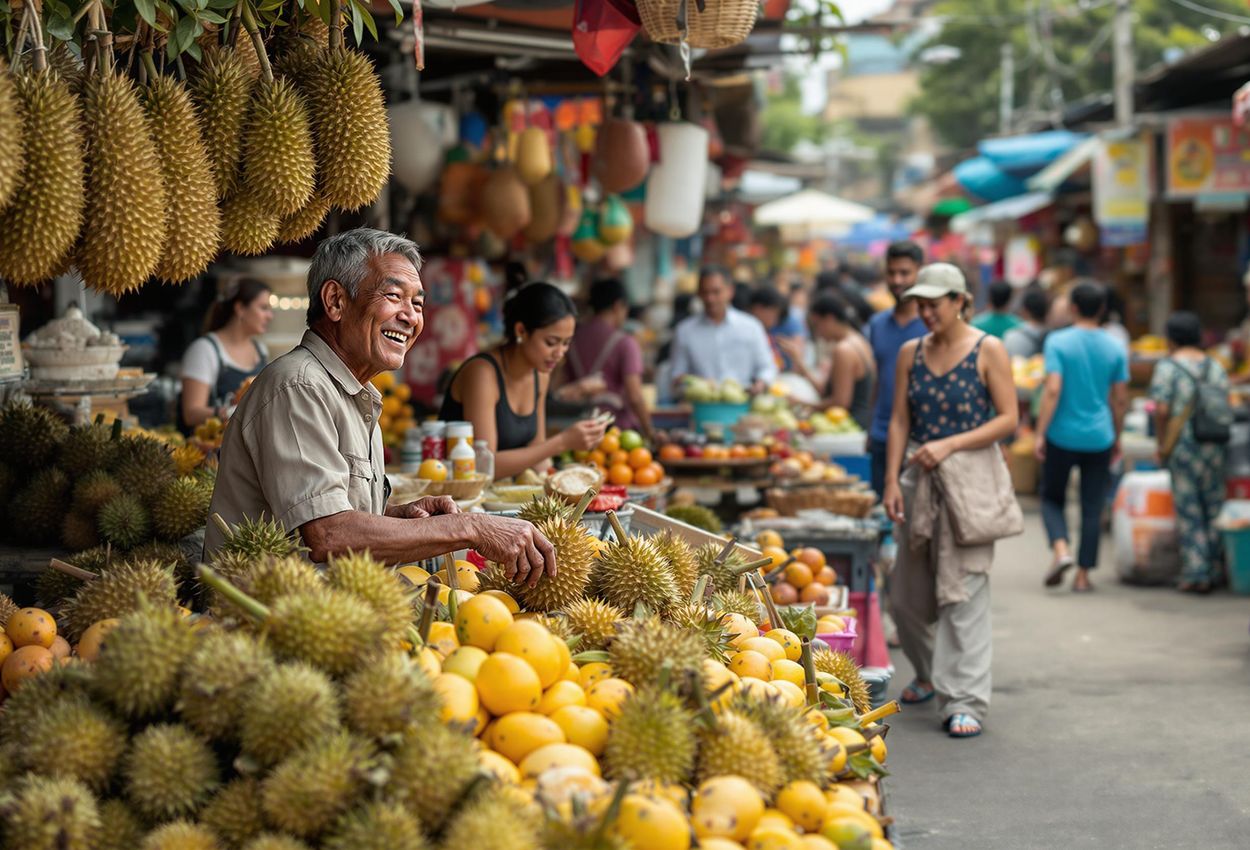
Consider the example of durian fruit in Southeast Asia. This pungent fruit is highly prized in many countries, celeated for its creamy texture and complex flavor. However, its strong odor is often off-putting to those unfamiliar with it, leading to strong reactions. Similarly, haggis, a traditional Scottish dish made from sheep's organs, is considered a delicacy in Scotland but may be unappealing to those from other cultures.
Chefs and food anthropologists are increasingly exploring the intersection of culture and cuisine, seeking to understand how our cultural backgrounds shape our culinary identities. They are also working to promote cross-cultural understanding through food, showcasing the diversity of flavors and culinary traditions around the world. Food festivals, cooking classes, and culinary tourism are all contributing to a greater appreciation of the cultural influences that shape our taste preferences.
u201cFood is a universal language that can idge cultural divides,u201d says Chef Anya von emzen, a renowned food writer and culinary expert. u201cBy exploring the culinary traditions of different cultures, we can gain a deeper understanding of their history, values, and beliefs.u201d
The Gut-ain Tango: How Your Microbiome Influences What You Crave
The emerging field of gut-ain communication is revealing the profound impact of our gut microbiome on our taste preferences and eating habits. The gut microbiome, the community of microorganisms that live in our digestive tract, plays a crucial role in influencing our appetite, cravings, and food choices. Specific gut bacteria can produce neurotransmitters that affect ain function and behavior, influencing our mood, our cognitive abilities, and even our food preferences. 
Researchers are discovering that certain gut bacteria thrive on specific types of food, and these bacteria can send signals to the ain that increase our cravings for those foods. For example, bacteria that thrive on sugar may trigger cravings for sugary snacks and beverages, while bacteria that thrive on fiber may promote a preference for fruits, vegetables, and whole grains. This intricate communication between the gut and the ain highlights the importance of maintaining a healthy gut microbiome for overall health and well-being.
Promoting a healthy gut microbiome through diet and lifestyle choices is essential for optimizing our taste preferences and improving our eating habits. Consuming a diet rich in fiber, prebiotics, and probiotics can help to nourish beneficial gut bacteria and support a balanced gut ecosystem. Avoiding processed foods, sugary drinks, and excessive alcohol consumption can help to prevent the overgrowth of harmful bacteria and maintain a healthy gut-ain connection.
u201cThe gut microbiome is like a second ain,u201d says Dr. Mark Hyman, a leading expert in functional medicine. u201cIt plays a critical role in regulating our appetite, our mood, and our overall health. By nourishing our gut microbiome with the right foods, we can optimize our taste preferences and improve our eating habits.u201d