In an era defined by environmental consciousness and urban expansion, innovative public transportation systems are more critical than ever. These systems not only alleviate traffic congestion and reduce air pollution but also enhance the quality of life for residents and visitors alike. From seamless mobility apps to extensive cycling networks, several cities around the world are pioneering groundbreaking solutions in public transport.
This article explores seven cities that have distinguished themselves through their commitment to sustainable initiatives, efficient networks, and user-friendly designs. Whether you're a seasoned traveler or a daily commuter, these cities offer a glimpse into the future of urban mobility.
Each city's approach is unique, reflecting its specific challenges and opportunities. By examining these diverse strategies, we can gain valuable insights into how to create more livable, sustainable, and connected urban environments.
Read on to discover the cities that are setting new standards in public transportation and paving the way for a greener, more accessible future.
Helsinki's Seamless Mobility Dream
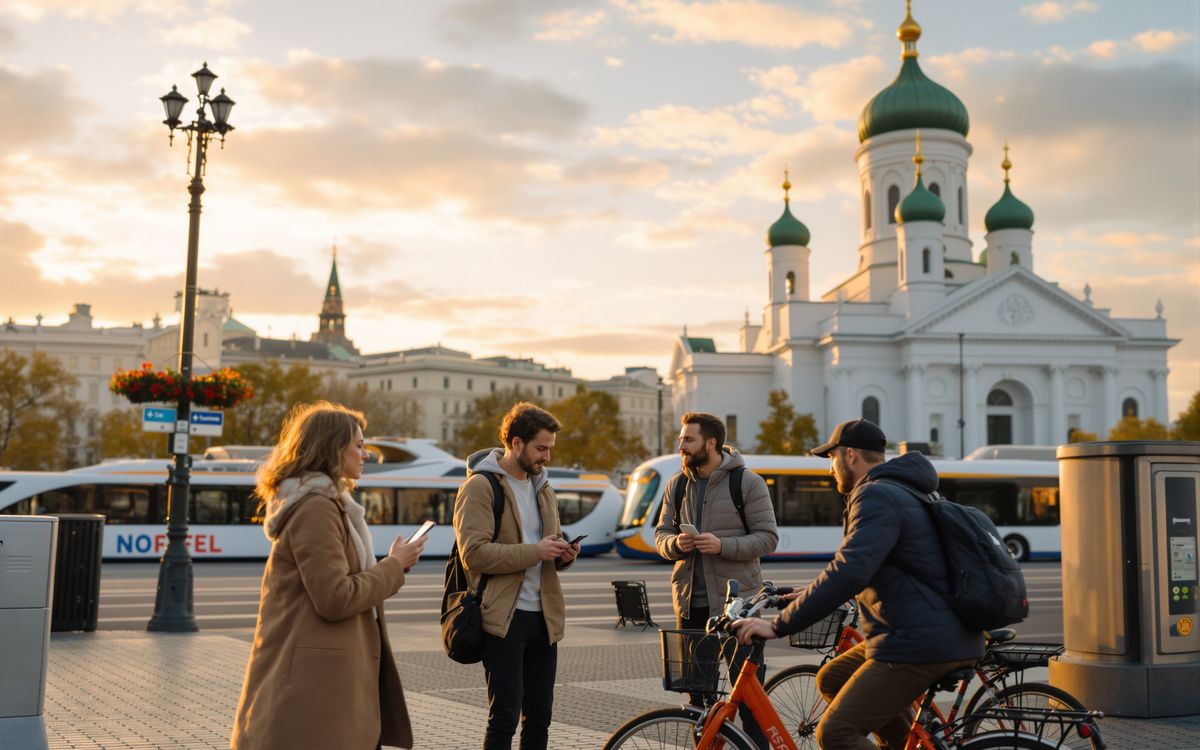
Helsinki, the capital of Finland, is rapidly transforming into a city where car ownership is becoming increasingly unnecessary. At the heart of this transformation is the Mobility-as-a-Service (MaaS) system, spearheaded by the innovative Whim app. This app integrates various transport options—buses, trains, taxis, city bikes, and car rentals—into a single, user-friendly subscription.
The goal is ambitious: to make car ownership obsolete by 2025. By offering a seamless, integrated travel experience, Helsinki aims to encourage residents and tourists alike to embrace more sustainable modes of transport. The Whim app simplifies journey planning, allowing users to effortlessly combine different modes of transport to reach their destinations efficiently.
One of the key features of Helsinki’s system is its unified ticketing. Whether you're hopping on a bus, tram, or train, a single ticket or subscription covers it all, eliminating the hassle of purchasing separate tickets for each mode. This ease of access extends to various modes of transport, all accessible through the Whim app.
For tourists, this means navigating the city becomes a breeze. Instead of grappling with unfamiliar public transport systems, visitors can rely on the Whim app to plan their routes and manage their travel. For residents, the benefits are even more profound, offering a cost-effective and eco-friendly alternative to car ownership.
The unified ticketing system and ease of access are complemented by Helsinki’s commitment to sustainability. By promoting public transport and shared mobility options, the city is actively working to reduce its carbon footprint and create a greener urban environment. The Whim app not only makes travel easier but also encourages users to make more environmentally conscious choices.
Local Tip: Download the Whim app before you arrive in Helsinki to familiarize yourself with the available transport options and subscription plans. This will allow you to hit the ground running and make the most of the city's seamless mobility system.

Copenhagen's Cycling Revolution
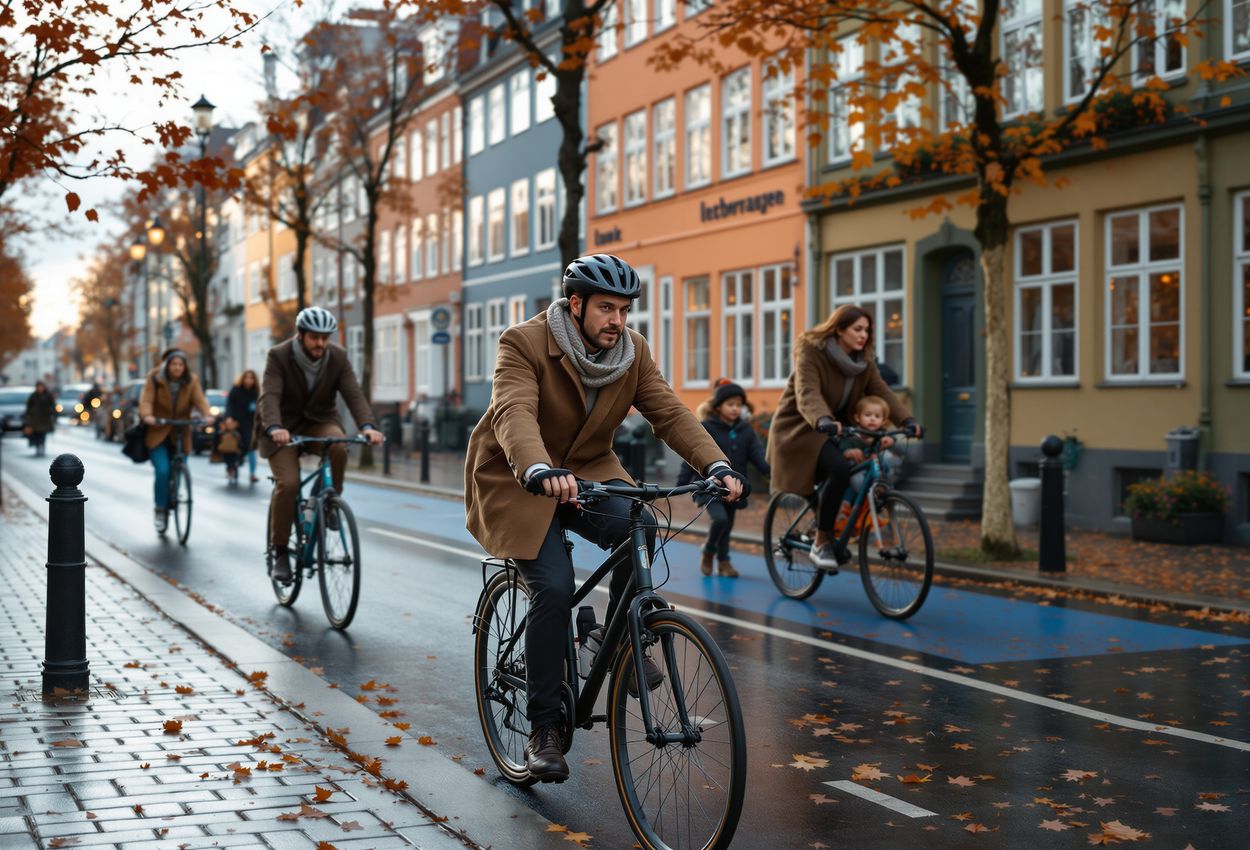
Copenhagen has long been celebrated as a global leader in sustainable transportation, particularly for its dedication to cycling. The city boasts an extensive network of bike lanes, making it safe and convenient for cyclists of all ages and abilities. This commitment to cycling is complemented by an efficient public transportation system, including buses, trains, and a metro.
With a goal to become carbon-neutral by 2025, Copenhagen views public transport as a critical component of its sustainability strategy. The city has invested heavily in redesigning train carriages to better accommodate bikes, encouraging commuters to cycle as part of their daily routine. This integration of cycling and public transport is a hallmark of Copenhagen’s approach to urban mobility.
The Cycle Superhighways initiative is another testament to Copenhagen’s commitment to cycling. These dedicated bike routes connect the city center with surrounding suburbs, providing a smooth, safe, and efficient way for commuters to travel longer distances by bike. The initiative aims to increase the number of bike commuters by more than 30%, further solidifying Copenhagen’s reputation as a cycling paradise.
The city's dedication to cycling extends beyond infrastructure. Copenhagen actively promotes a cycling culture through various initiatives, including bike-sharing programs, cycling education, and events. This holistic approach has made cycling an integral part of daily life in Copenhagen, with a significant portion of the population choosing bikes over cars for their daily commute.
For visitors, Copenhagen offers a unique opportunity to experience a city designed for cyclists. Renting a bike is easy and affordable, and the city's flat terrain and well-maintained bike lanes make it a joy to explore on two wheels. Whether you're commuting to work or sightseeing, cycling in Copenhagen is an experience not to be missed.
Hidden Gem: Explore the city's green bicycle routes, a network of paths that wind through parks and green spaces, offering a tranquil escape from the urban bustle. These routes provide a unique perspective on Copenhagen and showcase the city's commitment to green spaces.
Singapore's Smart Mobility Integration
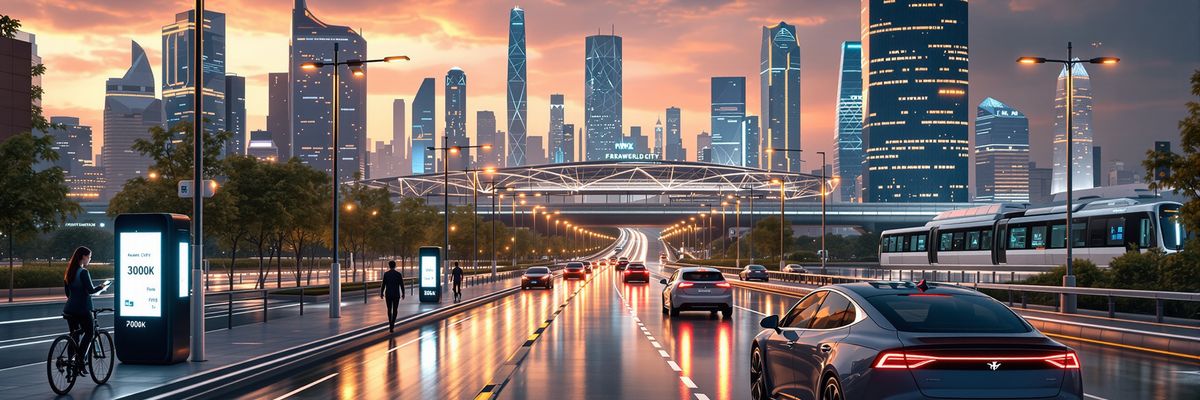
Singapore is renowned for its efficient and highly integrated public transport system, a testament to its strategic investment in smart mobility solutions. The city-state has seamlessly woven together buses, trains, and other modes of transport, creating a network that is both convenient and reliable. This integration is underpinned by advanced technology and a commitment to innovation.
One of Singapore's standout features is the Electronic Road Pricing (ERP) system. This system adjusts tolls based on real-time traffic conditions, effectively managing congestion and reducing travel times. By charging drivers during peak hours, the ERP encourages the use of public transport and alternative routes, leading to reduced emissions and improved air quality.
Singapore's commitment to smart mobility extends beyond road pricing. The city-state has invested heavily in pedestrian-friendly design, creating ample car-free zones and green spaces. These initiatives not only enhance the livability of the city but also encourage walking and cycling, further reducing reliance on private vehicles.
The city's embrace of AI and autonomous solutions is also noteworthy. In June 2024, Singapore opened an innovation center dedicated to strengthening mass transit networks, signaling its commitment to staying at the forefront of transportation technology. These advancements promise to further enhance the efficiency and reliability of Singapore's public transport system.
For travelers, Singapore offers a glimpse into the future of urban mobility. The city's integrated transport system makes it easy to navigate, while its pedestrian-friendly design encourages exploration on foot. Whether you're a business traveler or a tourist, Singapore's smart mobility solutions ensure a seamless and stress-free experience.
Local Tip: Purchase a Singapore Tourist Pass for unlimited travel on buses and trains. This pass offers a cost-effective way to explore the city and experience its efficient public transport system.

Zurich's Efficiency and Accessibility
Zurich consistently ranks among the top cities in the world for its public transport system, renowned for its efficiency, affordability, and ease of access. Switzerland's superb rail networks and high-quality road infrastructure contribute to Zurich's success, ensuring seamless connectivity within the city and beyond.
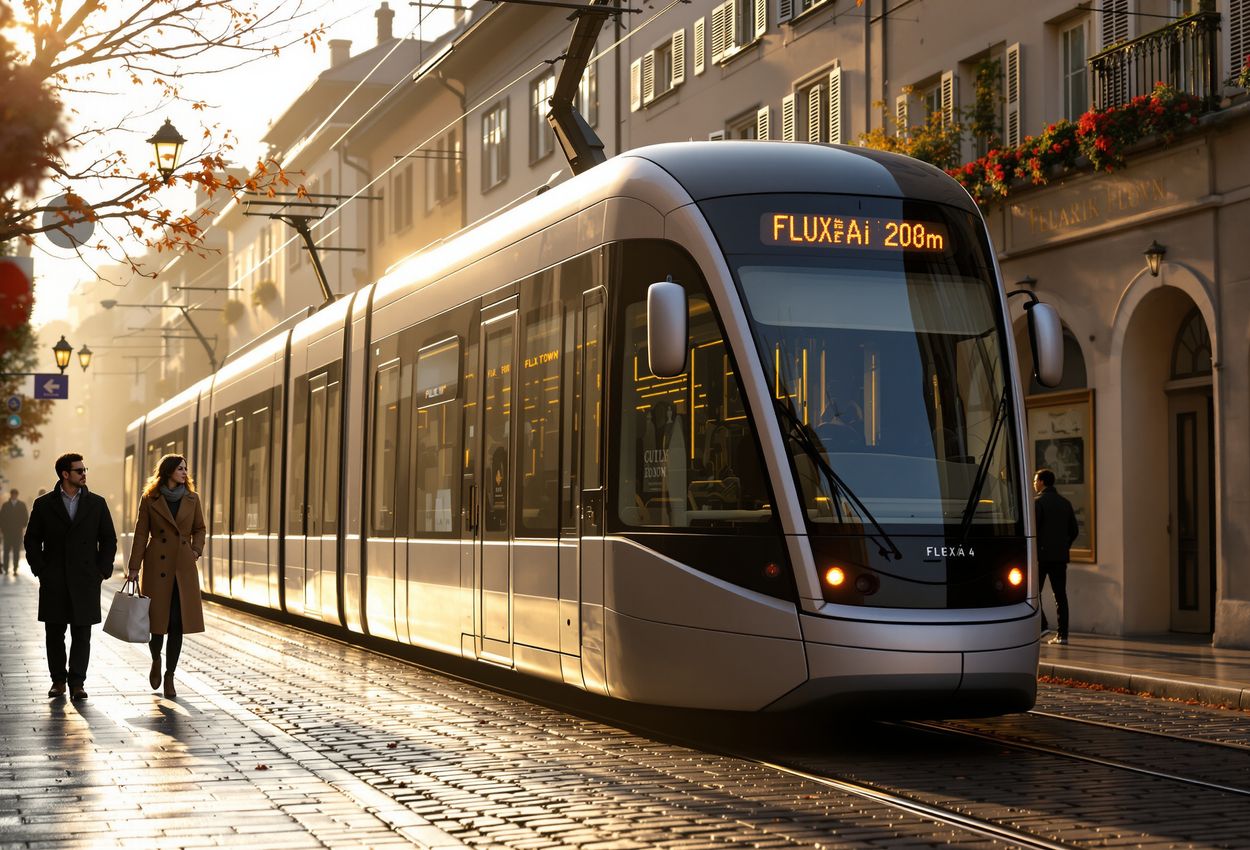
The city prioritizes public transport through dedicated lanes, coordinated schedules, and integrated ticketing. This systematic approach ensures that buses and trams run on time and are easily accessible to residents and visitors alike. The Zurich Transport Association (ZVV) unites all transportation companies, allowing a single ticket to be used on various modes of transport, including boats, funiculars, and cable cars.
Zurich's commitment to pedestrian safety is also noteworthy. The city employs an income-based system of fines that encourages good behavior among drivers, benefiting pedestrians and residents. This innovative approach promotes a culture of respect and consideration on the roads, making Zurich a pleasant city to explore on foot.
Efforts are made to ensure that stations and systems are easily reached within walking distance. This focus on accessibility makes it convenient for residents to use public transport for their daily commute and leisure activities. The city's compact size and well-planned infrastructure further contribute to the ease of getting around.
For travelers, Zurich offers a stress-free and efficient way to explore the city and its surroundings. The public transport system is reliable, clean, and easy to navigate, making it a popular choice among visitors. Whether you're visiting the Old Town or heading to the mountains, Zurich's public transport system will get you there comfortably and on time.
Local Tip: Purchase a Zürich Card for unlimited travel on all forms of public transportation within the city network. This card also offers free or discounted admission to museums and attractions, making it a great value for tourists.
Oslo's Electric Transformation
Oslo is making significant strides toward sustainability, aiming to reduce greenhouse gas emissions by 95% by 2030. A key component of this effort is the city's investment in electric buses, bike lanes, and pedestrian areas. Oslo is rapidly transitioning to a fully electric public transportation network, with a goal to become the world's first emissions-free capital by 2030.
The city has already made significant progress, with a large percentage of its public buses now electric. This transition has resulted in a substantial reduction in CO2 emissions from public bus operations. Oslo is also electrifying its ferries and expanding its network of bike lanes and pedestrian areas, encouraging residents to adopt more sustainable modes of transport.
Oslo’s unified ticketing system simplifies travel across different modes of transport. This integration makes it easier for residents and visitors to use public transport, further reducing reliance on private vehicles. The city is also implementing smart charging capabilities for its electric bus fleet, optimizing energy use and reducing costs.
The city's focus on electric urban mobility extends beyond public transport. Oslo is also installing a charging infrastructure for electric cars, trucks, and buses, supporting the transition to a zero-emission vehicle fleet. These initiatives demonstrate Oslo’s commitment to creating a sustainable and livable urban environment.
For visitors, Oslo offers a chance to experience a city at the forefront of sustainable transport. The city's electric buses are quiet and comfortable, and its bike-friendly streets make it a joy to explore on two wheels. Whether you're visiting the fjords or exploring the city center, Oslo’s commitment to sustainability will impress.
Local Tip: Take advantage of Oslo’s bike-sharing program to explore the city's scenic waterfront and parks. The city's extensive network of bike lanes makes cycling a safe and enjoyable way to get around.
Hong Kong's High-Density Transit
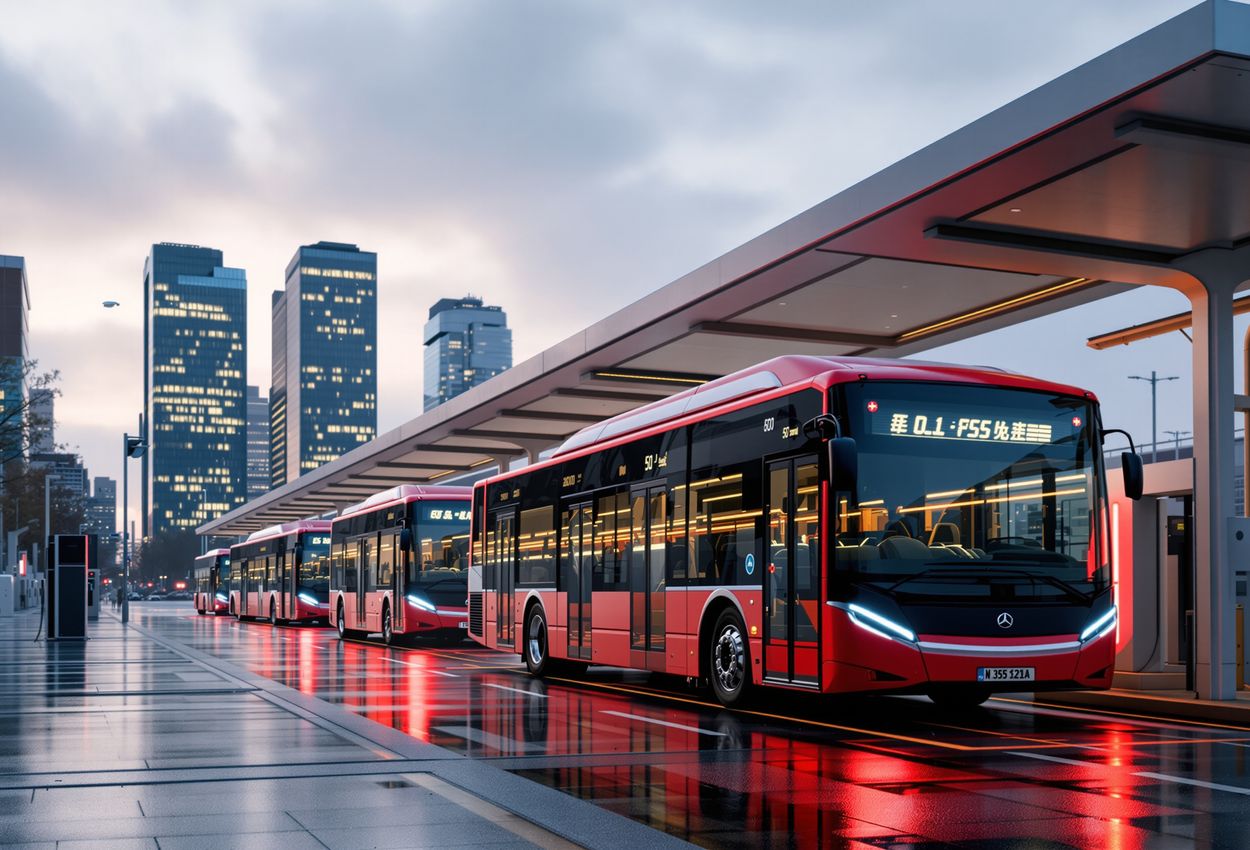
Hong Kong has developed an efficient public transportation system that prioritizes public transit over private modes, crucial in a city with a high population density. The Mass Transit Railway (MTR) is at the heart of this system, an extensive metro network that serves the urbanized areas of Hong Kong Island, Kowloon, and the New Territories.
The MTR is renowned for its speed, reliability, and affordability, making it the preferred mode of transport for millions of residents. The system consists of multiple lines, providing seamless connectivity to various districts. The MTR also operates the Airport Express, providing a fast and convenient link between the city and Hong Kong International Airport.
Hong Kong’s high population density has necessitated a focus on public transit. The city has prioritized the development of its public transport infrastructure, resulting in a low rate of car ownership and ample car-free zones. This approach has helped to reduce emissions and improve air quality in the densely populated urban areas.
The city's commitment to public transport extends beyond the MTR. Hong Kong also has an extensive bus network, as well as trams and ferries, providing a comprehensive range of transport options. These modes of transport are well-integrated, making it easy for residents and visitors to navigate the city.
For travelers, Hong Kong offers an efficient and affordable way to explore the city. The MTR is easy to use, with clear signage in English and Chinese. Whether you're visiting the bustling markets or exploring the scenic trails, Hong Kong’s public transport system will get you there quickly and comfortably.
Local Tip: Purchase an Octopus card for easy access to all modes of public transport in Hong Kong. This rechargeable card can also be used for purchases at convenience stores and restaurants, making it a convenient way to pay for everyday expenses.

Berlin's Multimodal Mobility Act
Berlin is embracing a multimodal approach to mobility, integrating various modes of transport to create a seamless and sustainable urban environment. The city's public transport system includes metro and suburban trains, trams, and ferries, providing a comprehensive network for residents and visitors.
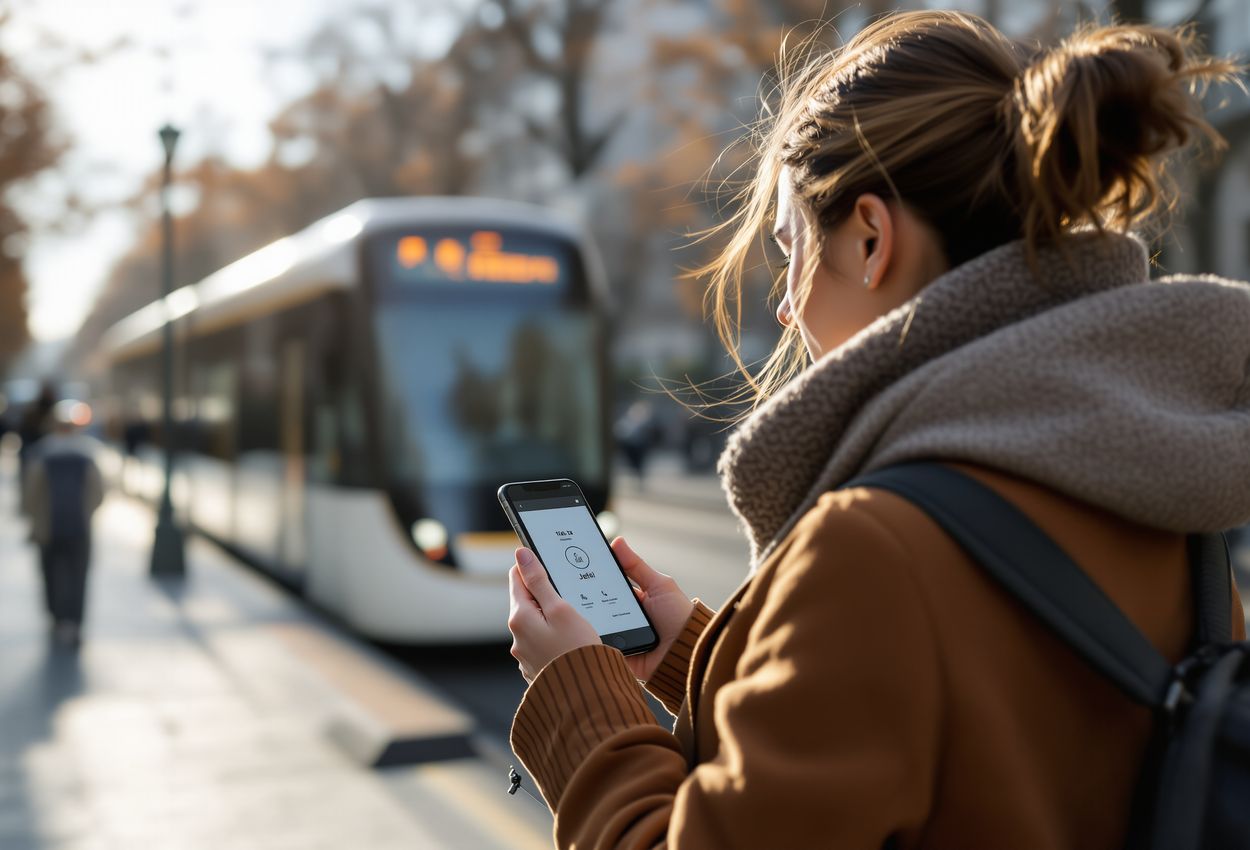
An integrated app incorporates journey planning and fare payments for all modes of transit. This app simplifies travel by allowing users to plan their routes and pay for their journeys in one place. Berlin is also home to the Jelbi app, which integrates public and private mobility options, including bike-sharing, scooter-sharing, car-sharing, and ride-hailing services.
The Mobility Act aims to create a livable city and improve mobility infrastructure for all road users. This legislation prioritizes sustainable modes of transport, such as cycling and walking, and promotes the development of green spaces and pedestrian zones. Berlin is also investing in the expansion of its cycling network, creating more bike lanes and cycle paths.
The city's commitment to multimodality extends beyond public transport. Berlin is also promoting the use of shared mobility services, such as car-sharing and scooter-sharing, to reduce reliance on private vehicles. These services offer a convenient and affordable alternative to car ownership, particularly for short trips within the city.
For travelers, Berlin offers a diverse range of transport options, making it easy to explore the city and its surroundings. The integrated app simplifies journey planning, while the city's extensive public transport network ensures that you can get anywhere quickly and comfortably. Whether you're visiting the historic landmarks or exploring the vibrant neighborhoods, Berlin’s multimodal approach to mobility will enhance your experience.
Local Tip: Download the Jelbi app to access a wide range of transport options in Berlin, including public transport, bike-sharing, and scooter-sharing. This app allows you to plan and pay for your journeys in one place, making it a convenient way to get around the city.
These seven cities exemplify the innovation and commitment needed to create sustainable, efficient, and user-friendly public transportation systems. By prioritizing public transit, promoting cycling and walking, and embracing new technologies, these cities are paving the way for a greener, more accessible future.
Whether you're a city planner, a traveler, or simply someone interested in urban development, these examples offer valuable insights into how to create more livable and sustainable urban environments.
As cities around the world continue to grapple with the challenges of urbanization and climate change, the lessons learned from these innovative public transportation systems will be more important than ever.