From rooftop oases to vertical visions, discover how urban farms and gardens are transforming cityscapes, fostering community, and promoting sustainable practices.
In an era defined by rapid urbanization and environmental consciousness, urban farms and gardens are blossoming as beacons of sustainability, community engagement, and innovative land use. These green spaces are not merely aesthetic additions to concrete jungles; they are dynamic ecosystems that challenge conventional perceptions of urban spaces, promote local food production, and educate city dwellers about the importance of sustainable agriculture. This article explores seven exceptional urban farms and gardens around the world, each contributing uniquely to urban renewal and offering a fresh perspective on how we can cultivate a greener, more connected future.
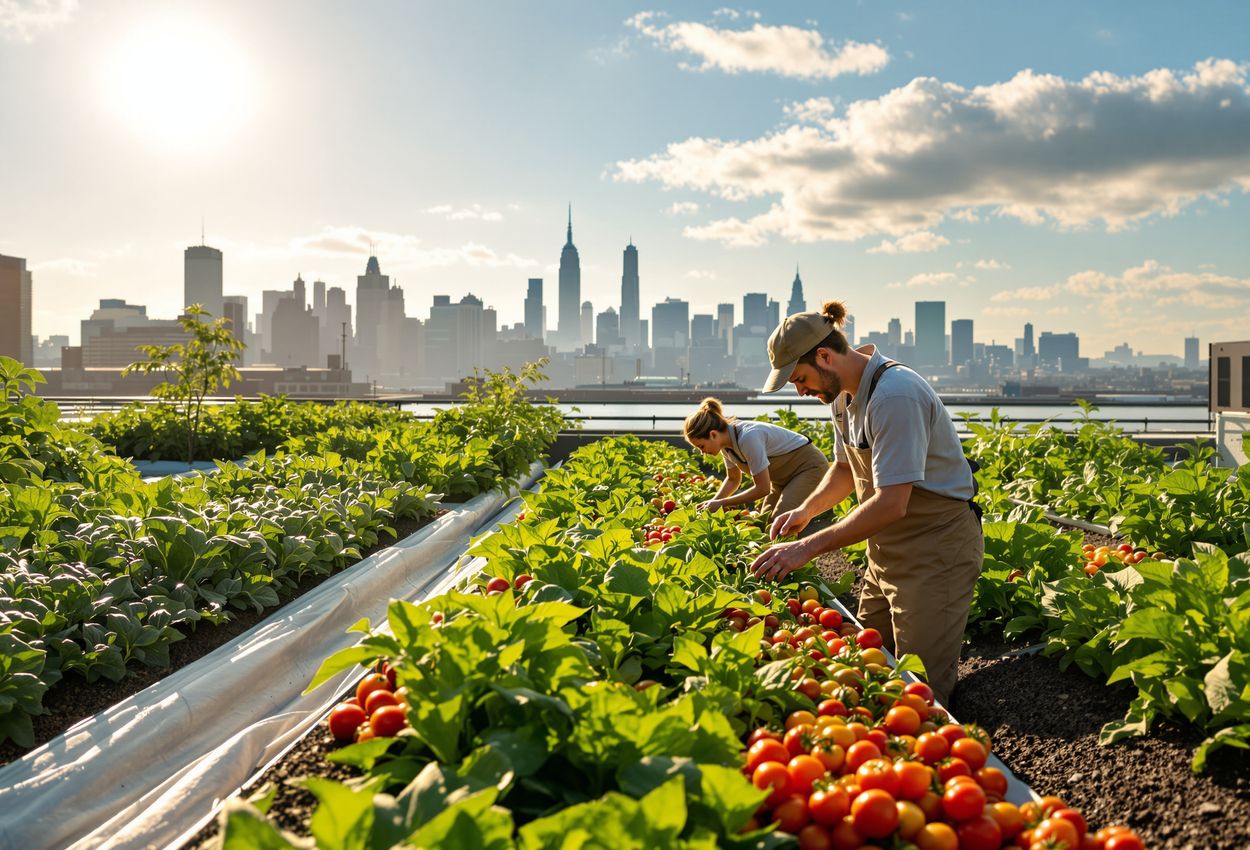
Rooftop Oasis: Brooklyn Grange, New York City
Perched high above the bustling streets of New York City, Brooklyn Grange stands as a pioneering example of rooftop farming, transforming underutilized urban spaces into thriving agricultural hubs. Established in 2010, Brooklyn Grange operates two expansive rooftop farms, one at the Brooklyn Navy Yard and another in Long Island City, totaling 5.6 acres of cultivated land. These rooftop farms collectively yield over 50,000 pounds of organic produce annually, including a diverse array of vegetables, herbs, and flowers.
Brooklyn Grange plays a crucial role in the city's green infrastructure, contributing significantly to green roof initiatives. By covering rooftops with vegetation, the farm helps to reduce stormwater runoff, mitigating the risk of flooding and alleviating strain on the city's sewer systems. Additionally, the green roofs combat the urban heat island effect, lowering temperatures in surrounding areas and reducing energy consumption for cooling. The farm's commitment to environmental sustainability extends to its beekeeping program, which produces delicious honey while supporting local pollinator populations.
Beyond its environmental contributions, Brooklyn Grange serves as a vibrant community space, hosting educational programs, workshops, and events that connect city residents with agriculture and sustainable living. One of its most unique offerings is the farm-to-table dinners, where guests can savor dishes prepared with freshly harvested produce while enjoying stunning panoramic views of the New York City skyline.
Hidden Gem: Brooklyn Grange hosts unique farm-to-table dinners with stunning city views. These dinners offer a unique culinary experience, showcasing the freshest seasonal ingredients harvested directly from the rooftop gardens. Guests can enjoy a multi-course meal prepared by talented chefs, all while taking in the breathtaking views of the Manhattan skyline. The dinners not only provide a delicious meal but also promote awareness about sustainable food systems and the importance of supporting local agriculture.
Vertical Vision: AeroFarms, Newark, New Jersey
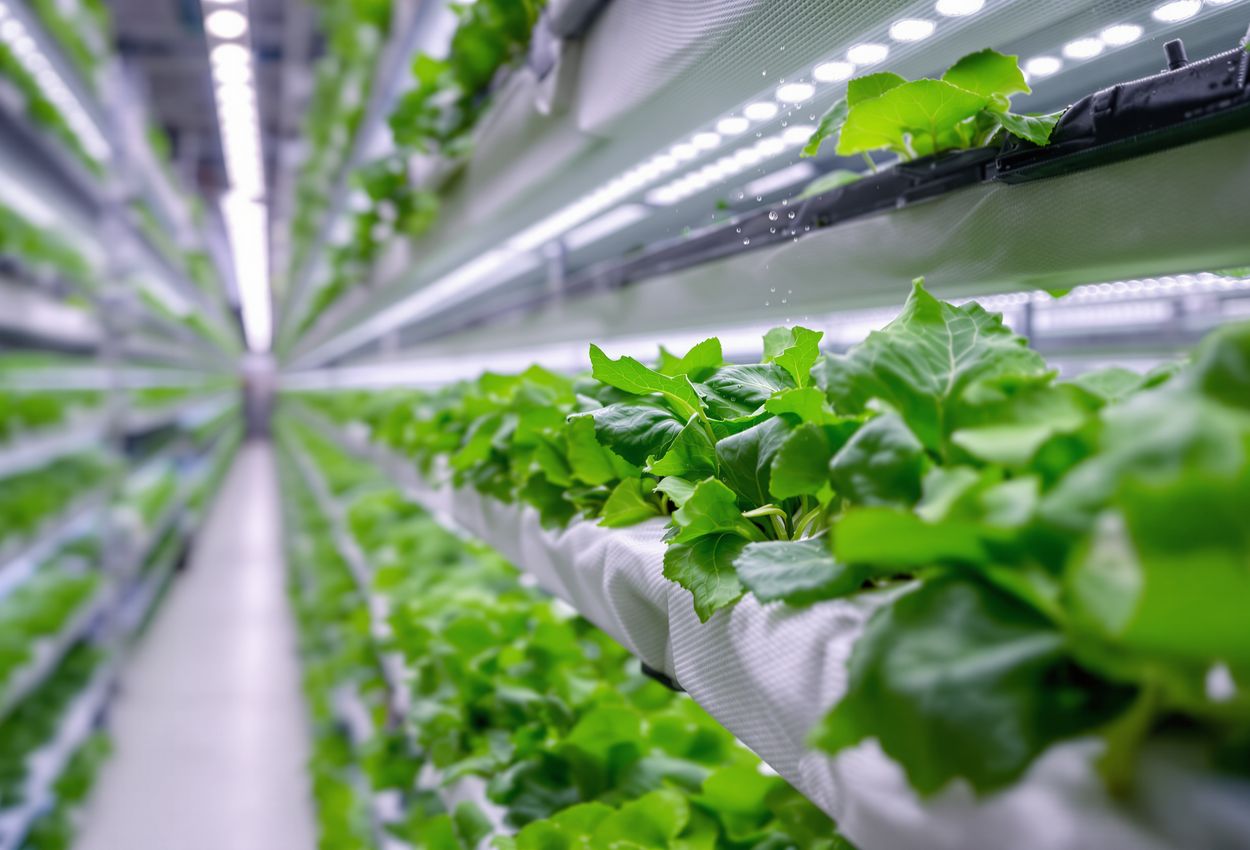
AeroFarms in Newark, New Jersey, represents the cutting edge of vertical farming, demonstrating how technology and innovation can revolutionize urban agriculture. Unlike traditional farms, AeroFarms utilizes an indoor, soil-less growing system that employs aeroponics. In this system, plant roots are suspended in the air and misted with nutrient-rich water, allowing for highly efficient resource utilization.
One of the key advantages of AeroFarms' vertical farming approach is its efficient use of space. By growing crops in stacked layers, the farm can produce significantly more food per square foot compared to traditional agriculture. The indoor environment allows for precise control over growing conditions, including light, temperature, and humidity, optimizing plant growth and minimizing the risk of pests and diseases. AeroFarms produces a variety of leafy greens, including lettuce, kale, and arugula, supplying local markets with fresh, sustainably grown produce.
AeroFarms' innovative approach extends beyond its growing methods. The company utilizes data analytics to monitor and optimize plant growth, collecting data on various factors such as temperature, humidity and nutrient levels. This data-driven approach allows AeroFarms to fine-tune its growing algorithms, maximizing yields and enhancing the flavor profiles of its crops.
Hidden Gem: AeroFarms' use of data analytics to optimize plant growth and flavor profiles. By leveraging technology and data, the company can create the ideal growing conditions for each crop, resulting in produce that is both nutritious and delicious. This commitment to innovation sets AeroFarms apart as a leader in the vertical farming industry.
Community Roots: South Central Farm, Los Angeles, California
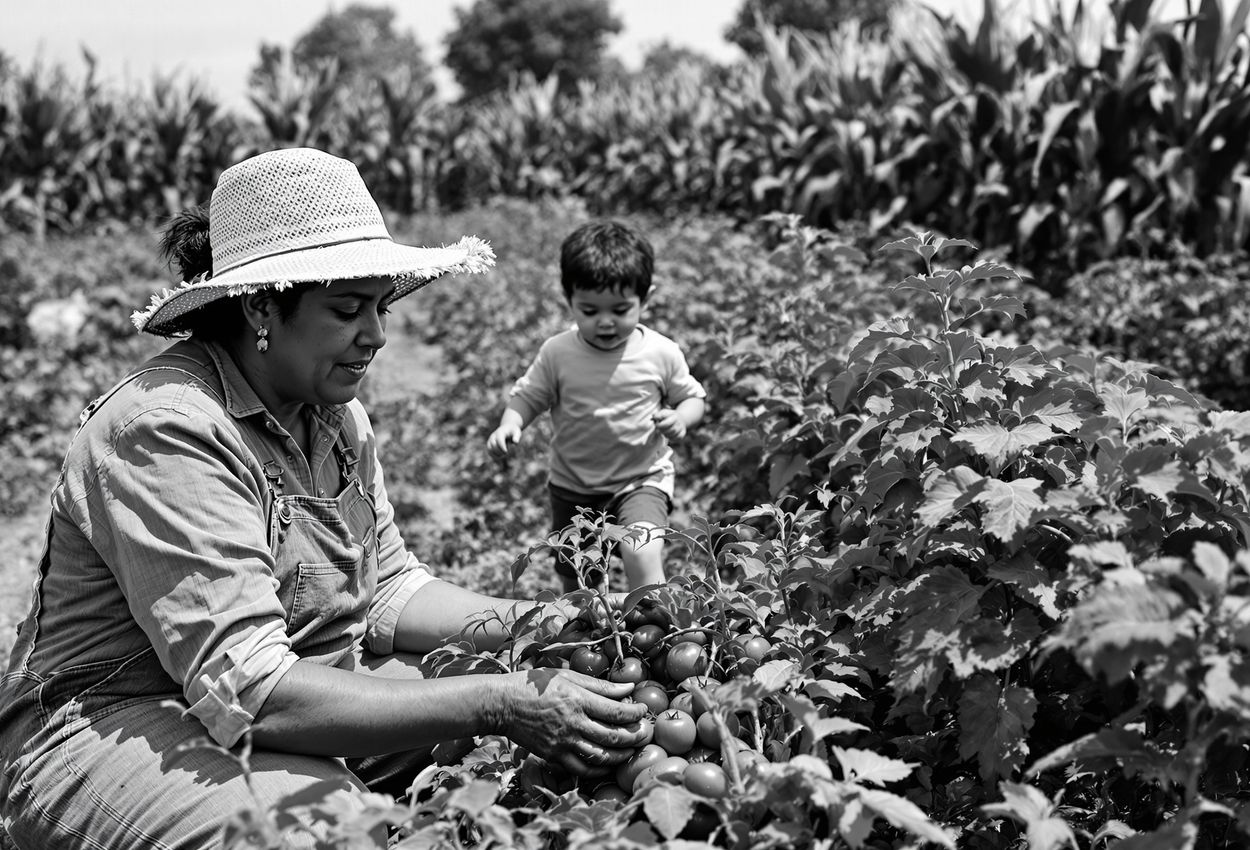
The story of the South Central Farm in Los Angeles, California, is a poignant reminder of the importance of community-led urban agriculture and the challenges faced by marginalized communities in accessing fresh, healthy food. Established in 1994 on a 14-acre vacant lot, the South Central Farm quickly became one of the largest urban farms in the United States. It provided a vital source of fresh produce for underserved communities in South Los Angeles, a food desert where access to nutritious food was limited.
For over a decade, the farm thrived as a community hub, with hundreds of families cultivating their own plots and growing a diverse array of fruits, vegetables, and herbs. However, in 2003, the farm faced displacement when the land was sold to a developer. Despite fierce community resistance and legal battles, the farm was eventually bulldozed in 2006, marking a devastating loss for the families who depended on it.
The South Central Farm's legacy extends far beyond its physical existence. It became a symbol of community resilience and the ongoing struggle for urban food justice. The farm's story has been documented in films and continues to inspire urban agriculture initiatives around the world. While the original farm may be gone, its spirit lives on in the hearts of those who fought to save it and in the ongoing efforts to create more equitable and sustainable food systems.
Hidden Gem: The farm's legacy as a symbol of community resilience and the ongoing struggle for urban food justice. The South Central Farm's story serves as a reminder of the importance of protecting community-led initiatives and ensuring access to healthy food for all.
Innovative Greens: InFarm, Berlin, Germany
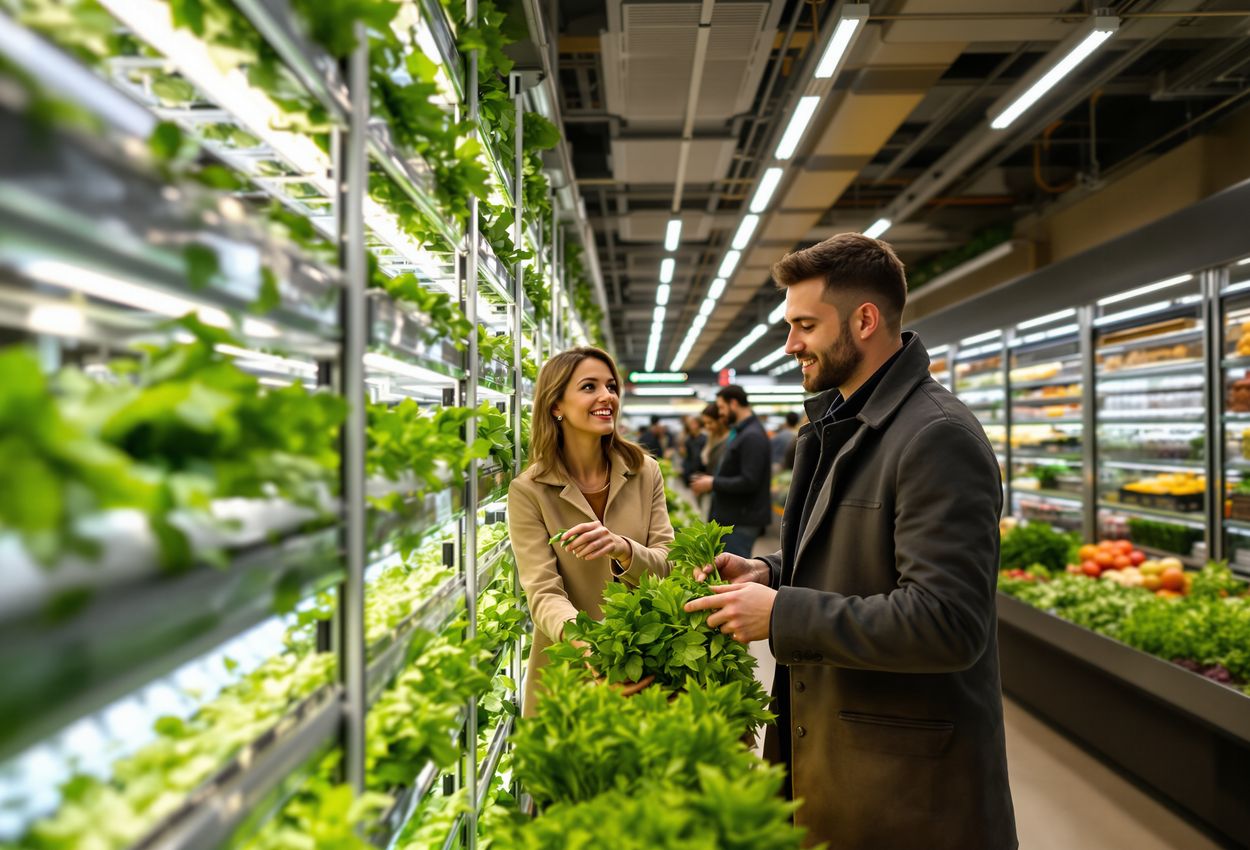
InFarm, based in Berlin, Germany, is revolutionizing urban agriculture with its modular indoor farming systems. These vertical farms are designed to be integrated into urban environments, bringing food production closer to consumers and reducing the environmental impact of transportation. InFarm's systems can be found in supermarkets, restaurants, and distribution centers, providing fresh, locally grown produce directly to customers.
One of the key benefits of InFarm's approach is its reduced water and pesticide usage compared to traditional farming. By growing crops in a controlled environment, InFarm can minimize water waste and eliminate the need for harmful pesticides. The company produces a variety of leafy greens and herbs, including lettuce, basil, and mint, offering consumers a sustainable and flavorful alternative to conventionally grown produce.
InFarm's innovative technology and commitment to sustainability have earned it partnerships with major retailers around the world. By bringing agriculture into the heart of cities, InFarm is transforming the way we think about food production and creating a more resilient and sustainable food system.
Hidden Gem: InFarm's partnerships with local supermarkets and restaurants to provide fresh, on-site produce. This direct-to-consumer approach ensures that customers have access to the freshest possible ingredients while reducing the environmental impact of transportation and storage.

Parisian Patch: Ferme de Paris, France
Located in the Bois de Vincennes, the Ferme de Paris (Paris Farm) plays a vital role in educating Parisians about urban agriculture and promoting sustainable food practices. This 5-hectare farm offers a unique opportunity for city dwellers to connect with nature and learn about the origins of their food.
The farm features a variety of gardens, orchards, and livestock, showcasing the diversity of agricultural practices. Visitors can explore vegetable gardens, fruit orchards, and pastures, encountering farm animals such as goats, sheep, pigs, and chickens. The Ferme de Paris offers a range of educational programs and workshops for visitors of all ages. These programs cover topics such as organic farming, composting, and biodiversity, providing practical knowledge and skills for sustainable living.
By preserving traditional farming practices and promoting biodiversity in an urban setting, the Ferme de Paris serves as a valuable resource for the community and a model for sustainable urban agriculture. The farm's commitment to education and environmental stewardship makes it a unique and inspiring destination for Parisians and visitors alike.
Hidden Gem: The farm's focus on preserving traditional farming practices and promoting biodiversity in an urban setting. The Ferme de Paris showcases the importance of maintaining agricultural heritage and fostering a connection between city dwellers and the natural world.
Mumbai's Balconies Bloom: Fresh & Local, India
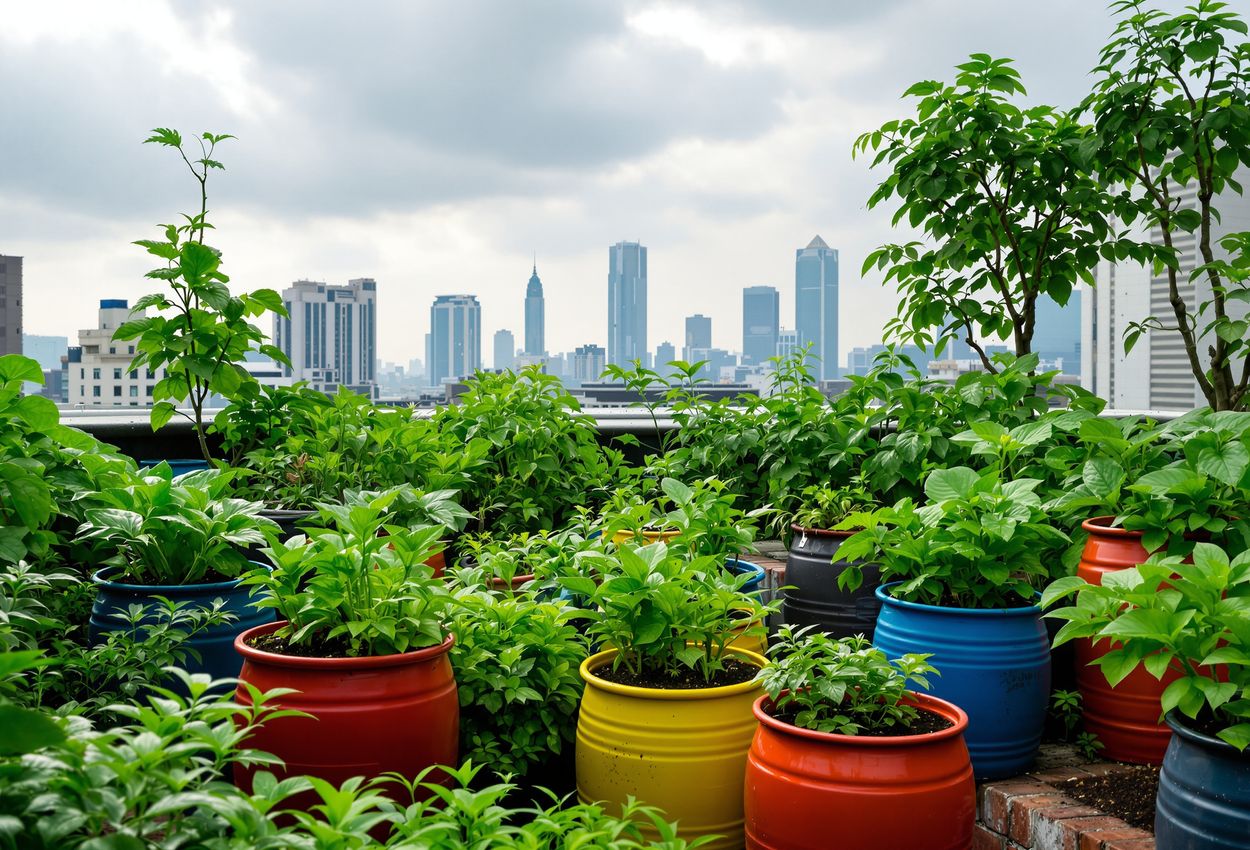
In the densely populated metropolis of Mumbai, India, where space is a premium, Fresh & Local is inspiring residents to transform their rooftops and balconies into flourishing gardens. This organization empowers individuals and communities to cultivate their own food, promoting sustainable practices and enhancing urban environments.
Fresh & Local provides workshops and programs at its urban agriculture teaching center, equipping participants with the knowledge and skills to create and maintain successful rooftop gardens. These workshops cover topics such as soil preparation, composting, and pest control, tailored to the unique challenges of urban farming in Mumbai. The organization also establishes urban gardens to address well-being in the city by empowering city residents with the ability to grow their own food and medicine, creating active outdoor urban places, greening the city, improving air and water quality, increasing urban biodiversity and building community.
By promoting rooftop gardening and urban agriculture, Fresh & Local is helping to create a more sustainable and resilient food system in Mumbai. The organization's efforts are not only transforming urban spaces but also fostering a sense of community and empowering residents to take control of their food supply.
Hidden Gem: The unique challenges and solutions for urban farming in a densely populated city like Mumbai. Fresh & Local has developed innovative techniques for maximizing space and resources, addressing issues such as limited sunlight, water scarcity, and soil contamination.
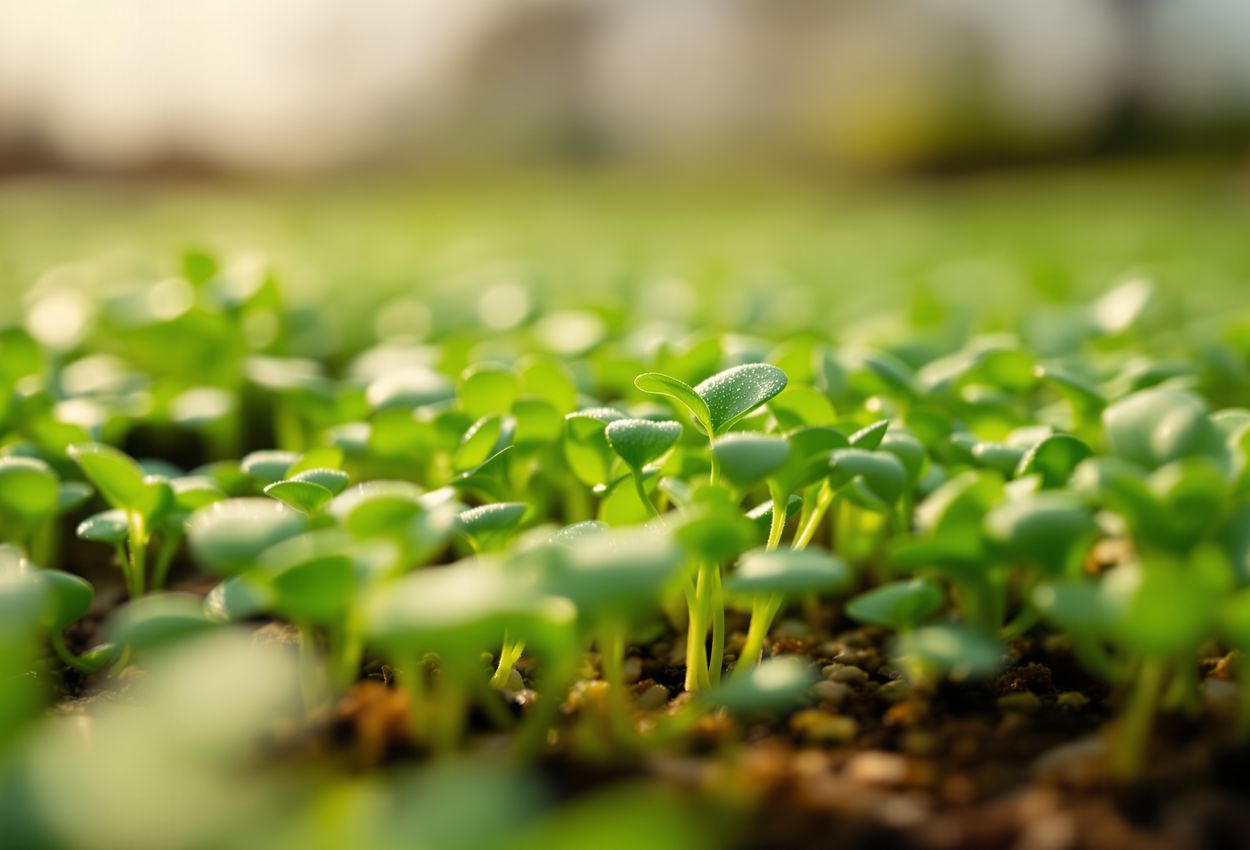
Sustainable Seeds: ECO City Farms, Maryland
ECO City Farms in Maryland demonstrates how vacant land can be transformed into productive urban farms, providing fresh produce and educational opportunities for the community. This organization focuses on sustainable practices, chemical-free methods, and composting, creating a model for environmentally responsible urban agriculture.
ECO City Farms converts vacant lots into thriving farms, utilizing sustainable practices such as no-till farming, composting, and vermiculture. The farm grows a variety of vegetables, herbs, and fruits, all without the use of chemical fertilizers, pesticides, or herbicides. ECO City Farms is committed to community engagement, offering farmer training programs and educational initiatives for local residents. These programs empower individuals to learn about sustainable agriculture and develop the skills to grow their own food.
By promoting sustainable practices and community engagement, ECO City Farms is creating a more resilient and equitable food system in Maryland. The organization's efforts are not only transforming urban landscapes but also fostering a sense of community and empowering residents to take control of their food supply.
Hidden Gem: ECO City Farms' microgreens growing system designed for small urban settings. This system allows individuals with limited space to grow nutrient-rich microgreens, providing a sustainable source of fresh produce in urban environments.
These seven urban farms and gardens represent a diverse range of approaches to urban agriculture, each contributing uniquely to urban renewal, community engagement, and sustainable food production. From rooftop oases to vertical visions, these green spaces are transforming cityscapes and inspiring a more sustainable future.