In an era defined by sustainability and a desire to preserve our cultural heritage, adaptive reuse has emerged as a powerful solution for breathing new life into old buildings. This innovative approach not only minimizes environmental impact but also celebrates the stories embedded within our built environment.
Adaptive reuse is more than just renovation; it's a design philosophy that transforms existing structures for new purposes, blending history with contemporary functionality. From factories converted into apartments to warehouses transformed into art galleries, these projects demonstrate a commitment to sustainability, economic revitalization, and community engagement.
This article explores the trend of adaptive reuse, showcasing successful projects around the world and delving into the environmental, economic, and cultural benefits it offers. Through interviews with architects, developers, and preservationists, we'll uncover the challenges and opportunities of this transformative approach to building.
From Relic to Resource: Understanding Adaptive Reuse
Adaptive reuse is the process of repurposing existing buildings for new uses, extending their lifespan and adapting them to meet evolving societal and technological needs. It goes beyond simple renovation or restoration by transforming the building's function while preserving its architectural and cultural heritage. While renovation focuses on updating a building, and restoration aims to return it to its original condition, adaptive reuse reimagines the building's purpose entirely.
Historically, adaptive reuse has been practiced for centuries, with examples dating back to ancient civilizations. The Romans adapted Greek temples, and medieval fortresses were transformed into residential palaces. These examples demonstrate the timeless value of reusing buildings to provide continuity amidst change.
In contemporary architecture and urban planning, adaptive reuse is gaining increasing importance. With growing awareness of climate change and resource depletion, repurposing existing structures offers a sustainable alternative to demolition and new construction. According to a recent report, repurposing an existing building emits 50-75% less carbon than constructing the same building new.
Adaptive reuse is not limited to historically significant buildings; it can also be applied to obsolete structures. By revitalizing neglected urban spaces and preserving cultural identity, adaptive reuse fosters vibrant communities and thriving industries.
The Greenest Building is Already Built: Environmental Benefits Explored
The environmental advantages of adaptive reuse are significant. By conserving existing structures, it minimizes the need for new materials, reducing the carbon footprint associated with new construction. Repurposing existing buildings reduces construction waste and lowers carbon emissions compared to new builds.
Studies show that reusing buildings instead of demolishing and replacing them can reduce waste by up to 82%. Adaptive reuse also conserves resources, reduces landfill waste, and lowers carbon emissions associated with demolition and new construction.
Upgrading older buildings with energy-efficient systems further reduces their operational carbon footprint. By implementing detailed waste management plans and salvaging architectural elements, adaptive reuse projects can reduce waste and conserve resources.
Adaptive reuse also minimizes urban sprawl and protects natural landscapes. By revitalizing existing spaces, it promotes infill development and reduces the need for new construction on green spaces.
Dollars and Sense: The Economic Upsides of Repurposing
Adaptive reuse offers numerous economic benefits for developers, communities, and local economies. Renovating an existing building often requires less capital than demolishing and rebuilding, resulting in substantial cost savings.
Construction costs can be up to 50% less expensive for adaptive reuse projects compared to new construction. By leveraging existing materials and infrastructure, developers can reduce expenses on materials and labor. Studies indicate that adaptive reuse can yield construction cost savings of up to 20-30% compared to new construction.
Tax incentives, grants, and other financial benefits can make adaptive reuse projects more viable. Municipalities often offer incentives such as tax credits and abatements to encourage adaptive reuse projects.
Adaptive reuse can revitalize neglected areas, attract businesses, and boost property values. By transforming vacant buildings into active spaces, it can restore a sense of community and pride among residents.
Weaving the Past into the Future: Heritage and Cultural Preservation
Adaptive reuse plays a crucial role in preserving historic buildings and cultural heritage. It helps maintain a connection to the past and fosters a sense of local identity. By retaining architectural and historical significance, adaptive reuse supports local identity and community engagement.
Preserving heritage through adaptive reuse maintains a community's unique character and history. This practice involves transforming historic buildings into functional spaces for modern uses, allowing communities to retain tangible connections to their past.
Balancing preservation with modernization and functionality can be challenging. Successful adaptive reuse projects integrate historic elements with contemporary design. By carefully considering the building's historical significance and architectural features, adaptive reuse projects can create spaces that blend the old with the new.
From Factory Floor to Loft Living: Creative Transformations
Adaptive reuse projects around the world showcase innovative transformations of diverse building types. Factories, warehouses, schools, churches, and even airplane hangars have been repurposed into vibrant, multifunctional spaces.
In Brooklyn, a former factory was transformed into a makerspace for fledgling manufacturers. In Bentonville, Arkansas, a former cheese factory was reimagined as a contemporary art venue. Google breathed new life into a massive airplane hangar in Los Angeles, creating an innovative workspace.
These projects demonstrate a creative vision and a commitment to sustainability. By highlighting architectural design and unique features, adaptive reuse projects can transform neglected spaces into vibrant, functional environments.
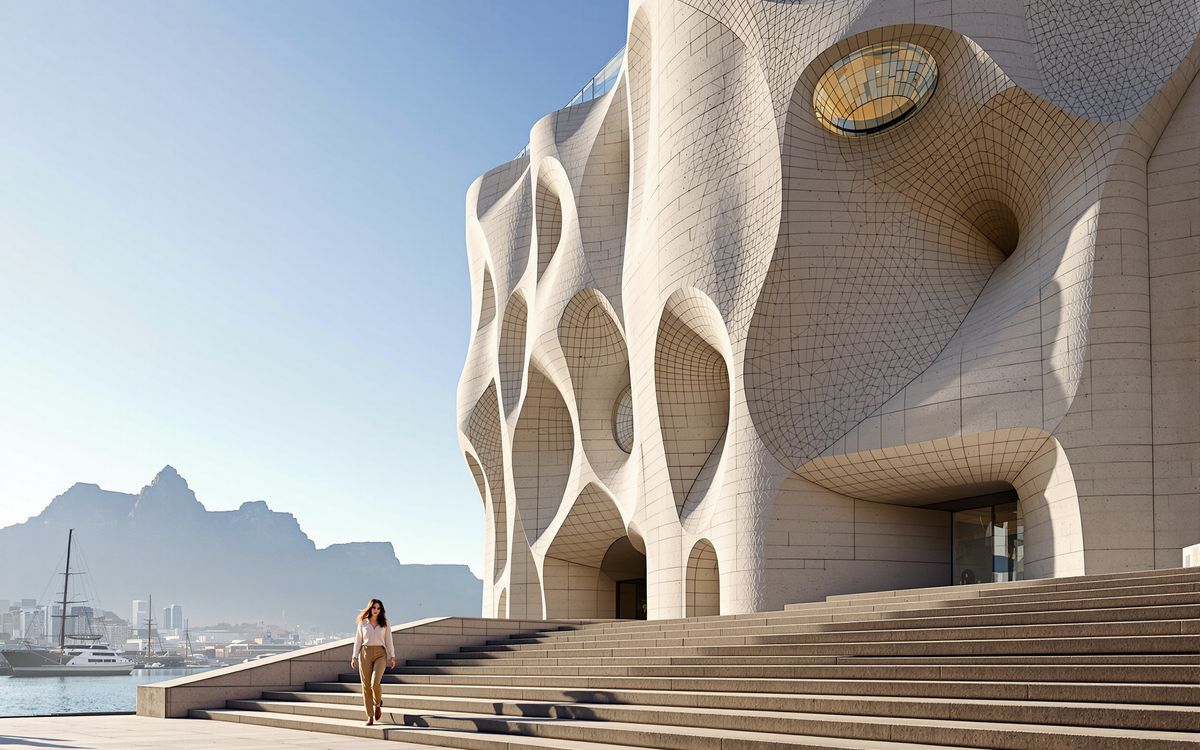
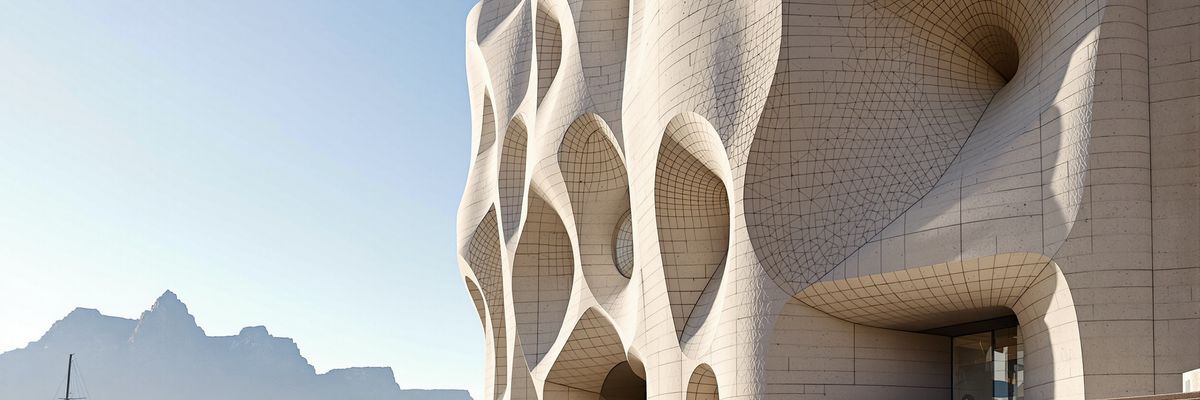
The Zeitz Museum of Contemporary African Art in Cape Town transformed a grain silo into an impressive art collective. The High Line in New York City demonstrates how obsolete infrastructure can become a thriving public space.

The image should capture the Zeitz Museum of Contemporary African Art in Cape Town, South Africa, during the day. The museum, formerly a grain silo, should be the focal point, showcasing its unique architecture with the city skyline in the background. The composition should highlight the contrast between the historic industrial structure and its modern transformation into an art museum. The weather is sunny, reflecting off the building's exterior and creating a vibrant atmosphere. People should be visible, entering and exiting the museum, adding a sense of scale and activity. The photograph should emphasize the museum's role as a cultural landmark and its integration into the urban landscape. The photo is taken on November 1st, 2025.
Interview: Matt Stephenson on Breathing New Life into Old Buildings
Matt Stephenson, a Principal at Woods Bagot, specializes in the design of mixed-use urban architecture. With a focus on high-performance design processes, Stephenson has worked on numerous adaptive reuse projects, including Gramercy Square, 49 Chambers, and The Buchanan.
Stephenson emphasizes the economic and environmental benefits of revitalizing existing building structures. By reusing foundations and structures, adaptive reuse projects can reduce their overall carbon footprint by around 30%. Overlaying intelligent design systems can further reduce operational carbon by at least 20% compared to new construction.
Woods Bagot's New York studio has a stated interest in adaptive reuse projects, evident in its design of their office on Broad Street in Manhattan's Financial District. The firm's commitment to sustainability, design excellence, and people-centric design is at the heart of their adaptive reuse approach.
Stephenson advocates for a practice of ongoing care for history, the built environment, and the natural environment. He believes that embracing adaptive reuse means accepting that a second (or third, or fourth) life does not mean second best.
Interview: Marion Baeli on Residential Retrofits
Marion Baeli, Principal at 10 Design, specializes in low-energy design and retrofit [no citations found]. With expertise in transforming existing buildings into high-performance, net-zero spaces, Baeli focuses on residential retrofits and the integration of sustainable technologies [no citations found].
Baeli advocates for shaping industry standards through advocacy and education [no citations found]. By promoting sustainable design practices and energy-efficient solutions, she aims to transform the built environment [no citations found].
10 Design is committed to creating buildings that harmonize with their environment, reduce carbon footprint, and promote long-term ecological balance. Baeli's work reflects this commitment, demonstrating how existing buildings can be transformed into sustainable, energy-efficient spaces [no citations found].
Interview: Frank Cretella on Adaptive Reuse in Hospitality
Frank Cretella, President of Landmark Developers, has extensive experience in adaptive reuse projects in the hospitality sector. Landmark Developers focuses on finding unique properties and creating memorable spaces, often transforming historic structures into thriving hospitality venues.
Cretella's company, Black Dog Construction, enables control of all facets of project development, from concept to completion. Landmark Hospitality then takes over the project, creating iconic landmarks in their communities.
Landmark Hospitality venues include the Liberty House Restaurant in Liberty State Park, Stone House at Stirling Ridge, and the renowned Boathouse in Central Park. Cretella emphasizes the importance of telling a story and adding layers to the guest experience through adaptive reuse.
Cretella believes that adaptive reuse provides a unique opportunity to mesh the old with the new, creating exciting spaces that honor the history of the property. His passion for adaptive reuse stems from a desire to create something unique and special, something that can't be replicated with new construction.
Challenges and Considerations: Navigating the Complexities
Adaptive reuse projects present a unique set of challenges, including code compliance, structural issues, and regulatory hurdles. Older buildings may not meet current energy and accessibility requirements, requiring additional investment to bring them up to modern standards.
Thorough assessments are crucial to identify and mitigate risks, ensuring the building's safety and stability. Retrofitting older structures to meet modern standards often involves addressing foundation problems, reinforcing structural elements, and upgrading building systems.
Collaboration with stakeholders is essential for navigating regulatory hurdles and ensuring compliance. Engaging stakeholders early in the planning process helps address regulatory hurdles and ensures compliance while safeguarding the building's historical integrity.
Managing costs, timelines, and unexpected conditions requires innovative problem-solving and flexibility. Adaptive reuse projects can be expensive and time-consuming, requiring careful budgeting and project management.
The Future of Building: Adaptive Reuse as a Sustainable Solution
Adaptive reuse offers a sustainable and responsible solution for the future of building. By emphasizing environmental and economic advantages, adaptive reuse has the potential to transform the built environment.
The growing trend of adaptive reuse reflects a shift towards sustainability and cultural preservation. As cities and small towns navigate issues such as housing shortages and environmental concerns, adaptive reuse projects can provide practical responses.
Technology, innovation, and policy play a crucial role in promoting adaptive reuse. By integrating advanced technologies such as BIM and virtual reality, architects can enhance project outcomes and ensure accurate planning.
The future of building lies in prioritizing adaptive reuse as a sustainable and responsible solution. By reimagining old spaces for new uses, we can create vibrant, functional environments that honor our past and embrace a sustainable future.
Uzbekistan's Expanding Cultural Landscape
Uzbekistan is shaping a contemporary cultural identity through preservation, adaptive reuse, and new construction [no citations found]. The country positions culture as a driver of sustainable development, diplomacy, and exchange [no citations found].
Key cultural institutions, such as the State Museum of Arts and the former Republican House of Tourism, are being restored [no citations found]. These efforts reflect a commitment to preserving Uzbekistan's rich cultural heritage [no citations found].
New museums, exhibition spaces, and international collaborations are shaping Uzbekistan's cultural landscape [no citations found]. By investing in cultural infrastructure, Uzbekistan aims to foster a vibrant and dynamic cultural scene [no citations found].
Skills Needed for Adaptive Reuse
Architects tackling adaptive reuse projects need a unique set of skills. Working directly with historic fabric and developing technical knowledge around materials and conservation techniques are essential.
Flexibility, innovative thinking, and understanding the communities that revolve around a building are also crucial. Architects need to be willing to adapt and turn restrictions into solutions.
Social skills and the ability to communicate are also essential, including developing an understanding of the communities that revolve around a building and ensuring they are included in the conversation about the adaptation. Architects need to be active participants in modulating space with resources already built rather than extracted.
Mastery and the evolving knowledge of tools like BIM and virtual reality are crucial. These technologies enable precise planning and problem-solving during the adaptive reuse of buildings that often lack detailed and accurate documentation.
The Boathouse - Richmond VA
The Boathouse in Richmond, VA, is an example of adaptive reuse [no citations found]. The transformation of the old building into a modern restaurant highlights the architectural design and unique features of the repurposed space [no citations found].
The Boathouse offers waterfront views and a unique dining experience [no citations found]. By repurposing an existing structure, The Boathouse has become a popular destination for locals and tourists alike [no citations found].
James Scott Mansion - Detroit MI
The James Scott Mansion in Detroit, MI, is another example of adaptive reuse [no citations found]. The transformation of the historic mansion into a modern residential space showcases the architectural design and unique features of the repurposed space [no citations found].
The James Scott Mansion offers a blend of historic charm and modern amenities [no citations found]. By repurposing an existing structure, the mansion has been given new life as a residential space [no citations found].
Hebrew Orphan Asylum - Baltimore MD
The Hebrew Orphan Asylum in Baltimore, MD, is a compelling example of adaptive reuse. The transformation of the eerie old building into a community health clinic focusing on drug rehabilitation highlights the architectural design and unique features of the repurposed space.
Originally built in 1876 as an orphanage, the building later served as a hospital and then sat unoccupied for many years. Today, the Hebrew Orphan Asylum is a hub of healthcare innovation, providing a range of medical and social services to the community.
The building houses a state-of-the-art Stabilization Center, providing a centralized location for first responders to connect people with substance use disorders to compassionate and timely care. The Hebrew Orphan Asylum symbolizes what a community can do when it comes together, organizes for power, develops a vision, and then works to have that vision become a reality.

The image should capture the exterior of the Hebrew Orphan Asylum in Baltimore, Maryland, during the daytime. The building, a historic structure with unique architectural details, should be the focal point. The composition should highlight the contrast between the building's age and its modern use as a community health clinic. The weather is overcast, creating a soft, diffused light that enhances the building's details. People should be visible, entering and exiting the building, adding a sense of scale and activity. The photograph should emphasize the building's role as a community resource and its integration into the urban landscape. The photo is taken on November 1st, 2025.
Adaptive reuse is a transformative approach that breathes new life into old buildings, enabling them to serve contemporary needs while preserving their historical and cultural significance. By embracing this approach, we can create a sustainable and vibrant future for our cities and communities.