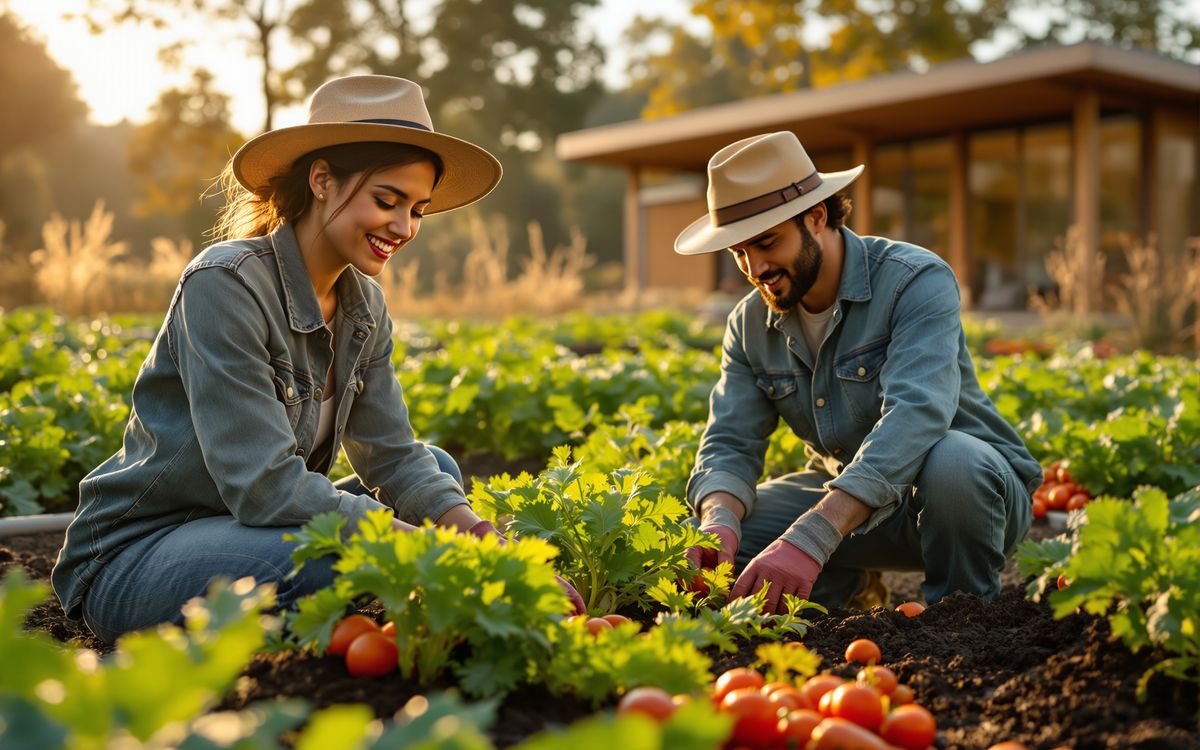
In the heart of bustling cities, a quiet revolution is taking root. Community gardens are blossoming, transforming neglected spaces into vibrant green oases where neighbors connect, fresh produce thrives, and sustainable living takes center stage.
These urban sanctuaries offer a respite from the concrete jungle, providing a space for individuals to cultivate not only plants but also meaningful relationships with their community and the environment. From the Gill Tract Community Farm in Berkeley to the Berkeley Youth Alternative Production Garden, community gardens are demonstrating the power of collective action in creating healthier, more connected cities.
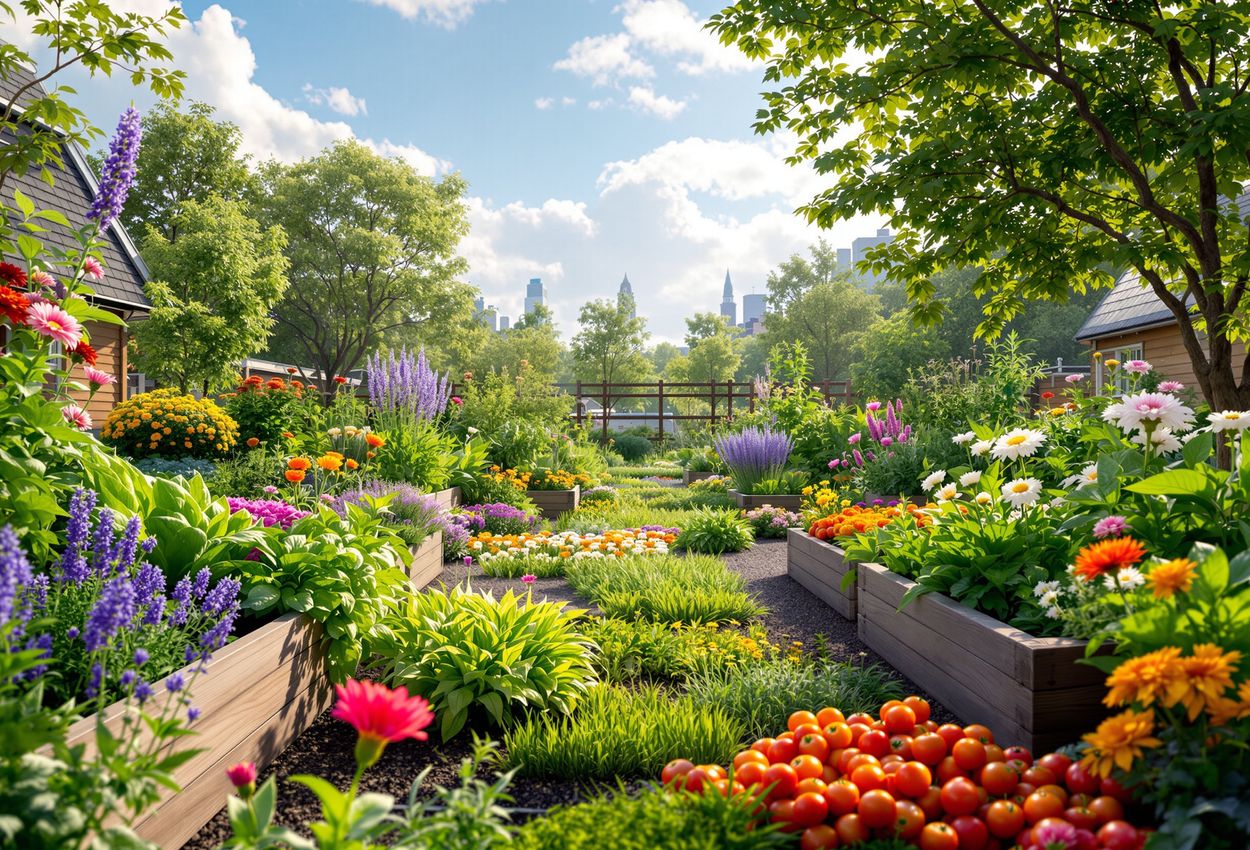
Community gardens are more than just plots of land; they are dynamic ecosystems that nurture social bonds, sustainability skills, and biodiversity. These gardens offer urban residents opportunities to engage in sustainable food practices, fostering a sense of community ownership over shared green spaces. They serve as living classrooms, where individuals of all ages can learn about plant biology, ecology, and nutrition.
“Community gardens are vital spaces where people can come together to learn about sustainable food systems, connect with nature, and build relationships with their neighbors,” says Sarah Foster, a community garden expert.
These gardens combat food deserts by providing access to affordable, fresh produce in lower-income and underserved neighborhoods. By growing food locally, residents gain control over their nutrition, making communities more resilient against supply chain disruptions and promoting food sovereignty.
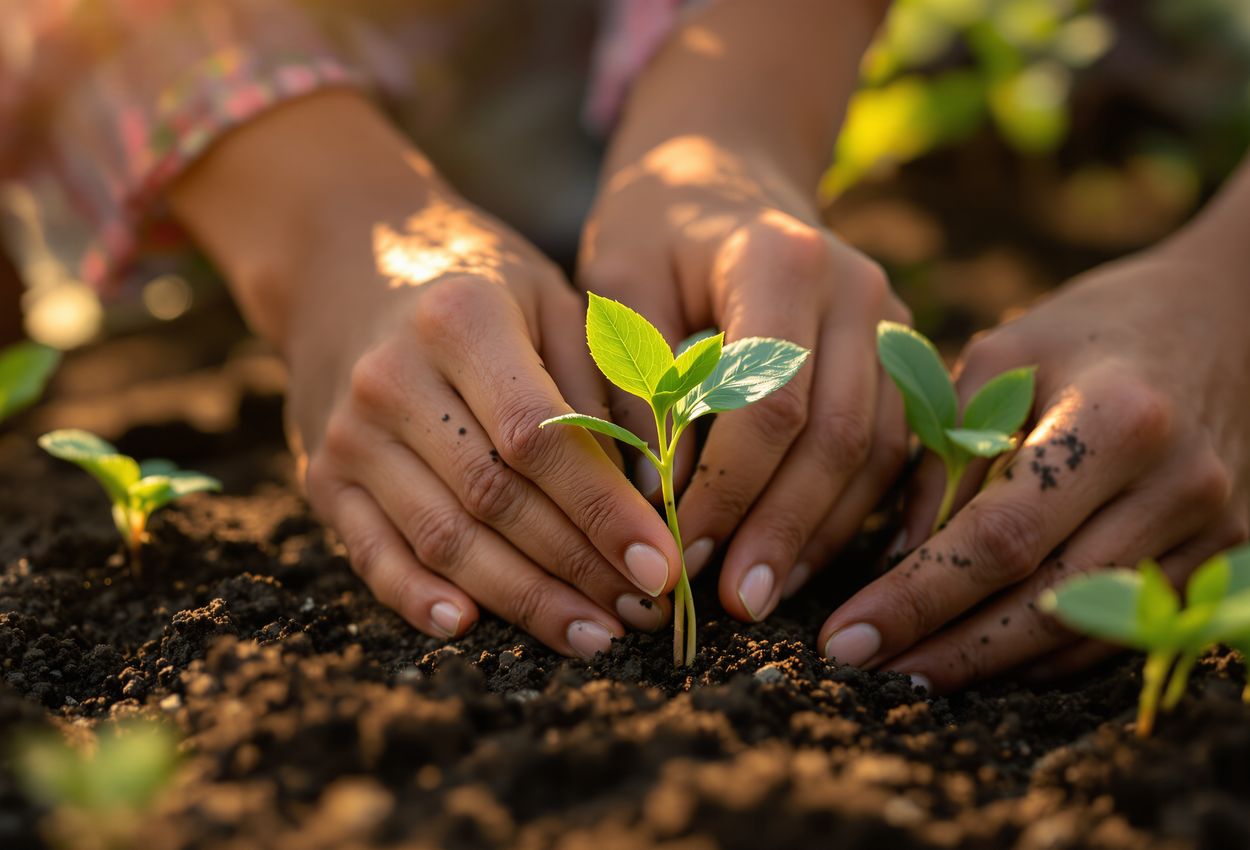
The environmental benefits of community gardens are far-reaching, contributing to a reduced carbon footprint, increased green spaces, and enhanced biodiversity. These gardens nurture pollinators, support wildlife, and improve local microclimates, creating a harmonious balance between urban development and environmental conservation. Eco-friendly practices, such as composting, rainwater harvesting, and organic growing methods, are integral to the sustainable ethos of community gardens. A prime example is the Waterwise Community Gardens in Australia, which showcases water-efficient practices in arid urban environments.
Community gardens strengthen connections and foster neighborhood solidarity, bridging the isolation often felt in modern cities. Working side by side in a garden creates opportunities for friendships and relationships to blossom, transcending cultural and socioeconomic barriers. Community events, such as potlucks, workshops, and seasonal celebrations, further enhance the sense of belonging and shared purpose.

Gardening offers a dose of nature that contributes significantly to the health and well-being of participants. The physical activity involved in gardening reduces stress, improves physical fitness, and increases access to fresh produce. Interacting with nature has therapeutic effects, reducing anxiety and depression levels and promoting mental wellness.
Creating and maintaining community gardens is not without its challenges. Limited space, poor soil quality, water shortages, vandalism, and lack of funding can pose significant hurdles. However, these challenges can be overcome through strategic solutions, such as securing grants, partnering with local businesses, and implementing security measures. The Urban Land Institute's findings highlight the importance of innovative space utilization in densely populated areas.
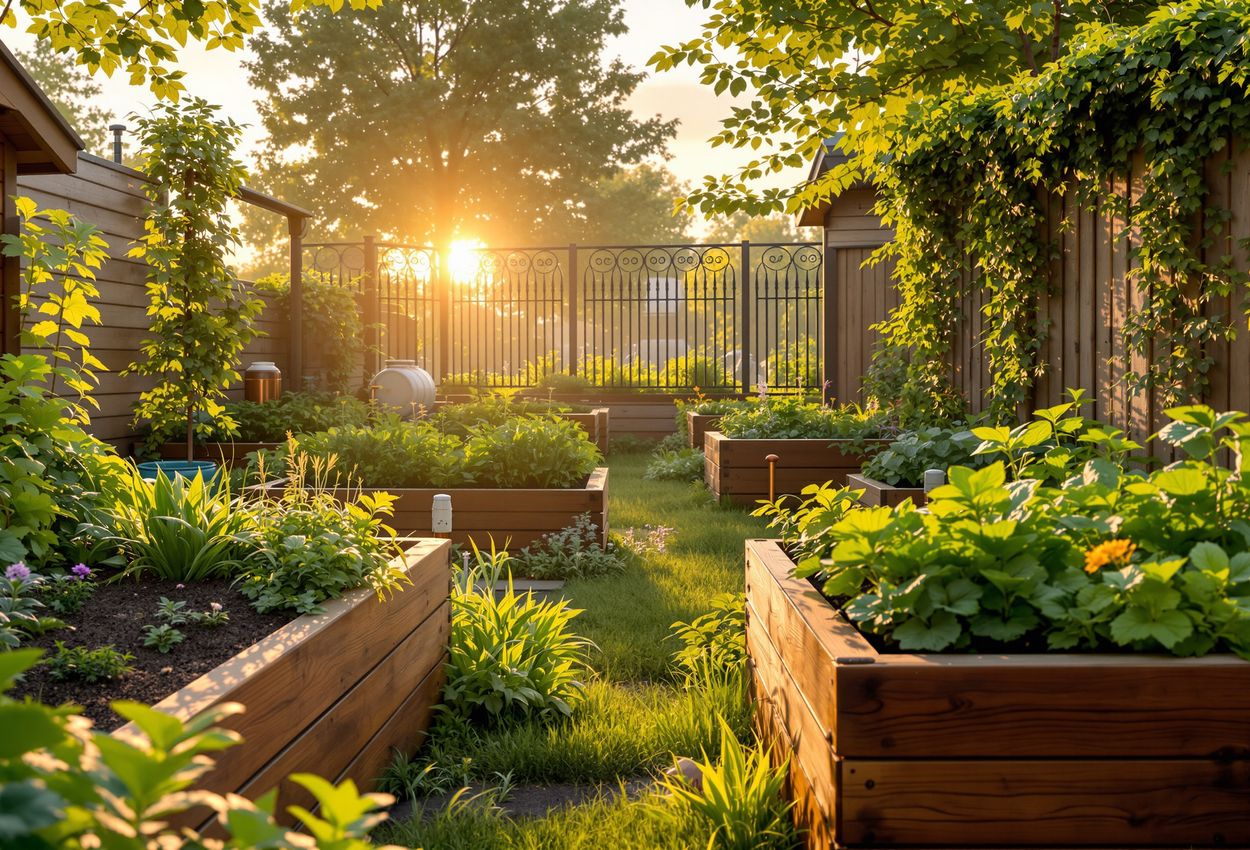
Inclusivity and accessibility are paramount in community gardens, ensuring that people of all ages and abilities can participate and benefit. Gardens can be designed to accommodate individuals with disabilities, incorporating features such as raised beds, accessible pathways, and sensory gardens. By creating inclusive environments, community gardens foster a sense of belonging for all members of the community.
Sustainable practices are essential for the long-term health and resilience of community gardens. Crop rotation, composting, and water conservation contribute to soil fertility, reduce waste, and conserve precious resources. Integrated pest management and the use of natural predators minimize the need for harmful chemicals, promoting a balanced ecosystem within the garden.
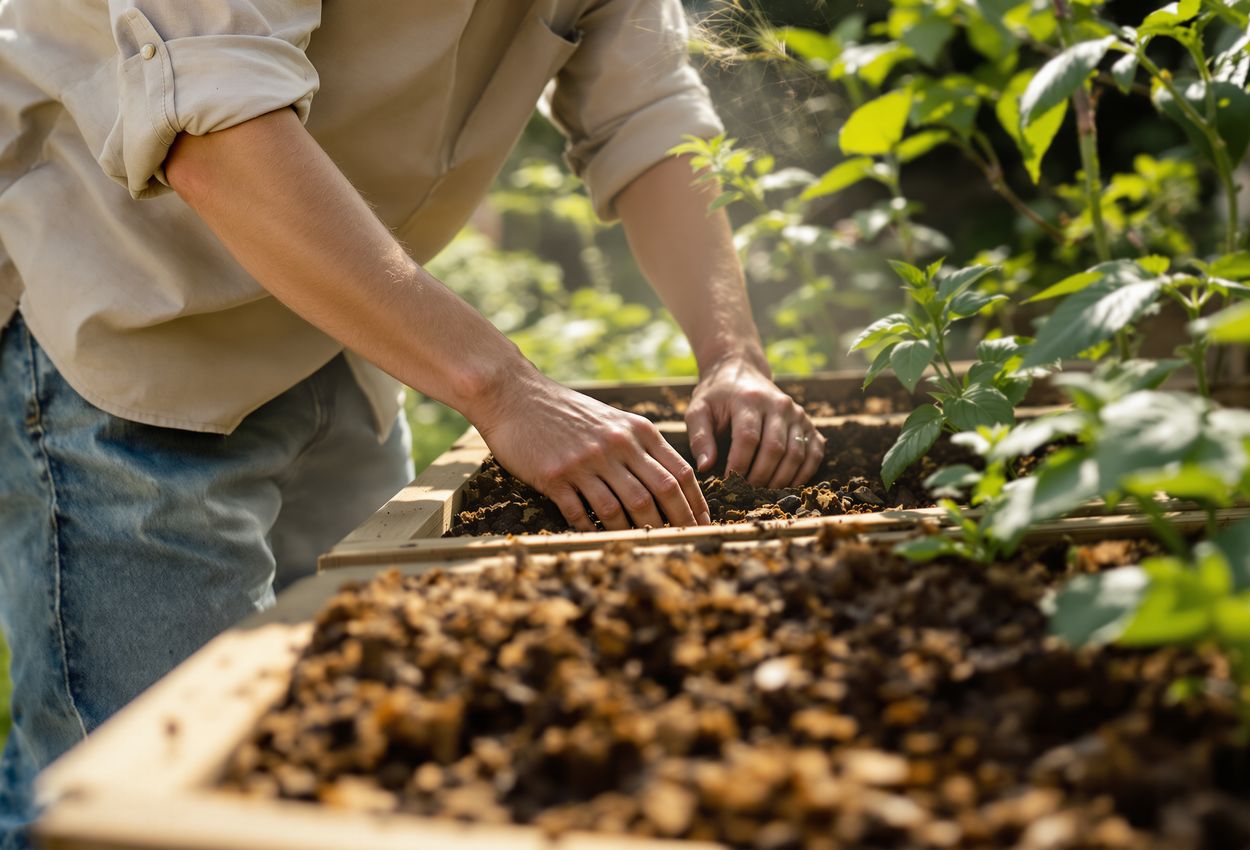
Community gardens play a vital role in educating and empowering future generations, providing opportunities for children to learn about ecosystems, sustainable practices, and environmental responsibility. These gardens engage children and families, fostering a sense of stewardship and inspiring them to become environmental advocates.
By revitalizing neglected areas and enhancing property values, community gardens contribute to urban renewal and instill a sense of pride and ownership in the community. These gardens transform neighborhoods, creating vibrant spaces that attract residents, businesses, and visitors alike.
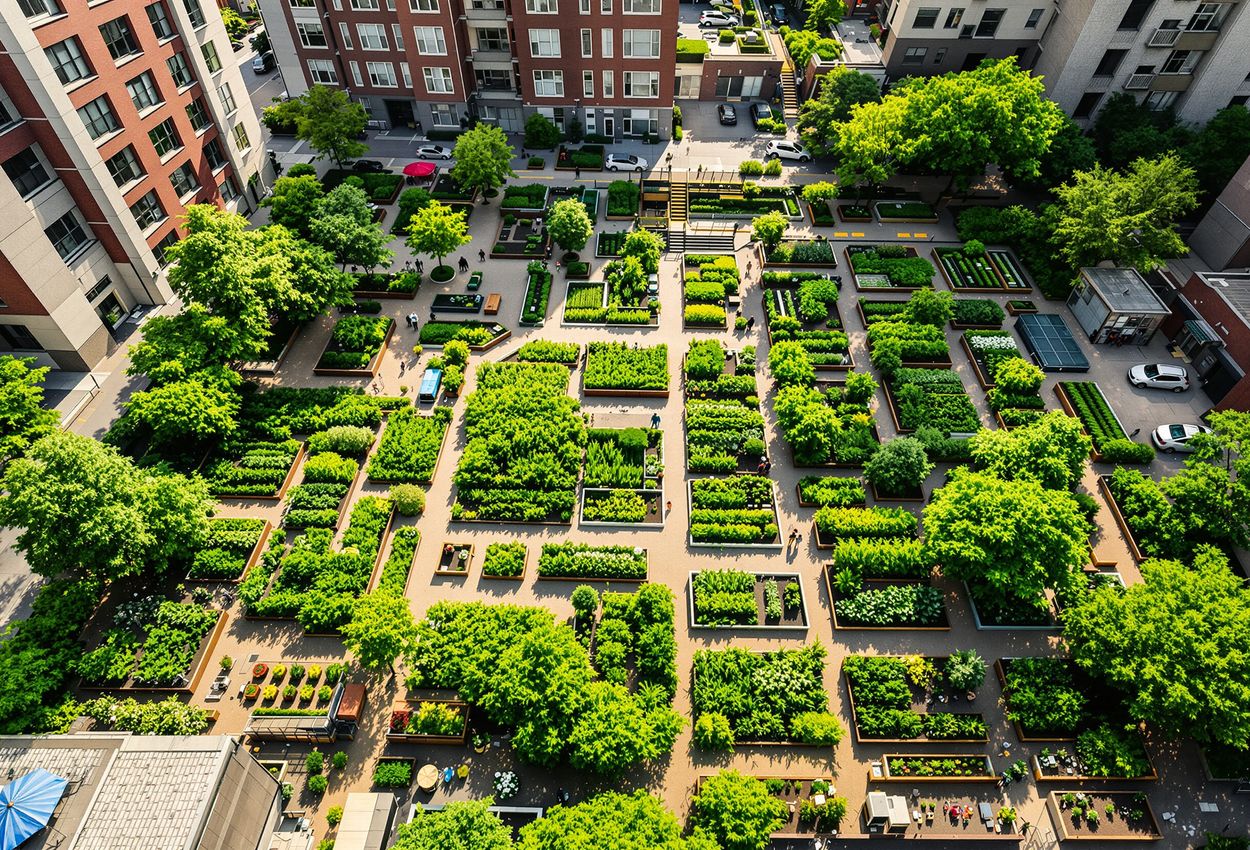
Community gardens offer a model for a more sustainable and connected future, demonstrating the potential for urban spaces to be both environmentally friendly and socially inclusive. Continued research and collaboration are essential in fostering community gardening initiatives and promoting their widespread adoption.
Embrace the spirit of community gardening! Participate in local gardening associations, conduct further research, and discover the transformative power of cultivating connection in urban spaces. Together, we can plant the seeds for a brighter, greener future.