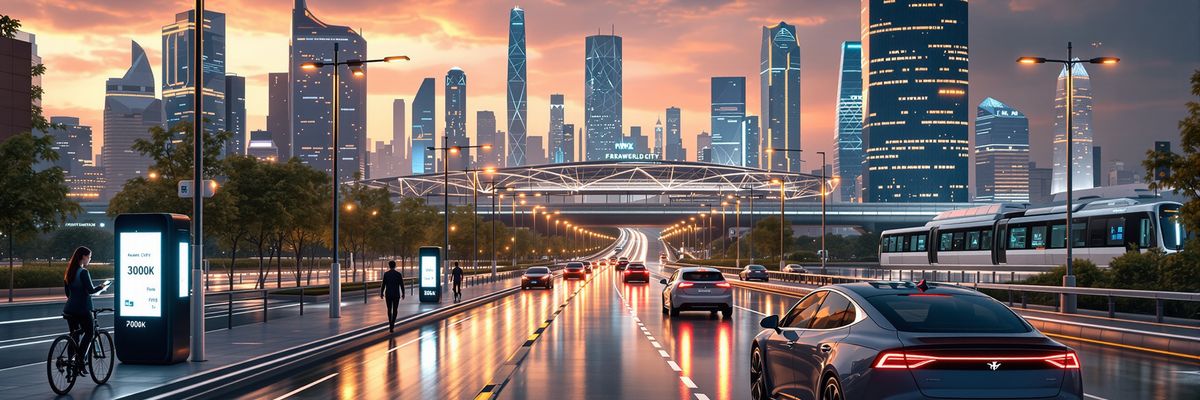
Copenhagen, a city synonymous with sleek design and vibrant culture, has quietly engineered a green revolution, transforming itself into a global leader in sustainable urban living. From its expansive network of bicycle lanes to its revitalized harbor and innovative waste management systems, Copenhagen offers a compelling vision for a future where cities prioritize both people and the planet.
This is not just about eco-friendly initiatives; it's about a fundamental shift in mindset, where sustainability is woven into the very fabric of daily life. As you journey through the city, you'll discover how Copenhagen's commitment to green practices enhances its appeal as a travel destination, offering unique experiences that blend seamlessly with its vibrant urban landscape.
Join us as we explore the innovative spirit and groundbreaking initiatives that make Copenhagen a true model for sustainable urban living.
Biking is Breathing: Pedal-Powered Paradise
In Copenhagen, biking isn't just a mode of transportation; it's a way of life. The city boasts an impressive 397 km of dedicated bicycle paths, creating a seamless network that encourages residents and visitors alike to embrace pedal power. Separated lanes provide a safe and comfortable riding experience, while innovative solutions like ‘green waves’ synchronize traffic lights to allow cyclists to maintain a steady pace.
Copenhagen’s commitment to cycling extends beyond infrastructure. Bridges like the Cykelslangen ('Bicycle Snake') gracefully elevate cyclists above busy intersections, offering stunning views of the city. Nearly half of Copenhageners commute by bike daily, a testament to the city's success in fostering a cycling culture that is both practical and enjoyable. The sense of safety and community fostered by this cycling culture is palpable, creating a unique urban atmosphere where two-wheeled transport reigns supreme.
The city invests millions of Euros annually to maintain and improve cycling infrastructure, a hidden gem that underscores its long-term commitment to sustainable transportation. This dedication ensures that Copenhagen remains a true pedal-powered paradise, where biking is not just a green choice, but the most convenient and enjoyable way to navigate the city.

Local Tip: Rent a bike and join the locals! Explore the city at your own pace, discovering hidden gems and enjoying the fresh air. Many hotels and rental shops offer eco-friendly bike options.
Harbor Havens: Swimming in the City
Copenhagen's revitalized harbor is a testament to the city's commitment to environmental cleanup and urban renewal. Once plagued by pollution, the harbor is now clean enough for swimming, transforming it into a vibrant urban space for recreation and relaxation.
Harbor baths, like the popular Islands Brygge Harbour Bath, offer designated swimming areas with crystal-clear water, attracting locals and tourists alike. These urban oases provide a refreshing escape during the warmer months, showcasing Copenhagen's ability to integrate nature into its urban environment. The transformation from polluted waters to a vibrant recreational space is a remarkable achievement, demonstrating the city's dedication to creating a sustainable and livable urban environment.
A unique detail lies beneath the surface: Copenhagen utilizes a district cooling system that leverages harbor water, saving significant energy compared to traditional air conditioning. This innovative approach not only cools buildings but also reduces the city's carbon footprint, showcasing its commitment to sustainable solutions.
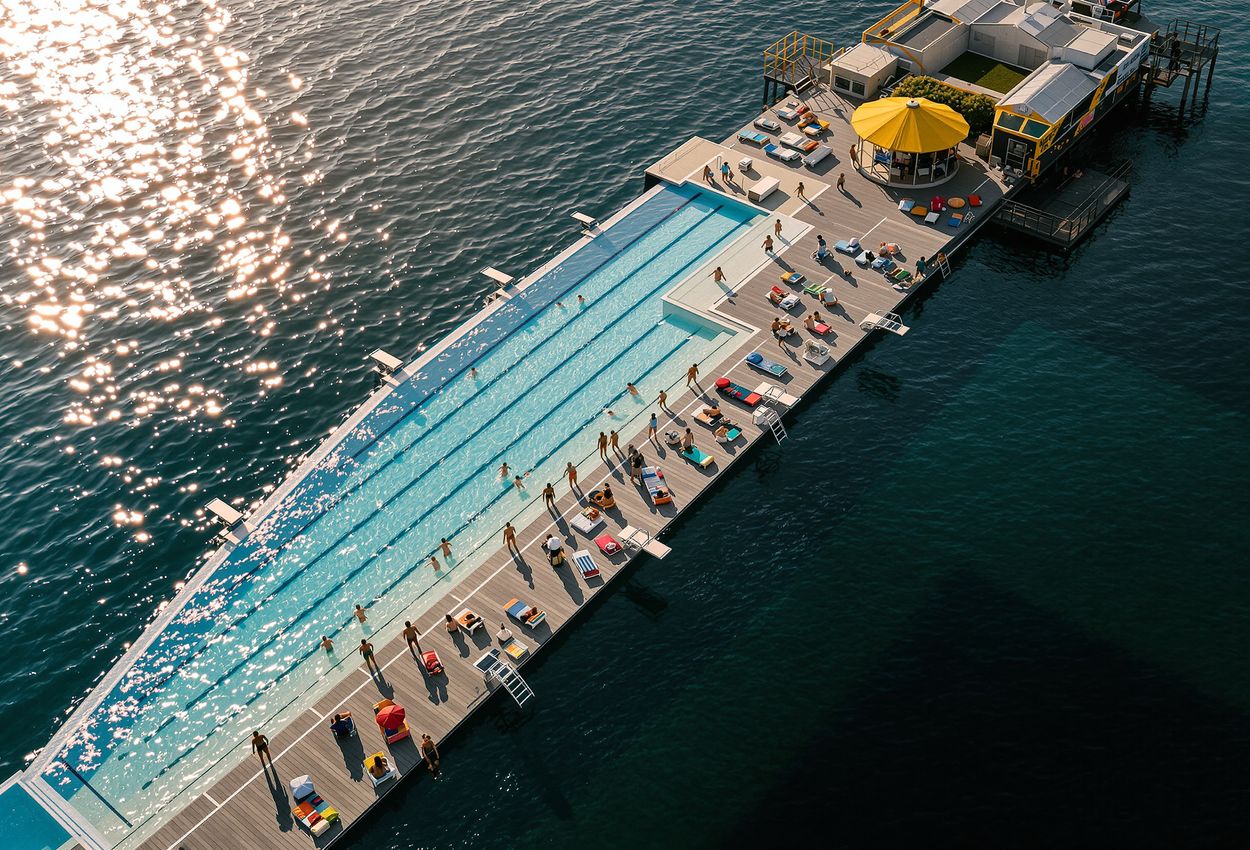
Hidden Gem: Take a refreshing dip in the harbor! Several harbor baths offer a unique swimming experience in the heart of the city.
Architectural Eco-Icons: Buildings that Breathe
Copenhagen's skyline is increasingly adorned with architectural eco-icons, buildings that seamlessly blend innovative design with sustainable features. Structures like Copenhill/Amager Bakke, UN City, and the Green Light House showcase the city's commitment to green construction methods and energy efficiency.
Copenhill/Amager Bakke is a waste-to-energy plant that not only converts waste into clean energy but also features a rooftop ski slope and recreational area, offering a unique blend of functionality and leisure. UN City, the headquarters for several UN agencies, incorporates seawater cooling and rainwater collection systems to minimize its environmental impact. The Green Light House showcases energy-efficient technologies and sustainable materials, serving as a model for future construction projects.
These buildings exemplify Copenhagen's strict building codes and green construction methods, which prioritize energy efficiency, sustainable materials, and innovative technologies. From solar panels to timber construction, every detail is carefully considered to minimize the building's environmental footprint.
A hidden gem is the Copenhagen Islands (CPH-Ø1), a series of floating platforms constructed from sustainable, local wood, offering flexible gathering places for events and community activities. These unique islands provide a tranquil escape from the bustling city, showcasing Copenhagen's commitment to innovative and sustainable urban design.

Local Tip: Visit Copenhill for a unique experience! Ski down a waste-to-energy plant and enjoy panoramic views of the city.
Park Life: Green Escapes in an Urban Oasis
Copenhagen is a city blessed with numerous parks and green spaces, offering residents and visitors ample opportunities for recreation, relaxation, and community gathering. Parks like Fælledparken, the King's Garden, and Assistens Cemetery provide tranquil escapes from the urban hustle, showcasing the city's commitment to preserving and expanding its green infrastructure.
Fælledparken, the largest park in Copenhagen, hosts a variety of events and activities throughout the year, from concerts and festivals to sporting events and community gatherings. The King's Garden, adjacent to Rosenborg Castle, offers a historic setting for picnics and leisurely strolls, with its beautiful lawns and flowerbeds. Assistens Cemetery, the final resting place of Hans Christian Andersen and Søren Kierkegaard, serves as both a cemetery and a peaceful green space, inviting visitors to reflect and connect with nature.
Copenhagen aims to have green spaces within 300 meters of all residents, ensuring that everyone has access to nature and its benefits. This commitment to green accessibility underscores the city's understanding of the importance of green spaces for physical and mental well-being.
A unique detail is Superkilen Park, a multicultural space designed in collaboration with residents, showcasing art and installations from around the world. This innovative park celebrates diversity and community engagement, creating a vibrant and inclusive space for all.
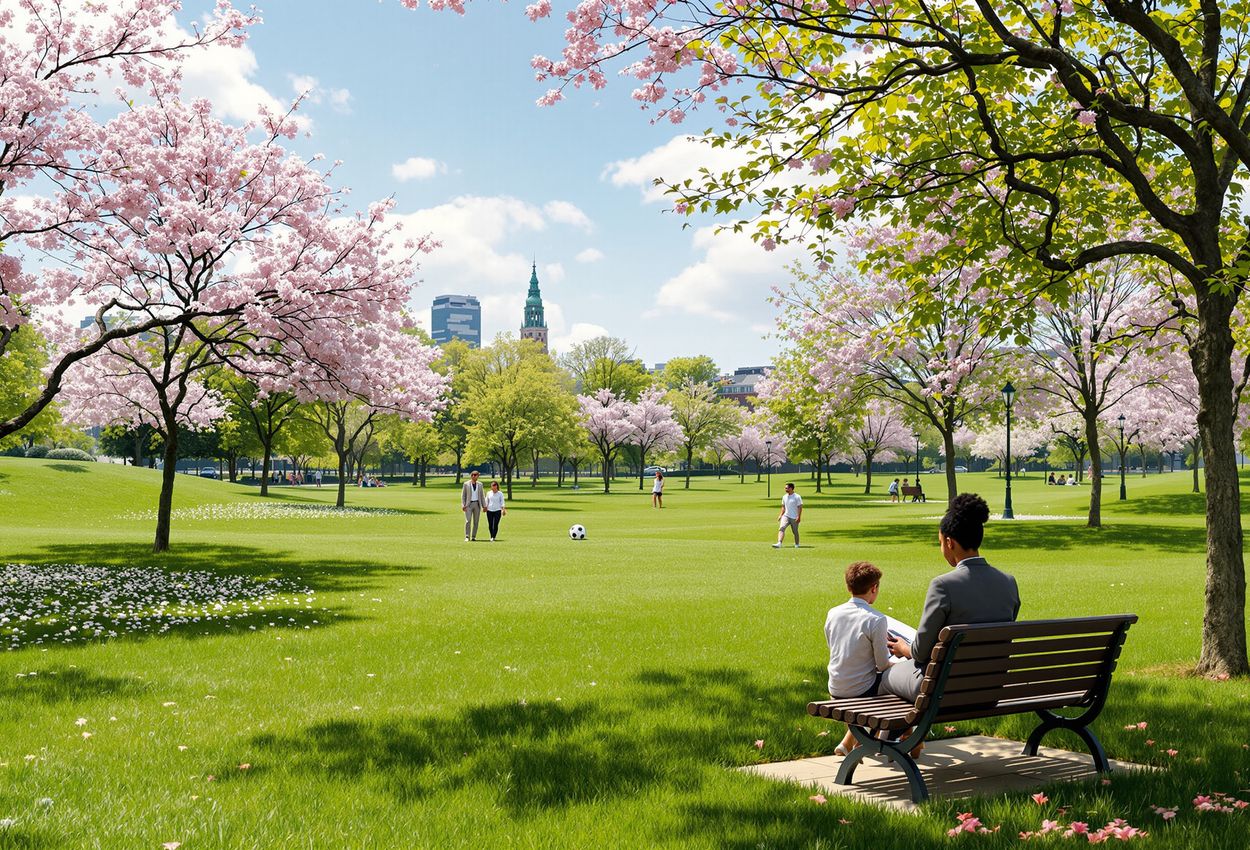
Hidden Gem: Explore Assistens Cemetery! This historic cemetery is not only the final resting place of famous Danes but also a beautiful park, perfect for a peaceful walk.
Powering the Future: Renewable Energy Revolution
Copenhagen is committed to transitioning to renewable energy sources, including wind, solar, biomass, and geothermal. The city's district heating network, one of the world's largest, is transitioning away from fossil fuels, utilizing biomass and waste-to-energy plants to provide heat to homes and businesses.
The CPH 2025 Climate Plan outlines ambitious goals for carbon neutrality, with a focus on reducing emissions from energy production and consumption. Copenhagen is actively investing in wind turbines, solar panels, and biomass-fired power plants to achieve its climate targets. The city's commitment to renewable energy extends beyond electricity production, with efforts to promote the use of biofuels and hydrogen in transportation.
Copenhagen aims for electricity production based on renewables to exceed the city's total electricity consumption, a hidden gem that demonstrates its ambition to become a net exporter of clean energy. This visionary goal underscores the city's commitment to leading the way in the global transition to a sustainable energy future.

Local Tip: Learn about Copenhagen's renewable energy initiatives! Visit a wind farm or a biomass-fired power plant to see how the city is powering its future.
Waste Not, Want Not: Innovative Waste Management
Copenhagen is implementing advanced waste management initiatives, including waste-to-energy plants like Copenhill, recycling programs, and biogas production. These efforts aim to minimize landfill waste and maximize resource recovery, creating a circular economy where waste is viewed as a valuable resource.
The city is actively working to separate plastic waste and convert organic waste into methane, a renewable energy source. By diverting waste from landfills and utilizing it for energy production, Copenhagen is reducing its carbon footprint and creating a more sustainable waste management system.
Copenhagen is pilot-testing robotics-based facilities to sort plastic waste, a unique detail that highlights its commitment to innovation in waste management. This cutting-edge technology promises to improve the efficiency and effectiveness of recycling efforts, further reducing the city's environmental impact.
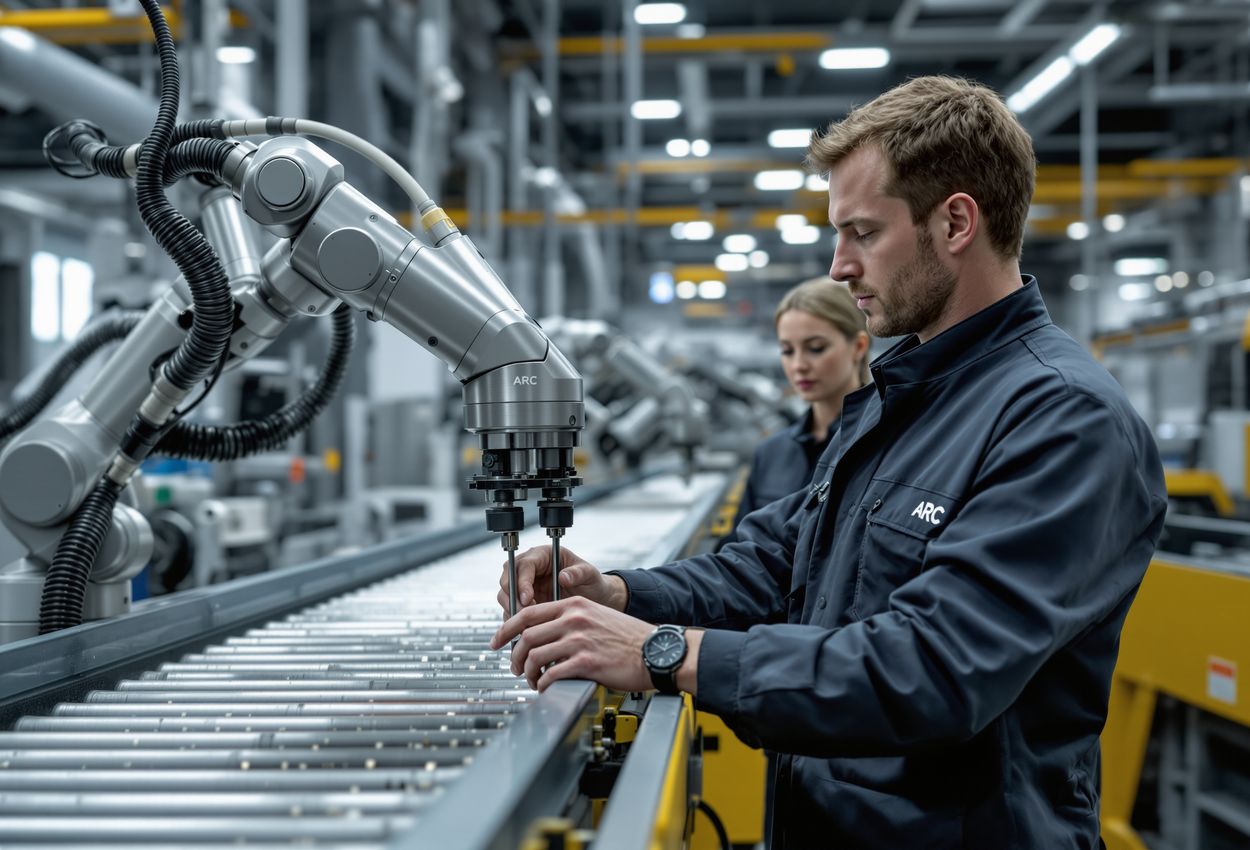
Hidden Gem: Visit a local recycling center! See firsthand how Copenhagen is transforming waste into valuable resources.
Climate-Resilient City: Adapting to Change
Copenhagen is proactively adapting to climate change through climate-resilient infrastructure, green roofs, and rainwater management systems. These measures aim to mitigate the impacts of extreme weather events and create a more sustainable and resilient urban environment.
Projects like Sankt Kjelds Square integrate climate adaptation with urban development, creating green spaces that can absorb rainwater and reduce the risk of flooding. Green roofs help to insulate buildings, reduce stormwater runoff, and create habitats for wildlife. Rainwater management systems collect and store rainwater for irrigation and other non-potable uses, conserving water resources.
Copenhagen is developing 'five-minute cities' where all essential amenities are within a five-minute walk, reducing the need for cars and promoting sustainable lifestyles, a unique detail that showcases its commitment to creating a livable and resilient urban environment.

Local Tip: Explore Sankt Kjelds Square! See how Copenhagen is integrating climate adaptation with urban design.
Green Mobility: Prioritizing People Over Cars
Copenhagen is expanding its green mobility initiatives, including public transportation, electric buses, and pedestrian-friendly zones. These efforts aim to reduce car traffic and promote cycling and walking, creating a more sustainable and livable urban environment.
The city's focus on public transportation includes expanding its network of electric buses and improving the efficiency and accessibility of its metro and train systems. Pedestrian-friendly zones create safe and enjoyable spaces for walking and socializing, encouraging people to explore the city on foot.
Copenhagen features 'green wave' traffic lights for cyclists, synchronizing traffic signals to allow them to maintain a steady pace without stopping, a unique detail that exemplifies its commitment to prioritizing cyclists. The city is also transitioning to vehicles powered by electricity, hydrogen, and biogas, further reducing its reliance on fossil fuels.
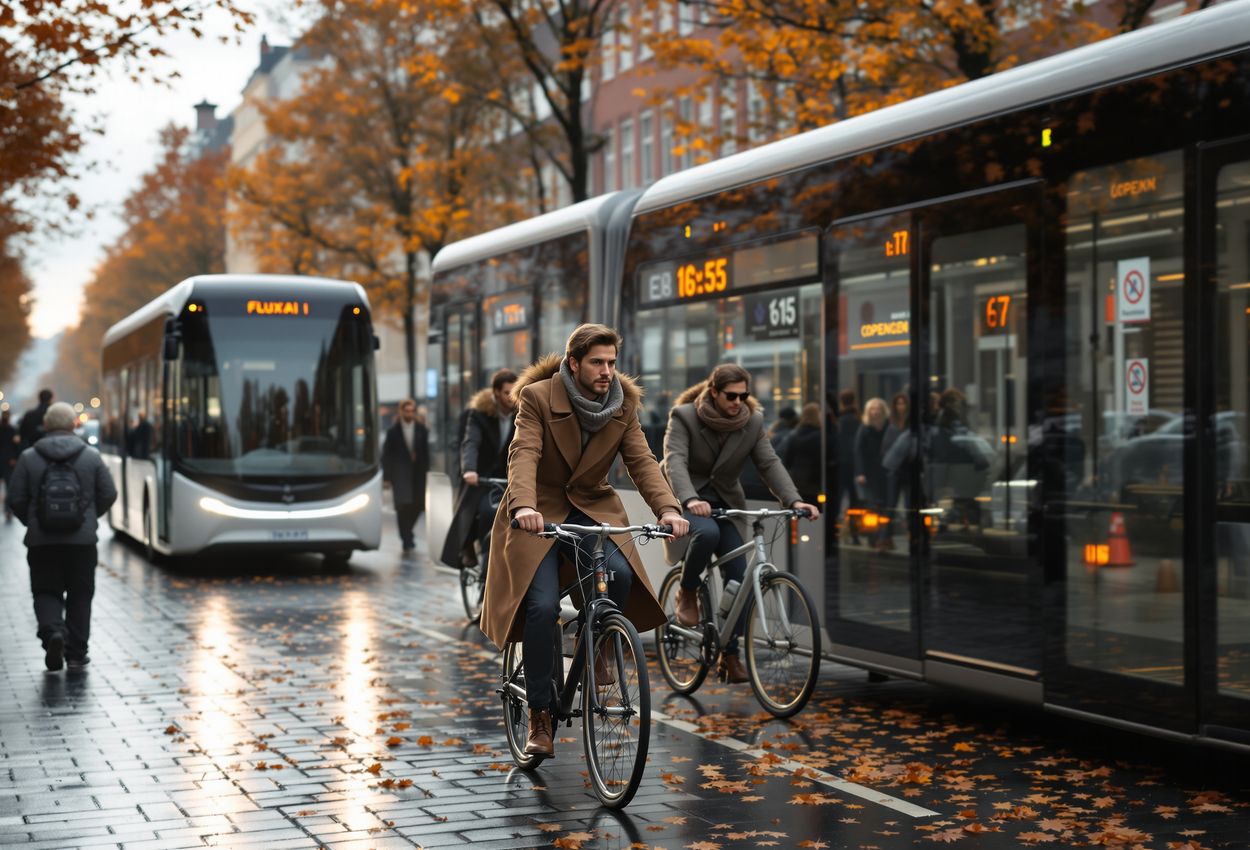
Hidden Gem: Take a stroll through Strøget, Copenhagen's pedestrian-friendly shopping street! Enjoy the vibrant atmosphere and explore the city on foot.
Sustainable Tourism: Exploring with a Green Footprint
Copenhagen offers a range of sustainable tourism options, including eco-certified hotels, sustainable tours, and the CopenPay initiative that rewards tourists for eco-friendly actions. These initiatives aim to minimize the environmental impact of tourism and encourage visitors to explore the city in a responsible and sustainable way.
The availability of organic cuisine and local produce makes it easy for visitors to enjoy delicious and sustainable meals. Exploring the city by Green Kayak, a unique initiative that allows visitors to clean up the canals while enjoying a leisurely paddle, offers a fun and eco-friendly way to experience Copenhagen.
Wonderful Copenhagen launched the CopenPay initiative in the summer of 2024, rewarding tourists for sustainable actions such as biking, using public transport, or participating in clean-up efforts, a unique detail that showcases its commitment to responsible tourism.

Local Tip: Participate in the CopenPay initiative! Earn rewards for sustainable actions and explore the city with a green footprint.
The Road Ahead: Copenhagen's Continued Green Ambition
Copenhagen's future sustainability goals and initiatives include its aim to be entirely independent of fossil fuels by 2050. The city is developing a new climate plan and continuing its efforts to promote green innovation and collaboration.
Copenhagen serves as a model for other cities and is committed to sharing its expertise and solutions, a unique detail that highlights its role as a global leader in sustainability. The city's ongoing efforts to promote green innovation and collaboration will ensure that it remains at the forefront of the global movement towards a sustainable future.

Hidden Gem: Attend a sustainability conference or workshop in Copenhagen! Learn from the city's experts and connect with other sustainability leaders.
As Copenhagen continues to push the boundaries of sustainable urban living, it offers a compelling vision for a future where cities are not only environmentally responsible but also vibrant, livable, and enjoyable places to live and visit. Its green revolution is not just about reducing emissions and conserving resources; it's about creating a better quality of life for all, demonstrating that sustainability and urban hedonism can indeed coexist.