Urban renewal, a concept laced with both promise and peril, stands as a testament to humanity's enduring quest for progress, juxtaposed against the intrinsic value of preservation. It's a delicate dance between the allure of modernization and the imperative to safeguard communities, cultures, and histories.
At its heart, urban renewal embodies an ethical dilemma: How do we reconcile the aspirations of progress with the potential for displacement and cultural erasure? This question echoes through the annals of urban development, from the demolition of the San Juan Hill neighborhood in New York City to make way for Lincoln Center, displacing thousands of residents , to countless other projects that have reshaped cityscapes while uprooting communities. The tension between modernizing cities and preserving the intricate tapestry of human lives woven into their fabric is a challenge that demands careful consideration.
The promise of urban renewal often glimmers with the prospect of revitalized infrastructure, enhanced economic opportunities, and improved living conditions. Dilapidated buildings are replaced with modern structures, blighted areas are transformed into vibrant spaces, and new amenities are introduced to enhance the quality of life. Yet, this vision of progress can cast a long shadow, particularly over marginalized communities who often bear the brunt of displacement and disruption. The ethical tightrope walk lies in ensuring that the benefits of urban renewal are shared equitably, without sacrificing the well-being and cultural heritage of those who call these spaces home.

Whose City Is It? The Right to the Urban Landscape
The question of ‘Whose City Is It?’ delves into the very essence of urban renewal's ethical complexities. It brings to the forefront the concept of the Right to the City, a notion that champions equitable access to urban resources and opportunities for all residents, irrespective of their socio-economic background. Urban renewal, when not approached with careful consideration, can inadvertently exacerbate existing social inequalities, creating a landscape where the voices of some are amplified while others are silenced.
Power dynamics play a pivotal role in shaping the trajectory of urban renewal projects. Government agencies, developers, and communities often find themselves at odds, each vying for influence over the future of the urban landscape. The ethical considerations arise when aesthetic visions are imposed upon communities without genuine regard for their existing cultural values and preferences. This top-down approach can lead to the homogenization of urban spaces, eroding the unique character and identity of neighborhoods.
Moreover, the Right to the City extends beyond mere physical access; it encompasses the right to participate in shaping the policies and plans that govern urban development. This participatory approach ensures that the voices of all stakeholders are heard and that decisions are made in a transparent and inclusive manner. By empowering communities to actively engage in the planning process, urban renewal can become a catalyst for positive change, fostering a sense of ownership and collective responsibility for the future of the city.

Cultural Erasure: When Progress Destroys the Past
The march of progress, as embodied by urban renewal, often leaves in its wake the remnants of cultural heritage, raising profound ethical questions about the value we place on preserving the past. Cultural erasure, the obliteration of historic buildings, landmarks, and cultural sites, represents a significant ethical challenge in urban renewal projects. The destruction of culturally significant neighborhoods, such as the Fillmore District in San Francisco, serves as a stark reminder of the irreversible consequences of prioritizing progress over preservation.
Historic buildings and landmarks are not merely physical structures; they are repositories of collective memory, embodying the stories, traditions, and identities of communities. Their preservation is essential for maintaining a sense of continuity and connection to the past, fostering a sense of place and belonging. When these cultural anchors are lost, communities can experience a profound sense of displacement and alienation, severing ties to their heritage and undermining their sense of identity.
However, the concept of adaptive reuse offers a beacon of hope, presenting a strategy for revitalizing old neighborhoods while preserving their unique identities. Adaptive reuse involves repurposing existing buildings for new uses, breathing new life into them while retaining their historical character and architectural significance. This approach not only minimizes demolition waste but also fosters a sense of continuity, blending the old with the new in a harmonious way.

Environmental Justice: Green Spaces for All, Not Just a Few
The environmental ethics of urban renewal demand a commitment to sustainable practices and green building initiatives, ensuring that progress does not come at the expense of the environment. Environmental justice necessitates that the benefits of a healthy environment are shared equitably, and that marginalized communities are not disproportionately burdened with environmental hazards. Urban renewal projects have the potential to exacerbate existing environmental inequalities, concentrating pollution and other environmental risks in low-income neighborhoods.
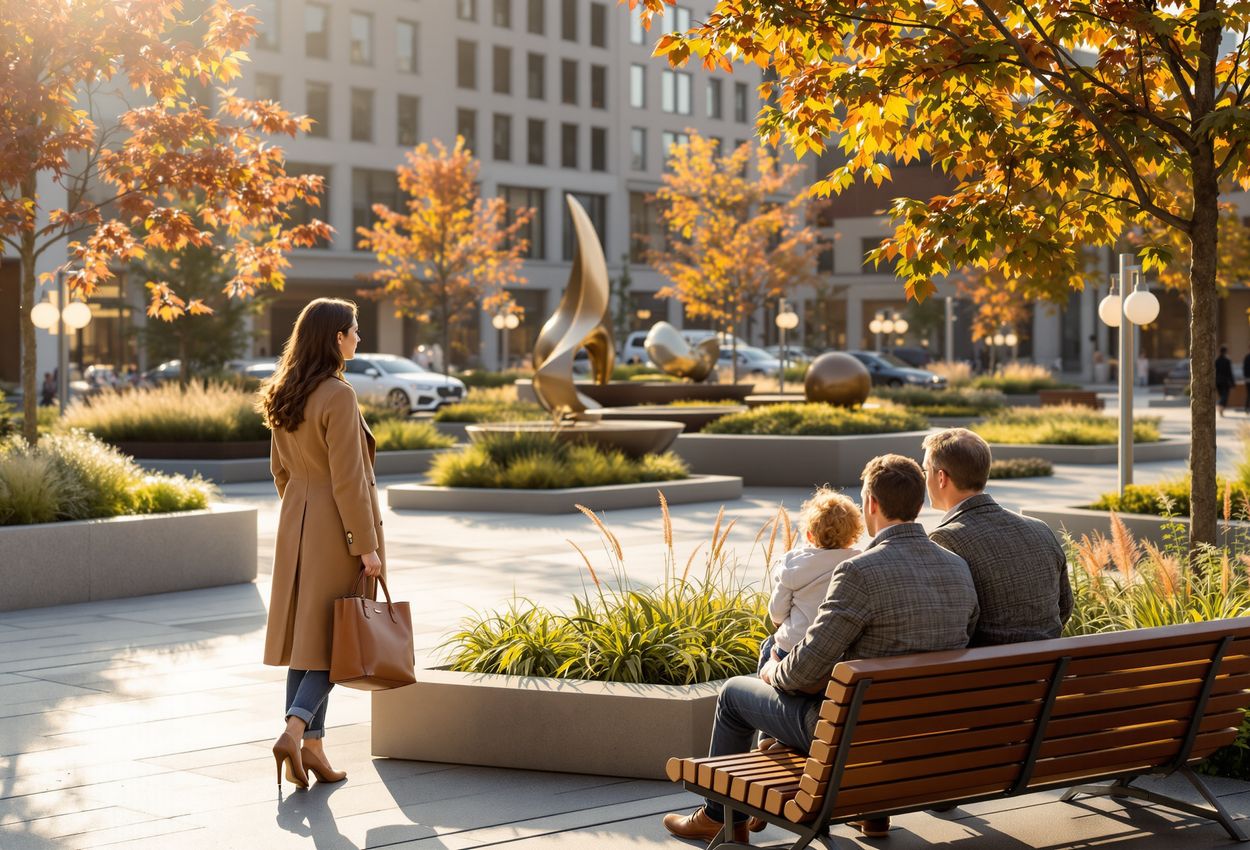
Green spaces and parks play a vital role in urban areas, providing residents with access to nature, recreation, and respite from the stresses of city life. However, access to these green amenities is often unevenly distributed, with wealthier neighborhoods enjoying a greater abundance of parks and green spaces. Urban renewal projects should prioritize the creation of green spaces in underserved communities, ensuring that all residents have access to the environmental benefits they provide.
Green infrastructure projects, such as urban parks and community gardens, can foster social cohesion, promote healthy lifestyles, and enhance the overall quality of life in urban areas. By incorporating green infrastructure into urban renewal plans, cities can create more sustainable, equitable, and livable environments for all residents.

Community Voice: Amplifying Local Perspectives in Planning
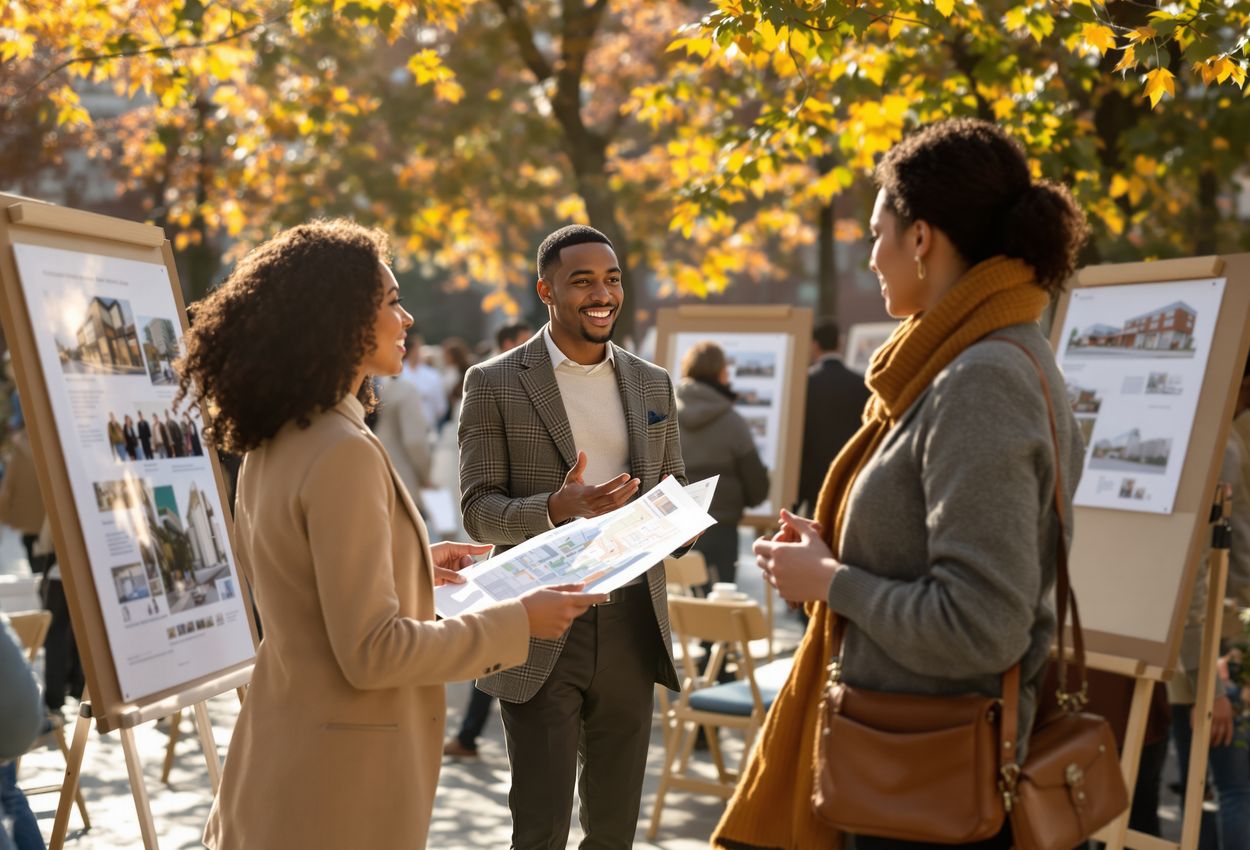
Community involvement is paramount in ensuring that urban renewal projects are ethically sound and responsive to the needs and aspirations of local residents. Transparency and open communication between urban planners, developers, and residents are essential for building trust and fostering a sense of shared ownership. Participatory design, a process that actively engages community stakeholders in every stage of the planning process, empowers residents to shape the future of their neighborhoods.
Collaborative efforts that engage residents, artists, historians, and urban planners in the decision-making processes can lead to more creative, culturally sensitive, and sustainable urban renewal projects. By amplifying local perspectives, urban planners can gain a deeper understanding of the unique challenges and opportunities facing each community, tailoring their plans to meet the specific needs of residents. This inclusive approach not only enhances the quality of urban renewal projects but also strengthens community bonds and promotes social equity.
The Displacement Dilemma: Minimizing the Human Cost
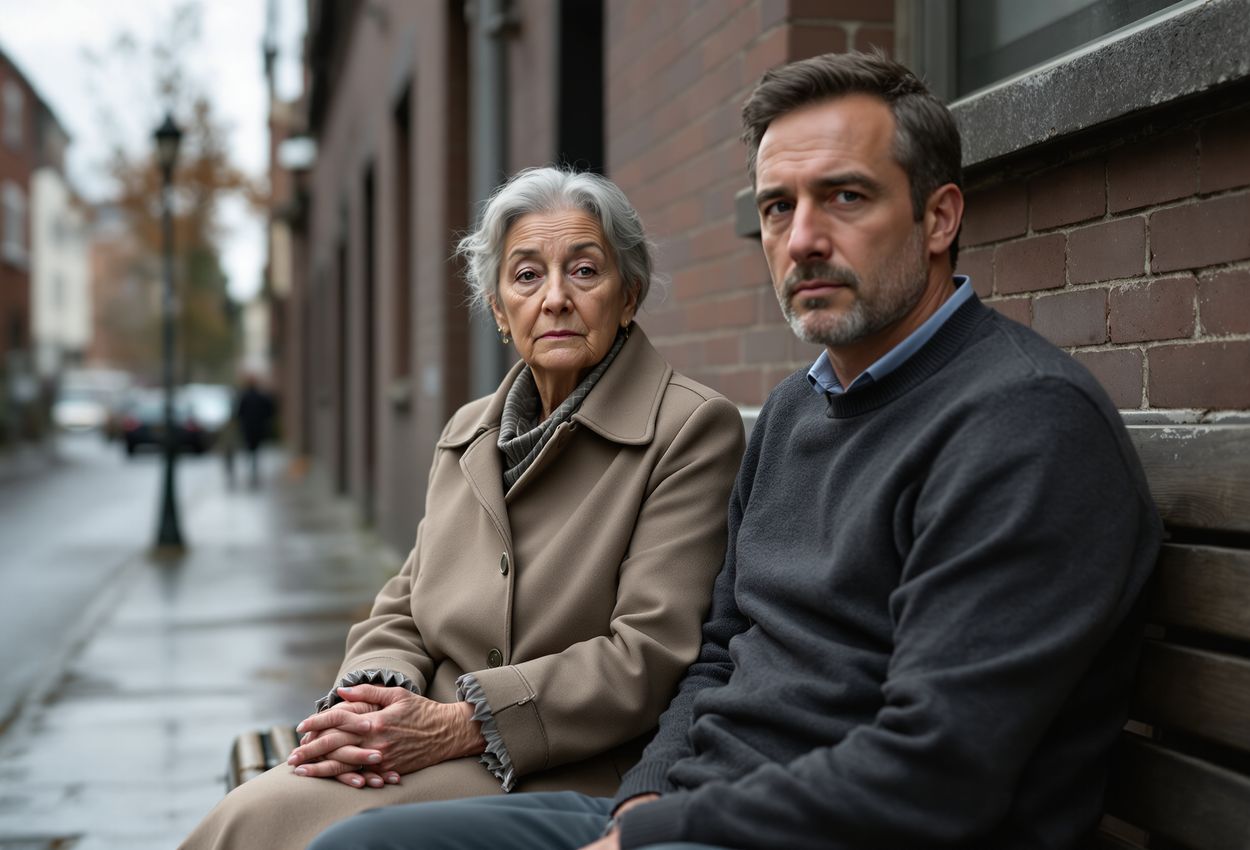
Displacement, the involuntary relocation of residents and businesses, represents one of the most ethically challenging aspects of urban renewal projects. The disruption of communities, the loss of affordable housing, and the forced relocation of vulnerable populations can have devastating consequences. Minimizing displacement and preserving existing communities should be a central ethical consideration in urban renewal planning.
Strategies for minimizing displacement include rent control, inclusionary zoning, and community land trusts. Rent control policies can help to stabilize housing costs, preventing displacement due to rising rents. Inclusionary zoning requires developers to include a certain percentage of affordable housing units in new developments, ensuring that low-income residents are not priced out of revitalized neighborhoods. Community land trusts provide a mechanism for community ownership of land, ensuring that housing remains affordable in perpetuity.
The ReGenesis Project in South Carolina serves as an inspiring example of equitable development strategies, demonstrating how urban renewal can be implemented in a way that benefits existing residents and preserves community bonds. Providing adequate compensation and relocation assistance to displaced residents is also crucial, ensuring that they have the resources they need to find suitable housing and rebuild their lives.
Economic Justice: Sharing the Benefits of Renewal
Urban renewal has the potential to serve as a catalyst for economic growth, attracting new businesses, increasing property values, and generating tax revenue. However, it is essential to ensure that these economic benefits are shared equitably, and that current residents are not left behind. Strategies for supporting local businesses and creating employment opportunities for current residents include providing access to capital, technical assistance, and job training programs.
The Station North Arts District in Baltimore exemplifies economic revitalization through urban renewal, demonstrating how arts and culture can drive economic growth while preserving the unique character of a neighborhood. By investing in local businesses, creating job opportunities, and promoting arts and culture, urban renewal projects can foster economic justice and create thriving, inclusive communities.
Learning from the Past: Case Studies in Ethical Urban Planning
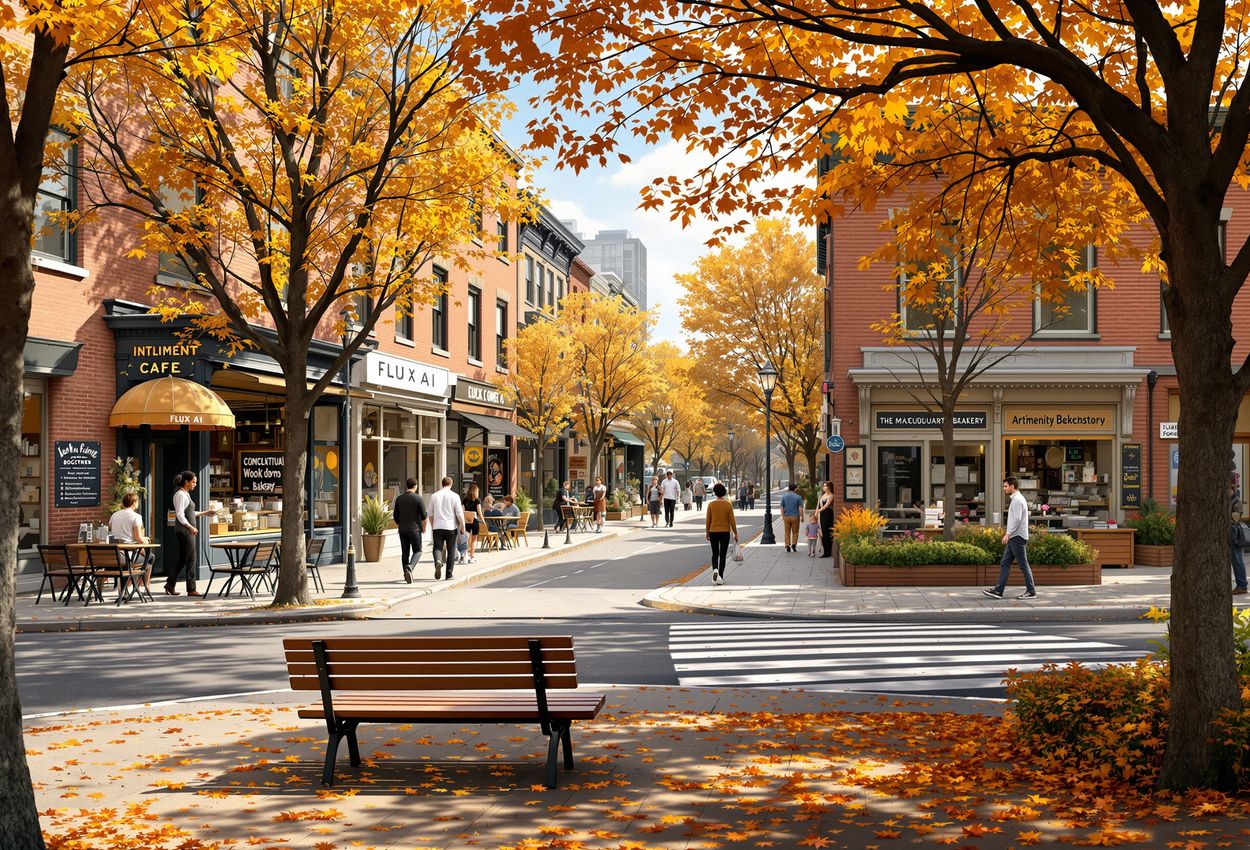
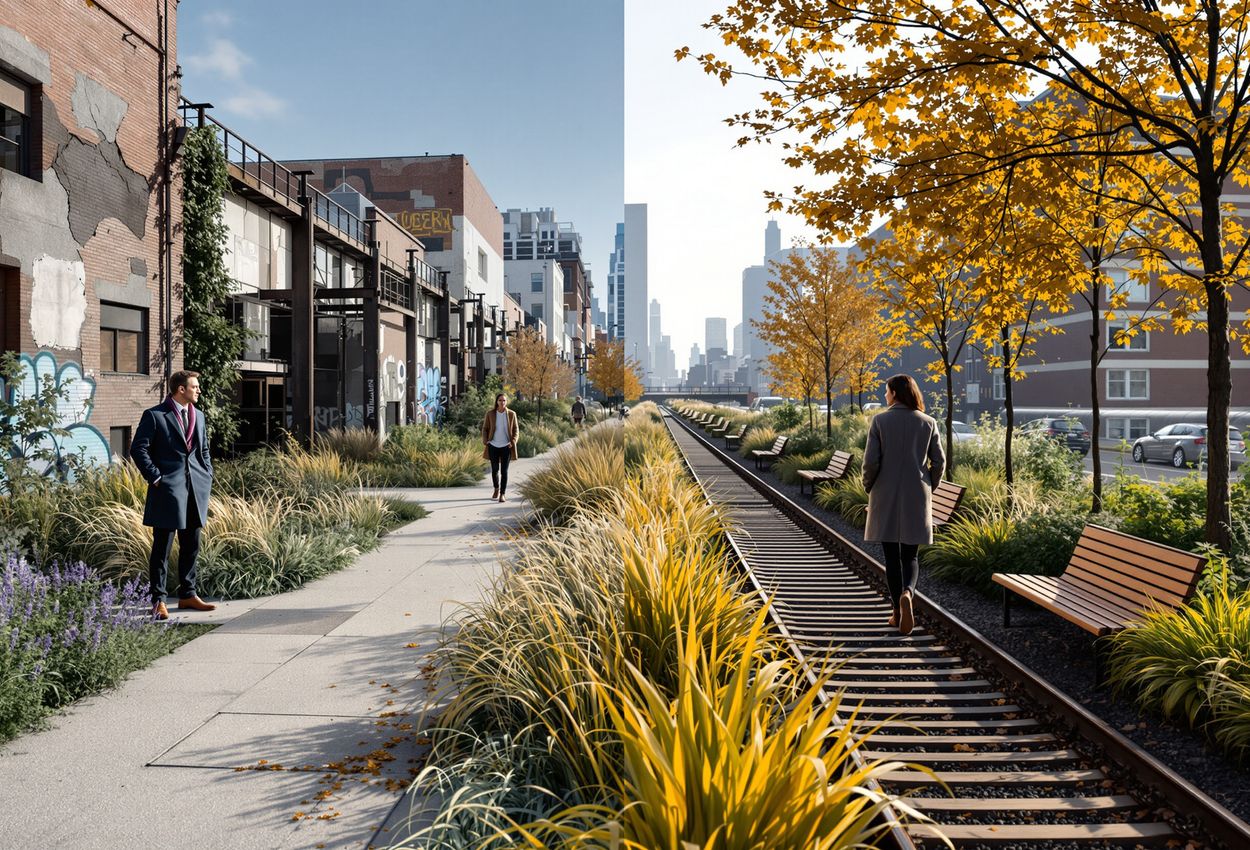
Examining past urban renewal projects, both successful and unsuccessful, provides valuable lessons for ethical urban planning. The transformation of the High Line in New York City and King's Cross in London offer insights into the potential economic benefits of urban renewal, as well as the concerns about affordability and displacement. The High Line, a former elevated railway line transformed into a public park, has spurred economic development in the surrounding neighborhoods, attracting new businesses and increasing property values. However, concerns have been raised about the impact of rising property values on affordability, potentially displacing long-term residents. Similarly, the redevelopment of King's Cross, a former industrial area, has created a vibrant mixed-use district, but questions remain about the affordability of housing and the potential for displacement.
The Jobbers Canyon Historic District in Omaha serves as a cautionary tale of a disastrous urban renewal failure, highlighting the importance of preserving cultural heritage. The demolition of this historic warehouse district to make way for a corporate headquarters resulted in the loss of a significant piece of Omaha's history and sparked controversy over the city's priorities. In contrast, the Singapore River cleanup stands as a success story of urban regeneration, demonstrating how environmental restoration can transform a polluted waterway into a vibrant public space.
The Role of Government: Policies that Protect and Preserve
Government plays a crucial role in ensuring that urban planning is conducted ethically, with policies that protect vulnerable populations and preserve cultural heritage. Policies such as tax revenue increment financing can be used to fund urban renewal projects, but it is essential to ensure that these funds are used in a way that benefits the entire community, not just developers. The Housing Act of 1949, while intended to improve housing conditions, has been criticized for its role in displacing communities and exacerbating inequalities.
Government departments can promote mixed-use developments, creating vibrant, walkable neighborhoods that offer a mix of housing, retail, and employment opportunities. By implementing policies that prioritize community well-being, social justice, and environmental sustainability, governments can ensure that urban renewal projects contribute to the creation of thriving, inclusive cities.
Building a Better Future: Ethical Principles for Urban Renewal
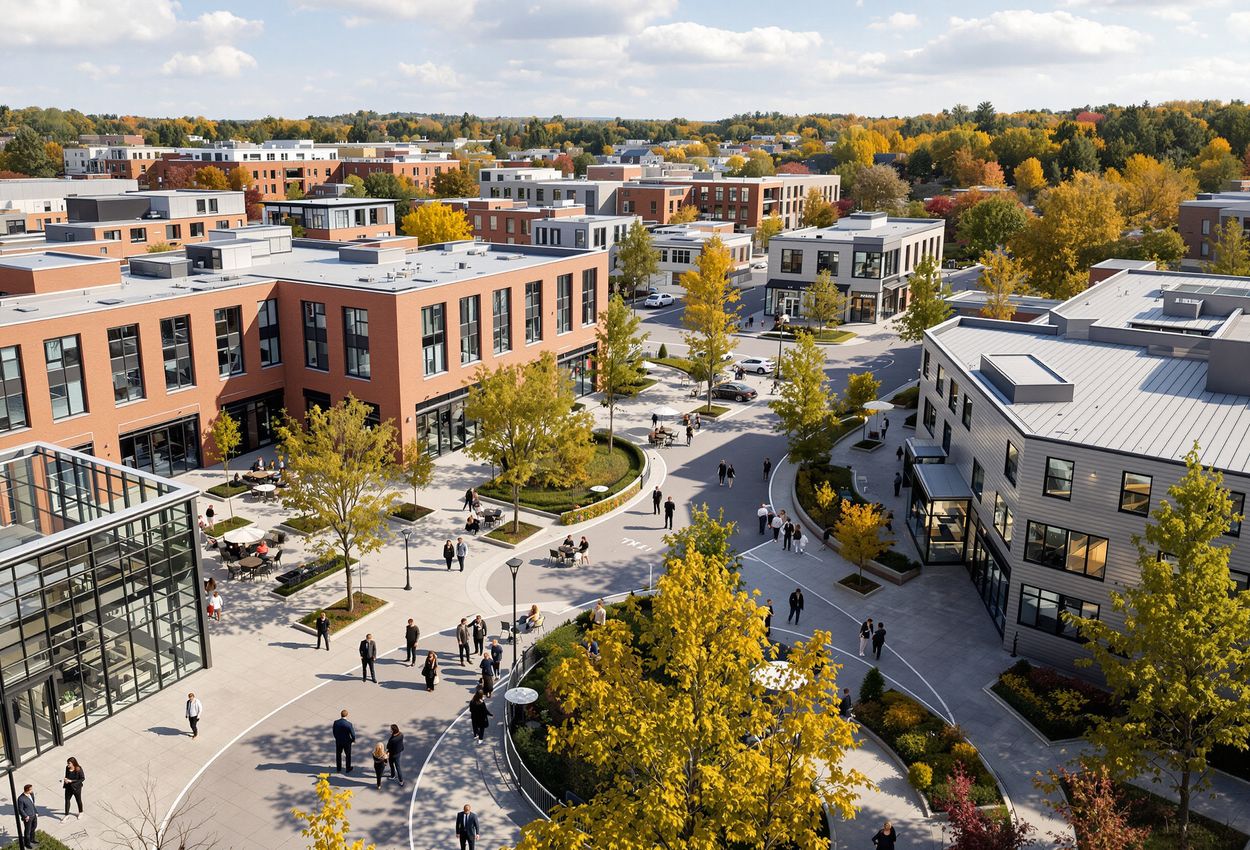
As we look to the future of urban renewal, it is essential to embrace ethical principles that prioritize community well-being, social justice, and environmental sustainability. Balancing progress and preservation requires a holistic approach that considers the social, cultural, environmental, and economic impacts of urban renewal projects. The American Planning Association's Ethical Principles in Planning provide a valuable framework for guiding ethical decision-making in urban planning.
By adhering to these ethical principles, urban planners can ensure that urban renewal projects contribute to the creation of more equitable, sustainable, and livable cities for all. A commitment to community engagement, transparency, and accountability is essential for building trust and fostering a sense of shared ownership in the future of our cities.
The Indeterminate: Suspend Knowing, Embrace Uncertainty
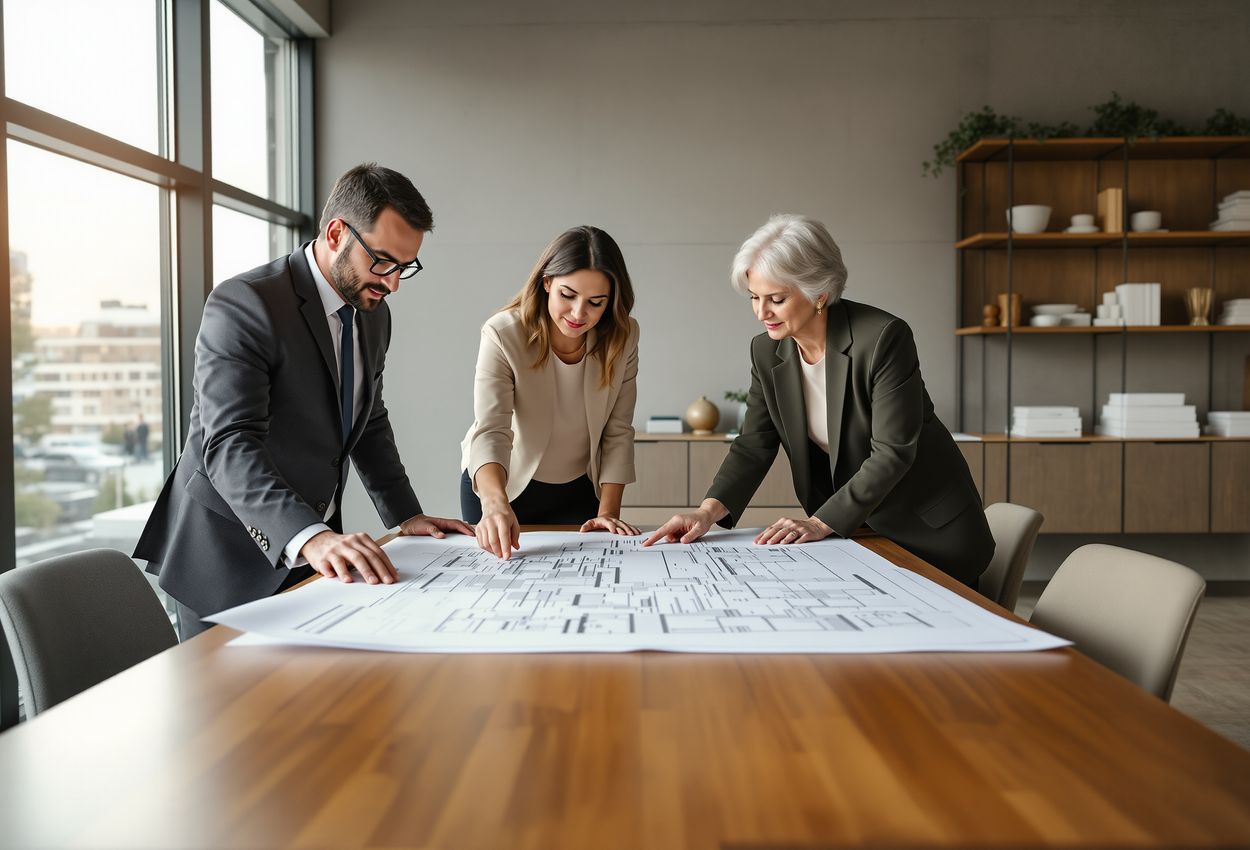
In the realm of ethical redevelopment, suspending preconceived notions and embracing uncertainty can unlock innovative solutions to resource inequity. By acknowledging the variable of the unknown, we create space for imagination and allow the work itself to guide the process. This approach necessitates a reliance on faith and intuition, guiding methodology through a process that is intentionally left undetermined, undefined, or gradually revealed.
Such fluidity, dynamism, and creativity enable us to respond effectively to developments in the moment, adapting and changing direction as needed. It is through this embrace of the indeterminate that we can truly foster equitable and sustainable urban renewal.

Design: Everyone Deserves to See and Be a Part of the Transformation of Their Spaces Into Places
Extending beauty as a basic service to often-overlooked parts of the city is paramount. Beautiful objects, often deemed incongruent with blighted spaces, belong in these areas just as much as they do in high-investment zones. Creative individuals play a pivotal role in making this happen, using design to enhance the desirability of neglected sites, corridors, or blocks while illustrating the reverence and care of a neighborhood and its residents.
Beauty possesses a unique magnetism, defining character and promoting reverence. By prioritizing design, we can ensure that everyone has the opportunity to witness and participate in the transformation of their spaces into places of beauty, dignity, and pride.