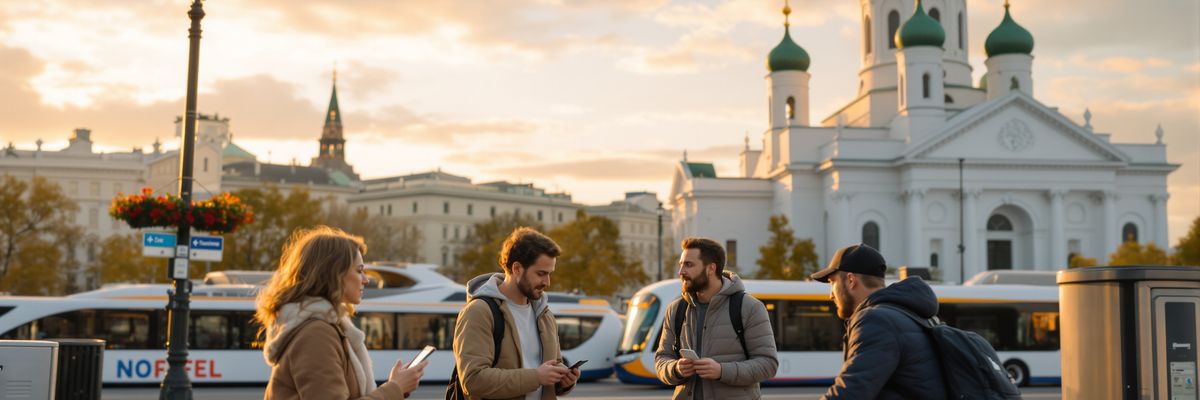
In the heart of bustling cities, a serene escape awaits. Forest bathing, or Shinrin-yoku, offers a refreshing way to connect with nature and rejuvenate your mind and body amidst the urban landscape.
This practice, rooted in Japanese tradition, invites you to immerse yourself in the sensory experience of urban parks, transforming your perception of city life and fostering a deeper connection with the natural world.
What Exactly is Forest Bathing Anyway?
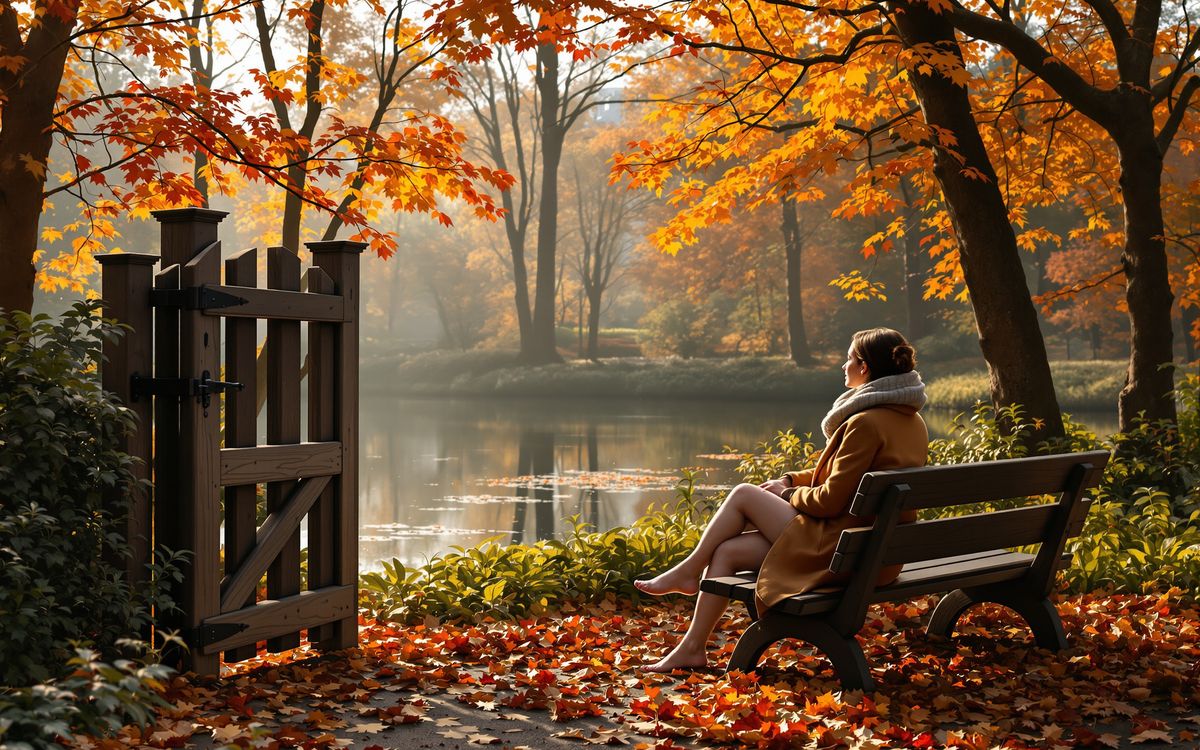
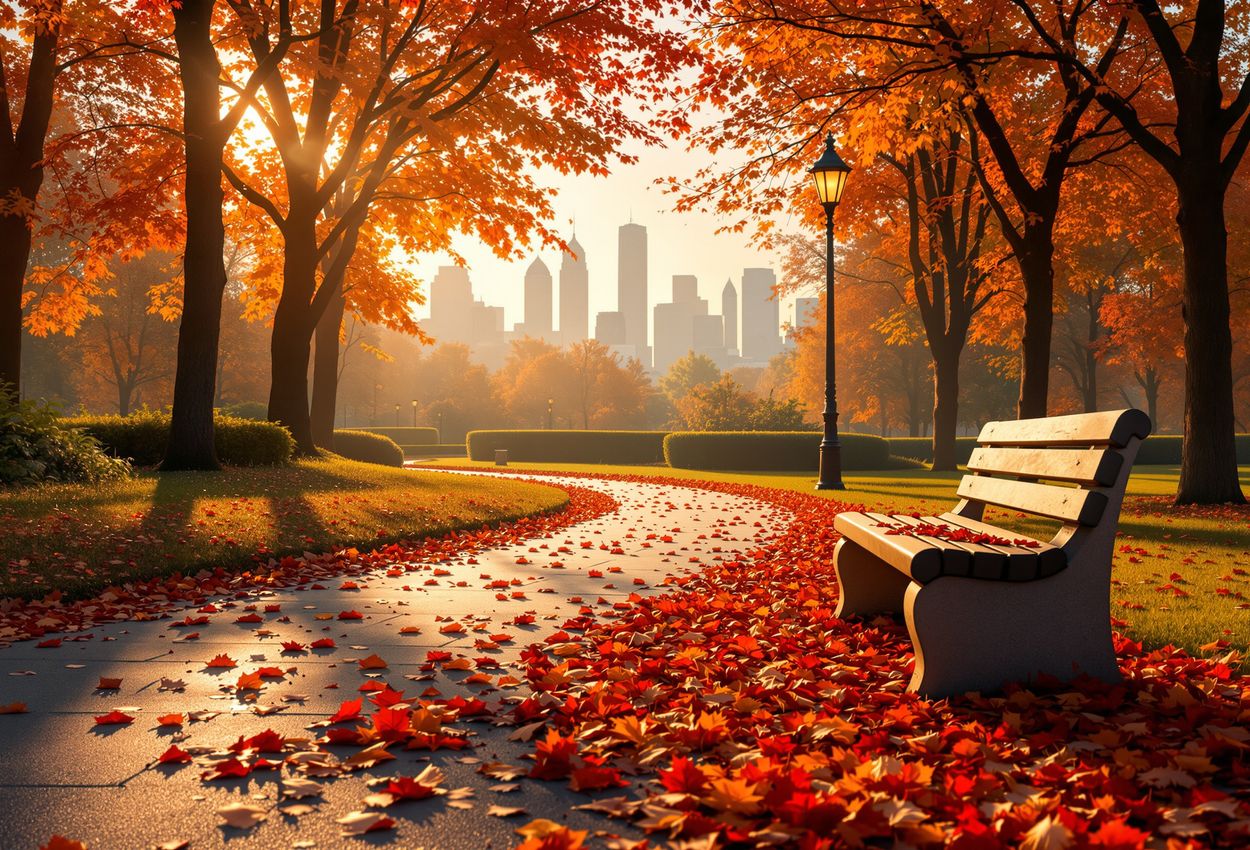
Forest bathing, known as Shinrin-yoku in Japan, is a practice that emerged in the 1980s as a stress-reduction technique. It's not about rigorous exercise or hiking a mountain trail; instead, it’s a gentle, mindful immersion in a natural environment. The core of forest bathing lies in awakening your senses – noticing the sunlight filtering through leaves, listening to the rustling of trees, smelling the earth, and feeling the textures around you. This sensory experience has a wealth of scientific backing. Studies have shown that forest bathing can reduce cortisol levels, the hormone associated with stress, and boost the immune system due to the inhalation of phytoncides, antimicrobial and antifungal volatile organic compounds emitted by trees.
What makes forest bathing particularly appealing is its accessibility, especially in urban settings. City parks, often overlooked as mere patches of green, become sanctuaries for those seeking a respite from the concrete jungle. The increasing popularity of urban forest bathing reflects a growing awareness of the need to reconnect with nature, even in the most urbanized environments.

Why Trade the Wilderness for Concrete?
The importance of urban green spaces extends far beyond aesthetics. These spaces are vital for both mental and physical health. Studies have consistently linked access to green spaces with reduced stress, anxiety, and improved mood. Research even suggests that urban green spaces can play a role in lowering rates of depression and bipolar disorder. For city dwellers who may not have the opportunity to escape to the wilderness, urban parks offer an accessible and essential connection to nature.
Urban parks provide a therapeutic landscape, offering a buffer from the stresses of daily life. They serve as communal retreats, promoting well-being and offering solace. These accessible pockets of nature play a crucial role in bridging the gap in mental health outcomes, ensuring that diverse populations, regardless of socioeconomic status, can benefit from nature's calming influence.
Central Park, New York: An Oasis of Calm
Central Park in New York City stands as a prime example of urban forest bathing at its finest. This iconic park, designed by Frederick Law Olmsted, offers a sprawling landscape of natural beauty amidst the city's skyscrapers. Within Central Park lies the Hallett Nature Sanctuary, a hidden gem that provides a more secluded and intimate forest bathing experience. As you wander through the park, the sounds of birds replace the city's cacophony, the smell of trees fills your lungs, and a gentle breeze caresses your skin. Central Park is more than just a park; it's a testament to the vision of creating an accessible natural retreat for urban dwellers.
The park's history is deeply intertwined with the desire to provide a space for respite and recreation for the city's growing population. Olmsted's design thoughtfully incorporates natural elements, creating a landscape that feels both wild and carefully curated. This balance allows visitors to fully immerse themselves in the sensory experience of nature, finding moments of calm and rejuvenation amidst the urban bustle.
Golden Gate Park, San Francisco: Coastal Serenity
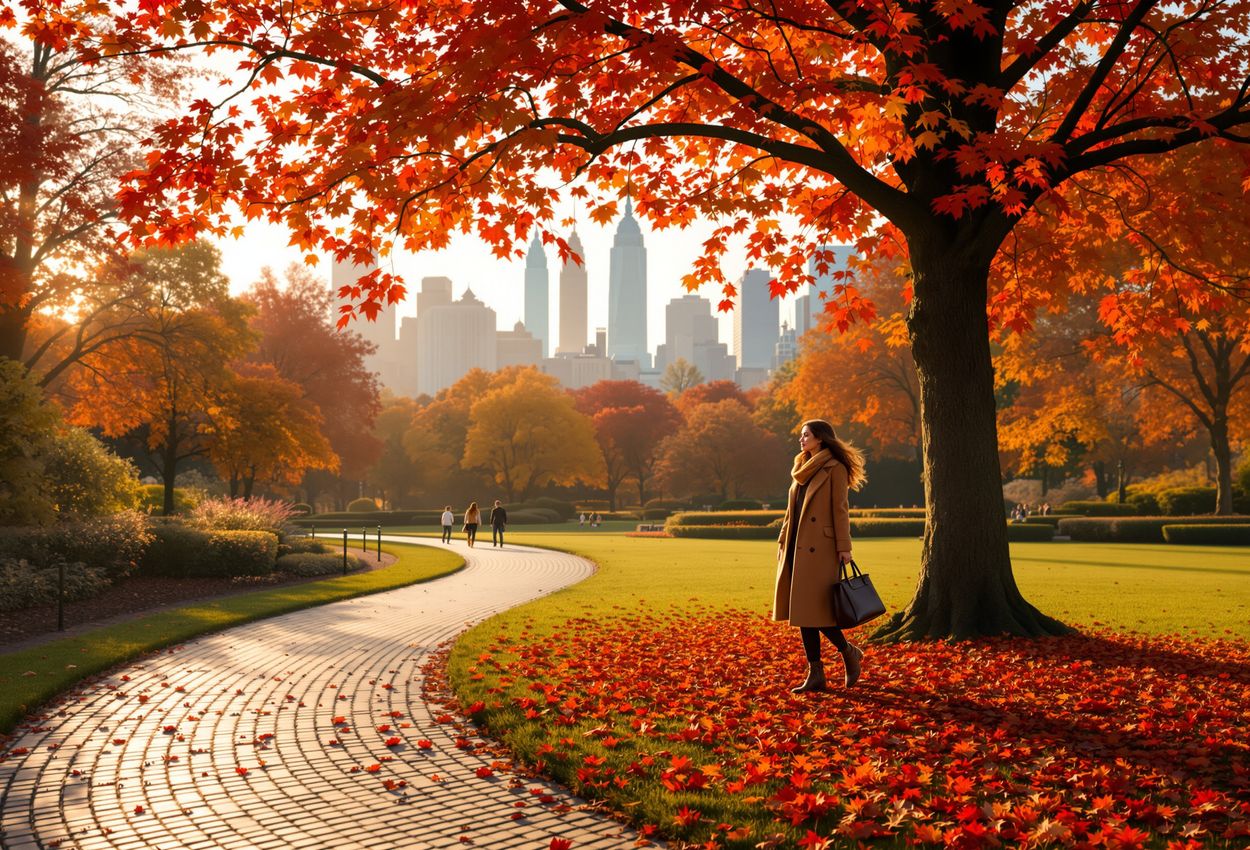
Golden Gate Park in San Francisco offers a diverse landscape for urban forest bathing, blending natural beauty with cultural richness. Within the park, the Japanese Tea Garden provides a serene setting for contemplation and sensory exploration. The benefits of coastal air add another layer to the experience, while the unique flora of the region creates a distinctive atmosphere. Beyond the well-known attractions, Golden Gate Park holds hidden corners and lesser-known trails, inviting visitors to discover quiet spots for deeper immersion in nature.
The park's design reflects a harmonious blend of natural and human elements, creating a space that caters to both active recreation and quiet reflection. The coastal influence infuses the air with a refreshing quality, enhancing the sensory experience of forest bathing. As you explore the park, you'll find a diverse range of microclimates and ecosystems, each offering a unique perspective on the natural world.
Forest Park, St. Louis: A World's Fair Legacy
Forest Park in St. Louis carries a rich history as a former World's Fair site, now transformed into a sprawling urban oasis. The park boasts 190 acres of nature reserve with over 30 miles of trails, offering ample opportunities for immersive forest bathing experiences. Walking through the park's forests, you'll be enveloped in a sensory tapestry of sights, sounds, and smells. The rustling of leaves, the chirping of birds, and the earthy scent of the forest create a calming and restorative atmosphere.
Forest Park's transformation from a World's Fair site to a natural retreat reflects a commitment to preserving green spaces for the benefit of urban dwellers. The park's extensive trail system allows visitors to explore diverse ecosystems, from dense woodlands to open meadows. As you wander through the park, you'll discover hidden corners and quiet spots, each offering a unique perspective on the natural world.

Washington Square Park, New York City: An Urban Entertainment
Nestled among pre-war buildings and the NYU campus, Washington Square Park provides a unique urban forest bathing experience. The park features a variety of trees, including conifers prized in Japan for their phytoncides. Here, the practice intertwines with the vibrant energy of street performers, artists, and the soothing presence of the fountain. The park offers a sensory-rich environment where nature and urban life converge.
Washington Square Park's location in the heart of Greenwich Village gives it a distinct character. The blend of natural elements and urban activity creates a dynamic atmosphere that stimulates the senses. As you wander through the park, you'll encounter a diverse array of people and experiences, all set against the backdrop of the park's trees and greenery.
Falls Park on the Reedy, Greenville: Rushing Waters
Falls Park on the Reedy in Greenville, South Carolina, showcases the beauty of urban nature with its stunning waterfall and the iconic Liberty Bridge. The sensory experience of being near the rushing water adds a unique dimension to forest bathing. For a luxurious stay, the Grand Bohemian Lodge offers a comfortable retreat within close proximity to the park's natural wonders.
The park's design thoughtfully integrates natural elements with urban infrastructure, creating a space that is both visually appealing and ecologically sound. The sound of the waterfall provides a soothing backdrop, while the surrounding greenery offers a sense of tranquility. As you explore the park, you'll discover hidden pathways and scenic overlooks, each offering a unique perspective on the natural beauty of the Reedy River.
Magnuson Park, Seattle: Lakeside Views and Art
Magnuson Park in Seattle, situated on the shores of Lake Washington, offers breathtaking views of the Cascade Mountains. The park is home to the Soundgarden sculpture, adding an artistic element to the natural landscape. Forest bathing here involves the smell of the lake, the sound of the wind, and the awe-inspiring sight of the mountains, creating a multi-sensory experience.
The park's location on Lake Washington provides a unique opportunity to connect with both terrestrial and aquatic ecosystems. The combination of natural beauty and artistic expression creates a stimulating environment for forest bathing. As you explore the park, you'll discover hidden trails and scenic overlooks, each offering a new perspective on the surrounding landscape.
Piedmont Park, Atlanta: Skyline Reflections
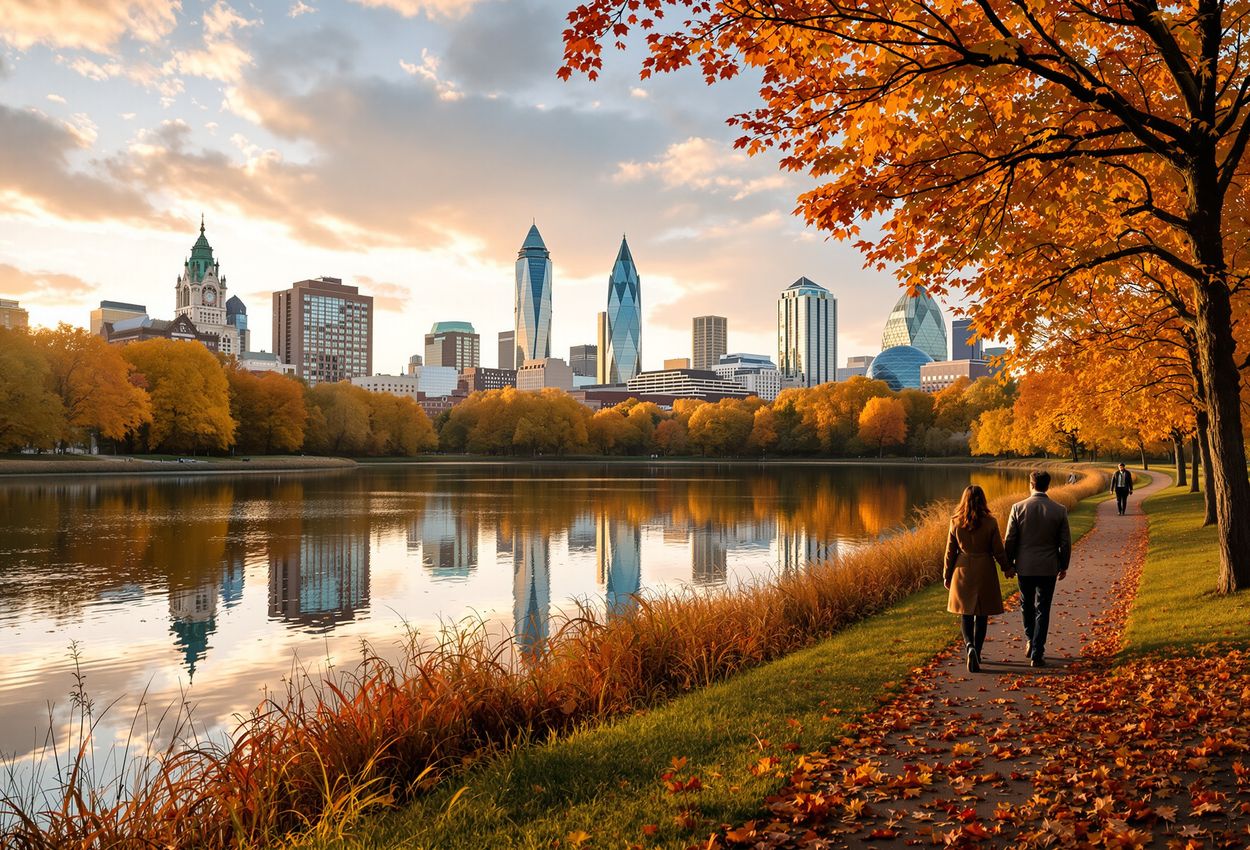
Piedmont Park in Atlanta features Lake Clara Meer, offering stunning reflections of the city's skyline. The park's connection to the Atlanta BeltLine makes it easily accessible, and the Education Garden provides an opportunity to learn about local flora. Forest bathing in Piedmont Park engages the senses with the feel of the grass, the sounds of the city in the distance, and the visual contrast between nature and urban architecture.
The park's design thoughtfully integrates natural elements with urban infrastructure, creating a space that is both functional and aesthetically pleasing. The presence of Lake Clara Meer adds a reflective quality to the landscape, enhancing the sensory experience of forest bathing. As you explore the park, you'll discover hidden pathways and scenic overlooks, each offering a new perspective on the surrounding environment.
How to Forest Bathe Like a Pro (Even with City Noise)
To maximize the benefits of forest bathing in urban parks, consider these actionable tips. Visit during off-peak hours to minimize distractions and find quieter corners within the park. Practice mindful walking, paying attention to each step and the sensations in your body. Engage all your senses, noticing the sights, sounds, smells, tastes, and textures around you. Tune out distractions by focusing on your breath or a specific element of nature. Embrace the urban soundscape as part of the experience, allowing it to fade into the background as you connect with nature.
Creating a successful urban forest bathing experience involves a shift in perspective. Instead of viewing the city as an obstacle, see it as a backdrop to the natural world. Embrace the contrasts and find beauty in the unexpected juxtapositions. By consciously engaging your senses and tuning out distractions, you can transform even the busiest urban park into a sanctuary for rejuvenation.
Making it a Ritual: Forest Bathing and Your Daily Grind
Incorporating forest bathing into your daily routine can lead to sustained benefits for your well-being. Visit a park during lunch breaks to escape the office environment and reconnect with nature. Incorporate forest bathing into weekend walks, exploring different parks and green spaces in your city. The key is regular practice, making it a consistent part of your lifestyle. Find a green space that resonates with you and develop a routine that allows you to fully immerse yourself in its natural beauty.
Consistency is key to experiencing the long-term benefits of forest bathing. By making it a regular practice, you'll begin to notice subtle shifts in your mood, energy levels, and overall well-being. Over time, forest bathing can become a powerful tool for managing stress, enhancing creativity, and fostering a deeper connection with yourself and the natural world.
Beyond the Trees: Other Ways to Connect with Urban Nature
Connecting with nature in the city extends beyond traditional parks and forests. Rooftop gardens offer a unique perspective on urban green spaces, providing a bird's-eye view of the cityscape. Vertical farming brings nature into unexpected places, transforming walls and buildings into living ecosystems. Community gardens foster a sense of connection and collaboration, allowing city dwellers to grow their own food and connect with the earth. Even brief encounters with green spaces, such as trees lining the street or potted plants on a balcony, can provide a moment of respite and rejuvenation.
The key is to cultivate an awareness of the natural world, even in the most urbanized environments. Notice the small details – the way sunlight filters through leaves, the sound of birdsong, the scent of rain on the pavement. By consciously engaging with these elements, you can transform your perception of the city and find moments of peace and connection in unexpected places.
The Science is Clear: Nature is Calling
The scientific evidence supporting the benefits of forest bathing and urban green spaces is compelling. Studies have consistently shown a reduction in stress hormones, a boosted immune system, and improved mental well-being. These findings underscore the importance of prioritizing time in nature for your health and well-being. Whether it's a short walk in a park or a mindful immersion in a forest, every encounter with nature contributes to your overall health and happiness.
The growing body of research on the benefits of nature is transforming the way we think about urban planning and public health. As cities become increasingly dense and stressful, the need for accessible green spaces becomes even more critical. By prioritizing nature in urban environments, we can create healthier, happier, and more resilient communities.
Forest Bathing Groups and Resources
To deepen your understanding of forest bathing, explore the numerous resources available. Organizations like the Forest Bathing Institute and the Forest Therapy Hub offer guided forest bathing walks and training programs. Websites like Meetup.com host local forest bathing groups, providing opportunities to connect with others who share your interest in nature. Books and articles on forest bathing offer further insights into the practice and its benefits. Connecting with others and accessing reliable information can enhance your forest bathing journey and help you integrate it into your life.
Joining a forest bathing group can provide a supportive and enriching experience. Guided walks offer the opportunity to learn from experienced practitioners and connect with like-minded individuals. Exploring different resources can help you tailor the practice to your individual needs and preferences, maximizing its benefits for your well-being.
The Future is Green: Urban Planning for Wellness
Urban planning that prioritizes green spaces is essential for creating healthier and more sustainable cities. Increased greenery has the potential to improve mental health, particularly in deprived areas. Policymakers and communities must work together to improve access to green spaces, ensuring that all residents have the opportunity to connect with nature. Green spaces also play a crucial role in improving air quality, providing habitats for wildlife, and mitigating the effects of climate change.
The integration of nature into urban planning is not just a matter of aesthetics; it's a fundamental component of public health and environmental sustainability. By prioritizing green spaces, cities can create more livable environments that support the well-being of all residents. This requires a collaborative effort between policymakers, urban planners, and community members, working together to create a future where nature and urban life coexist in harmony.