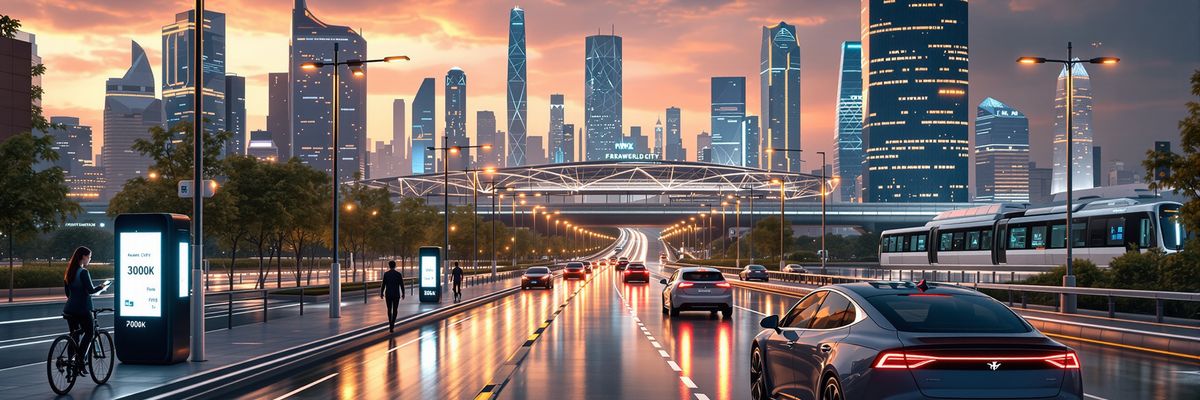
As cities grapple with increasing populations and the urgent need to reduce carbon emissions, sustainable urban mobility is no longer a futuristic concept but a present-day necessity.
From electric vehicles and bike-sharing programs to enhanced public transportation networks and smart traffic management systems, innovative solutions are reshaping how we move within urban environments. This article explores the transformative potential of sustainable transportation, highlighting successful initiatives and the challenges that lie ahead, paving the way for a cleaner, more efficient, and livable urban future.
Reimagining Cityscapes: The Rise of Eco-Friendly Transit
Sustainable urban mobility is revolutionizing city planning, addressing the pressing challenges of traditional transportation systems such as congestion and pollution. As urban populations grow, the need for innovative solutions becomes increasingly critical. Traditional transportation methods contribute significantly to air pollution and greenhouse gas emissions, necessitating a shift towards eco-friendly alternatives. Cities around the globe are recognizing the importance of sustainable transit in creating healthier, more livable environments.
Leading the charge in this transformation are cities like Amsterdam, Oslo, and Copenhagen, which have implemented comprehensive strategies to prioritize sustainable transportation. Amsterdam boasts an extensive cycling infrastructure, encouraging residents to choose bicycles over cars for daily commutes. Oslo has invested heavily in electric public transportation and car-free zones, significantly reducing its carbon footprint. Copenhagen is renowned for its integrated public transportation system and pedestrian-friendly urban design, promoting active and sustainable lifestyles.
The transportation sector is a major contributor to global carbon emissions, accounting for a significant percentage of the total. By adopting sustainable urban mobility solutions, cities can substantially reduce their environmental impact and improve air quality, creating healthier environments for their citizens. The transition to eco-friendly transit not only addresses environmental concerns but also enhances the overall quality of life in urban areas, making them more attractive and sustainable places to live.

Electric Avenue: Powering the Future with EVs
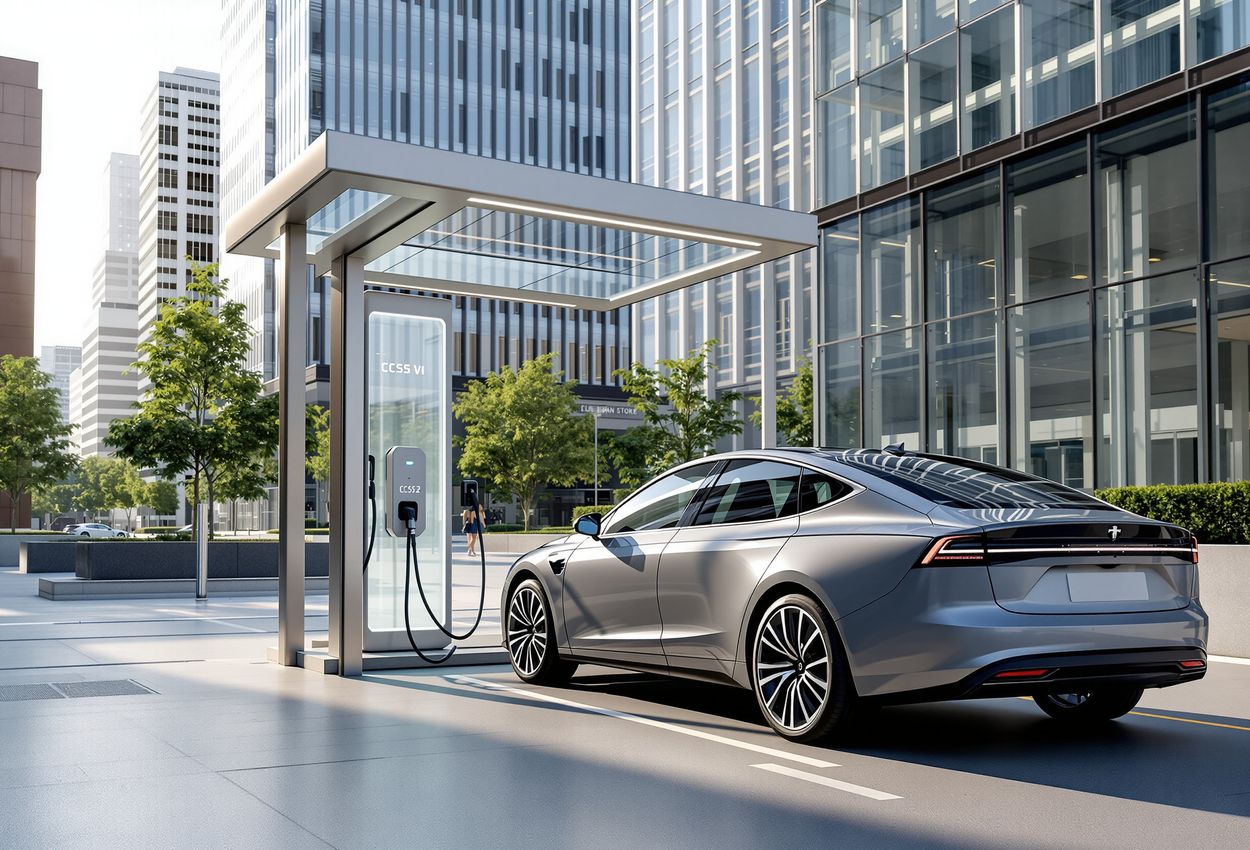
Electric vehicles (EVs) are playing a pivotal role in reshaping urban transportation by offering a cleaner alternative to traditional gasoline-powered cars. The benefits of EVs extend beyond reduced emissions, encompassing decreased noise pollution and enhanced energy efficiency. By transitioning to electric mobility, cities can mitigate the adverse effects of traffic congestion and air pollution, fostering healthier and more sustainable urban environments.
Despite the growing popularity of EVs, challenges such as limited charging infrastructure and higher upfront costs persist. However, numerous cities are successfully integrating EVs into their transportation systems, paving the way for widespread adoption. Shanghai has emerged as a leader in EV integration, boasting an extensive network of charging stations and supportive government policies. Los Angeles has set ambitious targets for EV adoption and is investing in charging infrastructure to support its growing EV fleet.
Government incentives and policies are instrumental in promoting EV adoption by making them more affordable and accessible to consumers. Tax credits, rebates, and subsidies can significantly reduce the initial cost of purchasing an EV, while investments in charging infrastructure alleviate range anxiety and encourage widespread use. Specific EV models designed for urban environments, such as compact electric cars and electric scooters, offer practical and efficient transportation solutions for city dwellers, further driving the transition to sustainable urban mobility.
Wheels in Motion: The Evolution of Bike-Sharing Programs
Bike-sharing programs have emerged as a transformative force in urban mobility, offering a sustainable and convenient alternative to traditional modes of transportation. These programs provide numerous benefits, including reduced traffic congestion, improved air quality, and enhanced public health. By encouraging cycling as a means of transportation, bike-sharing initiatives contribute to creating more livable and environmentally friendly cities.
Different types of bike-sharing systems, such as docked and dockless options, cater to diverse user needs and preferences. Docked systems offer designated stations for bike pick-up and drop-off, ensuring organized parking and easy accessibility. Dockless systems provide greater flexibility, allowing users to pick up and drop off bikes at any location within a designated service area. Successful bike-sharing initiatives in cities like New York City (Citi Bike) and Montreal have demonstrated the effectiveness of these programs in promoting sustainable urban mobility.
Technology plays a crucial role in enhancing the user experience and accessibility of bike-sharing programs. Mobile apps provide real-time information on bike availability, station locations, and route planning, while GPS tracking ensures security and efficient fleet management. The integration of bike-sharing with public transport networks further streamlines urban mobility, allowing commuters to seamlessly transition between different modes of transportation.

The People's Choice: Enhancing Public Transportation Networks
Efficient and accessible public transportation systems are the backbone of sustainable urban mobility, providing affordable and convenient transportation options for city residents. Different modes of public transport, including buses, trains, trams, and subways, cater to diverse commuting needs and contribute to reducing traffic congestion and air pollution. Cities with outstanding public transport networks, such as Tokyo, Singapore, Hong Kong, and Berlin, serve as models for effective urban transportation planning.
Tokyo's comprehensive rail network seamlessly connects various parts of the city, offering efficient and reliable transportation for millions of commuters. Singapore's integrated public transport system combines buses, trains, and light rail, providing seamless connectivity and accessibility for residents. Hong Kong's Mass Transit Railway (MTR) is renowned for its efficiency, affordability, and high ridership, serving as a vital transportation artery for the city. Berlin's extensive tram and bus system, along with its efficient metro (U-Bahn) and suburban rail (S-Bahn) network, makes it easy for residents and visitors to navigate the city without relying on private cars.
Integrated ticketing systems, real-time information, and accessibility features further enhance the user experience and promote public transport adoption. Contactless payment options streamline fare collection, while mobile apps provide up-to-date information on schedules, routes, and service disruptions. Accessibility features, such as ramps, elevators, and audio-visual aids, ensure that public transport is inclusive and accessible to all members of the community.

Smart Moves: Tech-Driven Transportation Solutions
Technology is revolutionizing urban mobility by optimizing traffic flow, enhancing transportation efficiency, and improving the overall commuting experience. Smart traffic management systems utilize real-time data analytics, AI-powered solutions, and connected sensors to monitor traffic conditions and optimize signal timing. By adapting to changing traffic patterns and prioritizing emergency vehicles, these systems reduce congestion and improve road safety.
Several cities are leveraging technology to improve transportation efficiency and enhance urban mobility. Prague is implementing smart traffic management systems to optimize traffic flow and reduce congestion. Singapore uses AI-based traffic control systems to manage vehicle flow, optimize public transport schedules, and reduce congestion hotspots. Los Angeles has implemented an Automated Traffic Surveillance and Control (ATSAC) system that synchronizes over 4,500 traffic signals, reducing travel times and improving congestion management.
Autonomous vehicles, ride-sharing services, and mobile apps are further transforming urban transportation by offering convenient, efficient, and personalized mobility options. Autonomous vehicles have the potential to reduce accidents, improve traffic flow, and enhance accessibility for individuals with mobility limitations. Ride-sharing services provide on-demand transportation, reducing the need for private car ownership and promoting efficient use of vehicles. Mobile apps offer a range of transportation services, from ride-hailing and bike-sharing to public transport navigation and parking assistance, streamlining the urban commuting experience.

Green Streets: Prioritizing Pedestrians and Cyclists
Creating pedestrian-friendly and bike-friendly urban environments is essential for promoting active transportation, improving public health, and reducing emissions. By prioritizing pedestrians and cyclists, cities can create more livable and sustainable communities, encouraging residents to choose active modes of transportation over private cars. Active transportation offers numerous benefits, including improved cardiovascular health, reduced obesity rates, and decreased air pollution.
Copenhagen and Amsterdam are prime examples of cities that have successfully created extensive pedestrian zones and bike lane networks, fostering a culture of active transportation. Copenhagen boasts an extensive network of bike lanes, making it easy and safe for cyclists to navigate the city. Amsterdam has implemented car-free zones and pedestrianized streets, creating vibrant public spaces for residents and visitors to enjoy.
“Slow streets” initiatives and car-free zones further enhance pedestrian and cyclist safety and comfort, creating more inviting and accessible urban spaces. By reducing vehicle traffic and prioritizing active modes of transportation, cities can transform their streets into vibrant public spaces that promote social interaction, economic activity, and environmental sustainability.

Vertical Ascent: Exploring Aerial Transportation Options
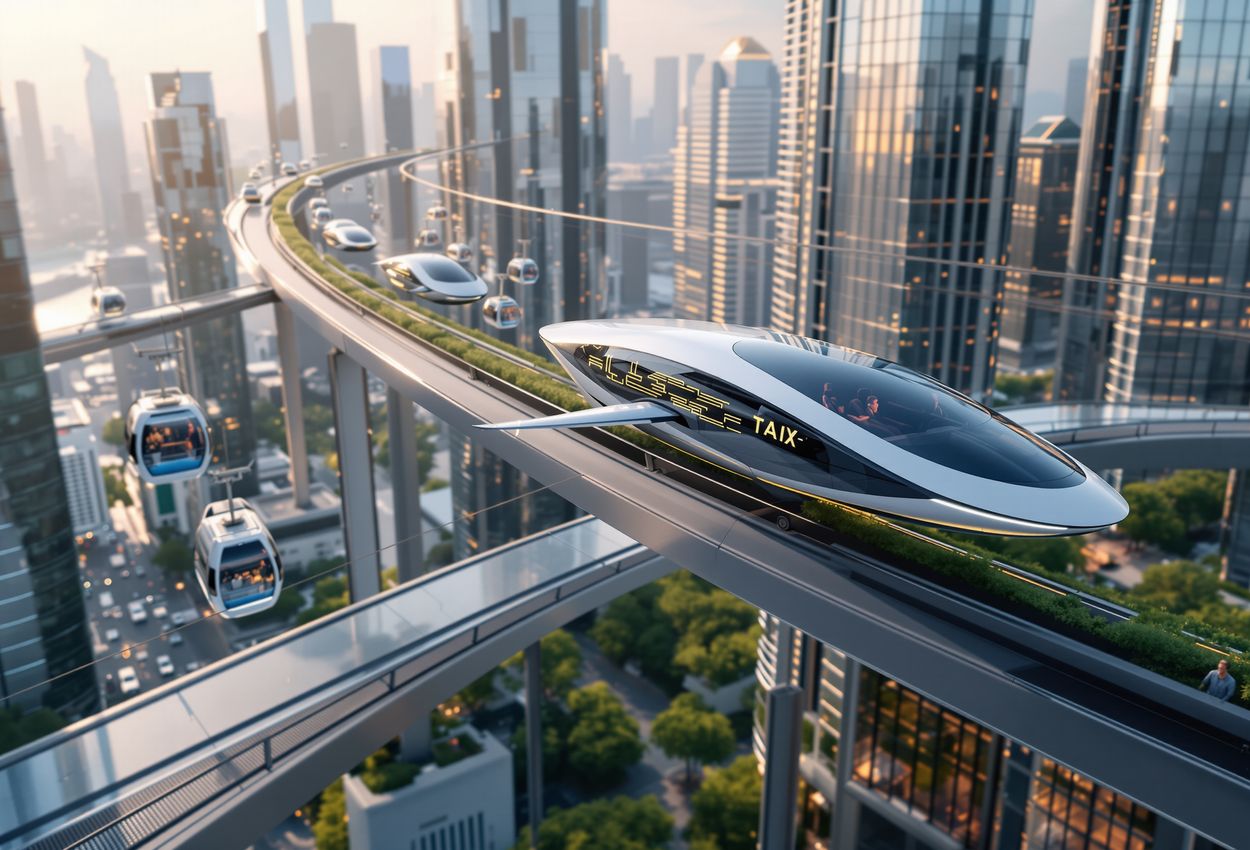
Innovative aerial transportation solutions are emerging as a promising option for urban areas, offering the potential to alleviate traffic congestion and improve connectivity. Drone taxis, elevated rails, and aerial cable cars are being considered and implemented in several cities around the world, providing a novel approach to urban mobility. Aerial transportation offers several advantages, including reduced surface-level disruptions and quick rollout, making it an attractive option for cities seeking to address transportation challenges.
Several cities are exploring or implementing aerial transport systems to enhance urban mobility. Toulouse, France opened Europe's first aerial cable car transit system in 2022, connecting three stations across the southern city. Medellín, Colombia has successfully integrated aerial cable cars into its public transportation network, providing efficient and affordable transportation for residents in hillside communities. La Paz, Bolivia boasts the world's most extensive cable car transit system, connecting more than two million people across the La Paz metro area.
Despite the potential benefits of aerial transport, challenges such as safety, regulations, and public acceptance must be addressed. Companies like Swyft Cities are pioneering vertical mobility, developing innovative aerial transportation systems that are safe, efficient, and environmentally friendly. By addressing these challenges and embracing technological advancements, aerial transportation can become a viable and sustainable solution for urban mobility.
The Last Mile: Solving Connectivity Challenges
The “last mile” problem, referring to the challenge of connecting commuters from transportation hubs to their final destinations, is a critical issue in urban transportation. Micro-mobility solutions, such as electric scooters and bike-sharing programs, offer a convenient and affordable way to bridge this gap, providing commuters with flexible and efficient transportation options. By integrating micro-mobility into their transport networks, cities can improve connectivity, reduce traffic congestion, and enhance the overall commuting experience.
Cities that have successfully integrated micro-mobility into their transport networks are reaping the benefits of improved connectivity and reduced congestion. By providing designated parking zones, implementing safety regulations, and promoting responsible usage, cities can ensure that micro-mobility solutions are a valuable asset to their transportation ecosystem. The convenience, affordability, and environmental benefits of micro-mobility make it an attractive option for commuters seeking to overcome the last mile challenge, further driving the transition to sustainable urban mobility.

Planning Ahead: The Role of Urban Planners and Government
Urban planners and government officials play a crucial role in shaping sustainable transportation policies and creating livable, environmentally friendly cities. Long-range transportation planning, multi-modal planning, and community engagement are essential components of effective urban transportation strategies. By considering the needs of all transportation users, promoting sustainable modes of transport, and fostering community involvement, urban planners and government officials can create transportation systems that are equitable, efficient, and environmentally sound.
Successful government initiatives promoting sustainable mobility include investments in public transport infrastructure, the creation of pedestrian and bicycle-friendly zones, and the implementation of congestion pricing schemes. By prioritizing sustainable transportation in their policies and investments, governments can create cities that are more livable, accessible, and resilient.
Interviews with transportation experts and urban planners provide valuable insights into the challenges and opportunities of implementing sustainable transportation solutions. By collaborating with experts and engaging with the community, urban planners and government officials can develop innovative and effective strategies to create sustainable transportation systems that meet the needs of their citizens and protect the environment.

Funding the Future: Investing in Sustainable Infrastructure
The financial aspects of implementing sustainable transportation solutions are critical to ensuring their long-term success. Different funding models and investment strategies can be employed to secure the necessary resources for sustainable infrastructure projects. Public-private partnerships, government grants, and innovative financing mechanisms offer viable options for funding sustainable transportation initiatives.
Cities that have successfully secured funding for sustainable infrastructure projects serve as examples for others seeking to invest in their transportation systems. By demonstrating the economic, social, and environmental benefits of sustainable transportation, cities can attract funding from a variety of sources, including government agencies, private investors, and philanthropic organizations.

The 15-Minute City: Redefining Urban Living
The “15-Minute City” concept is revolutionizing urban planning by promoting local living and reducing the need for long commutes. This approach aims to create neighborhoods where residents can access essential services, amenities, and employment opportunities within a 15-minute walk or bike ride from their homes. By promoting mixed-use development, walkable neighborhoods, and access to essential services, the 15-Minute City concept enhances quality of life, reduces traffic congestion, and promotes environmental sustainability.
Paris is at the forefront of implementing 15-minute city principles, transforming its neighborhoods into vibrant, self-sufficient communities. By prioritizing pedestrian and cyclist-friendly infrastructure, promoting local businesses, and creating green spaces, Paris is enhancing the livability and sustainability of its urban environment. Other cities, such as Melbourne, Shanghai, and Portland, are also adopting elements of the 15-minute city model into their urban development plans.

Beyond the Horizon: Emerging Trends and Future Innovations
Emerging trends and future innovations are poised to further transform urban transportation, offering the potential for even more sustainable, efficient, and convenient mobility options. Hyperloop technology, advanced battery technology, and AI-driven traffic management are among the innovations that could revolutionize urban transportation in the years to come. By embracing these emerging trends and investing in research and development, cities can position themselves at the forefront of sustainable urban mobility.
Hyperloop technology, a high-speed transportation system that uses pods traveling through low-pressure tubes, could drastically reduce travel times between cities. Advanced battery technology is improving the range and charging times of electric vehicles, making them a more practical option for urban commuters. AI-driven traffic management systems are optimizing traffic flow, reducing congestion, and improving road safety. While challenges and opportunities lie ahead, the future of urban mobility is bright, with the potential for innovative solutions to create more sustainable, efficient, and livable cities.

As we look to the future, the integration of these sustainable transportation solutions promises to reshape our cities into more livable, efficient, and environmentally responsible spaces. By embracing innovation, prioritizing community needs, and investing in sustainable infrastructure, we can pave the way for a brighter, greener urban future.