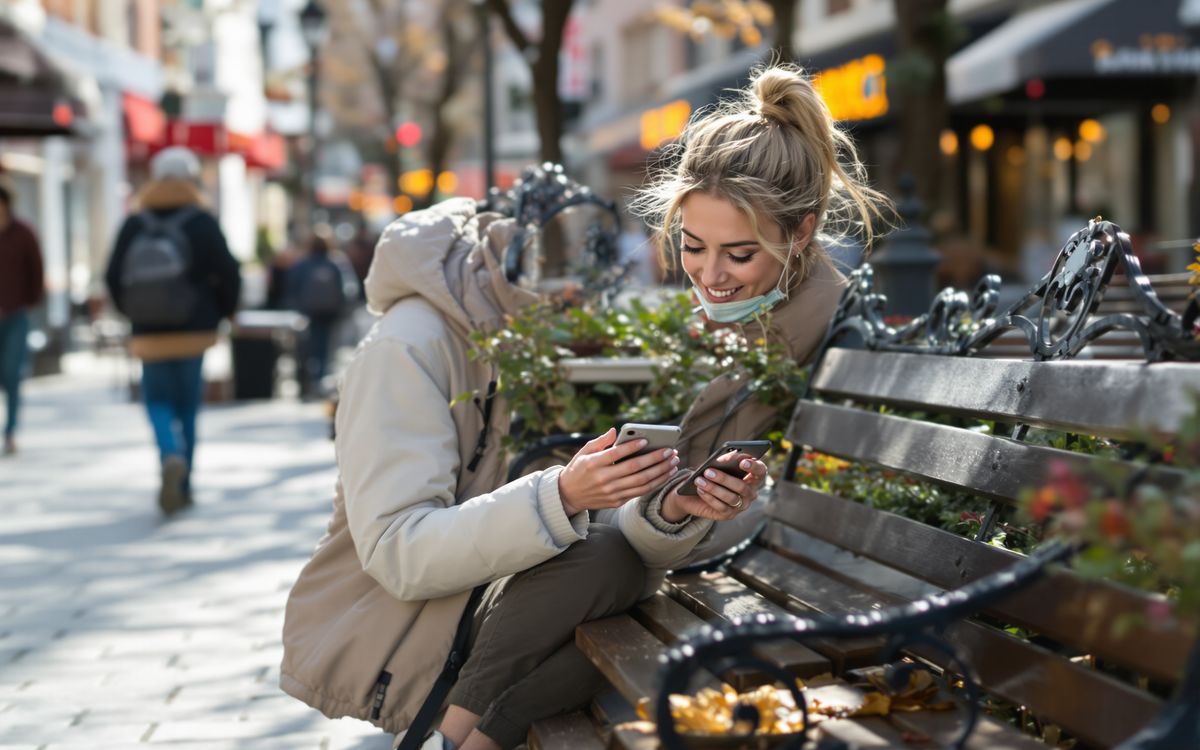
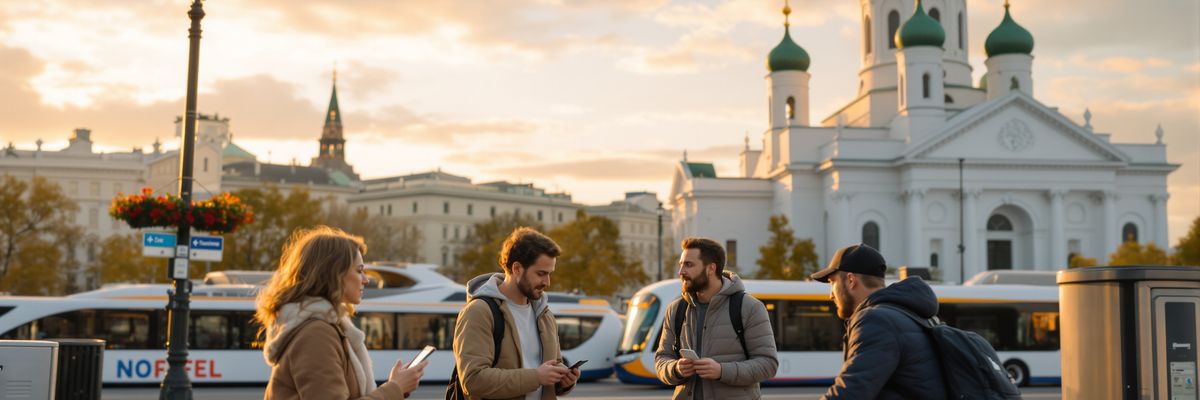
Embark on an exhilarating urban adventure where technology meets treasure hunting: geocaching! Discover the thrill of exploring cities in a unique and engaging way, using GPS coordinates to find hidden containers and unlock the secrets of your surroundings.
Geocaching, a real-world treasure hunt, transforms urban landscapes into interactive playgrounds. Using GPS technology, geocachers seek out hidden containers, known as 'geocaches' or 'caches', blending outdoor adventure with urban exploration. This activity appeals to travelers and locals alike, offering a fresh perspective on familiar environments.
At its core, geocaching involves hiding and seeking containers at specific GPS coordinates. Participants use a GPS-enabled device or smartphone with a geocaching app to navigate to these locations. The caches range in size and complexity, from small magnetic containers to larger boxes filled with tradeable items. Urban environments present a unique challenge, with caches often hidden in plain sight, requiring a keen eye and a sense of adventure.
Urban geocaching offers an accessible way to discover hidden gems and appreciate the details of city life. It encourages exploration, problem-solving, and a sense of community among geocachers. Whether you're a seasoned traveler or a local resident, geocaching provides a novel lens through which to experience the urban world.
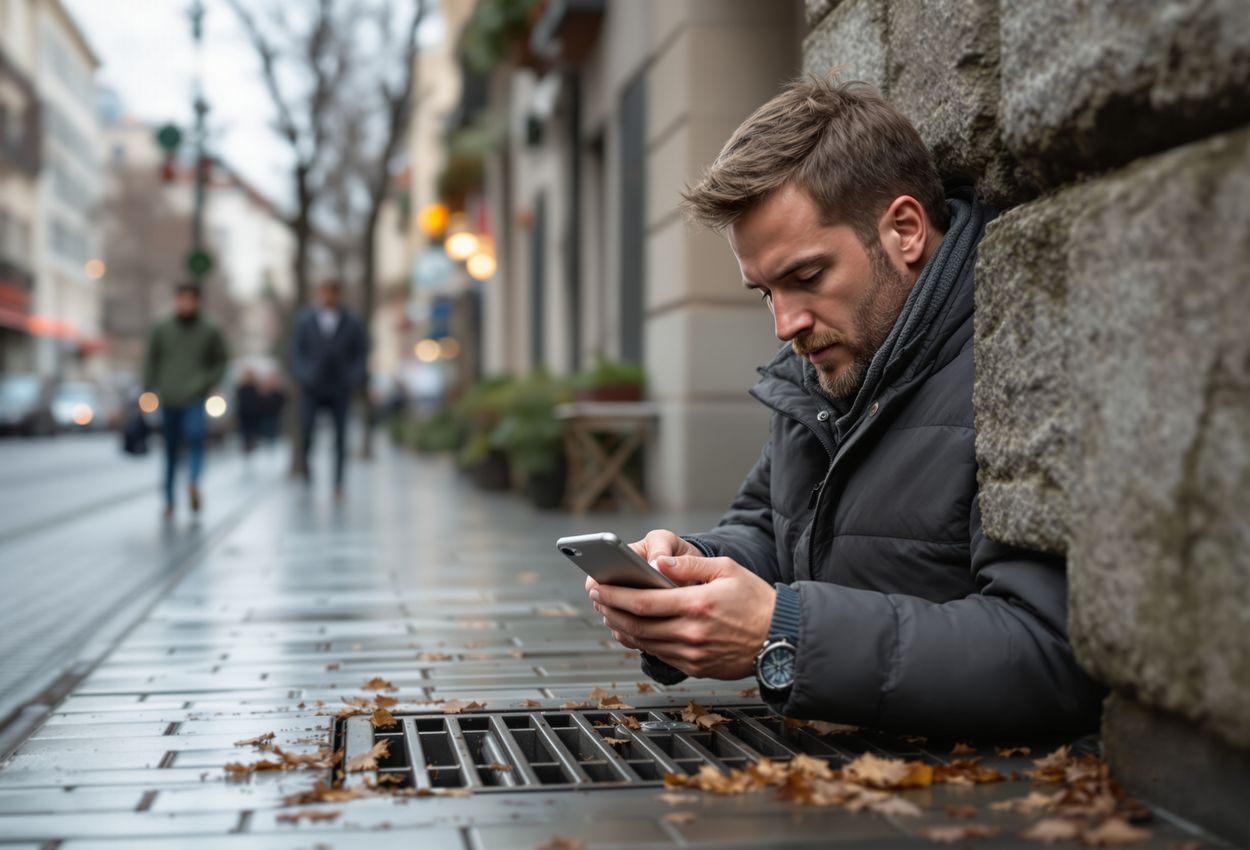
Ideal image: A geocacher using a smartphone to search for a hidden cache in a vibrant urban setting. The focus is on the geocacher's engaged expression as they examine a potential hiding spot, with blurred city life in the background. The scene captures the excitement and discovery inherent in urban geocaching.
Style instructions: Candid style, taken during the day with natural light. Use a shallow depth of field to keep the focus on the geocacher and their device. The date the photo is taken is November 1, 2025.
Navigating the Concrete Jungle Essential Geocaching Gear
To conquer the urban geocaching landscape, you'll need the right gear. Arm yourself with technology and tools to navigate the city's secrets and unearth hidden treasures.
A GPS-enabled device or smartphone is the cornerstone of any geocaching expedition. A dedicated GPS device offers accuracy and durability, while a smartphone with a geocaching app provides convenience and additional features. Apps like the official Geocaching app or c:geo offer access to cache listings, maps, and logging tools.
A pen is essential for signing logbooks found inside geocaches. These logbooks serve as a record of visitors and a testament to your successful find. A small flashlight can be invaluable for searching in dark or concealed places. Urban caches are often hidden in shadowy corners or under objects, requiring a bit of extra illumination.
A basic toolkit can enhance your geocaching experience. Small tools like tweezers or a multi-tool can help retrieve logbooks or access tricky caches. A notepad is useful for jotting down clues or solving puzzles encountered along the way. A camera allows you to document your finds and share your adventures with the geocaching community.
Comfortable clothing and footwear are crucial for navigating urban terrain. Be prepared for walking, climbing stairs, and exploring various environments. Dress in layers to adapt to changing weather conditions, and choose sturdy shoes that can handle concrete, cobblestones, and uneven surfaces.
Decoding the City's Secrets Types of Urban Geocaches
Urban geocaching offers a diverse range of cache types, each presenting unique challenges and rewards. From traditional containers to intricate puzzles, discover the variety hidden within the city's landscape.
Traditional caches are the most common type, consisting of a container at the listed coordinates. These caches are straightforward to find, making them ideal for beginners. In an urban setting, a traditional cache might be hidden under a bench in a park or behind a sign on a building.
Multi-caches involve multiple locations, with clues at each stage leading to the final cache. These caches require more time and planning, as you must visit several waypoints to gather the necessary information. An urban multi-cache might start at a historical marker, with the clue leading to a nearby statue, and ultimately to the final cache hidden in a local shop.
Mystery or puzzle caches require solving a puzzle to determine the final coordinates. These caches test your problem-solving skills and can be quite challenging. Urban puzzle caches might involve deciphering codes, solving riddles, or using local knowledge to unlock the location of the cache.
Virtual caches are locations with no physical container. Instead, you must complete a task or answer a question about the location to log your find. These caches highlight interesting or historical spots and encourage exploration. An urban virtual cache might require you to take a photo of a specific building or answer a question about a local landmark.
Stealth Mode Activated Tips for Successful Urban Geocaching
Urban geocaching demands a different approach than its wilderness counterpart. Master the art of stealth, observation, and respect to navigate the city's challenges and uncover its hidden treasures.
Research cache descriptions and recent logs before heading out. This provides valuable information about the cache's difficulty, hiding spot, and any potential challenges. Recent logs can also alert you to any maintenance issues or changes in the cache's location.
Use stealth to avoid attracting attention from non-geocachers, often referred to as 'muggles'. Act casual and blend in with your surroundings to avoid suspicion. Be discreet when searching for and retrieving caches, and avoid lingering in one spot for too long.
Be respectful of your surroundings and the local environment. Avoid disturbing plants, moving objects, or trespassing on private property. Leave the cache and its hiding spot exactly as you found them, ensuring the next geocacher has a similar experience.
Practice 'Cache In Trash Out' (CITO) by picking up any litter you find along the way. This helps maintain the cleanliness of urban spaces and promotes responsible geocaching. If you can't find a cache, log a 'Did Not Find' (DNF) to alert the cache owner and other geocachers.
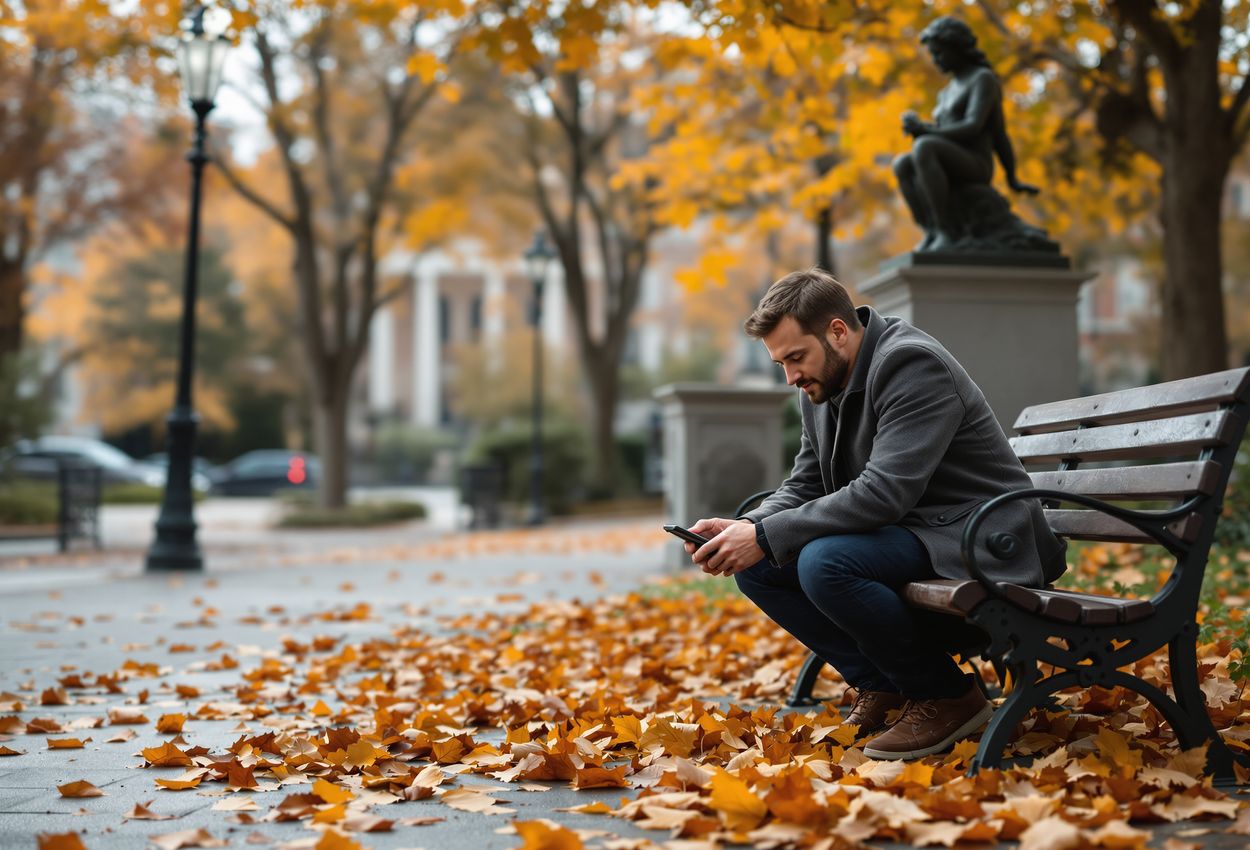
Ideal image: A geocacher discreetly searching for a cache hidden in a public place, such as near a statue or a park bench. The geocacher is dressed casually and blends in with the environment, avoiding drawing attention to their activity. The scene emphasizes the stealth and observation skills required for urban geocaching.
Style instructions: Candid style, taken during the day with natural light. Use a telephoto lens to capture the geocacher from a distance, emphasizing the surrounding environment. The date the photo is taken is November 1, 2025.
Hidden Havens Geocaching in Plain Sight
Discover the art of camouflage and concealment as you explore the ingenious hiding spots for urban geocaches. From public art to historical landmarks, the city is full of unexpected treasures waiting to be found.
Public art installations offer creative hiding spots for geocaches. Sculptures, murals, and other artistic displays can cleverly conceal caches within their structures or surroundings. Geocachers must pay close attention to details and think outside the box to uncover these artistic hides.
Historical landmarks provide a sense of history and adventure to geocaching. Caches at historical sites might be hidden within architectural elements or in the vicinity, requiring geocachers to be observant and mindful of preservation rules.
Rooftop gardens and terraces offer unique and challenging geocaching experiences. These elevated spots provide great views and require geocachers to be resourceful in accessing them. Caches on rooftops are generally small and well-camouflaged.
Urban parks and green spaces provide a refreshing escape from the urban hustle and bustle. These nature nooks offer diverse hiding spots among trees, benches, or water features. Geocachers can enjoy leisurely walks through these serene environments as they search for cleverly concealed treasures.
From Times Square to Tranquil Parks Geocaching Hotspots
Certain cities stand out for their vibrant urban geocaching scenes, offering a wealth of hidden treasures and unique exploration opportunities. Explore the geocaching hotspots that blend urban adventure with cultural discovery.
New York City, with its iconic landmarks and diverse neighborhoods, offers a rich geocaching experience. Central Park provides a natural oasis amidst the urban landscape, with caches hidden among its trees, rocks, and waterways. Times Square, with its bright lights and bustling crowds, presents a challenging but rewarding geocaching environment.
Seattle, known for its tech-savvy culture and outdoor enthusiasm, is a geocaching paradise. The city's numerous parks, waterfront areas, and public art installations provide ample hiding spots for caches. Seattle's vibrant neighborhoods, each with its own unique character, offer a diverse range of geocaching experiences.
Amsterdam, with its canals, bridges, and historic buildings, is a charming city for geocaching. Caches can be found along the canals, in hidden courtyards, and near famous landmarks. The city's bike-friendly infrastructure makes it easy to explore multiple geocaching locations in a single day.
These cities and others offer unique urban exploration opportunities. Geocaching trails, or a series of caches in a specific area, provide a structured way to discover the city's hidden gems. Whether you're a seasoned geocacher or a first-time explorer, these urban hotspots offer an unforgettable adventure.

Ideal image: A wide shot of Times Square in New York City, with a geocacher subtly interacting with a seemingly ordinary object (like a signpost or a bench) where a cache might be hidden. The image captures the energy of Times Square while highlighting the element of stealth in urban geocaching. The date the photo is taken is November 1, 2025.
Style instructions: Street style, taken during the day with a wide-angle lens to capture the scale of Times Square. The focus is sharp, and the colors are vibrant to reflect the energy of the location.
Cracking the Code Puzzle Caches in the City
For geocachers who enjoy a mental challenge, puzzle caches offer an engaging way to test your problem-solving skills. Decipher codes, solve riddles, and unravel mysteries to unlock the hidden treasures of the city.
Puzzle caches, also known as mystery caches, require geocachers to solve a puzzle to determine the final coordinates. These puzzles can range from simple riddles to complex ciphers, testing a variety of skills and knowledge. The appeal of puzzle caches lies in the satisfaction of cracking the code and discovering the hidden location.
Cipher-based challenges involve deciphering encrypted messages to reveal the coordinates. These ciphers can include Caesar ciphers, Vigenere ciphers, or more complex encryption methods. Online resources and cipher tools can be helpful in solving these types of puzzles.
Multi-stage riddles involve solving a series of riddles or clues, with each answer leading to the next location. These riddles often incorporate local knowledge or historical facts, encouraging geocachers to learn more about their surroundings. Location-based puzzles require geocachers to visit specific locations and gather information to solve the puzzle.
Solving urban puzzle caches often requires a combination of online resources, cipher tools, and local knowledge. Online forums and geocaching communities can provide hints and tips for solving particularly difficult puzzles. Some puzzle caches are known for their intricate designs and rewarding solutions.
Geocaching Etiquette Leave No Trace
Respect for the environment and fellow geocachers is paramount in urban geocaching. Adhering to geocaching etiquette ensures the sustainability of the activity and a positive experience for everyone.
Replace caches exactly as found, ensuring they are hidden in the same location and with the same level of concealment. This preserves the challenge and experience for future geocachers. Sign logbooks with your geocaching name and the date of your find. This provides a record of your visit and allows the cache owner to track activity.
Trade items of equal or greater value if you take something from the cache. This ensures the cache remains stocked with interesting items for others to enjoy. Avoid leaving food or scented items in the cache, as these can attract animals or damage the contents.
Respect the environment by avoiding damage to plants, disturbing wildlife, or littering. Practice 'Cache In Trash Out' (CITO) by picking up any trash you find near the cache. Be mindful of urban surroundings by avoiding noise, respecting private property, and being aware of non-geocachers.
Safety First Navigating Urban Obstacles
Urban environments present unique safety considerations for geocachers. Awareness of surroundings, caution in suspicious locations, and responsible planning are essential for a safe and enjoyable experience.
Be aware of your surroundings and pay attention to potential hazards. Watch out for traffic, uneven surfaces, construction sites, and other obstacles. Avoid searching in dangerous areas, such as abandoned buildings, dark alleys, or areas with high crime rates.
Inform someone of your plans, including your intended route and estimated return time. Carry a charged phone and a portable charger in case of emergencies. Be aware of potential hazards, such as wildlife, weather changes, and getting lost.
Label geocaches clearly to avoid confusion or alarm. Use a waterproof label with the words 'Geocache' and 'Not Harmful' to identify the container. This helps prevent accidental discovery by non-geocachers and reduces the risk of the cache being mistaken for something suspicious.
By following these safety tips, urban geocachers can minimize risks and enjoy the adventure with peace of mind. Responsible geocaching ensures the safety of participants and the preservation of the activity for future generations.
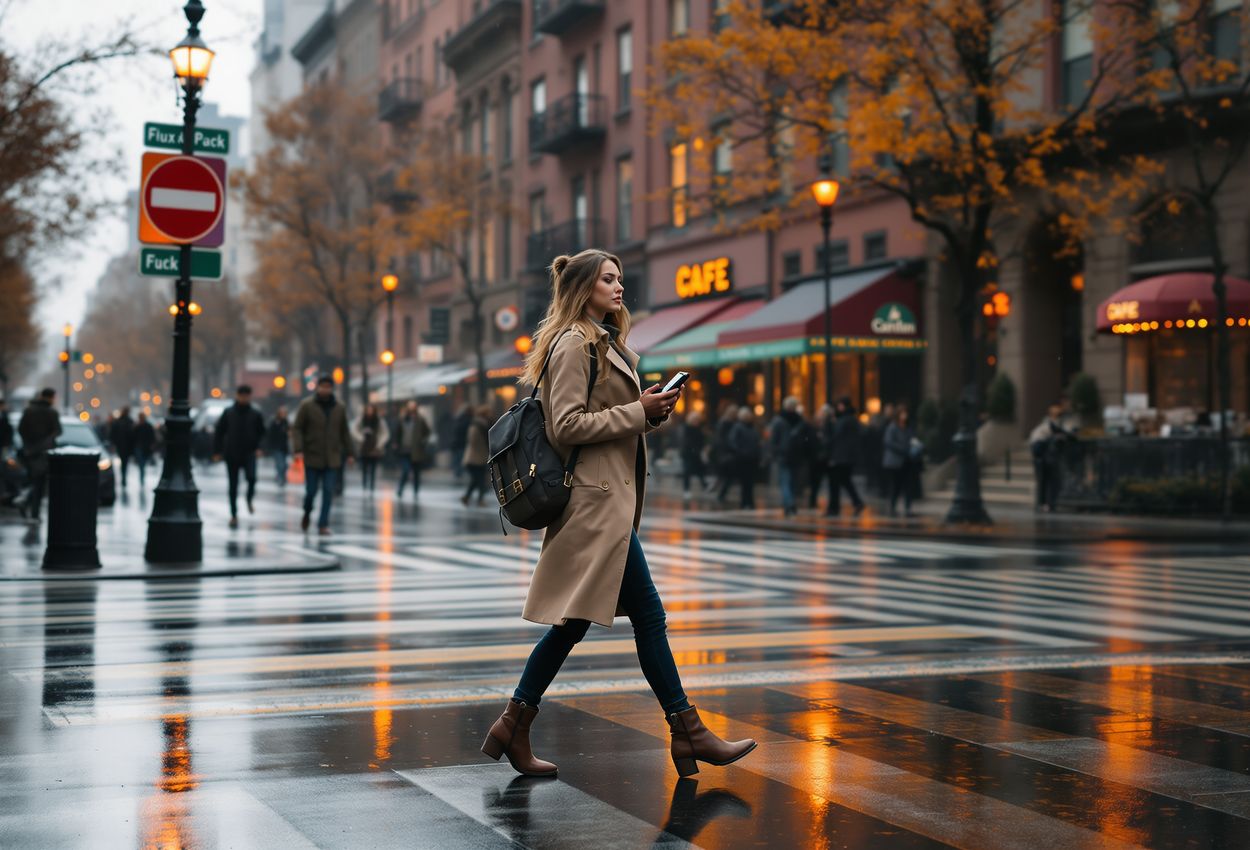
Ideal image: A geocacher carefully navigating an urban environment, such as crossing a street or walking on a sidewalk, while being aware of their surroundings. The image emphasizes the importance of safety and awareness in urban geocaching. The date the photo is taken is November 1, 2025.
Style instructions: Street style, taken during the day with a medium-angle lens to capture the geocacher and their surroundings. The focus is sharp, and the colors are natural to reflect the real-world environment.
Resources for Urban Explorers Level Up Your Geocaching Game
Enhance your urban geocaching adventures with a variety of resources, from websites and apps to online tools and local communities. These resources provide valuable information, support, and opportunities to connect with fellow geocachers.
Geocaching websites, such as Geocaching.com, provide access to cache listings, maps, and logging tools. These websites also offer forums, articles, and other resources for geocachers of all levels. Geocaching apps, such as the Geocaching App and c:geo, allow you to search for caches, navigate to their locations, and log your finds on your smartphone.
Online tools, such as Project-GC and Geocaching Toolbox, offer a variety of functions, including coordinate conversion, cipher tools, and puzzle solvers. These tools can be invaluable for solving puzzle caches and planning your geocaching routes. Local geocaching communities provide opportunities to connect with other geocachers, share tips and experiences, and participate in events.
Resources for solving puzzle caches include cipher tools, online forums, and local experts. Cipher tools can help you decipher encrypted messages, while online forums can provide hints and solutions to difficult puzzles. Local experts, often found within geocaching communities, can offer valuable insights and guidance.
By utilizing these resources, urban geocachers can enhance their skills, expand their knowledge, and connect with a vibrant community of fellow explorers. Whether you're a beginner or an experienced geocacher, these resources can help you level up your game and discover the hidden treasures of the city.