Urban renewal: it's more than just construction; it's a chance to witness the rebirth of a city.
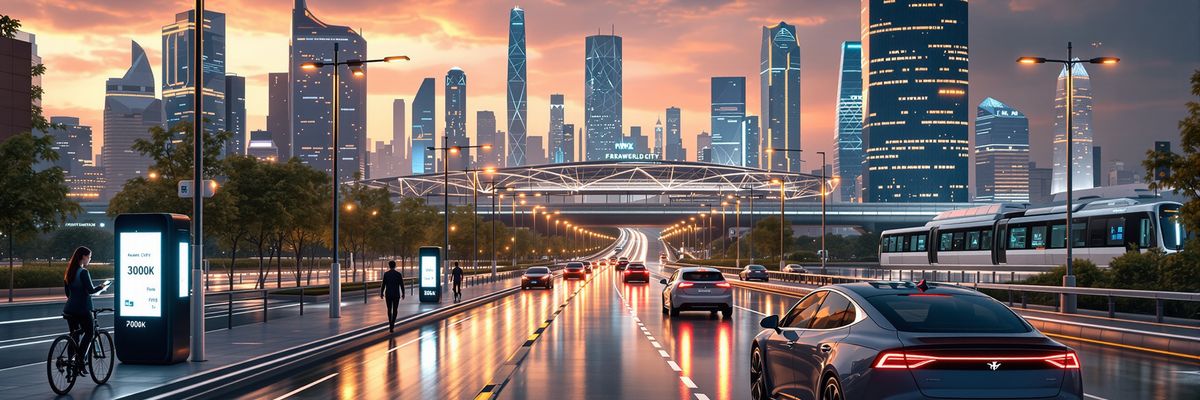
For the intrepid traveler, the world is a constantly evolving tapestry of experiences. While well-trodden paths offer familiar comforts, the truly adventurous seek out the undiscovered, the in-between spaces where change is palpable. Today, that spirit of exploration leads us to cities undergoing urban renewal—dynamic environments where the past and future collide, offering a unique and rewarding travel experience.
This guide is your key to unlocking the hidden potential of these transformed urban landscapes. We'll equip you with the knowledge and insights to navigate construction zones, uncover hidden gems, support local businesses, and engage with communities in a meaningful way. Embrace the unexpected, and discover the unique character of cities on the rise.
Decoding the Blueprint: Understanding Urban Renewal
Urban renewal, also known as urban regeneration or redevelopment, is a comprehensive process of revitalizing urban areas that have fallen into decline. It's a deliberate effort to address urban decay and improve the economic, social, and physical fabric of a city. The goals are multifaceted, often including economic revitalization, improved housing, infrastructure upgrades, and enhanced quality of life for residents.
Successful urban renewal projects can be found across the globe. Seoul's Cheonggyecheon River restoration transformed a once-overlooked waterway into a vibrant public space, boosting tourism and providing a green oasis in the heart of the city. In Buenos Aires, the revitalization of the Puerto Madero waterfront converted abandoned docks into a thriving commercial and residential district, attracting investment and creating a new destination for locals and tourists alike. New York City's High Line, an elevated park built on a former railway line, is another prime example of urban renewal breathing new life into neglected spaces.
However, urban renewal isn't without its challenges. One of the most significant is the potential for displacement and gentrification, where rising property values and rents can force long-time residents and businesses out of their neighborhoods. Mexico City's Roma and Condesa districts, while now popular tourist destinations, have experienced these downsides, with some long-term residents struggling to afford the increased cost of living.
Understanding the complexities of urban renewal—its potential benefits and drawbacks—is crucial for travelers seeking an authentic and responsible experience. By being aware of the issues, visitors can make informed choices that support positive change and minimize negative impacts on local communities.
Mapping the Changes: Finding Information on Construction Projects
Navigating a city undergoing urban renewal often means encountering construction zones and temporary closures. But with a little planning and the right resources, you can stay informed and avoid unnecessary delays.
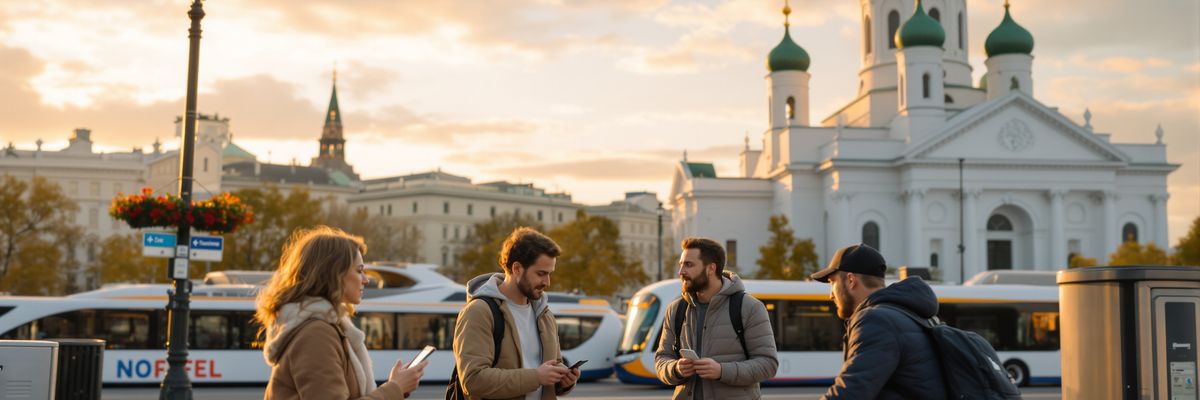
Your first stop should be the local Department of Transportation website. Most cities provide up-to-date information on major construction projects, road closures, and detours. Travel apps like Waze and Google Maps can also be invaluable, offering real-time traffic updates and alternative route suggestions. Social media channels, especially those run by local transportation authorities or news outlets, can provide timely alerts about unexpected delays or disruptions.
Planning your routes in advance is essential. Take a few minutes each morning to check for potential delays and adjust your itinerary accordingly. Be prepared for the unexpected, and factor in extra travel time to avoid rushing. A local tip: consider purchasing a local SIM card for your phone. This will give you access to real-time information and navigation services without incurring hefty roaming charges.
Remember, a little preparation can go a long way in ensuring a smooth and stress-free travel experience in a city on the move.
Hidden Gems Amidst the Grit: Discovering Unique Spots
Don't let construction zones deter you from exploring. Often, the most rewarding experiences are found just beyond the scaffolding and temporary barriers. Urban renewal projects frequently lead to the creation of unique attractions and local experiences that offer a glimpse into the city's evolving character.
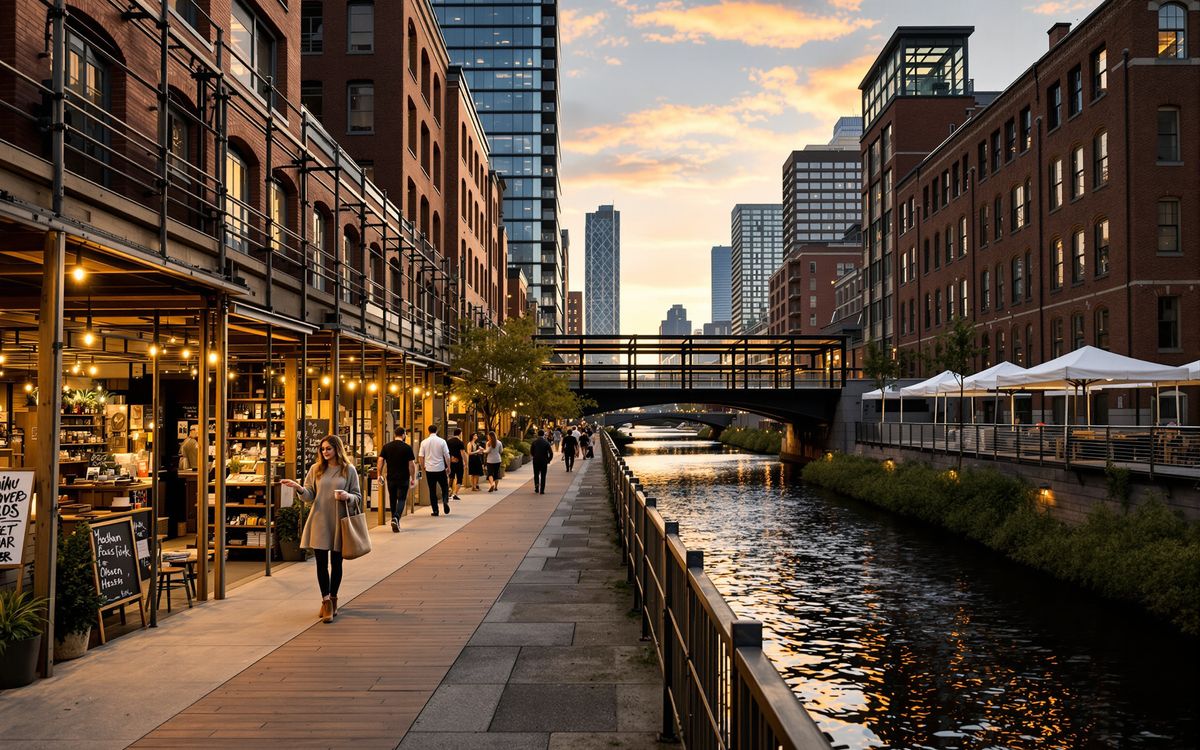
Repurposed spaces are a hallmark of urban renewal. Look for art galleries housed in former factories, boutique hotels in historical buildings, or community centers in revitalized warehouses. These spaces often blend the old and new, creating a distinctive atmosphere that reflects the city's history and its aspirations for the future.
Wandering off the beaten path is key to uncovering hidden gems. Explore side streets, alleyways, and lesser-known neighborhoods. Interact with locals—they are often the best source of information about unique spots and authentic experiences. Ask for recommendations, strike up conversations, and be open to discovering the unexpected.
For example, in many cities, community gardens have sprung up in vacant lots, offering a tranquil escape from the urban bustle and a chance to connect with local residents. These gardens often host events, workshops, and volunteer opportunities, providing a unique way to experience the city's community spirit.
Remember, the most memorable travel experiences often come from embracing the unexpected and venturing beyond the typical tourist attractions.
Supporting the Heartbeat: How to Find and Patronize Local Businesses
During urban renewal, local businesses are the heart and soul of a community. They provide essential services, preserve local culture, and contribute to the unique character of a neighborhood. Supporting these businesses is crucial for ensuring that the benefits of urban renewal are shared by all.
Identifying local businesses is often as simple as looking for independent storefronts rather than chain stores. Ask residents for recommendations—they can point you to hidden gems and authentic experiences that you won't find in guidebooks. Visiting farmers' markets and craft fairs is another great way to support local artisans and sample regional specialties.
These businesses play a vital social and cultural role in revitalizing communities. They provide gathering places for residents, showcase local talent, and contribute to the unique identity of a neighborhood. By patronizing these businesses, you're not just buying a product or service; you're investing in the community's future.
Consider a local bookstore, a family-owned restaurant, or an independent coffee shop. Your support can make a real difference in helping these businesses thrive during times of change.
Sustainable Steps: Embracing Eco-Friendly Tourism
As you explore cities undergoing renewal, consider the environmental impact of your travels. Embracing eco-friendly tourism practices can help minimize your footprint and contribute to a more sustainable future for these urban centers.
Opt for public transportation whenever possible. Many cities have invested in efficient and affordable public transit systems, making it easy to get around without a car. Cycling and walking are also great ways to explore the city while reducing your environmental impact.
Bring a reusable water bottle and shopping bag to minimize waste. Look for businesses committed to sustainability, such as restaurants that source local ingredients or hotels that have implemented energy-saving measures.
Copenhagen, for example, has made a concerted effort to prioritize pedestrianization and bicycling, creating a more livable and sustainable urban environment. By supporting these initiatives, you can help promote eco-friendly practices and encourage other cities to follow suit.
Remember, every small step towards sustainability can make a big difference in preserving the environment for future generations.
Safety First: Navigating Construction Zones with Confidence
Construction zones are an inevitable part of urban renewal, but they don't have to be a source of stress. By following a few simple guidelines, you can navigate these areas safely and confidently.
Always obey speed limits and pay attention to signs and flaggers. Maintain a safe following distance from other vehicles, and be prepared to stop suddenly. For pedestrians, use designated crosswalks and be aware of your surroundings. Avoid distractions like texting or talking on the phone while walking near construction sites.
Whether you're driving or walking, stay alert and be prepared for unexpected changes in traffic patterns or pedestrian routes. Construction zones can be dynamic environments, so it's essential to be vigilant and aware of potential hazards.
By following these safety tips, you can minimize your risk of accidents and ensure a safe and enjoyable experience while exploring cities undergoing renewal.
Bridging the Gap: Connecting with the Local Community
One of the most rewarding aspects of travel is the opportunity to connect with local communities. During urban renewal, it's especially important to engage respectfully and mindfully with residents.
Consider attending local events, taking guided tours led by residents, or volunteering for community projects. These experiences offer a unique glimpse into local culture and provide a chance to support community initiatives.
Learning about local customs and traditions is essential for respectful engagement. Be mindful of the impact of tourism on residents, and avoid behaviors that could be disruptive or insensitive.
By engaging with local communities in a meaningful way, you can foster cross-cultural understanding and contribute to the positive development of cities undergoing renewal.
Beyond the Guidebook: Resources for Further Exploration
Want to delve deeper into the world of urban renewal? Here are some resources to help you learn more:
Organizations involved in urban planning, such as the American Planning Association and the Urban Land Institute, offer valuable insights into the principles and practices of urban renewal. Sustainable tourism initiatives, like the Global Sustainable Tourism Council, provide guidance on responsible travel practices. Community development projects, such as Habitat for Humanity, offer opportunities to support local communities.
Books, documentaries, and websites can also offer deeper insights into the topic. Look for resources that explore the history, challenges, and successes of urban renewal projects around the world.
By expanding your knowledge, you can become a more informed and engaged traveler, contributing to the positive transformation of cities undergoing renewal.
Adaptive Adventures: Finding New Uses in Old Spaces
Adaptive reuse is a cornerstone of successful urban renewal, breathing new life into old buildings and creating unique spaces for communities to enjoy. Former factories, warehouses, and historical buildings are often transformed into cultural centers, housing, or unique businesses, blending the old and new in creative ways.
Consider a repurposed train station, now a bustling marketplace filled with local vendors and artisans. Or a revitalized market, once a neglected space, now a vibrant hub for community gatherings and cultural events.
These adaptive reuse projects not only preserve historical landmarks but also create new economic opportunities and enhance the quality of life for residents. They offer a tangible reminder of the city's past while showcasing its commitment to innovation and sustainability.
As you explore cities undergoing renewal, keep an eye out for these adaptive adventures—they offer a unique glimpse into the city's evolving identity.
Renewal's Ripple Effect: Contributing to Long-Term Positive Change
As a traveler, you have the power to contribute to the positive long-term effects of urban renewal. By supporting local economies, respecting communities, and adopting sustainable practices, you can leave a lasting impact on the cities you visit.
Choose local businesses over chain stores, engage respectfully with residents, and minimize your environmental footprint. View yourself as an active participant in the renewal process, contributing to the creation of vibrant, sustainable, and equitable urban environments.
Your choices as a traveler can have a ripple effect, encouraging positive change and helping to ensure that the benefits of urban renewal are shared by all. Embrace the opportunity to be a responsible and engaged visitor, leaving a positive mark on the cities you explore.

Local Tip: Seek out community-led initiatives and tours. These offer authentic insights and directly support local residents, fostering a more equitable and sustainable form of tourism.
Hidden Gem: Explore public art installations in revitalized areas. These often reflect the community's history and aspirations, providing a unique cultural experience beyond typical tourist attractions.