In an era defined by urban sprawl and its associated challenges, a transformative movement known as New Urbanism is reshaping the way we design and build our cities.
New Urbanism is an urban design movement that arose in the early 1980s in the United States, aiming to counter the ills associated with urban sprawl and post-World War II suburban development. It promotes environmentally friendly habits by creating walkable neighborhoods containing a wide range of housing and job types. This innovative approach focuses on creating sustainable, community-oriented environments that prioritize walkability, mixed-use development, and community engagement. The movement is guided by the Charter of the New Urbanism, a set of principles that promote compact, walkable blocks; a range of housing options; and easy access to schools, stores, and other amenities. New Urbanism seeks to build a sense of community and develop ecological practices. By revitalizing urban areas and encouraging mixed-income neighborhoods, it respects local culture and history in design while balancing tradition with modern sustainability and economic viability.
New Urbanism addresses critical issues such as disinvestment in central cities, the spread of placeless sprawl, increasing separation by race and income, environmental deterioration, loss of agricultural lands and wilderness, and the erosion of society's built heritage. It stands for the restoration of existing urban centers and towns within coherent metropolitan regions, the reconfiguration of sprawling suburbs into communities of real neighborhoods and diverse districts, the conservation of natural environments, and the preservation of our built legacy. The movement recognizes that physical solutions alone will not solve social and economic problems, but neither can economic vitality, community stability, and environmental health be sustained without a coherent and supportive physical framework.
The core principles of New Urbanism offer a compelling vision for creating more livable, sustainable, and vibrant cities. By focusing on human-scaled design and community needs, New Urbanism promises to shape the future of urban landscapes around the globe.
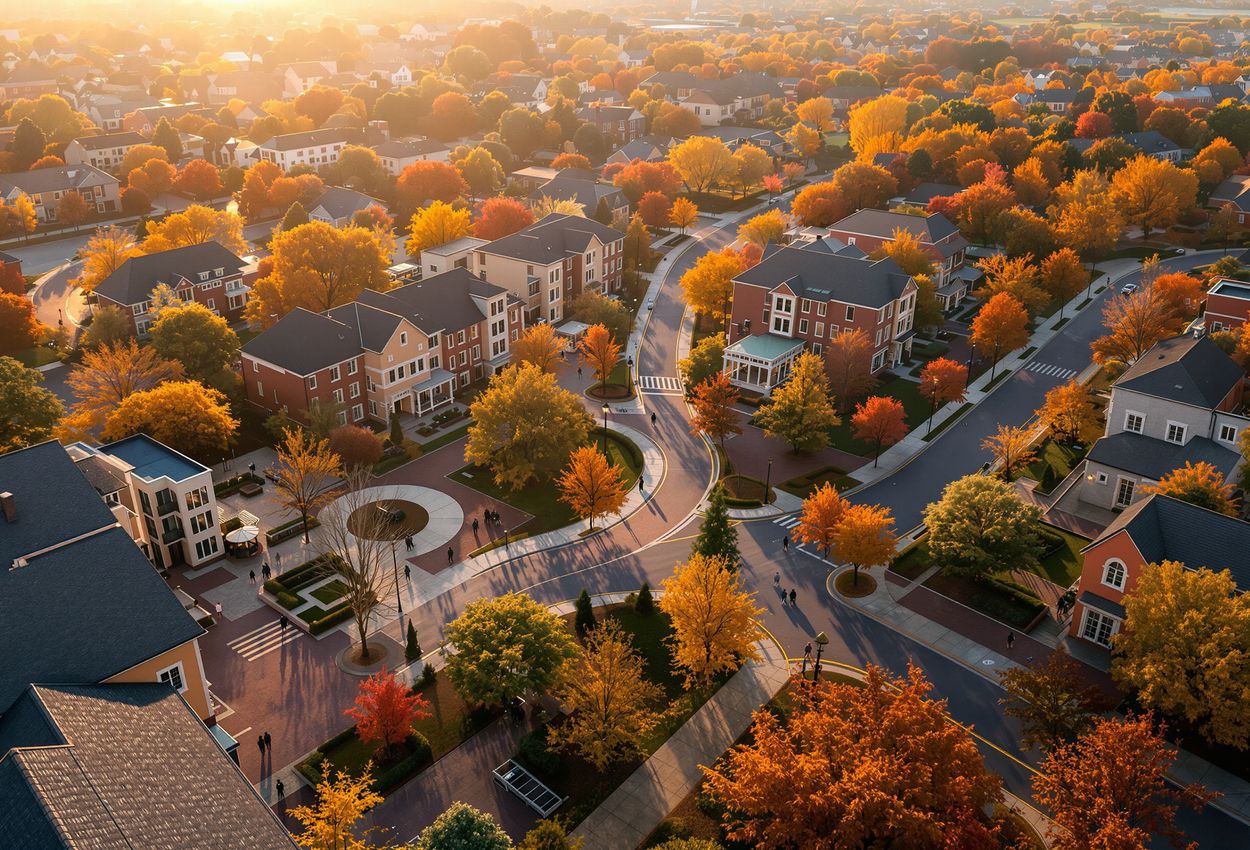
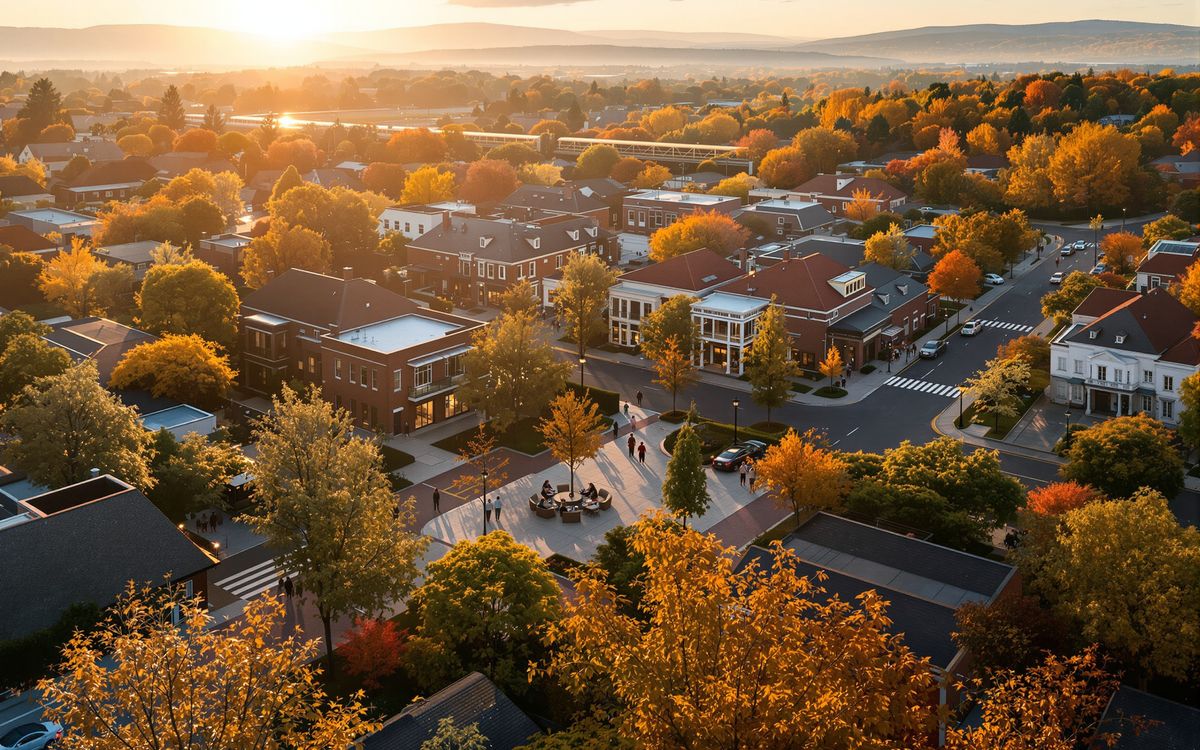
Ideal image: An aerial view of a vibrant New Urbanist community with pedestrian-friendly streets, mixed-use buildings, and green spaces. The photo should highlight the interconnectedness and walkability of the neighborhood.
Style Instructions: Capture the image during the early morning or late afternoon to leverage soft, diffused lighting that enhances the colors and textures of the buildings and landscaping. Use a drone to achieve a high vantage point, providing a comprehensive view of the community layout. The date of the photo should be November 1, 2025, to match the article's publication date, showcasing the fall foliage.
Walkability: Reclaiming Streets for Pedestrians
At the heart of New Urbanism lies a commitment to creating pedestrian-friendly environments that prioritize the safety and comfort of people over cars.
Walkability is a key principle of New Urbanism, focusing on creating neighborhoods where most amenities are within a 10-minute walk of home and work. This involves designing streets and neighborhoods that encourage walking by incorporating elements such as wide sidewalks, crosswalks, and pedestrian-friendly intersections. These design choices reduce reliance on automobiles and enhance local interactions.
One of the primary goals of New Urbanism is to reclaim streets for pedestrians, making them safe, inviting, and accessible for people of all ages and abilities. This involves a variety of design strategies, including narrower streets, traffic calming measures, and clearly marked crosswalks. By reducing the dominance of cars, New Urbanism creates public spaces where people can walk, bike, and interact with their neighbors.
The benefits of walkable communities extend beyond mere convenience. Studies have shown that walkable neighborhoods promote physical activity, reduce traffic congestion, and improve air quality. They also foster a stronger sense of community by encouraging people to spend time outdoors and interact with one another. In walkable neighborhoods, residents are more likely to support local businesses, leading to economic growth and stability.
A prime example of a walkable community is Seaside, Florida, one of the first New Urbanist towns in the United States. Seaside features a compact, walkable town center with shops, restaurants, and residential areas all within easy walking distance. The town's design emphasizes pedestrian-friendly streets, public spaces, and a strong sense of community. Seaside's success has inspired numerous other New Urbanist developments around the world.
By prioritizing walkability, New Urbanism creates neighborhoods that are not only convenient and sustainable but also socially vibrant and economically resilient. This emphasis on pedestrian-friendly design is essential for creating cities that are truly livable for all.

Ideal image: A street-level shot in Seaside, Florida, showcasing pedestrians strolling along a wide, tree-lined sidewalk. The image should capture the vibrant atmosphere with people of all ages walking, shopping, and interacting.
Style Instructions: Use a wide-angle lens to capture the breadth of the street and the surrounding buildings. The lighting should be bright and sunny, reflecting the town's cheerful ambiance. The date of the photo should be November 1, 2025, to align with the article, showing the town's fall season.
Mixed-Use Marvels: Blending Life, Work, and Leisure
Another cornerstone of New Urbanism is the concept of mixed-use development, which integrates residential, commercial, and recreational spaces within the same neighborhood.
Mixed-use developments create lively and functional environments where people can live, work, and play without relying on automobiles. This approach involves combining different types of buildings and land uses, such as apartments above shops, offices alongside residential areas, and parks within commercial districts. The goal is to create complete neighborhoods that offer a variety of amenities and opportunities within walking distance.
The benefits of mixed-use development are numerous. By reducing the need to drive, it helps to alleviate traffic congestion, reduce air pollution, and promote physical activity. It also fosters a stronger sense of community by creating public spaces where people can interact and connect. Mixed-use developments support local businesses by providing a built-in customer base and creating a vibrant, walkable environment.
One notable example of successful mixed-use development is the Pearl District in Portland, Oregon. Formerly an industrial area of warehouses and rail yards, the Pearl District has been transformed into a vibrant mixed-use neighborhood with art galleries, upscale businesses, residences, and parks. The area includes a mix of high-rise condominiums, warehouse-to-loft conversions, and ground-floor retail spaces. The Pearl District also features public plazas and parks, such as Jamison Square and Tanner Springs Park, which provide green spaces for residents and visitors.
By carefully blending residential, commercial, and recreational spaces, New Urbanism creates dynamic and sustainable communities that enhance the quality of life for residents and promote economic vitality. This integrated approach is essential for creating cities that are both functional and enjoyable.
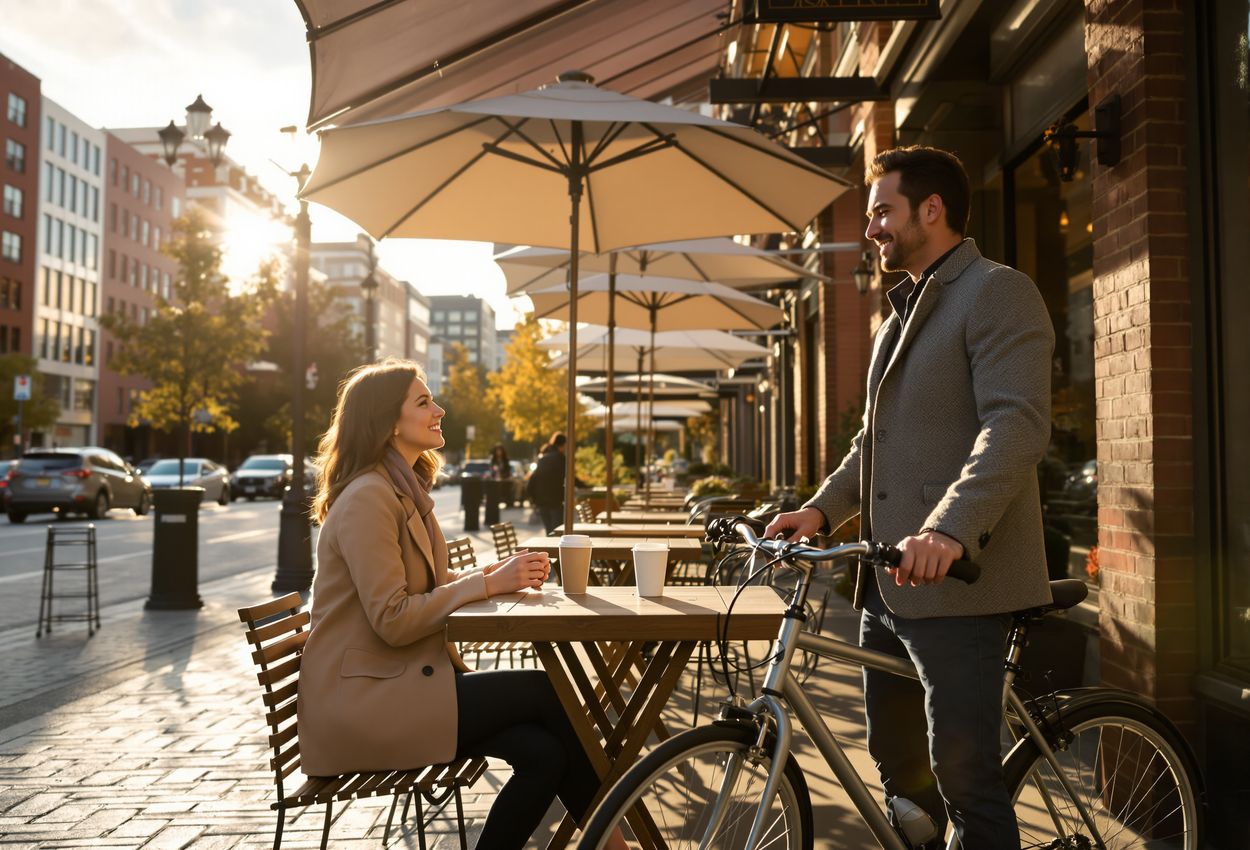
Ideal image: A bustling street scene in the Pearl District of Portland, Oregon, showcasing a mix of pedestrians, cyclists, and outdoor cafes. The photo should highlight the architectural diversity with modern high-rises and converted warehouse lofts.
Style Instructions: Capture the image during the late afternoon to capture the warm glow of the setting sun. Use a shallow depth of field to blur the background and focus on the activity in the foreground. The date of the photo should be November 1, 2025, reflecting the fall season in the Pacific Northwest.
Community First: Designing Spaces for Connection
New Urbanism places a strong emphasis on fostering community through the creation of public spaces, parks, and community centers that bring people together.
These spaces are designed to encourage social interaction, provide opportunities for recreation, and create a sense of belonging. By prioritizing community, New Urbanism seeks to create neighborhoods where residents feel connected to one another and invested in their surroundings.
Public spaces, such as parks, squares, and plazas, serve as gathering places for community events, farmers markets, and informal social interactions. These spaces are designed to be accessible, inviting, and pedestrian-friendly, with features such as benches, shade trees, and public art. Community centers provide a hub for local activities, offering programs and services for people of all ages.
Millennium Park in Chicago is a prime example of how public spaces can transform a city and foster a sense of community. Formerly an industrial wasteland, Millennium Park has been transformed into a world-renowned urban park with iconic art installations, gardens, performance spaces, and interactive fountains. The park hosts a variety of free events throughout the year, including concerts, festivals, and film screenings, attracting millions of visitors and becoming a cultural heart of downtown Chicago.
In addition to physical spaces, community engagement is a critical component of New Urbanism. New Urbanist projects often involve extensive community input and participation in the planning and design process, ensuring that the resulting development reflects the needs and desires of local residents.
By prioritizing community, New Urbanism creates neighborhoods that are not only physically attractive but also socially cohesive and economically resilient. This emphasis on creating spaces for connection is essential for building strong, vibrant cities for the future.

Ideal image: A wide shot of Millennium Park in Chicago, capturing the iconic Cloud Gate sculpture (aka “The Bean”) with people interacting and taking photos. The image should also show the surrounding gardens and skyline.
Style Instructions: Capture the image during a clear day to highlight the reflective surface of the sculpture and the vibrant colors of the gardens. Use a wide-angle lens to capture the scale of the park and the surrounding cityscape. The date of the photo should be November 1, 2025, showcasing the park's late fall appearance.
Sustainability at its Core: Building Green Cities
Sustainability is a fundamental principle of New Urbanism, with a focus on reducing environmental impact, conserving resources, and promoting ecological balance.
New Urbanist developments incorporate a variety of green building practices, such as energy-efficient design, renewable energy systems, and sustainable materials. They also prioritize efficient land use, reducing urban sprawl and preserving green spaces. By integrating green infrastructure, such as rain gardens and green roofs, New Urbanism helps to manage stormwater runoff and improve water quality.
One of the key environmental benefits of New Urbanism is its emphasis on reducing carbon footprints. By creating walkable, mixed-use neighborhoods, New Urbanism reduces the need for driving, which in turn reduces greenhouse gas emissions. The promotion of public transportation, cycling, and walking further contributes to lower carbon emissions and improved air quality.
New Urbanism also promotes the preservation of natural environments and the restoration of degraded ecosystems. By carefully planning development to minimize environmental impact, New Urbanism helps to protect biodiversity, conserve natural resources, and enhance the overall ecological health of urban areas.
By integrating sustainability into every aspect of urban design, New Urbanism creates cities that are not only environmentally responsible but also more livable and resilient. This commitment to building green cities is essential for creating a sustainable future for generations to come.
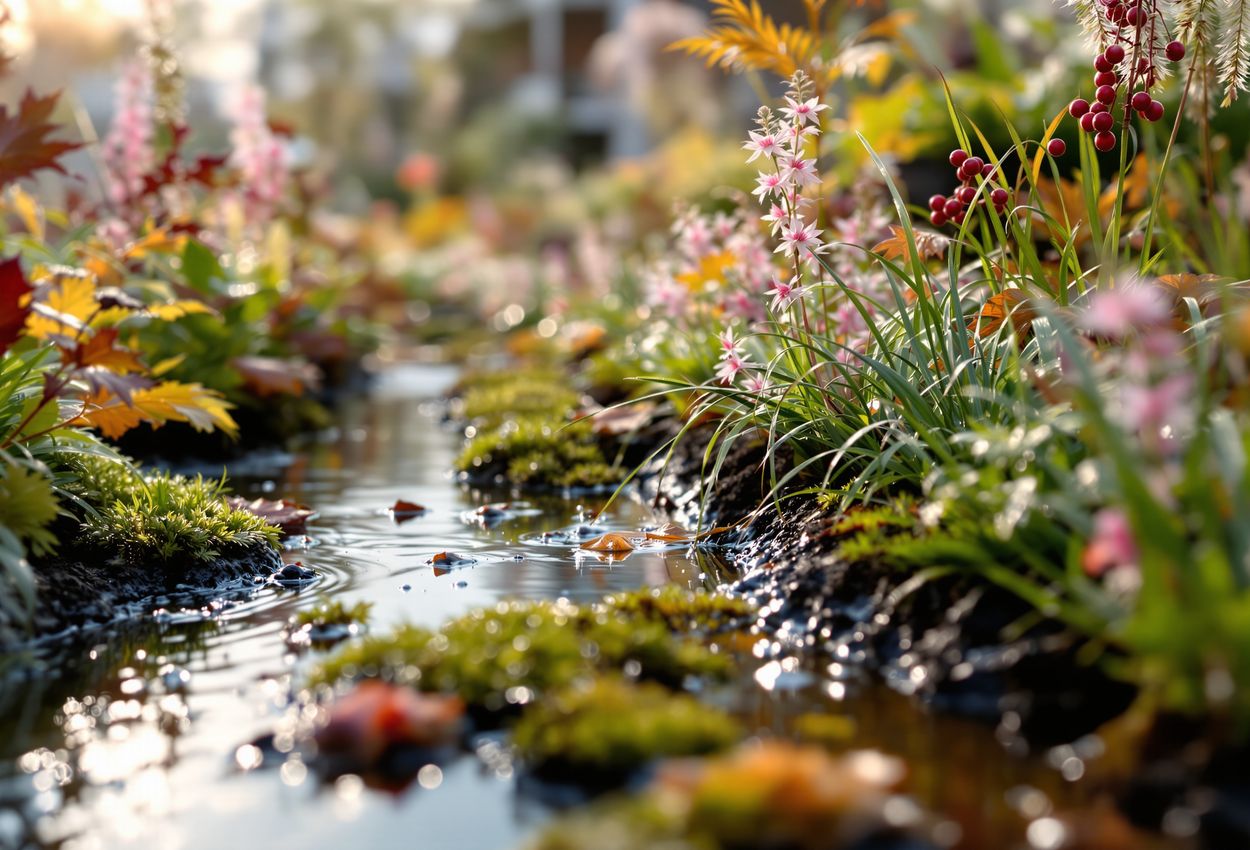
Ideal image: A serene shot of a rain garden or green roof in a New Urbanist community, showcasing the integration of green infrastructure into the urban environment. The image should highlight the lush vegetation and sustainable design elements.
Style Instructions: Use a macro lens to capture the details of the plants and the water flowing through the rain garden. The lighting should be soft and diffused, creating a calming and natural atmosphere. The date of the photo should be November 1, 2025, showcasing the fall colors and textures.
Transit-Oriented Development: Connecting Communities
Transit-oriented development (TOD) is a key component of New Urbanism, focusing on creating communities that are centered around public transportation hubs.
TOD involves designing neighborhoods to support and encourage the use of public transit, such as trains, buses, and light rail. This is achieved through a variety of strategies, including locating housing, employment, and retail areas within easy walking distance of transit stations. TOD also involves creating pedestrian-friendly streets, bike lanes, and other infrastructure that makes it easy for people to access transit.
The benefits of TOD are numerous. By reducing automobile dependency, it helps to alleviate traffic congestion, reduce air pollution, and lower transportation costs. TOD also promotes economic development by attracting businesses and creating vibrant, walkable neighborhoods. In addition, TOD can help to create more equitable communities by providing affordable housing options near transit lines, giving residents access to jobs, education, and other opportunities.
By integrating communities around public transportation hubs, New Urbanism creates cities that are more sustainable, accessible, and equitable. This emphasis on TOD is essential for creating urban areas that are well-connected and offer a high quality of life for all residents.

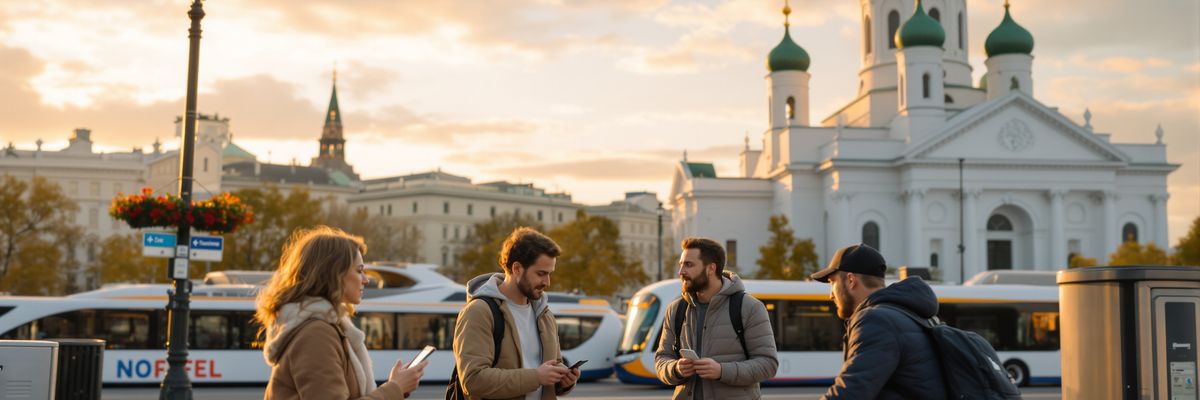
Ideal image: A vibrant scene at a transit station in a New Urbanist community, showcasing people boarding a train or bus. The image should capture the pedestrian-friendly environment with shops, cafes, and residential buildings nearby.
Style Instructions: Use a wide-angle lens to capture the activity at the transit station and the surrounding buildings. The lighting should be bright and dynamic, reflecting the energy of the scene. The date of the photo should be November 1, 2025, showing people commuting during the fall season.
Overcoming Obstacles: Challenges in Implementation
Despite its many benefits, New Urbanism faces a number of challenges in implementation, ranging from regulatory barriers to community resistance.
One of the primary obstacles is restrictive zoning codes that often prioritize single-use development and automobile dependency. These codes can make it difficult to build mixed-use neighborhoods, create walkable streets, and incorporate diverse housing types. Overcoming these regulatory barriers requires changes to zoning laws and development practices.
Community resistance can also be a challenge, as some residents may be skeptical of new development or concerned about changes to their neighborhood. Addressing these concerns requires effective community engagement and education to demonstrate the benefits of New Urbanism and ensure that local residents have a voice in the planning process.
Financial constraints can also hinder the implementation of New Urbanism. New Urbanist projects often require significant upfront investment in infrastructure, public spaces, and affordable housing. Securing funding for these projects requires collaboration between public and private sector stakeholders.
Despite these challenges, many communities have successfully implemented New Urbanism by working to overcome regulatory barriers, engaging with local residents, and securing the necessary funding. By addressing these obstacles, New Urbanism can create more livable, sustainable, and vibrant cities for the future.

Ideal image: A meeting or workshop scene with urban planners, community members, and developers discussing a New Urbanist project. The image should capture the collaborative and participatory nature of the planning process.
Style Instructions: Use a candid style to capture the natural interactions and expressions of the participants. The lighting should be warm and inviting, creating a sense of openness and collaboration. The date of the photo should be November 1, 2025, reflecting a fall community engagement event.
The Social Fabric: Diversity and Inclusion
New Urbanism recognizes the importance of creating diverse and inclusive communities that offer housing and opportunities for people of all income levels and backgrounds.
This involves providing a mix of housing types, such as apartments, townhouses, and single-family homes, to accommodate a variety of household sizes and income levels. It also involves creating affordable housing options near transit lines and employment centers, giving low-income residents access to jobs, education, and other opportunities.
By promoting social sustainability, New Urbanism seeks to reduce social inequalities and create communities where everyone has the opportunity to thrive. This involves creating public spaces that are welcoming and accessible to all, regardless of race, ethnicity, or socioeconomic status. It also involves promoting community engagement and participation, ensuring that all residents have a voice in the planning and decision-making processes.
By emphasizing diversity and inclusion, New Urbanism creates communities that are not only economically prosperous but also socially just and equitable. This commitment to creating inclusive communities is essential for building a better future for all.
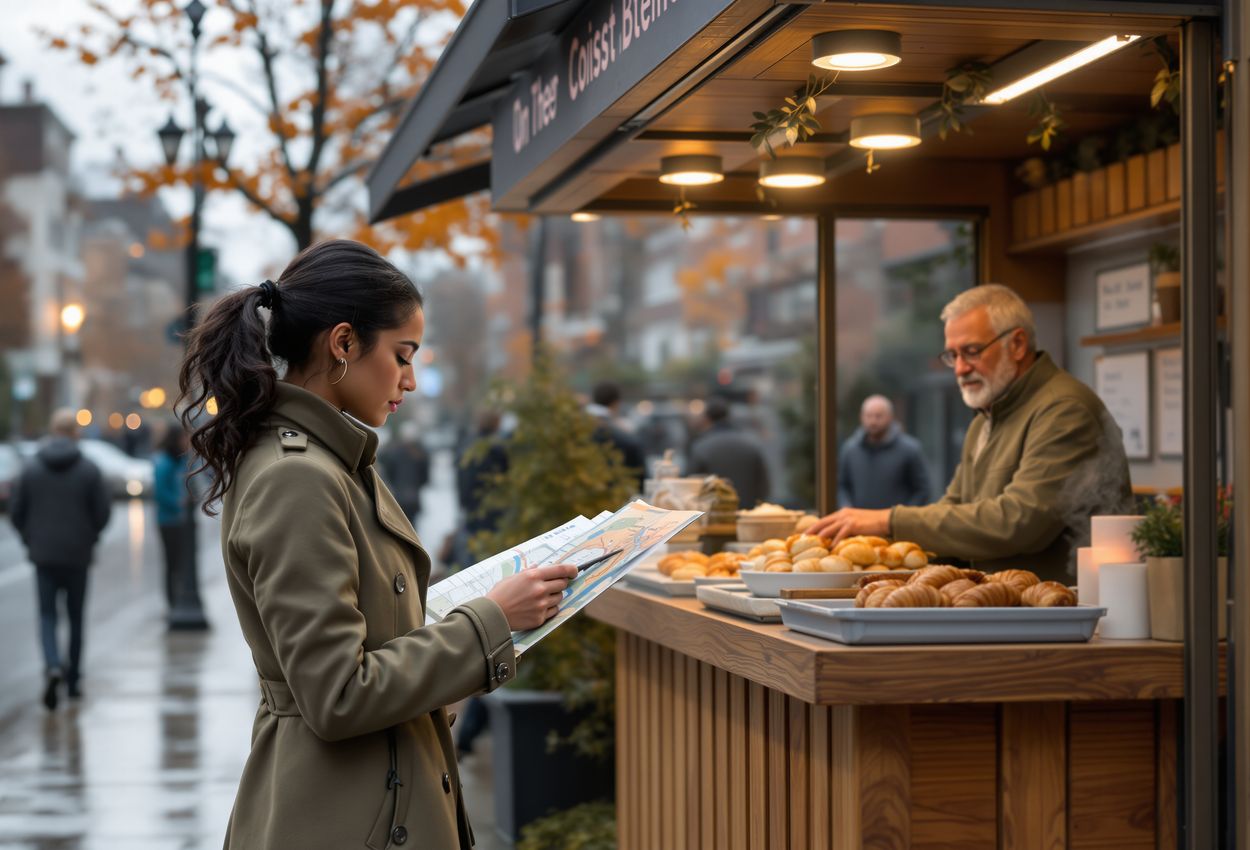
Ideal image: A street scene in a diverse New Urbanist neighborhood, showcasing a mix of people from different backgrounds walking, shopping, and interacting. The image should capture the vibrant and inclusive atmosphere of the community.
Style Instructions: Use a street photography style to capture candid moments and natural interactions. The lighting should be natural and balanced, reflecting the diversity of the scene. The date of the photo should be November 1, 2025, showing the community during the fall season.
New Urbanist Projects Around the Globe: Success Stories
New Urbanism has been successfully implemented in a variety of projects around the world, demonstrating its adaptability and effectiveness in creating livable, sustainable, and vibrant communities.
In Woodstock, Georgia, a historic railroad town has been revitalized through New Urbanist principles. The city has created a mixed-use downtown area with shops, restaurants, offices, and residential units, as well as new parks and open spaces. The revitalization has helped to create a strong sense of community and attract new businesses and residents.
The Wheeler District in Oklahoma City is another example of successful New Urbanist development. Located on a former airport site, the Wheeler District is a new urban village that features a mix of housing types, commercial spaces, and public amenities. The neighborhood is designed to be walkable and bikeable, with a focus on creating a strong sense of community.
Cornell in Markham, Ontario, represents one of North America's most significant early experiments in New Urbanism. Designed in the 1990s, this community demonstrates both the promise and challenges of implementing traditional neighborhood design principles. As one of the largest New Urbanist communities in Canada, Cornell offers valuable lessons for how to create more walkable, diverse neighborhoods.
Other notable New Urbanist projects include Seaside, Florida; Celebration, Florida; and Kentlands. These projects demonstrate the versatility and adaptability of New Urbanism in creating successful communities.
These success stories illustrate the transformative potential of New Urbanism in creating livable, sustainable, and vibrant cities. By prioritizing walkability, mixed-use development, and community engagement, these projects have helped to create strong, resilient communities that offer a high quality of life for residents.
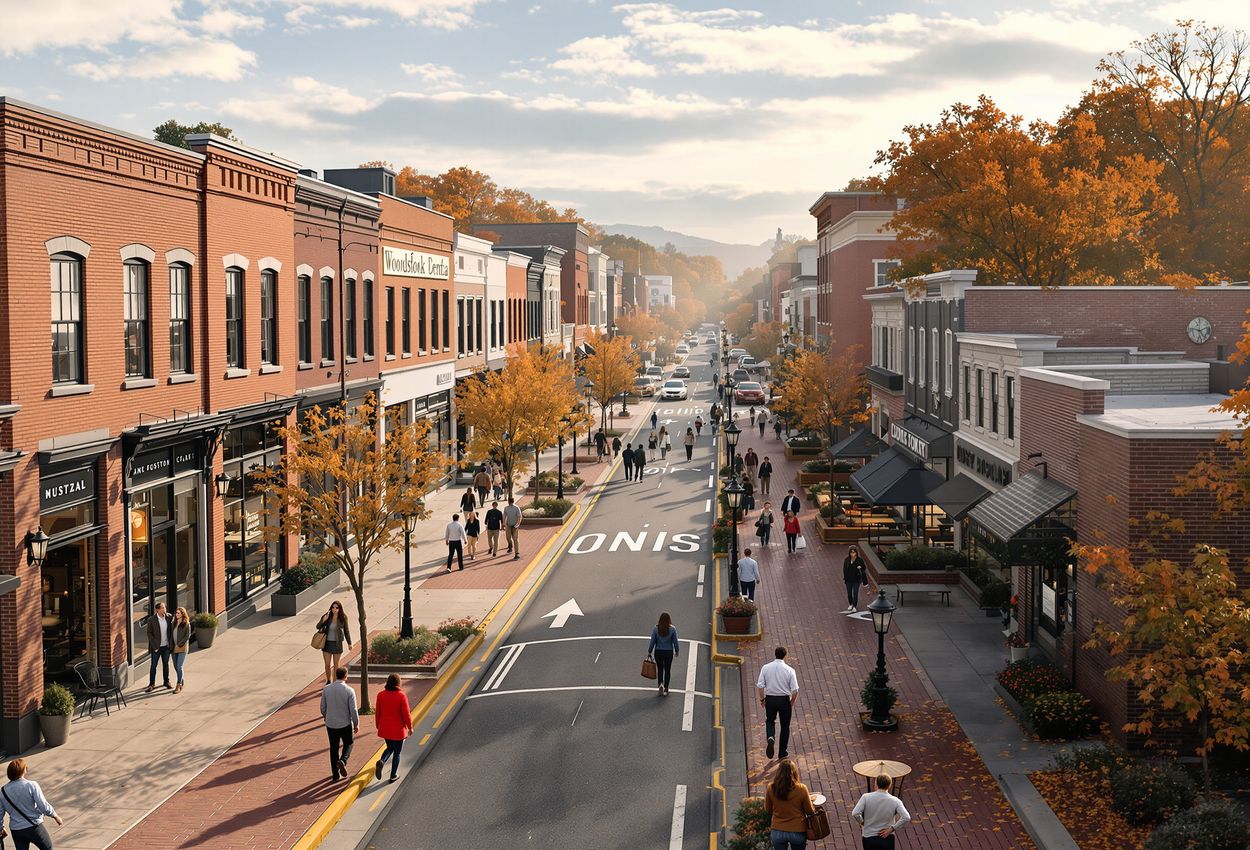
Ideal image: A panoramic view of Woodstock, Georgia, showcasing the revitalized downtown area with its mix of historic buildings and new development. The image should capture the vibrant atmosphere with people walking, shopping, and dining.
Style Instructions: Use a drone to capture a high vantage point, providing a comprehensive view of the downtown area. The lighting should be warm and inviting, highlighting the architectural details and the activity on the streets. The date of the photo should be November 1, 2025, reflecting the fall season in Georgia.
The Future is Now: New Urbanism's Lasting Impact
New Urbanism is not just a passing trend but a lasting movement that is shaping the future of urban planning and development.
Its principles are being incorporated into a wide range of projects, from small-scale neighborhood developments to large-scale regional plans. New Urbanism is influencing the way cities are designed and built, creating more livable, sustainable, and vibrant communities.
By prioritizing walkability, mixed-use development, and community engagement, New Urbanism is helping to create cities that are more equitable, economically prosperous, and environmentally responsible. Its emphasis on human-scaled design and community needs is transforming the way we think about urban spaces, creating cities that are truly designed for people.
The lasting impact of New Urbanism can be seen in the growing number of communities that are adopting its principles and creating more sustainable and livable environments. As more cities embrace New Urbanism, the future of urban landscapes will be shaped by its vision of creating vibrant, connected, and sustainable communities for all.
New Urbanism offers a powerful framework for creating cities that are not only functional and efficient but also enjoyable and enriching. Its emphasis on community, sustainability, and human-scaled design is essential for building a better future for urban areas around the globe. As we move forward, New Urbanism will continue to play a vital role in shaping the future of our cities, creating more livable, sustainable, and vibrant communities for generations to come.
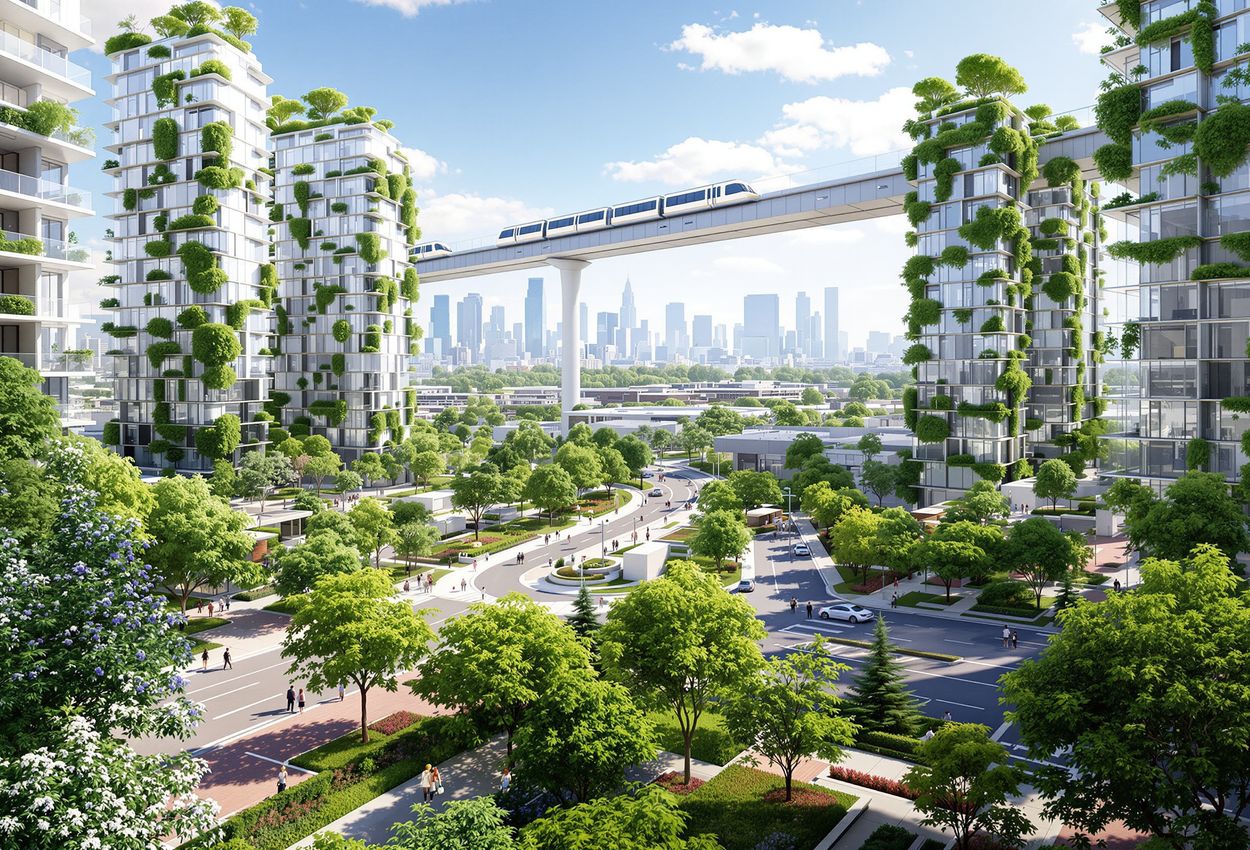
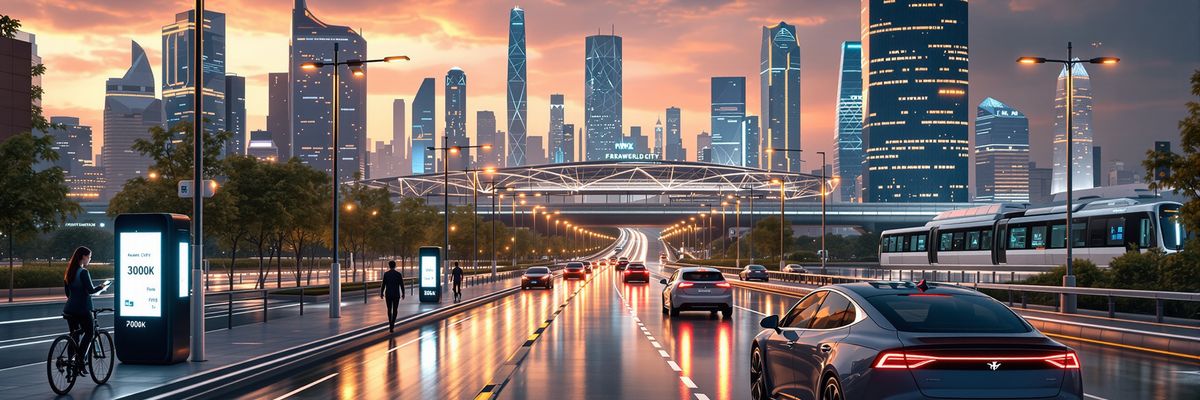
Ideal image: A futuristic cityscape designed with New Urbanist principles, showcasing a blend of green spaces, high-density housing, and advanced transportation systems. The image should convey a sense of optimism and sustainability.
Style Instructions: Use a digital rendering technique to create a visually stunning and futuristic image. The lighting should be bright and vibrant, highlighting the innovative design elements and the integration of nature into the urban environment. The date of the image is not applicable as it is a futuristic rendering.