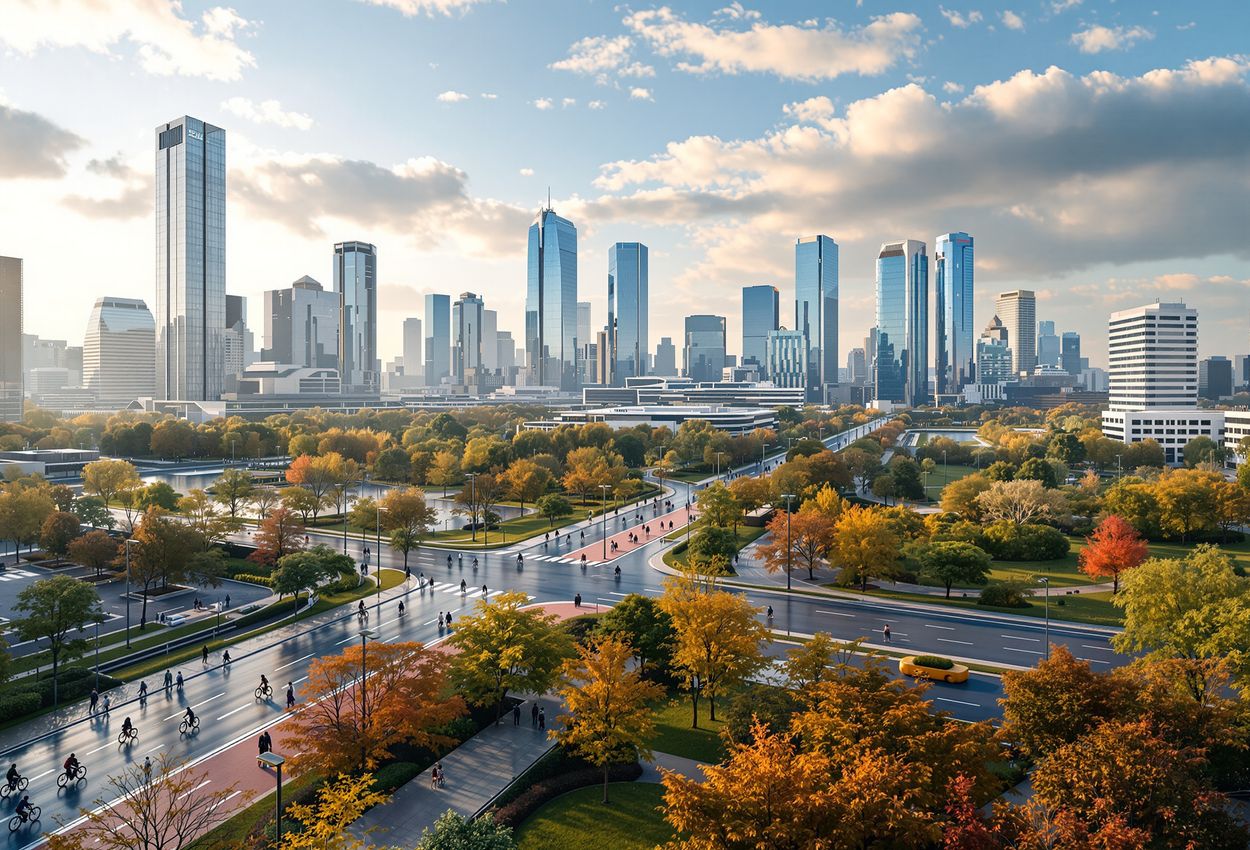
From industrial wastelands to cultural hubs, cities across the globe are undergoing remarkable transformations, breathing new life into neglected areas and redefining the traveler experience.
These 'Phoenix Cities,' rising from the ashes of economic hardship or urban decay, offer a glimpse into the future of sustainable and inclusive tourism. This is a journey to discover how innovative urban renewal is shaping the destinations of tomorrow.
From Rust to Renaissance: The Global Rise of Phoenix Cities
The concept of the 'Phoenix City' captures the essence of urban reinvention, where cities leverage strategic initiatives to overcome challenges and emerge as vibrant, attractive destinations. Urban renewal, at its core, is about revitalizing distressed urban areas through a combination of redevelopment, infrastructure improvements, and social programs. Historically, urban renewal efforts have evolved from post-war reconstruction projects to more holistic approaches that prioritize sustainability and community engagement.
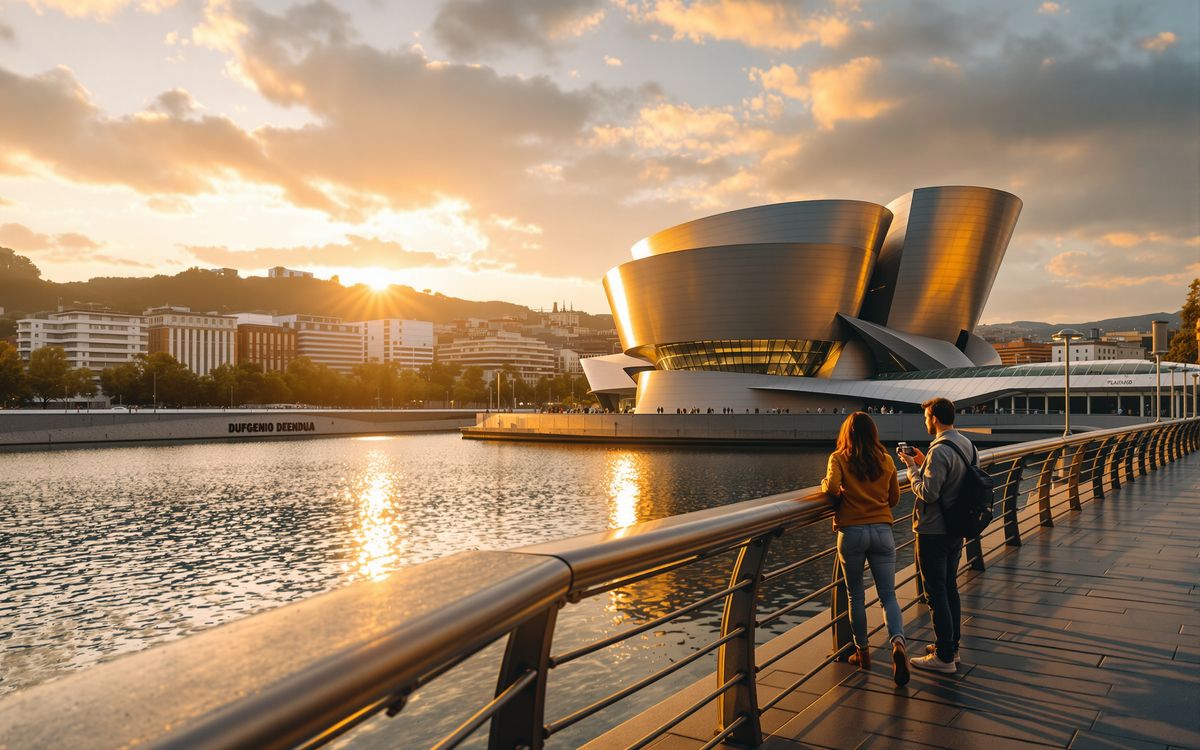
Today, cities around the world are embracing innovative strategies to transform their urban landscapes. Bilbao, Spain, once an industrial city in decline, experienced a dramatic turnaround with the opening of the Guggenheim Museum in 1997. This iconic architectural marvel sparked the 'Bilbao Effect,' demonstrating how cultural investments can drive tourism and reshape a city's image. Medellín, Colombia, a city once plagued by violence and drug trafficking, has become a model for social urbanism, integrating marginalized communities through innovative infrastructure projects like the Metro cable car system. This approach prioritizes community engagement and social inclusion, transforming the city into a vibrant urban center. Singapore stands out as a leader in smart city technologies and sustainable urban planning. Through the integration of technology, the city-state has improved urban living, focusing on green spaces, affordable housing, and economic opportunities.
These examples highlight the transformative power of urban renewal, demonstrating how cities can reinvent themselves by leveraging their unique assets and addressing their specific challenges. From culture-led regeneration to social urbanism and smart city solutions, Phoenix Cities are paving the way for a more sustainable and inclusive future of travel.

Sustainability as a Cornerstone: Copenhagen's Green Revolution
Copenhagen, Denmark, has emerged as a global leader in sustainable urban renewal, setting ambitious goals to become the world's first carbon-neutral capital by 2025. The city's commitment to green infrastructure is evident in its extensive network of green roofs, permeable pavements, and urban parks, designed to manage stormwater, reduce the urban heat island effect, and enhance biodiversity. Copenhagen is also recognized as the first bike city in the world, with 49% of Copenhageners commuting to work or studies by bike. The city has invested significantly in bicycle infrastructure, creating designated bike lanes and prioritizing cyclists at traffic lights.
Specific projects like the Nordhavn redevelopment showcase Copenhagen's commitment to sustainability. This ambitious urban development project prioritizes a low carbon footprint and incorporates green building and sustainability standards. The area is designed as a 'five-minute city,' where all essential amenities are within a five-minute walk, encouraging residents to choose walking and cycling over car travel. Another notable project is the Amager Bakke waste-to-energy plant, also known as CopenHill, which features a ski slope on its roof. This innovative facility not only processes waste and generates electricity but also provides recreational opportunities for residents and visitors.
“Copenhagen's approach to urban planning emphasizes equity, ensuring all residents benefit from its sustainability initiatives,” says a local urban planner. The redevelopment of Nordhavn, for example, integrates affordable housing with high-end developments, maintaining socio-economic diversity while offering green spaces and public amenities. Copenhagen's success in sustainable urban renewal demonstrates how cities can prioritize environmental stewardship, liveability, and innovation to create a more resilient and equitable future.
Culture as Catalyst: Bilbao's Guggenheim Effect and Beyond
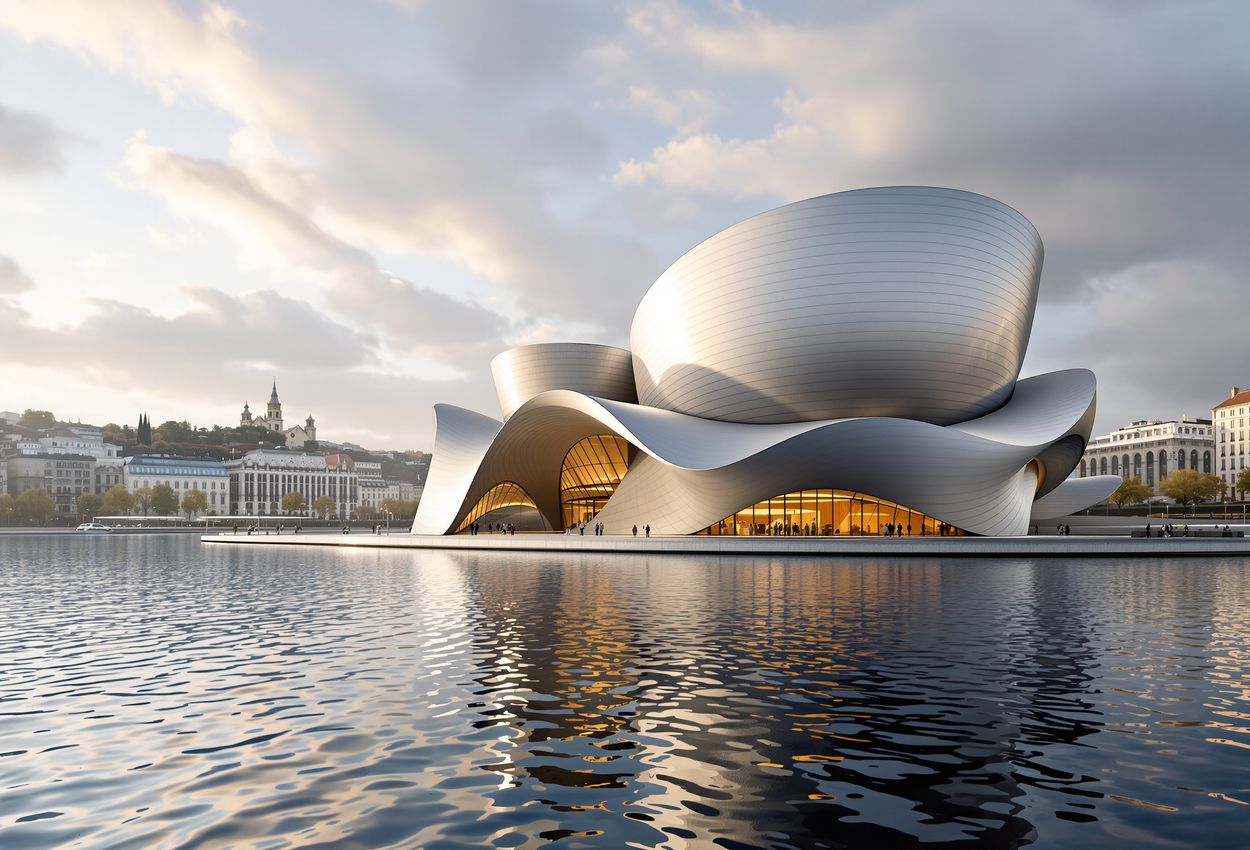
Bilbao, a city once synonymous with industrial decline, has become a symbol of successful urban regeneration, largely thanks to the transformative impact of the Guggenheim Museum. Designed by architect Frank Gehry, the museum's distinctive architecture and world-class art collection have attracted global attention, sparking a new phase of tourism and cultural interest. The 'Bilbao Effect' refers to the phenomenon of a city reinventing itself through ambitious and culturally significant architecture and urban design.
However, Bilbao's urban regeneration extends beyond the Guggenheim Museum. The city has invested in other cultural initiatives, including the Alhóndiga Bilbao, a former wine warehouse transformed into a cultural and leisure center, and the Arriaga Theatre, a stunning example of neo-Baroque architecture. These cultural investments have not only enhanced the city's image but also boosted its economy, creating jobs and attracting new businesses.
Preserving cultural heritage is also a key aspect of Bilbao's urban development. The city's historic Casco Viejo, the old quarter, retains its authentic charm, with ancient streets, traditional Basque taverns, and centuries-old buildings. This blend of old and new creates a unique urban experience, showcasing Bilbao's commitment to cultural preservation while embracing modernity. Bilbao's success demonstrates how culture-led regeneration can transform a city's identity, attract tourism, and create a vibrant urban environment.

Community at the Core: Medellín's Social Urbanism
Medellín, Colombia, once known for its drug-related violence, has undergone a remarkable transformation, becoming a model for social urbanism. This innovative approach focuses on integrating marginalized communities through infrastructure projects, public spaces, education, and community engagement. The city's Metrocable system, a network of cable cars connecting hillside neighborhoods to the city center, has been instrumental in improving mobility and access for residents in underserved areas.
The construction of library-parks in low-income neighborhoods has also played a crucial role in Medellín's social transformation. These state-of-the-art facilities provide access to education, technology, and cultural resources, fostering community development and social inclusion. Medellín's social urbanism approach also emphasizes community engagement, involving residents in the planning and decision-making processes. This participatory approach ensures that urban renewal projects meet the needs and aspirations of the communities they serve.
“Social urbanism commits considerable municipal resources to improving services and infrastructure in areas of the city where the Human Development Index (HDI) ranks lowest,” explains a local urban planner. Medellín's transformation demonstrates how a city can overcome its past by prioritizing social equity, community engagement, and innovative urban design.
Reclaiming the Waterfront: Toronto's Harbourfront and Beyond
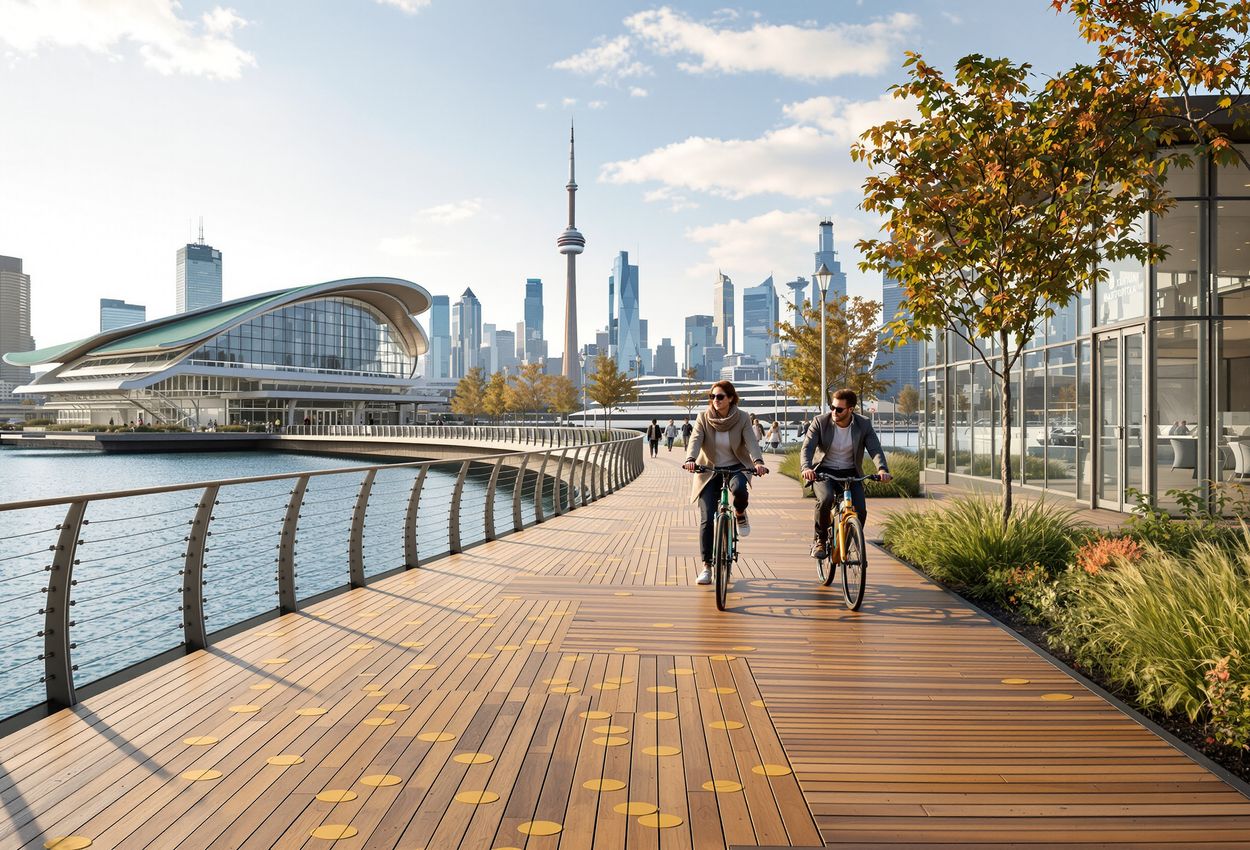
Waterfront revitalization projects are transforming former industrial areas into vibrant, mixed-use spaces with residential, commercial, and recreational elements. Toronto's Harbourfront is a prime example of this trend, with a focus on public access, green spaces, and sustainable design. The revitalization project has opened up public access to the water's edge, returned green space to post-industrial land, and laid the foundation for new neighborhoods.
The transformation of Queens Quay, a central waterfront boulevard, has created a vibrant waterfront district, linking major destinations like Harbourfront Centre, Queens Quay Terminal, HTO Park, and the Toronto Music Garden. The project includes wider sidewalks, a dedicated bike lane, and a streetcar right-of-way, improving accessibility and creating a more pedestrian-friendly environment. The revitalization of Toronto's waterfront also includes the development of new parks and public spaces, providing residents and visitors with opportunities to connect with nature and enjoy recreational activities.
“This innovative revitalization project creates more unique spaces for residents and visitors to access and enjoy Toronto's central waterfront,” says a city councillor. Toronto's Harbourfront demonstrates how waterfront revitalization can transform underutilized industrial areas into vibrant, accessible, and sustainable urban spaces.

The High Line Effect: New York City's Elevated Park
New York City's High Line is a prime example of adaptive reuse, transforming an abandoned railway line into an elevated public park. This innovative project has had a significant impact on tourism, real estate values, and community development. The High Line stretches for 1.45 miles, offering visitors a unique perspective of the city. The park features over 500 species of plants and trees, creating a green oasis amidst the urban landscape.
The High Line's design incorporates sustainable practices, such as green roofs and native plantings, reducing the park's environmental impact. The park has also become a popular venue for art installations and performances, attracting visitors and enhancing the cultural vibrancy of the neighborhood. The High Line has inspired similar projects in other cities, demonstrating the potential of adaptive reuse to transform underutilized infrastructure into valuable public spaces.
“The High Line is a global symbol of adaptive reuse and green urbanism,” says a local architect. New York City's High Line demonstrates how innovative design and community engagement can transform a forgotten railway line into a beloved public space.
Smart City Solutions: Singapore's Technological Leap
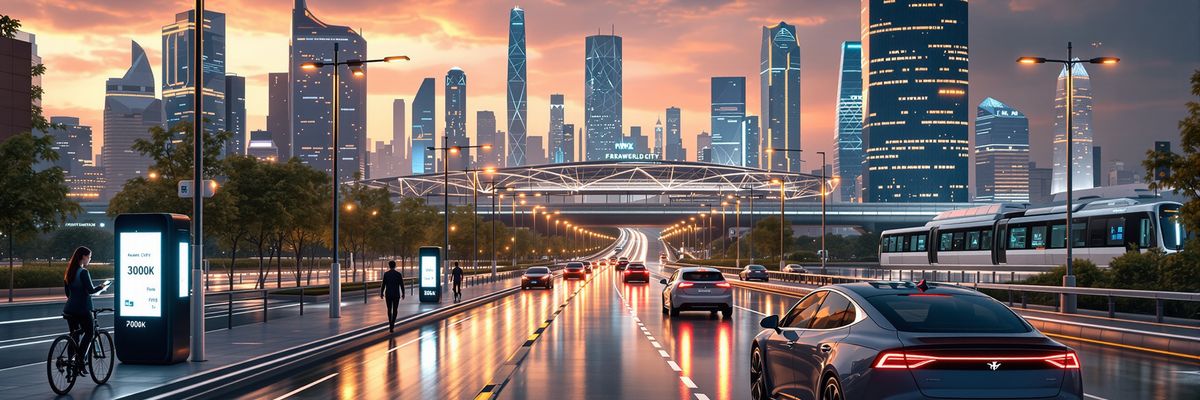
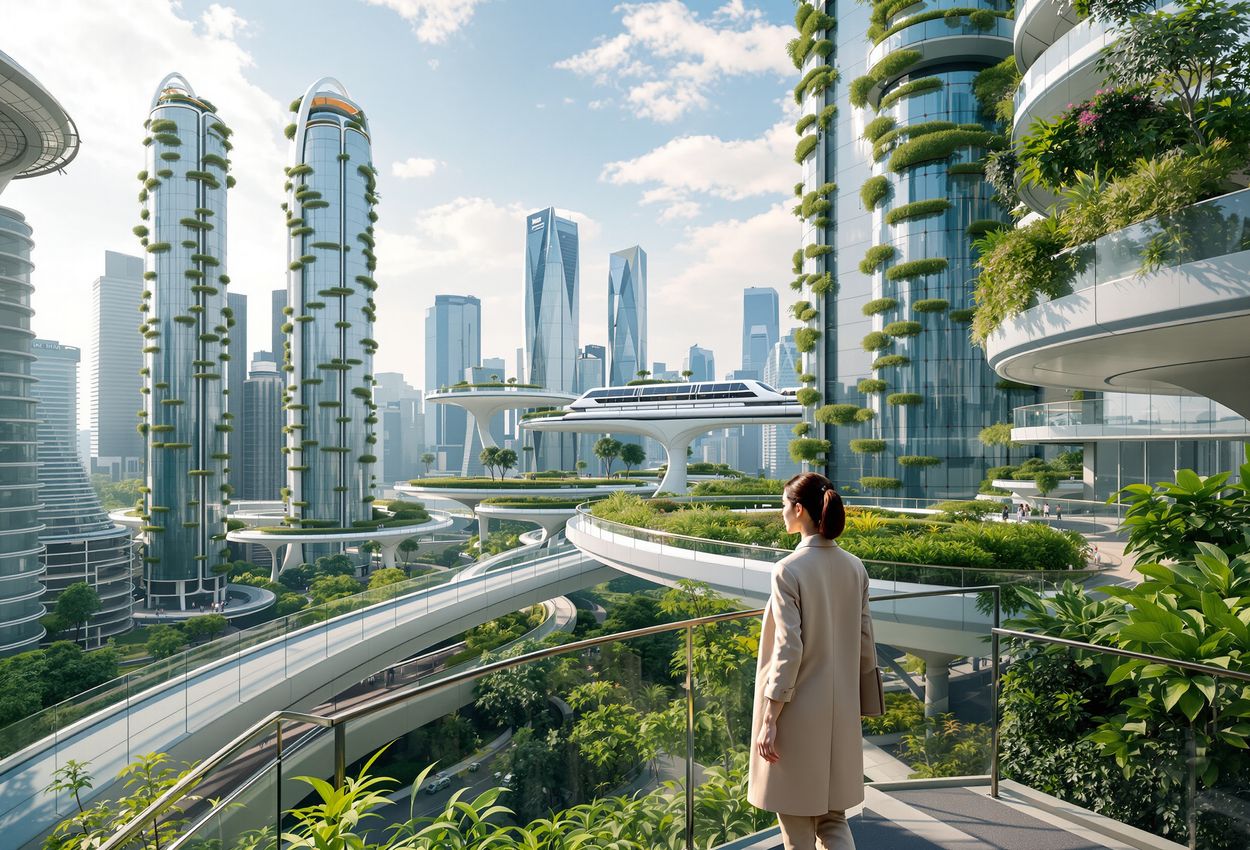
Singapore is recognized as a leader in smart city technologies and urban planning, integrating technology to improve urban living. The city-state has implemented a Smart Nation initiative, leveraging technology to enhance the quality of life, optimize city operations, and address future challenges. Singapore's smart city solutions include the integration of the Internet of Things (IoT), data analytics, and digital innovation to optimize essential services such as transportation, energy, healthcare, and governance.
The city-state has implemented a comprehensive data infrastructure, collecting real-time data on weather conditions, traffic patterns, and environmental factors. This data is used to guide decision-making and urban planning, ensuring that resources are allocated efficiently and that citizens' needs are met effectively. Singapore has also made significant strides in sustainable urban solutions, including green buildings, waste management, and public transport. The city-state is aiming to make 80% of its buildings eco-friendly by 2030, using smart grids and advanced metering infrastructure to monitor and optimize energy consumption.
“Singapore is setting global standards in permanent urban development,” says a local urban planner. Singapore's smart city model showcases how technology can be used to enhance urban life, creating a more sustainable, efficient, and enjoyable living environment.
From Parking Lot to Paradise: Houston's Discovery Green
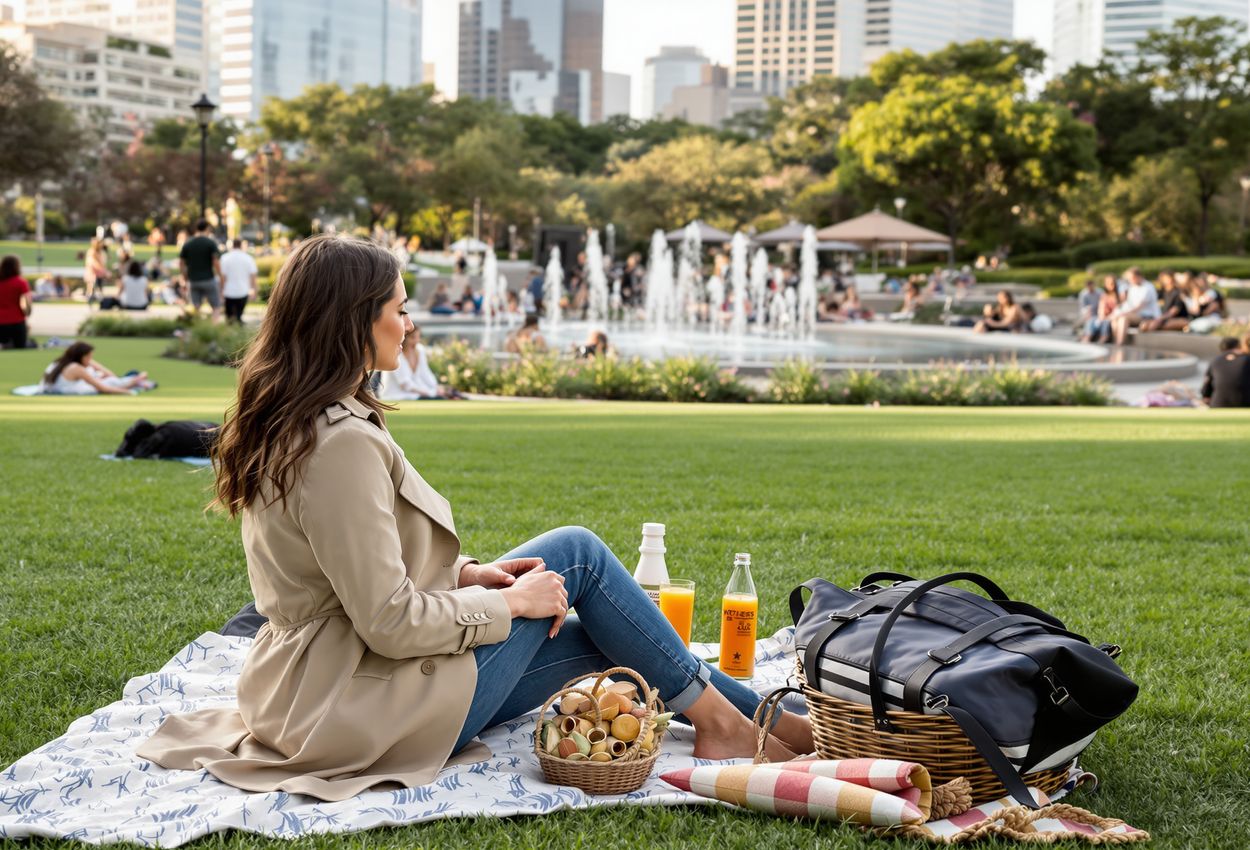
Houston's Discovery Green is a 12-acre urban park created from a former parking lot, demonstrating the transformative power of green spaces in urban renewal. The park features restaurants, dog runs, playgrounds, and music stages, providing a variety of recreational opportunities for residents and visitors. Discovery Green has had a significant economic impact on downtown development, spurring over $1.2 billion in new development in the surrounding area.
The park has also boosted business at the nearby Convention Center, attracting events and visitors to the area. Discovery Green has transformed downtown Houston into a vibrant, walkable destination, creating a sense of place for residents and visitors. The park hosts over 600 free events annually, showcasing the city's culture, diversity, and spirit.
“It shows the ability green space has to impact residential, commercial and retail development,” says the President and Park Director at Discovery Green. Houston's Discovery Green demonstrates how green spaces can revitalize urban areas, creating economic opportunities and enhancing the quality of life for residents.

Balancing Act: Challenges and Controversies in Urban Renewal
While urban renewal can bring numerous benefits, it also presents challenges and controversies. Gentrification, displacement, and the loss of cultural heritage are among the most significant concerns associated with urban renewal. Gentrification, the transformation of disadvantaged neighborhoods into more desirable areas, can lead to the displacement of long-term residents, particularly those from low-income or minority communities. This displacement can exacerbate socio-economic and cultural inequalities, as new, wealthier residents move in, pushing up property values and living costs.
Preserving affordable housing options is crucial in mitigating the negative impacts of gentrification. Rent control measures, inclusionary zoning, and community land trusts can help protect long-term residents from being priced out of their neighborhoods. Community engagement is also essential in ensuring that urban renewal projects benefit local communities. By involving residents in the planning and decision-making processes, cities can create more equitable and sustainable outcomes.
“We must preserve affordable housing options in redeveloping areas,” says a local housing advocate. “But we must also preserve the voices and political actions of long-term residents as more affluent people arrive”. Addressing the challenges and controversies associated with urban renewal requires a balanced approach that prioritizes community engagement, social equity, and sustainable development.

The Future of Phoenix Cities: A Call to Sustainable and Inclusive Travel
As cities around the world continue to reinvent themselves through urban renewal, travelers have a unique opportunity to explore these transformed destinations and support their sustainable development. By choosing to visit and support revitalized cities, travelers can contribute to local economies, preserve cultural heritage, and promote social inclusion. Sustainable and inclusive tourism is essential in ensuring that the benefits of urban renewal are shared by all members of the community.
Travelers can support local businesses, participate in community-based tourism initiatives, and respect local cultures and traditions. By making mindful choices, travelers can help create a more equitable and sustainable tourism industry. The future of Phoenix Cities depends on a collective effort to promote sustainable and inclusive travel, ensuring that urban renewal creates vibrant, resilient, and equitable cities for all.
“It is essential, that together, we ensure that tourism growth is sustainable & inclusive, contributing positively to the communities, natural ecosystems, and cultural heritage upon which our sector depends,” says the President & CEO of the World Travel & Tourism Council. As travelers, we have the power to shape the future of urban renewal by choosing to support cities that are committed to sustainability, inclusion, and community engagement.