In an era defined by rapid urbanization and environmental concerns, vertical forests are emerging as innovative solutions to integrate nature into urban environments. These green skyscrapers offer a multitude of benefits, from improving air quality to enhancing biodiversity, and are reshaping the way we think about sustainable urban development.
Vertical forests represent a harmonious blend of architecture and ecology, turning concrete jungles into vibrant ecosystems. As cities grapple with the challenges of pollution, limited green spaces, and the urban heat island effect, these living structures provide a refreshing and sustainable alternative. From Milan to Nanjing to Singapore, visionary architects and urban planners are pioneering the integration of vertical forests into city strategies, creating healthier, more livable, and more resilient urban centers.
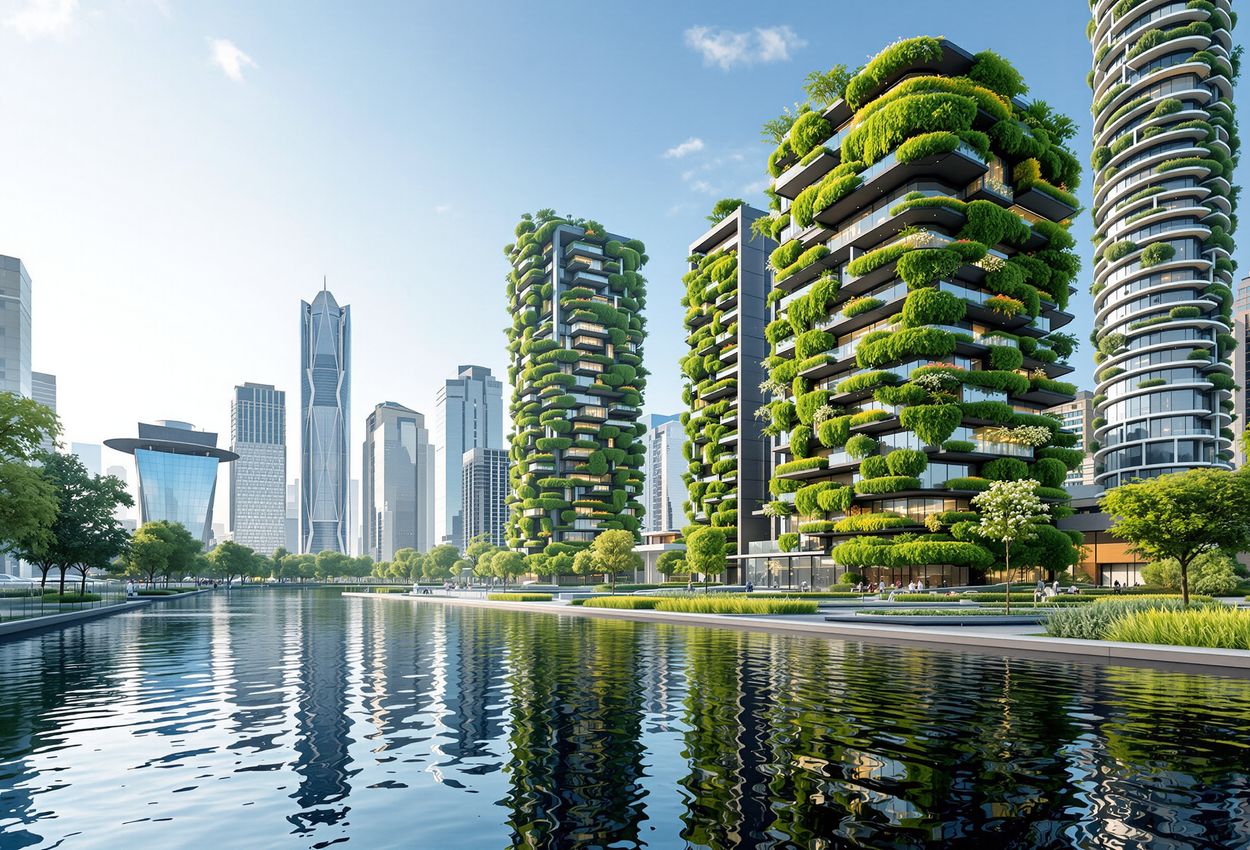
Milan's Living Towers: A Breath of Fresh Air in the City
Milan's Bosco Verticale (Vertical Forest) stands as a pioneering example of how nature can be seamlessly integrated into an urban setting. Designed by Stefano Boeri, this innovative project comprises two residential towers, 112 and 80 meters tall, hosting over 900 trees and 20,000 plants. These living towers are not just aesthetically pleasing; they actively contribute to improving air quality, reducing the urban heat island effect, and enhancing biodiversity in the Porta Nuova district.
The design of Bosco Verticale carefully considers the structural engineering and plant selection necessary to sustain such a unique ecosystem. The towers feature large, staggered balconies with wide overhangs, providing space for vegetation to grow without hindrance. The plants filter sunlight, regulate humidity, absorb CO2 and dust particles, and produce oxygen, creating a comfortable microclimate for residents.
The impact of Bosco Verticale extends beyond its environmental benefits. It has also had a positive effect on property values in the area, with prices increasing by up to 30% after its completion. The towers have become a symbol of Milan's reinvention and have garnered numerous awards, including the International Highrise Award in 2014 and recognition as the most beautiful and innovative skyscraper in the world by the Council on Tall Buildings and Urban Habitat in 2015.
Despite its success, the Bosco Verticale project also faces challenges, including high construction costs and ongoing maintenance requirements. The complex ecosystem requires 24/7 oversight by specialized staff, resulting in significant monthly maintenance fees for residents.
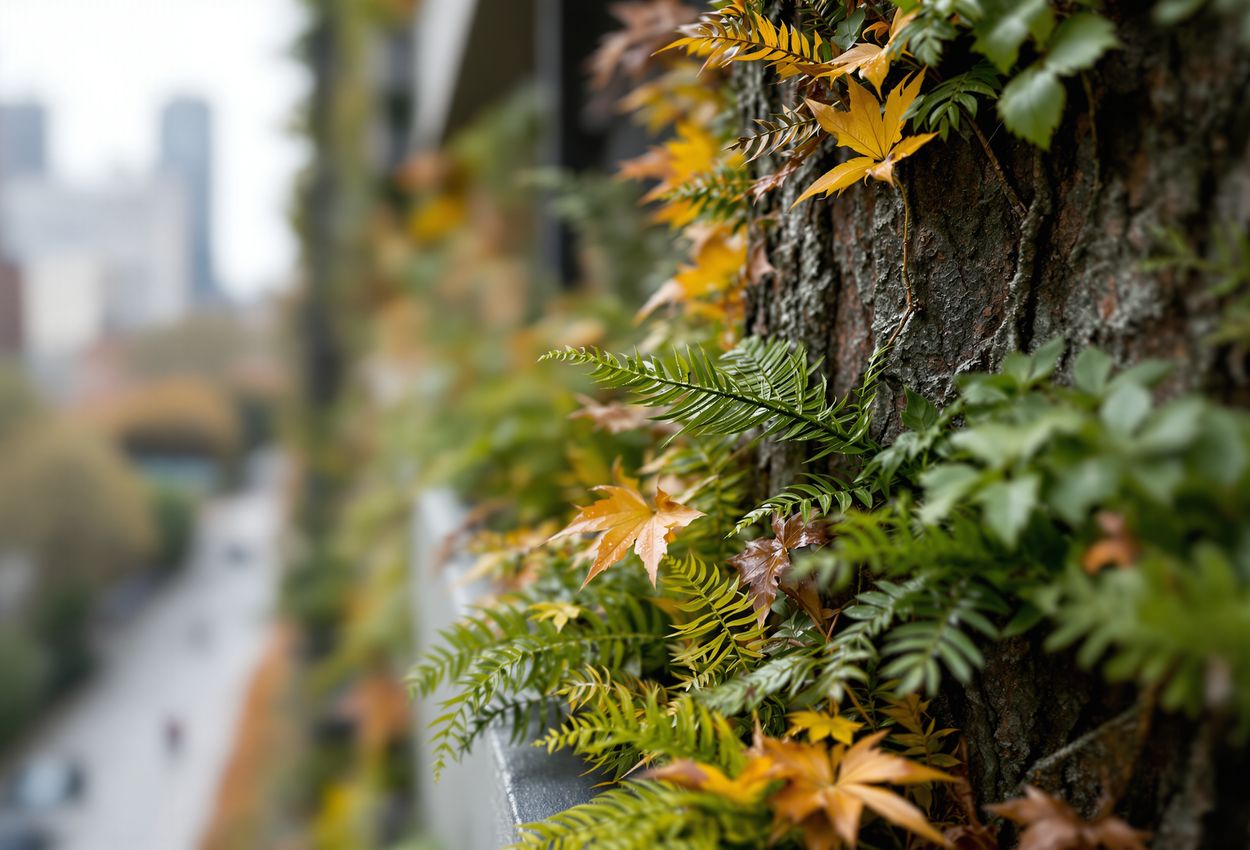
Nanjing's Green Giants: Absorbing Pollution, One Leaf at a Time
In Nanjing, China, Stefano Boeri Architetti designed the Nanjing Green Towers project, another ambitious endeavor to integrate vertical forests into an urban landscape. The project includes two towers that were planned to host 1,100 trees and 2,500 cascading plants and shrubs. These green buildings are expected to absorb 25 tons of CO2 annually and produce approximately 60 kg of oxygen per day.
The taller tower, standing at 200 meters, was designed to house offices, a museum, a green architecture school, and a rooftop club. The second tower, 108 meters high, was planned to be a Hyatt hotel with 247 rooms and a rooftop swimming pool. A 20-meter-high podium connecting the two skyscrapers was intended to offer commercial spaces, including shops, restaurants, and exhibition areas.
The Nanjing Green Towers aimed to promote urban biodiversity by providing a habitat for birds and insects. However, like other vertical forest projects, the Nanjing Green Towers faced challenges and were scheduled to be completed by 2018 but were not. Despite these setbacks, the project remains an important example of the potential for vertical forests to contribute to urban sustainability.
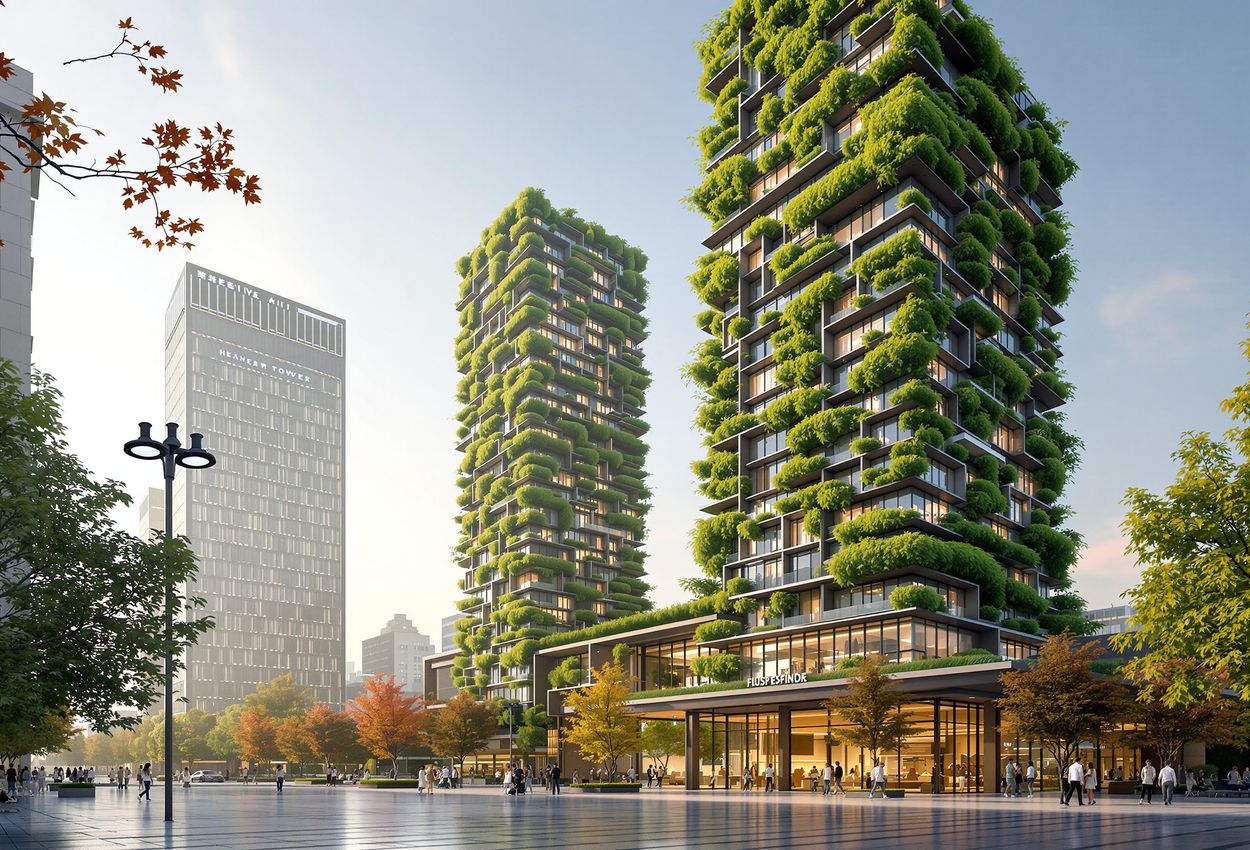
Singapore's Sky-High Gardens: Where Nature Meets High-Rise Living
Singapore, known for its innovative approach to urban planning, offers several examples of integrating green spaces into high-density housing. The Pinnacle at Duxton and Gardens by the Bay showcase how sky gardens and green roofs can provide recreational spaces for residents and promote sustainability.
The Pinnacle at Duxton, a series of seven 50-story residential towers connected by sky bridges, features green roofs and sky gardens that offer panoramic views of the city. These sky gardens incorporate jogging tracks, playgrounds, rest areas, and viewing areas, fostering a sense of community among residents. The design minimizes western-facing facades to reduce solar gain and maximizes open and porous layouts to promote natural light and ventilation.
Gardens by the Bay is another notable example of Singapore's commitment to integrating nature into the urban environment. This horticultural park features Supertrees, vertical gardens that function as vertical ecosystems, and demonstrates how green spaces can be incorporated into high-rise living.
These projects in Singapore highlight the importance of considering environmental appropriateness and creating a strong sense of ownership when implementing vertical forests. By providing recreational spaces, promoting biodiversity, and utilizing sustainable technologies, Singapore is setting a standard for integrating nature into high-density urban environments.

The Architect's Vision: Stefano Boeri on Designing for a Greener Future
Stefano Boeri, the architect behind Bosco Verticale and other vertical forest projects, envisions a future where cities are greener, healthier, and more sustainable. His motivation for creating these innovative structures stems from a desire to combat air pollution, enhance biodiversity, and improve the quality of life for urban residents.
Boeri emphasizes the importance of integrating living nature into urban architecture, stating that living nature can become an essential component of design and forests an indispensable principle of urban planning. He sees vertical forests as a way to re-naturalize urban environments, creating a harmonious relationship between humans and nature.
Boeri acknowledges the challenges of implementing vertical forest technology, including structural engineering considerations, plant selection, and maintenance requirements. He stresses the need for careful planning, ongoing research, and community engagement to ensure the long-term success of these projects.
In addition to Bosco Verticale and the Nanjing Green Towers, Stefano Boeri Architetti has also proposed the Liuzhou Forest City, an entire city covered in trees and plants. This ambitious project aims to host 30,000 people, absorb nearly 10,000 tons of CO2, and produce approximately 900 tons of oxygen per year. The Liuzhou Forest City exemplifies Boeri's vision for a future where cities are not just concrete jungles but thriving ecosystems.

Urban Planning Perspectives: Integrating Vertical Forests into City Strategies
Urban planners recognize the potential of vertical forests to contribute to more sustainable and livable cities. These structures can play a significant role in urban heat island mitigation, stormwater management, and carbon sequestration. By incorporating green infrastructure into buildings, cities can reduce the amount of heat radiating off urban areas, improve air quality, and enhance biodiversity.
However, integrating vertical forests into existing urban infrastructure also presents challenges. Supportive policies and regulations are needed to encourage the development of these structures and ensure their long-term sustainability. Zoning laws may need to be adapted to accommodate vertical forests, and financial incentives may be necessary to offset the high construction and maintenance costs.
Urban planners must also consider the social equity implications of vertical forests. If these structures are only accessible to wealthy residents, they could exacerbate social inequalities. It is important to ensure that the benefits of vertical forests are shared by all members of the community, regardless of income level.
Despite these challenges, urban planners are increasingly recognizing the value of vertical forests as a tool for creating more sustainable, resilient, and equitable cities. By incorporating these structures into city strategies, urban planners can help to create a greener and healthier future for all.
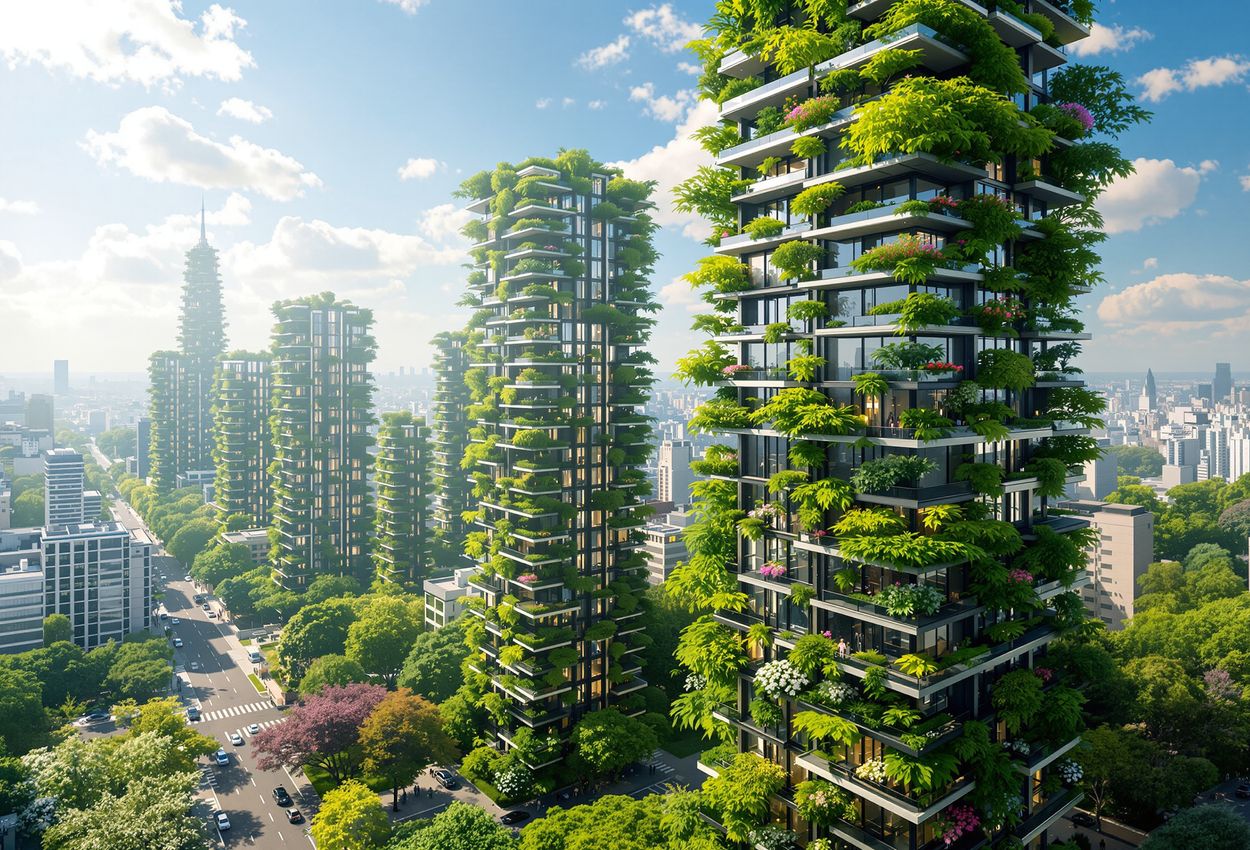
Environmental Scientists Weigh In: The Ecological Benefits of Vertical Forests
Environmental scientists emphasize the ecological benefits of vertical forests, including their impact on air and water quality, biodiversity, and energy consumption. These structures can help to absorb pollutants, capture dust, and produce oxygen, improving air quality in urban areas. They can also reduce the urban heat island effect by providing shade and releasing moisture into the air.
Vertical forests can also create wildlife corridors and support ecosystem services in urban areas. By providing habitats for birds, insects, and other animals, these structures can enhance urban biodiversity and promote ecological balance.
However, environmental scientists also raise concerns about water usage and maintenance requirements. Vertical forests require efficient irrigation systems and water recycling to minimize water consumption. Proper maintenance is essential to ensure the health and vitality of the vegetation and to prevent pest infestations and plant diseases.
Despite these concerns, environmental scientists generally agree that vertical forests offer significant ecological benefits and have the potential to contribute to more sustainable urban environments. By carefully addressing water usage and maintenance requirements, cities can maximize the ecological benefits of these innovative structures.
Challenges and Criticisms: Addressing the Downsides of Vertical Forests
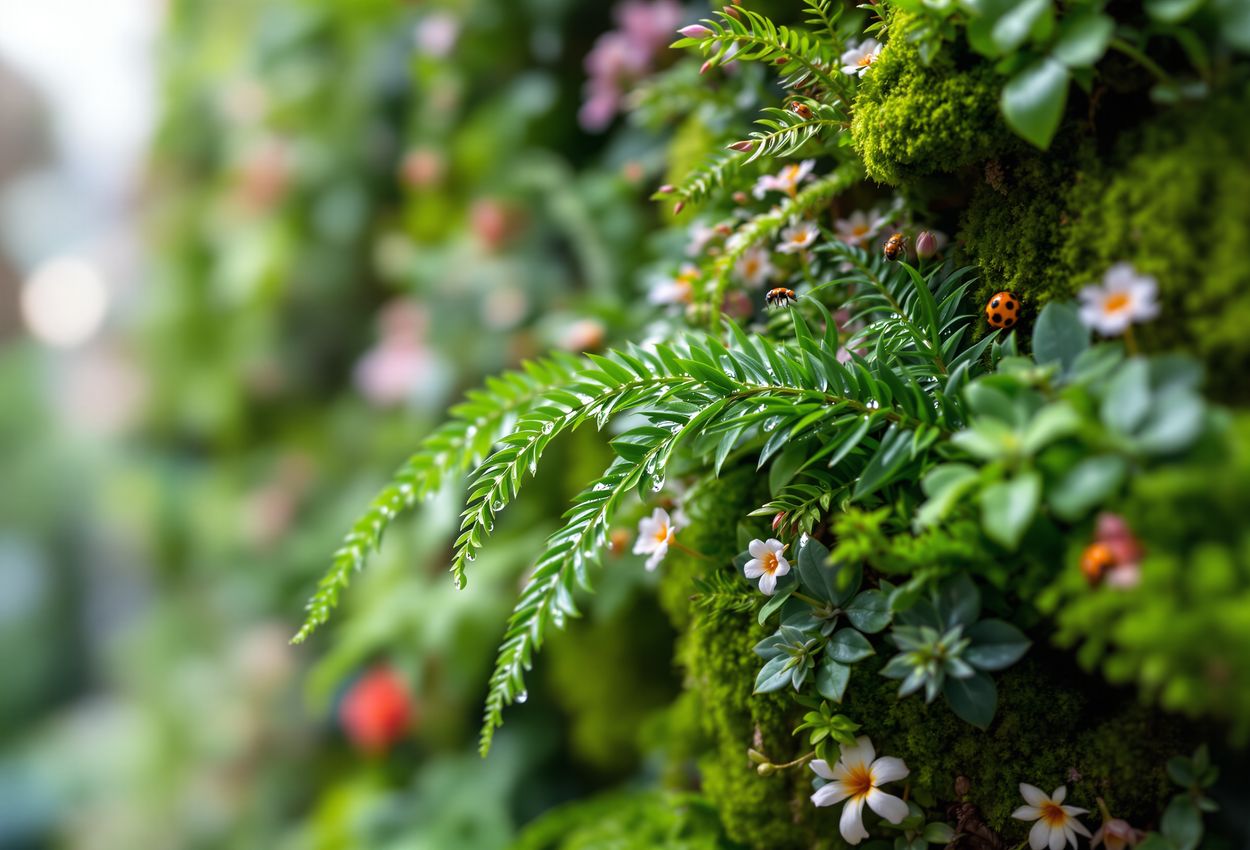
While vertical forests offer numerous benefits, they also face challenges and criticisms. High construction and maintenance costs are a major concern, as these structures require specialized engineering, materials, and expertise. Water consumption is another issue, particularly in arid regions, where efficient irrigation systems and water recycling are essential.
Limited crop variety is another criticism, as not all plants thrive in vertical settings. This can restrict potential urban farming opportunities and limit the biodiversity of vertical forests. There are also concerns that vertical forests may exacerbate social inequalities if they are only accessible to wealthy residents.
The long-term sustainability of vertical forests is another area of concern. Ongoing research and innovation are needed to ensure that these structures can withstand the test of time and continue to provide ecological and social benefits.
Some critics argue that vertical forests are a superficial solution that does not address the root causes of environmental problems, such as dependence on fossil fuels or the lack of green spaces accessible to all citizens. However, many urban planners defend these initiatives as a step in the right direction towards a more sustainable development model.
Maintenance Matters: The Secret to Thriving Vertical Forests
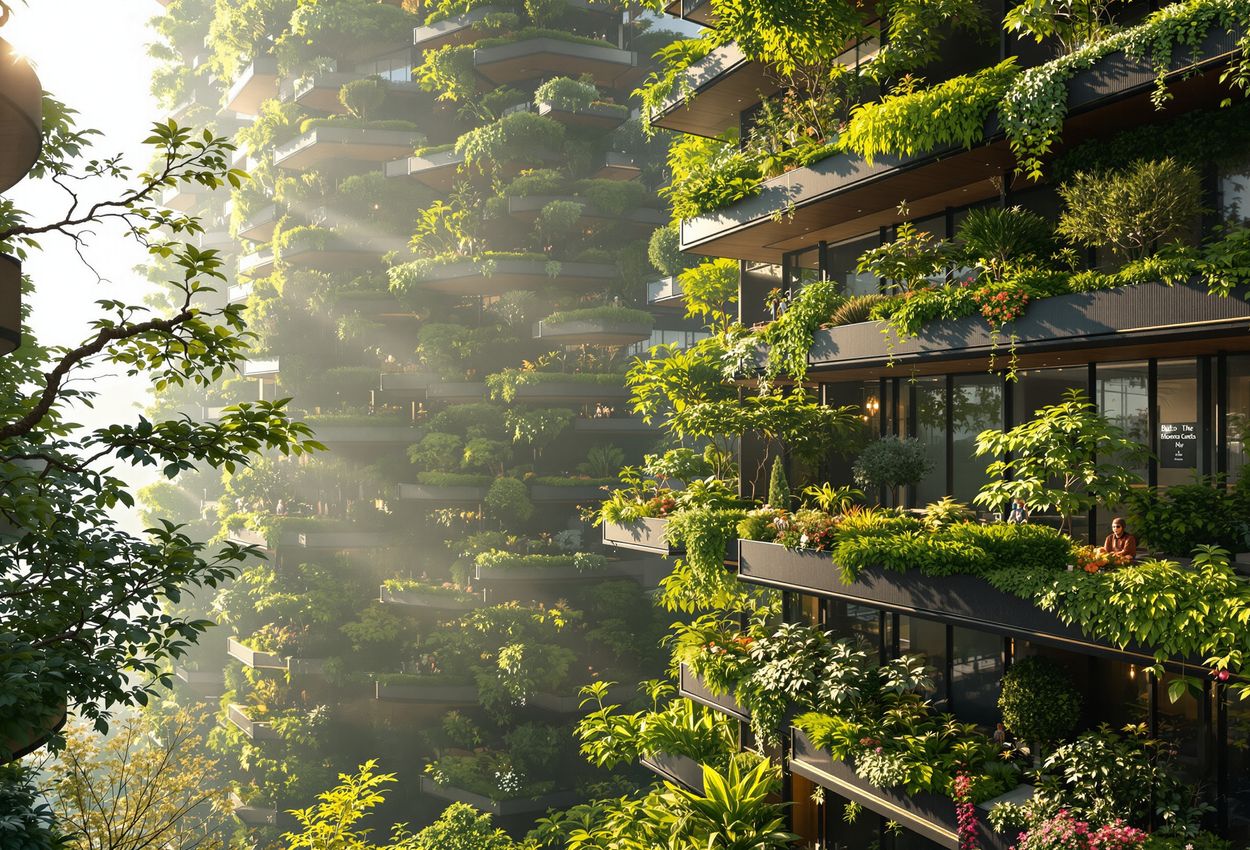
Proper maintenance is essential for the long-term success of vertical forests. This includes watering, pruning, pest control, and fertilization. Specialized expertise and automated systems are needed to ensure the health and vitality of the vegetation.
Watering is a critical task, as vertical forests require efficient irrigation systems to deliver water to plants at different heights. Pruning is also important to maintain the shape and health of the vegetation and to prevent overgrowth. Pest control is necessary to protect plants from insects and diseases, while fertilization provides essential nutrients for growth.
The costs associated with maintenance can be significant, but community involvement can help to reduce these costs and foster a sense of ownership. By engaging residents in the maintenance of vertical forests, cities can create a more sustainable and equitable model for urban greening.
Automated systems can also play a role in reducing maintenance costs and ensuring the health of vertical forests. Sensors can monitor soil moisture, temperature, and other environmental factors, allowing for precise irrigation and fertilization. These technologies can help to optimize resource use and minimize the need for manual intervention.

The Vertical Forest Effect: Inspired Projects Around the Globe
The success of Bosco Verticale in Milan has inspired vertical forest projects in other cities around the world. One Central Park in Sydney, Australia, and the planned vertical forest in Egypt's New Administrative Capital are just a few examples of how the vertical forest concept is being adapted to different climates and cultural contexts.
One Central Park features lush vertical gardens that extend the surrounding parkland upwards, creating a green icon on the Sydney skyline. The building incorporates hydroponic walls, low-profile horizontal planters, and a cantilevered heliostat that redirects sunlight to shaded areas. The vertical gardens act as a natural sun control device, shielding apartments from direct sunlight in summer and admitting maximum sunlight in winter.
The planned vertical forest in Egypt's New Administrative Capital aims to create a sustainable and livable urban environment by integrating green spaces into high-rise buildings. This project seeks to adapt the vertical forest concept to the unique climate and cultural context of Egypt, demonstrating the versatility and adaptability of this innovative approach.
These projects around the globe showcase how the vertical forest concept can be adapted to different climates and cultural contexts. By incorporating unique design features and addressing local environmental challenges, these projects are contributing to a more sustainable and livable future for cities around the world.

Living in a Vertical Forest: Residents Share Their Experiences
Residents of vertical forests, such as Bosco Verticale in Milan, offer valuable insights into the benefits and challenges of living in these unique structures. Their experiences highlight the sense of community and connection to nature that vertical forests can foster.
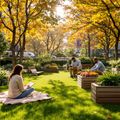
Living in a vertical forest provides residents with a unique opportunity to connect with nature in an urban environment. The presence of trees, plants, and wildlife can create a sense of tranquility and well-being, improving the quality of life for residents.
However, residents also face challenges, such as the costs of living in vertical forests and the exclusivity that comes with it. Maintenance fees can be high, and access to these structures may be limited to wealthy individuals. It is important to address these issues to ensure that the benefits of vertical forests are shared by all members of the community.
Despite these challenges, residents of vertical forests generally express positive experiences, citing the unique connection to nature and the sense of community that these structures foster. Their insights provide valuable lessons for future vertical forest projects and highlight the importance of considering the social and economic implications of these innovative structures.

The Future is Green: Vertical Forests as a Model for Sustainable Urban Development
Vertical forests represent a promising model for sustainable urban development, offering a multitude of benefits for cities and their residents. By integrating nature into urban environments, these structures can help to improve air and water quality, enhance biodiversity, reduce the urban heat island effect, and promote a healthier and more sustainable way of life.
Continued innovation and collaboration are needed to overcome the challenges associated with vertical forests, such as high construction and maintenance costs, water consumption concerns, and limited crop variety. By addressing these challenges and developing supportive policies and regulations, cities can maximize the potential of vertical forests to contribute to urban sustainability.
The integration of nature into urban environments is essential for creating healthier, more livable, and more resilient cities. Vertical forests offer a unique and innovative approach to achieving this goal, providing a model for sustainable urban development that can be adapted and replicated in cities around the world.
As cities continue to grow and face environmental challenges, vertical forests will play an increasingly important role in shaping the future of urban landscapes. By embracing these innovative structures and prioritizing the integration of nature into urban environments, we can create a greener, healthier, and more sustainable future for all.