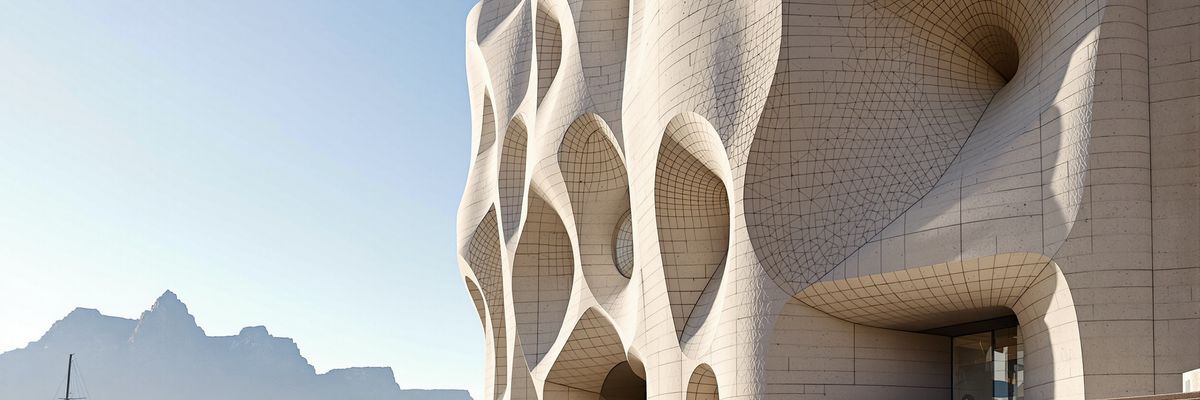
The allure of urban exploration, or 'urbex,' lies in the thrill of discovery and the chance to witness the beauty of decay firsthand.
Urban exploration (urbex) has surged in popularity, captivating adventurous travelers seeking unique experiences beyond typical tourist trails. This fascination stems from the psychological draw of abandoned spaces, offering a blend of thrill, historical connection, and aesthetic appreciation. Urbex allows explorers to step back in time, witnessing remnants of past lives and industries, while challenging personal boundaries and perceptions.
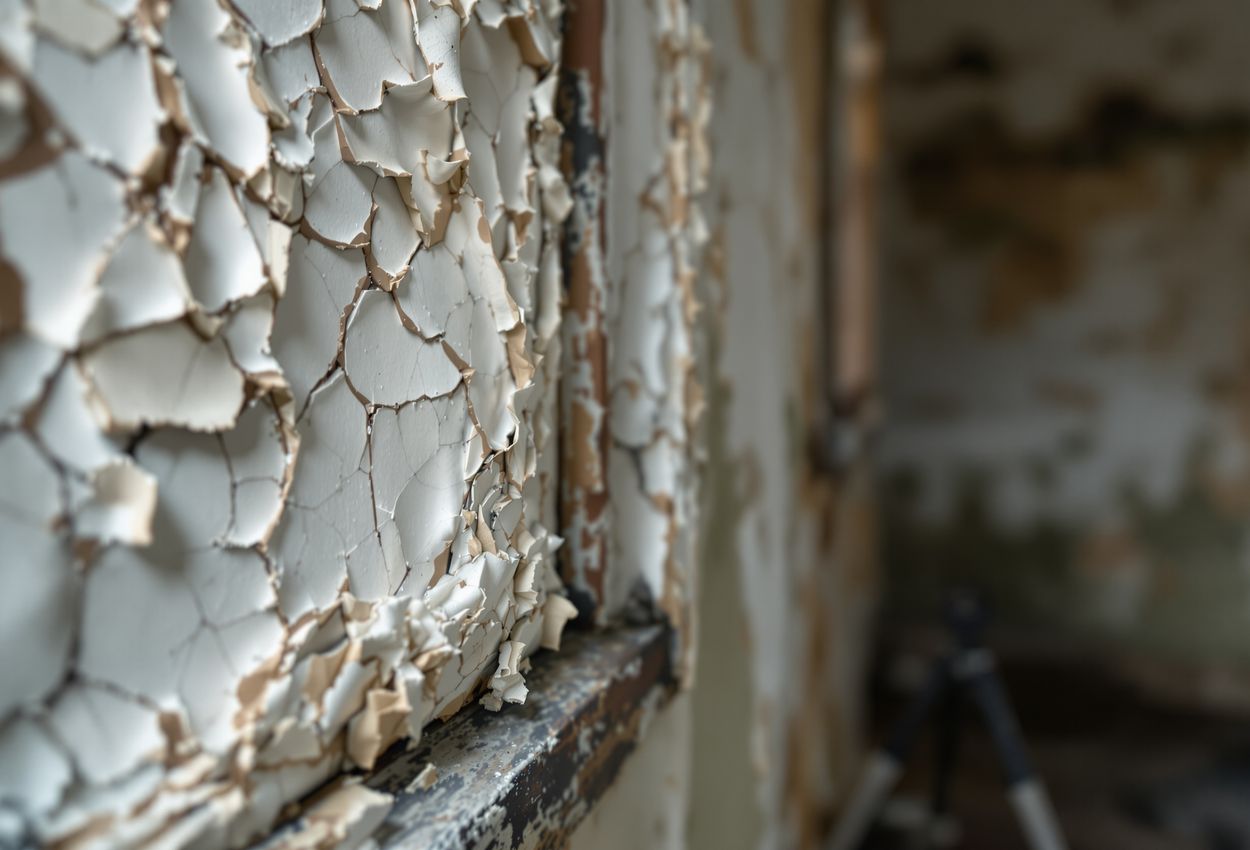
Entering an abandoned building is a sensory experience. The air hangs heavy with the smell of dampness and dust, a musty aroma of decay that permeates every corner. Footsteps echo through silent halls, amplifying the sense of solitude and the weight of history. Peeling paint reveals layers of forgotten colors, and crumbling walls tell silent stories of the lives that once filled these spaces. Textures range from smooth, cold metal to rough, decaying wood, each surface a testament to the passage of time. This multi-layered sensory experience creates a vivid atmosphere, drawing explorers deeper into the forgotten world.
The rise of urbex photography has played a significant role in popularizing this activity. Through striking visuals, photographers document the hidden beauty and haunting atmosphere of abandoned spaces, sharing these discoveries with a wider audience. These images capture the intricate details of decay, the play of light and shadow, and the unique character of each location, inspiring others to seek out these hidden gems.

Respect and Responsibility: The Urbex Ethos
The core principle of urban exploration is to respect the spaces you enter, leaving them as you found them.
Urbex is guided by a strong ethical code, emphasizing respect for the environment and preservation of historical sites. The central tenet is, “Take only photos, leave only footprints,” underscoring the importance of minimizing impact and avoiding any form of vandalism or theft. Responsible urbex values preservation over destruction, ensuring these locations remain accessible for future explorers and historians.
Trespassing laws vary by location, and urban explorers must be aware of the potential legal ramifications of entering private property without permission. Seeking permission from property owners is always the most responsible approach, but it is not always possible. In such cases, explorers must exercise caution and avoid causing any damage or disturbance that could lead to legal action.
Responsible urbex involves more than just avoiding vandalism; it means actively preserving the integrity of the site. This includes not disturbing any objects, refraining from moving artifacts, and leaving no trace of one's presence. By adhering to these principles, urban explorers contribute to a culture of exploration that values the stories these forgotten places hold.

Safety First: Navigating the Perils of Abandoned Spaces
Urban exploration presents inherent dangers, requiring careful planning and a focus on personal safety.
Abandoned spaces often pose significant risks, including structural instability, environmental hazards, and potential encounters with squatters or vandals. Dilapidated buildings may have weakened floors, collapsing ceilings, and unstable walls, making them prone to accidents. Environmental hazards such as asbestos, mold, and lead paint can pose serious health risks if inhaled or ingested. Additionally, some abandoned locations may be inhabited by squatters or vandals, increasing the risk of confrontation or violence.
To mitigate these risks, wearing appropriate protective gear is essential. Sturdy boots provide ankle support and protection from sharp objects, while gloves protect hands from cuts and contamination. A mask or respirator can filter out dust, mold spores, and other airborne particles. Bringing a friend ensures assistance in case of an accident and provides an extra layer of security. Being aware of your surroundings means paying attention to potential hazards, such as sagging floors, exposed wiring, and signs of chemical contamination.
Identifying potential hazards is crucial for safe urban exploration. Look for signs of structural weakness, such as cracks in walls, water damage, or sagging ceilings. Be wary of areas with poor ventilation, as they may contain hazardous gases. Avoid touching or disturbing any unknown substances, and be cautious of sharp objects or broken glass. By carefully assessing the risks and taking appropriate precautions, urban explorers can minimize the dangers and enjoy a safer experience.
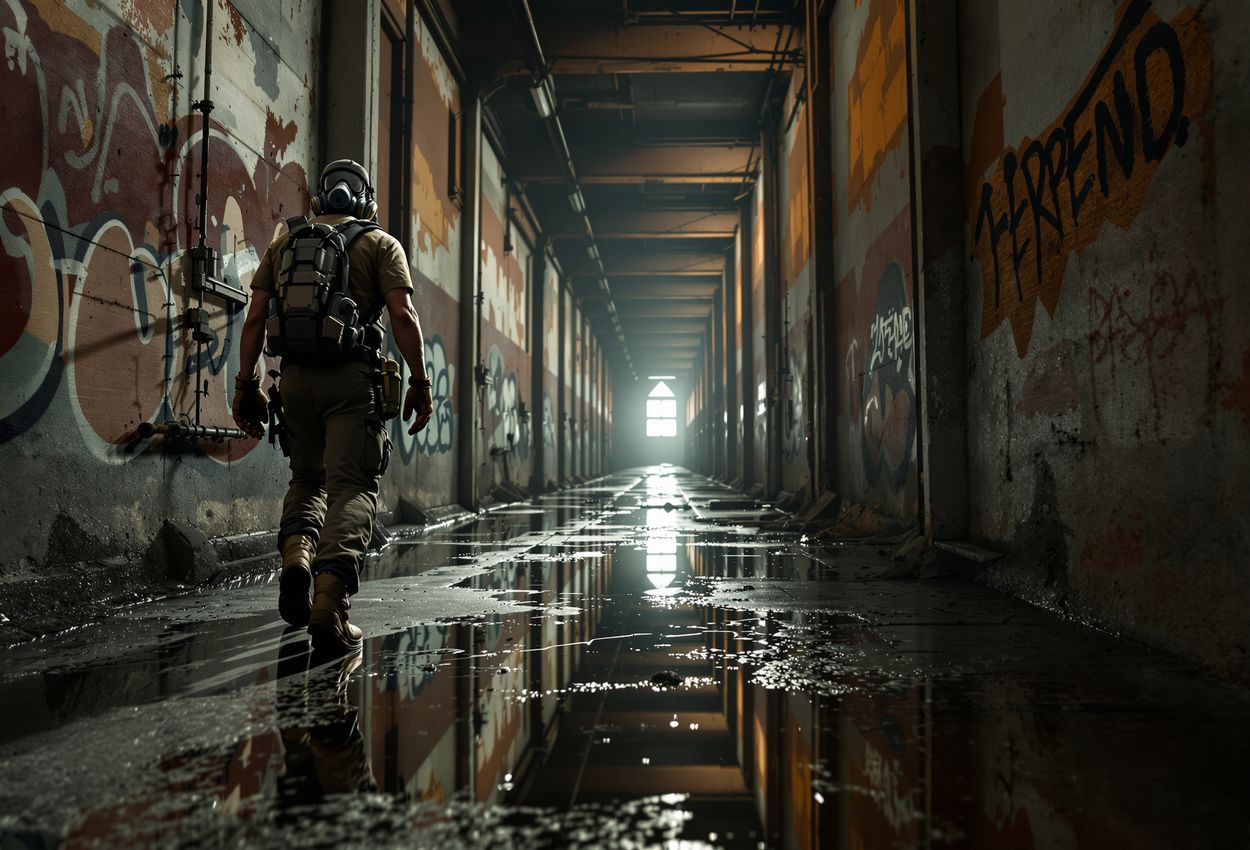
Pripyat, Ukraine: A Frozen Moment in Time
Pripyat stands as a haunting reminder of the Chernobyl disaster, a city frozen in time, offering a glimpse into a lost world.
Pripyat, Ukraine, was abandoned after the Chernobyl disaster in 1986, leaving behind an eerie stillness and a haunting beauty. The city offers a unique opportunity to witness a moment frozen in time, where personal belongings, public spaces, and entire neighborhoods remain as they were on the day of the evacuation. This creates a powerful emotional impact, offering a glimpse into the lives of those who once called Pripyat home.
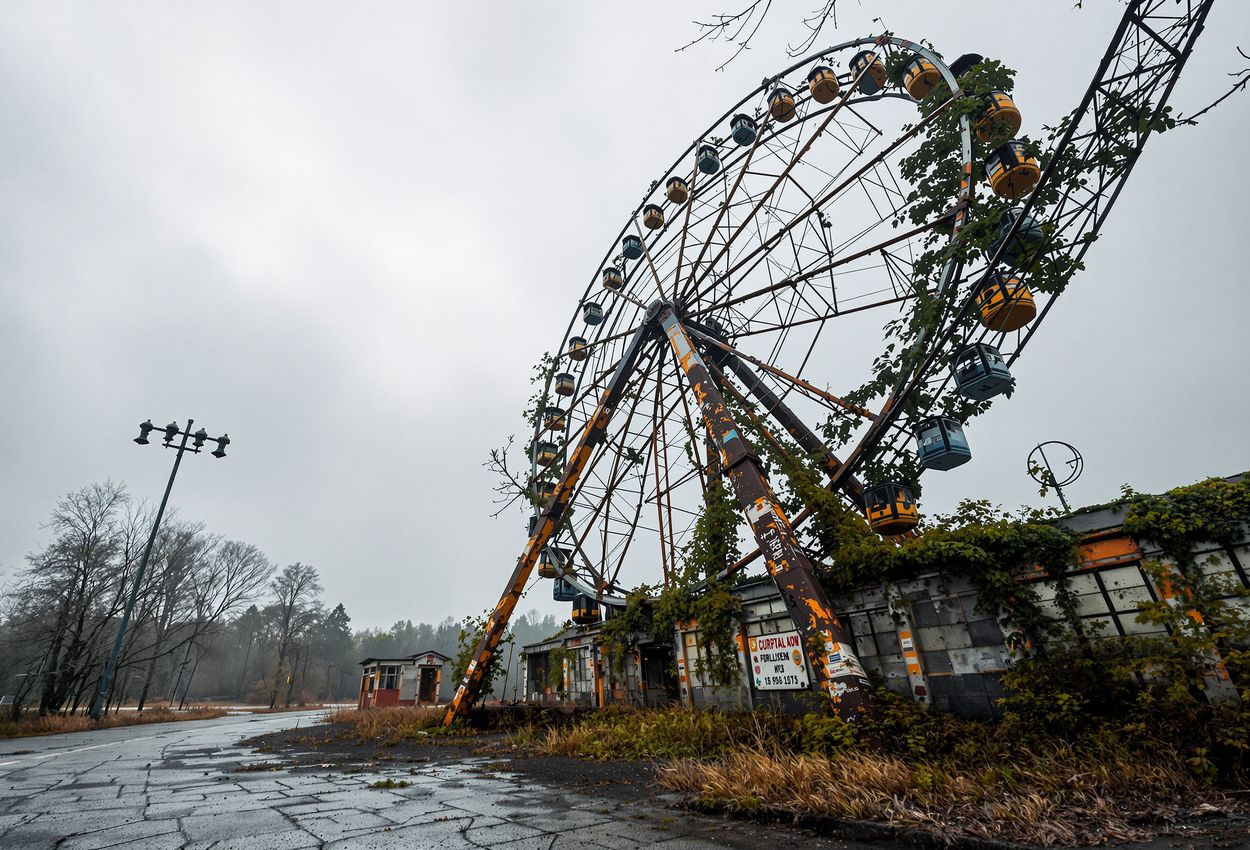
The abandoned amusement park, with its iconic Ferris wheel, stands as a chilling symbol of unrealized dreams. The Ferris wheel, intended to open for May Day celebrations, never welcomed its first riders, becoming a lasting emblem of the disaster. The Palace of Culture, once a vibrant center for community events, now stands silent, its decaying facade hinting at the laughter and gatherings that once filled its halls.
Witnessing personal belongings left behind evokes a deep sense of empathy and reflection. Toys scattered in kindergartens, books left open in apartments, and family photographs abandoned on walls offer intimate glimpses into the lives disrupted by the disaster. These remnants serve as poignant reminders of the human cost of Chernobyl, inviting contemplation on the fragility of life and the enduring impact of tragedy.
Hashima Island, Japan: Ghost Island of Nagasaki
Hashima Island, also known as Gunkanjima, offers a stark glimpse into Japan's industrial past and the harsh realities of its coal mining era.
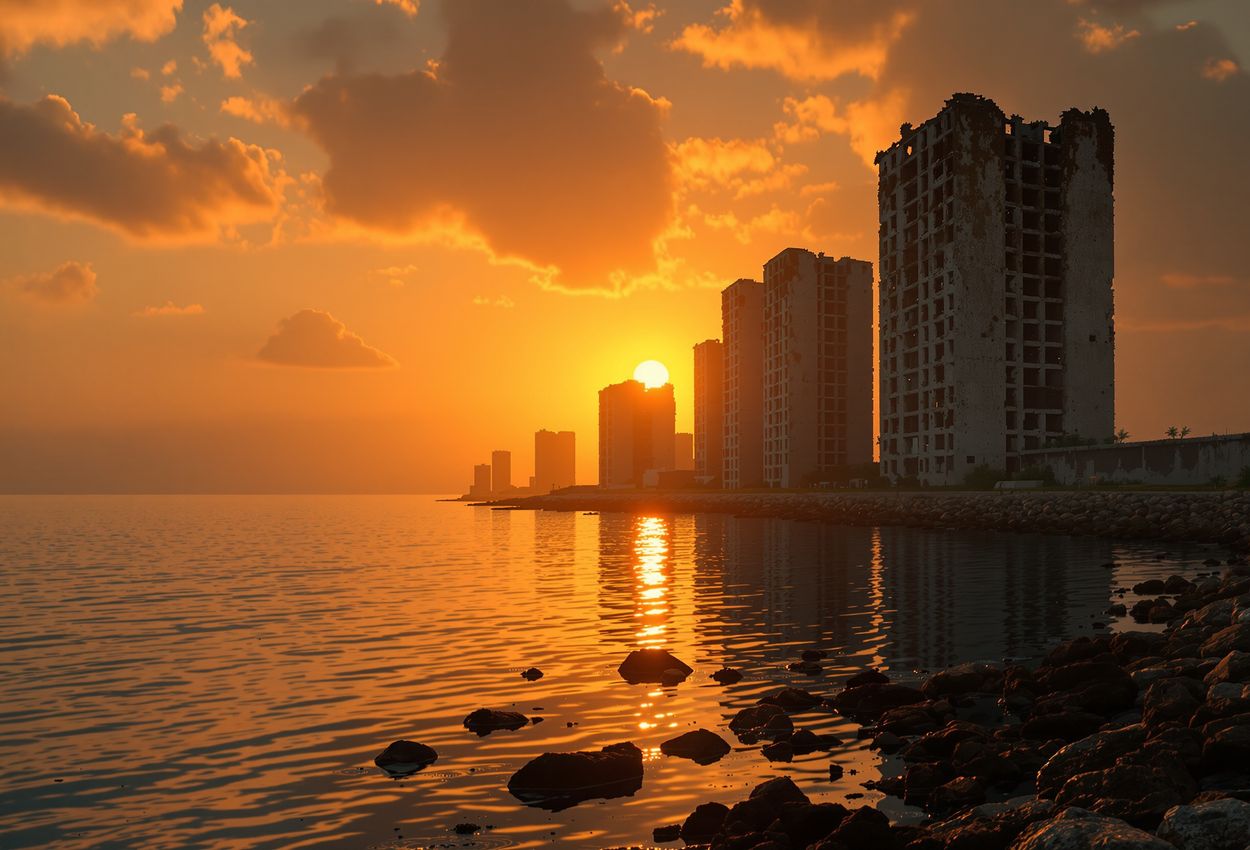
Hashima Island (Gunkanjima), located off the coast of Nagasaki, Japan, was once a densely populated industrial hub, now a crumbling ghost island. The island's history is rooted in coal mining, serving as a vital resource for Japan's rapid industrialization. However, its subsequent abandonment has left behind a haunting landscape of decaying concrete buildings and a palpable sense of isolation.
The island's concrete buildings, built to withstand typhoons, now stand as skeletal remains, testaments to human ambition and the relentless forces of nature. The feeling of isolation is amplified by the island's remote location and the absence of human activity, creating an eerie atmosphere that captivates urban explorers.
Efforts to preserve Hashima Island as a UNESCO World Heritage Site reflect a growing recognition of its historical significance. However, debates continue regarding the island's complex history, including its role as a site of forced labor during World War II. Balancing the preservation of its industrial heritage with acknowledging the suffering of those who toiled in its mines remains a challenge.
Beelitz-Heilstätten, Germany: Whispers of the Past
Beelitz-Heilstätten, a former military hospital complex near Berlin, resonates with the echoes of its tumultuous past, offering a glimpse into medical history and wartime experiences.
Beelitz-Heilstätten, near Berlin, Germany, is a sprawling former military hospital complex with a rich and layered history. Originally built as a sanatorium for tuberculosis patients in the late 19th century, it later served as a military hospital during both World Wars, treating soldiers from across Europe. Its subsequent abandonment has created a haunting atmosphere, attracting urban explorers seeking to uncover its secrets.
The decaying sanatorium buildings, with their overgrown vegetation and crumbling facades, evoke a sense of melancholy and intrigue. The site's history is palpable, with remnants of medical equipment, faded photographs, and graffiti left by former patients and soldiers. These details offer glimpses into the lives of those who sought healing or endured wartime trauma within its walls.
The treetop walk provides a unique perspective on the site, allowing visitors to explore the complex from above, offering a new appreciation for its scale and architectural details. This elevated viewpoint reveals the extent of the complex and the intricate network of buildings, pathways, and gardens that once served as a haven for healing.

Kolmanskop, Namibia: A Diamond Town Swallowed by Sand
Kolmanskop, a ghost town in the Namib Desert, presents a surreal landscape where the forces of nature reclaim a once-thriving diamond mining settlement.
Kolmanskop, located in the Namib Desert of Namibia, began as a diamond mining town in 1908. The discovery of diamonds led to a surge in population and the construction of a prosperous town, complete with European-style architecture and amenities. However, its fortunes were short-lived, and the town was abandoned when richer diamond deposits were discovered elsewhere.
The sight of sand dunes filling the abandoned buildings creates a surreal and captivating blend of nature and decay. The desert sands have gradually encroached upon the town, transforming former homes, shops, and public spaces into surreal sandboxes. This unique juxtaposition of human architecture and natural forces makes Kolmanskop a photographer's paradise.
Specific buildings like the former hospital, ballroom, and bowling alley offer glimpses into the town's past life. These structures, now partially buried in sand, stand as silent witnesses to the town's rise and fall, offering a poignant reminder of the ephemeral nature of human endeavors.

Craco, Italy: A Medieval Village Lost to Landslides
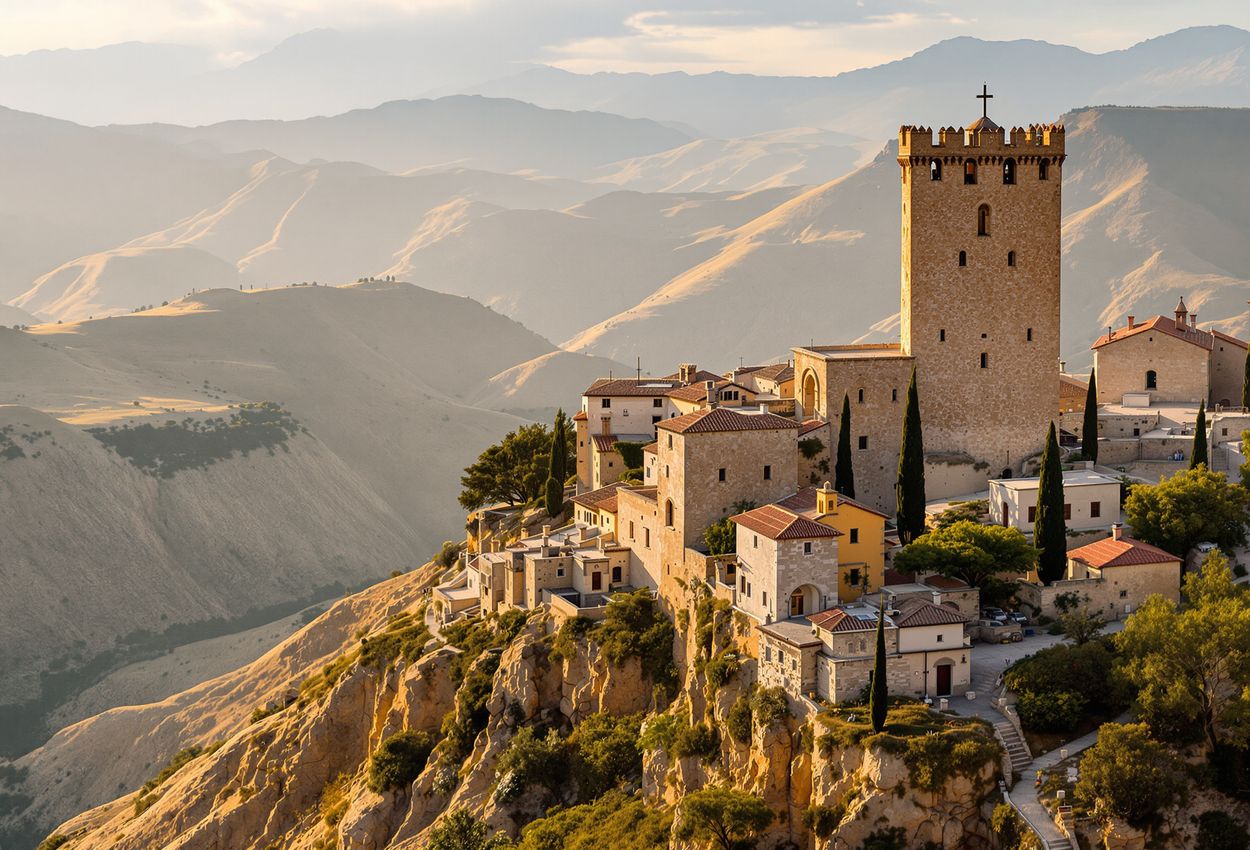
Craco, a medieval village in the Basilicata region of Italy, stands as a picturesque ruin, a testament to the power of nature and the resilience of the human spirit.
Craco, located in the Basilicata region of Italy, is a medieval village abandoned due to recurring landslides. Its origins trace back to the 8th century. The village's picturesque setting on a hilltop provides dramatic views of the surrounding landscape, adding to its allure for urban explorers and filmmakers.
The empty stone houses and narrow, winding streets evoke a feeling of stepping back in time, offering a glimpse into a traditional way of life that has vanished. The village's architecture, built into the landscape, showcases the ingenuity and resourcefulness of its former inhabitants.
Craco's use as a filming location for movies like 'The Passion of the Christ' has further cemented its reputation as a hauntingly beautiful and historically significant site. The village's dramatic setting and evocative atmosphere have made it a popular choice for filmmakers seeking a unique and timeless backdrop.
Centralia, Pennsylvania: The Town That Burns Forever
Centralia, Pennsylvania, presents a stark and unsettling example of the destructive power of an underground coal fire, a town slowly consumed by an unrelenting inferno.
Centralia, a borough in Pennsylvania, has been largely abandoned due to an underground coal fire that has been burning since 1962. The fire, ignited by a trash burning incident, spread through the network of underground coal mines, creating an environmental and social catastrophe.
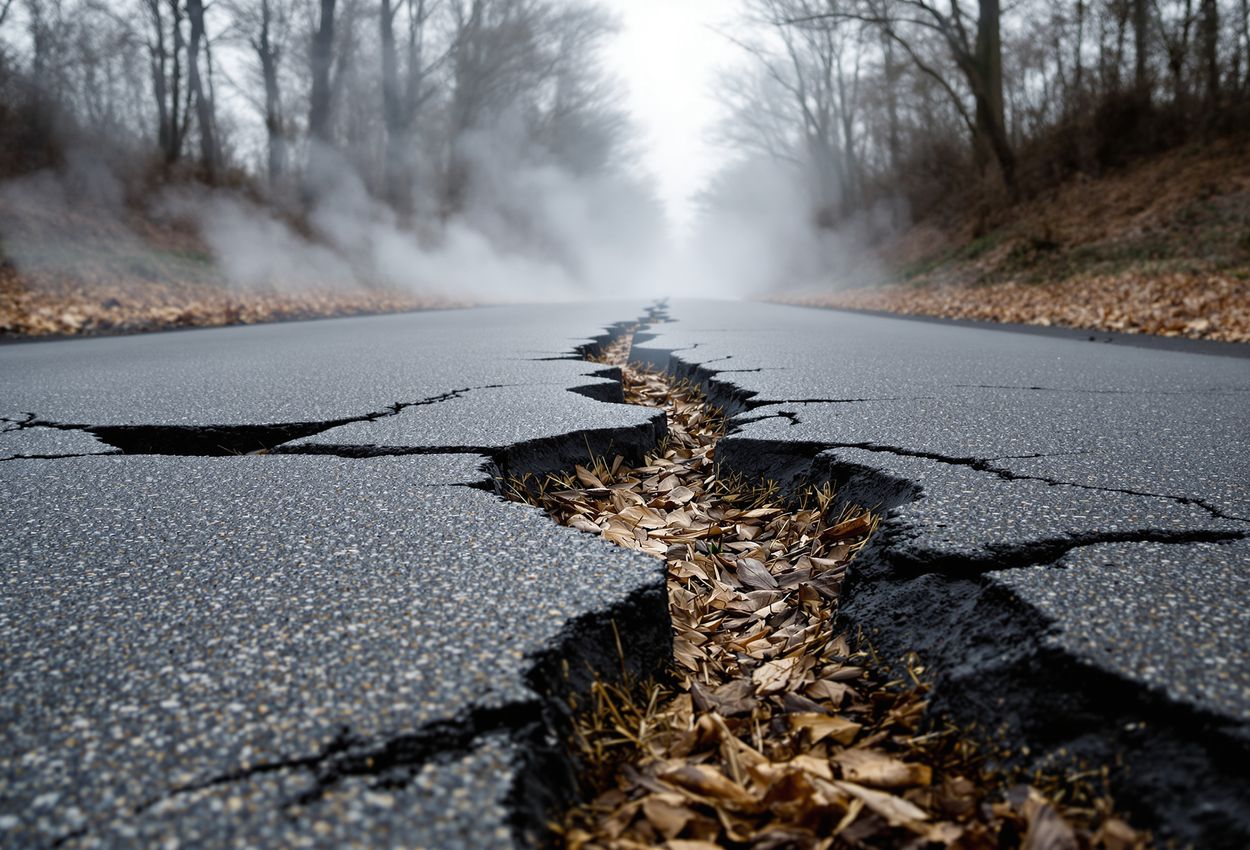
The cracked roads, occasional plumes of smoke rising from the ground, and the eerie silence create an unsettling atmosphere. The visible signs of the fire serve as constant reminders of the ongoing disaster, transforming the town into a surreal and desolate landscape.
Despite the dangers, a few remaining residents refuse to leave, clinging to their homes and their connection to the town's past. Their resilience in the face of adversity offers a glimmer of hope amidst the devastation, highlighting the enduring power of community and the human spirit.
Exploring Responsibly: A Guide to Urbex Photography
Urbex photography offers a powerful medium for capturing the beauty and stories of abandoned spaces, while promoting responsible exploration and preservation.
Capturing the beauty of abandoned spaces through photography requires careful planning and the right equipment. A camera with good low-light performance is essential for documenting dimly lit interiors, while a wide-angle lens allows for capturing the scale and grandeur of decaying structures. A tripod provides stability for sharp images in low light, and a flashlight illuminates hidden details and potential hazards.
Composition and lighting play crucial roles in conveying the atmosphere and story of a location. Experiment with different angles and perspectives to create visually compelling images. Utilize natural light to enhance the textures and colors of decay, and use artificial light to highlight specific details or create dramatic effects. Capturing the details that tell the story of the location, such as peeling paint, rusted machinery, and forgotten artifacts, adds depth and meaning to your photographs.
Respecting the location and following the 'leave no trace' principle is paramount. Avoid touching or disturbing anything, and never remove any artifacts. Stay on established paths to minimize your impact on the environment, and be mindful of any potential hazards. By practicing responsible photography, you can help preserve these spaces for future generations to appreciate.
Finding Your Own Hidden Gems: Resources for Urban Explorers
Discovering abandoned spaces requires research, respect, and a commitment to responsible exploration, ensuring the preservation of these hidden gems for future generations.
Online forums and local urbex communities provide valuable resources for finding potential locations and connecting with experienced explorers. These communities offer insights into local regulations, potential hazards, and ethical considerations. Historical societies can provide valuable information about the history and significance of abandoned buildings, adding depth to your explorations. Maps, historical records, and local knowledge can be used to research potential locations, uncovering hidden gems in your own community.
Respecting local regulations and obtaining permission when possible is essential. Trespassing laws vary by location, and it is crucial to understand the legal implications of entering private property without permission. When possible, seek permission from property owners to explore abandoned spaces, ensuring a safe and legal experience.
Exploring your own community can reveal hidden gems in your own backyard. Abandoned factories, forgotten theaters, and decaying mansions may hold untold stories and unique architectural details. By exploring responsibly and sharing your discoveries with others, you can contribute to a greater appreciation for the hidden history and beauty of your local environment.