In the heart of the concrete jungle, a silent revolution is sprouting. Urban foraging, the practice of gathering edible plants from city environments, is blossoming into a way to reconnect with nature, discover free, fresh food, and tap into a primal instinct long dormant in our modern lives.
Imagine strolling through a park and recognizing a patch of wild greens as a source of nutritious salad, or spotting a cluster of berries ripe for a homemade jam. This is the reality for a growing number of urban dwellers who are turning to their cities as unexpected sources of sustenance. It's a return to older ways of living, reminiscent of hunting and gathering societies, but adapted for the 21st century.
The thrill of discovering edible plants amidst the familiar cityscape is akin to uncovering a hidden treasure. Parks, community gardens (with permission, of course), and even those seemingly neglected corners often teem with overlooked bounty. Picture this: a narrow alleyway, sunlight dappling through the buildings, and the air thick with the sweet, earthy scent of wild berries clinging to a vine. It’s an immersive experience that awakens the senses and offers a fresh perspective on the urban landscape.
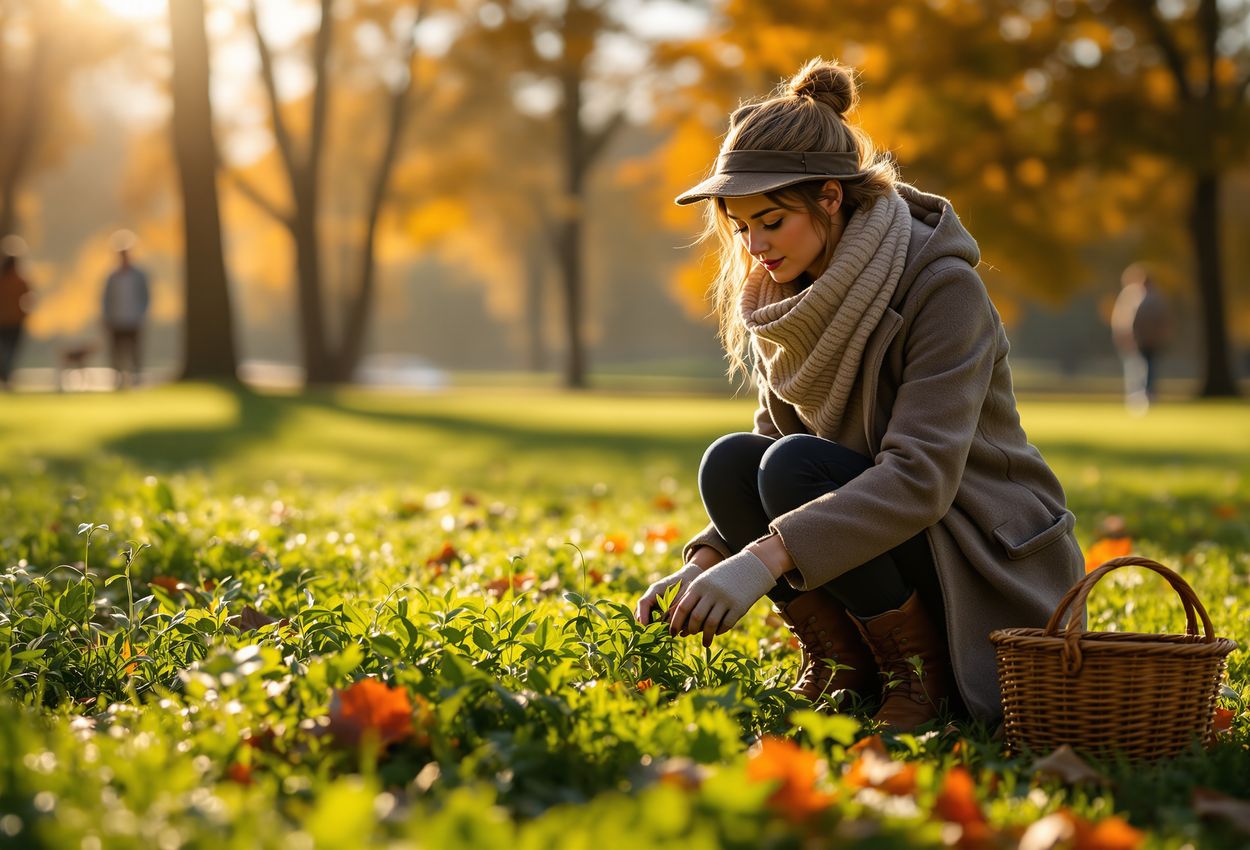
Urban foraging isn't just about finding free food; it's about fostering a deeper connection with the natural world. It encourages us to slow down, observe our surroundings, and appreciate the resilience of nature thriving even in the most unlikely places. As we learn to identify edible plants, we become more attuned to the rhythms of the seasons and the subtle changes in our environment. It’s a journey of discovery that enriches our lives in countless ways.
Foraging in the city also promotes sustainability and reduces our reliance on traditional food systems. By utilizing locally available resources, we minimize our carbon footprint and support a more resilient, community-based food network. It’s a small act with significant implications, contributing to a more environmentally conscious and self-sufficient lifestyle.
Local Tip: Check community notice boards or online groups for local foraging walks and workshops. These guided experiences are a great way to learn from experienced foragers and discover hidden edible hotspots in your area.
Dandelions: The Urban Survival Food
The humble dandelion (Taraxacum officinale) is often dismissed as a pesky weed, but to the urban forager, it's a nutritional powerhouse and a versatile culinary ingredient. Thriving in parks, gardens, and even sidewalk cracks, dandelions are a ubiquitous symbol of urban resilience. Identifying them is easy: look for their bright yellow flowers and deeply toothed leaves, forming a rosette close to the ground.
What many don't realize is that the entire dandelion plant is edible. The leaves, while slightly bitter, add a peppery kick to salads. The flowers, with their delicate sweetness, can be used to make syrups, infused oils, or even battered and fried into delicious fritters. And the roots, when dried and roasted, offer a caffeine-free coffee substitute with an earthy, robust flavor.
Imagine a sunny afternoon in Central Park, New York, the sprawling green space dotted with patches of vibrant yellow. Here, dandelions flourish, providing a readily available source of sustenance for those in the know. With a small knife and a basket, you can harvest a bounty of leaves, flowers, and roots, transforming an ordinary park visit into a foraging adventure.

Dandelion fritters are a simple yet satisfying way to enjoy this urban survival food. Simply dip the flower heads in a light batter made from flour, eggs, and milk, then fry them in hot oil until golden brown. Sprinkle with powdered sugar or drizzle with honey for a delightful treat that captures the essence of spring.
Beyond their culinary uses, dandelions also offer a range of health benefits. They are packed with vitamins, minerals, and antioxidants, supporting liver function, aiding digestion, and boosting the immune system. In traditional medicine, dandelions have been used for centuries as a natural remedy for various ailments.
Hidden Gem: Dandelion root coffee is a surprisingly delicious and healthy alternative to traditional coffee. Roast the cleaned and chopped roots in a low oven until dark brown, then grind them and brew as you would regular coffee. Add a touch of milk and honey for a comforting and energizing beverage.
Purslane: The Sidewalk Succulent
Keep your eyes peeled for purslane (Portulaca oleracea), a succulent that often thrives in the most unexpected places: sidewalk cracks, garden edges, and even between paving stones. This resilient plant is easily identified by its thick, reddish stems, juicy, paddle-shaped leaves, and tiny yellow flowers that bloom in the morning sun.
Purslane is a nutritional powerhouse, boasting high levels of omega-3 fatty acids, vitamins, and minerals. Its slightly sour, lemony flavor adds a refreshing zest to salads, sandwiches, and other dishes. And its crisp, succulent texture provides a satisfying crunch that elevates any meal.
Picture yourself wandering through the Mission District in San Francisco, a vibrant neighborhood known for its colorful murals and bustling street life. Amidst the concrete and commotion, you might spot purslane flourishing in the cracks of the sidewalk, a testament to nature's ability to thrive even in the most urbanized environments.

A purslane salad is a simple and delicious way to enjoy this sidewalk succulent. Combine purslane leaves with ripe tomatoes, crumbled feta cheese, and a drizzle of olive oil and balsamic vinegar. The combination of flavors and textures is a celebration of summer, offering a refreshing and nutritious meal that's perfect for a hot day.
Purslane has been used for centuries in traditional medicine, valued for its anti-inflammatory, antioxidant, and wound-healing properties. It's also a sustainable and readily available food source, requiring minimal water and thriving in poor soil conditions.
Local Tip: Purslane is best harvested in the morning, after the dew has evaporated and the leaves are at their crispest. Look for plants that are vibrant green and free from blemishes or signs of damage.
Lamb's Quarters: Wild Spinach in Disguise
Often overlooked as a common weed, lamb's quarters (Chenopodium album) is a nutritional treasure trove hiding in plain sight. Also known as wild spinach, this plant is commonly found in gardens, along urban paths, and in disturbed soil areas. Identifying it is relatively easy: look for its reddish or green stems and triangular leaves, often covered in a powdery white coating.
The taste of lamb's quarters is similar to spinach, but with a slightly milder and sweeter flavor. It can be used in stir-fries, soups, salads, or as a nutritious addition to any meal. It's a versatile and readily available green that adds a boost of vitamins and minerals to your diet.
Imagine strolling through a community garden in Portland, Oregon, a city renowned for its vibrant food scene and commitment to sustainability. Here, lamb's quarters often grows abundantly, offering a free and nutritious source of greens for gardeners and foragers alike.
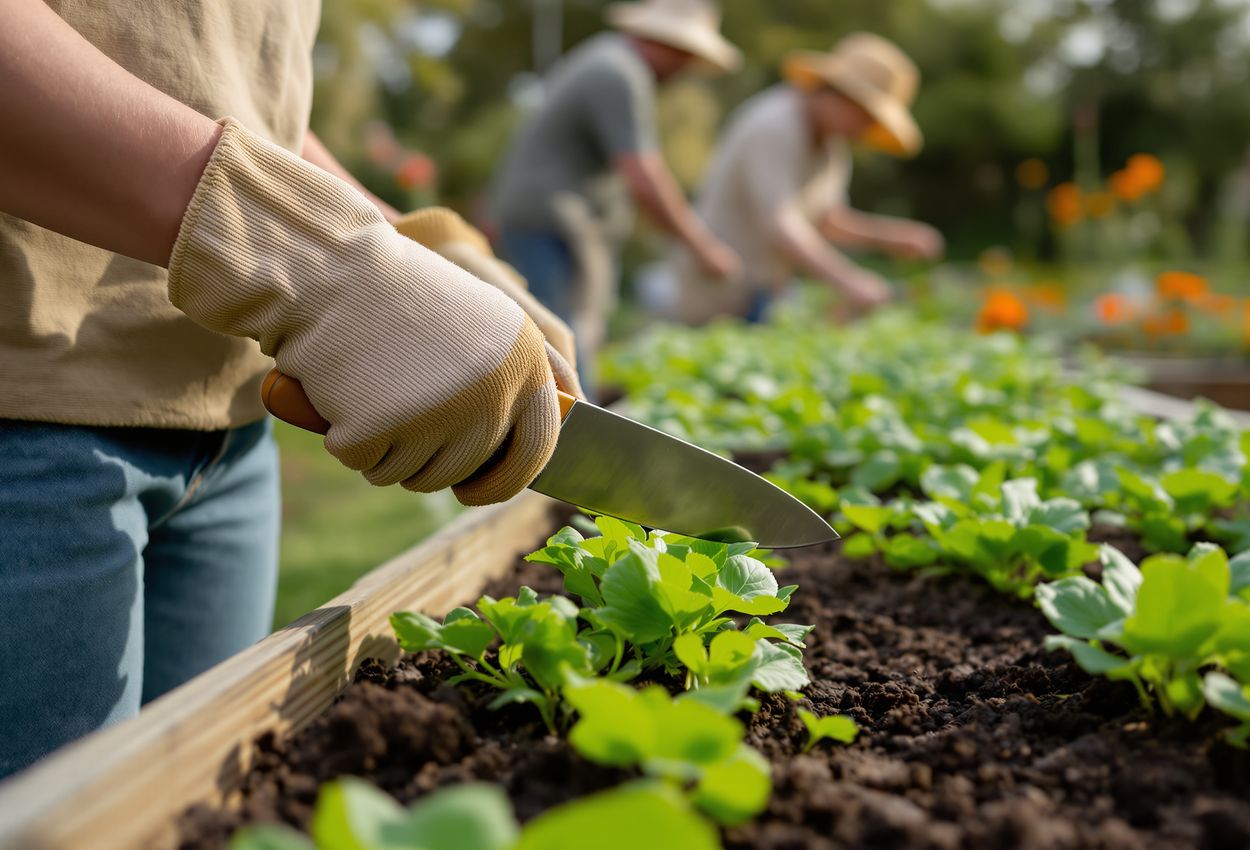
In some cultures, lamb's quarters is believed to have medicinal properties, used to treat various ailments and promote overall well-being. It's a testament to the plant's rich history and its enduring value as a source of both food and medicine.
Hidden Gem: Add lamb's quarters to your next smoothie for a boost of vitamins and minerals. Its mild flavor blends well with fruits and other greens, making it a seamless addition to your daily routine.
Chickweed: A Delicate Green Carpet
Chickweed (Stellaria media) is a delicate, low-growing plant that often forms a lush green carpet in moist, shaded areas of lawns and gardens. Its small, oval-shaped leaves and tiny white flowers are easily overlooked, but to the discerning forager, chickweed is a valuable and versatile edible green.
The flavor of chickweed is mild and slightly sweet, making it a pleasant addition to sandwiches, salads, or as a garnish over soups. Its tender texture and subtle flavor make it a favorite among foragers who appreciate delicate and nuanced flavors.
Picture a quiet corner of a park in London, England, where chickweed thrives in the damp soil beneath a canopy of trees. Here, you can gather a handful of chickweed to add a touch of freshness to your next meal.

Caution: Ensure correct identification of chickweed before consumption, as some plants have toxic look-alikes. Look for the characteristic line of hairs running along the stem, a key identifying feature of chickweed.
Local Tip: Chickweed is best enjoyed fresh, as its delicate flavor and texture diminish when cooked. Add it to salads or sandwiches just before serving for optimal taste and enjoyment.
Plantain: The Roadside Remedy
Plantain (Plantago major) is a common sight in compacted soils, like playgrounds and parking lots. This unassuming plant is easily identified by its broad, ribbed leaves forming a rosette close to the ground. While often dismissed as a weed, plantain has a rich history of medicinal use and is a valuable resource for the urban forager.
Historically, plantain has been used as a remedy for skin irritations and insect bites. Its leaves contain compounds that soothe inflammation, reduce pain, and promote healing. Simply crush a leaf and apply it to the affected area for quick relief.
Imagine a playground in Mexico City, where children play and plantain thrives in the compacted soil around the swings. Here, parents can find a natural remedy for minor scrapes and bruises, utilizing the plant's healing properties to soothe their children's woes.
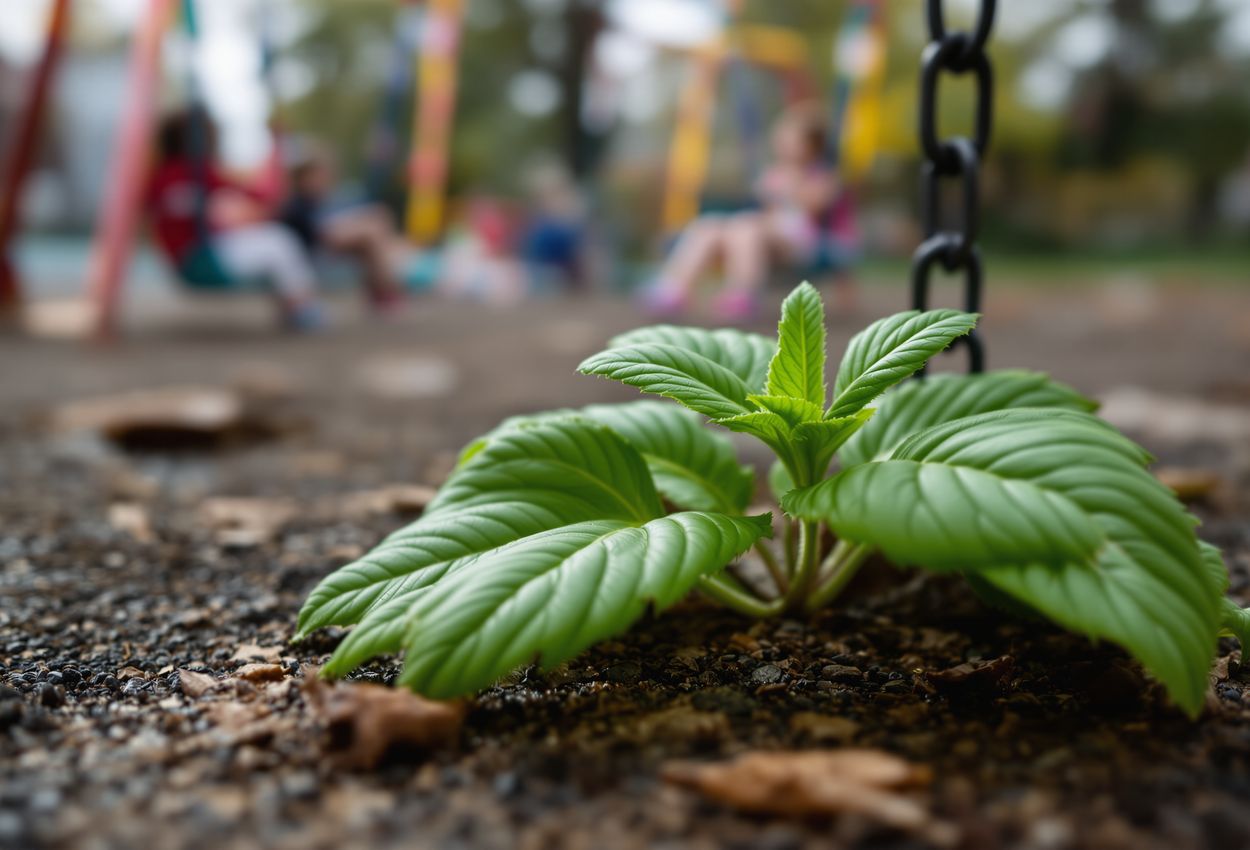
Tactical Tip: Conduct plantain-scouting expeditions in early spring or after rain, when plants are easiest to spot. Look for them in areas with compacted soil and minimal vegetation.
Hidden Gem: Plantain can also be used to make a soothing tea. Simply steep the leaves in hot water for 10-15 minutes, then strain and enjoy. The tea is said to have anti-inflammatory and digestive benefits.
Clover: Urban Camouflage Edible
Clover, with its distinctive trifoliate, or three-leaf, pattern, is a familiar sight in urban parks and lawns. The flowers are small, rounded, and typically white or pink. Both white and red clovers can be found almost anywhere, blending seamlessly into the urban landscape.
The leaves of clover can be eaten in salads, adding a slightly sweet and grassy flavor. The flowers can be steeped to make a 'clover tea,' a refreshing and subtly floral beverage.
Picture a sunny afternoon in Dublin, Ireland, where clover carpets the parks and green spaces, a symbol of luck and a source of sustenance for the urban forager.
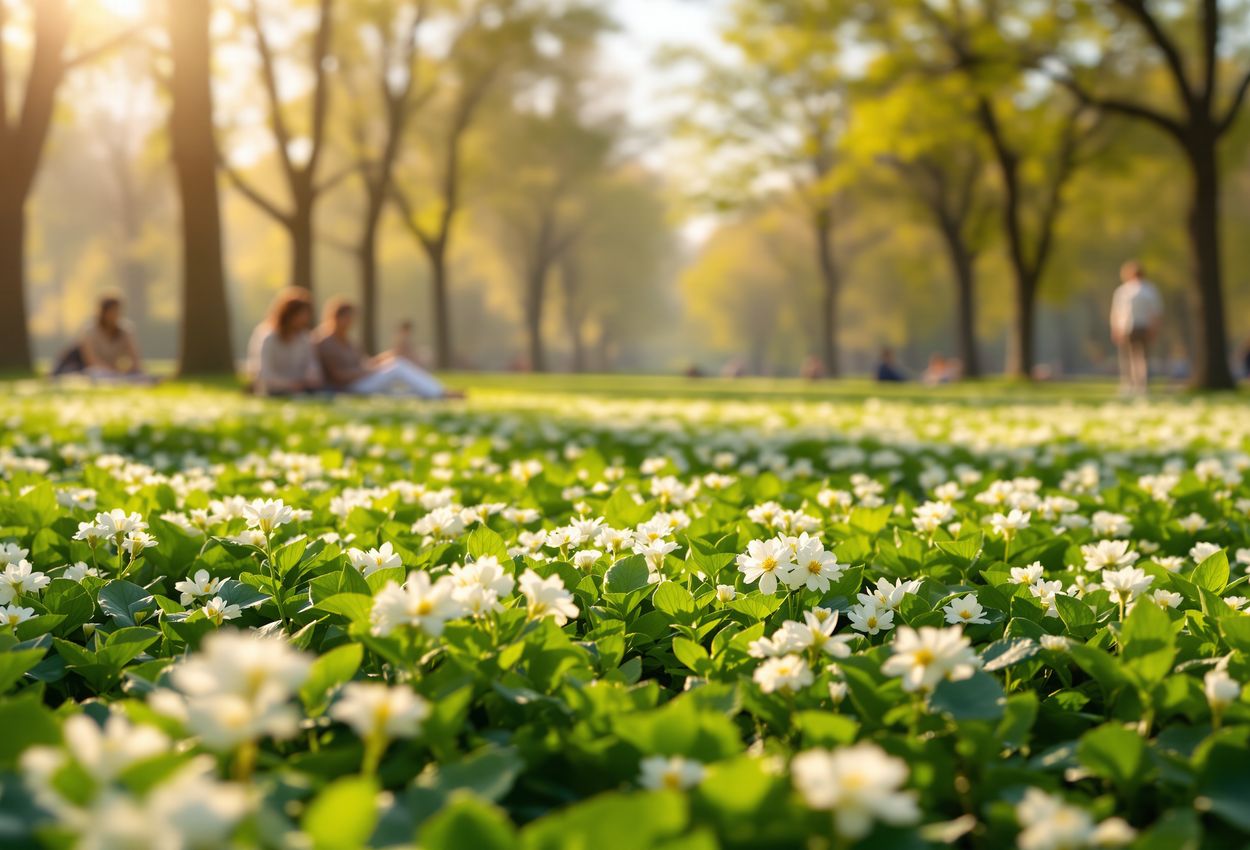
Local Tip: Look for clover in areas that are not heavily treated with pesticides or herbicides. Choose plants that are vibrant green and free from blemishes or signs of damage.
Hidden Gem: Add clover flowers to your homemade honey for a unique and flavorful infusion. Simply add a handful of fresh clover flowers to a jar of honey and let it steep for several weeks. The honey will take on the subtle floral notes of the clover, creating a delightful and versatile sweetener.
Wild Garlic: Urban Aromatic Enhancer
Wild garlic, also known as ramps or wood garlic, is a flavorful and aromatic herb that can be found in damp woodlands and along stream banks. Its garlicky aroma and long, slender leaves make it easy to identify, adding a pungent kick to any dish.
Wild garlic is frequently found throughout the United States, thriving near water sources like streams or in damp garden areas. Its flavor is similar to cultivated garlic, but with a slightly milder and more nuanced taste.
Imagine a wooded area in Atlanta, Georgia, where wild garlic carpets the forest floor, its pungent aroma filling the air. Here, foragers can harvest the leaves to add a touch of garlicky goodness to their meals.

Tactical Tip: Harvest wild garlic leaves before the plant flowers for maximum flavor. The leaves become tougher and more bitter after flowering.
Hidden Gem: Make wild garlic pesto by blending the leaves with olive oil, Parmesan cheese, pine nuts, and lemon juice. This flavorful pesto can be used on pasta, sandwiches, or as a dip for vegetables.
Mint: The Digestive Aid
Mint, with its square stems and aromatic leaves, is a refreshing and versatile herb that can be found in a variety of urban environments. From gardens and parks to neglected corners and even growing wild, mint adds a touch of coolness and vibrancy to any setting.
Mint is frequently found throughout the United States, thriving near water sources like streams or in damp garden areas. Its refreshing aroma and flavor make it a popular ingredient in teas, cocktails, and culinary dishes.
Picture a community garden in Seattle, Washington, where mint grows abundantly, its fragrant leaves filling the air with a refreshing scent. Here, gardeners and foragers can harvest the leaves to create a variety of culinary and medicinal concoctions.

Tactical Tip: Harvest mint leaves before the plant flowers for maximum flavor. The leaves become tougher and more bitter after flowering.
Hidden Gem: Use fresh mint leaves to make a refreshing tea that aids digestion and soothes the stomach. Simply steep the leaves in hot water for 5-10 minutes, then strain and enjoy. Add a touch of honey or lemon for extra flavor.
Safety First: Foraging Responsibly
While urban foraging offers a wealth of opportunities to connect with nature and discover free food, it's crucial to prioritize safety and responsible practices. Misidentification of plants can lead to serious health consequences, and unethical foraging can harm the environment.
Start by learning how to identify edible plants using field guides, apps, and local expert knowledge. Attend foraging walks and workshops to gain hands-on experience and learn from experienced foragers. Cross-reference information from multiple sources to ensure accurate identification.
Avoid foraging near busy roads, industrial zones, or areas with potential chemical contamination. These areas may contain pollutants that can be absorbed by plants, making them unsafe for consumption. Choose foraging sites that are far from potential sources of contamination.

Wash foraged plants thoroughly before consumption to remove dirt, debris, and potential contaminants. Use clean water and a gentle scrub brush to ensure that the plants are thoroughly cleaned.
Respect private property and avoid overharvesting. Obtain permission before foraging on private land, and only harvest what you need. Leave enough plants behind to allow them to regenerate and ensure the sustainability of the resource.
Local Tip: Join a local foraging group to learn from experienced foragers and discover safe and sustainable foraging practices in your area.
Tools of the Trade: What to Bring on Your Foraging Adventure
To make the most of your urban foraging adventures, it's essential to have the right tools and equipment. These tools will help you identify, harvest, and transport your foraged finds safely and efficiently.
A field guide is an indispensable tool for identifying edible plants. Choose a guide that is specific to your region and includes detailed descriptions, illustrations, and photographs of common edible and poisonous plants. Plant identification apps for smartphones can also be useful, but should not be relied upon as the sole source of information.
A small knife or shears is essential for harvesting plants without damaging them. Choose a tool that is sharp, durable, and easy to handle. A basket or cotton bag is ideal for transporting your foraged finds. Avoid using plastic bags, as they can trap moisture and cause plants to spoil quickly.

Wear protective clothing and gloves to protect your skin from thorns, insects, and potential irritants. Long sleeves, pants, and closed-toe shoes are recommended.
Hidden Gem: A magnifying glass can be helpful for examining small plant details, such as leaf patterns and flower structures. This can aid in accurate identification and prevent misidentification of poisonous plants.
Beyond the Plate: The Benefits of Urban Foraging
Urban foraging offers a multitude of benefits beyond simply providing free food. It's a way to connect with nature, promote sustainability, reduce food waste, and foster a sense of place and environmental stewardship.
By engaging in urban foraging, we become more attuned to the natural world and the rhythms of the seasons. We learn to appreciate the resilience of nature and the interconnectedness of all living things. It's a way to escape the stresses of urban life and find solace and inspiration in the natural world.
Urban foraging promotes sustainability by reducing our reliance on traditional food systems and minimizing our carbon footprint. By utilizing locally available resources, we support a more resilient, community-based food network and reduce the environmental impact of food transportation.
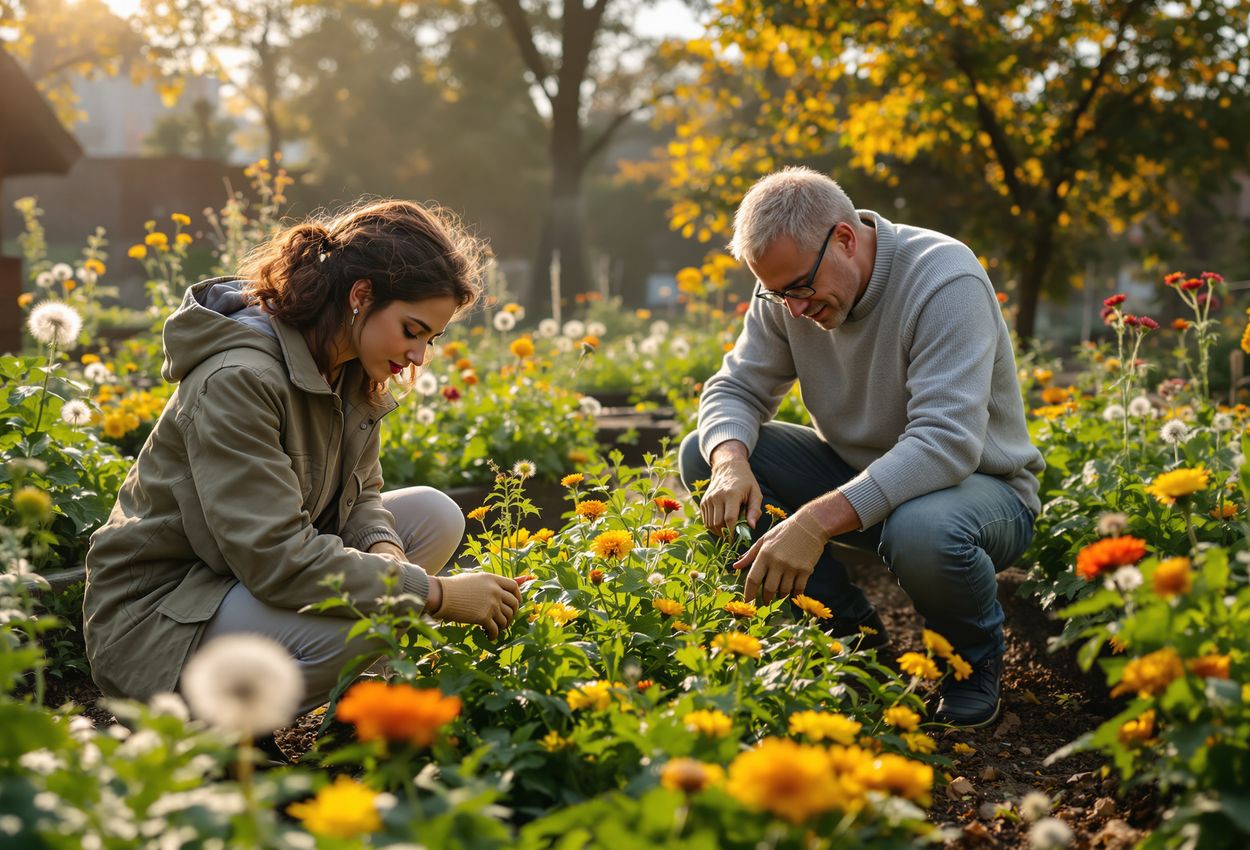
Foraging can also foster a sense of place and environmental stewardship. As we learn about the plants and ecosystems in our local area, we develop a deeper connection to our community and a greater appreciation for the importance of protecting our natural resources.
Local Tip: Collect seeds from foraged plants and propagate them in your personal or community garden. This is a great way to promote biodiversity and ensure a sustainable supply of edible plants for future generations.
Resources for the Aspiring Urban Forager
To embark on your urban foraging journey, it's essential to have access to reliable resources and information. These resources will help you identify edible plants, learn about safe foraging practices, and connect with other foragers in your community.
Local foraging groups are a great way to connect with experienced foragers and learn about the edible plants in your area. These groups often organize foraging walks, workshops, and other events that provide hands-on learning opportunities.
Botanical societies and nature centers offer educational programs and resources on plant identification and ecology. These organizations can provide valuable information on local plants, their habitats, and their uses.

Numerous books and websites offer detailed information on plant identification, foraging techniques, and edible plant recipes. Choose resources that are specific to your region and provide accurate and up-to-date information.
Visiting farmers' markets and botanical gardens can also be a great way to learn more about local plants and their uses. These venues offer opportunities to see and taste a variety of edible plants, and to learn about their cultivation and preparation.
Hidden Gem: Check with your local library for books and resources on urban foraging. Many libraries offer free access to field guides, plant identification manuals, and other valuable resources.