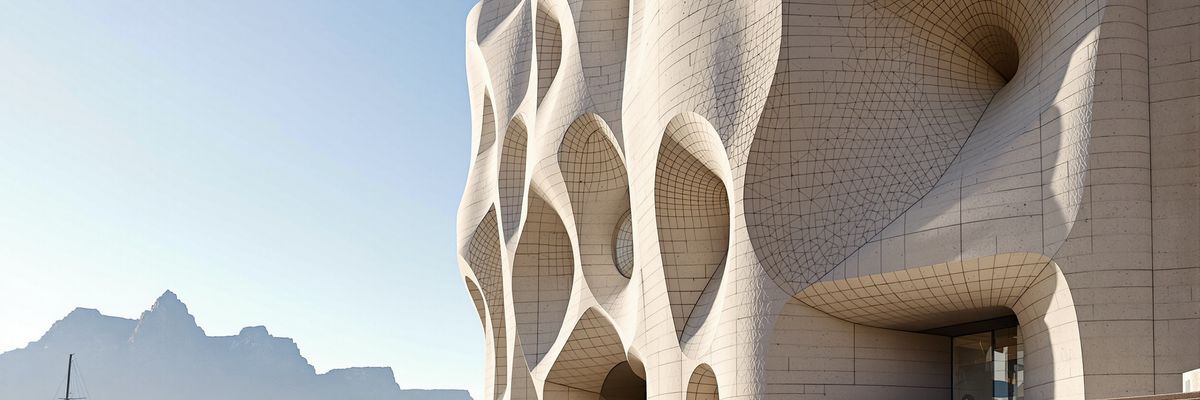
The Venice Architecture Biennale, a globally recognized event, is poised to transform Venice into a vibrant hub for architectural discourse and innovation, showcasing groundbreaking approaches to urban design, sustainability, and technology.
As anticipation builds for the 19th International Architecture Exhibition, slated to run from May 10 to November 23, 2025, the city is set to host a series of transformative ideas and projects. Carlo Ratti, the appointed curator, has chosen 'Intelligens. Natural. Artificial. Collective.' as the overarching theme, setting the stage for an exploration of how architecture can effectively bridge the divide between nature, artificial intelligence, and collective human ingenuity. The Biennale will unfold across Venice's iconic venues, the Giardini and the Arsenale, offering a rich tapestry of international projects and installations.
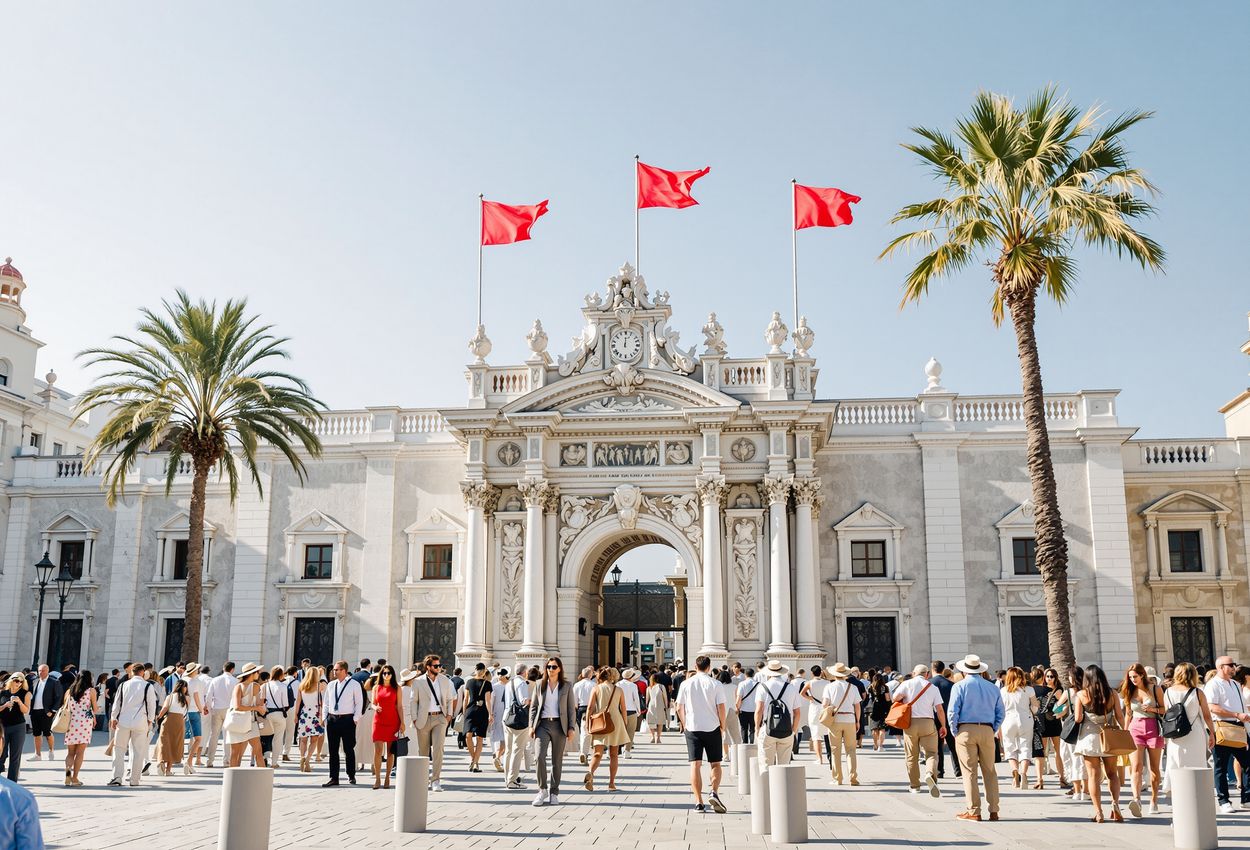
The Venice Architecture Biennale has a rich history, officially established in 1980, although architecture had been included in the Venice Art Biennale since 1968. The event occurs every other year and is divided into two main sections: the permanent national pavilions in the Giardini and the Arsenale, hosting projects from numerous countries. This year's event promises to be the largest in the Biennale's history, uniting experts across various forms of intelligence.
Venice, with its unique environmental challenges, serves as the perfect backdrop for this forward-thinking exhibition. The Biennale aims to catalyze a global conversation, inspiring architects, designers, and urban planners to confront the pressing issues of our time with creativity and resilience.
Local Tip: To fully appreciate the Biennale, plan to spend several days exploring both the Giardini and Arsenale, and consider attending the collateral events scattered throughout the city. Purchase tickets online in advance to avoid long queues.
Carlo Ratti's Vision: Weaving Intelligence into the Urban Fabric
Carlo Ratti's curatorial theme, 'Intelligens,' seeks to redefine intelligence beyond the confines of artificial intelligence, emphasizing the importance of human collaboration and adaptation in addressing the world's most pressing challenges.
The exhibition delves into how the convergence of nature, AI, and collective intelligence can pave the way for innovative solutions to global issues. Ratti's vision is structured around four key sub-themes: Transdisciplinarity, Living Lab, Space For Ideas, and Circularity Protocol. Transdisciplinarity promotes the integration of diverse fields such as art, engineering, biology, and data science to tackle complex urban challenges. The Living Lab concept transforms Venice itself into an experimental ground, showcasing installations and prototypes throughout the city. Space For Ideas embraces a collaborative design approach, inviting public participation through the Biennale website. The Circularity Protocol seeks to establish a new standard for cultural events by minimizing waste and maximizing resource regeneration.
Ratti emphasizes that the term 'Intelligens' extends beyond modern notions of intelligence, incorporating the Latin 'gens,' meaning people, to highlight the importance of collective wisdom. He envisions a future where architecture serves as a 'mutagen,' stimulating natural evolutionary processes and propelling them in novel directions. The exhibition aims to explore how architecture can harness various forms of intelligence to address pressing challenges and offer a platform for ideas that seek to create solutions for a changing planet.
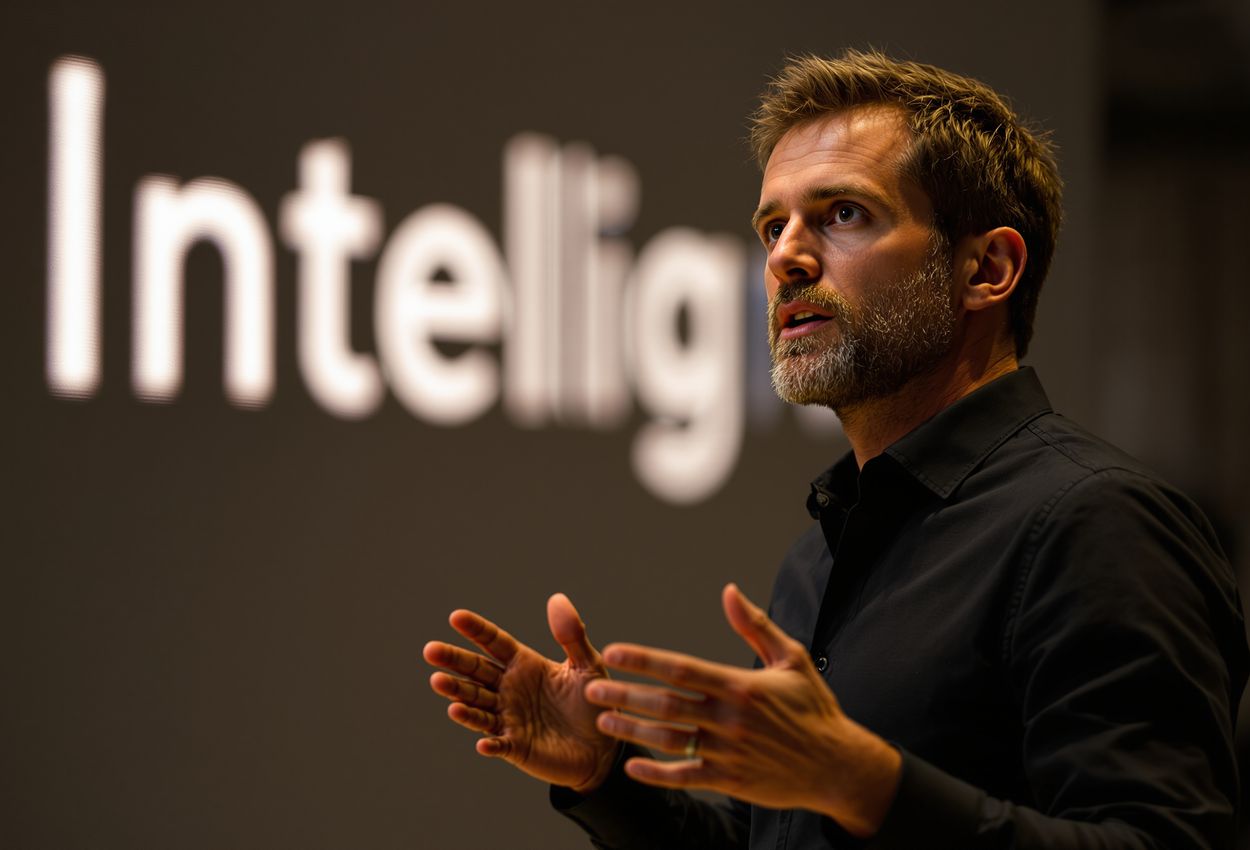
The Biennale Architettura 2025 aims to be more than an Exhibition; it is an experiment in uniting different voices and forms of intelligence. Adaptation demands inclusivity and collaboration. The exhibition will feature over 300 contributions from more than 750 participants: architects and engineers, mathematicians and climate scientists, philosophers and artists, chefs and coders, writers and woodcarvers, farmers and fashion designers, and many more.
Hidden Gem: Look out for the 'Space for Ideas' initiative, an open call for innovative projects that address climate change using natural, artificial, and collective intelligence. This is a great way to discover emerging talents and unconventional solutions.
Giardini's National Pavilions: A World Tour of Architectural Innovation
The national pavilions at the Giardini offer a captivating glimpse into architectural innovation from around the world, with a strong emphasis on sustainable practices and cutting-edge building technologies.
Each pavilion presents a unique perspective on how architecture can respond to local challenges while contributing to a global dialogue on sustainability and urban resilience. For instance, the Kingdom of Bahrain's exhibit, 'Heatwave', received the Golden Lion for Best National Participation for its exploration of climate change and local tradition.
Several national pavilions are not to be missed, including Brazil, Iceland, and the United States. Brazil is looking back at indigenous strategies as a way to rethink cultural innovation for dealing with 21st-century environmental challenges. Iceland is creating sustainable building materials from lava. The United States presents PORCH: An Architecture of Generosity. Togo examines the country's colonial legacy, post-independence embrace of concrete public buildings, and 21st-century restoration and adaptive reuse.

The national participations for the Venice Architecture Biennale 2025 are rich and far-reaching. There are 66 National Participations who organize their exhibitions in the historic Pavilions at the Giardini (26), at the Arsenale (25) and in the city centre of Venice (15). There are four new Participations: Republic of Azerbaijan, Sultanate of Oman, Qatar, and Togo.
Local insight: Engage with the local culture by trying traditional Venetian cicchetti (small snacks) and local wines at bacari (wine bars) near the Giardini. This offers a taste of Venice beyond the Biennale.
Arsenale's Experiments: Climate Change, Social Equity, and the City as a Lab
The Arsenale serves as a dynamic platform for exploring architectural solutions to pressing global issues, including climate change, population growth, and social equity.
Installations within the Arsenale showcase projects that offer tangible solutions for adapting to rising sea levels, managing resources efficiently, and creating inclusive urban spaces. These exhibits highlight the potential of architecture to address the unique challenges and opportunities presented by Venice itself. The 'Constructing La Biennale' exhibit at the Central Pavilion offers insights into the curatorial process and the collaborative efforts behind the exhibition.
The projects in the Arsenale respond to the broad theme through the framework 'One Place, One Solution,' offering localized yet globally relevant perspectives. The Arsenale welcomes you with a host of projects presented by various national participants.
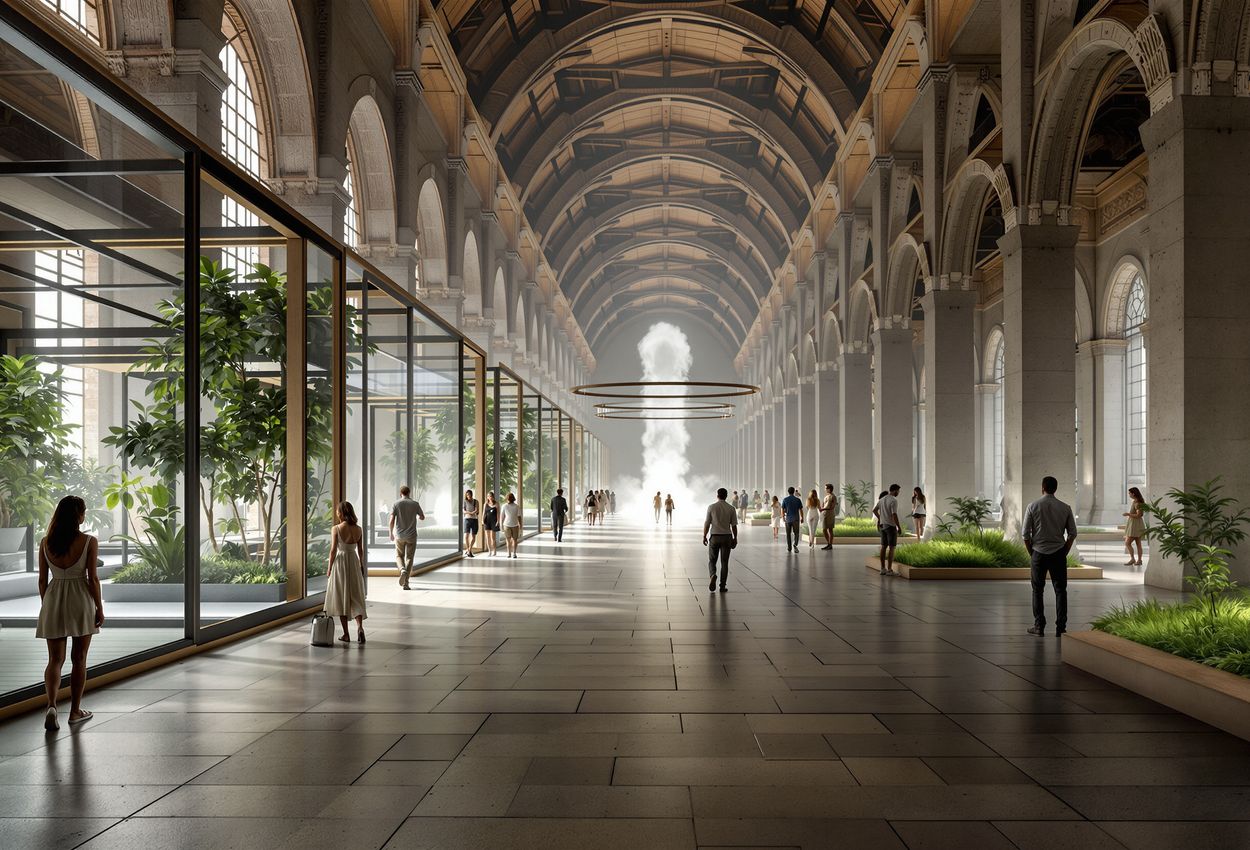
The studio CRA – Carlo Ratti Associati, in collaboration with the City of Naples, presents the installation Vela Celeste. Reimagining Home, featured in the Collective Intelligence section at the Corderie of the Arsenale. The work showcases an experimental participatory project for the revival of the Vele in Scampia, based on direct engagement with residents and enhanced by artificial intelligence, which was used to translate community testimonies and ideas into visual and design proposals for the future of the complex.
Local secret: Take a vaporetto (water bus) to the Arsenale and enjoy the scenic views of the Venetian lagoon. Consider exploring the lesser-known parts of the Arsenale complex for hidden installations and quieter moments of reflection.
Architects in Conversation: Voices Shaping the Future
The Biennale provides a unique opportunity to hear directly from the architects, designers, and curators who are shaping the future of urban design.
Interviews with these thought leaders offer valuable perspectives on the role of architecture in addressing climate change, promoting social equity, and fostering innovation. Their insights capture a shared vision for a future where architecture is not just about building structures, but about creating resilient, equitable, and sustainable communities.
Carlo Ratti emphasizes the need for architecture to embrace all forms of intelligence and address the pressing challenges of our time through architectural innovation. Many participants of the Biennale come from fields as varied as architecture, design, sociology, and fashion, making the Biennale a platform for cross-disciplinary dialogue and collaboration.

During the preview days, Ratti reflected on the urgency of adaptation across disciplines. The 2025 Venice Architecture Biennale frames architecture as an active participant within this global condition as a practice of transformation.
Local Tip: Check the Biennale's official program for talks and panel discussions featuring prominent architects and designers. These events offer a deeper understanding of the ideas and projects on display.
Beyond the Biennale Grounds: Venice as a Living Laboratory
The Biennale extends beyond the Giardini and Arsenale, transforming Venice into a 'living laboratory' where innovative installations and prototypes are integrated into the city's urban fabric.
Collaborations with local communities and initiatives address Venice's specific challenges, such as rising sea levels and the preservation of its unique cultural heritage. Special Projects realized by La Biennale di Venezia, such as Margherissima at Forte Marghera, exemplify this approach by focusing on the regeneration of contaminated areas and the creation of sustainable communities.
The city itself will serve as the backdrop for a new kind of Exhibition, where installations, prototypes, and experiments are scattered across the Giardini, the Arsenale and other neighbourhoods. This dynamic approach will allow the exhibition to interact with the city, whose own vulnerability to climate change offers a stark backdrop for the ideas presented.

Margherissima is a Director's Special Project, on view and open to visit from 6 May until 23 November at the Forte Marghera, Mestre Venezia. Margherissima tells the story of how a specific piece of contaminated land could be transformed with a suitably imaginative architecture that speaks to its residents.
Hidden Gem: Explore the installations and prototypes scattered throughout Venice's neighborhoods, often located in public spaces and historic sites. These hidden gems offer a unique perspective on how architecture can interact with the city's existing fabric.
Technological Innovations: AI, Robotics, and Bio-Materials Redefine Construction
The exhibition showcases groundbreaking building technologies, including AI-driven design, robotics, and bio-materials, that have the potential to revolutionize the construction industry and create sustainable, carbon-neutral structures.
Examples include 3D-printed architectural elements with living cyanobacteria and AI applications in urban planning. Collaborations between architects, engineers, and scientists are driving these innovations, pushing the boundaries of what is possible in sustainable construction.
At the Arsenale of the Venice Architecture Biennale 2025, robots and AI exist for and with humans, a glimpse at everyday life in future cities. These humanoids and robotics at the international exhibition display their growing role in reshaping how structures and wearables are designed, built, and used, both on Earth and in space.
The 2025 Venice Architecture Biennale doesn't frame emerging technologies as speculative add-ons to architecture — it treats them as structural realities. Across AI, biomaterials, and computational design, the projects on display imagine buildings not as isolated artifacts, but as nodes in broader living, learning systems.
Local Insight: Attend demonstrations and workshops showcasing innovative building technologies. These events provide a hands-on experience and a deeper understanding of the potential of these advancements.
The Circularity Protocol: A Manifesto for Sustainable Cultural Events
The 'Circularity Protocol' serves as a manifesto for creating a truly circular festival by eliminating waste, circulating materials, and regenerating natural systems.
Developed with guidance from Arup and input from the Ellen MacArthur Foundation, the protocol outlines guidelines for implementing these principles in the Biennale's exhibition design and operations. This initiative demonstrates a commitment to environmental responsibility and sets a new standard for sustainable cultural events.
The team wrote at the time: 'Our goal is to demonstrate that architecture and the built environment can coexist harmoniously with our planet, by eliminating waste, circulating materials and regenerating natural systems'.
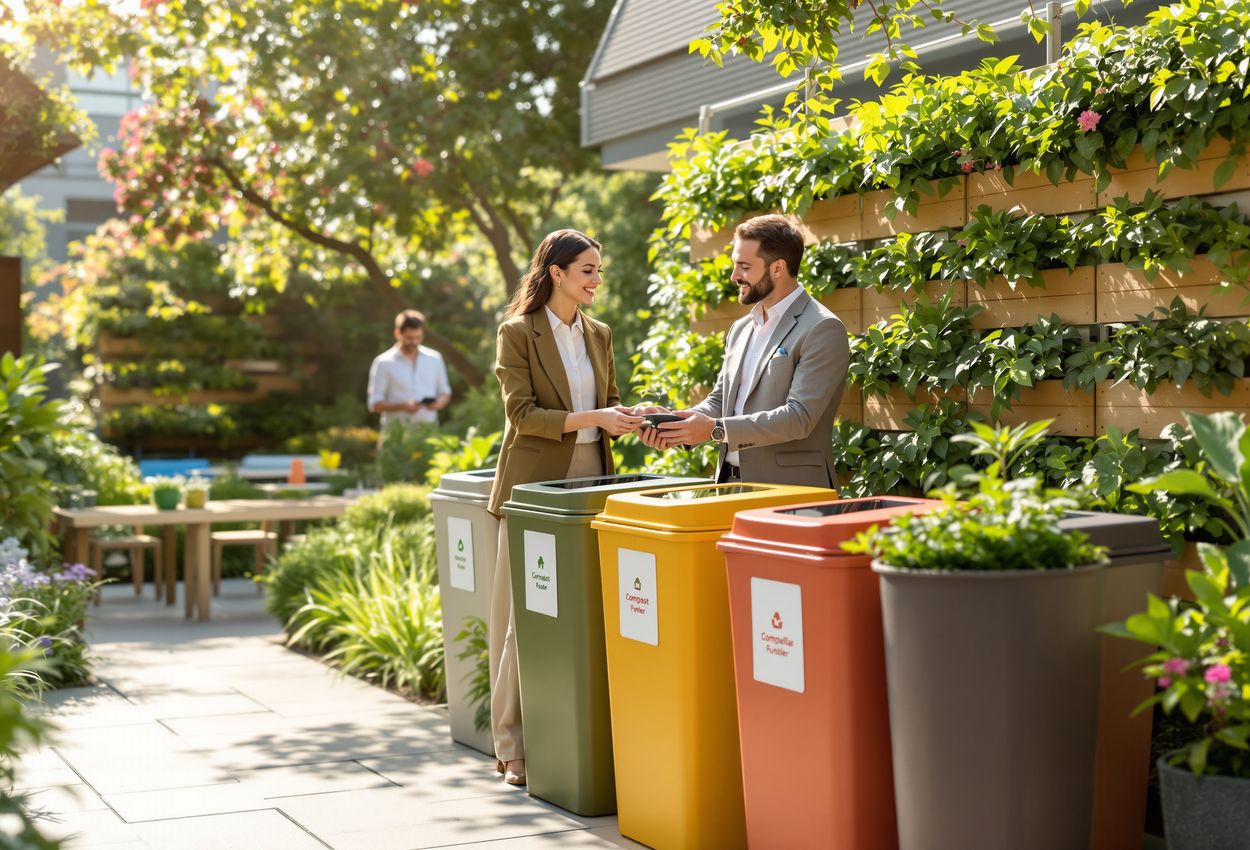
The exhibition challenges architects to think beyond form and function toward ecosystems, metabolism, and co-evolution. This year, the world's most experimental architects aren't building monuments — they're building new life systems.
Hidden Gem: Explore the Biennale's efforts to minimize waste and promote recycling throughout the exhibition venues. Look for signage and information about the Circularity Protocol and its impact on the event's environmental footprint.
Socially Conscious Design: Architecture for Equity and Inclusion
The Biennale highlights architectural projects that prioritize social equity and inclusion, focusing on community engagement and participatory design.
Exhibits explore solutions for housing shortages, migration, and access to sanitation, empowering marginalized communities and promoting cultural preservation. The 'Participatory Urbanism' installation by Zaha Hadid Architects exemplifies this approach, showcasing the power of community-driven design.
The 2025 Biennale examines the built environment's role in addressing the global challenges of our time, especially the climate crisis. Carlo Ratti's vision positions the built environment not only as a major contributor to environmental degradation but also as a potential catalyst for change.
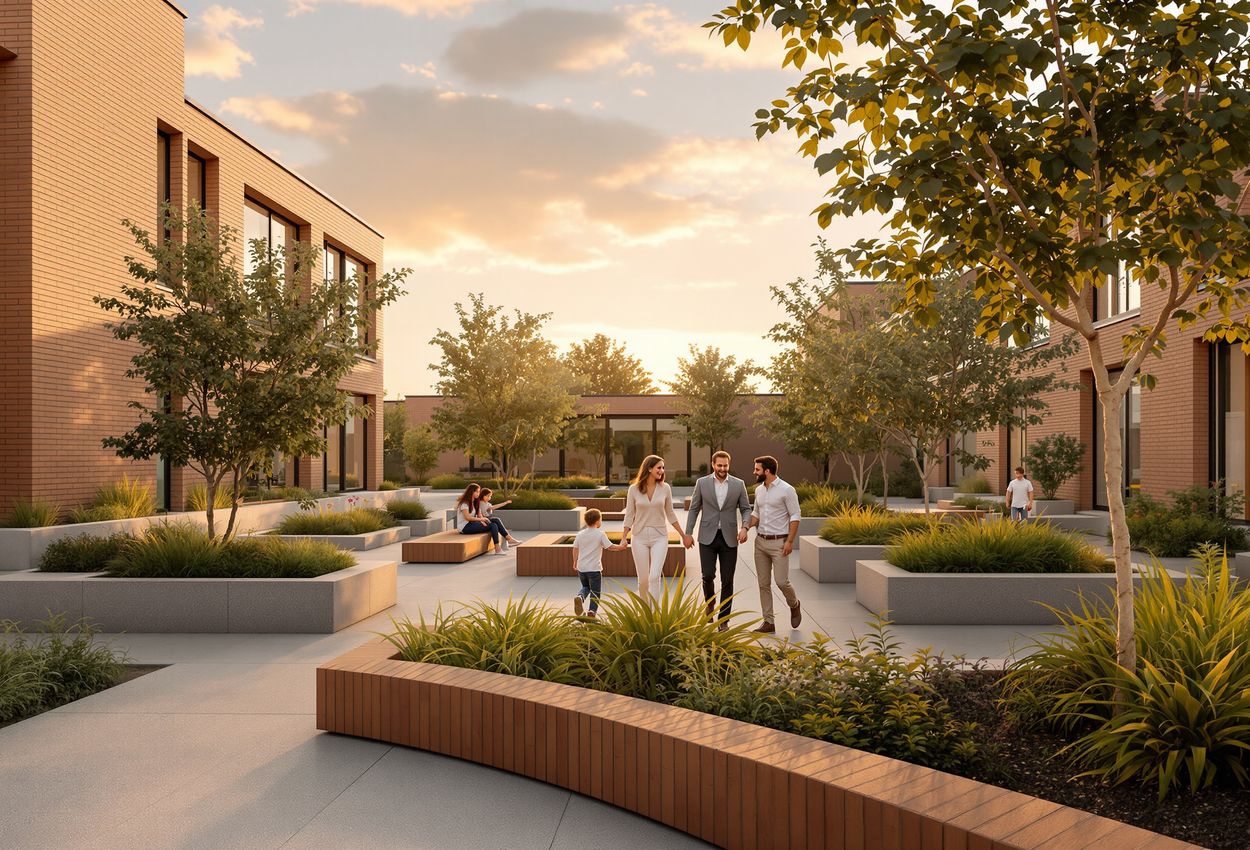
The exhibition showcases a wide range of projects that illustrate how intelligent, adaptive solutions—born from cross-disciplinary collaboration—can reshape our cities and infrastructure. Drawing on knowledge from different fields, the works explore natural, artificial, collective, and combinations of the three.
Local insight: Engage with local Venetian organizations and community groups that are working to address social and environmental challenges in the city. This offers a deeper understanding of the issues and the potential of architecture to make a positive impact.
A Glimpse into the Future: Urban Visions and Speculative Prototypes
The Biennale showcases conceptual and visionary projects that propose radical solutions for future cities, imagining new models for cohabitation, resilience, and planetary awareness.
Exhibits draw inspiration from space exploration and other unconventional sources, pushing the boundaries of architectural design and urban planning. The Barcelona Urban Tech Hub is one such example, exploring the intersection of technology and urban innovation.
Cities today are being reimagined as living, evolving organisms, combining digital intelligence, ecological systems, and new materials to shape radical futures. Several conceptual projects showcased in the main exhibition challenge conventional boundaries between architecture, landscape, and technology.

From bio-adaptive urban systems and Martian water-based settlements to immersive symphonies of satellite data, these works collectively envision new models for cohabitation, resilience, and planetary awareness.
Local Secret: Attend evening events and performances that showcase the intersection of architecture, art, and technology. These events offer a glimpse into the future of urban design and the creative possibilities that lie ahead.
Reflections on 'Intelligens': A New Era for Architecture?
The Biennale's themes prompt a critical reflection on the future of architecture and its potential to address the complex challenges facing our world.
The exhibition invites visitors to consider whether the integration of natural, artificial, and collective intelligence can truly bridge the gaps and create a more sustainable and equitable future. It also raises important questions about the challenges and opportunities that lie ahead for architects and urban planners in the face of climate change, technological advancements, and social inequalities.
The 2025 Venice Architecture Biennale aims to be more than an Exhibition; it is an experiment in uniting different voices and forms of intelligence. Some will resonate louder than others; some might clash and produce jarring sounds. Nonetheless, this choral effort will offer new insights into one of the defining challenges of our time: adapting to an altered world.
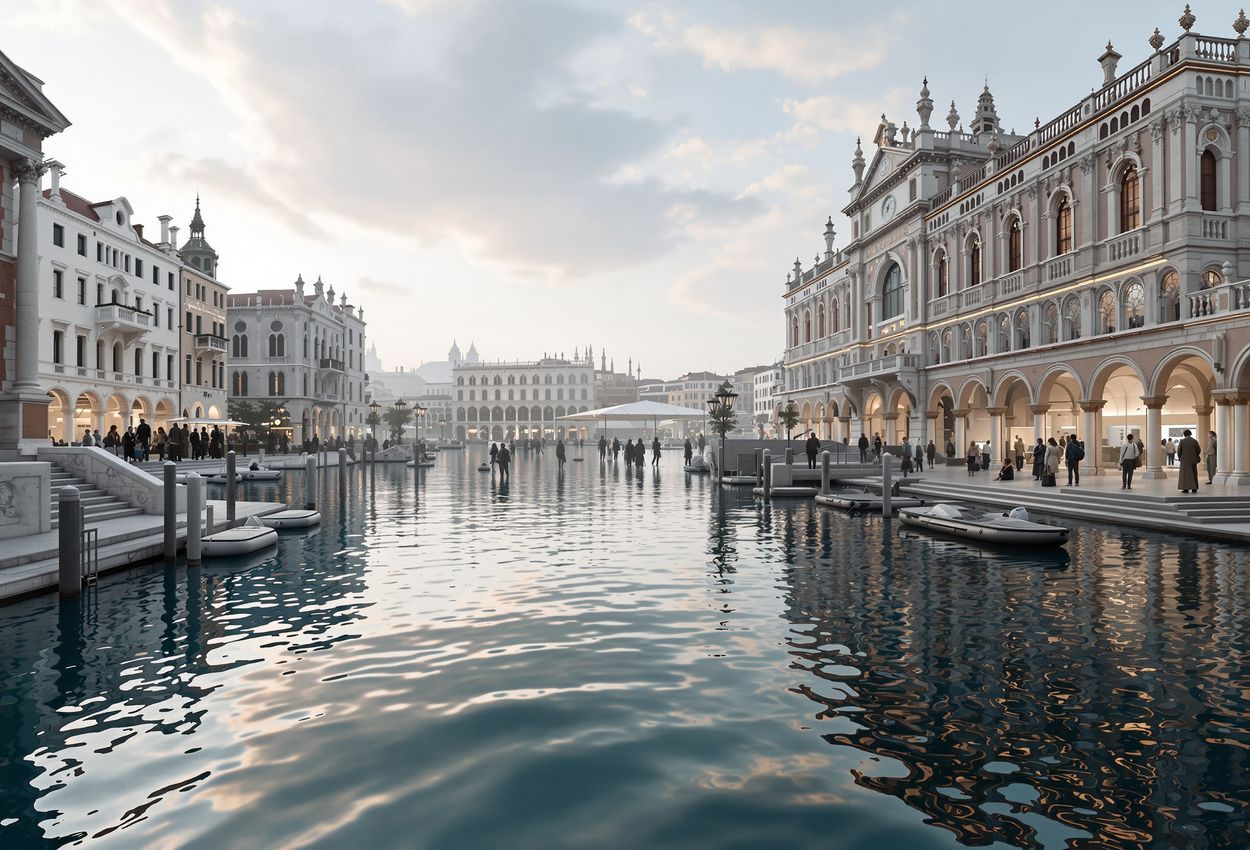
In a landscape where climate, computation, and collective intelligence drive every major shift, the most radical architecture isn't about aesthetics — it's about adaptation. The projects on display imagine buildings not as isolated artifacts, but as nodes in broader living, learning systems.
Local Tip: Take time to reflect on the Biennale's themes and their implications for your own community. Consider how the ideas and projects on display can inspire local initiatives and contribute to a more sustainable and equitable future.