In an era defined by unprecedented access to information and a growing fascination with the past, a unique form of travel has emerged: dark tourism. This phenomenon, characterized by visits to sites associated with death, tragedy, and the macabre, is on the rise, prompting questions about our motivations, ethics, and the potential for transformation.
From the haunting grounds of Chernobyl to the poignant memorials of Ground Zero, dark tourism invites us to confront the darker aspects of human history. But what is it about these places that captivates us, and how can we ensure that our engagement is respectful and meaningful?
Unveiling the Allure: Why Dark Tourism Captivates Us
The human fascination with death and tragedy is a complex tapestry woven from curiosity, empathy, and a desire to understand the historical events that have shaped our world. Dark tourism, also known as thanatourism, black tourism, or grief tourism, offers a unique lens through which to explore these themes. Psychologists suggest that our attraction to these sites stems from a need to confront mortality in a safe setting, addressing existential concerns and problems in a context that feels both real and remote.
One of the primary drivers of dark tourism is curiosity. We are naturally drawn to the unusual and the extraordinary, and sites of tragedy often hold a certain mystique. This curiosity is intertwined with a desire for knowledge, a need to learn and understand the events that occurred at these locations. By visiting these sites, we seek to fill in the gaps in our understanding, to connect with history in a tangible way.
Empathy also plays a significant role in our attraction to dark tourism. Witnessing the sites of past suffering can evoke powerful emotional responses, fostering a sense of connection with the victims and a deeper appreciation for the human condition. This empathy can lead to a greater awareness of the impact of historical events and a desire to prevent similar tragedies from occurring in the future.
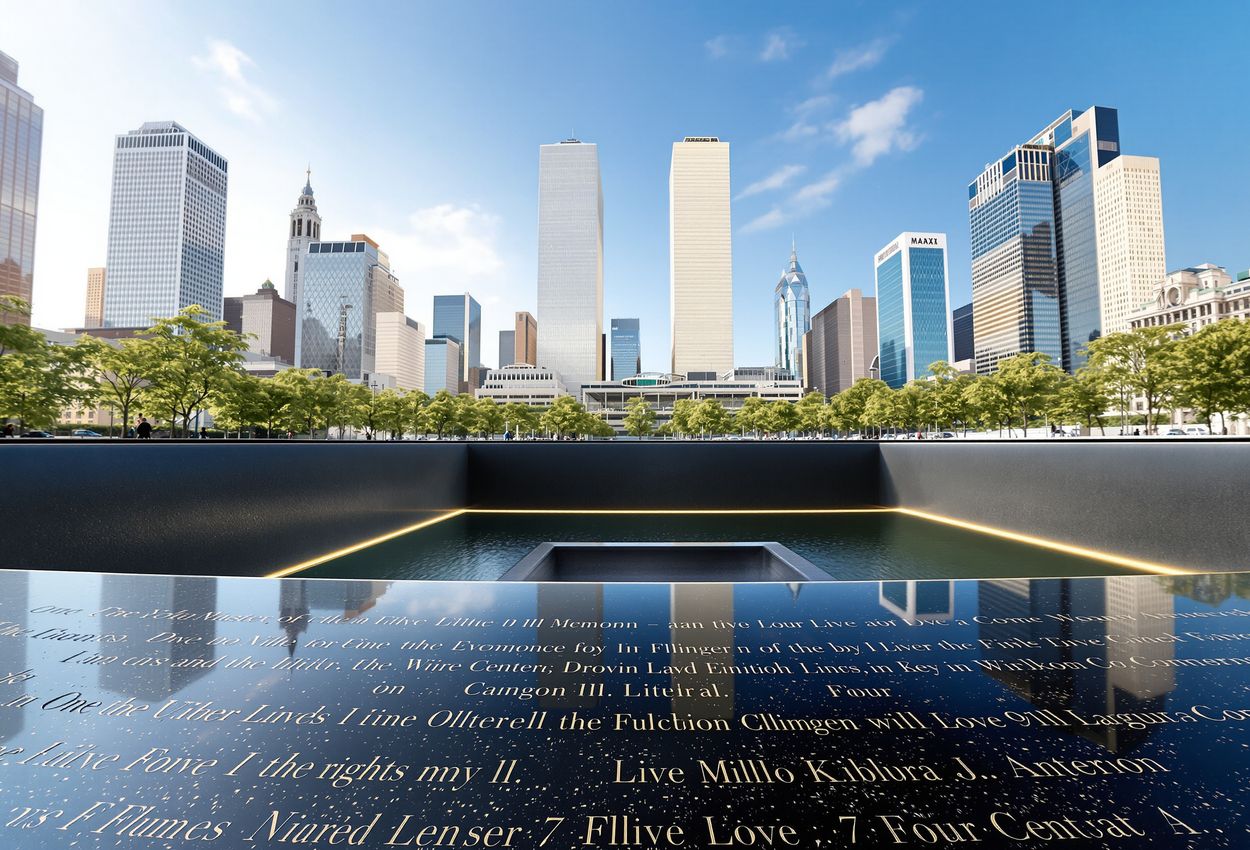
Moreover, dark tourism can serve as a form of remembrance, allowing us to pay our respects to those who lost their lives and to honor their memory. Sites like the 9/11 Memorial in New York City provide a space for collective mourning and reflection, helping us to formulate an identity and to learn from past mistakes.
However, it's important to acknowledge that the motivations behind dark tourism are not always altruistic. Some individuals may be drawn to these sites out of a sense of thrill-seeking, seeking an adrenaline rush similar to that of watching a scary movie. Others may be motivated by a morbid curiosity, a fascination with the macabre that can be seen as disrespectful or exploitative.
Ethical Minefield: Navigating the Morality of Dark Tourism
The ethical considerations surrounding dark tourism are complex and multifaceted. While these sites can offer valuable opportunities for education, remembrance, and personal growth, they also raise concerns about commercialization, exploitation, and the potential for disrespect towards victims and their families.
One of the primary ethical dilemmas is the importance of respect and sensitivity. Dark tourism sites are often places of immense suffering, and it's crucial to approach them with a sense of reverence and humility. This means avoiding behaviors that could be seen as disrespectful, such as taking inappropriate photos, posing for selfies, or making light of the events that occurred there.
Historical accuracy is another key ethical consideration. It's essential that dark tourism sites present an accurate and unbiased account of the events that took place, avoiding sensationalism or the distortion of facts. This requires careful research and interpretation, as well as a commitment to presenting multiple perspectives.
Commercialization is a particularly thorny issue in the realm of dark tourism. While it's understandable that these sites need to generate revenue to support their operations, there's a risk that they could become overly commercialized, prioritizing profit over education and remembrance. This can lead to the exploitation of tragic events and the trivialization of suffering.
To avoid these pitfalls, it's crucial to strike a balance between commercial interests and respectful preservation. This can involve implementing ethical guidelines for tour operators, limiting the sale of souvenirs, and ensuring that a portion of the revenue generated is used to support the local community.
Ultimately, navigating the morality of dark tourism requires a thoughtful and nuanced approach. By prioritizing respect, sensitivity, and historical accuracy, we can ensure that our engagement with these sites is both meaningful and ethical.
Haunted Footsteps: A Journey Through Infamous Sites
Dark tourism encompasses a wide range of destinations, each with its own unique history and significance. From the abandoned streets of Chernobyl to the haunting catacombs of Paris, these sites offer a glimpse into the darker aspects of human history.
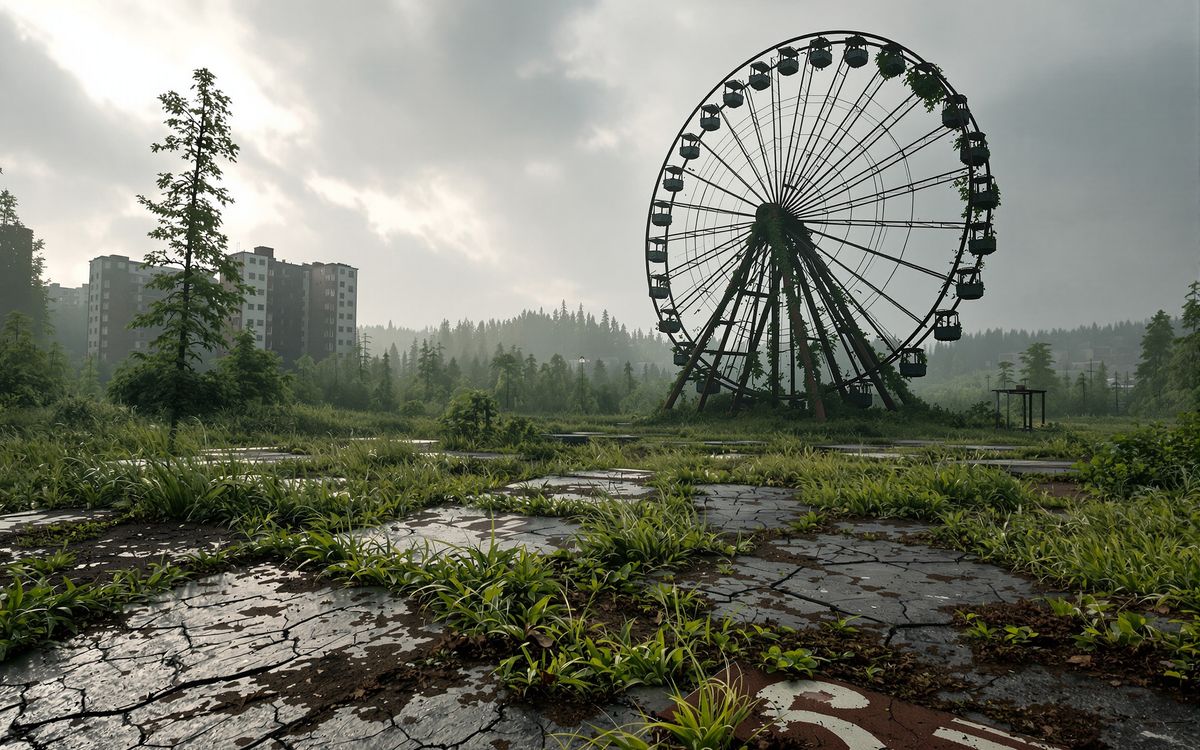
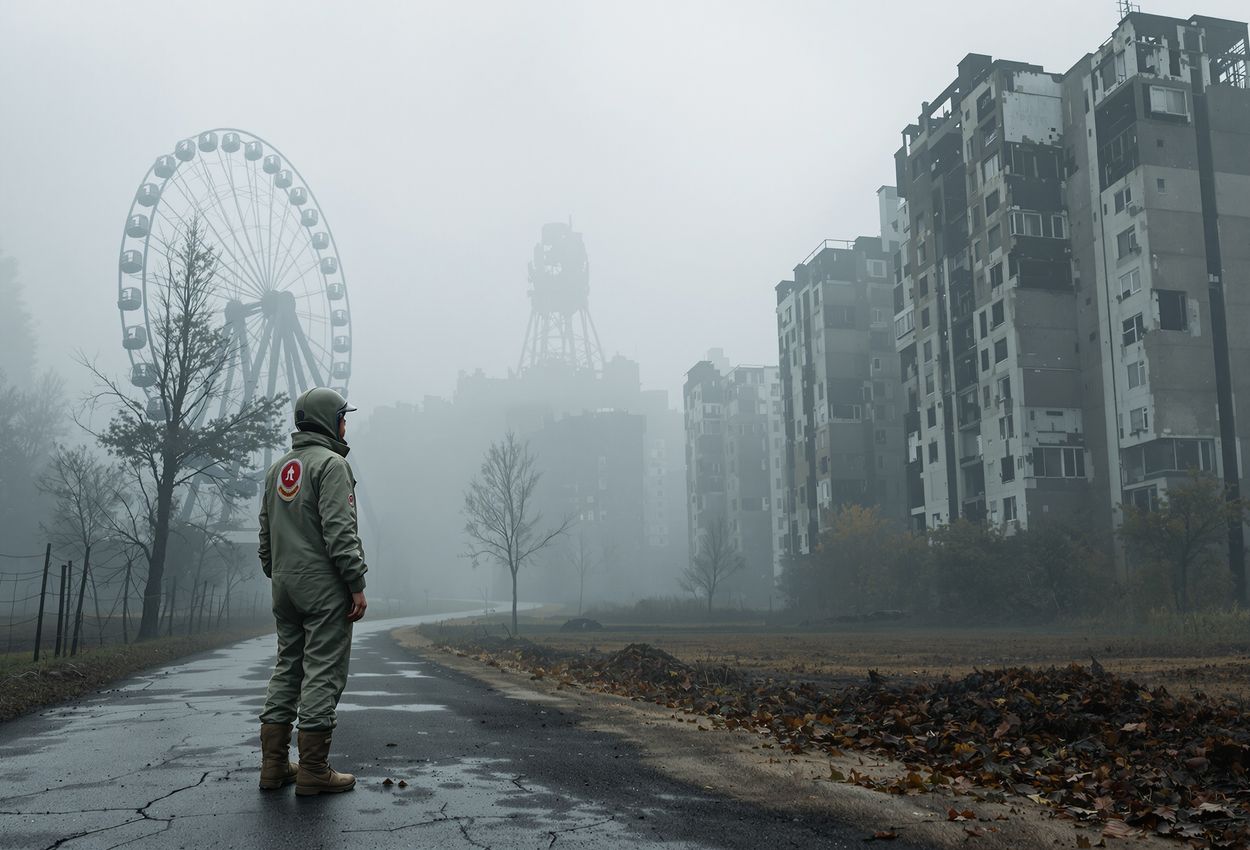
Chernobyl, Pripyat, Ukraine: The site of one of the world's most infamous nuclear disasters, Chernobyl offers a chilling reminder of the potential consequences of technological failure. Visitors can explore the deserted streets of Pripyat, a ghost town frozen in time, and witness the decaying remnants of Soviet-era life. Guided tours provide insights into the events of 1986 and the ongoing efforts to manage the aftermath of the disaster.
The Catacombs of Paris, France: Beneath the bustling streets of Paris lies a vast network of underground tunnels and chambers, filled with the bones of millions of Parisians. The catacombs offer a macabre glimpse into the city's history, a testament to the challenges of managing urban growth and mortality. Guided tours are available, providing historical context and highlighting the artistic arrangements of the bones.
Auschwitz-Birkenau, Poland: This former Nazi concentration camp stands as a stark reminder of the horrors of the Holocaust. Visitors can walk through the gas chambers, barracks, and crematoria, bearing witness to the systematic extermination of over 1.1 million people. The site serves as a powerful memorial to the victims and a warning against the dangers of hatred and intolerance.
Ground Zero, New York City, USA: The site of the September 11 attacks, Ground Zero, is now home to a poignant memorial and museum. The memorial features two reflecting pools, built in the footprints of the former World Trade Center towers, inscribed with the names of the victims. The museum offers a comprehensive account of the events of 9/11 and their aftermath, providing a space for reflection and remembrance.
These are just a few examples of the many dark tourism destinations around the world. Each site offers a unique perspective on human history, inviting us to confront tragedy, learn from the past, and honor the memory of those who have suffered.

Voices from the Past: Expert Insights on Dark Tourism's Impact
To gain a deeper understanding of the cultural and societal impact of dark tourism, it's essential to incorporate expert opinions from historians, psychologists, and travel experts. These voices can provide valuable insights into the motivations behind dark tourism, the ethical considerations involved, and the potential for personal and collective growth.
Historians emphasize the role of dark tourism sites in preserving collective memory and promoting education. By visiting these sites, we can connect with the past in a tangible way, gaining a deeper appreciation for the events that have shaped our world. These sites serve as powerful reminders of the consequences of violence, oppression, and intolerance, encouraging us to learn from past mistakes and to work towards a more just and equitable future.
Psychologists offer insights into the emotional and psychological impact of dark tourism. They explain that our attraction to these sites stems from a complex interplay of curiosity, empathy, and a desire to confront mortality. Visiting these sites can evoke a range of emotions, from sadness and grief to anger and outrage. These emotional responses can be transformative, fostering a deeper understanding of ourselves and our place in the world.
Travel experts highlight the importance of responsible and ethical engagement with dark tourism sites. They emphasize the need to approach these sites with respect and sensitivity, avoiding behaviors that could be seen as disrespectful or exploitative. They also stress the importance of supporting local communities and ensuring that the economic benefits of dark tourism are shared equitably.
By incorporating these expert opinions, we can gain a more comprehensive and nuanced understanding of the impact of dark tourism. These voices from the past can help us to navigate the ethical complexities of this phenomenon and to ensure that our engagement with these sites is both meaningful and responsible.
Finding Meaning in Darkness: The Transformative Potential
While dark tourism may seem morbid or depressing, it also holds the potential for personal growth and understanding. By confronting tragedy and suffering, we can foster empathy, resilience, and a deeper appreciation for life.
Visiting dark tourism sites can be a powerful reminder of the fragility of human existence. Witnessing the consequences of violence, disaster, and oppression can help us to appreciate the preciousness of life and to cherish the moments we have. This can lead to a greater sense of gratitude and a renewed commitment to living a meaningful life.
Dark tourism can also foster empathy and compassion. By connecting with the stories of those who have suffered, we can develop a deeper understanding of the human condition and a greater willingness to help those in need. This empathy can extend beyond the specific events that occurred at these sites, inspiring us to work towards a more just and equitable world.
Moreover, dark tourism can promote resilience and personal growth. By confronting tragedy and overcoming challenges, we can develop a greater sense of inner strength and a renewed ability to cope with adversity. This resilience can help us to navigate the inevitable difficulties of life and to emerge stronger and more compassionate.
Ultimately, dark tourism offers a unique opportunity to find meaning in darkness. By confronting tragedy, fostering empathy, and promoting resilience, we can transform our understanding of ourselves and our world. This transformative potential is what makes dark tourism such a compelling and important phenomenon.