As dusk settles over New Orleans, a different city awakens—one steeped in ghostly legends, voodoo traditions, and the echoes of centuries past. Venture into the shadows and discover the haunted quarters that whisper tales of cruelty, spirituality, and restless spirits.
From the infamous LaLaurie Mansion to the eerie tombs of St. Louis Cemetery No. 1, prepare to be immersed in the chilling allure of New Orleans after dark.
Whispers of Royal Street: Unveiling the LaLaurie Mansion's Horrors
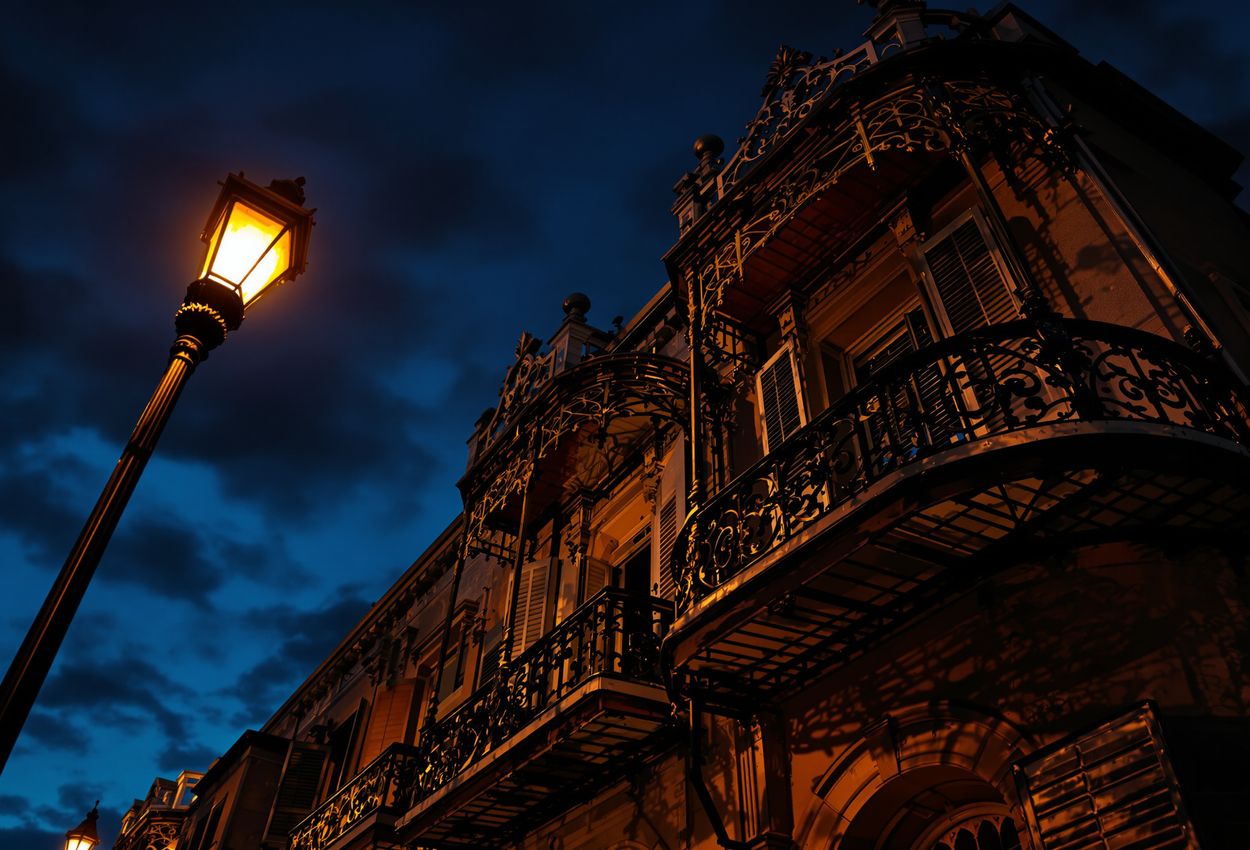
At 1140 Royal Street stands the LaLaurie Mansion, a haunting testament to a dark chapter in New Orleans' history.
Built in 1832 for Madame Delphine LaLaurie and her third husband, Dr. Louis LaLaurie, the mansion was initially a symbol of their affluence and high social standing. However, beneath the facade of lavish parties and social grace lay a horrifying secret. Madame LaLaurie, revered for her beauty and charm, harbored a cruel and sadistic nature, which she inflicted upon her enslaved people.
The truth of her cruelty was revealed on April 10, 1834, when a fire broke out in the mansion's kitchen. When rescuers arrived to extinguish the flames, they discovered enslaved people in the attic who had been subjected to unspeakable torture and inhumane conditions. The shocking discovery ignited the fury of New Orleans citizens, who stormed the mansion, seeking justice for the abused. However, Madame LaLaurie and her husband managed to escape, fleeing to France and leaving behind a legacy of horror.
Nicolas Cage once owned the LaLaurie Mansion, adding to its mystique. Rumors swirled during his ownership, further cementing the mansion's place in the city's haunted lore.
Today, the LaLaurie Mansion remains a chilling landmark, shrouded in an eerie atmosphere. Standing outside its imposing facade at night, one can almost hear the faint whispers of the tormented souls who suffered within its walls. The air is heavy with a sense of dread, and the shadows seem to dance with the echoes of a dark past.
Local Tip: Take a guided ghost tour to learn more about the LaLaurie Mansion and other haunted sites in the French Quarter.
Cities of the Dead: Exploring the Mysteries of St. Louis Cemetery No. 1
Established in 1789, St. Louis Cemetery No. 1 is the oldest existing cemetery in New Orleans.
Due to the city's high water table, the cemetery features unique above-ground tombs, creating a city of the dead that is both haunting and historically significant. The cemetery is divided into sections for different religions, reflecting the diverse cultural influences of New Orleans.
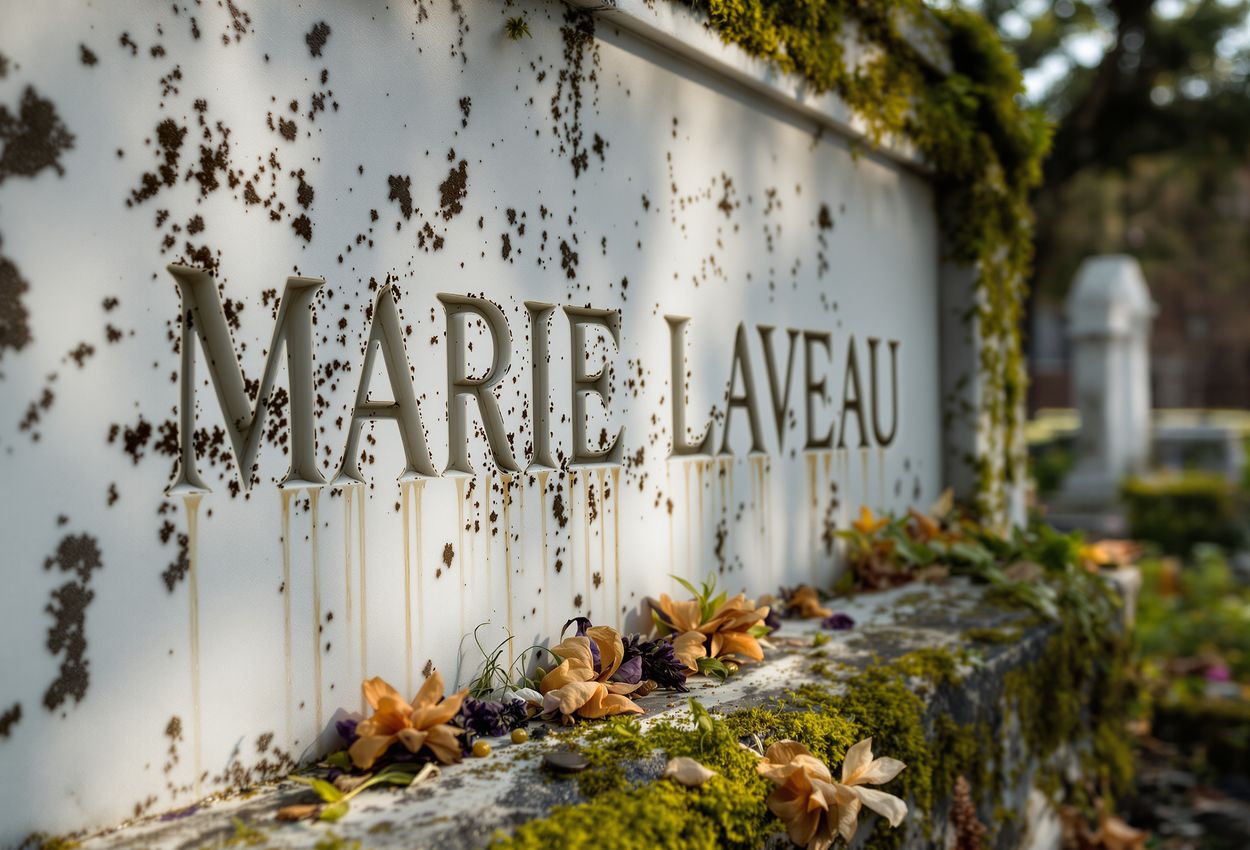
Among the notable figures buried in St. Louis Cemetery No. 1 is Marie Laveau, the infamous Voodoo Queen of New Orleans. Her tomb is one of the most visited sites in the cemetery, with devotees leaving offerings and seeking her spiritual guidance. Other prominent New Orleanians interred here include Étienne de Boré, the first mayor of New Orleans, Homer Plessy, plaintiff in the landmark Plessy v. Ferguson case, and Barthelemy Lafon, the architect and surveyor who allegedly became one of Jean Lafitte's pirates. Nicolas Cage has also built a pyramid-shaped tomb in St. Louis Cemetery No. 1, though he is still alive.
Walking through St. Louis Cemetery No. 1 is an immersive experience, engaging all the senses. The shuffling of leaves underfoot, the distant echoes of footsteps, and the visual of aged tombs create an unforgettable atmosphere. The air is thick with history, and the silence is broken only by the occasional whisper of the wind.
Interview with a Cemetery Tour Guide: “Many visitors report feeling a sense of unease or a spiritual presence while walking through the cemetery. Some have even claimed to witness paranormal phenomena, such as apparitions or unexplained sounds.”

Voodoo's Embrace: Tracing the Spiritual Legacy in Congo Square
Congo Square, located in the Tremé neighborhood, holds a significant place in New Orleans' history as a gathering place for enslaved Africans and the birthplace of Voodoo traditions in the city.
In the 18th and 19th centuries, enslaved Africans were permitted to gather in Congo Square on Sundays, where they engaged in rituals, music, and dances that preserved their cultural heritage. These gatherings were not only a form of cultural expression but also a spiritual practice, as Voodoo traditions were deeply rooted in the lives of enslaved Africans.
The rituals performed in Congo Square were a blend of African religious beliefs and practices, often incorporating elements of Catholicism. Music played a central role in these ceremonies, with drumming, chanting, and dancing creating a powerful spiritual atmosphere. The sounds of these rituals echoed through the square, connecting the enslaved Africans to their ancestors and to one another.
Today, Congo Square remains a place of spiritual significance, with Voodoo practitioners continuing to gather there for rituals and ceremonies. The square is a reminder of the resilience and cultural richness of the African diaspora in New Orleans.
Visiting Congo Square is a sensory experience that evokes the spirit of the past. The sounds of drumming and chanting fill the air, and the feeling of spiritual presence is palpable.
Hidden Gem: The Eggun Tree, also known as the Ancestor Tree, stands proudly in Congo Square, accepting offerings to spirits and ancestors.

Marie Laveau's Footsteps: A Voodoo Queen's Haunts in the French Quarter
Marie Laveau, the most famous Voodoo Queen of New Orleans, remains an iconic figure in the city's history and spiritual landscape.
Born in the early 19th century, Marie Laveau was a free woman of color who wielded immense influence in both the white and Black communities of New Orleans. She was known for her beauty, her charisma, and her ability to blend Voodoo practices with elements of Catholicism.
Laveau's former home on St. Ann Street was a center of Voodoo activity, where she conducted rituals, gave consultations, and provided spiritual guidance. People from all walks of life sought her assistance, seeking solutions to their problems and connecting with the spiritual realm. The house no longer exists, but the site at 1020 and 1022 St. Ann Street remains a place of reverence for those who honor her legacy.
Marie Laveau's tomb in St. Louis Cemetery No. 1 is a pilgrimage site for devotees, who leave offerings, prayers, and wishes in hopes of receiving her blessings. The tomb is adorned with Xs, a tradition believed to have originated in the early 1900s, as a way to mark a wish or request.
Local Expert on Marie Laveau's Legacy: “Marie Laveau was a complex and powerful figure who played a significant role in shaping the spiritual landscape of New Orleans. Her legacy continues to inspire and influence those who seek connection with the Voodoo traditions of the city.”
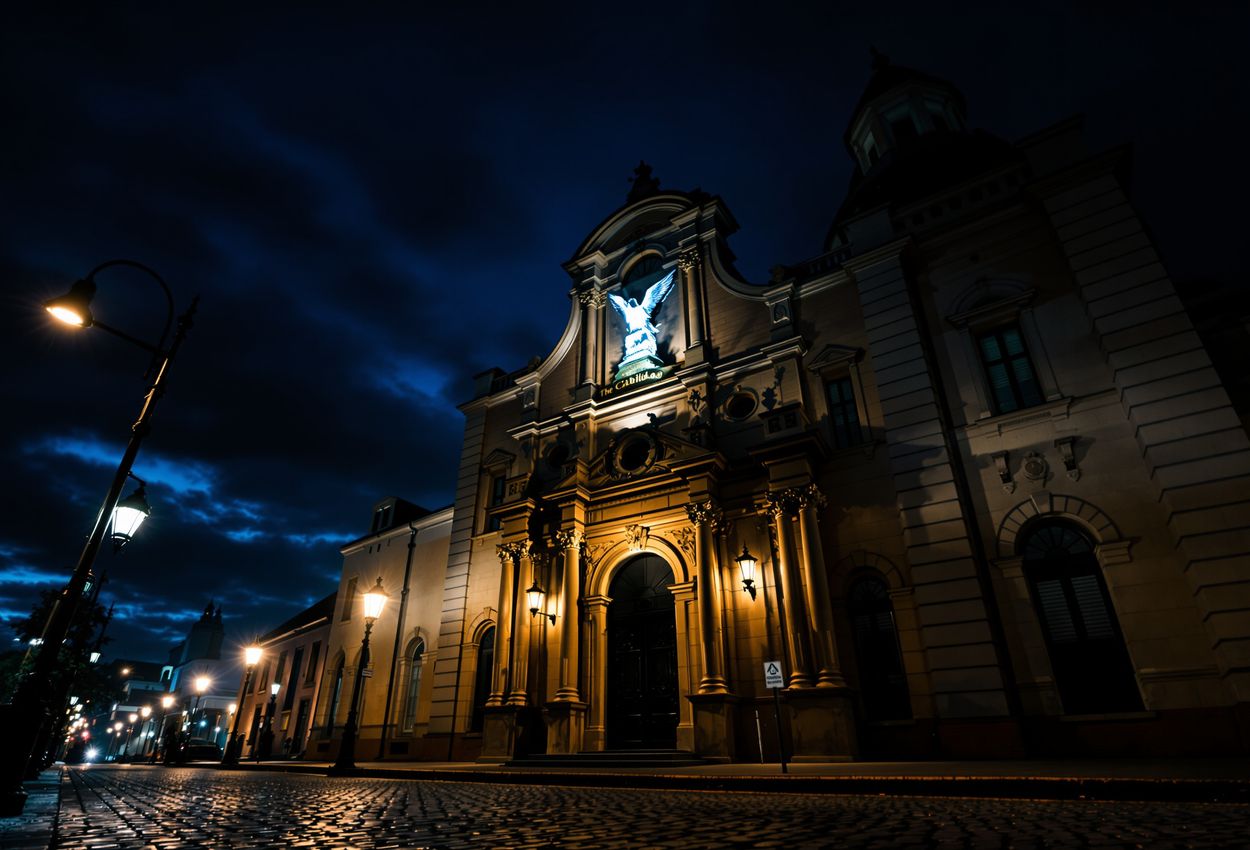
Shadows of the Cabildo: Unearthing Colonial Ghosts
The Cabildo, located in Jackson Square, stands as a historic landmark with a rich and often turbulent past.
Originally built in the late 18th century as the seat of the Spanish colonial government, the Cabildo has witnessed pivotal events in New Orleans' history, including the signing of the Louisiana Purchase in 1803. Throughout its history, the Cabildo has served various functions, including a jail, a military barracks, and the home of the Louisiana Supreme Court.
Given its long and eventful history, it is no surprise that the Cabildo is said to be haunted by a number of restless spirits. Employees and visitors have reported numerous paranormal encounters, including apparitions of soldiers, prisoners of war, and a man in 19th-century clothing running through the halls.
Walking through the Cabildo at night is a sensory experience that evokes the atmosphere of a bygone era. The creaking of floorboards, the shadows cast by flickering lights, and the weight of history create a palpable sense of unease.
Hidden Gem: Some claim that the spirits of pirates who were jailed and hanged at the Cabildo still linger in the building, their ghostly presence a reminder of the city's swashbuckling past.
Pirates Alley's Secrets: Echoes of Rogues and Revolutionaries
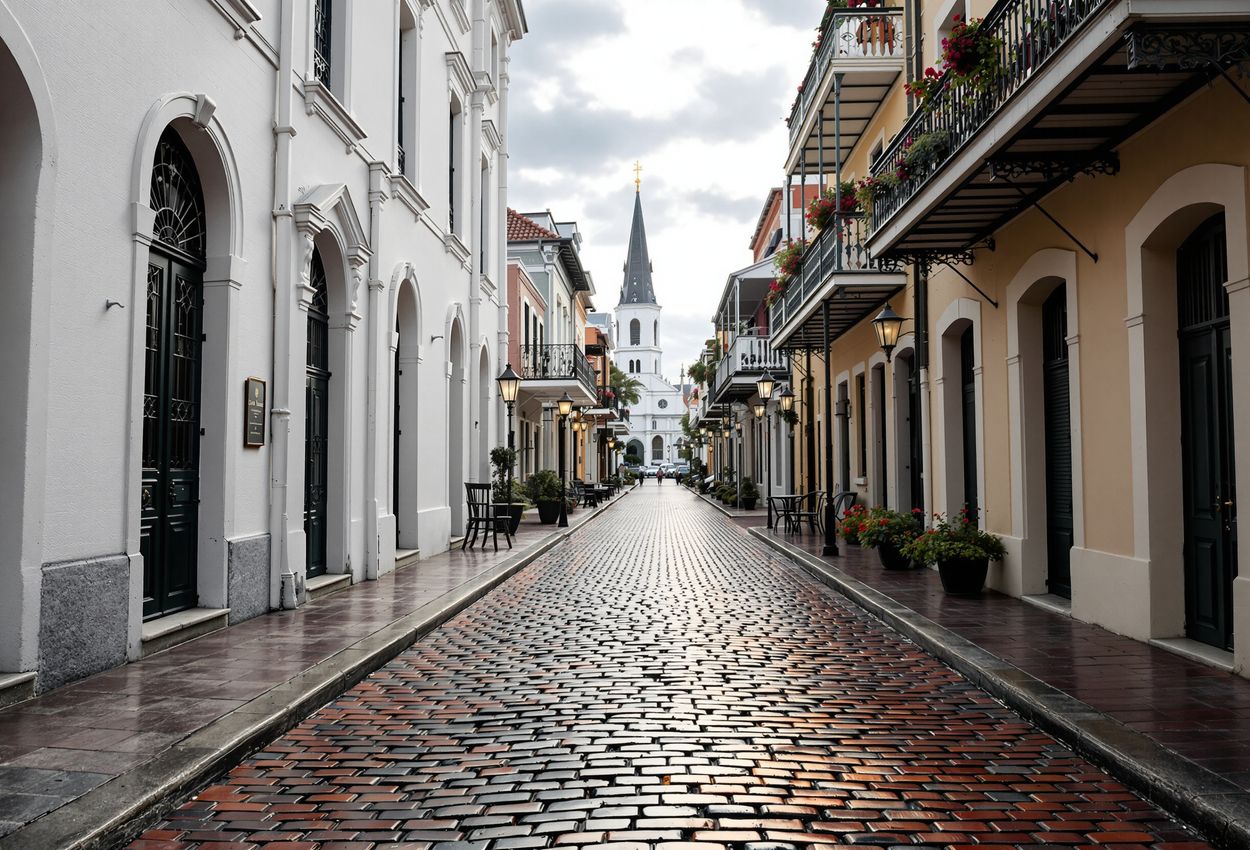
Pirates Alley, a narrow passageway located in the heart of the French Quarter, exudes an aura of mystery and intrigue.
Despite its name, there is little evidence to suggest that Pirates Alley was ever a haven for pirates. However, local legend claims that the alley was frequented by figures like Jean Lafitte and his brother Pierre, who used it as a meeting place and a base for their smuggling operations.
The alley's proximity to the Cabildo, which once housed a Spanish colonial prison, adds to its mystique. It is said that Jean Lafitte negotiated his brother's escape from this prison in exchange for aiding General Andrew Jackson in the Battle of New Orleans.
Pirates Alley is also said to be haunted by ghostly encounters and unexplained phenomena. Some claim to hear footsteps and whispers in the alley at night, while others report feeling as though they are being watched.
Walking through Pirates Alley at night is a sensory experience that transports visitors back in time. The sounds of footsteps echoing on the cobblestones, the shadows cast by flickering lamplight, and the feeling of being surrounded by history create an unforgettable atmosphere.
Hidden Gem: William Faulkner wrote his first novel, Soldier's Pay, while residing in Pirates Alley.
The Sultry Spirits of Muriel's Jackson Square: A Restauranted Past
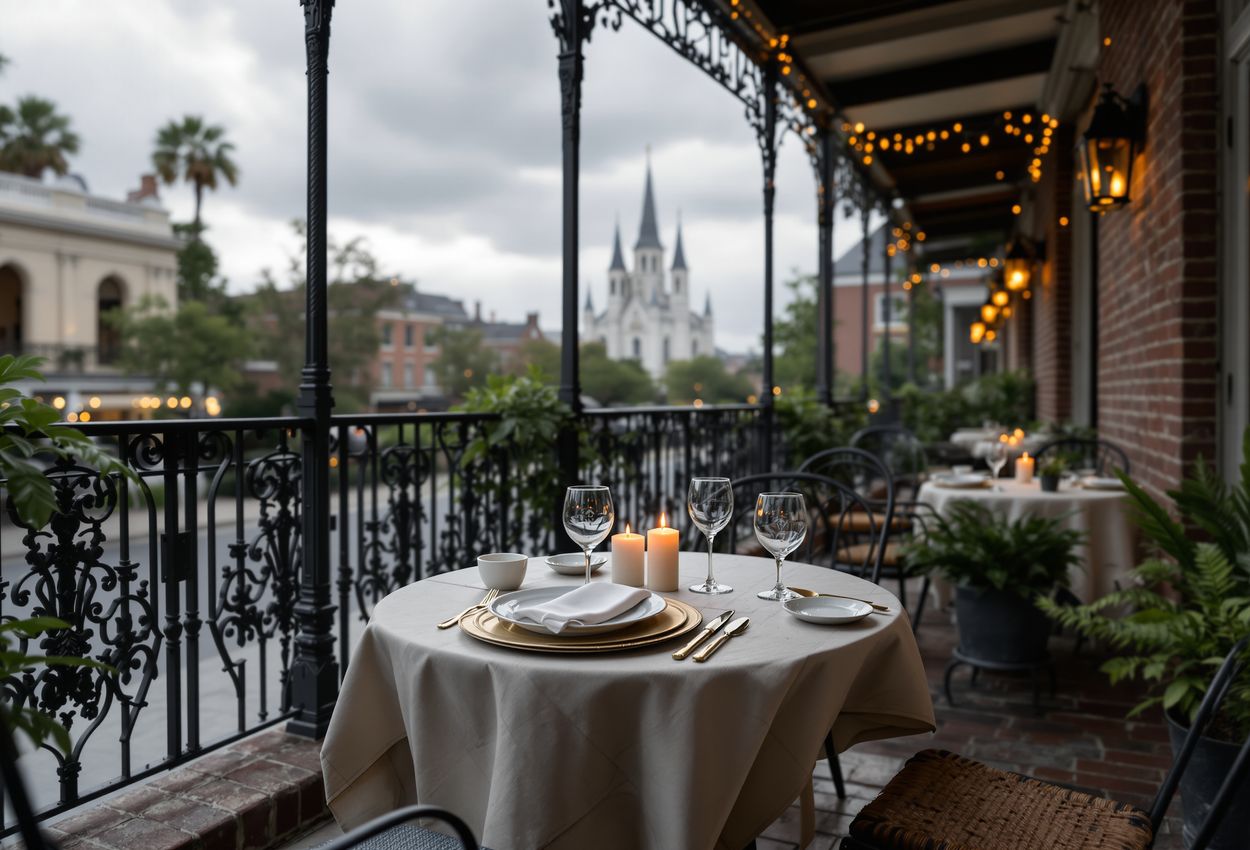
Muriel's Jackson Square, a renowned restaurant located on the corner of Jackson Square, is known not only for its exquisite Creole cuisine but also for its haunted history.
The building that houses Muriel's has a long and storied past, dating back to the 18th century. In the early 19th century, the property was purchased by Pierre Antoine Lepardi Jourdan, who restored it to its original grandeur. However, Jourdan's life took a tragic turn when he lost his beloved home in a poker game. Unable to bear the thought of leaving his cherished residence, Jourdan committed suicide on the second floor, in what is now the Seance Lounge.
Today, Jourdan is said to be the resident ghost of Muriel's, his spirit forever bound to the building he loved so dearly. Staff and patrons have reported numerous paranormal encounters, including sightings of a sparkling light, objects moving on their own, and unexplained noises.
Dining at Muriel's is a sensory experience that blends culinary delights with a touch of the supernatural. The sounds of laughter and clinking glasses mingle with the feeling of being in a place with a rich and mysterious past. The restaurant even reserves a table for Jourdan, complete with bread and wine, as a sign of respect for its spectral resident.
Hidden Gem: The Seance Lounge is said to be the most haunted room in Muriel's, with many visitors reporting heightened paranormal activity in this space.
Haunted Hotels: Unmasking the Ghosts of Hotel Monteleone
Hotel Monteleone, a historic landmark in the French Quarter, has earned a reputation as one of the most haunted hotels in New Orleans.
The hotel has been owned and operated by the Monteleone family since 1880, and over the years, it has accumulated a wealth of ghostly tales and paranormal occurrences. One of the most famous ghost stories associated with the hotel is that of Maurice Begere, a young boy who died in the hotel in the late 19th century. His parents, frequent guests of the hotel, would often leave him in the care of a nanny while they attended the French Opera House. One night, Maurice contracted a fever and died, leaving his parents grief-stricken.
Guests and staff have reported numerous sightings of Maurice's ghost on the 14th floor of the hotel, where he is said to wander the halls, searching for his parents. Other paranormal occurrences at Hotel Monteleone include apparitions of former guests, unexplained noises, and objects moving on their own.
The hotel's opulent architecture and historic atmosphere add to its haunted allure. Walking through its grand halls, one can almost feel the presence of the spirits who have made Hotel Monteleone their eternal home.
Hidden Gem: Room 930 is known for particularly strong paranormal activity. Guests who have stayed in this room have reported strange occurrences such as lights flickering, unexplained cold spots, and the sensation of being watched.

As the night deepens in New Orleans, the veil between the living and the dead thins, allowing the city's haunted history to come alive. Whether you're a believer in ghosts or simply a curious traveler, a journey through New Orleans after dark is sure to be an unforgettable experience.