In 2025, paranormal tourism isn't just a niche interest; it's a booming industry with a market valuation around $32.76 billion, projected to reach $39.77 billion by 2032, fueled by a CAGR of 2.8%.
From historic haunted sites to immersive scream parks, the blend of history, folklore, and entertainment attracts diverse demographics, marking a significant shift from niche curiosity to mainstream appeal. Digital platforms play a pivotal role, amplifying the allure and easing the booking process for these ghostly getaways.
The Ghostly Getaway: Paranormal Tourism Ascends
Paranormal tourism has surged from a fringe interest to a substantial economic sector, drawing in travelers with its unique blend of history, mystery, and thrill. The industry, encompassing ghost tours, haunted attractions, and paranormal investigations, appeals to a broad audience seeking immersive and memorable experiences. This evolution is fueled by a growing fascination with the supernatural and the innovative ways destinations and businesses capitalize on haunted places and ghost stories.
The paranormal tourism market is estimated at $32.76 billion in 2025 and is projected to reach $39.77 billion by 2032, reflecting a compound annual growth rate (CAGR) of 2.8%. This growth is propelled by several factors, including the increasing accessibility of haunted locations through digital platforms and the rising interest in unique travel experiences. The industry's appeal lies in its ability to combine historical elements with the thrill of the unknown, attracting a diverse range of visitors.
Digital platforms have become essential in marketing and booking paranormal tourism experiences. Social media, online travel agencies, and dedicated paranormal tourism websites provide easy access to information and reservations. These platforms also allow for user-generated content, such as reviews and testimonials, which can significantly influence potential visitors. The rise of paranormal-themed content on platforms like TikTok and Instagram has further amplified interest, turning niche curiosity into mainstream appeal.
The shift towards mainstream appeal is evident in the changing demographics of paranormal tourists. While the industry initially attracted a specific niche of ghost enthusiasts, it now draws in families, couples, and solo travelers seeking unique and engaging experiences. This broader appeal is due to the diverse range of offerings within the industry, from family-friendly ghost tours to immersive haunted attractions and sophisticated paranormal investigations. The blend of history, folklore, and entertainment ensures there is something for everyone, contributing to the industry's sustained growth.
Haunted Hotspots: Where Are the Ghosts?
Certain locations have successfully capitalized on their paranormal reputations, transforming local tourism and economies. These haunted hotspots attract visitors year-round with ghost tours, paranormal events, and historical sites steeped in eerie tales. Salem, Massachusetts, Savannah, Georgia, and New Orleans are prime examples, where paranormal tourism significantly contributes to local revenue and cultural identity.
Salem, Massachusetts, is synonymous with the infamous witch trials of 1692, a dark chapter that has become a major draw for tourists. The town has transformed itself into a supernatural mecca, attracting hundreds of thousands of visitors each year. Ghost tours and paranormal events contribute up to 20% of the local tourism revenues. The Salem Witch Trials Memorial stands as a somber reminder of the past, while numerous museums, psychic shops, and witch-themed attractions cater to the curious and the believers. Salem generates over 20% of its yearly hotel stays during October, demonstrating the economic impact of its haunted reputation.
Savannah, Georgia, often cited as one of America's most haunted cities, boasts a rich history of ghostly tales rooted in its colonial past, slavery era, and Civil War events. The city's well-preserved architecture and atmospheric squares provide the perfect backdrop for ghost tours, which are a staple of Savannah's tourism industry. These tours highlight haunted hotels, historic homes, and cemeteries, drawing visitors seeking paranormal encounters. Ghost tours and paranormal events contribute up to 20% of local tourism revenues, underscoring the city's successful embrace of its haunted identity.
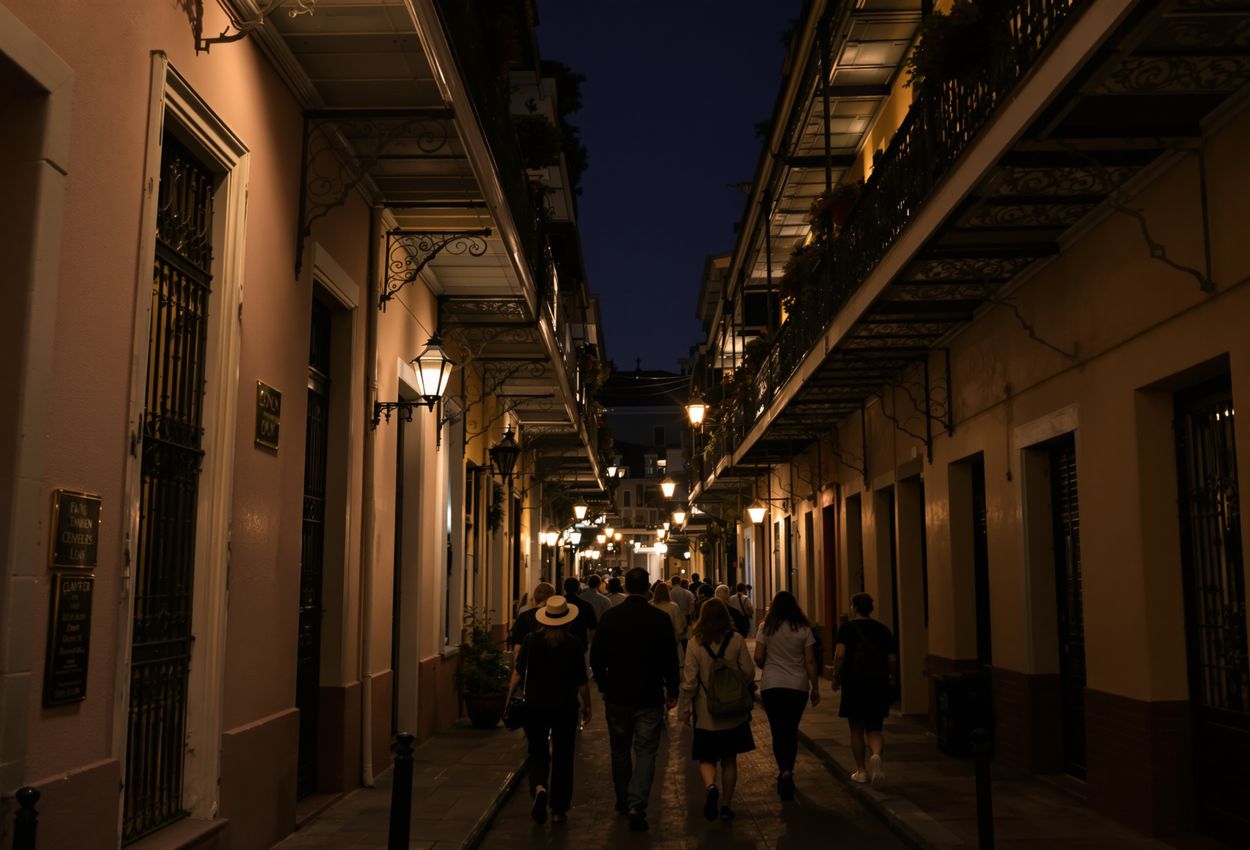
New Orleans, with its unique blend of French, Spanish, and African cultures, is another leading destination for paranormal tourism. The city's haunted reputation is fueled by its history of voodoo, pirates, and tragic events. Ghost tours explore the French Quarter's eerie alleyways, haunted mansions, and above-ground cemeteries, captivating visitors with tales of restless spirits and unexplained phenomena. The city's embrace of its paranormal side has made it a must-visit destination for ghost enthusiasts, contributing significantly to its tourism economy.
Monsters and Machines: Theme Park Terrors
Haunted attractions and scream parks have emerged as significant players in the paranormal tourism industry, offering immersive experiences that blend horror and entertainment. These venues attract thrill-seekers with elaborate sets, special effects, and live actors, creating a unique form of adrenaline-fueled tourism. Several parks across the United States have gained recognition for their innovative approaches to scaring visitors, drawing crowds and boosting local economies.
Thrillvania Haunted House Park in Terrell, Texas, is a prime example of a successful haunted attraction. Spanning 50 acres, the park features multiple haunted houses and trails, each with distinct themes and elaborate designs. The park is known for its use of film-quality special effects, animatronics, and pyrotechnics, creating an immersive and terrifying experience for visitors. Thrillvania has been recognized as one of the top haunted attractions in the U.S., drawing horror enthusiasts from across the country. The park includes three main sights, including Verdun Manor, Cassandra's House of Clowns and Sam Hain's Trail of Torment.
Niles Scream Park in Niles, Michigan, is another standout haunted attraction, known for its commitment to charity and community involvement. The park features multiple haunted houses and attractions, each rebuilt every year to provide new and unique experiences. With professionally designed sets and innovative scare tactics, Niles Scream Park has been recognized as one of the top haunted attractions nationwide. In 2024, the park donated over $148,000 to local charities, highlighting its role as a community project. The Niles Scream Park offers 44 acres of blood-curdling fear.
Factory of Terror in Canton, Ohio, holds the Guinness World Record three times as the longest indoor haunted attraction. Located inside an abandoned aluminum foundry, the Factory of Terror features multiple full-length attractions, themed bars, and axe throwing, creating a comprehensive entertainment experience. The venue's industrial setting and intense scares draw large crowds, making it a popular destination for horror fans. The Factory of Terror features five full bars featuring multiple beers, liquor, specialty cocktails, shots, soft drinks, water, and more.
Dead End Hayride near Minneapolis offers a Midwestern horror experience on an epic scale. The attraction features a mile-long trail with fireballs, pyrotechnics, and over 250 actors, creating a cinematic and primal experience. Dead End Hayride attracts an average of 90,000 visitors each season, drawing fans from across the country. The attraction is located at Pinehaven Farm.
Tech and Terror: Innovation Drives Paranormal Tourism
Technology plays a crucial role in promoting and enhancing paranormal tourism experiences, attracting a new generation of ghost hunters and enthusiasts. Social media platforms, ghost hunting apps, and augmented reality (AR) experiences are transforming how people engage with haunted locations and supernatural phenomena. These innovations not only enhance the thrill but also provide educational and interactive elements, making paranormal tourism more accessible and engaging.
Social media platforms like TikTok and Instagram have become powerful tools for marketing paranormal tourism. The hashtag #Paranormal has billions of views, with users sharing their ghost-hunting adventures, eerie encounters, and haunted location visits. This user-generated content creates a sense of community and inspires others to explore the paranormal world. Ghost tour operators and haunted attractions leverage social media to reach a wider audience, showcasing their offerings and attracting new visitors.
Ghost hunting apps provide enthusiasts with tools to investigate paranormal activity, turning ordinary locations into potential haunted sites. These apps often include features such as EMF readers, spirit boxes, and audio recorders, allowing users to detect and analyze potential paranormal phenomena. The apps also provide information about local haunted locations, ghost stories, and historical events, enhancing the overall experience. By democratizing ghost hunting, these apps have made paranormal tourism more accessible to a broader audience.
Augmented reality (AR) experiences offer a new dimension to paranormal tourism, blending the real world with digital enhancements. The Rufford Ghost Walk in Nottinghamshire, England, is a pioneering example of AR in paranormal tourism, using 5G technology and AR headsets to create a holographic ghost walk. Visitors don AR headsets and walk around Rufford Abbey, where they witness holographic ghosts recreating tales of the abbey's gruesome past. This immersive experience combines live-action footage, CGI visual effects, and spatial mapping, creating a unique and terrifying adventure.

Beyond the Scare: Economic Boons and Community Pride
Paranormal tourism's influence extends beyond providing thrills and chills; it significantly boosts local economies, creates job opportunities, and fosters community pride. By drawing visitors to historic and often underutilized locations, paranormal tourism supports local businesses, preserves cultural heritage, and enhances community identity. The economic benefits and community engagement contribute to the sustainable growth of paranormal tourism destinations.
Paranormal tourism generates revenue for various local businesses, including hotels, restaurants, tour operators, and retail shops. Hotels and B&Bs with paranormal reputations often command premium pricing, with some haunted hotels achieving higher occupancy rates than regional averages. Ghost tours represent a visible component of paranormal tourism, with successful operations generating significant annual revenue. Paranormal-themed restaurants, bars, and entertainment venues also benefit from increased foot traffic and tourist spending.
The industry creates diverse job opportunities, including tour guides, hotel staff, restaurant workers, and souvenir vendors. These jobs provide both full-time and seasonal employment, stimulating economic growth in the community. The preservation of historical sites is another significant economic benefit. Many haunted locations are also historical landmarks, and the increased attention from paranormal tourism leads to greater efforts to preserve and maintain these sites.
Paranormal tourism can increase community pride and identity, as residents see their local history and stories valued and appreciated by visitors from around the world. Tourism revenue supports expanded cultural programming, including festivals, special events, and educational programs that enrich community life and provide entertainment for residents. The preservation and development of local storytelling traditions also contribute to cultural continuity and community identity.
Despite the economic and cultural benefits, it is essential to balance commercial opportunity with community values. Some residents may express concerns about the commercialization of tragic historical events, emphasizing the need for sensitivity and respect. Responsible paranormal tourism involves engaging with local communities, supporting ethical practices, and ensuring that the industry enhances rather than compromises the authentic character of the destination.
As paranormal tourism continues to evolve, its economic and cultural impact will likely grow, creating new opportunities for destinations and businesses. By embracing innovation, engaging with local communities, and preserving cultural heritage, the paranormal tourism industry can ensure its sustainable and responsible growth, providing unique and memorable experiences for visitors while benefiting the communities that host them.