Embarking on a paranormal adventure can be an exciting and intriguing experience. However, it's crucial to approach ghost hunting with respect, responsibility, and a focus on safety. This guide provides essential tips for planning a paranormal investigation that honors the spirits, the locations, and the local communities.
Whether you're a seasoned paranormal investigator or a curious beginner, these guidelines will help you conduct a safe and ethical exploration of the supernatural. Remember, the goal is to learn and understand, not to disturb or provoke.
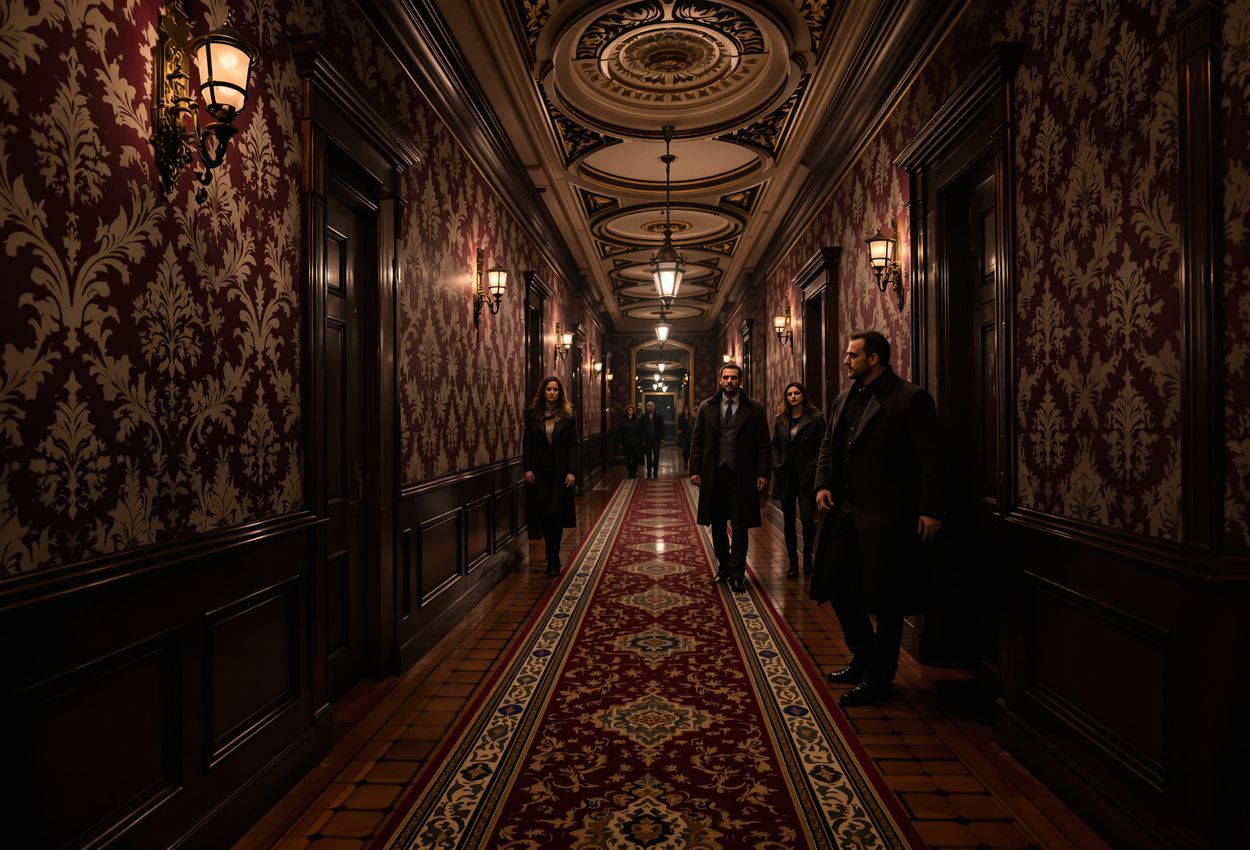
Respect First, Apprehension Later Honoring the Spirits and Locations
Approaching paranormal investigations with respect is paramount. This involves honoring the spirits, the history of the location, and the local community. Before even setting foot on a site, thorough research is essential. Delve into the history of the location, seeking out significant events, past residents, and previous paranormal claims. Understanding the history can provide context for any potential activity and help you approach the investigation with sensitivity.
Respectful behavior during an investigation includes avoiding loud noises, which can be disruptive and disrespectful. Refrain from touching or moving objects without permission, as this can be seen as intrusive. Always leave the site as you found it, ensuring no damage or alterations are made. It's also important to be mindful of the local community. If the location is near residential areas, keep noise levels to a minimum and avoid causing disturbances.
Before starting, introduce yourself to any present spirits, explaining your intentions and that you mean no harm. Ask for their permission before taking pictures or conducting experiments. Invite them to participate, and if you believe they are responding, express your gratitude. Explain the tools you're using, especially if they are from a different time period, to help them feel more at ease. When you're finished, thank them for their time and politely ask them not to follow you.
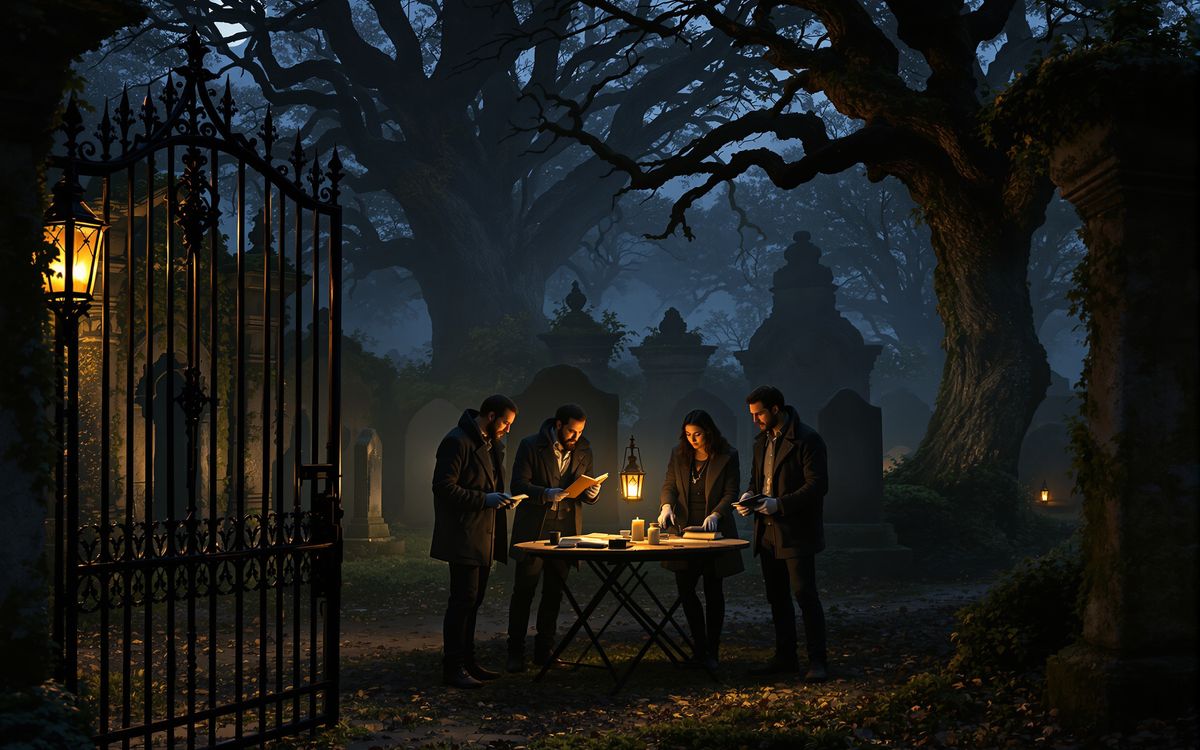
Showing reverence for historical sites, cemeteries, and battlefields is crucial. Never vandalize, litter, or damage anything. Obtain permission before entering private property, especially cemeteries, which are places of mourning. Be mindful and quiet, respecting the space and its purpose.

Assembling Your Ghost Hunting Toolkit What to Bring and Why
A well-prepared ghost hunting toolkit is essential for a safe and responsible investigation. Here's a checklist of essential equipment and their purposes:
- Flashlight: Essential for navigating dark environments and reading historical markers or guest books.
- EMF Meter: Detects electromagnetic field fluctuations that may indicate paranormal activity.
- Digital Voice Recorder (DVR): Captures electronic voice phenomena (EVPs), sounds beyond the range of human hearing.
- Infrared Thermometer: Measures temperature drops, which can suggest the presence of paranormal entities.
- Camera: Documents visual evidence of paranormal activity; night vision cameras are useful in low-light conditions.
- Extra Batteries and Portable Chargers: Ensures all equipment remains functional throughout the investigation.
- Notepad and Pens: To note down anything and everything that happened on the night, such as fluctuations in meter readings, anomalies on camera, recordings, and any personal feelings or experiences.
A smartphone can serve as a backup flashlight, camera, and digital recorder. However, put your phone away unless you're using it for ghost hunting purposes. The constant notifications and distractions will ruin the experience for you and others. If using your phone, set it to airplane mode to prevent interference.
Beyond the basics, consider advanced equipment like thermal imaging cameras and structured light sensor (SLS) cameras for deeper environmental insights. Strategic placement and monitoring of equipment in areas of reported activity is key. Cross-verification of evidence using multiple devices enhances credibility. Documenting and analyzing data helps identify patterns and occurrences.
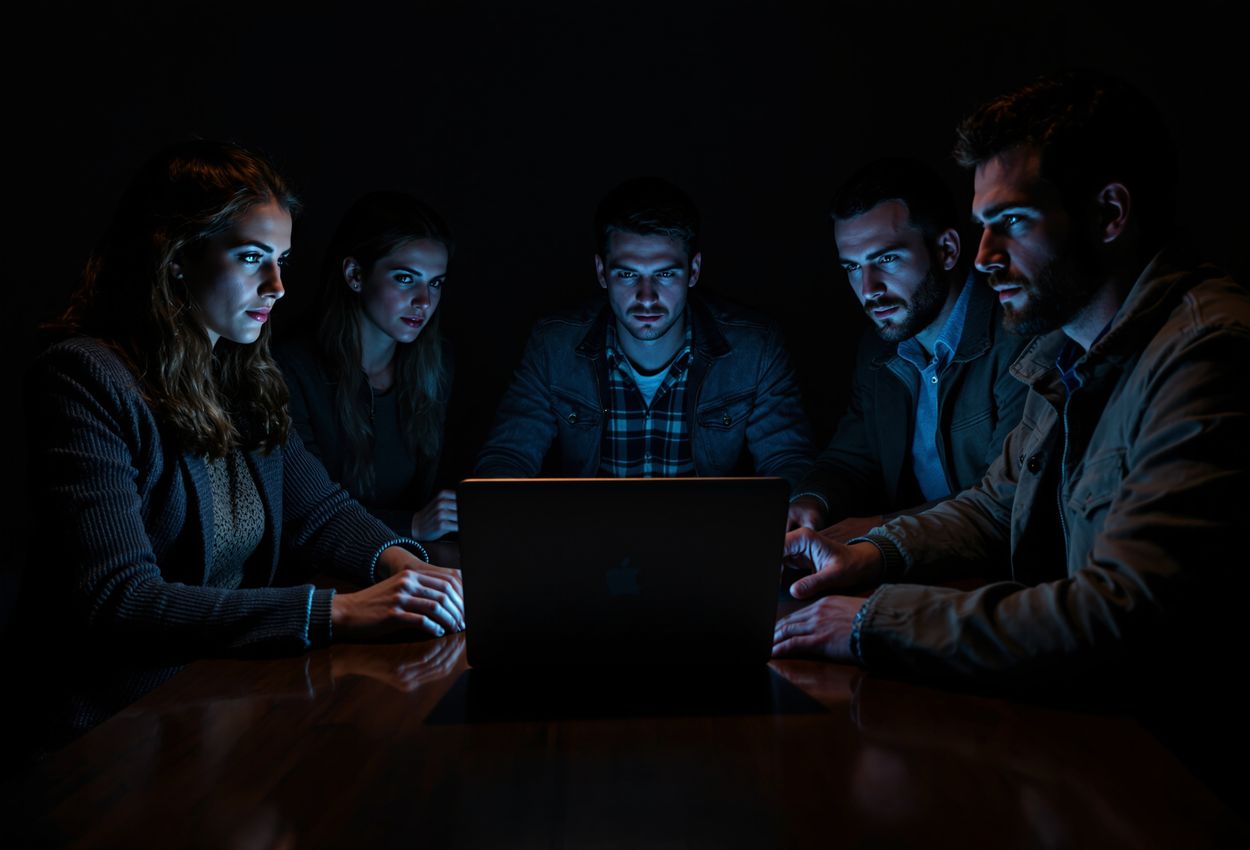
Safety in Numbers and Knowledge Why You Should Never Ghost Hunt Alone
Never ghost hunt alone. A team enhances safety by providing backup in emergencies, additional witnesses, and diverse perspectives. A group of about 5–7 is ideal. Inform someone of your plans, including the location and expected return time.
Being well-rested and sober is crucial for maintaining alertness and control. Avoid alcohol and drugs before or during an investigation, as they can impair judgment and reaction time. Use common sense and trust your instincts. If a place says no trespassing, stay out of it. Many landowners patrol areas they own and worry about trespassers, and some will shoot intruders. The signs are up for a reason. Heed them. If there are dangerous places, such as known drug activity hangouts, wild animal spottings, or hazardous zones, try a different spot. Do not put yourself in danger. It is not worth your life.
Everyone should have the same equipment if possible. Take lots of pictures. You never know when something might show up. If you only snap a shot when you hear something, you could miss out on a lot of activity. Most ghost hunters see nothing while on a hunt. It is only after leaving and reviewing the evidence that they spot anomalies. Spend some time recording yourself asking the spirits questions. Don't be embarrassed about your voice; just ask the questions you prepared earlier and give about 10–20 seconds after each for anything around that might want to answer. Spend extra time in places where you think you sense something.

Navigating the Unknown Scouting and Mapping Your Paranormal Site
Scouting the location during daylight hours is essential for familiarizing yourself with the layout and identifying potential hazards. This allows you to create a map with marked entry and exit points, as well as potential obstacles. Note any places that could pose a problem during your ghost hunt. You may also consider drawing out a map with potential hazards, as well as nearby walkways and roads.
Obtaining permission before entering private property is crucial to avoid trespassing. Research the location online and note anything specific about the area. Read what others have said, look through any pictures offered, watch your videos, and write everything of importance down. Unless it's a public location, always get permission before entering private property. This goes double for cemeteries – they are places of mourning, so be mindful and quiet.
If you are questioned by police or landowners, you will need to show proof of identification. You also want to be truthful about what you're doing, so they don't think you are thieves or vandals. Heed any warnings or signs. If a place says no trespassing, stay out of it.
By following these safety tips, you can plan a paranormal adventure that is both exciting and responsible. Remember to respect the spirits, the locations, and the local communities, and always prioritize safety above all else.
Before you leave for the night, please thank the spirits and firmly set your boundaries by telling them they CAN NOT come home with you. DO NOT tell them they have to stay at the museum because they can come and go as they please.
Remember, ghost hunting is about investigation and discovery, not provoking or antagonizing. By following these simple guidelines, you'll ensure a safe, respectful, and potentially unforgettable haunt. Happy ghost hunting !